The best patio cover for most homeowners is an aluminum solid-roof cover or a louvered pergola system: aluminum covers run $2,000–$8,000 installed, block rain and sun completely, and last 20-plus years with almost no maintenance; louvered systems cost more ($8,000–$25,000+) but give you adjustable shade and airflow at the push of a button. If budget is the top concern, a freestanding wood pergola with a shade sail or polycarbonate roofing panels is a proven DIY option that can come in under $2,000 in materials. If you're in a high-UV desert climate like Las Vegas, an engineered aluminum cover with powder-coat finish is the clear winner. For rain-heavy climates, a polycarbonate or metal solid roof outperforms open lattice every time. That said, the "best" cover depends entirely on what you need, and that's what this guide is built to sort out. For visual inspiration and layout ideas tied to each recommendation, see our patio cover examples. For a quick comparison of leading options and price ranges, see our roundup of top patio covers.
What Are the Best Patio Covers: Guide by Use, Climate & Budget

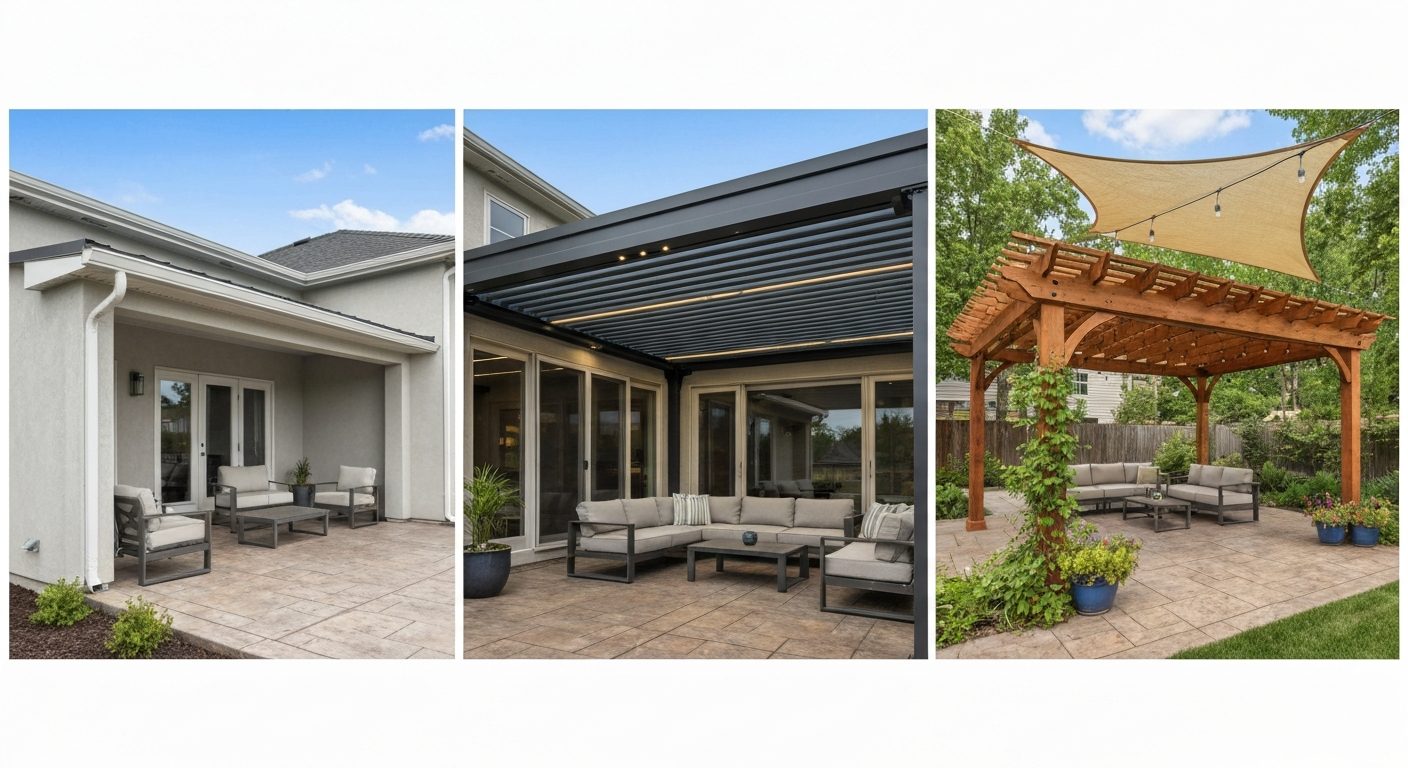
Quick Answer: Best Cover by Homeowner Priority
| Your Top Priority | Best Cover Type | Typical Installed Cost |
|---|---|---|
| Maximum sun/heat protection | Aluminum solid roof or louvered cover | $4,000–$20,000 |
| Full rain protection | Polycarbonate or metal solid roof | $3,500–$15,000 |
| Adjustable shade and ventilation | Motorized louvered pergola | $10,000–$30,000+ |
| Lowest budget / DIY | Wood pergola + shade sail or DIY polycarbonate | $800–$4,000 |
| Best aesthetics / curb appeal | Cedar/redwood pergola or vinyl cover | $5,000–$18,000 |
| Lowest long-term maintenance | Powder-coated aluminum cover | $4,000–$12,000 |
| Temporary or rental-friendly | Patio tent, canopy, or shade sail | $150–$1,500 |
| Snow and high-wind climate | Engineered steel or aluminum solid roof | $6,000–$20,000 |
| Hot dry climate (e.g., Las Vegas) | Aluminum solid roof or insulated roof panel | $4,500–$15,000 |
| Luxury / high-end outdoor room | Motorized louvered pergola + screens + lights | $15,000–$50,000+ |
What Actually Counts as a Patio Cover
A patio cover is a roofed or semi-roofed structure designed to shade or shelter a patio or deck space. Under the International Residential Code (IRC), which most U.S. jurisdictions adopt, a patio cover is classified as a one-story accessory structure, typically limited to about 12 feet in height, and open on at least two or more sides. That last part matters for permitting: an enclosed or fully walled structure tips into "room addition" territory, which triggers a whole different set of requirements. The practical distinction most homeowners deal with is permanent versus temporary.
Permanent patio covers include anything anchored to the ground or attached to the house: pergolas with posts set in concrete footings, attached aluminum or wood roofs, louvered systems, and fixed awnings. These almost always require a building permit for attached structures, and many jurisdictions, including Clark County (Las Vegas), San Diego, and Phoenix, publish specific patio-cover permit checklists requiring a plot plan, framing cross-section, footing details, and roof framing plan. Temporary covers include freestanding canopy tents, shade sails tensioned between posts or anchors, and portable gazebos. These generally don't need permits, but they also don't handle serious weather the same way a bolted-down structure will.
How We Define "Best", The Goals That Drive the Choice
I've helped neighbors compare patio covers across Texas heat, Pacific Northwest rain, and Midwest wind, and the same lesson keeps coming up: "best" is not a single answer. A motorized louvered roof is objectively impressive, but it's not "best" for someone on a $3,000 budget or someone who moves every few years. To give you something useful, here are the six dimensions I use to evaluate every cover type, and why each one shifts the recommendation.
- Shade and heat reduction: how much solar heat gain it blocks, whether it ventilates or traps heat underneath
- Rain protection: whether it sheds water completely or just filters it (open lattice, for instance, does almost nothing in rain)
- Durability and lifespan: expected service life by material under real weather, including UV exposure, humidity, and freeze-thaw cycles
- Maintenance requirements: how much annual cleaning, sealing, painting, or inspection it realistically needs
- Appearance and style fit: how well the cover complements the home's architecture and the homeowner's taste
- Budget: both upfront installed cost and lifecycle cost over 10–20 years, including maintenance and any replacements
All Cover Types at a Glance
| Cover Type | Rain Protection | Sun Blocking | Lifespan (years) | Maintenance | DIY Friendly | Cost Range (Installed) |
|---|---|---|---|---|---|---|
| Open pergola (wood or aluminum) | None | Partial (30–50%) | 10–25+ | Moderate (wood) / Low (aluminum) | Yes | $2,000–$10,000 |
| Covered pergola (solid or polycarbonate top) | Good–Excellent | High | 15–25+ | Low–Moderate | Moderate | $4,000–$18,000 |
| Louvered pergola (manual) | Good (closed) | Adjustable | 20–30+ | Low | No | $6,000–$20,000 |
| Louvered pergola (motorized) | Excellent (closed) | Fully adjustable | 20–30+ | Low | No | $10,000–$35,000+ |
| Aluminum solid-roof cover | Excellent | Full | 25–40+ | Very Low | Moderate | $3,500–$12,000 |
| Polycarbonate roof | Excellent | High (diffused) | 10–20 | Low | Yes | $2,500–$10,000 |
| Wood solid roof (cedar/redwood) | Excellent | Full | 15–30 | Moderate–High | Yes (skilled) | $6,000–$20,000 |
| Vinyl cover | Excellent | Full | 20–30+ | Very Low | Moderate | $4,000–$14,000 |
| Retractable awning (fabric) | Moderate (retracted in wind) | High | 8–15 | Moderate | No (recommend pro) | $2,000–$7,000 |
| Shade sail | None–Low | Moderate (60–90%) | 5–12 | Low | Yes | $200–$1,500 |
| Fabric canopy / patio tent | Moderate | Good | 2–8 | Low | Yes | $150–$1,500 |
| Gazebo (soft or hard top) | Good–Excellent | Full | 5–20 | Low–Moderate | Yes (kit) | $800–$6,000 |
| Steel/metal solid roof | Excellent | Full | 30–50+ | Low | No | $8,000–$25,000 |
The Main Cover Types, What Each One Actually Does
Before going deep on the most popular options, here's the lay of the land. Patio covers split into two broad camps: solid-roof covers that block everything above them, and open or semi-open covers that filter sun without giving you rain protection. Within those camps, material choice (wood, aluminum, steel, fabric, polycarbonate) determines how long the cover lasts, how much work it takes to maintain, and how it looks. Louvered systems occupy a unique middle ground: they're solid when closed and open when you want airflow. Temporary options like canopies and shade sails are in a different category entirely, useful, flexible, but not a substitute for a permanent structure if you use your patio regularly.
Aluminum Solid-Roof Covers
Powder-coated aluminum covers, often sold under category names like "alumawood" or "patio solid covers", are the most popular permanent option for good reason. Aluminum develops a stable oxide film naturally, and when a quality powder-coat or anodized finish is added (following Aluminum Association finish standards), the surface resists corrosion and UV fading for decades with nothing more than occasional rinsing. Expect a 25–40-year lifespan in most climates. Installed costs typically run $3,500–$12,000 for a standard residential size (10x12 to 16x20 feet). For Las Vegas and other high-UV desert environments, aluminum with a factory powder-coat finish is an especially strong choice because it won't rot, warp, or bleach out the way wood or basic fabric covers do in intense UV.
Polycarbonate Roofs
Polycarbonate panels (multiwall or corrugated) are a go-to for DIYers who want rain protection with natural light transmission. Quality polycarbonate sheets come with a co-extruded UV-protective cap layer, and reputable suppliers back this with 10-year UV warranties. Without that UV cap, the panels will yellow and become brittle in as few as 5 years, so always verify the spec sheet before buying. Translucent panels diffuse sunlight rather than blocking it completely, which keeps the space from feeling like a cave, but they do let heat build underneath in summer. Twin-wall or multi-wall panels add insulating value. DIY installation on a basic framed structure is realistic for a handy homeowner, and materials alone can run $800–$3,000 depending on panel grade and size.
Retractable Awnings
A motorized or manual retractable awning mounts to the house wall and extends over the patio on a spring or motorized arm system. The upside is flexibility: you retract it when the weather turns bad or when you don't need shade. The downside is durability, most manufacturers specify retraction in winds above 20–25 mph to avoid damage, and fabric canopies have a shorter service life (8–15 years) than solid materials. Installed costs run $2,000–$7,000 for quality residential units. They don't drain rain the way a solid roof does, so you'll deal with water pooling on the fabric in heavy rain. They're a solid choice for someone who wants occasional shade without committing to a permanent structure.
Shade Sails and Fabric Canopies
Shade sails are tensioned fabric panels strung between anchor points (posts, walls, or trees). High-quality sails use HDPE mesh with UV-blocking ratings of 90–95%, which cuts solar heat gain meaningfully. They don't block rain and they're not designed for sustained high winds, so you'll take them down seasonally in most climates. Budget models from box stores run $50–$300; a properly tensioned setup with sturdy posts anchored in concrete runs more like $500–$1,500. Canopy tents and patio tents are the most temporary option, they set up in an afternoon, cost $150–$1,500 depending on size and frame quality, and are ideal for renters, seasonal use, or as a stopgap while planning a permanent cover. For more budget-friendly and DIY options, see our guide to alternative patio covers.
Vinyl and Wood Solid Covers
Vinyl covers offer a clean, low-maintenance surface that resists rot and insects without painting or staining. They mimic the look of wood lattice or solid panels and typically last 20–30 years. The trade-off is that vinyl can become brittle in extreme cold and may not suit climates with heavy snow loads without proper engineering. Wood covers, particularly western red cedar and old-growth redwood, both rated as naturally decay-resistant by USDA Forest Products Laboratory research, bring warmth and character that synthetic materials can't match. But wood needs regular maintenance: sealing or staining every 2–3 years, and prompt repair of any cracking or exposed grain, especially in wet or UV-intense climates. Expect 15–30 years of service with good upkeep.
Gazebos
A gazebo is a freestanding roofed structure, often octagonal or rectangular, with open or screened sides. Hard-top gazebos with aluminum or steel frames and metal or polycarbonate roofing can last 15–20 years. Soft-top fabric gazebos are closer to the patio tent category: useful, but expect to replace the canopy every few years. Kit gazebos from major retailers typically range $800–$3,000 for a 10x12-foot model; custom-built or permanent gazebos run $5,000–$20,000+. They work well for defined seating or dining areas but don't cover a full patio perimeter the way an attached cover does.
Pergolas: Open Lattice and Covered Versions
A pergola is a framed structure of vertical posts supporting a horizontal grid or lattice of beams and rafters. In its classic open form, it creates partial shade, roughly 30–50% coverage depending on rafter spacing, and zero rain protection. Its value is architectural: a well-built pergola defines the outdoor space, supports climbing plants or hanging lights, and can dramatically improve the look of a plain concrete slab. Open cedar or pressure-treated pergolas remain one of the most popular DIY patio projects, with materials in the $1,200–$4,000 range for a 12x16-foot structure depending on lumber species and hardware.
A covered pergola adds a solid or semi-transparent roof layer to that same frame: polycarbonate panels, corrugated metal, fabric shade cloth, or even a living green roof with crosswise planting beams. This converts the pergola from an accent structure into real weather protection. The covered version costs more, typically $4,000–$18,000 installed, but it serves as a genuine outdoor room. For layout, an attached covered pergola along a south- or west-facing wall gives maximum afternoon shade in most U.S. latitudes. A freestanding version centered on a patio works better when the patio extends away from the house.
Image suggestion: A 14x16-foot attached cedar pergola with alternating 2x6 rafters and horizontal shade cloth panels installed on a stained concrete patio, shown from a low angle looking up to communicate the filtered light effect. A second image showing the same pergola with polycarbonate roofing panels and string lights for evening ambiance.
- Pros: attractive and customizable, relatively DIY-friendly, huge range of sizes and materials, can support plants, fans, lighting, and screens
- Pros: freestanding versions avoid attachment permits in some jurisdictions
- Pros: open version promotes airflow, avoiding the heat-trap effect of solid roofs
- Cons: open lattice provides zero rain protection and only partial sun blocking
- Cons: wood versions require regular sealing or staining every 2–3 years
- Cons: adding a solid roof later often requires revisiting permits and structural calculations
Louvered Patio Covers: Motorized vs Manual
Louvered (or bioclimatic) patio covers are the category that has grown fastest over the past decade, and for good reason. The system uses a series of pitched aluminum louvers, typically 5–8 inches wide, mounted in a rigid aluminum frame. When open, they let in sun and breeze; when closed, they shed rain as efficiently as a solid roof. You control the angle manually (via a hand crank or wand) or automatically with a motorized actuator and app control. This is the closest thing to a truly all-weather outdoor room without a full enclosure.
Manual vs Motorized: Which One to Choose
Manual louvered systems save $1,500–$4,000 over motorized equivalents and have no electronics to service. They're a smart choice for a smaller cover (under 12x12 feet) or for homeowners who don't mind stepping out to adjust the louvers a few times a day. Motorized systems add convenience that genuinely changes how you use the space, you can adjust from inside the house, program the louvers to open at dawn and close before an afternoon thunderstorm, or tie them into a smart home system. If you're adding integrated LED lighting, heaters, or motorized privacy screens (all common in premium setups), the motorized louver system is the natural platform for those upgrades.
Performance: What to Look For
Louvered systems designed for the U.S. market should carry engineering documentation for wind and snow loads specific to your site, not just a generic "wind rated" label. Some manufacturers publish ICC/ES certifications with engineered capacities, wind speeds up to 130–150 mph and snow load capacities in pounds per square foot (psf) have been documented in manufacturer engineering reports. But the important number is whether the system meets your local code's requirements per ASCE 7, which sets the load design standards most U.S. jurisdictions follow. Ask your dealer or contractor for site-specific engineering documentation before you sign a contract. A reputable installer will be able to provide this.
Wiring and Installation Considerations
A motorized louvered cover typically needs a 120V circuit run to the structure. If your home's electrical panel is close to the patio, this may be a simple conduit run, budget $300–$800 for a licensed electrician to add a dedicated outdoor circuit. If the panel is on the opposite side of the house, conduit routing can add $500–$2,000 or more. Plan this before finalizing the cover footprint and post locations, because post placement affects the easiest conduit path. Covers with integrated LED lighting, heaters, or motorized screens will need additional circuits or at minimum a sub-panel capacity check. This is one reason louvered systems are almost always contractor-installed rather than DIY: the structural engineering, permit documentation, and electrical coordination make it a multi-trade project.
Image suggestion: A 14x20-foot motorized louvered pergola shown in two states, louvers open at 45 degrees with dappled light falling on outdoor furniture, and louvers fully closed during a light rain with water running off the channel into a built-in gutter at the perimeter beam. A second image showing the integrated LED strip lighting along the interior frame beams at dusk.
- Pros: the most versatile cover available — full sun, partial shade, or rain protection on demand
- Pros: aluminum frame is low-maintenance and corrosion-resistant when properly finished
- Pros: supports integrated upgrades (LED lighting, heaters, ceiling fans, motorized screens)
- Pros: engineered systems available with site-specific wind and snow certifications
- Cons: highest upfront cost of any cover type ($10,000–$35,000+ for motorized systems)
- Cons: motorized systems add electronics that require occasional service
- Cons: almost always requires professional installation and a permit for attached versions
- Cons: wiring adds cost and complexity, especially in older homes with distant panels
Best Patio Covers for Specific Climates and Regions
Hot, Dry, and High-UV Climates (Las Vegas, Phoenix, Southwest)
Las Vegas and the broader Southwest desert region present one of the most demanding environments for patio covers: UV index values regularly hit 10–11+ in summer, ambient temperatures exceed 110°F, and rain is rare but occasionally intense (monsoon events). The top choice here is a powder-coated aluminum solid roof or an insulated aluminum roof panel (often called a "patio insulated panel" or patio insulated cover). For local options and installer reviews, see best patio covers Las Vegas. The insulated version adds a foam core between two aluminum skins, meaningfully reducing radiant heat transmission into the space below, worth the extra $1,000–$2,500 cost in an extreme heat climate. Polycarbonate panels are serviceable but will degrade faster under constant intense UV even with a UV cap, so verify the warranty terms explicitly for high-UV zones. Open wood pergolas are popular aesthetically but will dry-check and crack quickly without diligent seasonal oiling or sealing. Clark County and the City of Las Vegas require building permits for attached and many freestanding patio covers, so factor in permit timeline and fees ($150–$600 typically) when planning your project.
Humid and Coastal Climates (Gulf Coast, Pacific Coast, Southeast)
Salt air accelerates corrosion on any metal that isn't properly protected. Powder-coated or anodized aluminum handles coastal exposure well; hot-dip galvanized steel can also provide decades of low-maintenance service in moderate coastal environments according to American Galvanizers Association service-life data, but standard steel or iron hardware will rust quickly. Untreated or poorly sealed wood is a poor choice near saltwater, even cedar and redwood will degrade faster with constant humidity and salt exposure. Fabric covers and awnings need extra attention for mildew in humid climates; choose solution-dyed acrylic fabrics rated for high humidity over polyester. Adequate drainage and roof pitch (minimum 2:12 for solid roofs) are critical to prevent standing water.
Cold, Snowy, and High-Wind Climates (Midwest, Mountain West, Northeast)
Snow load is the critical design variable in cold climates and it's one that's frequently underestimated in DIY builds. ASCE 7 ground snow load maps show values ranging from under 10 psf in the South to over 100 psf in mountain regions; your local building department or a structural engineer can tell you the ground snow load for your address and the roof snow load design value your cover must meet. Engineered aluminum or steel solid roofs with appropriate roof pitch (typically 3:12 or steeper in heavy-snow areas) and sized rafters/beams are the reliable choice. Open pergolas and retractable awnings are not appropriate as the primary patio cover in heavy-snow regions without supplemental engineering. Vinyl can become brittle and crack under repeated freeze-thaw cycles, so verify manufacturer cold-temperature ratings before specifying it in Zone 6 or colder climates.
Temperate and Rainy Climates (Pacific Northwest, Mid-Atlantic)
Consistent rain rather than snow defines these regions, and the priority is a cover that sheds water reliably without trapping humidity. A solid roof with a proper drainage slope (2:12 minimum pitch) and built-in gutters to direct runoff away from the foundation is the functional standard. Polycarbonate, aluminum, and sealed wood all perform well here with appropriate slope and drainage. Wood covers need more frequent sealing in wet climates, plan for every 1–2 years rather than every 2–3, and choose naturally rot-resistant species like cedar or redwood, or pressure-treated lumber rated for ground contact where posts touch concrete.
What It Costs: Realistic Budget Ranges
Cost ranges for patio covers are wide because size, material, site conditions, and labor markets vary dramatically. The figures below reflect typical national ranges for a standard residential cover (roughly 200–320 square feet) based on aggregated contractor and marketplace data. HomeAdvisor services & local cost estimates (national consumer cost aggregator) publish national averages showing installed patio‑cover projects commonly range from several thousand to tens of thousands of dollars, with midrange attached patio covers often reported in the ~$6,000–$15,000 range (regionally variable). Your actual quote will depend on your region, the contractor's overhead, footing conditions, and whether permits and engineering are included.
| Cover Type | DIY Material Cost | Installed Cost (Pro) | Lifecycle Notes |
|---|---|---|---|
| Open wood pergola | $1,200–$4,000 | $3,000–$10,000 | Resealing every 2–3 years adds $200–$600 per cycle |
| Covered pergola (polycarbonate) | $2,000–$5,000 | $4,500–$14,000 | Panel replacement at 15–20 years; low ongoing cost |
| Aluminum solid-roof cover | $1,800–$4,500 (kit) | $3,500–$12,000 | Very low maintenance; 25–40-year lifespan typical |
| Insulated aluminum panel cover | $3,000–$6,000 (kit) | $5,000–$15,000 | Adds thermal comfort; ideal in extreme heat |
| Vinyl solid cover | $2,500–$5,500 | $4,000–$14,000 | Low maintenance; verify cold-temp ratings |
| Louvered cover (manual) | $4,000–$8,000 | $6,000–$20,000 | Low maintenance; no electrical cost |
| Louvered cover (motorized) | $7,000–$15,000 | $10,000–$35,000+ | Motor service every 5–10 years; electrical install needed |
| Retractable awning | $1,200–$3,500 | $2,000–$7,000 | Fabric replacement at 8–12 years ($500–$1,500) |
| Steel/metal solid roof (custom) | N/A (pro only) | $8,000–$25,000+ | 50-year+ lifespan with proper coating |
| Shade sail (DIY) | $200–$600 | $500–$1,500 | Replace sail every 5–10 years; minimal cost |
| Patio tent / canopy | $150–$800 | N/A (DIY only) | Replace every 2–5 years; lowest commitment |
Where budget savings are realistic: an open pergola is one of the most approachable DIY builds, and doing it yourself rather than hiring out saves $2,000–$6,000 in labor. Adding polycarbonate roofing panels to a self-built pergola frame is the best DIY path to rain protection. Where spending yields value: louvered systems and custom steel roofs justify their higher price through decades of nearly zero maintenance and genuine expansion of usable outdoor living time, especially in climates where heat, rain, or sun would otherwise keep you inside.
Permits, Codes, and What Gets Inspected
Permit requirements vary by city and county, but the general rule is: if it's attached to the house, it almost certainly needs a permit. Many jurisdictions also require permits for freestanding covers above a certain size (commonly 200 square feet or larger, or any structure with footings). Attached covers are treated as an extension of the home's structure, meaning they must comply with the IRC or IBC as adopted locally, including requirements for footing depth (below frost line in cold climates), beam and rafter sizing, connections to the existing structure, and roof drainage. Phoenix, San Diego, Chula Vista, and Clark County all publish specific patio-cover permit checklists. Before you start any project, a call to your local building department (usually takes under 10 minutes) will tell you exactly what's required. Unpermitted structures can complicate home sales and insurance claims.
For engineered covers in high-wind or high-snow zones, your permit application will need structural calculations stamped by a licensed engineer showing compliance with ASCE 7 load requirements. Most louvered-cover dealers build this into their installation contracts for sites that require it, just confirm this explicitly before signing. DIY builds in these zones should at minimum be reviewed by a structural engineer, which typically costs $300–$800 for a residential accessory structure review.
DIY vs. Hiring a Contractor: A Practical Breakdown
Not every cover type is equally DIY-friendly. Here's a straightforward breakdown by type.
| Cover Type | DIY Feasibility | Key DIY Risks | When to Hire Pro |
|---|---|---|---|
| Open pergola (wood) | High | Footing depth, post plumb, beam sizing | When attached to house or on slope |
| Covered pergola (polycarbonate) | Moderate | Panel sealing, slope for drainage | When spanning large area or in high-wind zone |
| Aluminum solid cover (kit) | Moderate | Wall attachment flashing, post footings | When attached version requires permit |
| Louvered cover (any) | Low | Engineering, electrical, structural attachment | Always for motorized or attached systems |
| Retractable awning | Low–Moderate | Wall anchor strength, wiring for motorized | Motorized versions almost always need pro |
| Shade sail | High | Post anchoring depth, proper tensioning | Rarely needed; simple DIY project |
| Patio tent / canopy | High | Anchoring in wind | Rarely needed |
Hiring a Contractor: What to Check
- Verify the contractor holds a current state or local contractor's license for the type of work (general contractor or specialty patio/structure license)
- Confirm they carry general liability insurance and workers' comp — ask for certificates before work begins
- Request at least two to three references from similar patio cover projects in the last 12 months
- Get a written, itemized estimate that includes permit fees, engineering (if required), all materials, labor, and a project timeline
- Ask specifically who pulls the permit — a licensed contractor should pull the permit themselves, not ask you to do it
- Clarify the payment schedule: avoid paying more than 30–50% upfront; tie final payment to passing inspection
- Confirm the warranty terms in writing: both the product manufacturer warranty and the contractor's installation warranty
Accessories That Change the Equation
The cover itself is often just the starting point. Once you've committed to a permanent structure, a handful of accessories can meaningfully extend how long and comfortably you use the space. Ceiling fans mounted to a solid-roof cover or pergola beam can make a 95°F afternoon tolerable by dropping the perceived temperature 5–10°F. Misting systems attached to the cover frame add even more cooling effect in dry climates, particularly effective in Las Vegas-type environments where low humidity allows evaporative cooling to work well. Patio heaters (mounted or freestanding) turn a covered patio into a usable space in winter, especially under a solid roof that keeps the heat from dissipating upward. LED strip lighting or pendant lights wired into the cover frame make the space usable after dark. Drop-down screens or roller shades attached to the perimeter provide privacy and wind blocking without enclosing the structure. Each of these upgrades is worth thinking about before you finalize the cover design, because post-installation additions often cost more and look less integrated than if they're planned from the start.
Maintenance by Material: What to Expect Each Year
| Material | Annual Maintenance | Major Periodic Maintenance | Watch For |
|---|---|---|---|
| Powder-coated aluminum | Rinse with water 1–2x/year | Inspect finish every 5 years; touch up chips | Scratches that expose bare aluminum near saltwater |
| Wood (cedar/redwood) | Clean and inspect annually | Seal or stain every 1–3 years depending on climate | Cracking, checking, rot at post bases |
| Polycarbonate panels | Clean with mild soap; avoid abrasives | Inspect seals and flashing every 3–5 years | Yellowing or hazing (UV cap failure) |
| Vinyl | Rinse annually | Inspect for cracks in cold climates every spring | Brittleness at joints in Zone 6+ climates |
| Fabric (awnings, canopies) | Clean with mild soap; allow to dry fully | Replace fabric at 8–12 years | Mildew, fraying, UV fading |
| Galvanized steel | Inspect coating annually | Touch up damaged areas; full recoat at 20–25 years | Rust at cut edges, scratches, or fastener points |
| Louvered aluminum system | Rinse and inspect louver pivots annually | Lubricate pivot points; motor service every 5–10 years | Debris in louver channels; motor responsiveness |
How to Choose: Match Your Priorities to the Right Cover
If you've made it this far and you're still not sure which direction to go, work through these four questions and the answer usually becomes clear. For a side-by-side comparison of common options, see our guide to the best patio structures.
- Do you need rain protection? If yes, cross off open pergolas, shade sails, and retractable awnings as primary covers. Your short list is: solid aluminum roof, polycarbonate roof, louvered system (closed position), or covered pergola.
- What is your budget ceiling? Under $3,000 installed: DIY pergola or shade sail. $3,000–$8,000: aluminum solid cover or covered pergola. $8,000–$20,000: louvered system (manual) or premium aluminum/wood. Over $20,000: motorized louvered system or custom steel roof.
- How much maintenance are you willing to do? Low maintenance: aluminum or vinyl. Medium: polycarbonate or wood with periodic sealing. Lower-effort wood: cedar or redwood with quality initial finish.
- What is your climate? Hot/dry: insulated aluminum or solid aluminum cover. Rainy: solid roof with drainage slope and gutters. Snowy/windy: engineered solid roof with site-specific load calculations. Humid/coastal: aluminum or galvanized steel with marine-grade finishes.
One more practical note: if you're planning any kind of permanent attached cover, the best first step is a conversation with your local building department before you buy anything. A 10-minute call can tell you exactly what your jurisdiction requires for permits, setbacks, and height limits, and it will save you from designing something you have to modify or remove later.
FAQ
What primary research questions should I answer to write a comprehensive article on 'what are the best patio covers' for homeowners?
Identify user goals (shade, rainproofing, durability, low maintenance, appearance, budget), define scope (permanent vs temporary covers), list all common cover types and materials, compare pros/cons and life expectancies, collect typical installed and DIY cost ranges, document permit/building‑code triggers and required drawings, outline DIY feasibility and when to hire an engineer/contractor, gather climate/region-specific guidance (hot/high‑UV, coastal/humid, snowy, high‑wind), summarize maintenance routines and expected lifecycles by material, list accessories/upgrades and how they affect choices, and produce decision tools (matrix, checklist) tying priorities to recommended cover types.
Which authoritative codes and standards must I consult for permitting, structural loads, and site‑specific requirements?
Primary sources: International Residential Code (IRC) / International Building Code (IBC) for permit triggers and construction requirements; ASCE 7 for minimum design loads (wind, snow, seismic); local amendments (state/city building codes) and municipal patio‑cover guidelines (example: Phoenix, Chula Vista, San Diego) for prescriptive exceptions and plan check checklists.
What technical/engineering sources provide reliable load and performance data for louvered systems and engineered patio covers?
Manufacturer technical data and ICC‑ES reports for specific systems (louvered pergola datasheets), published engineered capacities (wind/snow limits), and independent test/engineering reports. Verify manufacturer claims against ASCE 7 local load requirements and, if needed, request stamped engineering calculations for site‑specific designs.
Where should I get accurate cost and lifecycle‑cost benchmarks for patio covers?
Professional estimating databases (RSMeans / Gordian) for localized material and labor unit pricing and lifecycle comparisons; consumer aggregators (HomeAdvisor, Angi, CostSignals) for market ranges; and quotes from local installers/contractors to refine by region and project scope.
Which material performance and durability references should I review (wood, aluminum, steel, polycarbonate, fabrics)?
USDA Forest Products Laboratory and university extension notes for wood species durability (cedar, redwood); Aluminum Association design manuals and AAMA finish guidance for aluminum framing and powder‑coat expectations; American Galvanizers Association documents for galvanized steel corrosion performance; polycarbonate manufacturer datasheets (UV cap/warranty) for glazing performance; and textile standards/manufacturer specs for outdoor fabric UV and mildew resistance.
What municipal or jurisdictional documentation should I reference for permit triggers and submission requirements?
City or county permit pages and information bulletins that define 'patio cover' and list submittal checklists and prescriptive tables (examples: City of Phoenix patio‑cover guideline PDF, City of Chula Vista, City of San Diego). Include local application forms and plan‑check requirements (plot plan, framing details, footing sizes). Always tell readers to check their local building department.
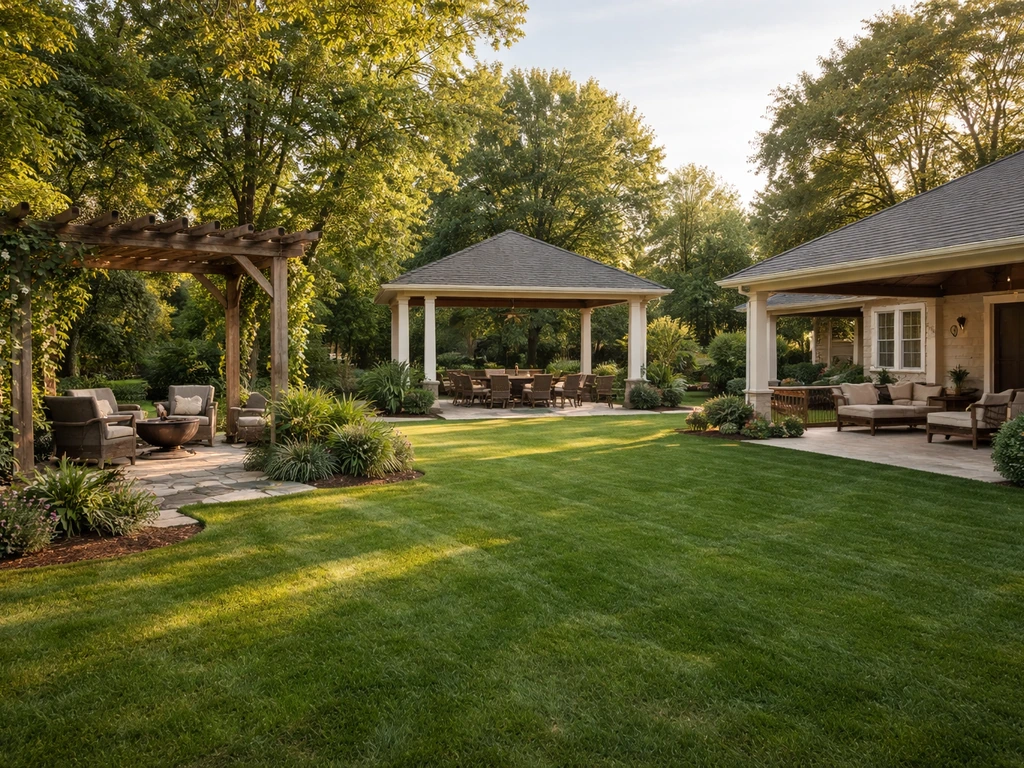
Compare patio structures by type, costs, pros, durability, and DIY difficulty to pick the best fit for your climate
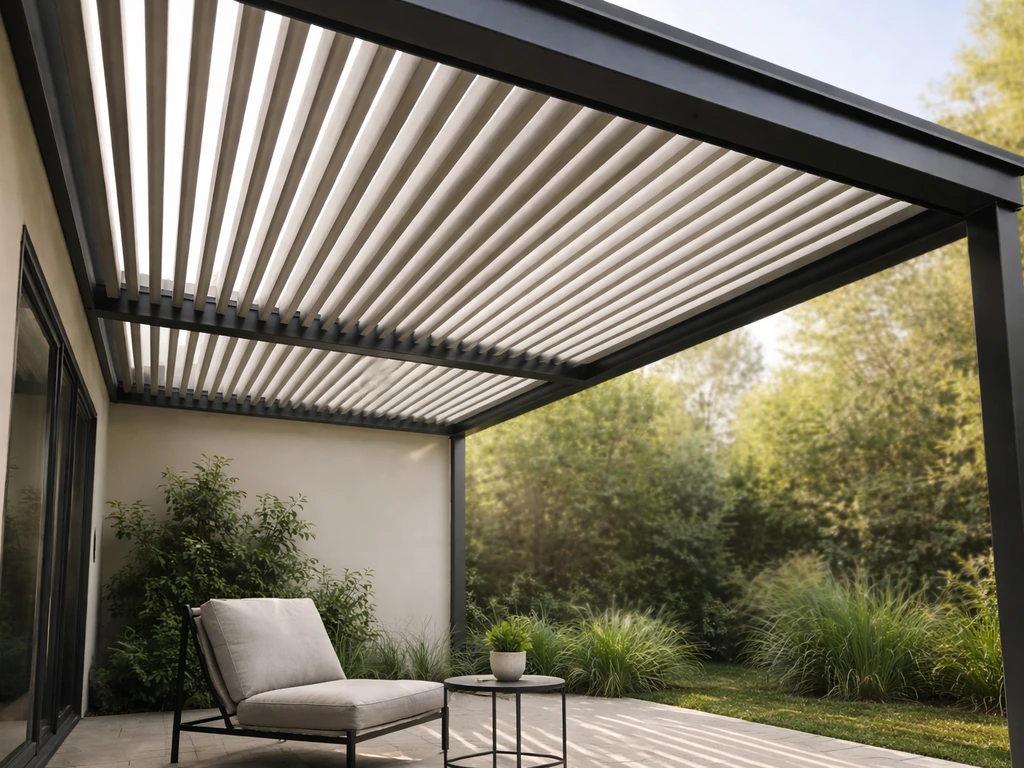
Choose the best louvered patio cover with sizing, design types, cost drivers, installation guidance, durability and main
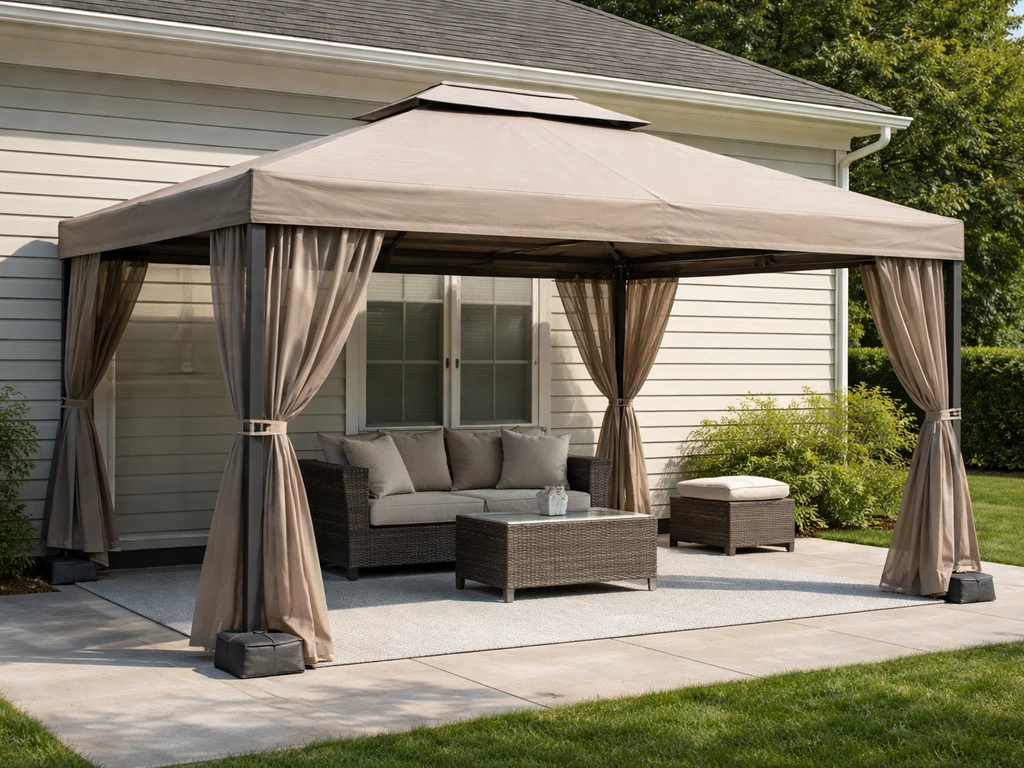
Pick the best patio tent with size, style, weatherproofing, airflow, and value-tier tips plus patio measuring and care.