
The best patio tent for your backyard is a 10x10 or 10x20 pop-up canopy with a steel or aluminum frame, UPF 50+ fabric rated at 300D or higher, and either included sidewalls or the option to add them. That setup covers most homeowners for around $80 to $400 depending on how heavy-duty you need to go. If you want something more permanent, a gazebo-style tent or hardtop structure makes more sense, but for flexible, season-to-season shade and weather protection, a quality pop-up canopy with the right anchoring is the sweet spot for most patios. If you want the best patio covers in Las Vegas, prioritize heat resistance, strong anchoring for wind, and fabric coverage that keeps out intense sun best patio covers Las Vegas.
Best Patio Tent Guide: Choose Size, Style, and Weatherproofing

Phoebe Foster
19 Jun 2026
What to look for in the best patio tent
Start with the frame. Choosing the best patio covers usually comes down to matching the material and coverage to your weather and the space you want to shade patio tent. Frame sturdiness is the single biggest factor in how long a patio tent lasts and how well it holds up in real outdoor conditions. Aluminum frames are lighter and rust-resistant, making them easier to move and store. Steel frames (especially galvanized steel) are heavier but more rigid, which matters if your patio is exposed and wind is a regular factor. Look for thick-walled tubing: a 50mm hexagonal aluminum frame is noticeably more stable than thin round tubing you'll find on bargain models.
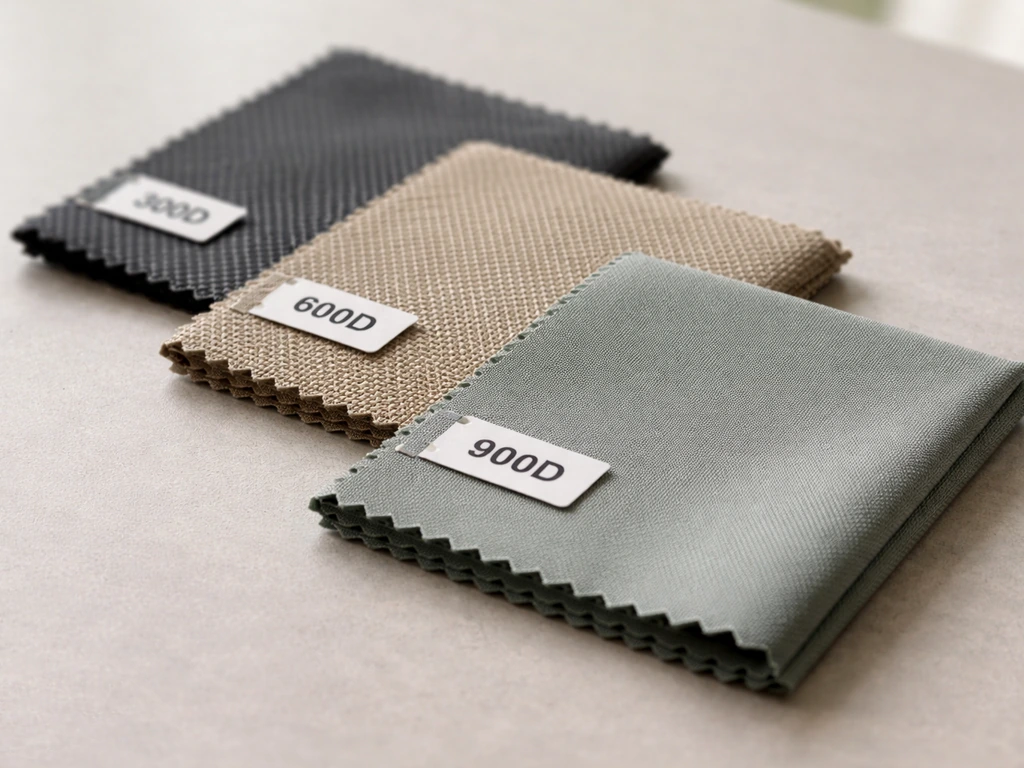
Fabric is your second big decision. Denier (D) is the number to focus on: anything under 300D is considered light-duty and won't survive a full season of sun and rain. For direct-sun patios in places like Texas or Arizona, look specifically for UPF 50+ rated fabric. Silver-coated fabrics add heat reflection. For rain protection, the real question is whether the seams are sealed, not just whether the fabric is waterproof. Fabric can shed water fine while the seams leak openly. Heat-sealed seams or taped seams are the upgrade worth paying for. PU-coated 600D polyester with heat-sealed seams is what you'll find on premium canopy tops, and it makes a real difference in a downpour.
Beyond frame and fabric, check flame resistance. Look for CPAI-84 certification on the label. This is the standard spec for flame-resistant canopy and camping tentage fabrics, and many local event regulations and HOAs require it. It does not mean the tent is fireproof, it means the fabric meets a minimum flame-resistance standard. If you're placing your tent near a grill or fire pit, this matters.
- Frame material: aluminum (lighter, rust-free) vs galvanized steel (heavier, more rigid)
- Fabric weight: 300D minimum for casual use, 600D for all-season durability
- UV rating: UPF 30+ acceptable, UPF 50+ recommended for hot or sunny climates
- Waterproofing: look for PU coating AND sealed or heat-taped seams, not just a 'waterproof' label
- Flame resistance: CPAI-84 certification for safety near heat sources or required by local codes
- Sidewall compatibility: confirm the tent accepts add-on sidewalls or comes with them included
Top patio tent styles for different backyard setups
Not every patio tent is built the same, and matching the style to your actual space saves a lot of frustration. Here are the main types and where each one makes sense.
Pop-up canopy tents
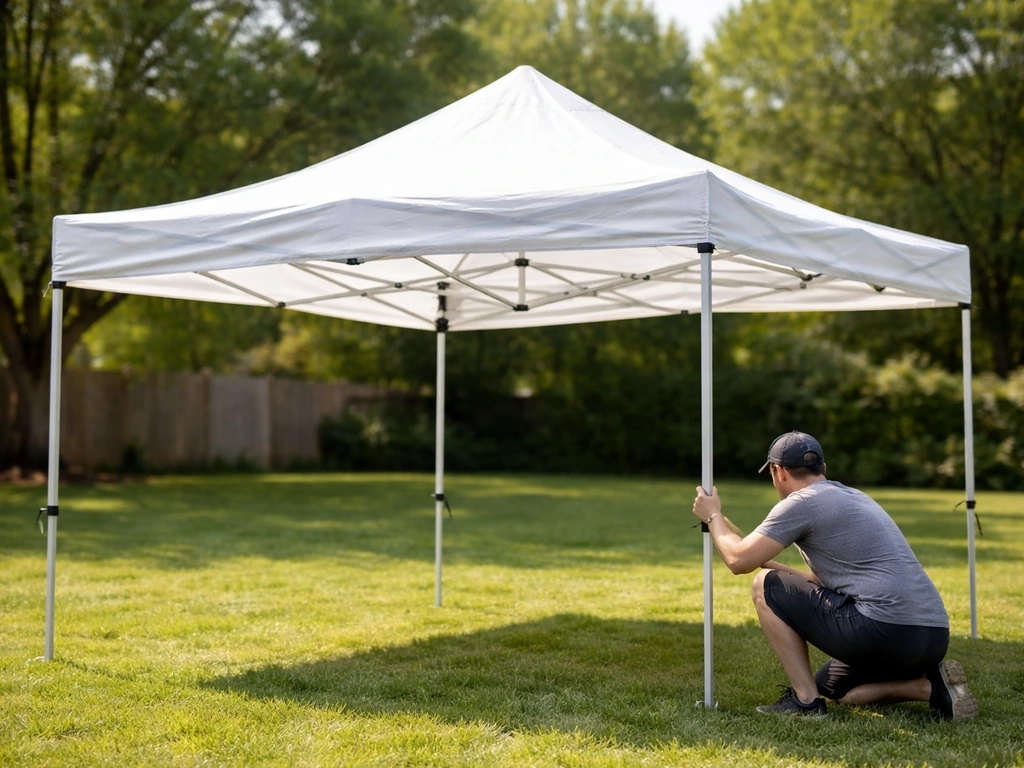
The most popular choice for homeowners who want flexible shade without committing to a permanent structure. A 10x10 pop-up is easy to put up solo in under 10 minutes, folds into a rolling bag, and can be staked or weighted depending on your surface. These work great on concrete, pavers, or grass. The downside is they're not built to stay up in sustained winds above 30 mph, so if you're in a storm-prone region, bring them in when weather hits.
Gazebo-style tents
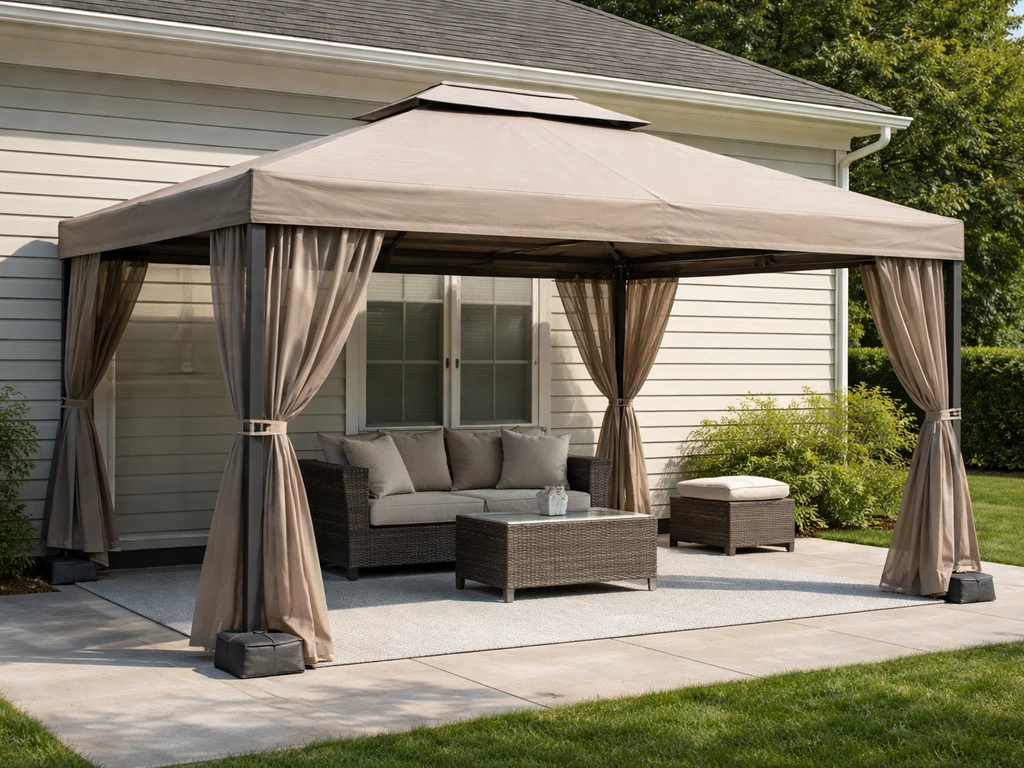
A gazebo tent is a semi-permanent pop-up with a more finished look, usually featuring mosquito netting, zippered screens, and decorative roof venting. These are ideal if you eat outside regularly and want to keep bugs out. Common sizes run from 10x10 up to 13x13. They're heavier than a standard canopy, typically require two people to set up, and many models can be anchored with stakes or bolt anchors depending on the surface. If you're comparing this to a fixed patio cover, a gazebo tent sits comfortably between a pop-up canopy and a permanent structure in terms of investment and commitment. If you want inspiration before choosing the exact setup, these patio cover examples can help you visualize the look and coverage.
Party tents and frame tents
These are larger structures, typically starting at 10x20 and going up to 20x40 or bigger. If you want a covered outdoor setup that feels like a real structure, compare patio structures for size, materials, and weather protection larger structures. Frame tents use a rigid internal frame with no center pole, which keeps the floor space completely open. If you host large gatherings or want to cover an entire deck with seating and a dining setup, this is the category to look at. They take longer to assemble and usually require anchoring into grass or a hard surface with provided stakes. For homeowners with large open patios or yards, a 10x20 frame tent is one of the most cost-effective ways to add major covered square footage.
Pergola and sail-shade alternatives
If you're leaning more toward a permanent or semi-permanent solution, it's worth knowing that pergolas, louvered covers, and shade sails are also in the conversation. If you are comparing options, alternative patio covers like these can offer a more permanent look than a pop-up tent pergolas, louvered covers, and shade sails. Those options are covered in depth elsewhere on this site under patio cover styles and louvered patio covers. Patio tents are typically the right call when you need portability, renter-friendly installation, or a lower upfront cost.
Size, layout, and coverage calculations
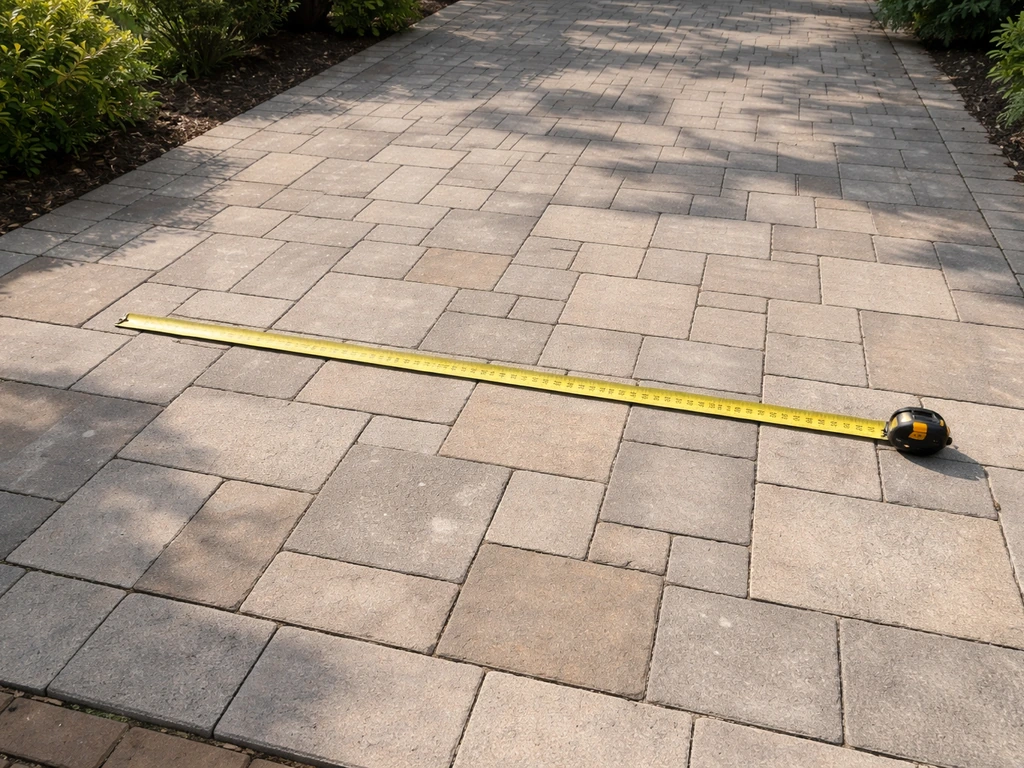
Before you buy, measure your usable patio area and then add at least 2 feet of buffer on each side if possible. You don't want the legs of the tent sitting directly at the edge of your seating area. A 10x10 tent gives you 100 square feet of coverage, which comfortably fits a 4-person patio dining set with some walking room. A 10x20 tent (200 sq ft) handles a 6 to 8 person table plus a serving station. If you're covering a couch and lounge chairs, the same 10x20 footprint works well.
| Tent Size | Square Footage | Best For | Typical Seating |
|---|---|---|---|
| 10x10 | 100 sq ft | Small patio, bistro set, single dining table | 2 to 4 people |
| 10x15 | 150 sq ft | Mid-size patio, dining plus grill zone | 4 to 6 people |
| 10x20 | 200 sq ft | Large patio, full dining + lounge setup | 6 to 8 people |
| 13x13 | 169 sq ft | Gazebo-style, square patios, outdoor rooms | 4 to 6 people |
| 20x20 and up | 400+ sq ft | Entertaining, parties, large deck coverage | 10+ people |
If your patio is an irregular shape, measure the longest and widest points first. Then decide if you're trying to cover the whole surface or just a primary use zone. It's often better to cover a defined 10x20 dining and lounge zone well than to try to squeeze an undersized tent over an awkward L-shaped space. Also note your ceiling clearance if you have an overhead structure or a low deck overhang. Most pop-up canopies peak at 7 to 8.5 feet at center.
Weather readiness: wind, rain, and sun
This is where a lot of buyers get burned. A patio tent rated as 'waterproof' on the product page may soak you in a real rainstorm if the seams aren't sealed. Always verify: is the coating a PU (polyurethane) coating applied to the fabric, and are the seams heat-sealed or taped? Without both, you're getting water resistance, not waterproofing. One rule of thumb from real users: the fabric sheds water, the seams do not. Budget tents almost always have unsealed seams.
For UV protection, UPF 50+ is the standard to target if you're in a sunny region or if the tent will be in direct sun for more than a few hours a day. Silver-coated fabrics and darker canopy colors both reduce heat transfer. In high-heat climates like Texas or Nevada, a vented roof peak makes a noticeable difference by letting hot air escape instead of trapping it under the canopy.
Wind is the biggest structural risk. Most pop-up tents are not tested to specific wind load ratings, and the manufacturer instructions will usually say as much. The real answer is proper anchoring (more on that below) and common sense: if sustained winds are forecast above 25 to 30 mph, take the tent down. Gazebo-style tents with heavier frames and guy ropes anchored to the ground handle moderate wind better than lightweight pop-ups. For permanent or semi-permanent installs, gazebo models designed around 12 to 21 foot diameters with anchor bolt layouts for concrete slabs are a much more stable option.
Comfort add-ons: screens, curtains, and lighting
A bare canopy solves shade, but it doesn't do much for bugs, wind privacy, or the feeling of an actual outdoor room. The good news is that most quality patio tents either include sidewalls or accept them as accessories.
Sidewall panels come in a few types: solid panels for rain and wind blocking, mesh/screen panels for bug control, and PVC window panels (sometimes called church windows) that let in light while keeping weather out. Many tents sell as bundles with five sidewalls, typically a mix of solid and windowed panels. If you're buying a tent without included sidewalls, check that the attachment system (usually velcro, zip, or hook-and-loop) is compatible before assuming you can add them later.
Mosquito netting panels are a separate product category. Zippered mesh sidewalls like Outsunny's universal netting panels attach to gazebo frames and zip closed. These are ideal for evening use if mosquitoes are a problem in your area. They don't block wind or rain, but they make a significant quality-of-life difference for outdoor dining.
For lighting, string lights hung from the internal frame or canopy ridgeline are the easiest upgrade. Most canopy frames have corner connectors or internal crossbars that make it simple to clip or tie lights without damaging the fabric. Solar string lights that clip along the peak vent are especially practical because there's no outlet needed. If you're planning to use the space in the evening regularly, plan for lighting before you buy: some gazebo models have integrated solar roof panels or LED strip slots built into the frame.
Curtains (outdoor-rated fabric drapes tied back to the corner poles) add a finished look and can be pulled closed for privacy or to block low-angle afternoon sun. Look for outdoor-rated polyester or Sunbrella-style fabric that resists UV fading and mildew. This is an easy DIY upgrade if the tent you choose doesn't include them.
Installation, anchoring, and maintenance
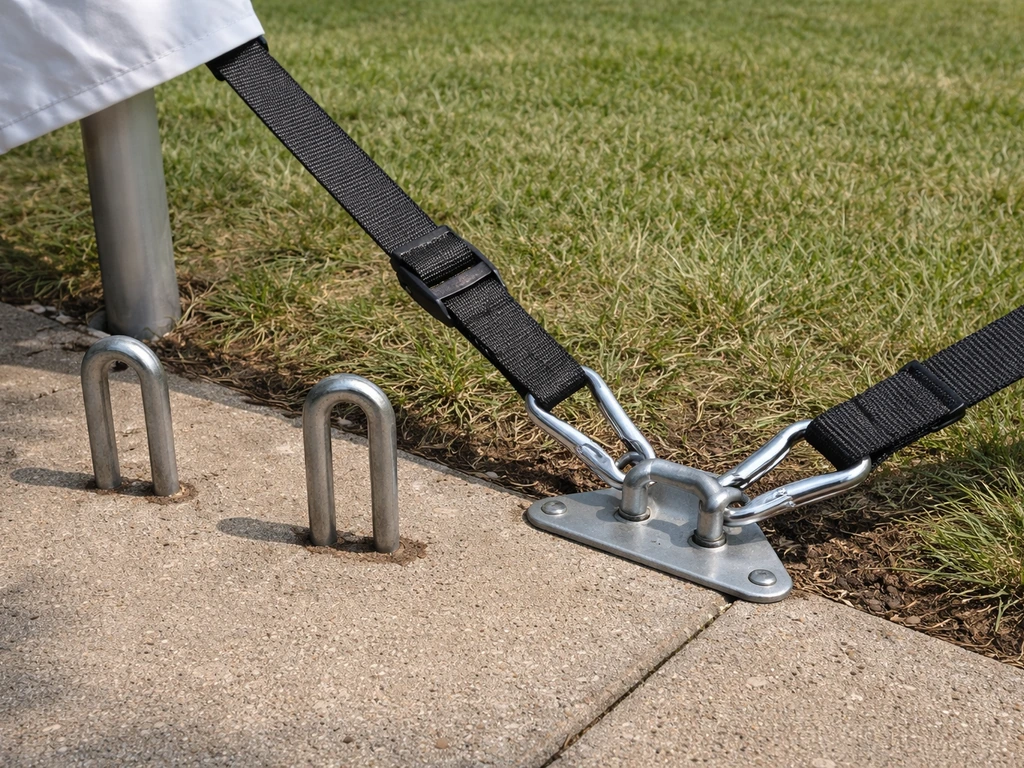
How you anchor a patio tent depends entirely on your surface, and getting this wrong is how tents end up in a neighbor's yard during a storm. The anchoring method needs to match the surface under the legs.
| Surface Type | Recommended Anchoring Method | Notes |
|---|---|---|
| Grass or soil | Included ground stakes or auger anchors | Most secure option; use longer stakes in loose soil |
| Concrete slab | Anchor bolts drilled into slab or weighted sandbags | Drilling gives the most security; sandbags work for temporary setups |
| Pavers | Anchor plates between pavers or sandbag weights | Avoid cracking pavers; some install anchor bolts through joint gaps |
| Wood deck | Screw-in anchor plates or deck weights | Use lag screws into joists, not just decking boards |
Sandbags are a popular fallback because they don't require drilling, but they're only reliable for light to moderate wind. In areas with regular afternoon gusts (the Southwest, the Gulf Coast, the Midwest), drilling anchor bolts into your blank" rel="noopener noreferrer">concrete slab is worth the extra effort for any tent you plan to leave up for weeks at a time. Guy ropes attached to corner grommets and staked out at an angle add meaningful stability for taller canopies and gazebos. The owner’s manual excerpt from Competitive Edge Products explains that guy ropes should be securely tied to the corner grommets, and it may also recommend using a third guy rope to help hold a side of the top cover for added airflow guy ropes attached to corner grommets.
For maintenance, the number one habit is drying the tent completely before storing it. Packing away a wet or damp canopy leads to mildew growth in the fabric and corrosion in the frame joints within a single off-season. After washing the fabric with mild soap and a soft brush, let it air dry fully in the sun before folding. Lubricate the frame joints and sliders with a silicone-based spray at the start and end of each season to keep the pop-up mechanism working smoothly. Check the seams each spring for any separation or wear before you need to rely on rain protection.
For storage, keep the folded canopy in its carry bag in a dry, temperature-stable location. Garages work fine as long as they don't get extremely hot (heat can degrade PU coatings over time). Basements are ideal. Avoid storing the frame in a permanently collapsed position under heavy objects, since bent frame sections are the most common reason pop-ups fail to open correctly after winter.
Budget vs premium: what you actually get for the money
Patio tents run from around $50 for a no-frills 10x10 pop-up to $800 or more for a commercial-grade gazebo with a steel frame, enclosed sidewalls, and integrated flooring. Here's what actually changes as the price goes up.
| Price Range | Frame Quality | Fabric | Waterproofing | What You're Giving Up |
|---|---|---|---|---|
| $50 to $100 | Thin steel or basic aluminum | Under 300D, basic coating | Water-resistant only, unsealed seams | Durability, wind resistance, longevity |
| $100 to $250 | Heavier aluminum or galvanized steel | 300D to 420D polyester, UPF 30+ or 50+ | PU-coated, partially sealed seams | Heat-sealed seams, premium frame connectors |
| $250 to $500 | Thick-walled hexagonal aluminum or steel | 450D to 600D, UPF 50+, silver coating | Heat-sealed seams, full PU coating | Commercial ratings, extended warranties |
| $500 and up | Commercial steel or powder-coated heavy frame | 600D+ GTEX or equivalent, fire-rated | Fully waterproof with taped seams | Little: you're in professional-grade territory |
For most homeowners who want a patio tent that holds up for three to five seasons, the $150 to $300 range is the sweet spot. You get a real aluminum frame, UPF 50+ fabric, and at least partial seam sealing. Anything under $100 is a one-to-two season product if used regularly. If you want something that lasts closer to seven years, look at brands offering extended warranties (some pro-grade canopies come with five to seven year fabric warranties) and confirm the frame uses commercial-grade connectors, not stamped plastic sliders.
The DIY angle: if your patio already has posts or a pergola skeleton from a prior project, buying just a replacement canopy top (600D rated, heat-sealed) can cost $60 to $120 and dramatically outperforms a cheap full-tent kit. If you are deciding between different options for shade, a best louvered patio cover is often the long-term choice for controlling airflow and sun. It's worth measuring your existing frame first before buying a whole new setup. Similarly, adding aftermarket mesh sidewalls or curtains to an existing budget tent can extend its usability without replacing it entirely.
If your needs are closer to a permanent or semi-permanent patio cover, the conversation shifts toward louvered covers, pergola kits, and hardtop gazebos, which are a different product category than a tent but worth knowing about as your budget and permanence needs increase. Louvered covers, pergola kits, and hardtop gazebo designs are popular alternatives when you are comparing top patio covers.
FAQ
How can I tell if a “waterproof” best patio tent will actually stay dry in a downpour?
Most “waterproof” patio tents rely on the fabric coating and seam construction. If the listing does not explicitly state PU coating (or similar) plus heat-sealed or taped seams, plan on heavy-splash water resistance, not true waterproof performance.
Can I install a patio tent on a deck or sloped patio surface?
Yes, but only if the legs and roof load are designed for that setup. If your tent has no dedicated floor or built-in drainage, water can pool and stress the fabric. Use a level base and avoid placing it on a slope where runoff can funnel into the canopy corners.
What ceiling height should I check before buying the best patio tent?
If your canopy peaks at 7 to 8.5 feet, you need to account for leg height plus the clearance to any overhead beams, fans, or pergola crossmembers. Measure the lowest point of nearby structures, then add 12 to 18 inches of safety margin for people moving under the frame.
What’s the best anchoring approach for a patio tent on grass?
Pop-up models can fit on grass if they include proper ground stakes and you use a base mat or thicker stake length. For sustained use, anchor directly through grass with longer stakes or add weight platforms, because loose soil reduces holding power quickly after rain.
Do sidewalls improve rain performance, or are they mostly for privacy and bugs?
Not automatically. Even with the right fabric rating, a zipper or sidewall that is left partly open will create leakage paths. If you often use screens or partial sidewalls, look for overlapping flaps or storm-lap design around openings.
How should I add lighting to a patio tent without damaging the canopy?
For electric-free lighting, solar clips along a vent peak are usually the easiest. For string lights, confirm there are safe attachment points (corner connectors or crossbars) so you do not tie directly through the fabric, which can create stress points and premature tearing.
What’s the difference between mesh, solid sidewalls, and “church window” panels for real-world use?
Most screens reduce insects but not wind-driven dust and light debris. If you want real wind privacy, you usually need solid panels or larger overlapping curtains. For fire risk near grills, prioritize CPAI-84 fabric and keep exhaust and sparks directed away from the canopy.
How do I account for leg placement when sizing a 10x10 or 10x20 best patio tent?
A 10x10 is typically comfortable for small dining, but the “covered footprint” does not equal usable interior space once you include leg placement. If your chairs sit close to the perimeter, choose the size that gives you at least one step of walking space between the seating and each leg.
Can I add sidewalls or mosquito netting to a tent that didn’t include them?
Yes, and the best results depend on the tent’s design. Only use compatible accessories that match the attachment system (zip, velcro, or hook-and-loop). If the tent uses a non-matching connector style, aftermarket panels may not seal correctly.
What’s the most common storage mistake that ruins pop-up patio tents?
Avoid storing the frame under heavy pressure. Bent frame sections can cause binding at the sliders, leading to incomplete opening. Store in the carry bag if possible, keep hinges free, and do not stack heavy items on top of the collapsed frame.
At what wind speed should I take down a patio tent, and when can I leave it up?
Not by guesswork. If you live where gusts regularly exceed 25 to 30 mph, treat forecasts as a take-down signal for lightweight pop-ups. For longer stays, choose heavier gazebo frames with guy ropes and anchor layouts designed for your surface type (concrete vs. soil).
What should I look for in a warranty if I want a patio tent to last several seasons?
The warranty question should be answered in two parts: fabric coverage length and frame coverage terms. Extended fabric warranties matter most if the canopy is in direct sun year-round, and frame warranties help if connectors or sliders fail after seasonal use.
Is a vented roof really better for heat, or just marketing?
If you want shade plus ventilation, prioritize a design with a vented peak or roof opening. A full solid-roof look can trap heat unless there is airflow management, so vented peaks often feel cooler even with the same UPF fabric.
Why doesn’t a higher denier (like 600D) automatically mean the best patio tent will be waterproof?
Don’t rely on denier alone. Denier helps durability, but seam sealing and coating coverage determine rain behavior, and UPF rating determines sun protection effectiveness. A high-denier fabric without sealed seams can still leak at the stitching.
Next Articles
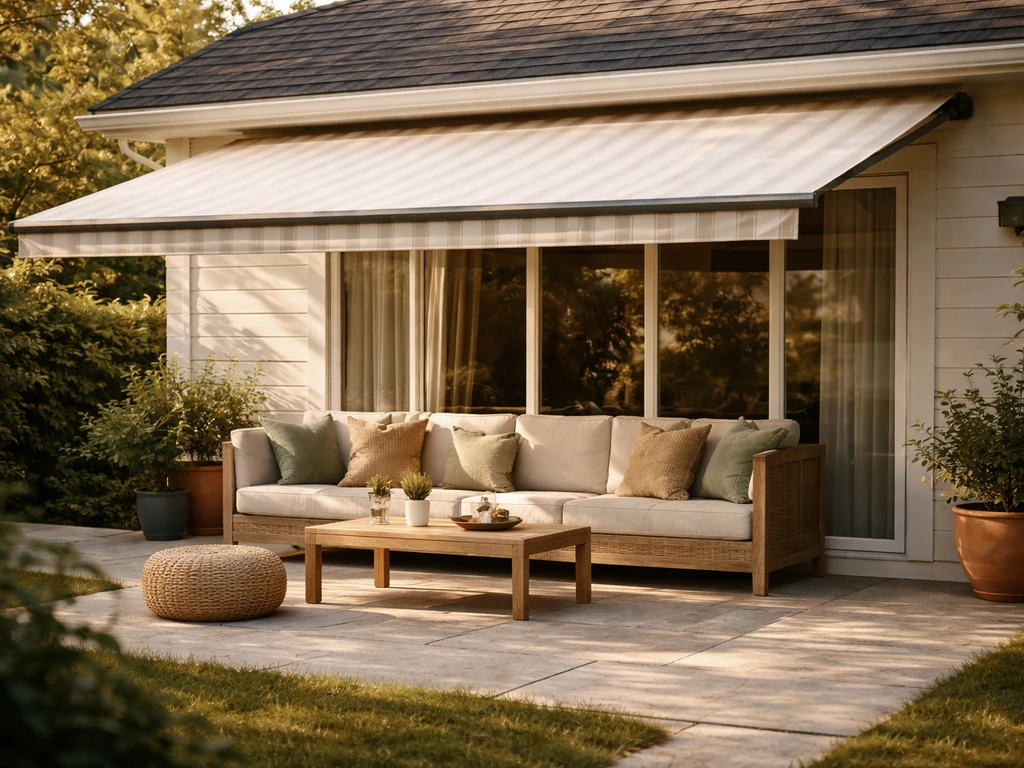
Alternative Patio Covers: Options, Costs, and How to Choose
Compare alternative patio covers with costs, pros/cons, and a step-by-step plan to choose by weather, budget, and upkeep
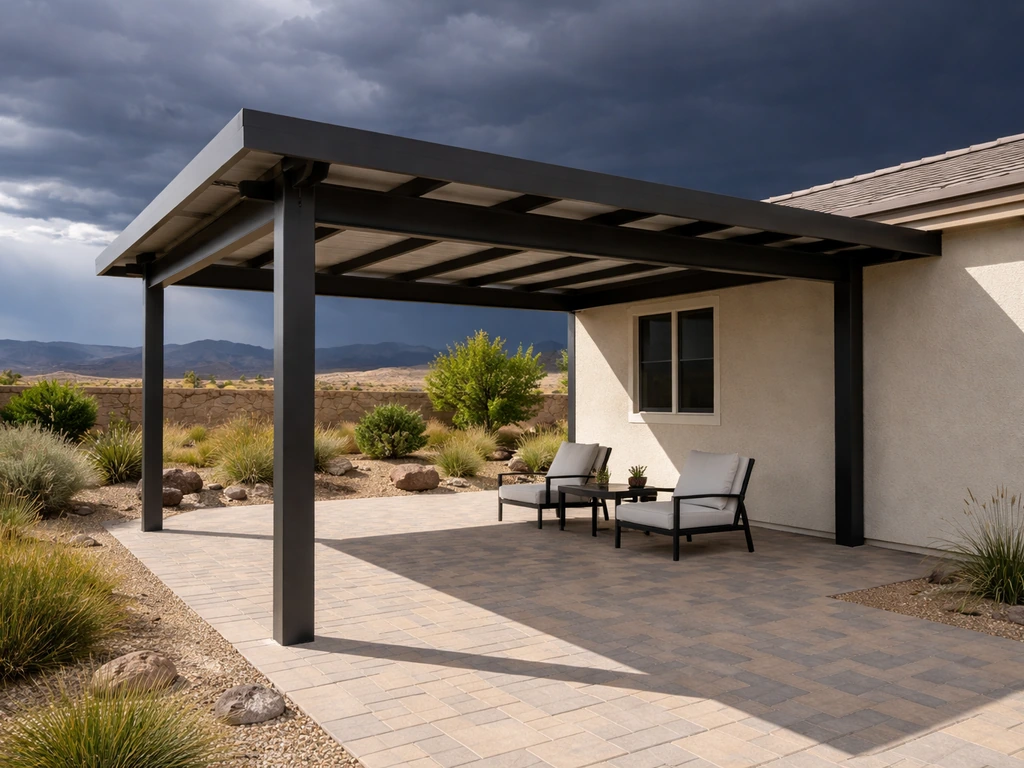
Best Patio Covers in Las Vegas: Types, Costs, Permits
Compare the best Las Vegas patio covers by type, materials, costs, insulation, permits, and wind-safe installation tips.
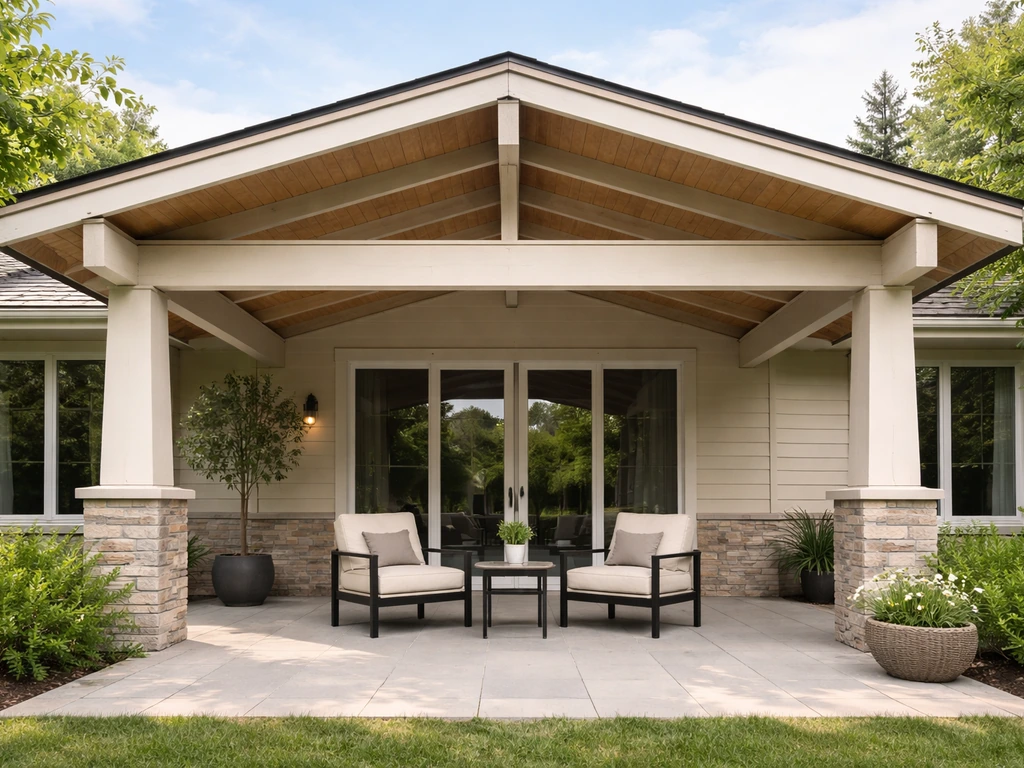
Patio Cover Examples: Styles, Materials, Costs, and Tips
Explore patio cover examples by style, materials, roof types, costs, and tips to pick the best fit for your climate.