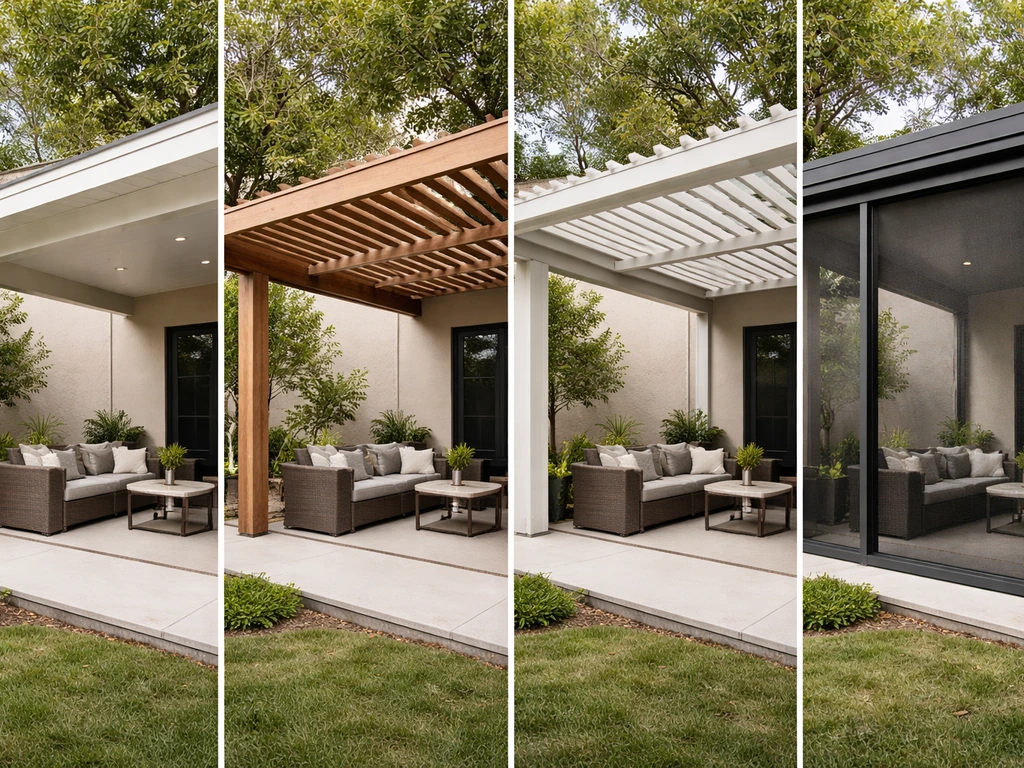
The most common buildable patio cover examples today fall into four broad styles: solid roofs (aluminum, wood, or vinyl panels), open-slatted pergolas, louvered systems with adjustable blades, and screen or glass enclosures. Each one works differently depending on what you're trying to solve, whether that's brutal afternoon sun, occasional rain, year-round wind, or just wanting your patio to feel like an actual room. Picking the right one comes down to three things: your climate, your patio's size and layout, and your budget. For most homeowners, the best patio covers are the ones that match your climate, budget, and how much protection you truly need Picking the right one comes down to three things. This guide walks through real examples of each so you can picture exactly what would work on your house.
Patio Cover Examples: Styles, Materials, Costs, and Tips

What makes a patio cover example actually "good"?
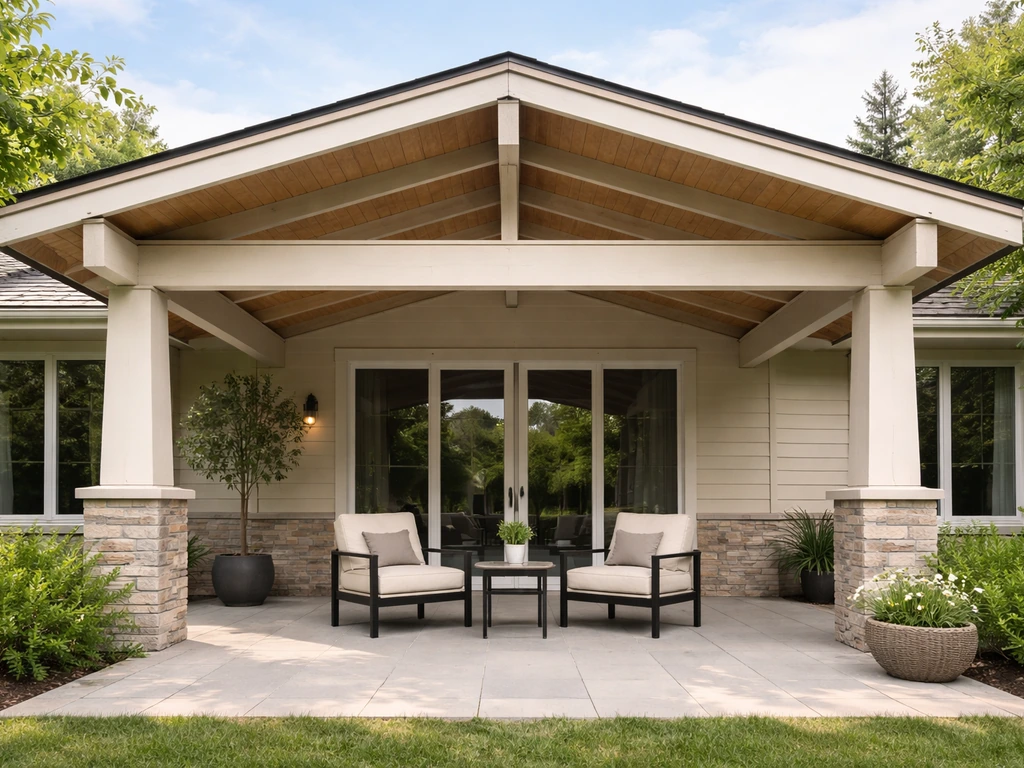
A good patio cover does three things well: it handles your local weather load, it fits the architecture of your house, and it's maintainable over time without becoming a project every season. That sounds simple, but it rules out a lot of popular-looking options for specific climates or homes. A cedar pergola looks amazing in the Pacific Northwest but becomes a rot-fighting nightmare in a humid Gulf Coast backyard. A solid aluminum cover is nearly bulletproof in Las Vegas heat but might feel too heavy and industrial attached to a craftsman-style home in the Midwest. So "good" is always relative to your situation, and the examples below are framed that way.
From an engineering standpoint, a well-designed patio cover is also one that's been sized and rated for the actual loads at your site, including wind speed, snow load if relevant, and roof pitch for drainage. Local permit departments often require you to document these inputs. A residential patio cover plan submitted in Reno, Nevada, for instance, must include wind speed, ground snow load, and a framing plan. That matters when you're comparing examples, because a cover that looks identical to another might have completely different structural specs underneath.
Example gallery: the four main patio cover styles
Solid roof covers
A solid-roof patio cover gives you complete overhead protection from rain and sun. Think of it as a mini roof extension off the back of your house, or a freestanding structure in the same vein. The most popular version right now is the aluminum solid cover, sometimes called an Alumawood-style system. These use extruded aluminum panels or planks that are engineered to look like wood grain but don't crack, warp, rot, or attract termites. They come in neutral colors with a baked-on enamel or powder-coated finish. A 10x20 attached solid aluminum cover is probably the single most common patio cover example you'll see installed in the Sun Belt states. They're low-maintenance, permit-ready (most manufacturers supply generic engineering up to 30 psf snow load and rated wind speeds), and last decades with minimal upkeep.
Other solid roof options include corrugated or twin-wall polycarbonate panels (semi-transparent, lets diffused light through while blocking rain), standing seam metal panels (more architectural, popular in modern or industrial-style homes), and actual wood framing with shingles or metal roofing to match the main house. The polycarbonate versions are worth calling out specifically: quality panels include UV protection treatment and typically carry a 10-year warranty on the panel material itself. They're a great middle ground if you want light under the cover without losing rain protection.
Pergolas and open-slatted covers
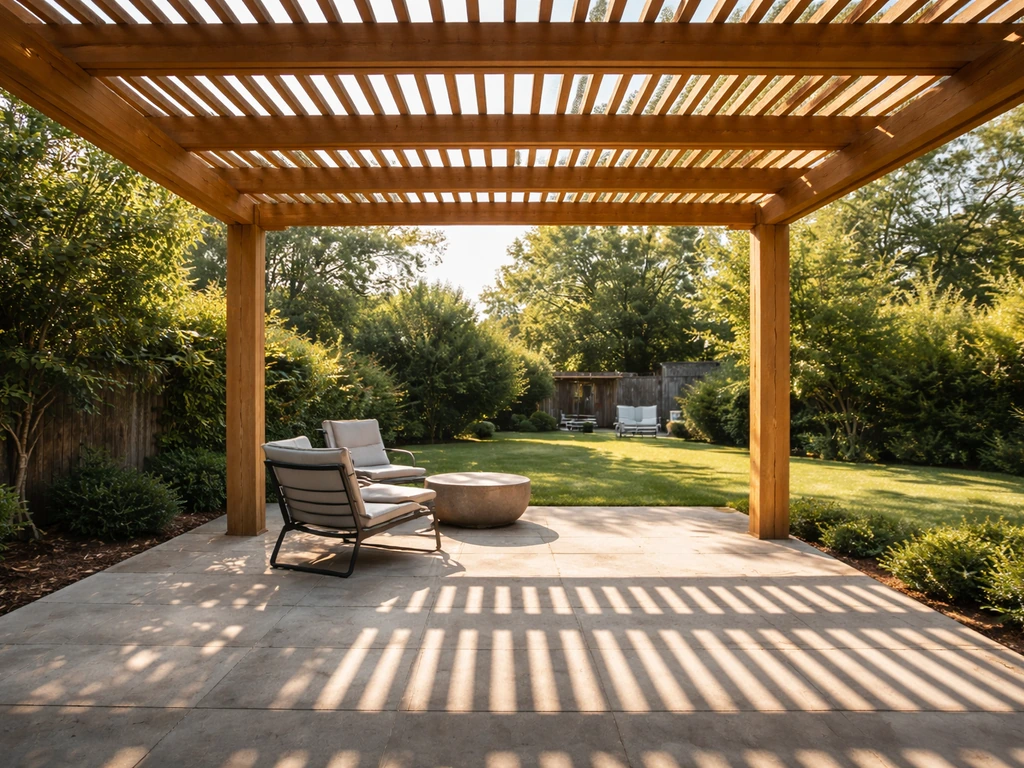
A pergola is an open-roof structure with spaced rafters or slats that provide partial shade but no real rain protection. It's the most popular DIY patio cover style in the country, and it covers a huge range from a basic cedar kit from a home center to a high-end custom structure with climbing vines and integrated string lights. If you want a quick way to compare different setups, look at the best patio tent options for your shade and weather needs. A standard freestanding pergola example might be 12x16 feet, built with 6x6 cedar or Douglas fir posts, 2x8 or 2x10 beams, and 2x6 rafters spaced 12 to 18 inches apart. The open lattice blocks maybe 30 to 50 percent of direct sun depending on orientation, which is enough to make a patio comfortable in mild climates or morning/evening use. In Texas or Arizona summer afternoons, it's not enough on its own.
The pergola format also works as a base structure you can upgrade over time. Add a shade sail or fabric canopy for more sun coverage, drop outdoor curtains on the sides for wind and privacy, or install a polycarbonate or corrugated metal roof insert between the rafters to get rain coverage. Modular vinyl and aluminum pergola kits have made this style accessible for homeowners who want to DIY without custom lumber cutting.
Louvered patio covers
Louvered covers are the premium example in the patio cover world right now. The roof is made of angled aluminum blades (louvers) that rotate, so you can dial in how much sun or air comes through. Louvered patio covers are a popular way to control how much sun and ventilation you get without sacrificing rain protection when the blades are closed louvered systems. When fully closed, a louvered system handles light rain. Most quality systems also include integrated gutters in the frame to channel water off the structure. Motorized louvered pergolas are becoming a mainstream option, not just a luxury item, and installed costs typically run from about $45 to $125 per square foot, with an average project landing somewhere between $6,500 and $18,000 depending on size and features. Manual adjustable versions come in at the lower end. If you're someone who wants one structure that works across all four seasons, a louvered cover is the closest thing to a true all-weather solution without building a full enclosure.
Screen enclosures and patio rooms
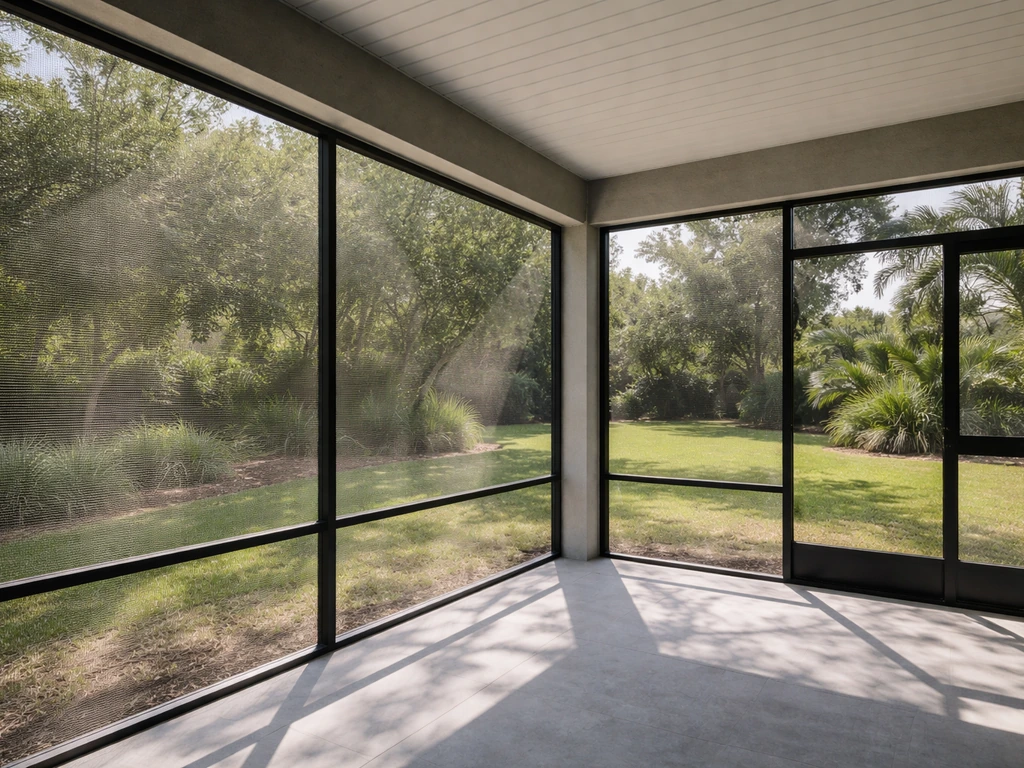
A screen enclosure converts your patio into a bug-free, semi-outdoor room. The framing is typically aluminum, the walls are fiberglass or aluminum screen mesh, and the roof can be either screened or solid depending on the system. This is the dominant patio cover style in Florida and coastal Gulf states where insects are a real issue. Screened-in patios run roughly $50 to $175 per square foot installed, and the range is wide because you're comparing simple screen rooms to four-season rooms with insulated panels and HVAC. A basic aluminum-framed screen enclosure over an existing concrete slab is on the lower end; a full patio room with glass panels, insulated roof, and climate control is at the top. Both are legitimate "patio cover examples" but they serve very different purposes and require different permits and foundations.
Material-based examples and the real tradeoffs
| Material | Best For | Typical Lifespan | Maintenance Level | Cost Range (installed, per sq ft) | Key Tradeoff |
|---|---|---|---|---|---|
| Wood (cedar, redwood, Douglas fir) | Natural look, custom builds, pergolas | 15-30 years with upkeep | High (staining, sealing, rot checks) | $15–$40 | Requires regular maintenance; can rot or warp if neglected |
| Aluminum (solid Alumawood-style) | Sun Belt, low-maintenance solid covers | 30+ years | Very low | $16–$68 | Repainting voids most warranties; limited color changes later |
| Vinyl/PVC | Humid climates, clean look | 20-30 years | Low | $10–$30 | Can yellow/fade over time in intense UV; less structural than aluminum |
| Steel/Iron | Heavy-duty or ornamental pergolas | 20+ years (with rust prevention) | Moderate (rust maintenance) | $20–$60 | Heavy; needs rust-proof coating in wet climates |
| Polycarbonate panels | Light + rain cover combo | 10-15 years for panels | Low | $8–$25 for panels alone | Panels degrade faster than frame; UV-rated versions last longer |
Aluminum is the dominant material in the patio cover market right now, and for most homeowners it's the right default choice for a solid cover. The Alumawood-style systems (aluminum extruded to look like wood) address the main complaint about metal covers: that they look industrial. One thing to know before you buy: repainting the finish on most aluminum patio cover systems will void the warranty. So if you want a specific color, pick it before installation. The powder-coated and baked enamel finishes are designed to last decades without painting, but you're locked into the original color.
Wood is still the right choice for a custom pergola where appearance and authenticity matter more than maintenance simplicity. A properly built cedar or redwood pergola with a good stain and annual upkeep is genuinely beautiful and can last 25 years or more. The Arrow Outdoor Living workmanship warranty approach (two-year workmanship on wood structures) is pretty typical for contractor-built wood patio covers, so don't expect a lifetime guarantee on a wood build the way you'd get with aluminum.
Polycarbonate panels are underrated as a patio cover material. They give you diffused natural light (no greenhouse effect if you choose the right tint), full rain protection, and they're lightweight enough that the support structure doesn't need to be overbuilt. Look for UV-protection-treated panels, which carry around a 10-year warranty from reputable manufacturers. Clear or lightly tinted polycarbonate over an aluminum frame is a practical, cost-effective example that works especially well on covered outdoor kitchens where you want light but not direct sun.
Climate and site-fit examples
Hot, sunny climates (Southwest, Texas, Southeast)
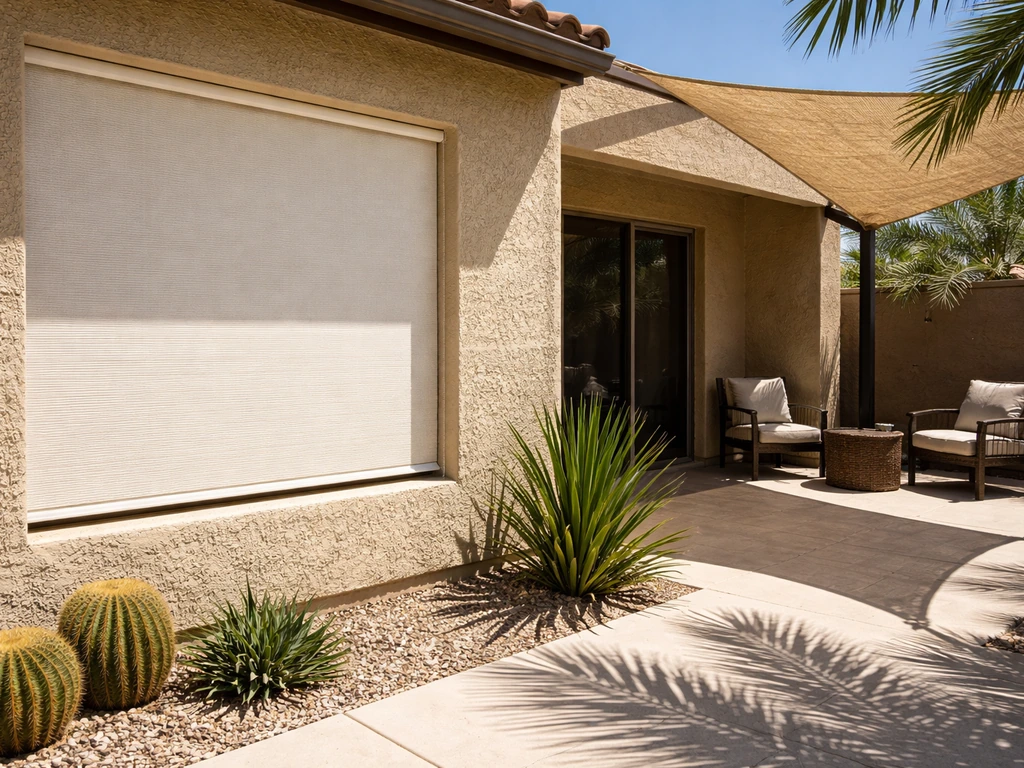
In Las Vegas, Phoenix, or Dallas, the primary enemy is radiant heat and UV exposure, not rain. For homeowners in Las Vegas, choosing the right patio cover style is all about controlling radiant heat and UV while still meeting local wind and installation requirements. A solid opaque roof is the right call here, whether that's aluminum solid panels or a fully shingled structure. The key is blocking direct sun completely overhead. A white or light-colored aluminum solid cover reflects heat rather than absorbing it. Paired with an outdoor fan and possibly a misting system, it makes a patio genuinely usable at 105 degrees. Pergolas alone are not adequate for this climate during summer afternoons. If you go pergola-style in a hot climate, you need a shade sail or fabric insert to make the overhead shading effective.
Rainy or humid climates (Pacific Northwest, Gulf Coast, Southeast)
Rain protection is the priority in Oregon, Washington, Louisiana, or Florida. A solid roof with good pitch is essential. Roof pitch matters more than people think: it affects drainage speed, wind resistance, and in northern areas, snow-load capacity. A shallow pitch (1:12 or 2:12) can pool water on flat-panel systems; a 3:12 or steeper pitch drains reliably. Attached solid covers in the Pacific Northwest often use corrugated metal or polycarbonate roofing because they're lightweight and drain fast. In humid Gulf Coast climates, aluminum framing over wood is almost always the right choice because wood pergola posts in those conditions need aggressive maintenance to avoid rot.
Wind-prone areas (Great Plains, coastal zones)
High-wind areas add a structural dimension to the patio cover decision. The 2024 IRC requires patio covers to be designed for ultimate design wind speed inputs, meaning a cover that works in central Kansas (which can see 90+ mph wind gusts) needs heavier post anchoring, closer rafter spacing, and potentially engineering sign-off. When you're comparing examples in these areas, ask the manufacturer or contractor to specify the wind speed rating of the system in miles per hour. A quality aluminum kit or louvered system will have this documented. Quality patio covers should also be documented for their wind and structural ratings so you can trust they will hold up in your area. An ornamental or decorative pergola kit probably doesn't, and that's a problem in a tornado-adjacent climate.
Snow-load climates (Mountain West, Upper Midwest, Northeast)
If you're in Colorado, Minnesota, or upstate New York, the patio cover has to handle snow accumulation. The structural design criterion used for roof members under combined loads (including the L/120 deflection limit referenced in the IRC for certain load combinations) is why a cheap aluminum kit rated for a sunny climate can fail under a 24-inch wet snow event. The Oregon City permit guide example uses a 10 psf snow load input; mountain locations can see 30, 50, or even higher. Solid aluminum cover systems from quality manufacturers often engineer to 30 psf as a standard. If you're in a heavier snow zone, verify this before buying. A wood-framed cover with a proper pitched roof and appropriate rafter sizing can be engineered to handle higher snow loads more cost-effectively than an aluminum kit at that spec level.
Privacy-focused examples
If your main goal is privacy rather than weather protection, the cover itself is only part of the solution. A pergola with side lattice panels or dropped outdoor curtains can screen sightlines from neighbors on the sides. A solid roof with a low eave height (7 to 8 feet) creates a more enclosed feeling than the same cover at 10 feet. Louvered covers on the sides, or a full screen enclosure, are the best examples for total privacy because they can block sightlines from all angles while keeping air moving.
Budget tiers: what you actually pay for
Patio cover costs vary dramatically based on style, material, and whether you're DIYing or hiring a contractor. Aluminum roofing panels for a solid cover run about $16 to $68 per square foot installed, with basic solid systems at the lower end and louvered motorized systems at the top. Here's a realistic breakdown by tier:
| Budget Tier | Typical Example | Approximate Cost | DIY Friendly? |
|---|---|---|---|
| Under $2,000 | Simple freestanding cedar pergola kit, 10x10 or 10x12 | $800–$1,800 materials; add $500–$1,000 for contractor labor | Yes, with basic tools |
| $2,000–$6,000 | Attached aluminum solid cover, 10x16 to 12x20 | $3,500–$6,000 installed; $1,500–$3,000 DIY kit | Moderate; kits available |
| $6,000–$12,000 | Premium wood pergola (custom), larger aluminum solid cover, or entry-level louvered pergola | $6,500–$12,000 installed | Partially; labor-intensive |
| $12,000–$25,000+ | Motorized louvered system, screen enclosure, or full patio room | $12,000–$25,000+ | Generally no; requires contractors |
The biggest cost driver beyond size is attachment type. An attached cover (connected to the house wall) requires proper flashing at the ledger connection. Best practice is to remove siding at the ledger, install the ledger directly to the rim joist, and then counterflash so water can't infiltrate the wall. InterNACHI inspection narrative guidance similarly emphasizes that deck ledgers should almost never be fastened directly over siding and instead recommends removing siding so the ledger connection can be properly flashed and counterflashed remove siding at the ledger. Skipping this step is how people end up with rot and water damage inside the wall a few years later. This is a detail that adds labor cost but protects your home's structure, so it's worth paying for.
DIY aluminum patio cover kits are a legitimate option if you're comfortable with basic framing and following a kit's engineering specifications. Measuring correctly is the foundation: you need the distance from the house wall to the outer edge of the desired covered area (the rafter span), the width of the patio along the house, and the attachment height (where the ledger board mounts to the house). These three measurements drive every component size in the kit. Kit providers usually include technical specs with rafter span tables that tell you how many posts and beams you need based on your dimensions.
How to pick the right example for your specific patio
Start by measuring your patio and thinking about attachment. A freestanding structure is simpler from a permitting and attachment standpoint; an attached cover extends more naturally from the house and usually requires a permit and sometimes engineering. The City of Phoenix's permit process, for example, asks for specific inputs including span, rafter spacing (center-to-center), and post or column spacing. Even if your city doesn't require a permit for a smaller structure, those same design inputs determine whether your cover is actually structurally sound.
- Measure your patio: get length, width, and the height where a ledger or beam would attach to the house wall.
- Identify your primary goal: full rain protection, shade only, bug screening, wind blocking, or all-weather use.
- Check your local climate inputs: look up your design wind speed (usually on FEMA or your local building department site), and your ground snow load if applicable.
- Decide attached vs. freestanding: attached covers integrate with the house better aesthetically but require flashing and usually a permit.
- Choose your material based on maintenance tolerance and climate: aluminum for low-maintenance/hot climates, wood for aesthetics with upkeep budget, polycarbonate panels for light-plus-rain coverage.
- Set a realistic budget including permit fees, foundation work (concrete footings for freestanding posts), and any electrical for fans or lights.
- Get at least two contractor quotes and one DIY kit quote to compare the real cost difference for your size and spec.
One design detail that most people overlook: roof pitch. A steeper pitch (3:12 or 4:12) drains faster, handles wind better, and looks more architectural. A shallower pitch is fine in low-rain, low-wind areas but can cause problems elsewhere. Pitch is a parameter you can specify to a contractor or set in a kit, so don't just accept whatever comes standard.
Local planning and comparison checklist before you commit
Before signing a contract or ordering materials, run through this checklist. It's the same set of questions that experienced homeowners ask, and it saves a lot of headaches.
Permits and code compliance
- Does your city or county require a building permit for your cover type and size? (Shade structures like pergolas may be exempt in some jurisdictions; fully enclosed or load-bearing solid covers almost always require one.)
- Even if a permit isn't required, local building codes still apply. The cover must be built to code regardless.
- Does your HOA have separate approval requirements for patio cover appearance, height, or materials?
- Ask your contractor to document the wind speed rating and snow load rating of the proposed system in writing before you sign.
Maintenance and warranty questions
- For aluminum systems: ask what finish is used (powder coat vs. baked enamel) and confirm that the warranty is voided by repainting.
- For wood structures: get the workmanship warranty in writing; two years is typical for contractor-built wood covers.
- For polycarbonate panels: verify that the panels include UV protection treatment and ask for the panel warranty term (10 years is a reasonable benchmark for quality products).
- For louvered systems: ask about the motor warranty separately from the structural warranty, and whether parts are available if the motor fails in 10 years.
- Ask about maintenance intervals: what's required annually to keep the warranty valid?
Contractor comparison questions
- Is the contractor licensed and insured for patio cover installation in your state?
- Will they pull the permit, or does that fall to you as the homeowner?
- Do they use a generic engineering package for the cover system, or is it custom-engineered for your site loads?
- How is the ledger attachment handled on an attached cover, and will they remove siding for proper flashing?
- What's their process for post footings: are they sized for your local frost depth and soil type?
- Can they provide references for installed covers in your climate zone specifically?
Shopping across styles while you research is genuinely useful here. If you're weighing a solid aluminum cover against a louvered system or comparing top-rated products across categories, the differences in cost, maintenance, and weather performance add up fast. For more help comparing louvered systems to other options, see our best patio structures guide. The clearest way to use this guide is to pick two or three examples from the style gallery above that fit your climate and budget, then use the checklist to filter out the ones that don't hold up under scrutiny. If you're comparing alternative patio covers, use the same checklist to judge weather performance, maintenance needs, and installation requirements before you buy. The right patio cover for your home usually becomes obvious once you've matched style, material, and climate together against a real budget number.
FAQ
Which patio cover examples should I look at if I want protection from both rain and strong sun?
Start with solid roof examples (aluminum panels, standing seam metal, or UV-rated polycarbonate) and verify the system includes proper drainage (gutters and slope) for your local rainfall pattern. If you’re in a hot-sun climate, choose a light-colored roof finish to reduce radiant heat, pergolas alone usually won’t block enough afternoon sun.
Are pergola patio cover examples ever enough for year-round comfort?
They can be enough for mild or “morning and evening only” shade, but for true year-round use you typically need an add-on. Look for pergola examples that allow upgrades like a polycarbonate roof insert or a retractable shade sail, so you can increase coverage during rain and winter months.
What should I check in patio cover examples to avoid permit and engineering surprises?
Ask the installer or manufacturer for the documented wind speed and snow load (where relevant) used for the plan, plus the roof pitch. Many cities require these inputs for submittals, and a cover that looks identical may have very different framing specs underneath.
How do I compare patio cover examples if one is “rated” but doesn’t state details?
Treat vague marketing claims as a red flag. Request the rating basis (example, ultimate wind speed in mph, design snow load in psf, and whether the system is engineered for attached vs freestanding installs) and confirm those values match your site’s requirements.
Do louvered patio cover examples handle rain the same way in all climates?
They can handle light rain when fully closed, but performance varies by blade angle, drainage design (gutter integration), and how the unit is sealed to the frame. If you get prolonged or heavy storms, prioritize examples with integrated water management and confirm water behavior at the ledger or side connections.
What’s the biggest installation mistake that shows up in patio cover examples for attached covers?
Skipping correct flashing at the ledger connection. Best practice is to anchor the ledger to the structural framing (like the rim joist), add proper counterflashing, and avoid routing water behind siding, this is a common cause of hidden wall rot even when the roof looks fine.
Should I worry about repainting aluminum patio cover examples?
Yes, in many systems repainting after installation voids the warranty. If a specific color matters, choose it before install, because most baked-on or powder-coated finishes are designed to last without repainting.
What roof pitch should I request when comparing patio cover examples?
Use the pitch that fits your rain and snow conditions, common “safe drainage” ranges mentioned in practice are around 3:12 or steeper for reliable runoff. For flat or shallow pitches, confirm the panels and drainage components can prevent pooling, which can accelerate leaks and staining.
Can I build patio cover examples freestanding instead of attached to my house?
Often yes, and freestanding designs are frequently simpler for permitting and water management because there is no ledger. However, you may need deeper post anchoring and a different wind design approach, so compare engineered inputs for freestanding kits, not just the visual style.
Which patio cover examples work best for privacy without fully enclosing the space?
Look for solid roof examples with lower eave heights, plus pergola examples that include side lattice panels or removable curtains. If you need privacy from multiple angles, screen or glass-enclosure patio cover examples will block sightlines more effectively while still allowing airflow depending on the design.
Are polycarbonate patio cover examples a good choice around outdoor kitchens?
They’re often a practical option because they provide diffused light while blocking rain, but choose UV-protected panels with the correct tint for your heat and comfort goals. Also confirm compatibility with your planned fire clearance and local code requirements around grills or smokers.
What maintenance should I plan for across common patio cover examples?
For aluminum, plan for periodic cleaning and gutter checks, for wood, plan for staining or sealing schedules and inspection of any areas that trap moisture. For screen enclosures, expect periodic screen repairs and sealant checks at corners and where roof framing meets walls.
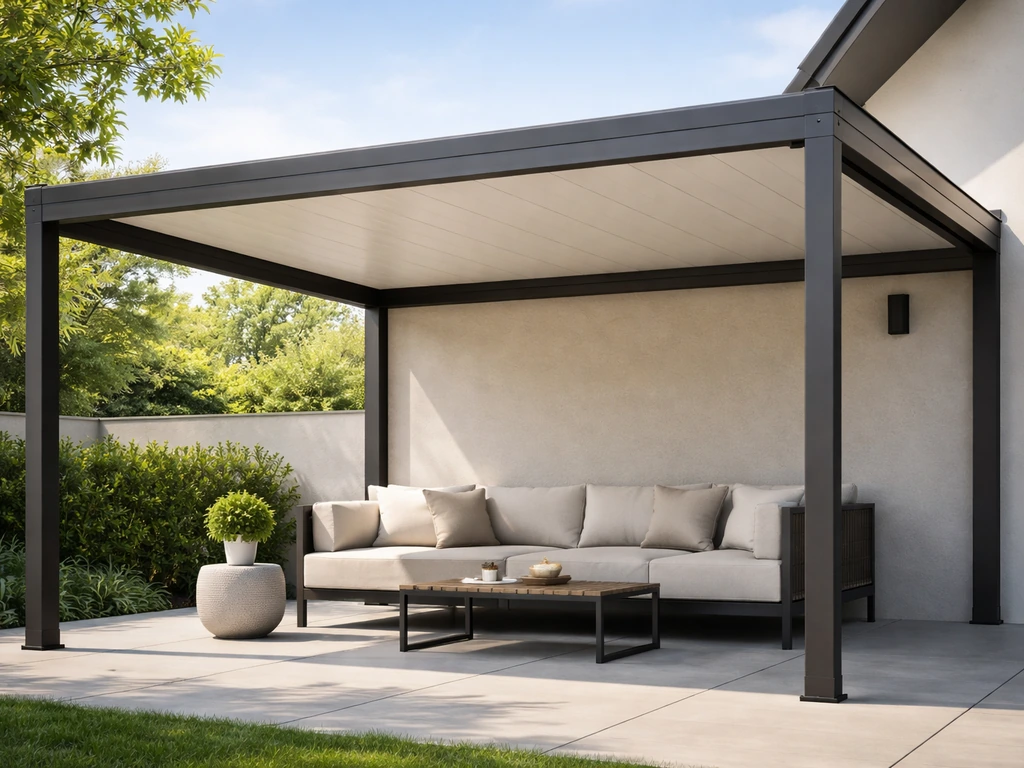
Buying guide for quality patio covers: materials, design, installation, costs, and maintenance for lasting weatherproof
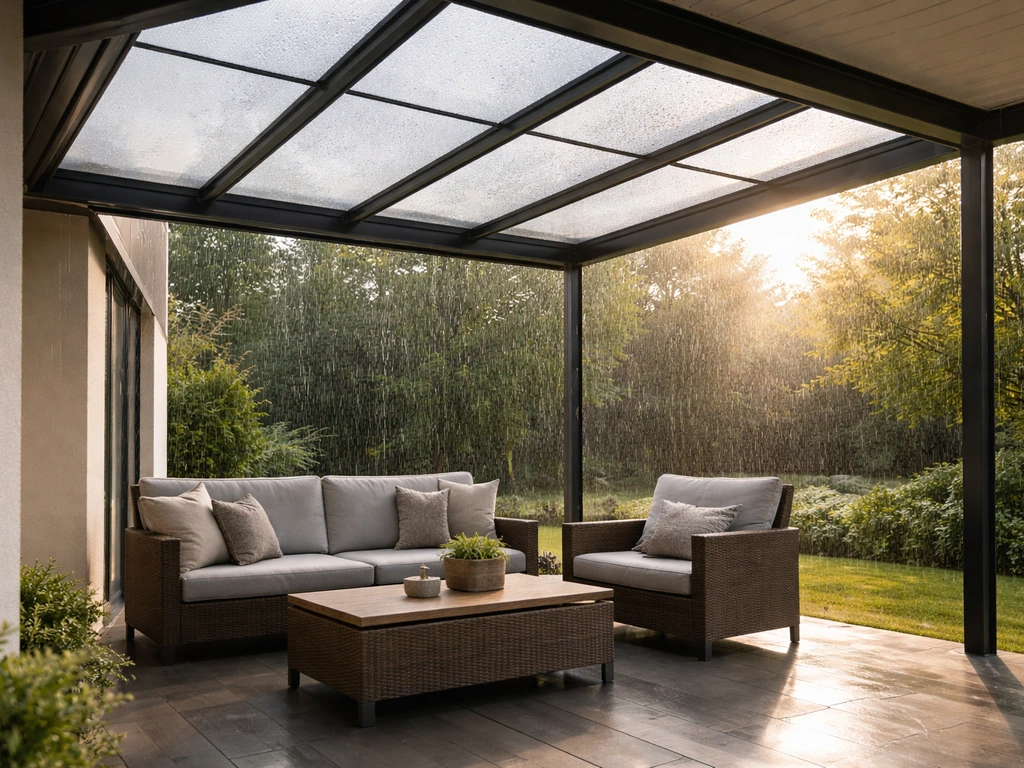
Pick the right top patio cover: measure, compare roof styles and materials, plan mounting, and install with climate-read
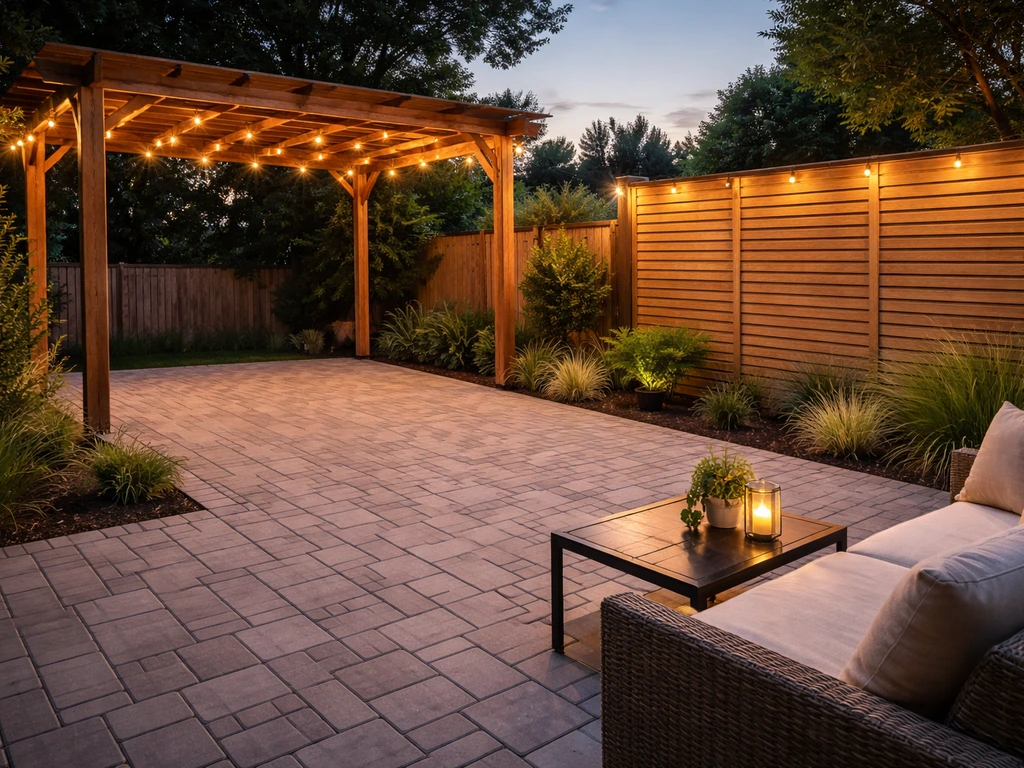
DIY outdoor patio ideas for planning, building, upgrading, and maintaining floors, shade, privacy, lighting, and decor.