
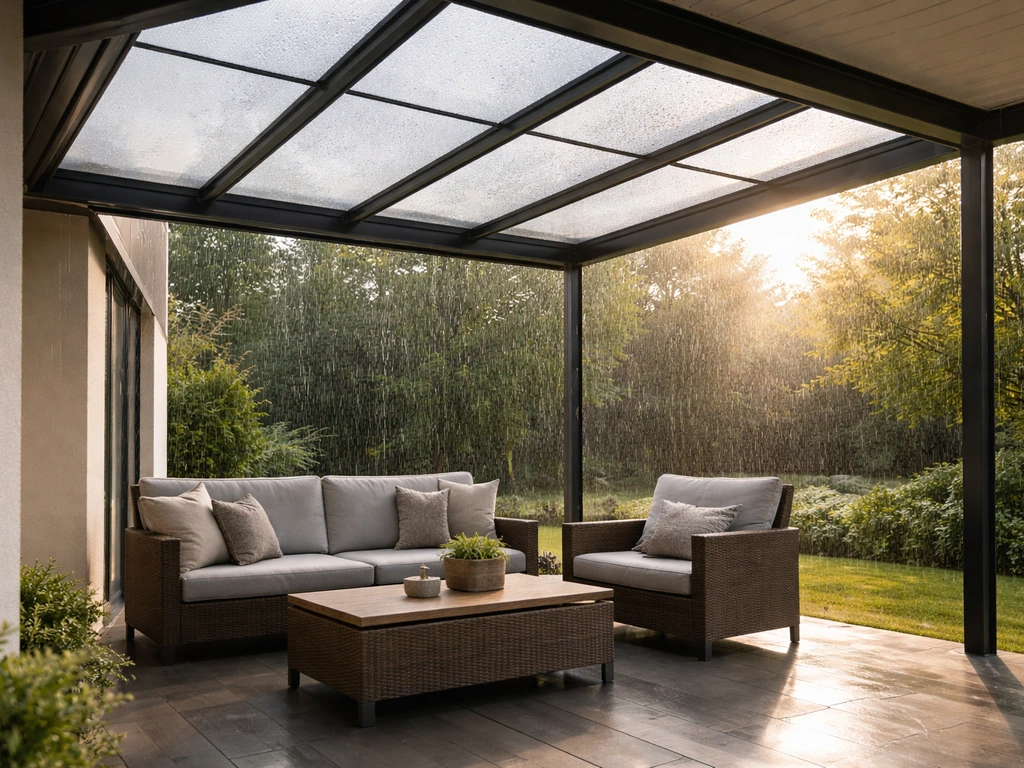
For most Las Vegas homeowners, the best patio cover is an insulated aluminum solid roof panel system. It blocks direct sun, cuts radiant heat transfer, handles monsoon downbursts, and requires almost no maintenance in the desert. That said, the right choice depends on your budget, your HOA rules, and whether you want full shade or an open pergola feel. This guide walks through every option so you can make a confident decision and start getting bids today. If you want the most reliable comfort and weather protection, choosing from the top patio covers for the desert climate is the easiest place to start.
Best Patio Covers in Las Vegas: Types, Costs, Permits

Phoebe Foster
7 Jun 2026
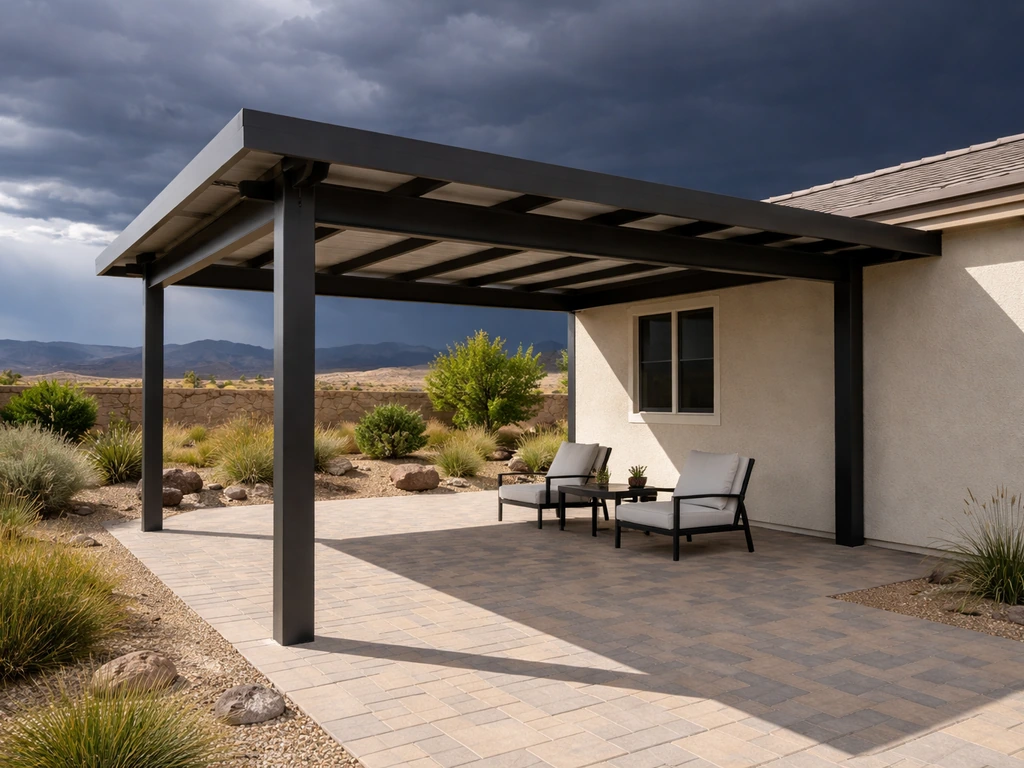
Why your patio cover choice really matters in Las Vegas
Las Vegas is not a normal outdoor environment. The National Weather Service records average summer highs in the triple digits, and that sustained heat loads up a patio roof for hours at a time. Without the right cover, a west- or south-facing patio can feel like standing inside an oven well into the evening. But heat is only part of the story.
Monsoon season runs from late June through mid-September, and it is more serious than most newcomers expect. The City of Las Vegas warns that monsoon downbursts can produce damage equivalent to an EF-0 or EF-1 tornado. The NWS climate record shows an average of 4.5 thunderstorm days in July alone and 3.8 in August. Pacific storm systems in winter add gusty winds to the mix even when rain is limited. Any cover you install needs to handle all of that, not just the sunny days.
A properly designed patio cover does more than provide shade. It makes outdoor living usable for more of the year, protects furniture and flooring from UV bleaching, and can meaningfully reduce the heat that radiates back into the home through sliding glass doors. That payoff is real in a climate this extreme, which is why getting the cover type and material right matters so much here.
The main types of patio covers to consider
There are three broad categories, and each suits a different situation. Understanding the tradeoffs before you talk to a contractor will save you from overselling or underselling yourself on the job.
Solid roof covers
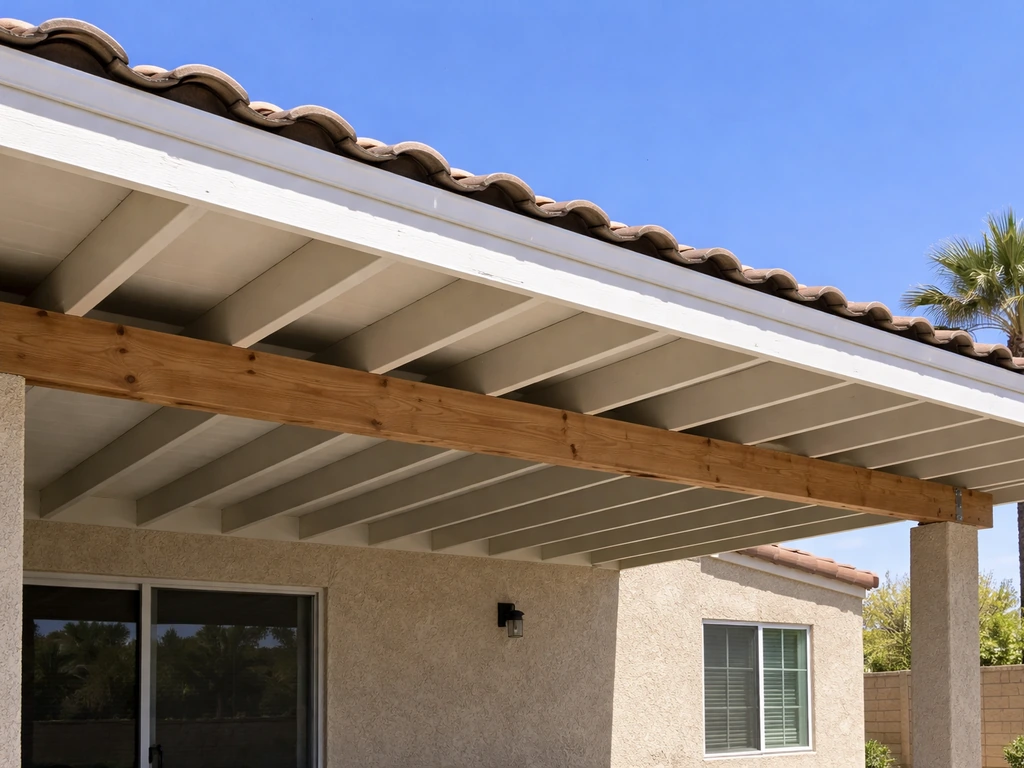
A solid roof cover completely blocks the sun and handles rain. It can be attached to the house (roof-mounted) or built as a freestanding structure. In Las Vegas, this is the most popular choice because it gives you maximum shade and a stable, enclosed-feeling space. Insulated panel versions (more on those below) are the top performer in this category for heat reduction.
Open pergola-style covers
Pergolas and lattice covers let in filtered light and allow airflow. They look great and work well in mild climates or as design features, but in Las Vegas they fall short on the two things that matter most: blocking intense direct sun and keeping monsoon rain off your furniture. An open-slat pergola with no shade cloth or attached louvers will still let in a significant amount of solar radiation and offers almost no rain protection. If you love the pergola look, consider a louvered pergola with adjustable slats that can close fully, which brings it much closer to solid-cover performance. A louvered patio cover is a practical middle ground when you want adjustable shade and better airflow without giving up weather protection louvered pergola. Alternative patio covers like open pergolas can look great, but they usually provide less sun and rain protection than a solid system open pergola look.
Insulated panel covers
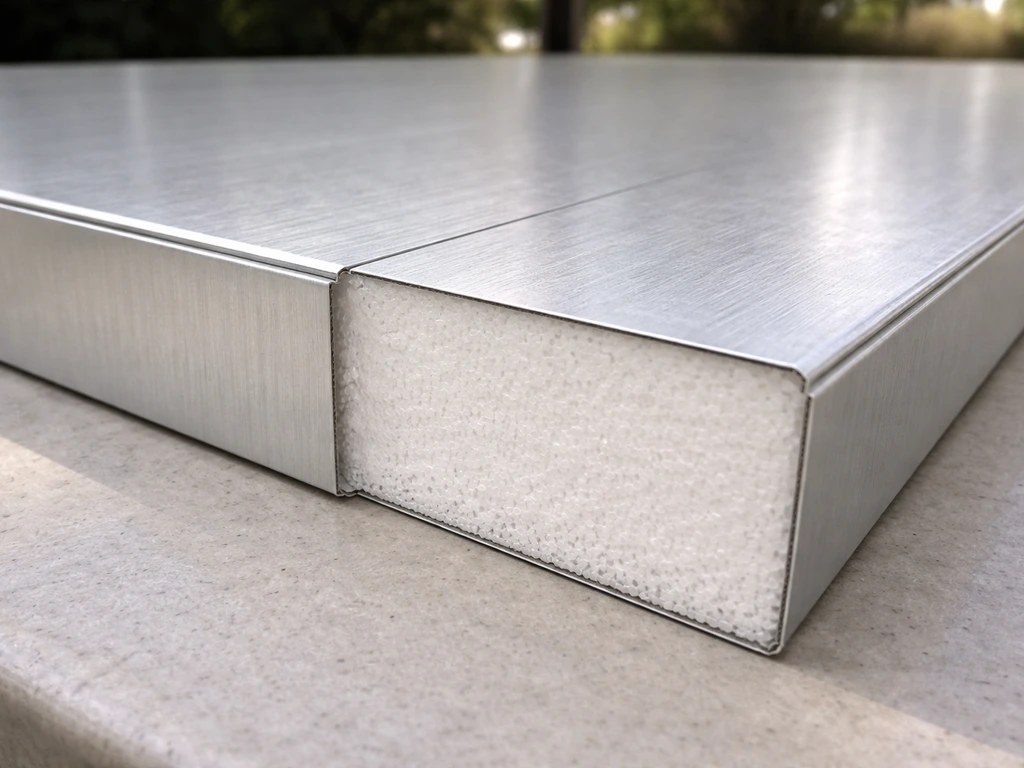
This is the category worth spending extra on in the desert. Insulated patio covers use a foam core sandwiched between two aluminum skins. The foam (typically polyurethane or polystyrene) dramatically reduces the amount of heat that conducts through the panel and radiates down onto the patio below. A standard single-skin aluminum flat roof gets searingly hot and radiates that heat downward all afternoon. An insulated panel stays noticeably cooler on the underside, which makes a real difference in how comfortable the space feels. If your budget allows it, insulated is the upgrade that pays off most in Las Vegas.
Best materials for the desert climate
Material choice affects durability, maintenance, looks, and total cost over the life of the cover. Here is how the main options stack up in a desert environment.
| Material | Best For | Pros | Cons | Maintenance Level |
|---|---|---|---|---|
| Insulated Aluminum | Maximum shade + heat reduction | Low heat transfer, lightweight, rust-proof, long lifespan (25+ years) | Higher upfront cost, limited wood aesthetics | Very low |
| Non-insulated Aluminum | Budget solid cover | Rust-proof, lightweight, affordable, easy to install | Gets very hot in summer, radiates heat downward | Low |
| Steel | Heavy-duty freestanding structures | Very strong, handles wind well | Heavier, can rust without proper coating, harder to work with | Moderate |
| Vinyl (PVC) | Pergola-style or light shade | Won't rot or rust, decent color options | Can warp or crack in extreme heat, limited structural strength | Low |
| Wood (natural) | Aesthetics, pergola/lattice | Beautiful, customizable | Requires regular sealing/staining, can crack and warp in desert heat and UV | High |
| Alumawood (composite) | Wood look with less maintenance | Looks like wood, more stable than natural wood, no rust | More expensive than plain aluminum, still some heat absorption | Low to moderate |
In Las Vegas specifically, natural wood is a tough sell. The combination of extreme UV exposure, dry heat, and occasional monsoon moisture cycles causes wood to crack, warp, and require constant sealing. Many homeowners go with Alumawood or similar composite products to get the visual warmth of wood without the maintenance headache. For pure performance, insulated aluminum wins almost every category.
Performance checklist: what your cover needs to handle
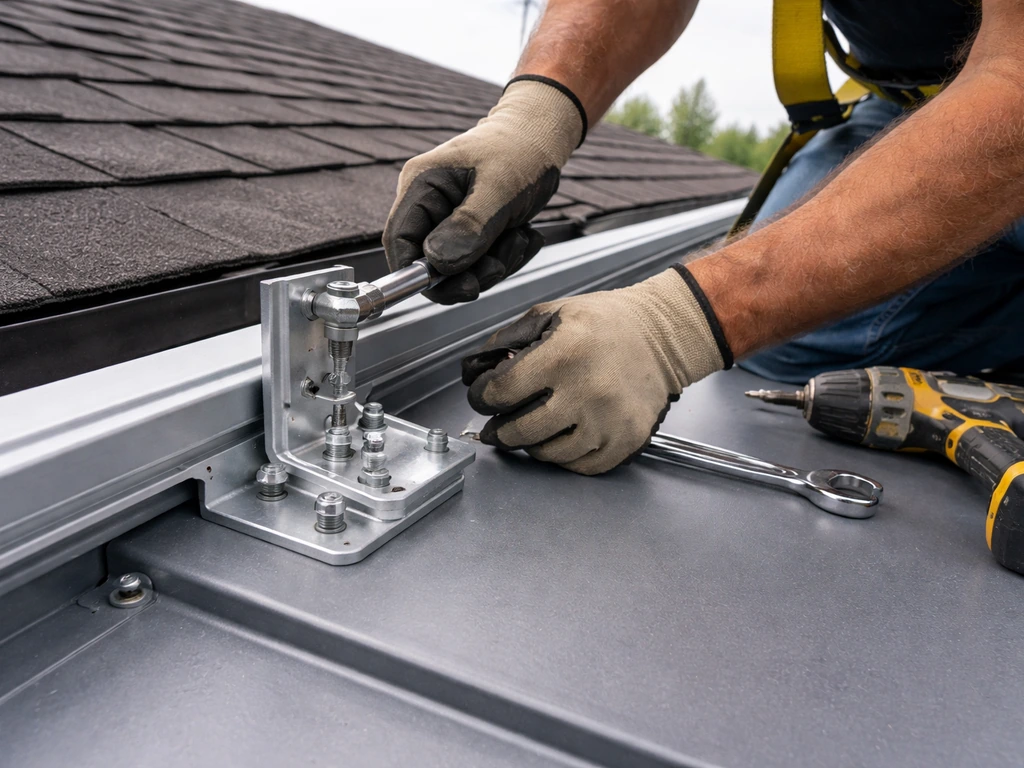
Before you commit to a design or get bids, run through these four performance factors. Any reputable contractor should be able to speak to each of them.
Wind resistance
Monsoon downbursts are the big threat. The IRC Appendix H (the building code standard for patio covers) requires that solid roof panel designs and their attachments be engineered based on component and cladding wind loads, with ultimate design wind speeds factored in. In practice, this means any permitted patio cover in the Las Vegas area should have a structural plan stamped by a Nevada-registered engineer or design professional. When you get quotes, ask specifically whether the design will meet current wind load requirements for the area. If a contractor says you do not need permits and there is nothing to engineer, that is a red flag.
Drainage
A flat or low-pitch solid roof cover needs to drain somewhere. Many standard aluminum patio covers have a slight pitch built in, with water directed to gutters or drip edges. In monsoon conditions you can get a lot of water in a short time, so the drainage path needs to be clear and intentional. Ask where the water goes and make sure it is directed away from your foundation and not over a neighbor's property.
Airflow
A solid cover that completely encloses the sides of the patio can trap heat rather than release it. Most Las Vegas installations are open on at least two or three sides to allow natural airflow, which is essential during the summer. If you are adding a ceiling fan under the cover (highly recommended), confirm the framing will support the fan's weight and that you have an outdoor-rated junction box planned during installation, not as an afterthought.
Shading and solar heat gain
For a solid cover, the shading is essentially 100% below the panel. The question is how much heat radiates back down. This is where insulated panels earn their price premium. For pergola-style covers, shading depends on the slat density or shade cloth rating. Look for shade cloth rated at 90% or higher if you want real sun blocking on an open-structure design. Consider the sun angle at your specific patio orientation before finalizing the cover dimensions so you are not getting afternoon sun blasting under the leading edge.
Cost factors and budgeting
Patio cover pricing in Las Vegas varies widely, and a lot of homeowners get sticker shock when they start calling around. Here is what actually drives the price.
- Size: Larger covers require more material and more structural support. A 10x12 attached cover is a very different project from a 20x20 freestanding structure.
- Material tier: Non-insulated aluminum is the most affordable solid-cover option. Insulated panels cost more upfront but last just as long with less heat discomfort. Alumawood and composite products sit at the higher end.
- Attached vs. freestanding: Attached covers that tie into the existing roof line often require more engineering and careful flashing work to prevent leaks. Freestanding structures need their own footings, which adds concrete and labor cost.
- Permit and engineering fees: A stamped structural plan and Clark County permit filing adds cost but protects you legally and ensures the structure meets wind load requirements. Budget a few hundred dollars or more for permit fees.
- Electrical rough-in: Adding wiring for lights or a ceiling fan during installation is far cheaper than retrofitting it later. Include it in the bid if you want it.
- Site conditions: Difficult access, existing concrete that needs cutting for footings, or non-standard house framing all add labor cost.
As a rough ballpark, a basic attached aluminum solid cover for a standard-sized patio in the Las Vegas area might start in the $3,000 to $6,000 range installed, while a larger insulated panel system or a custom freestanding structure can run $8,000 to $20,000 or more depending on size and complexity. These are installed costs including permits. DIY aluminum patio cover kits exist and can cut material cost significantly if you are comfortable with the work, though you still need to pull permits for structural work. If you want a starting point, review patio cover examples to compare styles, roof layouts, and material options before you request bids.
On lifespan: a quality aluminum cover with proper installation should last 20 to 30 years in the desert with minimal maintenance. Wood covers realistically need refinishing every 2 to 3 years in this climate and may need replacement sooner. When comparing quotes, factor total cost of ownership, not just the install price.
Permits, HOA rules, and local requirements you need to know
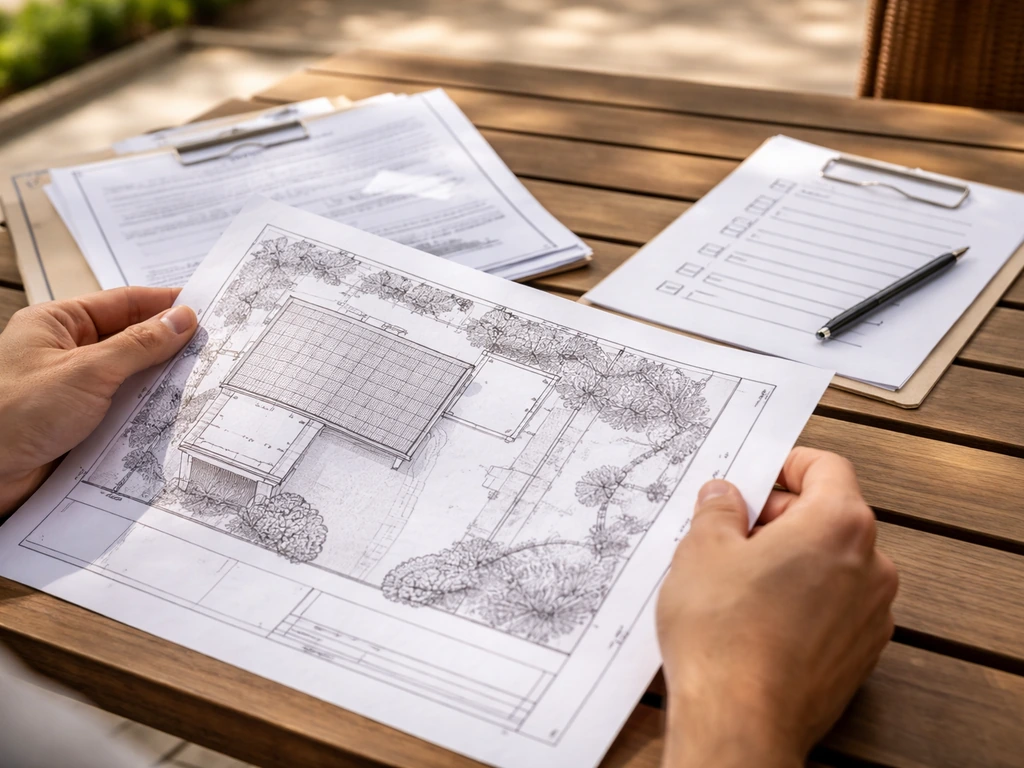
This is where a lot of homeowners get tripped up, so do not skip this section.
Clark County permits
If you live in unincorporated Clark County (which covers a large portion of the Las Vegas Valley), building permits are required for both freestanding and attached patio cover structures. This includes shade structures and carports. The Clark County Building Department is where applications are submitted, and the county provides a public 'Do I need a permit?' tool on its website to help you confirm. Do not assume you can skip this because the structure seems small or temporary. An unpermitted cover can cause problems when you sell the home, and in rare cases can be ordered removed.
Setback requirements apply to patio covers in Clark County. Under the Unified Development Code, setbacks are measured from the property line to the leading edge of the cover, with values that vary by zoning district (examples in county code show 12-foot and 7-foot setback requirements depending on the zone). There are also rules about how far a structure can project into a required setback, generally limited to about 3 feet with a minimum distance to the property line. Your contractor should account for this in the design, but it is worth confirming before you finalize placement. If you live within the City of Las Vegas or Henderson city limits, check with those municipalities directly, as permit requirements are similar but administered separately.
Clark County requires that structural plans and calculations for residential work at this scope be prepared by a Nevada-registered design professional. This is standard for any permitted patio cover, so expect that to be part of your contractor's process.
HOA considerations
A large percentage of Las Vegas-area homes are in HOA communities, and most HOAs have architectural review requirements for exterior structures. This typically means submitting plans and sometimes material/color samples for approval before you begin any work. HOA approval is separate from the county building permit, and you need both. Some HOAs in the area have specific requirements about cover materials, colors, and roof pitch to match the home's existing architecture. Get HOA approval in writing before you sign a contractor agreement, since design changes after approval can add cost and delay.
How to choose a contractor and compare quotes
The local patio cover market in Las Vegas has a mix of specialized installers, general contractors, and home improvement companies. Here is how to vet them properly.
License verification
Nevada requires contractors to be licensed through the Nevada State Contractors Board (NSCB). You can verify any contractor's active license status and classification on the NSCB's public license search portal. This is a non-negotiable first step. The license needs to be active, in good standing, and appropriate for structural construction work. Do not hire anyone who cannot provide their NSCB license number or whose license comes back inactive or expired when you check.
Questions to ask every contractor
- Are you licensed with the NSCB, and can I have your license number to verify it?
- Will you pull the building permit, and does your quote include permit fees?
- Will the design include stamped structural plans from a Nevada-registered engineer?
- What wind load rating will the structure be designed to?
- What is the warranty on materials and on your labor?
- Who does the actual installation — your own crew or subcontractors?
- Can you provide references from recent patio cover projects in the area?
- What is the realistic timeline from signed contract to completed installation?
Red flags to watch for
- Contractor says no permit is needed for an attached or large freestanding cover
- Quote does not include permit fees or mention structural plans
- Requests a very large deposit (more than 30-40%) before any work begins
- Cannot or will not provide an NSCB license number
- No written contract with scope, materials, and timeline clearly specified
- Significantly lower price than all other bids with no clear explanation why
- Pressure to sign immediately or claims the price is only good for today
Get at least three bids. Quotes in this market can vary by 30 to 50 percent for the same scope, and understanding why helps you separate competitive pricing from corners being cut. Ask each contractor to itemize materials, labor, permit fees, and any engineering costs so you are comparing apples to apples.
How to make your decision and take next steps today
Here is a simple framework to move from research to action without getting stuck.
Step 1: Measure your patio and note your priorities
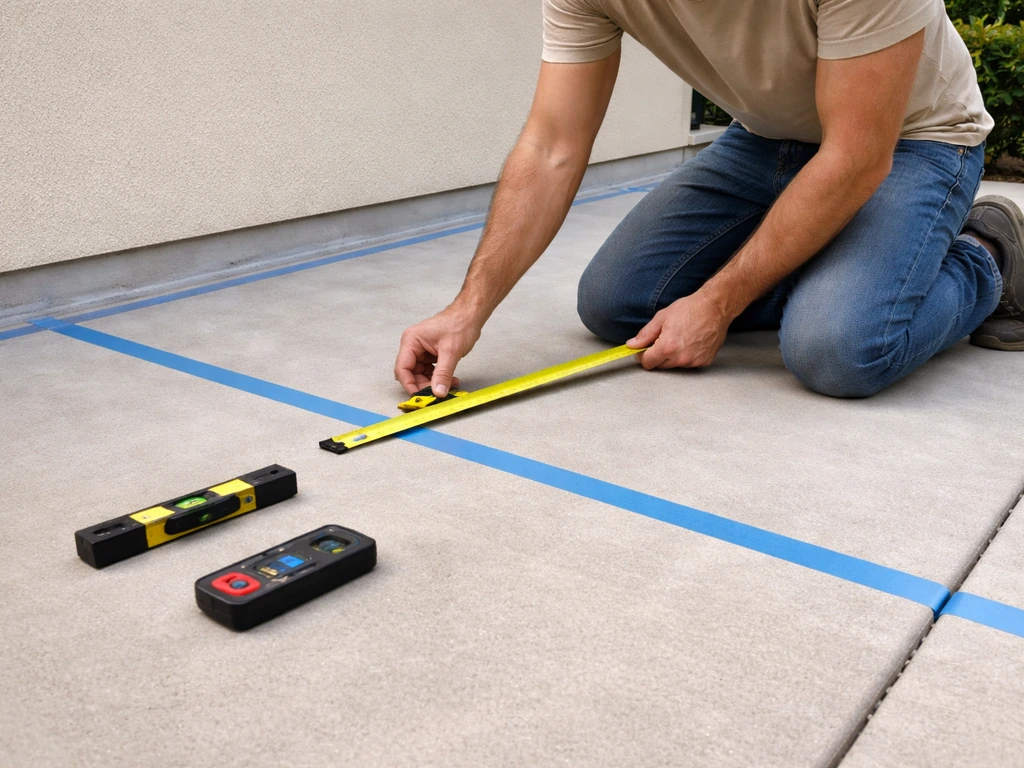
Measure the patio dimensions (length, width, and the height of any eave or wall where an attached cover would connect). Note which direction the patio faces (south and west exposures need the most shade). Decide your top priorities: maximum heat reduction, a specific aesthetic, budget ceiling, or a combination. Write this down before you talk to any contractor so you are not talked into something that does not fit your actual needs.
Step 2: Check your HOA rules first
Pull up your HOA CC&Rs or contact your HOA management company to get the architectural guidelines for patio covers. Find out what materials and colors are approved and whether pre-approval is required before you apply for a county permit. This takes a few days to a week and can prevent wasted effort if your initial design does not qualify.
Step 3: Shortlist your cover type
Based on your priorities, narrow it down to two or three options to get bids on. For most Las Vegas homeowners who want the best performance, insulated aluminum solid cover should be on the shortlist. If budget is the primary constraint, a non-insulated aluminum solid cover is a reasonable step down. If aesthetics matter more and you can tolerate more heat, an Alumawood or louvered pergola system is worth including for comparison. If you want to narrow down the best patio structures for your climate, comparing solid covers against louvered pergolas is a great place to start louvered pergola system. You can explore louvered cover options and other patio structure types as part of your comparison process.
Step 4: Contact and vet contractors
Reach out to at least three NSCB-licensed contractors. Verify each license on the NSCB portal before scheduling a site visit. Ask each one to bid the same scope so you can compare directly. Request that bids include permits, engineering, materials, labor, and any electrical rough-in you want. Set a target of having all three bids in hand within two to three weeks.
Step 5: Compare bids on total value, not just price
When the bids come in, compare warranty terms, material specifications (insulated vs. non-insulated, panel thickness, finish quality), whether permits are included, and contractor references. The cheapest bid is often cheap for a reason. The goal is the best value over a 20-plus year lifespan in one of the most demanding climates in the country. If you want the best results, focus on quality patio covers made for Las Vegas sun and monsoon conditions. Make your decision, get everything in the contract, confirm your HOA approval and permit are in progress before work starts, and you will be in a much better position than most homeowners who rush in without doing this groundwork.
FAQ
Will an insulated aluminum patio cover require upgrades to my existing roof or eaves?
Plan for a roof-related upgrade if you are attaching into the house framing. Even though insulated solid covers are often the “best patio covers Las Vegas” choice, the installer may need to add or verify ledger attachments, flashing details, and connection hardware rated for Las Vegas wind exposure before they can properly seal and transfer loads.
Can I add a ceiling fan under my patio cover, and what should I ask the contractor?
Many contractors can include a ceiling fan, but only if they budget for structural support and an outdoor-rated electrical route. Confirm you want a weatherproof junction box and exterior-rated wiring, and ask whether the fan will be on a dedicated circuit or integrated into an existing outdoor outlet.
Are permits and engineering still required for freestanding patio covers in Las Vegas?
Yes, but it changes the design scope. “Freestanding” still needs engineering for wind uplift and lateral loads, and it may trigger additional setbacks or require new drainage planning since the structure will not share roof lines with the house.
Where should patio cover runoff drain during monsoons, and how do I avoid water pooling?
If your patio has a low pitch or no dedicated drainage path, heavy monsoon bursts can create pooling that accelerates staining, corrosion, and material fatigue. Ask where runoff goes (gutter, drip edge, downspout, splash pad, or drywell) and whether the plan directs water away from your foundation and neighboring properties.
How much sun blocking do I realistically get from a louvered pergola compared with a solid insulated roof?
You will likely pay for more than “shade cloth” depending on the design. If you choose a louvered pergola or other open-structure cover, ask for a clear spec (slat angles, louver coverage, or shade cloth percentage) and verify it closes enough to block peak afternoon sun for your patio orientation.
What measurements should I take before getting patio cover bids?
Measure in a way that matches how covers are built: account for the cover overhang beyond the patio slab, the thickness of insulated panels, and any beam spacing. A few inches of mismeasurement can force a redesign at bid time, increasing cost.
Do I need HOA approval even if I’m already getting a county building permit?
HOA rules can require approval even if the county permit is already underway. Ask for written approval timelines and whether they require color, finish, roof pitch range, or material substitutions, and plan for a change order if you adjust specs after HOA review.
What details should be in an apples-to-apples patio cover quote?
Do not assume the lowest price is the same “scope.” Ask each contractor to itemize engineering fees, permit fees, panel specs (insulated vs non-insulated and core type), and whether gutters/drip edges are included, then compare warranty terms for workmanship and materials separately.
What should I look for in warranty terms for patio covers in the Las Vegas climate?
In Las Vegas, warranty claims often depend on installation compliance, not just brand quality. Make sure the warranty covers wind-related failures, fastener corrosion, and panel delamination (for insulated systems), and confirm what maintenance is required to keep the warranty valid.
What maintenance is actually required after installation in Las Vegas?
For wood, plan on more frequent upkeep, but for aluminum composites and insulated panels, the biggest “maintenance” is keeping drainage paths clear and cleaning so runoff does not leave residue. Ask how often to inspect hardware and caulking around attachments and whether the installer recommends a specific sealant or finish care routine.
What setback mistakes commonly cause delays or redesigns for patio covers?
It depends on your property zoning and setbacks. Even small covers can require compliance because setbacks are measured to the leading edge, and some areas limit projection into required setbacks. Ask your contractor to confirm the exact setback dimensions for your parcel, not just the general rule of thumb.
How can I confirm my patio cover design will be permitted correctly before construction starts?
If you are unsure whether a permit is needed, treat it as a design decision, not a guess. Ask your contractor to state in writing whether permits will be pulled for that specific cover type and scope, and confirm the permit application includes engineering stamped by a Nevada-registered professional.
Next Articles
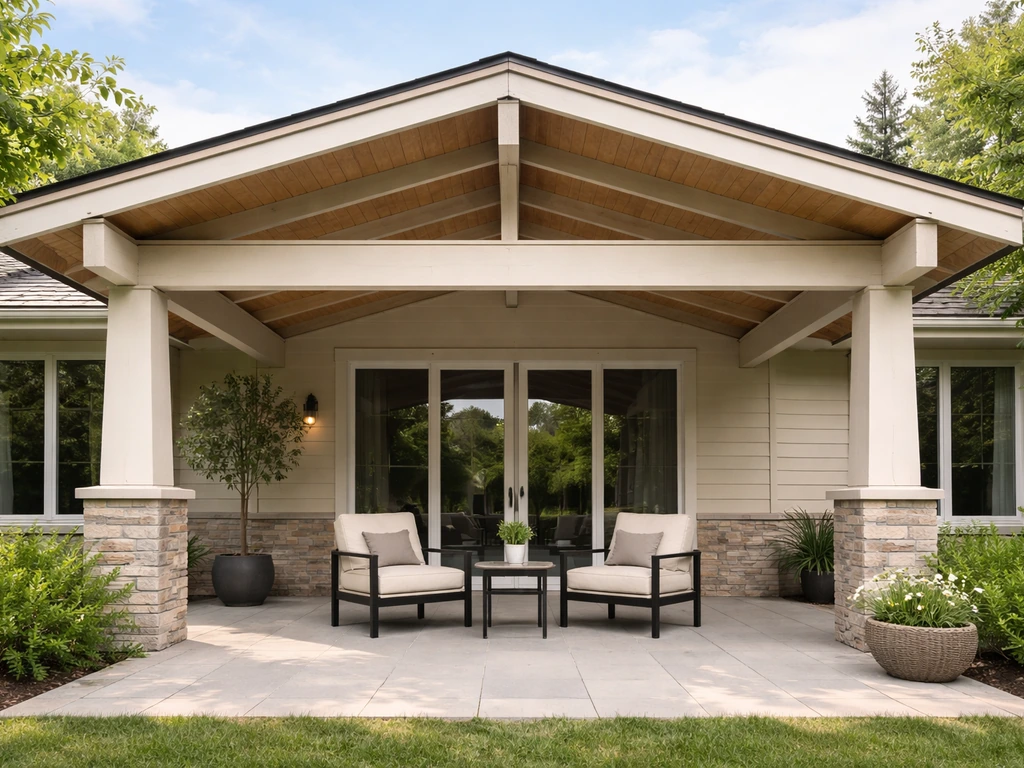
Patio Cover Examples: Styles, Materials, Costs, and Tips
Explore patio cover examples by style, materials, roof types, costs, and tips to pick the best fit for your climate.
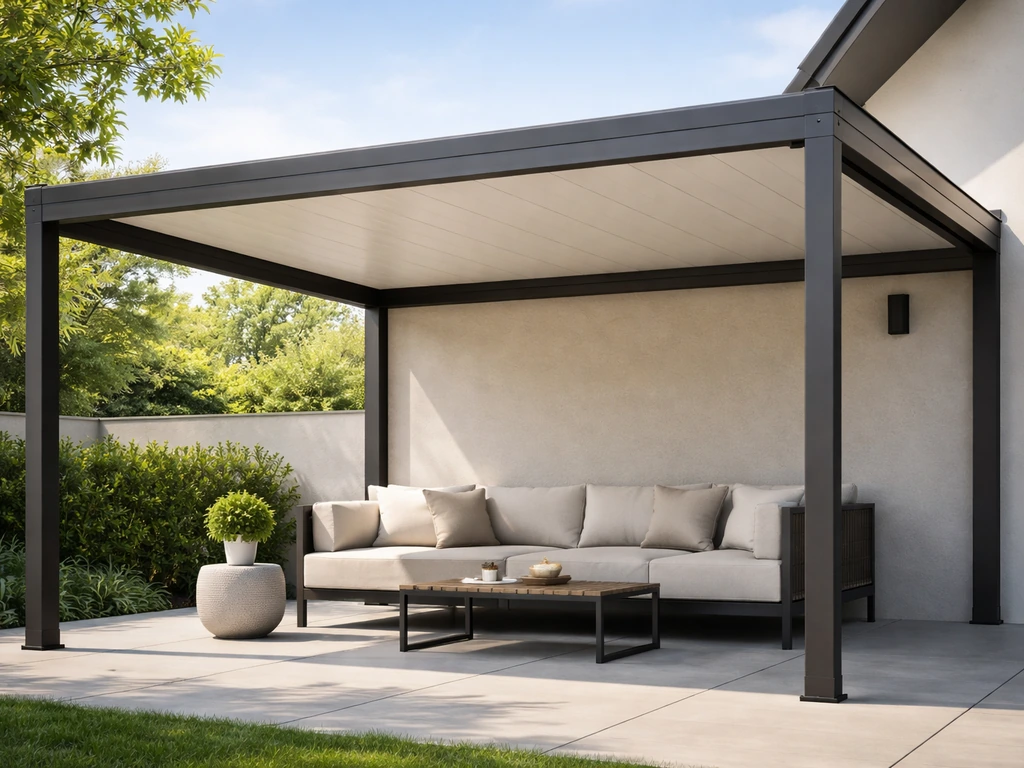
Quality Patio Covers: How to Choose, Plan, and Maintain
Buying guide for quality patio covers: materials, design, installation, costs, and maintenance for lasting weatherproof
Top Patio Covers Guide: Choose, Measure, Install
Pick the right top patio cover: measure, compare roof styles and materials, plan mounting, and install with climate-read