If a standard attached patio roof isn't the right fit for your space, budget, or HOA, you've got plenty of solid alternatives: shade sails, retractable awnings, pergolas, freestanding canopy structures, louvered covers, and patio tents can all do the job depending on how much sun, rain, or wind you're dealing with and how permanent you want the solution to be. The key is matching the option to your actual priorities rather than defaulting to whatever the neighbor built.
Alternative Patio Covers: Options, Costs, and How to Choose

Phoebe Foster
17 Jun 2026
What actually counts as a patio cover alternative
In broad U.S. usage, any overhead structure that gives your patio coverage technically qualifies as a 'patio cover,' whether it's bolted to your house or sitting 20 feet away in the yard. The word 'alternative' just means you're stepping outside the most common solution in your area, which is usually a fixed, attached aluminum or wood patio roof. Cities like Chula Vista, CA define a patio cover formally as a one-story roofed recreational structure no more than 12 feet above grade, but most alternatives discussed here operate in a similar functional space without necessarily triggering that same permit definition.
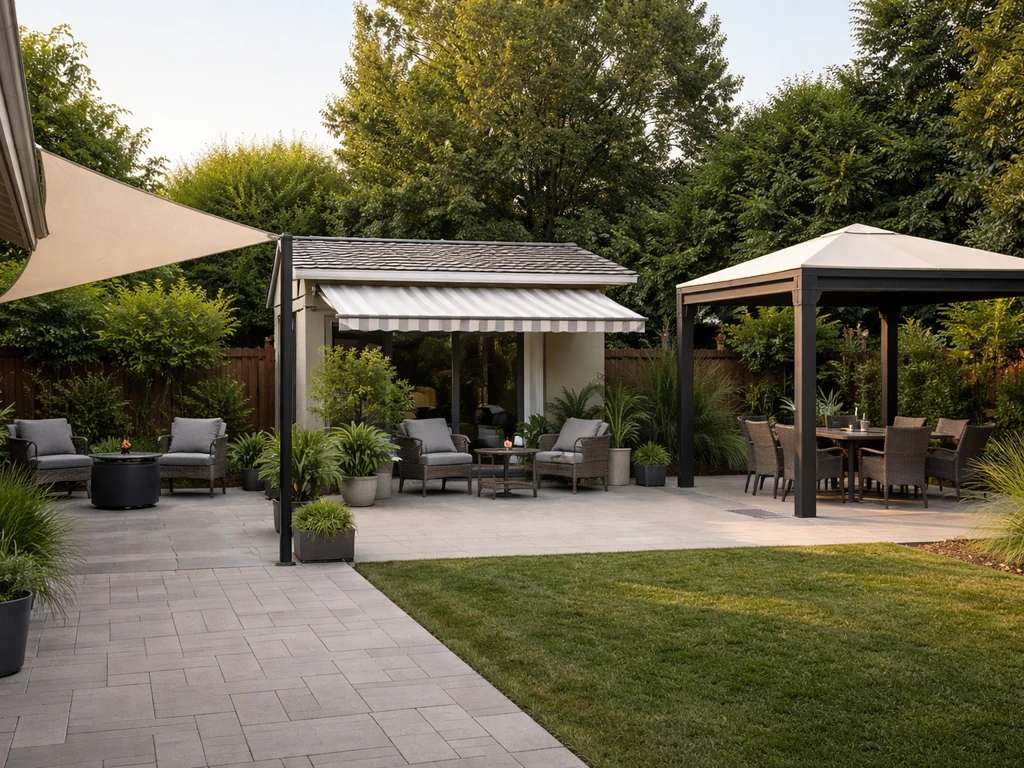
Alternative patio covers generally fall into a few camps: flexible or temporary structures you can take down seasonally, retractable systems you operate on demand, open-frame structures like pergolas that filter rather than block weather, and semi-permanent freestanding builds like pavilions or gazebos that give you full coverage without attaching to the house. Each camp has its own tradeoffs on cost, weather performance, and what your city or HOA will allow.
Nail down your priorities before you shop
The single biggest mistake homeowners make is browsing options before they've decided what actually matters. Spend 10 minutes on these criteria and you'll cut the candidate list in half.
Sun vs. rain protection
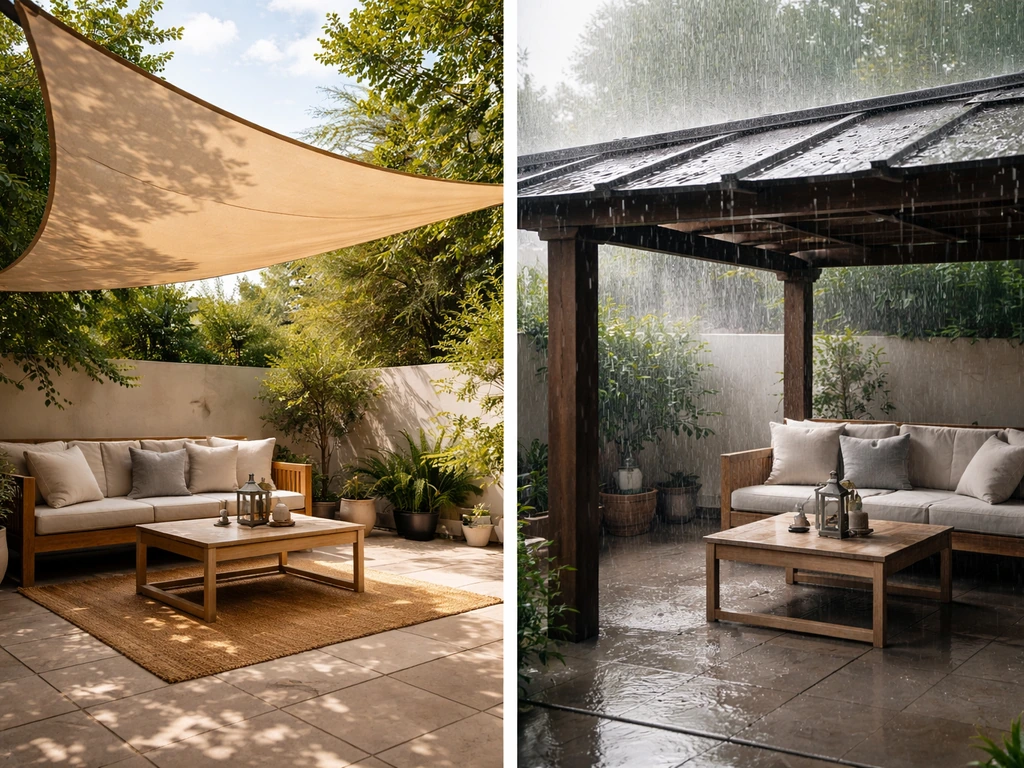
These are not the same requirement. A shade sail handles brutal afternoon sun beautifully but won't keep you dry in a downpour. A solid-roof pergola or louvered cover handles both. If you're in a dry, sunny region like the Southwest, a shade structure with high UV-blocking fabric may be everything you need. If you're in the Gulf Coast, Pacific Northwest, or Midwest where summer storms roll through, you need something with a solid or adjustable roof.
Wind exposure
Wind is where a lot of homeowners get burned. Shade sails are popular and affordable, but industry safety guidance is clear: they should be removed before sustained winds exceed around 50 mph, and in practice the anchor hardware (turnbuckles, pad eyes, attachment points) tends to fail before the fabric does. Retractable awnings with a built-in wind sensor will auto-retract when gusts hit, which is smart engineering but means you lose coverage exactly when a storm is rolling in. If you're on an exposed lot, a hill, or in a windy corridor, lean toward a heavier semi-permanent structure from the start.
How permanent does it need to be
Renters, frequent movers, and HOA-restricted homeowners often need something they can remove or relocate. Temporary canopies, shade sails, and pop-up gazebos fit that bill. If you own your home and plan to stay, a semi-permanent or permanent build adds more value and usually performs better over time.
Budget and maintenance
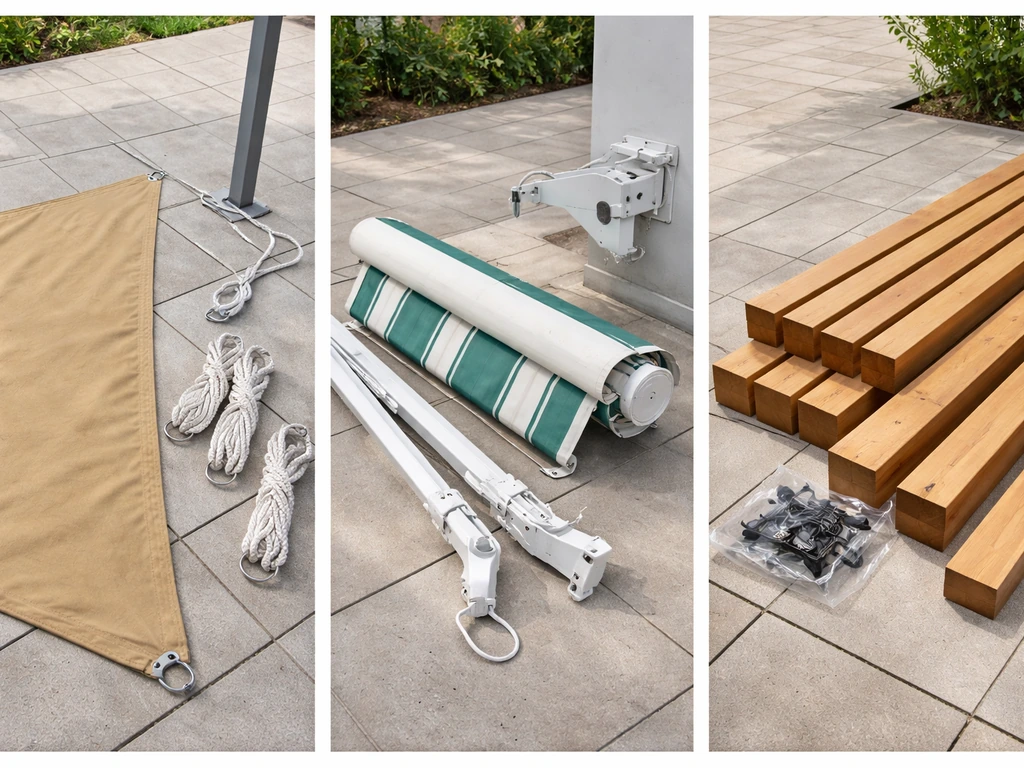
Budget ranges are wide here: a decent shade sail kit runs $100 to $400, a quality retractable awning hits $1,500 to $5,000 installed, and a custom-built pergola or louvered cover can run $5,000 to $25,000 or more depending on size and materials. Maintenance also varies: shade cloth fades and needs replacement every 5 to 10 years, fabric awnings need cleaning and occasional re-coating, and aluminum structures are essentially set-and-forget. Wood looks beautiful but needs sealing or staining every couple of years depending on your climate.
The main alternative cover types compared
Here's a practical look at the most common options, what they're good at, and where they fall short.
| Cover Type | Sun Protection | Rain Protection | Wind Resistance | Typical Cost Range | Permanence | DIY-Friendly |
|---|---|---|---|---|---|---|
| Shade Sail | Excellent (90%+ UV block) | Poor | Low (remove at 50+ mph) | $100–$600 installed DIY | Seasonal/removable | Yes |
| Retractable Awning | Excellent | Good (when extended) | Moderate (auto-retract sensor) | $1,500–$5,000 installed | Semi-permanent | Partial |
| Freestanding Canopy/Tent | Good | Good (solid top) | Low to moderate | $150–$800 | Temporary | Yes |
| Open Pergola | Partial (filtered shade) | Poor without add-ons | Moderate (solid frame) | $3,000–$15,000+ | Permanent | Partial |
| Louvered Patio Cover | Excellent (adjustable) | Excellent (closed louvers) | High (engineered frame) | $8,000–$25,000+ | Permanent | No |
| Pavilion / Solid-Roof Gazebo | Excellent | Excellent | High (if anchored) | $5,000–$20,000+ | Semi to permanent | Partial |
| Shade Cloth Pergola Cover | Very good | Poor to moderate | Low to moderate | $200–$1,500 add-on | Seasonal | Yes |
Shade sails: great sun coverage on a tight budget
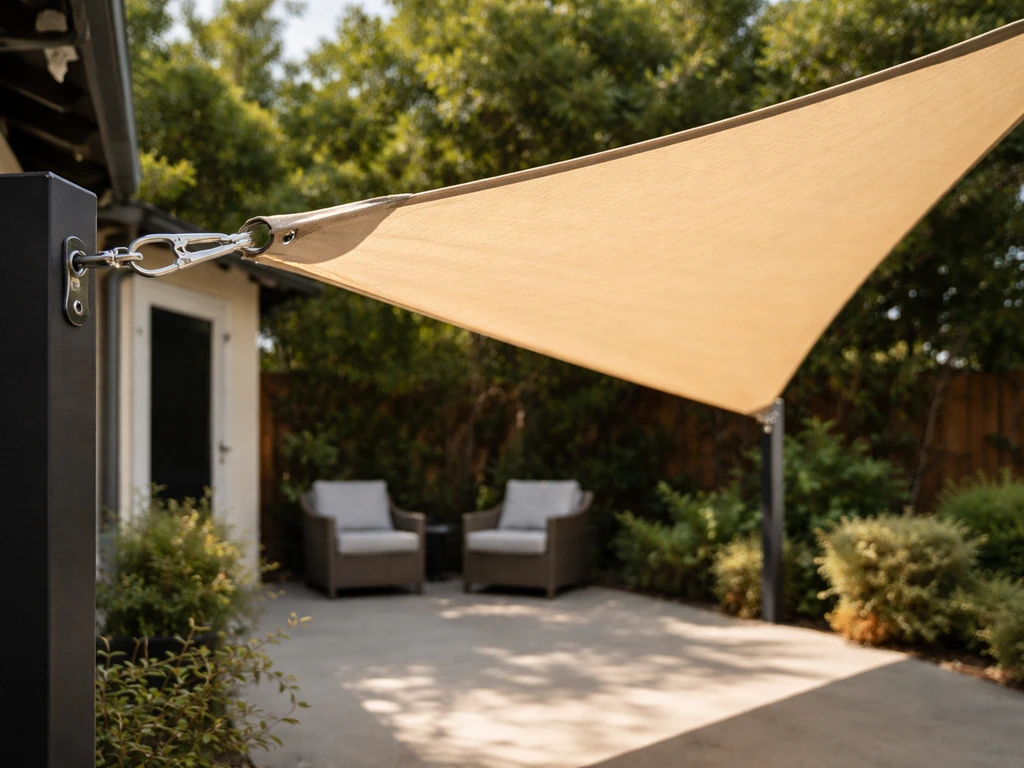
Shade sails are tensioned fabric panels anchored to posts, walls, or trees at multiple corners. They're genuinely effective at cutting UV exposure and can cover awkward shapes that a rectangular awning wouldn't fit. The limitations are real though: they're not rain covers, they need to come down in high wind events, and the anchor points take real force, so installation matters more than people expect. Done right with proper post footings and tensioning hardware, a shade sail system looks sharp and lasts years. Done sloppily, it comes down in the first big storm.
Retractable awnings: flexibility with a cost
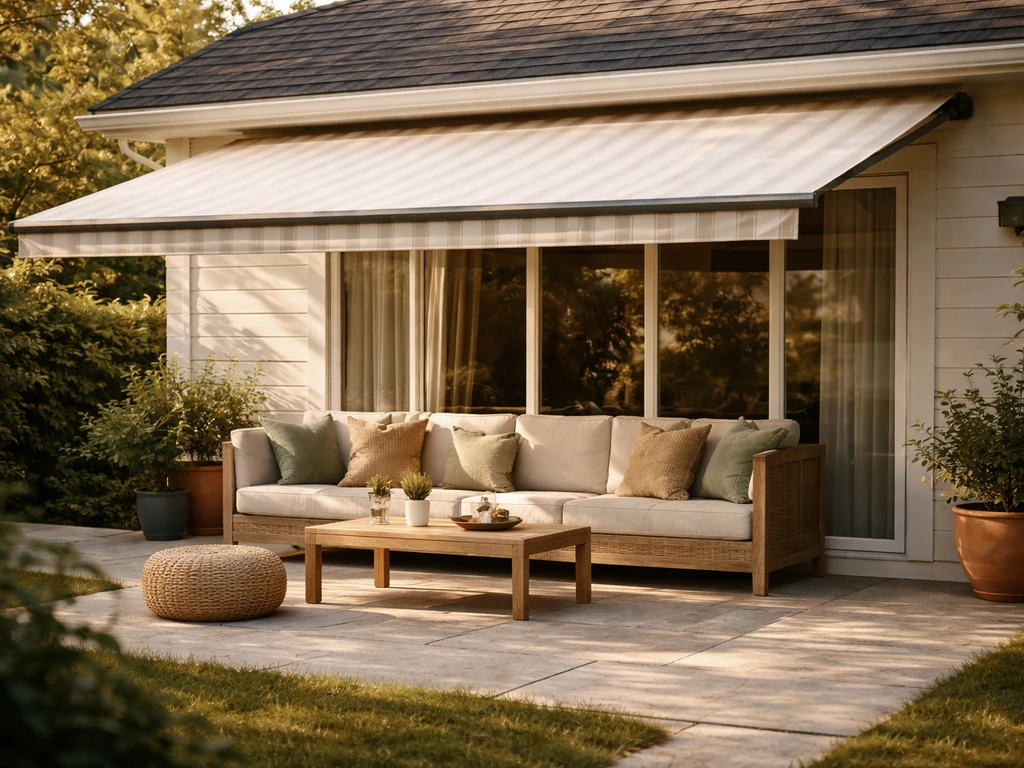
A motorized retractable awning attached to the house wall gives you on-demand shade and decent rain coverage when extended. The better units include a wind sensor that retracts the awning automatically when gusts pick up, which protects the fabric but also means you lose coverage in breezy conditions. They attach to the fascia or wall, so they don't eat up any ground space, and they disappear when you don't need them. The downside is cost: a quality motorized awning for a medium patio (12 by 16 feet) typically runs $2,500 to $4,500 installed by a contractor.
Pergolas with added cover: the middle-ground option
A traditional open-rafter pergola filters light and provides some structure for vines or shade cloth but won't keep you dry. Adding a polycarbonate roof, shade cloth, or retractable canopy insert transforms it into a real multi-weather cover. Louvered pergola systems are a step up from there, letting you dial in airflow or close up completely for rain. If you're comparing options, the best louvered patio covers are worth a close look because they genuinely solve both sun and rain in one structure.
Pavilions and freestanding gazebos: full coverage without touching the house
A freestanding pavilion or solid-roof gazebo gives you the most weather-complete alternative without requiring wall attachment. They can be placed anywhere on the patio or yard, often work better aesthetically as a defined outdoor room, and some prefab kits are genuinely DIY-friendly for a handy homeowner with a couple of helpers. The tradeoff is cost and footprint. These are best when you want a distinct covered outdoor space rather than an extension of an interior room.
Freestanding canopies and patio tents: budget-first solutions
Pop-up canopy tents and freestanding frame canopies are the fastest and cheapest way to get covered patio space. A good 10 by 20 foot canopy with a steel frame runs $150 to $500 and can be set up in an afternoon. They're ideal for seasonal use, renters, or anyone testing a layout before committing to a permanent structure. If you want a budget-friendly way to add shade for short-term use, a best patio tent can be a practical option. Wind resistance is the weak point: stake them down well and take them in before storms.
Cost and installation: DIY vs. hiring a contractor
Whether you go DIY or hire out depends on three things: the structural complexity, your local permit requirements, and how much your time is worth to you. Here's how the math tends to shake out.
- Shade sails and canopy tents: strong DIY candidates. No permitting in most jurisdictions, no concrete work needed for basic installs, and the skill ceiling is low. Budget 2 to 6 hours.
- Retractable awnings: partial DIY is possible with motorized kits if you're comfortable with wall anchoring and basic electrical. Most homeowners hire out the install because improper wall anchoring is a real failure point. Professional install adds $300 to $700 to the unit cost.
- Pergolas (kit form): a confident DIYer with a helper can build a prefab aluminum or vinyl pergola kit in a weekend. Wood pergolas from scratch take longer and require more skill. Contractor builds typically run 1 to 3 days for a straightforward attached pergola.
- Louvered covers and solid-roof pavilions: almost always contractor territory. These require engineering for wind and snow loads in some regions, proper footing work, and electrical if you want integrated lighting or a motorized louvered system. Expect 3 to 7 days for installation.
- Custom attached patio roofs: full contractor work, typically 1 to 2 weeks depending on scope.
One honest note on timeline: material lead times in 2025 and 2026 for louvered systems and custom aluminum covers have stretched to 6 to 14 weeks from some manufacturers. If you're planning for summer use, start the process earlier than feels necessary.
Permits, HOA rules, and site prep: don't skip this part
This is where homeowners lose time and money, so it's worth slowing down here before you buy anything.
Permits
Permit requirements vary enormously by city and county. Some jurisdictions, like San Diego, CA, exempt patio covers under 300 square feet of projected roof area for single-family homes from a building permit, though structural and setback code still applies. Other cities require permits for any permanent overhead structure. Shade sails and freestanding canopy tents are almost universally permit-exempt as temporary or decorative structures, but a bolted-down pavilion with a concrete footing often is not.
If you're comparing patio cover examples like shade sails versus freestanding canopy tents, confirm which ones are permit-exempt in your city before you commit. Call your local building department or check their online portal before you start, not after. It takes 15 minutes and can save you from having to tear something down.
HOA restrictions
HOA rules on patio covers range from 'we don't care' to 'pre-approved materials and colors only.' Common restrictions include height limits (often 10 to 12 feet), approved materials (no canvas, aluminum only, for example), color palette requirements, and rules about visibility from the street. Submit for approval before purchasing materials, not before installing them. Many HOA boards take 30 to 60 days to review requests, and some require professional drawings or a contractor's bid as part of the submission.
Site prep
For freestanding structures with footings, you'll need to know where your utility lines run (call 811 in the U.S. before any digging). Check that your existing patio slab is level and in good condition if the structure will anchor to it. For wall-attached covers and awnings, confirm your wall framing can handle the load, especially if you have stucco over a wood-frame wall where finding studs can be tricky. And measure twice: the single most common mistake is ordering a structure sized to the patio slab without accounting for the setback from the house wall or the clearance needed at the posts.
How to pick the right option for your patio
Use this checklist to narrow to your top two or three options. Answer honestly and the right categories will surface quickly. If you're comparing what are the best patio covers for your space, start by matching coverage type to sun, rain, and wind needs.
- What's your primary goal: block sun, keep out rain, or both? Sun-only allows far more options (shade sails, open pergolas, awnings). Sun and rain together narrows you to solid-roof structures, louvered systems, or awnings.
- What's your realistic budget including installation? Under $1,000 points toward shade sails, canopy tents, or DIY pergola kits. $1,500 to $5,000 opens retractable awnings and mid-range kits. Above $5,000 gets you into quality louvered covers, pavilions, and custom builds.
- Do you want it permanently installed, or do you need flexibility to remove it? Permanent or semi-permanent: pergola, pavilion, louvered cover, awning. Flexible or seasonal: shade sails, canopy tents, freestanding pop-up gazebos.
- How exposed is your location to wind? High-wind locations should skip shade sails and lightweight canopies in favor of engineered structures with proper anchoring.
- Are you in a rain-heavy, snow-load, or dry climate? Snow loads require engineered rooflines; wet climates need sealed, sloped roofs; hot dry climates can get away with shade fabric.
- Does your HOA or city have restrictions? If yes, identify approved structures before you invest time comparing options they won't allow.
- How much do you want to maintain it? Fabric structures need cleaning, re-coating, and eventual replacement. Aluminum and vinyl are close to maintenance-free. Wood needs ongoing sealing.
After running through this list, most people land in one of three scenarios: shade-focused and budget-conscious (shade sails or a pergola with shade cloth), full-weather coverage needed with a moderate budget (quality retractable awning or a prefab pavilion), or a long-term investment in a permanent outdoor room (louvered cover or custom pergola with solid roof panels). If you want the best patio covers Las Vegas homeowners recommend, prioritize sun and wind performance based on your exact outdoor setup. Knowing which scenario fits you makes the vendor conversations much more productive.
Your next steps: measure, ask, and avoid the usual mistakes
Measure your space correctly
Measure the actual usable patio area you want covered, not just the slab. Note the height from the patio surface to any eave or overhang if you're attaching to the house. For freestanding structures, mark out where posts would sit and confirm clearance from property lines (most jurisdictions require a 5-foot setback from side and rear property lines, but check your local code). Also measure sun angles: if afternoon sun is your enemy, the cover needs to extend on the west side far enough to actually block it.
Questions to ask vendors and contractors
- What wind load is this structure rated for, and is that an engineering certification or just a marketing claim?
- Does this installation require a permit in my city, and will you pull it?
- What's the warranty on the frame vs. the fabric or roofing component separately?
- What's the current lead time from order to installation?
- Can I see examples of installations in my climate region?
- What maintenance does this require annually, and what does replacement of worn components cost?
- Is the structure rated for my local snow load or wind zone if applicable?
Common mistakes to avoid
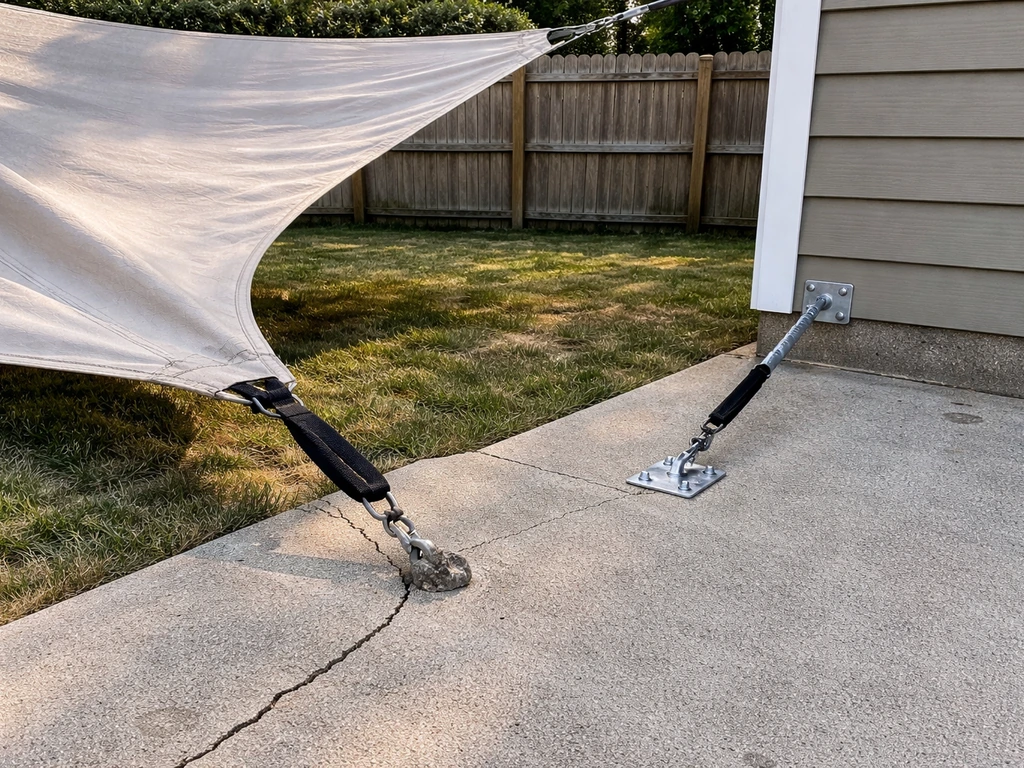
- Buying a shade sail or canopy for a windy lot without engineering the anchor points properly. The anchor hardware fails before the fabric does.
- Ordering a structure sized by the slab without accounting for post placement, setbacks, or clearance from the house wall.
- Skipping the HOA approval step and ordering materials, then waiting 60 days with unusable materials sitting in your garage.
- Assuming any patio cover is permit-exempt. Check first. The cutoff varies widely by city and by size of the structure.
- Choosing a wood structure in a humid climate without a sealed maintenance plan. Untreated wood in high-humidity areas can show rot damage within 3 to 5 years.
- Going with the cheapest retractable awning without a wind sensor in a region where afternoon thunderstorms are common. The awning gets destroyed the first time you forget to retract it.
The good news is that the alternative patio cover market has more quality options than ever at every price point. Whether you're weighing a simple shade sail against a full louvered system, or comparing the best patio structures for a long-term outdoor room, the process is the same: know your climate needs, lock in your budget, check the rules, and then compare the shortlist. Get those four things right and you'll end up with a cover that works the way you need it to, for years.
FAQ
How do I compare wind safety between shade sails, retractable awnings, and freestanding canopy structures?
Ask for the product’s wind rating (and what wind speed is based on, plus the required installation method). Even if two covers are “wind-rated,” the allowable rating often assumes specific post spacing, anchor hardware, and whether the fabric or panels are fully extended, partially retracted, or strapped down.
Do retractable awnings protect me from rain during storms, or just reduce wind damage?
For awnings and louvered systems, look for controls that include rain sensing, not just a wind sensor. If the system retracts only on gusts, a steady downpour can still sit on the fabric and splash back under the front edge.
How can I prevent rainwater from dripping onto the patio when choosing alternative patio covers?
Yes. Measure and plan for drainage away from the patio surface. For solid or louvered covers, confirm the system provides gutters, scuppers, or a designed runoff path so water doesn’t drip onto furniture or collect at the patio edge.
What should I check about anchoring and installation for shade sails before hiring anyone?
Shade sails usually rely on multiple anchor points and tensioning. Before buying, confirm your installation plan (posts vs. wall mounting vs. trees) and whether you’ll use engineered footings or pad eyes rated for the expected loads. “Staking” to soil or relying on weak attachment points is a common failure mode.
Are wall-attached retractable awnings safe if my home is stucco or older construction?
Yes, and the weak spot is often the house connection. For wall-attached awnings, verify the installer identifies studs or uses proper structural brackets, and check whether the fascia or siding material is only a cosmetic layer versus a true load-bearing surface.
What information should I submit to my HOA to speed up approval for an alternative patio cover?
HOA approvals can include exact visual requirements, so ask what documentation they want. Commonly, they need an elevation drawing showing height from the patio surface, a product spec sheet (materials and colors), and photos or a rendering from the street perspective.
What alternative patio cover options work best for renters who cannot drill into the building?
If you rent, prioritize setups you can remove without damaging the property. Temporary canopies and many shade sails are easier, but check whether your lease or landlord allows drilling for anchors or whether you’ll need a non-penetrating mounting approach.
How do I choose shade fabric if my priority is maximum sun and heat reduction?
If you’re in a hot climate with intense sun, UV-blocking fabric is the headline, but heat reduction depends on how much shade coverage you get at peak hours. Aim to cover the seating zone during your worst sun exposure, not just “overall” daytime.
Will a louvered pergola or louvered cover actually keep out rain, or just reduce it?
For louvered systems and pergolas upgraded with panels, confirm whether they can be installed with a slope and sealing strategy appropriate for your rainfall. Some louvered roofs shed water better when angles are set correctly, and gaps around edges can cause leaks if not detailed properly.
What measurements do people commonly miss that cause alternative patio covers to not fit properly?
Measure the usable area including any setbacks from the house wall, posts, and furniture clearing. Also account for clearance when retractable systems roll out or retract, so you don’t end up with a cover that blocks doors, ceiling fans, or entry paths.
Next Articles
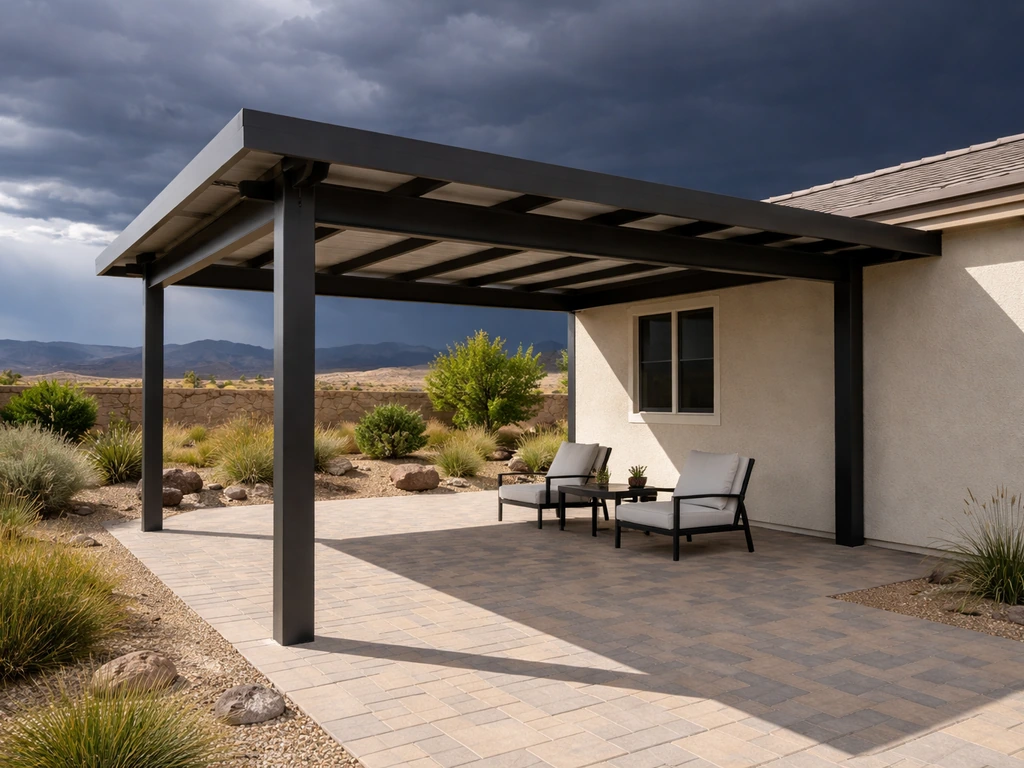
Best Patio Covers in Las Vegas: Types, Costs, Permits
Compare the best Las Vegas patio covers by type, materials, costs, insulation, permits, and wind-safe installation tips.
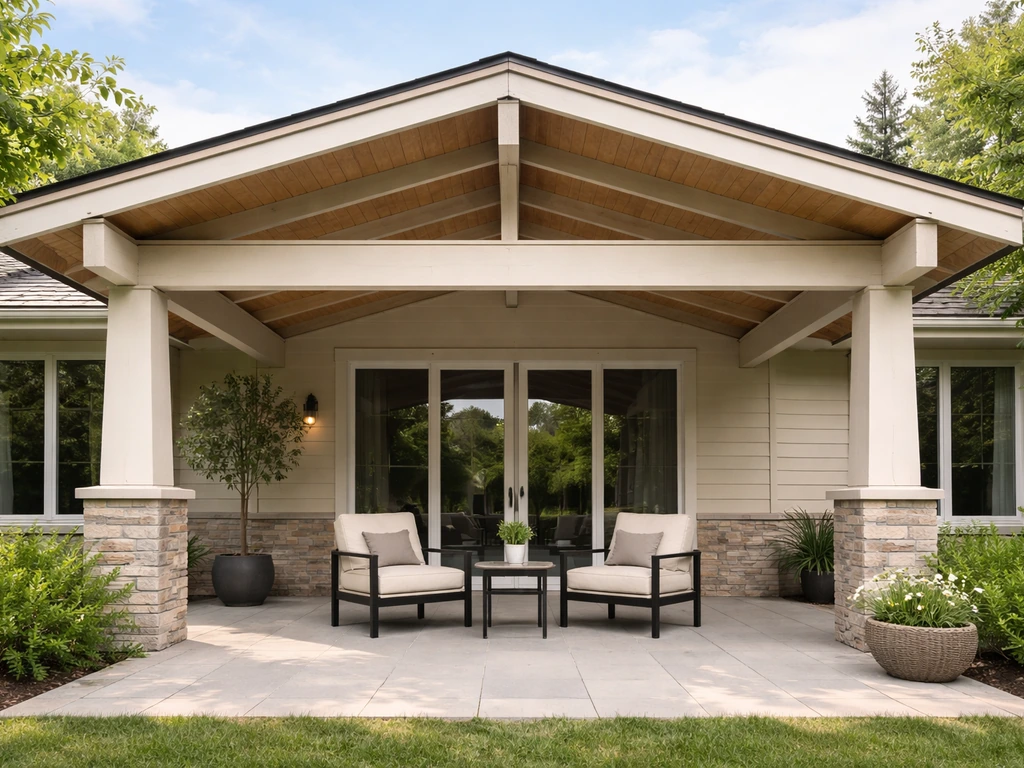
Patio Cover Examples: Styles, Materials, Costs, and Tips
Explore patio cover examples by style, materials, roof types, costs, and tips to pick the best fit for your climate.
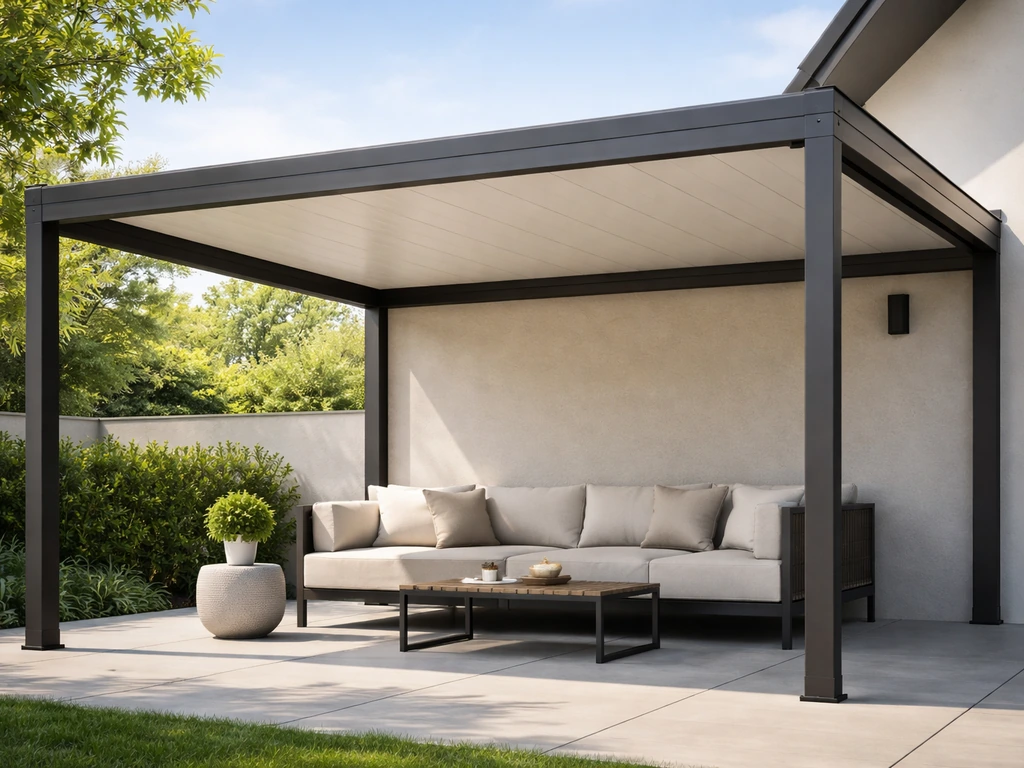
Quality Patio Covers: How to Choose, Plan, and Maintain
Buying guide for quality patio covers: materials, design, installation, costs, and maintenance for lasting weatherproof