
A quality patio cover is one that stays leak-free, holds up to your local weather for at least 15 to 20 years, doesn't require constant repairs, and actually makes your outdoor space more usable. That means the right material for your climate, a roof pitch that sheds water fast, proper attachment to your house with flashing, and structural members sized to handle wind and snow loads. It also means a clear warranty and an installer who pulls permits. Everything else is decoration.
Quality Patio Covers: How to Choose, Plan, and Maintain

Phoebe Foster
29 May 2026
What 'quality' actually means for patio covers
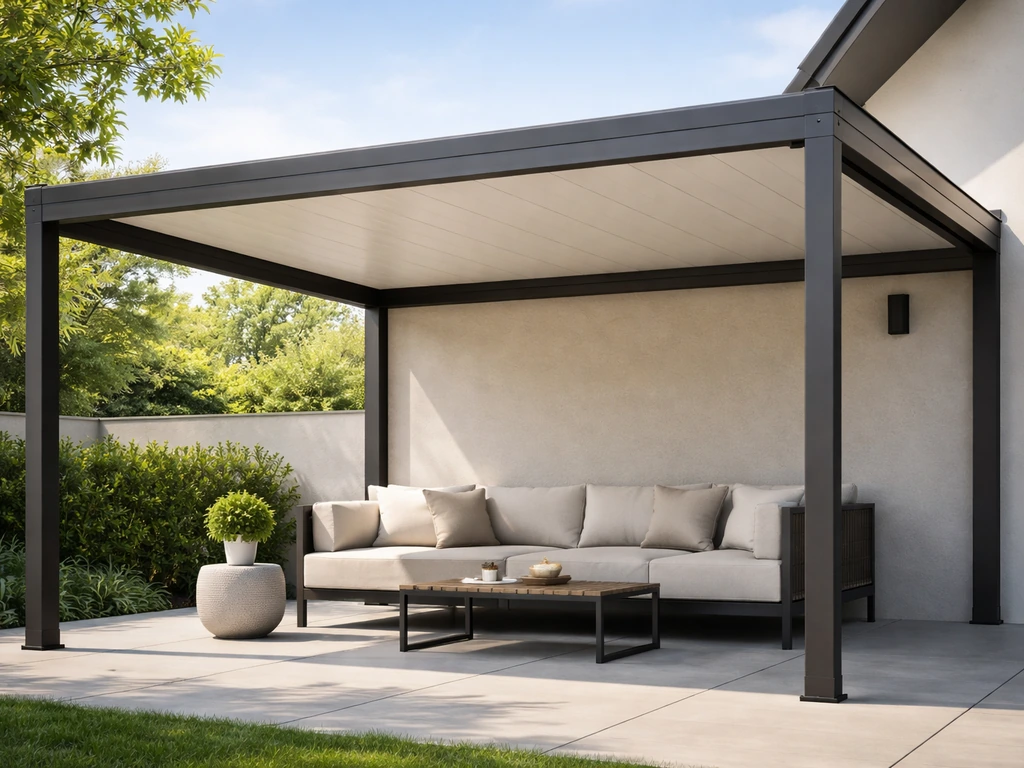
People throw the word 'quality' around loosely, but for a patio cover it comes down to five things: structural integrity, weather resistance, proper installation, material durability, and drainage. A cover that checks all five will outlast one that only looks good on day one.
Structural integrity means the cover can handle the loads placed on it. The 2024 International Residential Code (IRC) requires patio covers to sustain all dead loads plus a vertical live load of at least 10 pounds per square foot, with snow loads used in areas where they exceed that minimum. That's a code floor, not a target ceiling. If you're in a heavy snow region or a high-wind zone, a quality cover should be engineered well above that baseline. The IRC also references ultimate design wind speeds (Vult) specifically for patio covers and screen enclosures, which means the structural members need to be sized for your local wind map, not just generic specs.
Weather resistance means the cover performs in your specific climate season after season. A cover that's great in Phoenix can fail fast in Portland if it wasn't designed with consistent rainfall and moss growth in mind. Quality, in practice, is always climate-specific.
Proper installation is where a lot of otherwise decent covers fail. The roof-to-wall connection, the flashing, the ledger attachment, the fastener type, and the drainage path all have to be done correctly. A beautiful aluminum patio cover with sloppy flashing will leak within a year, and that's a repair headache, not a quality product.
Materials and build types that actually hold up
There are five main material categories for patio covers: aluminum, wood, vinyl, steel/metal, and polycarbonate panels. Fabric and canvas are worth a mention for shade structures, but they're not true 'covers' in the structural sense. Here's how they compare on the metrics that matter most.
| Material | Lifespan | Best Climate Fit | Maintenance Level | Relative Cost |
|---|---|---|---|---|
| Aluminum (solid) | 25-40+ years | All climates, especially coastal/humid | Very low | Mid to high |
| Wood (cedar/redwood/pressure-treated) | 15-30 years | Dry to moderate climates | High | Mid to high |
| Vinyl/PVC | 20-30 years | Mild to moderate climates | Very low | Low to mid |
| Steel/Metal | 20-30+ years | Dry climates or with powder coat/galvanization | Low to mid | Mid to high |
| Polycarbonate panels | 10-20 years (panels) | High-sun or light-rain climates | Low | Low to mid |
| Fabric/Canvas awnings | 5-12 years | Mild, low-snow climates | Medium | Low |
Aluminum: the most practical choice for most homeowners
Solid aluminum patio covers are the most popular for good reason. They don't rot, they don't rust, they hold paint well, and they're available in insulated panels that dramatically reduce heat transfer in hot climates like Texas or Arizona. The insulated version (typically two skins of aluminum with foam fill) is noticeably cooler than a single-skin panel on a 95-degree afternoon. The IRC specifically calls out aluminum structural members used in patio covers and sunroom additions, setting a total load deflection limit of no more than L/60, meaning the material has to be sized correctly for span, not just slapped up. When you're buying aluminum covers, ask about panel thickness (0.032 inch is entry-level; 0.040 or heavier is better for longer spans) and whether the extrusions are structural-grade.
Wood: beautiful but demanding
A well-built wood pergola or solid wood cover with a proper roofing layer (metal roofing, composite shingles, or standing seam) can be gorgeous and last 30 years with consistent care. Cedar and redwood are naturally rot-resistant; pressure-treated lumber is the budget alternative but needs sealing. The honest downside: wood requires painting or staining every three to five years, it can warp and check in climates with big humidity swings, and if water gets into a ledger connection it will rot. If you go wood, use hot-dipped galvanized or stainless steel hardware everywhere, not zinc-plated, and plan a real roofing system on top rather than relying on the wood itself to repel water.
Vinyl and polycarbonate
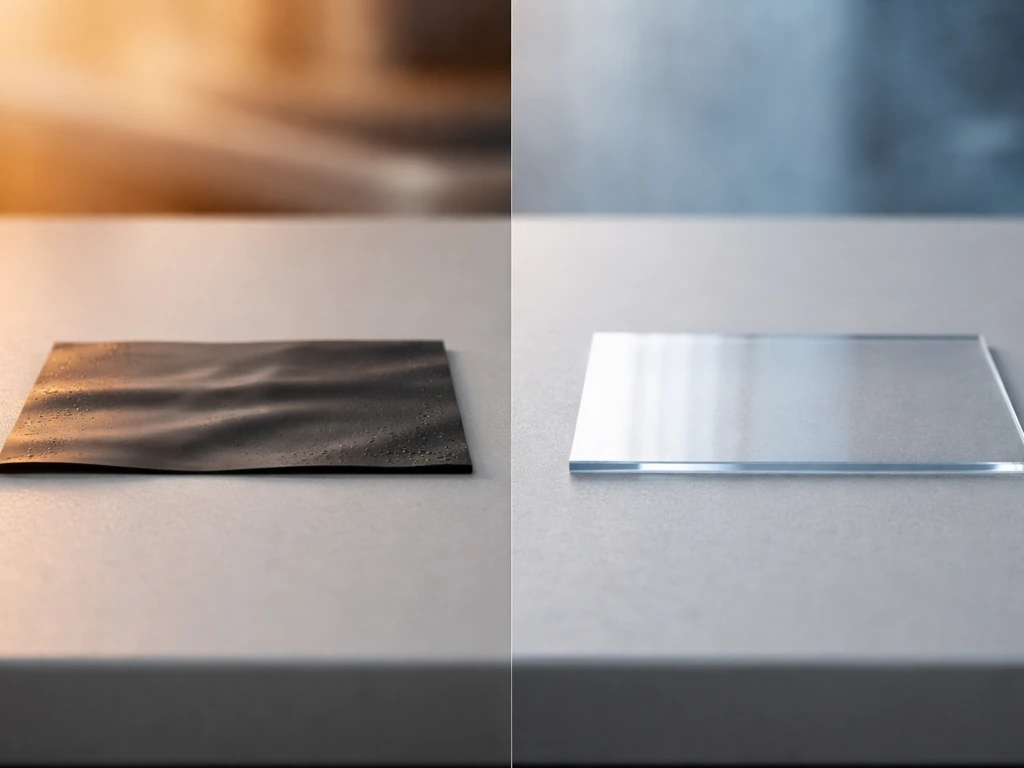
Vinyl covers are low-maintenance and affordable, but they expand and contract significantly with temperature swings. In climates with hot summers and cold winters (think Midwest or high desert), vinyl can crack, warp, or pull away from fasteners over time. Polycarbonate panels are popular for DIY pergola kits because they let diffused light through while blocking rain. Quality polycarbonate should be UV-stabilized (look for a 10-year anti-yellowing warranty) and rated for impact resistance. Budget panels yellow and become brittle within five years. Both vinyl and polycarbonate are reasonable choices for supplemental or secondary structures where cost is the primary driver.
Design details that separate a good cover from a great one
Roof pitch and drainage
Pitch is one of the most overlooked quality signals. A flat or near-flat patio cover will pool water and fail at seams and joints, guaranteed. A good way to start is to compare alternative patio covers in your climate, since pitch and drainage needs change by region. A minimum pitch of 1/4 inch per foot is the absolute floor for solid roofing materials, and 1 inch per foot or more is better in rainy climates. The slope should direct water away from the house, not toward it. Gutters at the low edge are not optional in wet climates; they protect your foundation and your guests. Also check that panel seams run perpendicular to the slope, not across it, so water doesn't wick sideways under a joint.
Attachment and flashing at the house
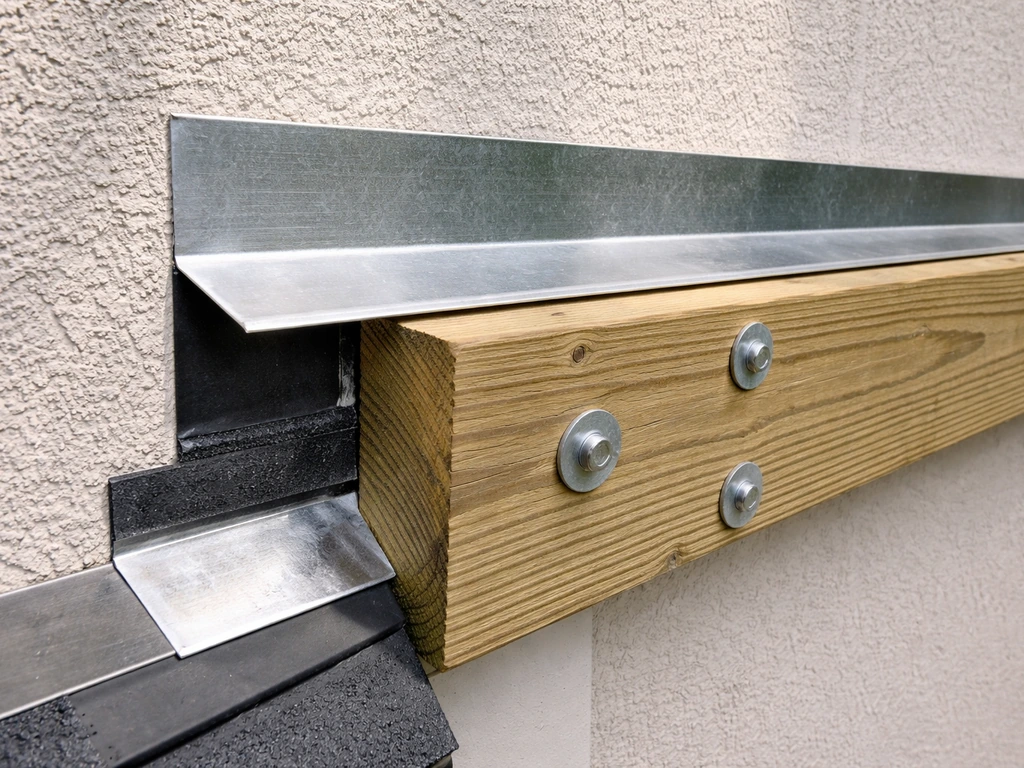
The wall attachment is the highest-risk point for leaks. A ledger board bolted directly to stucco or siding without proper flashing will trap water and rot or delaminate the wall behind it. Quality installation means the ledger goes against the sheathing (with siding cut back), step flashing or continuous Z-flashing goes over the top, and a kickout flashing at the ends diverts water away from the wall. The standard for water penetration resistance at these interfaces comes from ASTM E331, which tests for water penetration under static air pressure difference, and that same logic applies to any junction between your cover and the house wall. If an installer doesn't mention flashing when they walk your project, that's a red flag.
Ventilation, shade, and comfort features
A fully enclosed solid cover can trap heat underneath in summer, especially with a low pitch. Louvered patio covers (adjustable slat systems) solve this beautifully by letting you dial shade and airflow based on conditions. They're pricier, but in hot climates the comfort difference is significant. Even on a solid cover, ceiling fans are one of the best value-adds: a 52-inch outdoor-rated fan can drop perceived temperature by 4 to 8 degrees on a still day. Pre-wiring conduit into the structure during installation costs almost nothing compared to adding it later. Misters, heaters, and lighting are all reasonable additions if the structural design accounts for the extra load and the electrical is properly weatherproofed.
Edge conditions and perimeter details
The edges of a patio cover are where cheap covers show their age first. On aluminum panels, quality covers use factory-extruded edge trim (not bent sheet metal) that locks the panel and keeps insects and water out. On wood covers, fascia boards should be primed on all six sides before installation to prevent end-grain moisture absorption. On any cover, keep the bottom of posts off direct contact with a concrete slab by using post bases rated for that exposure level. These details cost a little more at installation and save a lot in repairs later.
Sizing, measurements, and permitting: what to sort out before you buy
How to measure correctly
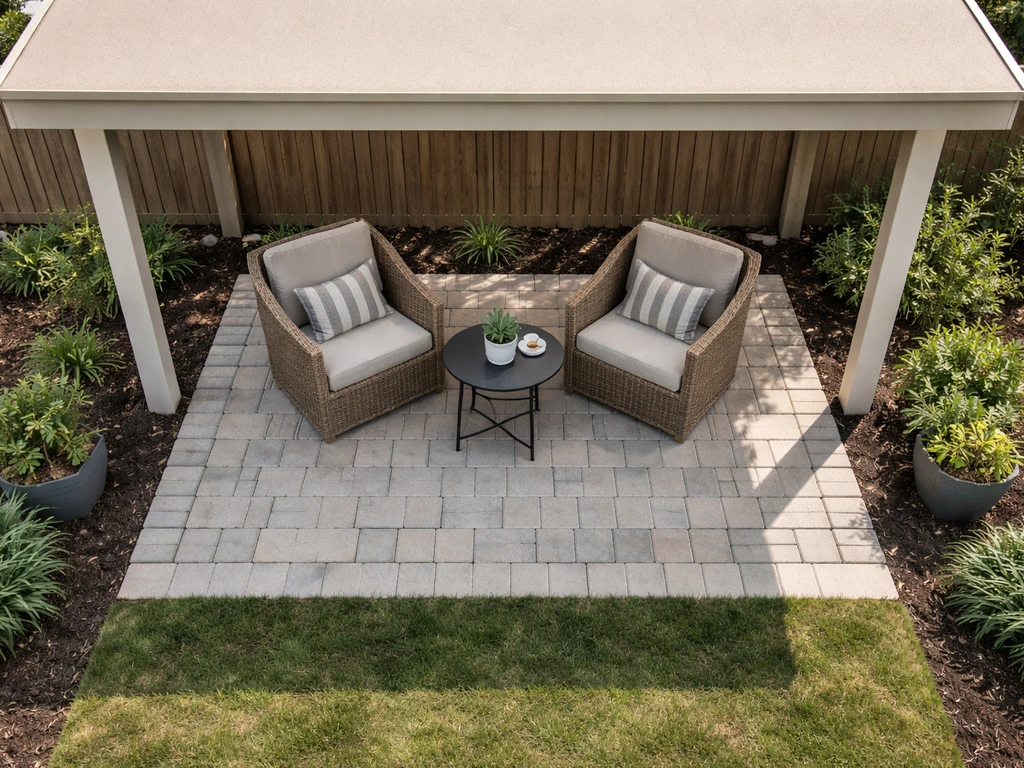
Measure the usable patio area you want to cover, then add overhang. A cover that ends right at the edge of your seating area will let rain blow in on windy days; a 12- to 18-inch overhang beyond the furniture zone is a practical minimum. Measure wall height to determine post height, keeping in mind that code typically requires a minimum of 7 feet of clearance under the lowest structural member (check local amendments). For attached covers, locate all wall studs or rim joists before finalizing ledger placement since the attachment points drive the whole structural layout. If you're buying a kit, check that the kit spans match your actual dimensions; overbuilding by a foot or two is almost always worth it for coverage.
Permits, HOA, and local requirements
Most attached patio covers require a building permit in most jurisdictions, and many freestanding covers over a certain square footage do too. The permit process typically requires a site plan, structural drawings or manufacturer engineering letters, and sometimes an energy compliance form (in California, for example, Title 24 energy compliance can apply even to covered outdoor areas). California's Title 25 regulations for awnings separately require design to support dead loads plus a minimum 10 psf live load, which mirrors the IRC requirement but is enforced at the state level. Skipping the permit isn't just a legal risk: it can void your homeowner's insurance, create problems at resale, and leave you liable if the structure fails. HOAs often have rules about cover color, roof material visibility from the street, and height. Check both before you order anything.
How your climate changes what 'quality' requires
In Las Vegas or Phoenix, UV degradation and heat load are the primary threats. If you’re shopping for the best patio covers in Las Vegas, start with a plan that’s engineered for intense sun, heat buildup, and wind. An insulated aluminum cover with a light-colored finish and ceiling fans addresses both. In Houston or Florida, humidity, hurricane-force winds, and heavy rain demand structural ratings for high wind zones and corrosion-resistant fasteners throughout. In the Midwest and mountain West, snow load is critical: a cover that's fine in Austin can buckle under 24 inches of wet snow in Denver. In the Pacific Northwest, moss, algae, and constant moisture favor smooth, non-porous materials (aluminum or metal roofing) over wood or textured materials that hold organic matter. Always cross-check the cover's engineering with your climate zone before committing. If you want to narrow down what will work for your space, browsing patio cover examples by style and climate can help you choose the right build type faster.
Cost ranges and value: what you're actually paying for
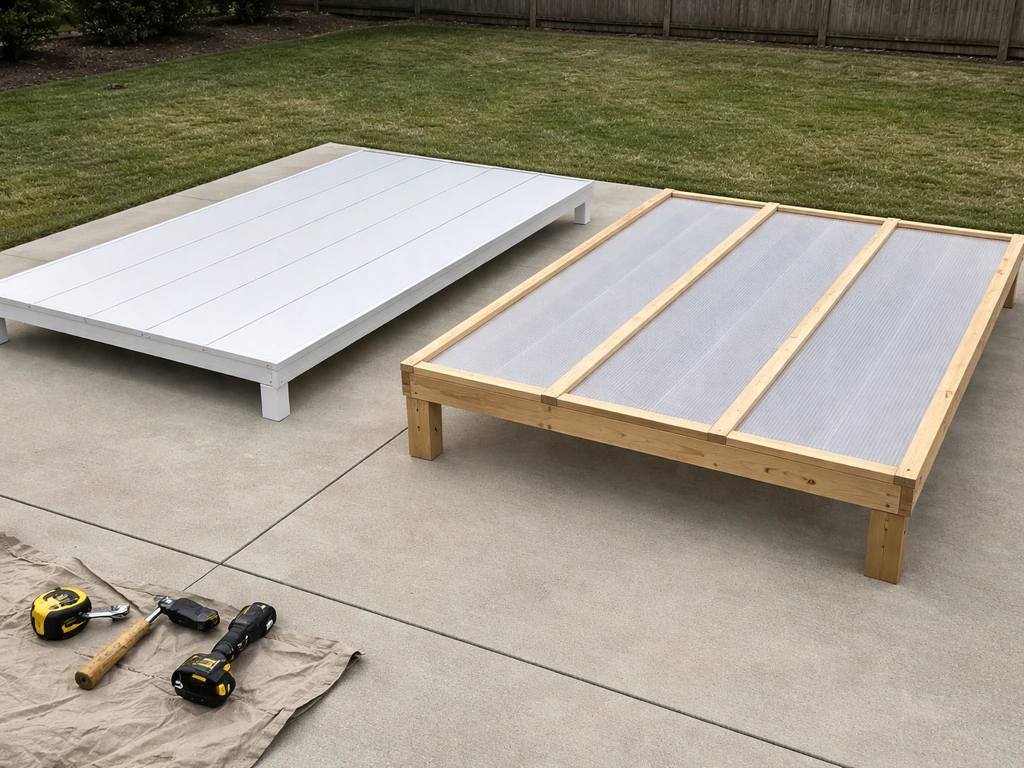
Patio cover costs vary widely based on material, size, complexity, and whether you hire a contractor or go DIY. Here's a realistic range breakdown for a typical 12x16 foot (192 sq ft) attached patio cover installed by a professional in 2025-2026:
| Cover Type | Installed Cost (192 sq ft) | DIY Material Cost | Notes |
|---|---|---|---|
| Aluminum solid panel (single-skin) | $3,500 - $6,500 | $1,200 - $2,500 | Most common; mid-grade hardware adds longevity |
| Aluminum insulated panel | $5,500 - $10,000 | $2,000 - $4,000 | Worth it in hot or very cold climates |
| Pressure-treated wood pergola + roofing | $6,000 - $14,000+ | $2,500 - $5,000 | Highly variable based on design complexity |
| Vinyl/PVC cover | $2,500 - $5,000 | $800 - $2,000 | Lower cost; watch for climate fit |
| Louvered aluminum system | $10,000 - $25,000+ | Limited DIY options | Premium comfort; best long-term value in hot climates |
| Polycarbonate pergola kit | $1,500 - $4,500 | $600 - $1,500 | Good DIY option; quality panels matter |
What drives price up: larger spans (which require heavier structural members), insulated panels, motorized louvered systems, custom colors or powder coats, integrated electrical (fans, lighting, heaters), complex roof attachment situations, high-wind or high-snow engineering requirements, and permit fees. What drives price down: simpler designs, standard sizes that fit kit products, freestanding configurations that avoid wall attachment complexity, and doing the labor yourself.
The most common cheap-cover mistake is buying a kit with undersized posts and beams to hit a low price point, then watching it deflect or fail under its first real wind or snow event. Pay attention to post size (4x4 versus 6x6 or aluminum equivalent), beam depth, and hardware grade. Those are the structural elements you can't easily upgrade after the fact.
Hiring an installer versus doing it yourself
DIY is genuinely viable for freestanding pergola kits, polycarbonate panel covers, and fabric shade structures. If you want the best patio covers for your space, focus on quality factors like structural engineering, weather resistance, and proper installation. If you're comfortable with basic framing, can read a level and a tape measure, and have one helper, a quality pergola kit from a reputable manufacturer can be installed in a weekend. Most kit companies provide engineering letters for permit applications, which simplifies that process considerably.
Attached covers are harder to DIY well. The ledger attachment, flashing, and wall tie-in require real carpentry knowledge and comfort working on a ladder at wall height. Mistakes here cause water damage to your house, not just to the cover. If you're not experienced with that kind of work, hire out the attachment portion at minimum, even if you handle the decking and finishing yourself.
When hiring a contractor, ask these specific questions before signing anything:
- Are you licensed for this type of work in this state or municipality?
- Will you pull the permit, or is that my responsibility?
- Do you carry general liability and workers' comp insurance (ask for the certificate)?
- What fastener type and grade do you use for ledger attachment?
- How do you handle flashing at the wall connection?
- Can I see photos or a reference from a job you completed in similar conditions (high wind, heavy rain, high UV)?
- What does your warranty cover, and for how long?
Get at least three quotes and compare them line by line. A quote that's 40% lower than the others is usually missing something: thinner material, less hardware, no permit, or no warranty. The comparison process itself is valuable because it shows you what variables the contractors are making different choices on.
Maintenance, longevity, and what to check in warranties
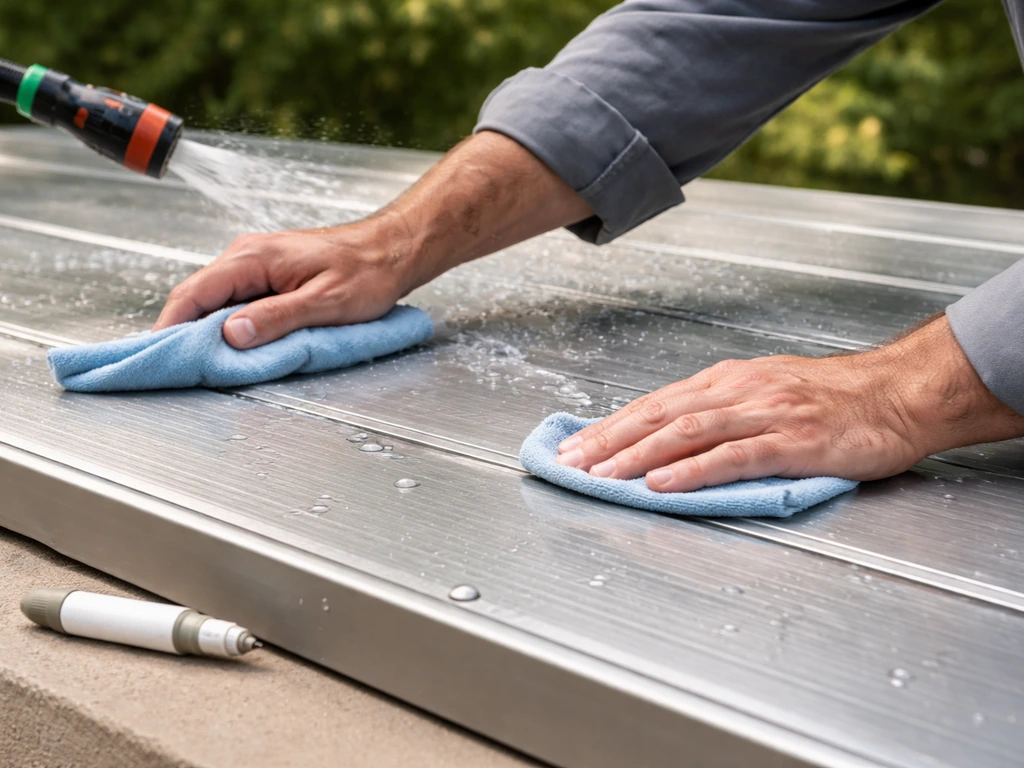
Realistic maintenance expectations by material
- Aluminum: Rinse with a hose 1-2 times per year; inspect fasteners and panel seams annually; touch up any scratches through the paint to prevent oxidation. Powder-coated finishes typically last 15-20 years before fading becomes noticeable.
- Wood: Paint or seal every 3-5 years minimum; inspect for soft spots at ledger connections and post bases every year; replace any cracked or checked boards before water gets in. Skipping one paint cycle doesn't ruin a wood cover, but skipping two or three will.
- Vinyl: Wash with mild soap annually; check expansion joint gaps in fall and spring; replace any cracked sections before they spread. Avoid pressure washing at high PSI directly at seams.
- Polycarbonate panels: Clean with mild soap (no abrasive pads, which scratch the UV coating); inspect for yellowing and brittleness every 3-5 years. Yellowed panels signal UV coating failure and should be replaced.
- Fabric/canvas awnings: Brush off debris regularly to prevent mildew; clean with appropriate fabric cleaner; retract during heavy wind events. Budget 5-12 years before the fabric needs replacement.
What to verify in a warranty before you commit
Warranties for patio covers come in two layers: the product warranty from the manufacturer and the installation warranty from your contractor. Both matter and they cover different failure modes. A product that fails due to a manufacturing defect is covered by the manufacturer; a product that fails because it was installed incorrectly is an installation warranty issue. Make sure you have both in writing.
For the product warranty, check: what's actually covered (materials only, or also finish/paint?), what voids the warranty (improper installation, pressure washing, unauthorized modifications), whether the warranty is transferable if you sell the house (a real selling point), and what the claims process looks like. A 'lifetime' warranty that covers only structural failure under factory defects and excludes finish degradation is much weaker than it sounds.
For installation warranties, one to two years is common but thin. A confident, experienced installer will offer two to five years on their workmanship. The specific things that matter most in an installation warranty: leak-free performance at the wall attachment, fastener retention (no loosening or pull-through), and panel or beam alignment stability. Ask specifically whether the warranty covers water intrusion at the ledger connection; that's the single most common failure point and the most expensive to fix.
If you're comparing a louvered system, a solid aluminum cover, and a wood pergola, the warranties will look very different and the maintenance commitments will too. When shopping for the best patio tent, prioritize weather resistance, sturdy framing, and drainage so it holds up in your local conditions warranties will look very different. That comparison is worth factoring into the total cost of ownership over 10 years, not just the day-one purchase price. A cover that costs $4,000 more upfront but has zero maintenance cost and a transferable warranty for 25 years is often the better financial decision, especially in high-demand real estate markets where outdoor living spaces directly affect home value.
FAQ
Do I really need a permit for quality patio covers, and who should handle it?
In most places a permit is required for attached patio covers and for many freestanding covers above certain size thresholds, but the exact trigger varies by jurisdiction and roof enclosure type. Before you order, ask the contractor whether they will handle permitting, whether they include stamped structural drawings or manufacturer engineering letters, and what the inspection sequence is (footings, framing, then roof/waterproofing).
What should I look for in a warranty to ensure my quality patio covers won’t leak?
A strong weather warranty should address water intrusion, not just cosmetic issues. When reviewing coverage, look for explicit language about leaks at the wall connection (ledger, flashing, and kickout), fastener pull-through, and structural members under wind and snow loads. If the warranty excludes water penetration at junctions or only covers “product” but not workmanship, treat it as a red flag.
What wall-attachment details matter most for preventing leaks with quality patio covers?
For attached systems, the ledger and flashing assembly determines leak risk more than panel material. Ask whether the design uses step flashing or continuous Z-flashing over the top of the ledger, whether siding is cut back to seat the ledger against the sheathing properly, and whether kickout flashing is included at the ends to route water away from the wall plane.
How often should I inspect and maintain quality patio covers after installation?
Plan for maintenance based on material and the finish type. Aluminum generally needs periodic cleaning and inspection of caulking and fasteners, insulated panels need attention to seam integrity, wood requires scheduled painting or staining and hardware checks, and polycarbonate should be monitored for UV-induced brittleness or yellowing. Budget time to inspect after major wind and heavy snow events.
What should I ask about expansion and fastening if I choose vinyl or polycarbonate patio covers?
If you have big temperature swings, confirm allowable expansion and fastening method. Ask your installer how they handle thermal movement in vinyl or polycarbonate, including whether fasteners allow movement (not rigidly pinning every location) and how the system maintains alignment at panel seams. This helps prevent cracking, warping, and separation over the first few seasons.
How can I verify the drainage plan for a pitched roof on quality patio covers?
Not all patio covers handle runoff the same way, especially near gutters or where the slope changes. Ask for a clear drainage plan, including where water will exit at the low edge, whether a gutter and downspout are included in wet climates, and how water is directed away from the foundation. Also confirm panel seams run perpendicular to the slope so water does not wick under joints.
How do I confirm quality patio covers are engineered for my wind zone?
Higher wind resistance is not just a “rating,” it depends on engineering, fasteners, and the number and spacing of structural attachments. Ask for the wind design basis used for the cover (local wind speed or design wind approach) and whether the contractor uses corrosion-resistant fasteners and properly sized connections at the ledger, posts, and beam-to-rafter joints.
What questions should I ask to ensure quality patio covers won’t buckle under snow load?
Snow performance depends on both load capacity and load shedding. Ask whether the design accounts for wet snow accumulation, whether the roof pitch is adequate for your region, and whether the structure is designed for the specified snow load values used in engineering. Also ask about clearance, melt paths, and whether a gutter system would inadvertently create ice buildup.
Can I add fans, heaters, or misters to quality patio covers, and what should be built in from day one?
If you want ceiling fans, heaters, or misters, the structural design and electrical plan must include extra load and weatherproofing. Ask whether the installer pre-wires conduit before panel installation, what junction boxes and seals are used for damp locations, whether the structure includes blocking for fan mounts, and whether the engineering accounts for added weight and wind uplift from heater installations.
How do I avoid the most common mistake when buying kits for quality patio covers?
Most “cheap kit” failures happen at the parts that are hardest to replace later, posts, beams, and connections. When comparing kits, verify post size and equivalent grade, beam depth and gauge, and whether hardware is structural-grade. Also ask if the kit includes engineering letters for your permit and whether the spans match your measured dimensions, since cutting corners on span often causes early deflection.
Is DIY realistic for quality patio covers, or should I hire parts of the job?
For DIY, the safest decision boundary is avoiding ledger waterproofing and wall tie-in work. If your project is attached to the house, consider hiring the attachment and flashing portion at minimum, then DIY the decking and finishing. For freestanding pergola kits and polycarbonate covers, DIY is more feasible, as long as you follow the engineered plan and confirm post base ratings for your soil and moisture conditions.
What should I request from contractors so I can compare quotes for quality patio covers fairly?
A practical way to compare bids is to require each quote to specify product make and model, panel thickness, beam sizes, fastener types, flashing components, gutter inclusion (if needed), and warranty terms. If one quote is far lower, ask what was omitted, then verify whether permits and inspections are included. Keep everything line-item comparable so you can judge quality decisions instead of price alone.
Does a transferable warranty really matter for quality patio covers when selling a home?
Transferability affects long-term value, especially if you sell the home. Ask whether the warranty transfers to a new owner, what documentation is required to keep it valid, and whether transfer is automatic or conditioned on proof of original installation. Also confirm whether “lifetime” coverage is limited to manufacturing defects and excludes finish degradation or normal wear.
How do I choose between solid, louvered, and wood pergola options for comfort and durability?
If you have a fully enclosed cover, heat buildup can be significant, especially with low pitch and in hot climates. Ask about shade and ventilation options, such as louvered systems for adjustable airflow, and confirm whether the design includes adequate clearance for airflow and fan placement. For humid regions, also confirm how the design handles moisture drying and whether materials resist corrosion at fasteners.
Next Articles
Top Patio Covers Guide: Choose, Measure, Install
Pick the right top patio cover: measure, compare roof styles and materials, plan mounting, and install with climate-read
Do It Yourself Outdoor Patio Ideas: Build, Upgrade, Maintain
DIY outdoor patio ideas for planning, building, upgrading, and maintaining floors, shade, privacy, lighting, and decor.
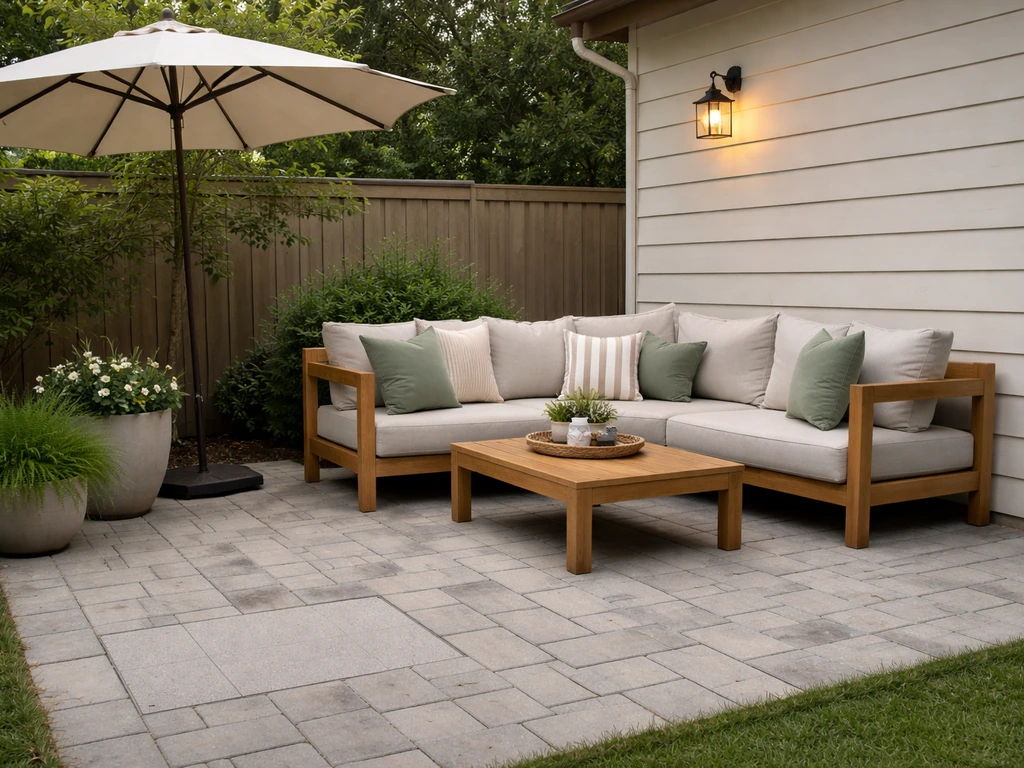
Quick Fix Patio Ideas for Instant Comfort and Style
Quick fix patio ideas for fast comfort and style: cleanups, repairs, shade, flooring tweaks, and safe upgrades on any bu