
Solar and Patio Pros is a contractor service that combines solar panel installation with outdoor living upgrades like patio covers, pergolas, and shade structures under one roof. If you searched for reviews or want to know whether they're worth hiring, the honest answer is: they can be a smart choice if you want both projects handled together and you do your homework upfront, but like any contractor, the quality of your experience depends heavily on how well you vet them before signing anything.
Solar and Patio Pros Review: Services, Pricing, and Vetting Guide

Phoebe Foster
15 Jun 2026
What Solar and Patio Pros actually does
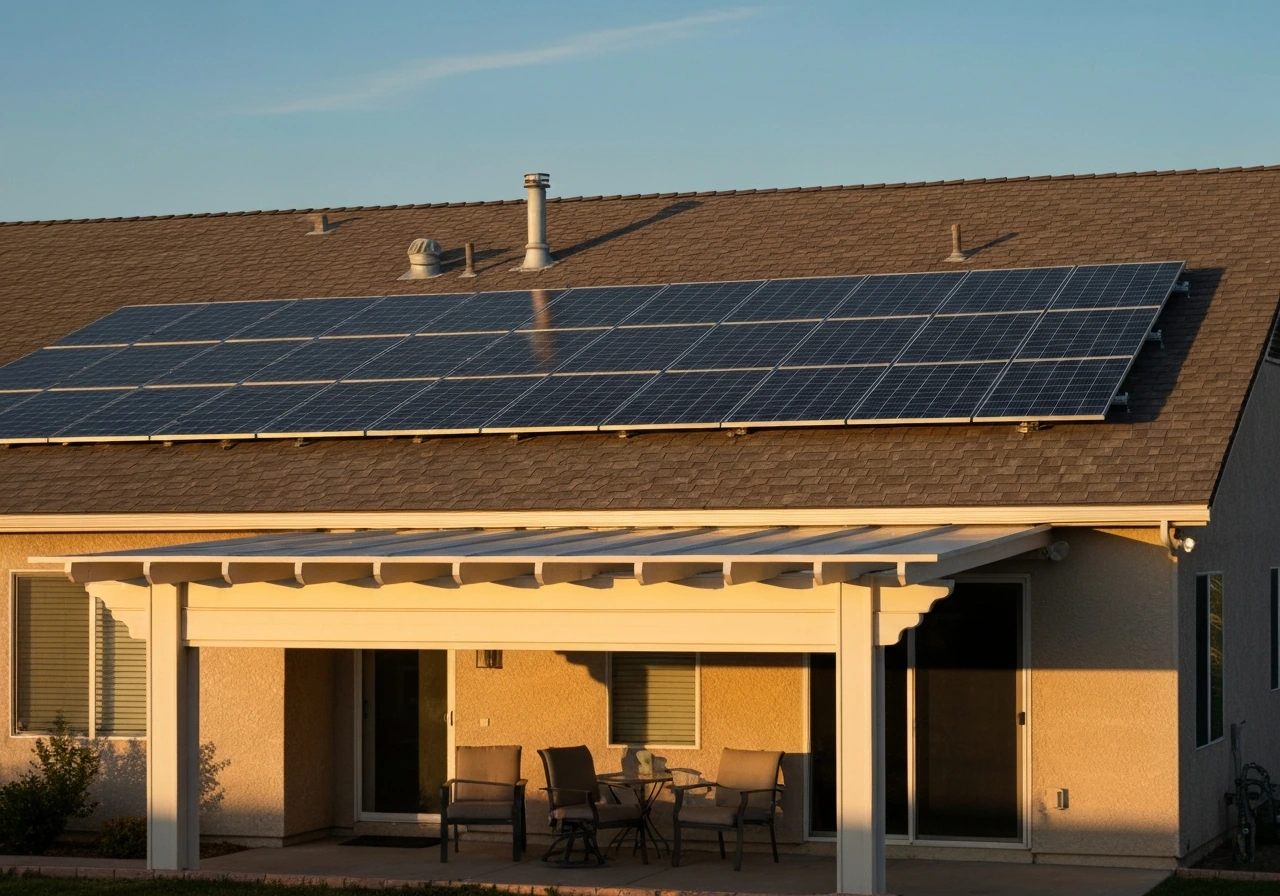
Solar and Patio Pros (solarandpatiopros.com) is a home improvement company that positions itself at the intersection of two big outdoor projects: solar energy systems and patio/outdoor living construction. Solarandpatiopros.com loads a placeholder page at the example path shown in search results, but the website domain is solarandpatiopros.com. That dual focus is what makes them stand out from a standard solar installer or a pure patio builder. Instead of treating your roof and your backyard as completely separate jobs, they handle both, which means they can think about things like where roof-mounted panels interact with shade from a new pergola, or how to run conduit cleanly so electrical access doesn't ruin the look of a covered patio.
On the solar side, expect the typical offerings: rooftop solar panel systems, battery storage options, and grid-tie setups. On the patio side, the work typically includes patio covers (aluminum, wood, or insulated panel systems), pergolas, shade sails, and sometimes full outdoor room builds with lighting and electrical. A good contractor who builds patio covers should also coordinate the framing, permits, and electrical details so the finished system looks clean and works reliably. The combination pitch is that you get a single point of contact, one set of permits (ideally), and a team that's already thinking about how both systems live together on your property.
How solar and patio work overlap more than you'd think
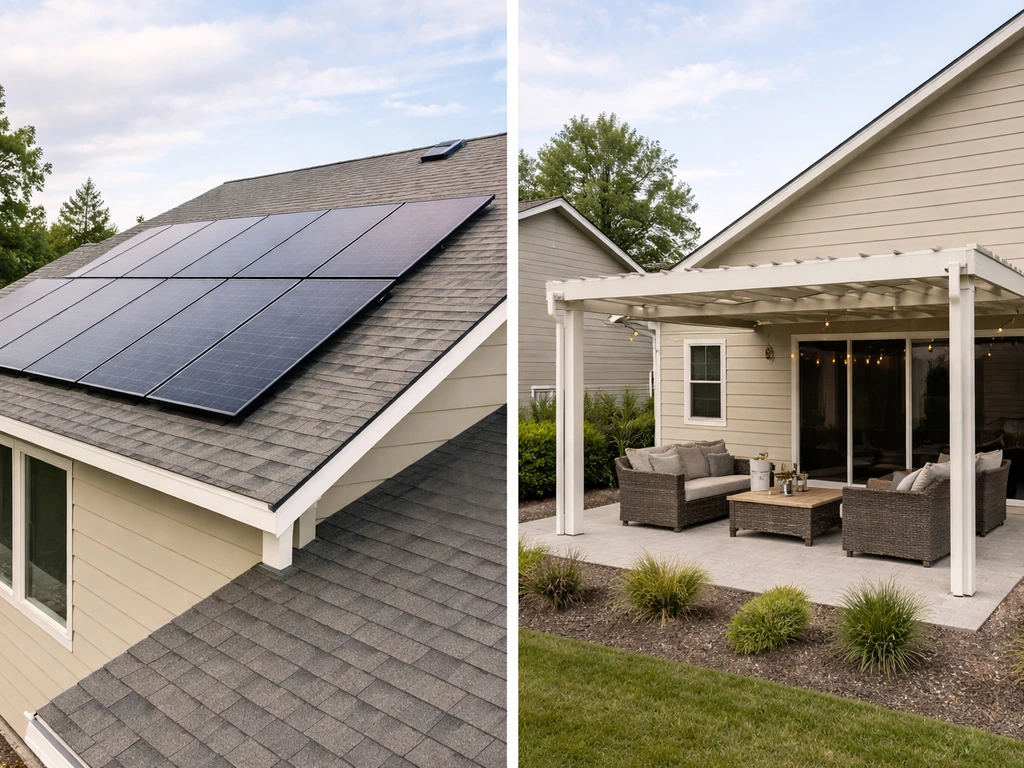
Most homeowners think of solar and patio upgrades as totally separate decisions. But once you start planning them together, the overlap becomes obvious. A large patio cover on the south or west side of your house creates shade that changes your energy load calculations. A pergola with a metal roof can actually serve as a mounting surface for smaller solar panels, creating a dual-purpose structure that generates power while keeping you cool. Even just running electrical conduit for patio fans and lighting needs to be coordinated with your solar install to avoid redundant work or code violations.
If you live somewhere like Texas, Arizona, or the Southeast where summer heat is brutal, this bundled thinking makes even more sense. A well-placed insulated patio cover can cut your indoor cooling load, which directly affects how large a solar system you actually need. A contractor who understands both sides can help you right-size the solar instead of overselling panels to compensate for a hot, unshaded house.
- Shade structure placement affects your solar panel layout and roof access
- Patio electrical needs (fans, lighting, outlets) should be planned into the solar circuit design
- A pergola or carport can host solar panels, saving roof space and adding covered parking
- Bundled projects often share a single permit application, cutting timeline and fees
- Energy savings from shade structures reduce the solar system size you actually need
What to look for in reviews (and what the red flags are)
When you're reading reviews for Solar and Patio Pros, or any contractor combining two trades, you need to look past the star rating and pay attention to the specific themes that come up repeatedly. Here's what matters most and why.
Workmanship quality
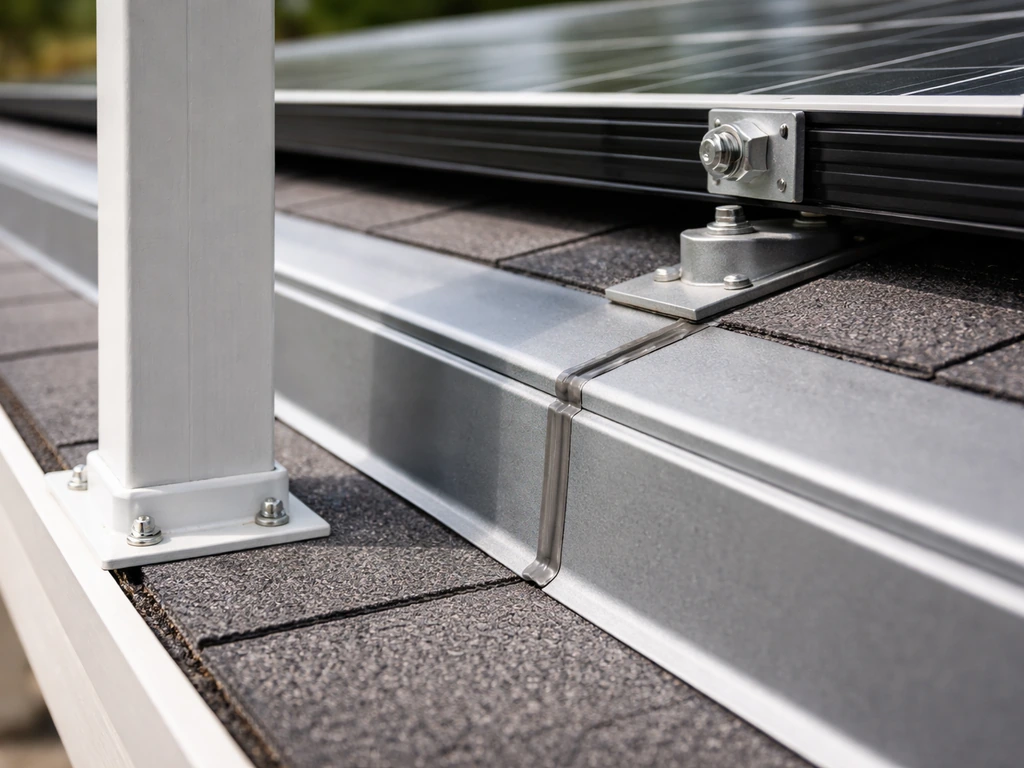
Look for reviews that mention specific details: how the panels are railed and flashed, whether the patio cover posts are plumb, if electrical work passed inspection on the first try. Vague five-star reviews like 'great job, love it' tell you almost nothing. You want reviews where the homeowner clearly saw the work happen and can describe what went right. Photos in reviews are gold.
Scheduling and reliability
This is where bundled contractors often get their harshest reviews. Coordinating solar installers, roofers, electricians, and patio builders on the same job is logistically hard. Watch for patterns of crew no-shows, long gaps between phases, or projects that dragged weeks past the quoted timeline. One delay is normal. Repeated delays with poor communication is a red flag. Choosing a reliable patio contractor often comes down to how consistently they communicate and how quickly they resolve delays reliability.
Communication

The best reviews for any contractor mention a specific person who stayed in contact, answered questions promptly, and gave honest updates when timelines shifted. Bad reviews almost always mention ghosting after the deposit, or having to chase someone down for answers. For a solar-plus-patio project, you'll have questions about permits, utility interconnection, and construction phases, so communication isn't optional.
Permitting and inspection outcomes
Solar and patio covers both require permits in most jurisdictions. Reviews that mention clean permit pulls and passed inspections are a good sign. Reviews that mention having to fix unpermitted work, or homeowners who didn't know permits were required, signal a contractor cutting corners.
Warranty follow-through
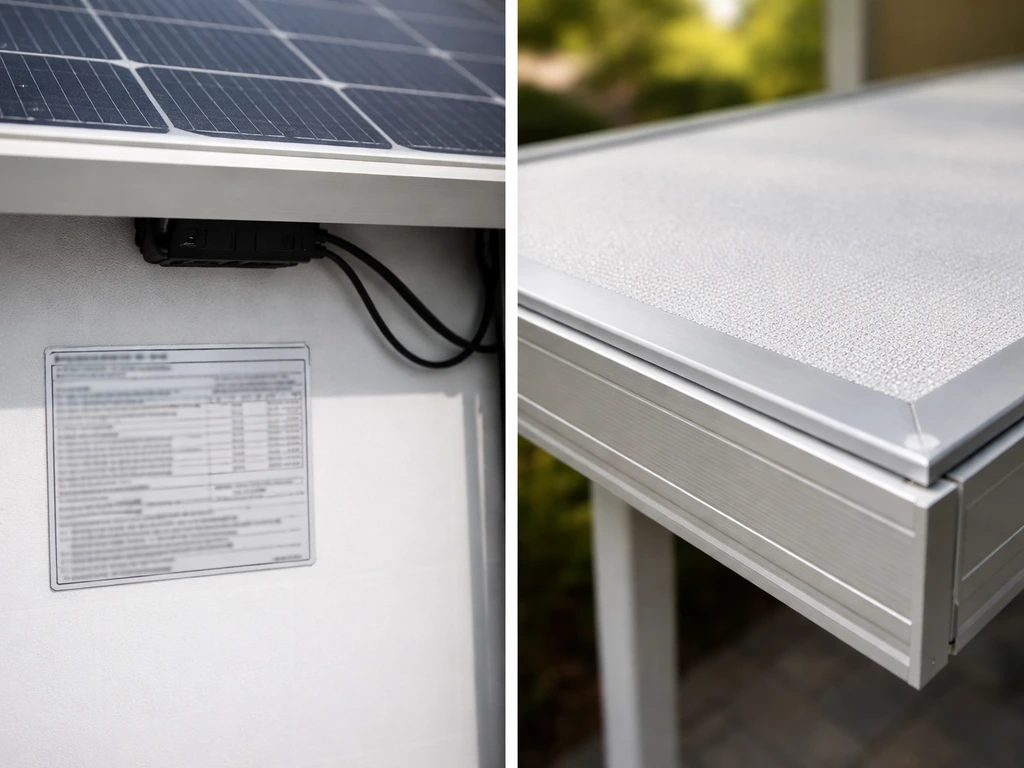
Solar panels typically carry a 25-year manufacturer warranty and a separate blank" rel="noopener noreferrer">workmanship warranty on the install (often 10 years). Patio cover warranties vary by material. Alumawood (Amerimax) provides blank" rel="noopener noreferrer">warranty coverage for Alumawood Lattice, patio cover, carport, and awning products, including protection of the finish from chipping, peeling, flaking, and blistering, and performance coverage for the life of the original retail purchaser. The real test is what happens when something goes wrong after install. Reviews where the contractor came back quickly to fix a leak or panel issue are very telling. Silence after the check clears is the more common complaint.
Realistic pricing, financing, and timeline
Pricing for a bundled solar-plus-patio project varies widely by region, system size, and patio scope, but here are realistic ballpark numbers to set your expectations before you get a quote.
| Project Component | Typical Cost Range | Key Variables |
|---|---|---|
| Rooftop solar system (6-10 kW) | $15,000 - $30,000 before incentives | System size, roof type, battery add-on |
| Aluminum patio cover (standard) | $3,000 - $8,000 installed | Size, style, attached vs freestanding |
| Insulated patio cover (Alumawood/similar) | $6,000 - $15,000 installed | Size, insulation value, finish options |
| Pergola with electrical | $5,000 - $20,000 | Material (wood vs aluminum), lighting/fan rough-in |
| Solar pergola or carport | $12,000 - $40,000+ | Panel count, structure size, battery storage |
| Federal solar tax credit (2026) | 30% of solar system cost | Must own the system, not lease |
The federal Investment Tax Credit (ITC) still sits at 30% for residential solar in 2026, which takes a meaningful chunk off the solar portion of your project. Some states stack additional credits on top of that. The patio portion doesn't qualify for solar incentives, so make sure your quote separates those line items clearly for tax purposes.
Financing is commonly offered through third-party lenders, and Solar and Patio Pros likely has lending partners like GreenSky, Mosaic, or similar solar financing companies. Be cautious about dealer fees baked into financed quotes, where the contractor inflates the price to cover what the lender charges them. Always ask for a cash price and a financed price separately so you can see the real markup.
Timeline-wise, a solar-only install typically runs 4 to 12 weeks from contract to utility interconnection, depending on how fast your utility processes the interconnection agreement. Adding a patio cover project can run another 2 to 6 weeks on top of that, though if they're coordinated well, phases can overlap. Give yourself a realistic 3 to 6 month window from contract to fully operational, especially if permits in your county are slow.
Your vetting checklist before you hire anyone
Whether you're looking at Solar and Patio Pros specifically or comparing them against other local contractors, run through this checklist before you hand over a deposit.
- Verify their contractor's license in your state: check your state licensing board's online lookup, not just what they tell you
- Confirm they carry general liability insurance AND workers' comp, and ask for a certificate of insurance naming you as additional insured
- Ask specifically who pulls the permits: if they say permits aren't required for your project, get that in writing or verify it yourself with your local building department
- Request at least three references from completed projects similar to yours (solar + patio, not just one or the other), and actually call them
- Ask to see a physical completed project in your area, not just photos
- Get the quote broken down by line item: solar hardware, solar labor, patio materials, patio labor, permits, and electrical work separately
- Ask which subcontractors they use and whether those subs are licensed and insured
- Confirm what warranty covers the workmanship (not just the equipment), who backs it, and what the claim process looks like
- Check that the contract includes a clear project timeline with milestone dates, not just a start date
- Look up their business on your state's secretary of state website to confirm they're an active registered business
One thing a lot of homeowners skip is calling the references. Don't just read reviews on Google or Yelp. Call an actual past customer and ask the specific questions: Did the project finish on time? Did anything go wrong, and how did they handle it? Would you hire them again? That five-minute call often tells you more than twenty online reviews.
Bundling solar and patio together vs. hiring separate contractors
This is the real decision most homeowners face once they start getting quotes. Do you go with a bundled company like Solar and Patio Pros, or hire a dedicated solar installer and a separate patio builder? They are one option for answering who builds outdoor patios when you also want solar handled as part of the same project bundled company like Solar and Patio Pros. There's no universally right answer, but here's how to think about it.
| Factor | Bundled Contractor | Separate Contractors |
|---|---|---|
| Single point of contact | Yes, one company manages both | No, you coordinate between two crews |
| Design coordination | Better: both projects planned together | Requires you to communicate scope to each |
| Pricing | May offer bundle discount; watch for inflated quotes | More competitive bids on each trade |
| Scheduling complexity | Simpler on paper, can still drag if poorly managed | More moving parts, but each specialist is focused |
| Permitting | Can sometimes file combined or sequential permits | Each contractor handles their own permits |
| Accountability | One company owns all problems | Finger-pointing possible if issues arise |
| Specialization depth | Generalist in each trade | Deeper expertise in their specific trade |
| Best for | Homeowners who want simplicity and both projects planned holistically | Homeowners with complex solar needs or custom patio builds |
My honest take: if your patio project is fairly standard (a covered patio or pergola with basic electrical) and your solar install is a straightforward rooftop system, bundling makes a lot of sense. You get one contract, one warranty contact, and someone thinking about how the two systems coexist. But if you want a highly custom patio build with intricate design work, or a more complex solar setup with battery storage and EV charging, you might be better served by hiring the best specialist in each trade separately. The coordination burden falls on you, but the expertise goes up.
This is worth comparing against what other local patio contractors and dedicated solar installers are offering in your area. It also helps to compare their patio work with what other contractors provide when you look for the best patio builders in your area. Get at least two quotes for each portion of the work so you have a real benchmark before deciding whether the bundle price is actually a deal.
How to get a quote and make a decision today

If you're ready to move forward, here's exactly what to do in the next 24 to 48 hours to put yourself in a position to make a smart decision quickly.
- Pull your last 12 months of electricity bills and note your average monthly kWh usage: this is the first thing any solar installer needs to size a system
- Measure or note the approximate square footage of your patio or the outdoor space you want covered
- Take photos of your roof, backyard, and the area where a patio cover or pergola would go, including any existing structures, trees, or shade sources
- Visit solarandpatiopros.com and request a quote through their contact form or phone number, providing the info above upfront to get a faster, more accurate estimate
- While you're waiting, get at least one competing solar quote (EnergySage is a good tool for this) and one competing patio cover quote from a local contractor so you have benchmarks
- When they contact you, use the vetting checklist from above: ask about licensing, insurance, references, and permit handling before you discuss pricing in depth
- Once you have quotes in hand, compare total out-of-pocket cost after the 30% federal tax credit, not just the sticker price
- Ask each contractor for a written project timeline with milestone dates before you sign anything
The homeowners who get the best outcomes on projects like this are the ones who come in prepared. When you show up to a quote with your energy usage data, your space measurements, and a list of specific questions, you immediately signal that you're an informed buyer, which tends to produce more accurate quotes and better contractor behavior throughout the project.
Bottom line: Solar and Patio Pros is worth contacting if you want a bundled approach to solar and outdoor living upgrades, but don't skip the vetting steps just because the concept is appealing. If you’re wondering who makes patios, look for a contractor that designs and builds the patio portion, including covers or pergolas, with clear plans and permits. Verify the license, check the references, get competing quotes, and read the contract carefully before you sign. Done right, combining solar and a quality patio upgrade can deliver real energy savings and a much better outdoor living space at the same time. If you are also shopping for the best patio solutions, the same bundled contractor criteria like workmanship and clear scheduling apply. Done carelessly, either project can become a headache that drags on for months.
FAQ
What should I ask about electrical work coordination between the patio upgrades and the solar install?
Ask whether they will map all patio loads first (fans, outlets, lighting, pool equipment) and show where conduit routes will terminate before any framing or panel install begins. You also want to confirm who is responsible for utility-side requirements versus customer-side wiring, so you do not get delays from unclear scope.
Do patio covers or pergolas affect solar panel layout, and will that change my system size?
Yes. Shade can reduce production and the mounting method can limit where panels can be placed. Ask for an at-a-glance production estimate based on the proposed patio shade plan, and request a layout that shows any new structures, not just the roof as-is.
Are permits usually “one set” for the whole project, or can solar and patio require separate filings?
Even if the contractor coordinates everything, solar and patio work often trigger separate permits or different inspection types. Ask them to list expected permit categories (building, electrical, structural, mechanical if applicable) and who pulls them, then confirm the inspection order to avoid rework.
How can I tell if a bundled contractor is overselling solar to compensate for patio shading or poor roof conditions?
Request the assumptions behind the proposal, including shading sources and roof condition. A red flag is when production estimates sound high without showing shade impacts from the new cover or pergola, or when they skip roof assessment details like age, material, and replacement recommendations.
What warranty should I expect for the patio cover compared to the solar workmanship warranty?
Solar typically has a manufacturer panel warranty (often 25 years) plus a separate install workmanship period (commonly 10 years). Patio cover warranties vary by material, so ask for the exact coverage terms for leaks, corrosion, rust, and hardware, and whether exclusions apply after modifications or contractor changes.
What happens if there is a leak or damage after the project, especially around flashing and roof penetrations?
Ask how they handle post-install roof integrity, what materials they use at penetrations (flashing details), and whether they provide a written rework policy with response timelines. Reviews that mention quick returns matter, but also confirm whether they document the repair process and schedule inspections when needed.
Should I expect the patio portion to start before or after the solar install, and can phases overlap?
Overlap is possible when the contractor coordinates conduit and mounting considerations, but it depends on permitting and inspection timing. Ask for a phase plan that includes the key inspection milestones, what cannot be done until solar is approved, and how delays will affect the other trade.
Is battery storage worth it in a solar-plus-patio project, and what questions should I ask first?
Before paying for batteries, ask for your backup needs (outage duration, critical circuits), the cost comparison versus solar-only, and whether the patio electrical loads will be included in the backup plan. Also confirm if they coordinate battery placement with any patio structural plans or future outdoor circuits.
How do I spot bait-and-switch pricing, especially with financed offers?
Ask for both a cash price and a financed price, and request a line-item breakdown separating solar equipment, installation, and the patio scope. A specific caution is dealer fees or inflated principal in the financed option, so require the total financed amount, interest terms, and any prepayment or payoff fees.
What should be in the contract to protect me when two trades are involved?
Confirm that the contract clearly defines scope for both solar and patio work, inspection responsibility, change-order procedure, and the schedule including target start dates and dependencies. Also ask who provides utility interconnection documentation and whether penalties or credits apply if timelines slip beyond agreed milestones.
Should I call references even if the online reviews look strong, and what exact questions should I ask?
Yes. When you call references, ask about schedule adherence, inspection pass rate, communication quality during delays, and who they contacted when something went wrong. Also ask whether the homeowner felt the final price matched the quote or if change orders were frequent and narrowly explained.
What is the best next step if I am not sure whether to bundle or hire specialists separately?
Get at least two quotes for each portion, then compare how each contractor handles coordination. If the patio design significantly impacts solar output, prioritize who can provide a single integrated plan and production estimate, not just two separate proposals with independent assumptions.
Next Articles
Do It Yourself Outdoor Patio Ideas: Build, Upgrade, Maintain
DIY outdoor patio ideas for planning, building, upgrading, and maintaining floors, shade, privacy, lighting, and decor.

Quick Fix Patio Ideas for Instant Comfort and Style
Quick fix patio ideas for fast comfort and style: cleanups, repairs, shade, flooring tweaks, and safe upgrades on any bu
Cheap Do It Yourself Patio Ideas: Budget Build Guide
Budget DIY patio ideas with step-by-step flooring, prep tips, cost ranges, upgrades, and safety mistakes to avoid.