Patio covers are built by a handful of different types of pros: specialty patio cover contractors, general contractors, design-build firms, deck builders who've expanded into covered structures, and manufacturer-authorized installers who work specifically with prefab aluminum or wood-composite systems. Which one you hire affects everything from permitting and engineering to warranty coverage and final cost. The good news is that once you understand who does what, finding the right builder for your specific setup is pretty straightforward. If you want to compare the best patio builders for your project type and materials, start by matching each contractor to the scope you need finding the right builder.
Who Builds Patio Covers? Find the Right Builder and Get a Bid

Phoebe Foster
21 Jun 2026
Types of patio cover builders: who does what
Not all patio cover builders are the same, and the type of company you hire will shape your experience from the first site visit to the final inspection. Here's how to think about the main categories.
Specialty patio cover contractors
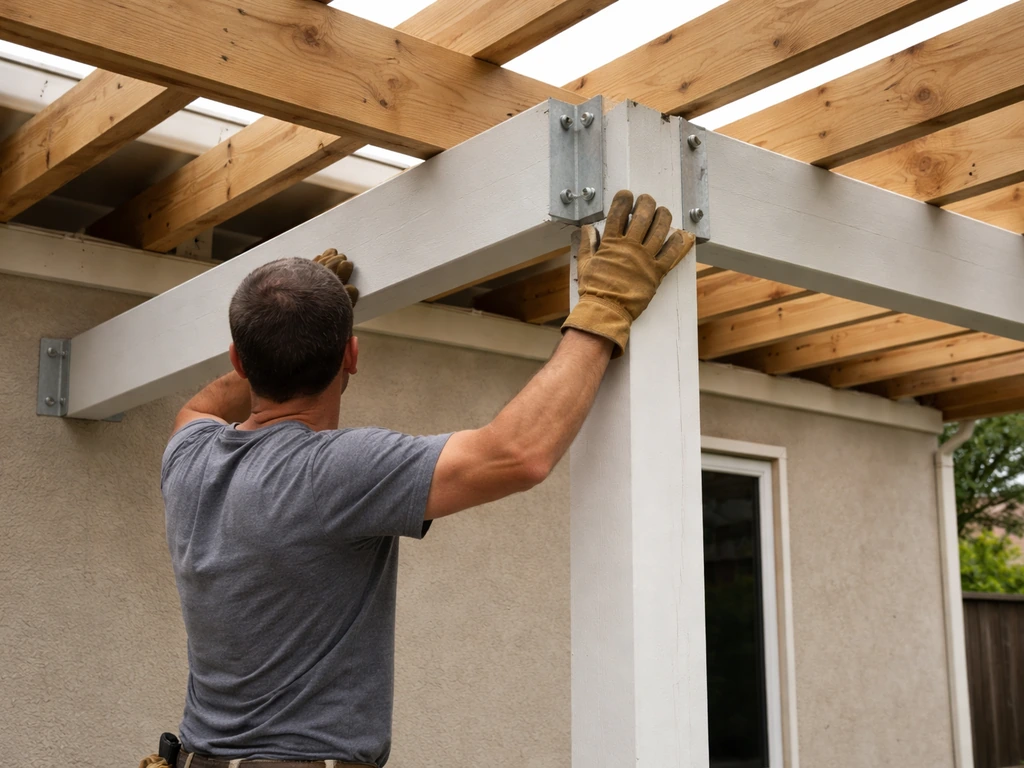
These are the most common builders for patio cover projects, and often the best fit for straightforward residential jobs. They focus specifically on patio covers, pergolas, and related outdoor structures, so they know the materials, the local permit requirements, and the common installation pitfalls cold. Specialty patio cover contractors focus on covered patio systems, pergolas, and similar outdoor structures, so they are often the answer to who makes patios. Many work with a specific product line, like Alumawood or Four Seasons Elitewood solid aluminum covers, and know how to handle the engineering documentation those systems require. They're usually faster and more cost-competitive than a general contractor for a standard project.
Manufacturer-authorized installers
If you're buying a prefab or kit-based cover system, such as an Alumawood lattice or a Four Seasons solid aluminum panel system, the manufacturer may have a network of certified or factory-authorized installers in your area. This matters for warranty reasons: some manufacturer limited-lifetime warranties only stay valid if the product was installed by an authorized installer and registered within a specific window, often 30 days after project completion. Patio Kits Direct’s warranty page notes that for Alumawood and FOUR SEASONS products, manufacturer warranty coverage can require registration within 30 days after completion to be valid and enforceable requires registration within a specific window, often 30 days after project completion. A company like City Seamless, for example, operates as a factory-authorized installer for Four Seasons Building Products, and their installs carry both a manufacturer warranty on the materials and a separate workmanship guarantee from the installer. If you're shopping a specific brand, ask upfront whether the company is factory-authorized and what the registration process looks like after installation.
General contractors
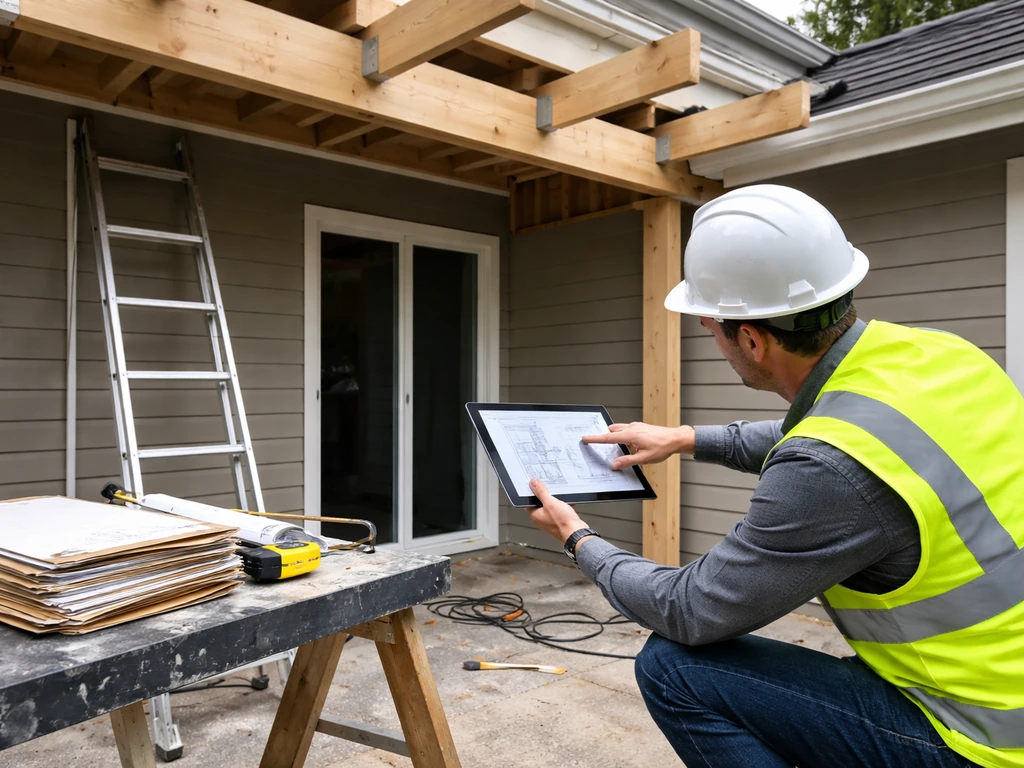
A licensed general contractor can absolutely build a patio cover, and for complex projects, like a custom solid roof tied into the home's existing roofline, adding electrical for fans and heaters, or significant structural work, a GC is often the right call. If your patio cover is attached or involves structural work, a general contractor is one way to get it built, which is a close cousin to the question of who builds outdoor patios. They're set up to manage subcontractors, pull permits, and handle engineering requirements. The tradeoff is cost: GCs typically charge more than a specialty patio installer, and some may subcontract the actual cover work anyway. If you already have a trusted GC from a previous project and you're doing a bigger outdoor renovation, bundling the patio cover into that scope makes a lot of sense.
Design-build firms
Design-build companies handle the full scope from concept to completion: they'll draw up the plans, pull permits, handle engineering, and manage installation. Companies like Archadeck operate this way nationally, offering a structured process that includes a pre-construction meeting after permits are secured and a clear handoff at the end. For homeowners who want one point of contact and a more curated design process, this model works well. It's also particularly useful when you're combining a patio cover with other outdoor living work like a deck, outdoor kitchen, or pergola. The premium is real, but so is the reduced headache.
Deck builders and outdoor living specialists
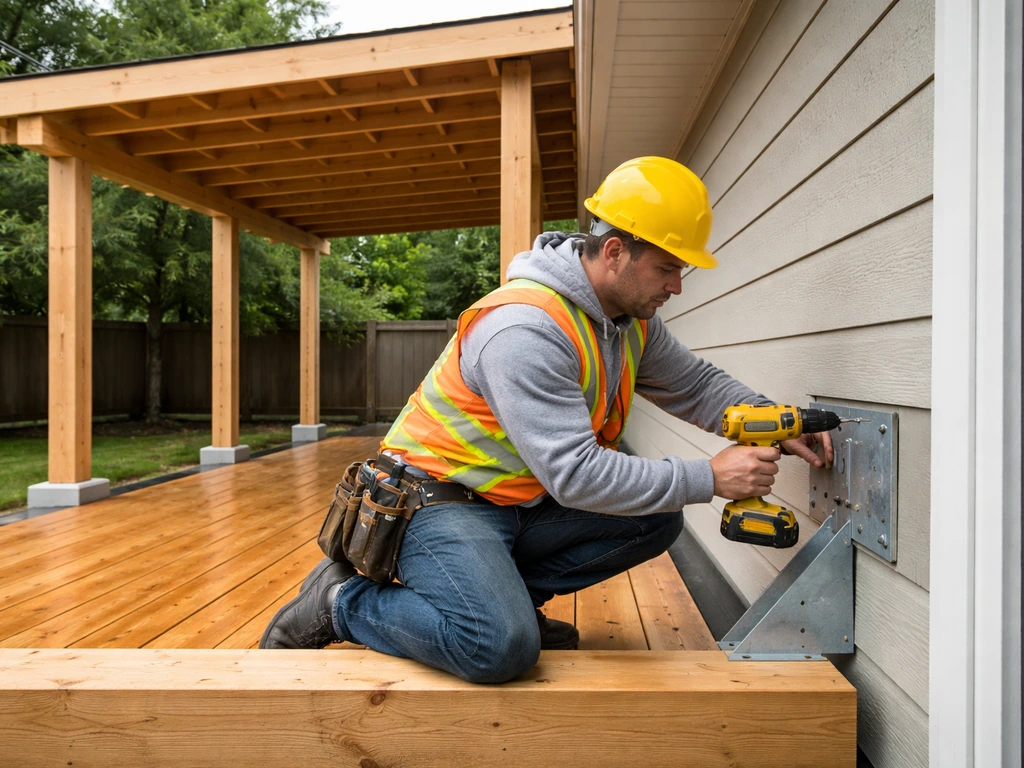
Many deck builders have expanded into covered patio structures because the work overlaps heavily: both involve footings, posts, beams, ledger attachments, and permits. If you already have a deck and want to add a cover over it, a deck builder who does overhead structures is a natural fit. Just verify they've done patio cover work specifically, not just open deck builds, because roofing, drainage, and structural loading requirements for a covered structure are different.
How to find the right pro for your patio cover project
Start locally. Search for 'patio cover contractors near me' or 'aluminum patio cover installer [your city]' and look at the results alongside Google reviews, Houzz, and Angi profiles. Specialty patio cover companies will often have photos of actual installed systems in their portfolios, which tells you immediately whether their work quality and style matches what you want. For the best patio solutions, choose a patio cover type and builder that match your climate, permit needs, and the materials you want. If you're in a hot climate like Phoenix, Las Vegas, or Texas, there are established regional specialists who know the local wind and heat requirements well. In the Midwest or Pacific Northwest, you'll want someone comfortable with snow loads and moisture management.
Manufacturer websites are another underused resource. If you already know you want a specific product, like Alumawood or a Four Seasons system, check the manufacturer's website for their dealer or authorized installer locator. These are vetted installers who know the product and are set up to handle warranty registration correctly. That's a meaningful head start on your shortlist.
Ask neighbors. If you see a nice solid aluminum cover on a house down the street, knock on the door and ask who installed it and whether they'd hire them again. That one question will tell you more than most online reviews. Word of mouth still wins for local trade work.
Questions to ask patio cover builders before you commit
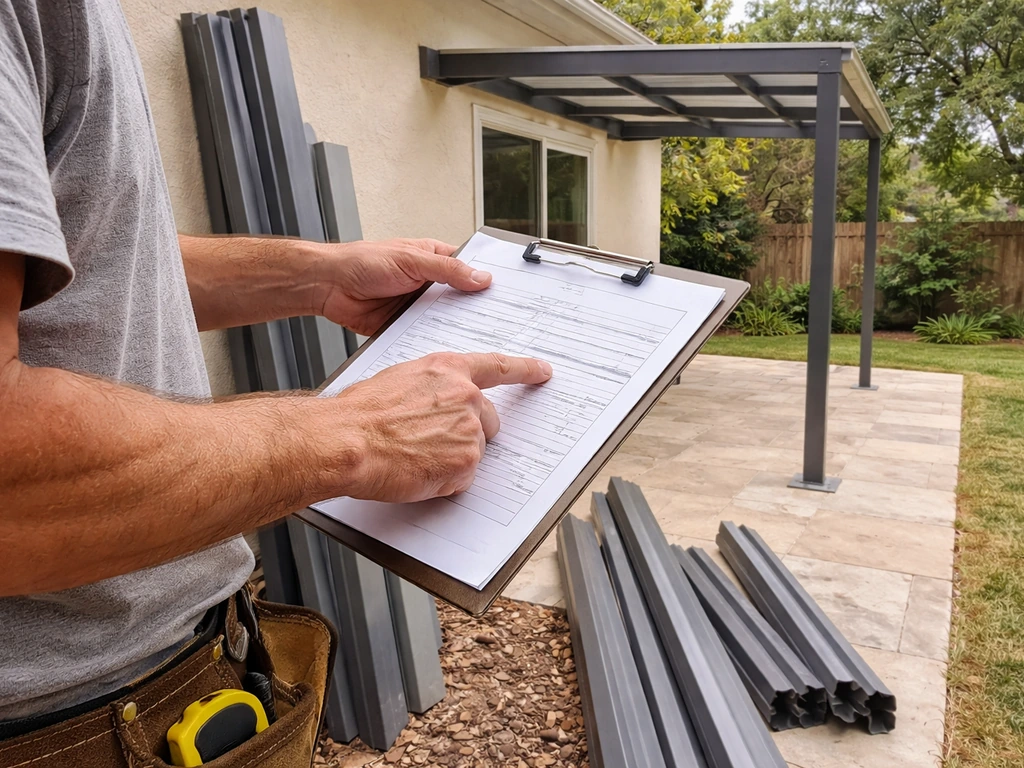
When you're meeting with contractors for estimates, come with a specific list of questions. Vague answers are a red flag. Here's what to cover:
- Do you handle the permit, or is that on me? (A qualified contractor should be pulling the permit for an attached structure in most jurisdictions.)
- Will this require engineered drawings or stamped structural plans? Many municipalities require engineering documentation for attached patio covers, especially those with ledger connections to the home.
- What are the exact materials you're proposing, and can I see the product spec sheet? Confirm whether it's solid or lattice, aluminum vs. wood composite, gauge/thickness, and finish warranty.
- What's the roofing style and how does drainage work? Flat, single-slope, and gabled covers all drain differently, and poor drainage design is a common source of problems down the line.
- What's the wind speed rating for the system, and does it meet local code? This is especially important in Texas, Florida, and coastal areas.
- Are electrical add-ons like ceiling fans, heaters, and lights included in scope, or are those separate bids?
- What does the warranty cover, and how do I register it? Find out if it's a manufacturer warranty, a workmanship warranty, or both, and what the registration deadline is.
- Who does cleanup, and how is that handled in your contract?
- How do you handle change orders? Get the process in writing before anything starts.
On the permit question specifically: don't let a contractor talk you into skipping it. Most municipalities require a permit for any attached patio cover. Requirements vary by jurisdiction, but they commonly include a site plan with dimensions, a construction plan showing how the structure is built and anchored, ledger attachment details specifying anchor type and spacing, and in many cases stamped engineering drawings. In Fort Collins, for example, any patio cover taller than 8 feet at any point requires a permit, and ledger-attached structures typically need stamped structural plans. San Diego has partial exemptions under some conditions, but customized designs always require full plans including framing, foundation, and structural calculations. Don't assume yours is exempt until you've checked with your local building department or a contractor who knows your area.
Costs and bidding: what to expect
Patio cover prices vary enormously based on size, material, structural complexity, and local labor rates. A basic aluminum lattice cover on an existing concrete patio might run $3,000 to $8,000 installed. Choosing a reliable patio cover builder helps ensure your installation stays secure in real-world weather conditions. A solid insulated aluminum panel cover with a gabled roofline, electrical, and engineered attachment to the home can easily land in the $15,000 to $30,000+ range. Wood-framed custom covers with shingles matching your home's roof are usually at the higher end because of the labor involved.
When you get bids, ask each contractor to break the estimate down into line items: materials, labor, permit fees, engineering fees (if applicable), electrical subcontract (if any), and cleanup. This is the only way to compare bids apples to apples. A low-ball number that excludes permit fees and engineering can quickly become the most expensive option once everything's added in. Watch for vague line items like 'miscellaneous materials' without specifics.
On deposits: a typical deposit for a patio cover project is 10 to 33 percent upfront to secure materials and scheduling, with a draw at installation start and the balance due at completion. Be cautious of any contractor asking for 50 percent or more upfront before materials have been ordered or a permit is in hand. A reasonable payment schedule protects both sides.
| Cover Type | Typical Installed Cost Range | Permit Usually Required? | Engineering Usually Required? |
|---|---|---|---|
| Aluminum lattice (freestanding) | $3,000 – $8,000 | Often yes | Sometimes |
| Aluminum solid panel (attached) | $8,000 – $18,000 | Yes | Usually yes |
| Insulated aluminum (attached, gabled) | $15,000 – $30,000+ | Yes | Yes |
| Custom wood-framed (shingle roof) | $18,000 – $40,000+ | Yes | Yes |
| Pergola with roofing panels (attached) | $6,000 – $20,000 | Often yes | Sometimes |
DIY vs. hiring out: when each makes sense
Here's the honest take: DIY patio covers are genuinely doable for freestanding structures with a prefab kit system. Companies like Alumawood and similar brands sell complete kit packages with engineering documentation included, and some manufacturers provide pre-engineered drawings with span tables and foundation details that meet permit requirements in many jurisdictions. If you're comfortable with basic carpentry, can read a construction plan, and are putting up a freestanding lattice cover over a concrete patio, a kit system is a realistic DIY project. Plan on a long weekend with a helper.
The calculus changes fast when your cover is attached to the house. Ledger attachment is where the most permit scrutiny and structural risk lives. Getting it wrong means water intrusion into the wall, inadequate anchoring in a wind event, or a failed inspection that requires you to tear out and redo the connection. The ledger fastener bolt size, spacing, and flashing detail are specified in engineering documents for a reason. If you're not confident reading and executing those details, hire a pro for at least that portion of the work.
Anything involving electrical, like ceiling fans, heaters, or light fixtures integrated into the cover structure, should be done by a licensed electrician whether or not you're doing the rest yourself. Same goes for gas lines for outdoor heaters. These are the places where skipping a professional creates real liability and code issues that can affect your homeowner's insurance.
If your project involves a gabled or hip roof that ties into the home's existing roofline, significant footing or concrete work, or a structure over about 200 square feet attached to the house, hire it out. The savings from DIY don't justify the structural and permitting complexity.
What to check before signing anything
Before you hand anyone a deposit check, run through this checklist:
- Verify their contractor's license. Every state has an online license lookup tool. You can use your state's contractor licensing board website directly, or tools like ProLicenseCheck to search by name or license number. Check that the license is active, unexpired, and matches the contractor's legal name. In Arizona, the ROC's Contractor Search tool lets you confirm license status and scope of work authorization.
- Confirm general liability insurance and workers' compensation. Ask for a certificate of insurance naming you as an additional insured. Call the insurance company to confirm it's current if you have any doubt.
- Get at least two or three references for patio cover projects specifically. Call them, and ask whether the contractor pulled permits, stayed on schedule, and handled problems professionally.
- Review their portfolio for your specific type of project. Attached solid cover work is different from a freestanding pergola, so make sure their experience matches your scope.
- Confirm who is pulling the permit and whose name is on it. The contractor should be the permit holder for any licensed work.
- Read the warranty language carefully. Understand what's covered under the manufacturer warranty versus the workmanship warranty, what actions void coverage, and what the registration requirements are. Some manufacturer warranties require registration within 30 days of project completion to be enforceable.
- Make sure the contract specifies materials by product name, model, gauge, and color, not just generic descriptions like 'aluminum patio cover.'
Timeline and process: from site visit to final handoff
A realistic patio cover project follows a predictable sequence, and knowing it helps you set expectations and spot when things are going sideways.
Site visit and design
The process starts with a site visit where the contractor measures your patio, assesses the wall condition where the ledger will attach, notes existing drainage and grades, and discusses your goals for the space. This is when you should be asking about roof style, material options, electrical rough-in locations, and any structural concerns. A good contractor will also look at your existing roofline and eave height to determine the best attachment strategy. After the visit, expect a formal proposal within a few days to a week.
Permitting and engineering
Once you've signed and paid a deposit, the contractor prepares and submits permit documents. For attached covers, this typically includes a site plan with dimensions, framing plans showing post, beam, and rafter sizes and spacing, a ledger attachment detail with anchor type and spacing, and sometimes stamped engineering drawings. Permit review timelines vary by jurisdiction, but one to three weeks is a common range for residential patio cover permits. Some municipalities offer pre-engineered plan packages for standard aluminum cover systems, which can speed things up. Ceres’s engineered-plan option for attached patio covers provides the engineered-plan package contents, including a plot plan, patio section, and a detail page with span tables and foundation details Some municipalities offer pre-engineered plan packages for standard aluminum cover systems, which can speed things up.. Your contractor should be managing this process and keeping you updated. Do not let installation start before the permit is in hand.
Materials and scheduling
Some contractors order materials during the permit review period to compress overall timeline. Others wait until the permit is approved. For prefab aluminum systems, lead times are generally short, often a week or two. Custom wood-framed structures or specialty materials can take longer. Clarify this with your contractor so you're not surprised by a two-week gap between permit approval and install start.
Installation
Most residential patio cover installs take one to three days on site depending on size and complexity. The sequence is typically footings or footing inspection first (if new posts are going in), then framing, then roofing panels or material, then electrical rough-in, then finish work. If there are inspection holds, like a required framing inspection before roofing goes on, the timeline stretches accordingly. A contractor who tries to skip inspections to stay on schedule is not doing you any favors.
Final inspection and closeout
After installation, a final inspection is typically required to close the permit. The inspector verifies the structure was built to the approved plans. Once the permit is closed, make sure you get a copy of the permit card or close-out documentation for your records. This is important for resale and insurance purposes. If your warranty requires registration, do it immediately after project completion, before that 30-day window closes. Get the warranty documentation in writing, confirm what's covered, and store it with your home records.
A practical checklist before you start calling contractors
- Measure your patio footprint and note your eave height and wall material where a ledger would attach
- Decide whether you want a solid, lattice, or hybrid cover and have a rough idea of your budget range
- Check your local building department website for patio cover permit requirements before your first contractor call, so you can have an informed conversation
- Identify two or three cover systems or brands you're interested in, and check their websites for authorized installer locators
- Prepare a shortlist of at least three contractors to bid the project
- Have your questions ready before the first site visit, covering scope, permits, materials, warranty, timeline, and payment terms
- Set up a simple folder, paper or digital, to store bids, license verification screenshots, references, the signed contract, permit documents, and warranty registration info
Finding a good patio cover builder isn't complicated once you know who the players are and what to ask. The difference between a smooth project and a frustrating one usually comes down to three things: hiring someone with real experience in covered structures specifically, making sure permits and engineering are handled correctly from the start, and getting everything about materials and warranty in writing before you sign. Do those three things and you're in good shape.
FAQ
How do I choose between a specialty patio cover contractor, a GC, and a design-build firm if I am not sure what my project requires?
For most homeowners, the fastest way to narrow down who builds patio covers is to decide whether yours is freestanding or ledger-attached. Freestanding kits and lattices often fit a manufacturer-authorized installer, while anything attached to the house usually needs a contractor who routinely handles ledger flashing and structural anchoring details, not just general deck framing.
What should I do if a contractor claims my patio cover does not need a permit?
Even if a contractor says the patio cover is “exempt,” you should request the specific permit decision in writing (email or permit counter note) and confirm whether engineering is still required for your attachment method. Municipal exemptions can depend on height, roof style, and how the structure is supported, so relying on a verbal “no permit” is risky.
What engineering or structural details should I confirm before signing a contract for an attached patio cover?
Ask for the engineering details by name, not just “stamped plans.” Specifically request the ledger attachment specification (bolt size, spacing, and approved fastener type), flashing details, and the footing or post foundation approach. If they cannot point to those items in their plans or proposal, you may be looking at an estimate that will change later.
What questions should I ask to ensure the manufacturer warranty stays valid?
For warranty protection, do not assume authorization is automatic. Confirm the installer’s authorization status for your exact product line and ask what documentation they provide for warranty registration (date of installation, model/SKU, and the registration submission confirmation). Some coverage depends on registering within a short window, often around 30 days.
How can I compare patio cover bids if the scopes look different?
If bids come back with different scope language, require each contractor to include the same items in the line-item breakdown, including permit fees, engineering (if applicable), electrical subcontract, and cleanup. Also ask whether the price includes electrical rough-in and whether lighting/fan wiring is included or “by others,” since that can shift costs quickly.
Is a high deposit like 50 percent ever reasonable for patio cover projects?
Use deposits carefully. A safer payment rhythm is tied to concrete milestones (permit in hand, material order confirmation, start of installation) rather than a percentage that climbs to 50 percent or more early. If materials are not ordered yet, demand a clear schedule for when products are purchased and delivered.
When is DIY realistic for patio covers, and when should I hire out at least part of the job?
You can often DIY only the “freestanding kit” portion. A practical rule is to DIY when the structure is not attached to the house and the plan package is fully pre-engineered for your span and foundation type. Once ledger attachment, new roof tie-ins, or complex drainage grading are involved, hiring at least a pro for the connection details usually prevents rework.
What is the safest way to handle electrical work for a covered patio?
If you have ceiling fans, heaters, or outlets, ask the contractor to show you where electrical rough-in will run before any finish panels go on, and confirm the electrician’s permit and inspection responsibilities. Even if you trust the contractor, the electrical device wiring and any outdoor-rated components should comply with applicable code and be inspected.
What common bid line items are most likely to hide cost surprises?
Line items to watch for include “miscellaneous materials,” “allowances,” and “labor only,” because they can hide costs for flashing, fasteners, engineering revisions, or debris removal. Require specific quantities and descriptions for roof panels, posts, beams, ledger components, and any insulation, otherwise the bid may not match what you thought you were buying.
How do I handle lead times and permit delays without getting stuck waiting for months?
Closely track the permit-to-install timeline and ask who is responsible for updates. If materials are being pre-ordered during review, request the exact lead times and identify what happens if plans require revisions or if the permit is delayed. A good contractor will give you a realistic install-start window and a change-order process.
What documents should I collect at the end of the project for resale and insurance?
Get the close-out documentation after the final inspection, specifically the permit card or approval notice and any inspection sign-offs. For warranty-registered products, keep the warranty paperwork with your home records, because resale buyers and insurers may ask for proof of installation authorization and what is covered.
Next Articles
Solar and Patio Pros Review: Services, Pricing, and Vetting Guide
Solar and Patio Pros review covering solar + patio services, pricing, vetting checklist, and quote steps for homeowners.
Do It Yourself Outdoor Patio Ideas: Build, Upgrade, Maintain
DIY outdoor patio ideas for planning, building, upgrading, and maintaining floors, shade, privacy, lighting, and decor.
Quick Fix Patio Ideas for Instant Comfort and Style
Quick fix patio ideas for fast comfort and style: cleanups, repairs, shade, flooring tweaks, and safe upgrades on any bu