The fastest way to find the best patio landscapers near you is to search Google Maps, ask neighbors for referrals, and cross-check any candidate on your state's contractor licensing board before you have a single conversation. That combination of discovery plus independent verification cuts through the noise faster than any platform or app. But finding names is only step one. The real work is knowing what to ask, how to compare bids without getting burned by vague line items, and how to recognize a contractor who will actually deliver what you picture in your head.
Best Patio Landscapers Near Me: How to Hire Fast

Phoebe Foster
3 Jul 2026
First, get clear on what you actually need done
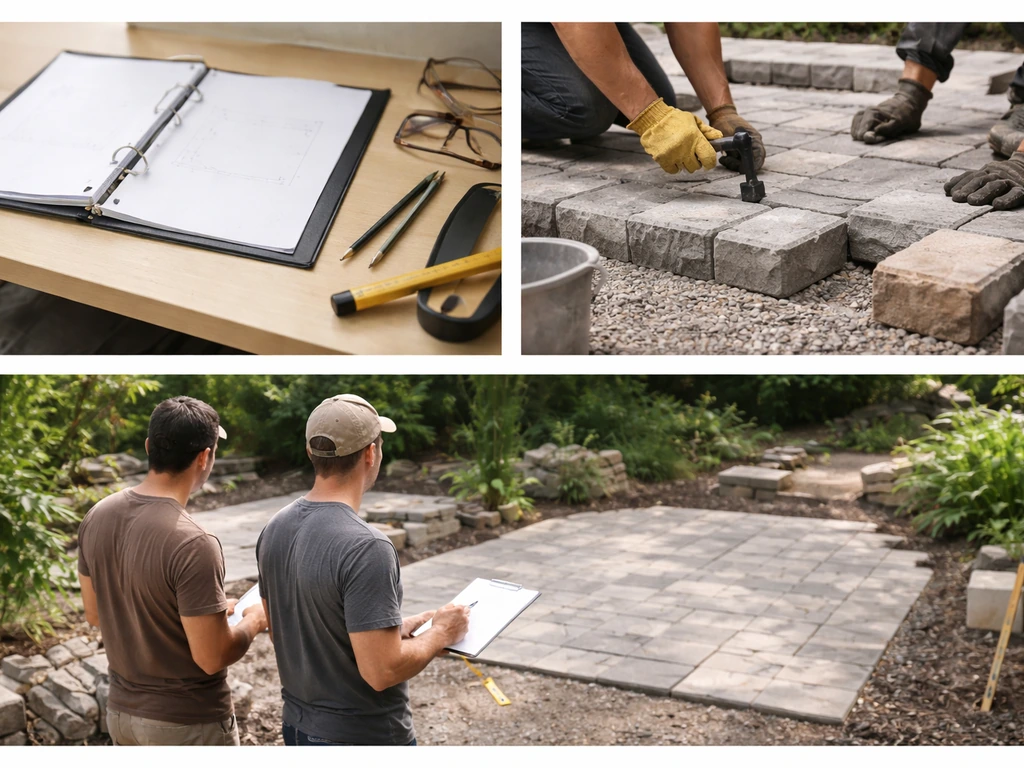
Before you contact a single contractor, you need to know whether you're looking for a designer, an installer, or a design-build firm that handles both. These are genuinely different services, and mixing them up wastes everyone's time. A landscape designer hands you plans and plant lists. An installer takes an existing plan and builds it. A design-build landscaper manages everything from the first sketch to the final cleanup walkthrough. Most homeowners searching for patio landscapers want the full package, but not all contractors offer it. If you want the full package, keep an eye out for the best patio contractors who handle everything from sketch to cleanup.
Beyond that top-level question, you also need to decide which categories of work are in your project. Patio landscaping can mean a lot of different things depending on who you ask. Make a list that covers the elements you want included, then use that list when you request bids so every contractor is pricing the same scope. The categories that differ most between contractor quotes (and cause the most disputes) are drainage, irrigation, lighting, and retaining-wall drainage. If you don't explicitly call these out, some contractors will include them and some won't, making bid comparisons nearly useless.
- Hardscaping: pavers, concrete, flagstone, edging, decomposed granite paths
- Planting: botanical names, container sizes, plant replacement warranty terms
- Drainage: grading, drainage slope away from the structure, drainage behind retaining walls
- Irrigation: zones, water source, shutoff valves, backflow prevention assembly (required when connecting to potable water)
- Retaining walls: wall material, weep holes, drainage layer behind the wall
- Turf and groundcover: sod, seed, native groundcover, mulch, decorative rock
- Landscape lighting: fixture locations, transformer type, GFCI protection on the 120V power side
- Soil prep: grading, amendment, compaction requirements under hardscape base layers
- HOA submissions: who prepares and submits plans to your HOA or municipality
Write this scope down as a simple project brief. You don't need a professional document. A one-page summary with your must-haves, your budget range, your timeline, and photos of your space is enough to get comparable bids. Take measurements of the patio area before you start calling anyone. Contractors who do proper site visits will measure themselves, but having your own numbers means you can sanity-check what you're quoted per square foot.
Where to actually find good patio landscapers near you
Google Maps is the most reliable starting point. Search your project type and city, look at the top three or four results in the local Map Pack, and pay attention to review volume and recency rather than just the star rating. Google's Map Pack rankings blank" rel="noopener noreferrer">weight relevance, proximity to you, and the contractor's overall web presence and review signals, so the businesses that show up near the top of that list have at least passed a baseline visibility test. That doesn't mean they're the best, but it's a reasonable first filter.
Referrals from neighbors are genuinely your best source, especially if you can see the finished work in person. If you want the best patio builders near me, combine local referrals with quick license and insurance checks to narrow the field fast Referrals from neighbors. Knock on the door of a yard you admire or post in your neighborhood Facebook group or Nextdoor.
People who've used a landscaper recently will tell you things no review site will, including whether the crew showed up on time, how the contractor handled a problem mid-project, and whether the plants are still alive a year later. Google Business Profile optimization and review signals are widely described as major drivers of local pack visibility for service businesses, including home services like landscaping review sites will.
Contractor marketplaces like Angi and Thumbtack can generate leads quickly, but go in with realistic expectations. If you want to narrow down the best patio installers near me, these marketplaces can help, but you still need to verify license and insurance independently patio landscapers near you. Many homeowners report inconsistent quote follow-through and questionable reviews on these platforms. If you use them, respond fast to contractors who reach out because the ones who contact you quickly are typically more interested. But treat these as lead-generation tools only and verify license and insurance independently regardless of what the platform says.
Your state's landscape contractor licensing board is worth checking even before you call anyone. Most states have an online lookup tool. Oregon, for example, runs a Landscape Contractors Board that tracks license status, insurance certificates, and surety bonds. Whatever state you're in, look up each candidate before they set foot on your property.
How to screen contractors before you commit to a bid
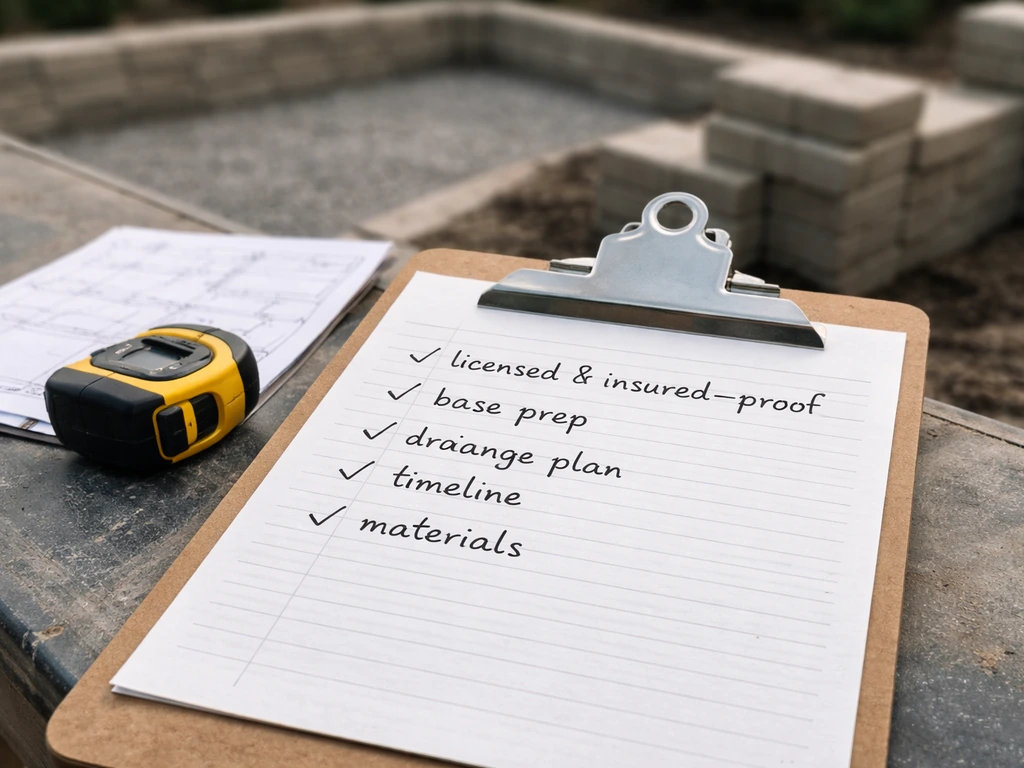
The first conversation with a contractor is a filter, not a sales call. You're figuring out whether they're worth your time for a full site visit and formal bid. Ask direct questions and pay attention to how they answer, not just what they say.
- Are you licensed and insured in this state, and can you send proof of both before our site visit?
- Do you carry general liability and workers' compensation, and what are the coverage limits?
- Have you done projects similar to mine (hardscape plus planting plus drainage, for example) in this area?
- Can you share a portfolio or references from projects completed in the last 12 months?
- Will you handle HOA submission and permit coordination, or is that my responsibility?
- Who specifically will be on-site supervising the crew, and how often will you be present?
- How do you handle change orders, and will they be documented in writing with cost and schedule impact?
- What does your warranty cover for plants, materials, and workmanship, and for how long?
- What is your current availability, and what is a realistic timeline for a project of this size?
A contractor who hedges on license and insurance, who can't give you references, or who answers the change order question vaguely is a red flag. Good landscapers deal with these questions all the time and answer them without hesitation. Also insist on an actual site visit before any bid is submitted. A contractor who tries to quote from photos alone will miss drainage conditions, soil type, access limitations, and utility locations that affect both cost and build quality.
When you call references, ask specifically whether the project finished on time and on budget, how the contractor communicated during the job, and whether they would hire them again. A glowing written testimonial is less useful than a two-minute phone call with a real homeowner.
How to compare quotes without getting fooled by the low number
The only way to compare patio landscaping bids fairly is to require itemized line items across the same scope categories. If you send every contractor the same written project brief, ask each one to break out materials, site prep, irrigation, lighting, drainage, and planting as separate line items. A bundled quote labeled 'complete patio landscaping project' tells you nothing useful and makes it impossible to know why one bid is $8,000 lower than another.
For hardscape specifically, check whether the bid includes paver base preparation. Professional paver installations require excavation deep enough for the paver thickness plus a compacted aggregate base plus bedding sand, with proper drainage slope away from the structure. If a bid doesn't specify base depth and compaction, the contractor may be cutting corners that will cause pavers to shift or settle within a few years.
For irrigation, confirm whether the bid includes a backflow prevention assembly. Any irrigation system connected to potable water requires one, and it's the contractor's responsibility to include it. If it's not in the bid, ask why and get it added explicitly or documented as an exclusion you'll handle separately.
For retaining walls, drainage behind the wall is non-negotiable. Walls that lack proper weep holes and a drainage layer behind them fail from hydrostatic pressure, sometimes within a few seasons. If that line item isn't in the bid, the price looks attractive for a reason.
Red flags to watch for in bids and contracts

- Vague scope with no itemized categories, just a single total number
- No mention of drainage, grading, or base preparation for hardscape
- No change order process described, or verbal assurances that 'we'll figure it out'
- A large upfront deposit (more than 10 to 30 percent depending on project size) with no milestone-based payment schedule
- No written timeline with completion date or phase milestones
- References that can't be verified or who won't talk to you directly
- No mention of permit or HOA coordination responsibility
- Landscape lighting quoted without specifying transformer type, GFCI protection, or fixture locations
- Plant list with no botanical names, container sizes, or replacement warranty terms
A reputable change order process should always be in writing. It needs to include the original scope reference, what's changing, why, the cost impact, the schedule impact, and a signature from both you and the contractor before any additional work begins. Any contractor who resists this is setting up a billing dispute down the road.
Matching your style and budget to the right landscaper
Not every landscaper is built for every style. Some specialize in modern minimalist hardscape with clean lines, decomposed granite, and architectural plants. Others lean toward naturalistic plantings with native species, organic curves, and layered groundcover. If you have a clear aesthetic vision, look for contractors whose portfolio matches it. Showing up to a bid with inspiration photos is not just helpful, it's essential. It filters out contractors who work in a different style and helps you gauge whether their design eye aligns with yours.
Climate matters a lot here too. If you're in the Southwest or Texas Hill Country, a contractor who pushes thirsty traditional lawn grass and water-intensive plantings is going to cost you more long-term in water bills and plant replacement. Look for someone with demonstrated experience in climate-appropriate landscaping for your region, whether that's drought-tolerant natives, heat-adapted groundcovers, or permeable hardscape that handles heavy rain events without pooling. In the Midwest or Pacific Northwest, the calculus is different: drainage, freeze-thaw cycle resistance in hardscape materials, and winter plant hardiness matter more.
| Style Approach | Best For | Maintenance Level | Typical Cost Driver |
|---|---|---|---|
| Modern/Minimalist hardscape | Clean aesthetic, limited planting, urban lots | Low to medium | Paver material quality and base prep |
| Naturalistic/native planting | Eco-conscious, wildlife-friendly, regional climates | Low once established | Design time and plant selection quality |
| Traditional lush garden | Classic look, suburban settings with water access | High | Irrigation system, ongoing plant replacement |
| Low-maintenance desert/xeriscape | Hot/dry climates, water-restricted areas | Very low | Drainage and gravel/rock materials upfront |
| Mixed hardscape + soft landscaping | Most common patio upgrade | Medium | Scope breadth, drainage, and lighting complexity |
Budget-wise, the scope categories that add cost fastest are irrigation systems, landscape lighting, and retaining walls with proper drainage. If you're working with a tight budget, prioritize the hardscape foundation and drainage first. You can always phase in planting and lighting in a second project. A contractor who helps you plan for future phases in the initial design is a keeper.
What a solid patio landscaping process looks like
A contractor worth hiring will walk you through a clear process before they start, not just show up with shovels. Here's what a professional design-build patio landscaping project typically looks like from start to finish.
- Initial consultation and site visit: The contractor walks your space, assesses drainage conditions, soil, access, and existing utilities, then discusses your scope and budget.
- Design and planning phase: For design-build contractors, this produces a plan with dimensions, plant list, material specs, lighting layout, and drainage approach. For install-only, you provide the plan.
- Permitting and HOA approval: The contractor or homeowner (clarify in writing which party handles this) submits plans to your municipality and HOA if required. Patio projects can trigger architectural review even when they don't require a building permit.
- Site prep and grading: Excavation, drainage grading, utility marking, and base compaction happen before any paver or plant goes in the ground.
- Hardscape installation: Base layers, bedding sand, pavers or other surface material, edging, and drainage slope verification.
- Irrigation and lighting rough-in: If included, irrigation zones and low-voltage lighting runs are installed before planting obscures access.
- Planting: Plants installed per plan with soil prep, mulch, and edging.
- Final walkthrough and punch list: Contractor walks the completed project with you, documents any items needing correction, and delivers warranty documentation.
If a contractor skips the site assessment phase or wants to start immediately without permits or HOA sign-off, that's a problem. Skipping permits creates liability for you as the homeowner, and rework after an HOA rejection can wipe out any savings from moving fast. The same logic applies to patio covers, enclosures, or deck additions that might be part of your overall project, since those frequently carry their own permit and HOA requirements as well.
Your quick-start checklist to hire today
If you want to move fast, here's what to do right now. This checklist gets you from zero to first bids in a day or two, with the documentation in place to avoid the most common hiring mistakes. To compare the best patio cover companies near me options, collect a few local bids and confirm they can match your design goals, materials, and timeline.
- Write a one-page project brief: space dimensions, scope categories (hardscape, planting, drainage, irrigation, lighting), style references or inspiration photos, budget range, and target start date.
- Take measurements and photos of the current space from multiple angles, including any drainage issues, slopes, or problem areas.
- Check your HOA rules and gather your community's architectural review application requirements before contacting contractors. Note whether you need HOA approval, a city permit, or both.
- Search Google Maps for patio landscapers in your city, shortlist three to five based on review volume and recency, and check each one on your state's contractor licensing board website.
- Ask neighbors or neighborhood groups for referrals and add any strong recommendations to your shortlist.
- Contact your shortlist, send your project brief, and ask each contractor the screening questions listed above before scheduling site visits.
- Verify proof of license and insurance in writing before any site visit happens.
- Schedule site visits with your top two or three candidates and use the same project brief for each so bids cover identical scope categories.
- Request fully itemized bids with separate line items for materials, site prep, drainage, irrigation, planting, and lighting.
- Compare bids on a category-by-category basis, not total price alone. Flag any missing line items and ask for clarification before proceeding.
- Check references with a direct phone call for at least your top two finalists.
- Review the contract before signing: confirm it includes scope, timeline, milestone payment schedule, exclusions list, and a written change order process.
- Keep a job file with all project documents: contract, bids, change orders, receipts, permit copies, and warranty paperwork.
The homeowners who regret their patio landscaping hire almost always skipped two steps: they didn't verify license and insurance independently, and they didn't get itemized bids that matched scope for scope. A similar due-diligence approach applies when choosing the best patio cover installers, especially around licensing, insurance, and itemized scope itemized bids that matched scope for scope. The ones who come out satisfied did the 30 minutes of upfront homework, asked the uncomfortable questions early, and got the change order process in writing before work started. It really is that straightforward once you know what to look for.
FAQ
Can I hire a patio landscaper if I already have a design or inspiration photos?
Yes, but only if you hire the right service model. Ask whether they do design-build, or whether you need separate designer and installer contracts. If you already have drawings, confirm the installer will price based on those exact plans, and request a written list of anything they will revise or exclude.
What should I do if a quote says something like “miscellaneous” or “not included”?
Before accepting any “not included” language, require a written exclusion list. For example, if irrigation, lighting, or drainage is excluded, ask them to state what replaces it (cap off lines, stub-out locations, runoff routing). This prevents surprises when the bid looks low but the functional scope is incomplete.
How can I tell whether a contractor’s per-square-foot price is based on accurate measurements?
Request the bid’s assumed square footage and the measurement method. Ideally, the contractor should reference your patio area measurements and show any adjustments after site visit (for example, excavation footprint, slope areas, or planter zones). If they cannot point to how they measured, treat the per-square-foot number as unreliable.
For pavers and other hardscape, what should be itemized so I can compare bids fairly?
Make them break out hard costs and show who supplies what. Ask for separate line items for pavers, base materials, bedding sand, edging, geotextile, and any cleanup/disposal fees. If they lump these together, ask them to provide a materials quantity takeoff or at least the major cost drivers.
If drainage is critical, how do I verify it is actually addressed in the plan?
Ask whether they include grading and drainage slope work as part of site prep, not as a “removal and replace” assumption. Confirm they will protect structures and adjacent landscaping from runoff during construction. Good contractors will describe the drainage path (where water goes) and how the slope will be verified before pavers or base is installed.
What’s the best way to verify license and insurance without taking the contractor’s word for it?
Get documentation for both and confirm the timing. Ask for current proof of insurance (liability and workers’ comp, if applicable) and ask the start date they are covered through, then verify the license number on your state board. If their paperwork is dated or mismatched, pause and require updated documents before any deposit.
How do I confirm the timeline will be realistic before signing anything?
Use the first call to request their scheduling timeline for a site visit and for when work would start after you sign. Then ask when they typically pull permits and who handles HOA submissions if required. A contractor who cannot provide a realistic sequence is more likely to cause delays later.
What questions should I ask to avoid change-order surprises?
Ask for a written, signed change order process and also ask whether they use a standard form. Confirm how they calculate cost changes (materials, labor rate, equipment, markup) and how they handle schedule impacts. If they cannot answer change order details clearly, avoid signing a contract with broad “as needed” language.
If irrigation is included, what specific details should I request beyond the word “irrigation”?
For irrigation, ask whether they include backflow prevention and where it will be installed, then confirm controller locations and wire runs. Also ask if they will test for coverage and pressure adjustments after installation. Excluding backflow or testing is a common root cause of failed systems.
What warranty or guarantee details should I ask for for both landscaping and hardscape work?
Insist on what materials and warranty terms apply to each major component (pavers, retaining wall blocks, drainage components, planting). Ask whether the warranty covers workmanship versus materials only, and how long repairs take to schedule. A good warranty explanation is specific, not generic.
Is design-build always better than hiring a designer and installer separately?
Choose based on your project size and tolerance for coordination. If you want one accountable company for design, permits, build, and cleanup, prioritize design-build. If you only need installation of an existing plan, a specialist installer may be more cost-effective, but you should ensure responsibilities for permitting and site conditions are clearly assigned.
What should I ask about the crew and jobsite practices before the work starts?
Ask for the exact crew structure (lead, number of installers, and who handles cleanup). Then ask how they handle access issues, including gated yards, utility locates, and neighbor notification. References should include communication quality, but you should also see their jobsite organization plan during the site visit.
Next Articles
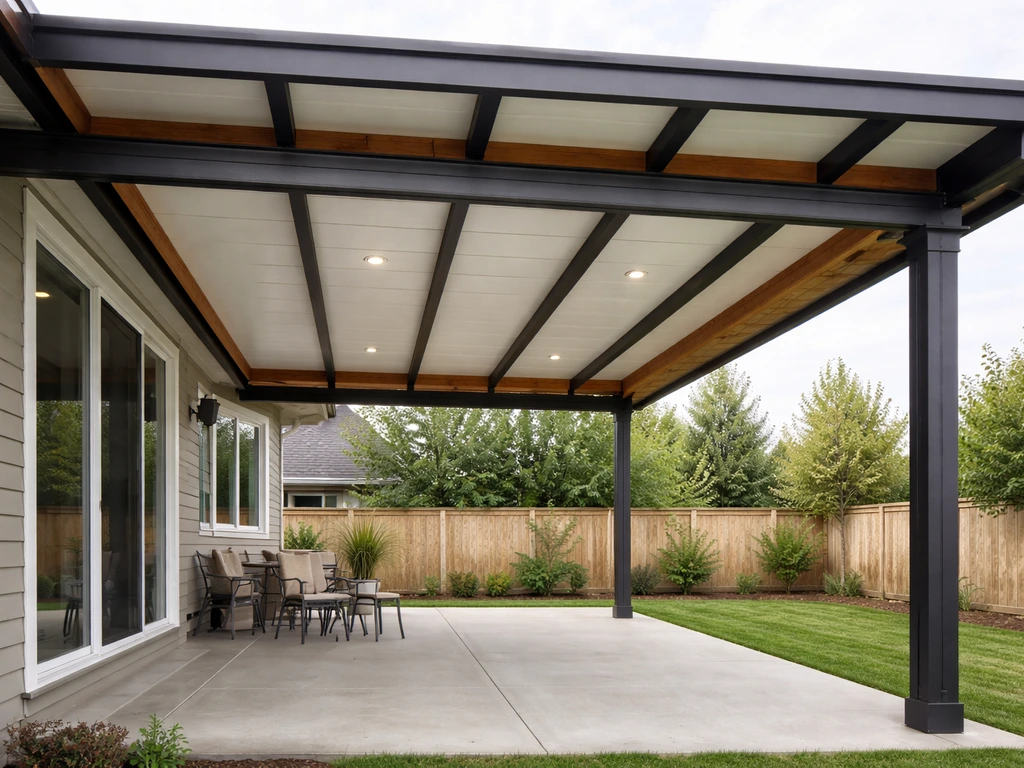
Best Patio Cover Installers: How to Vet and Hire
Vet patio cover installers with checklists, bid comparisons, permits, warranty terms, costs, and red flags for safer hir
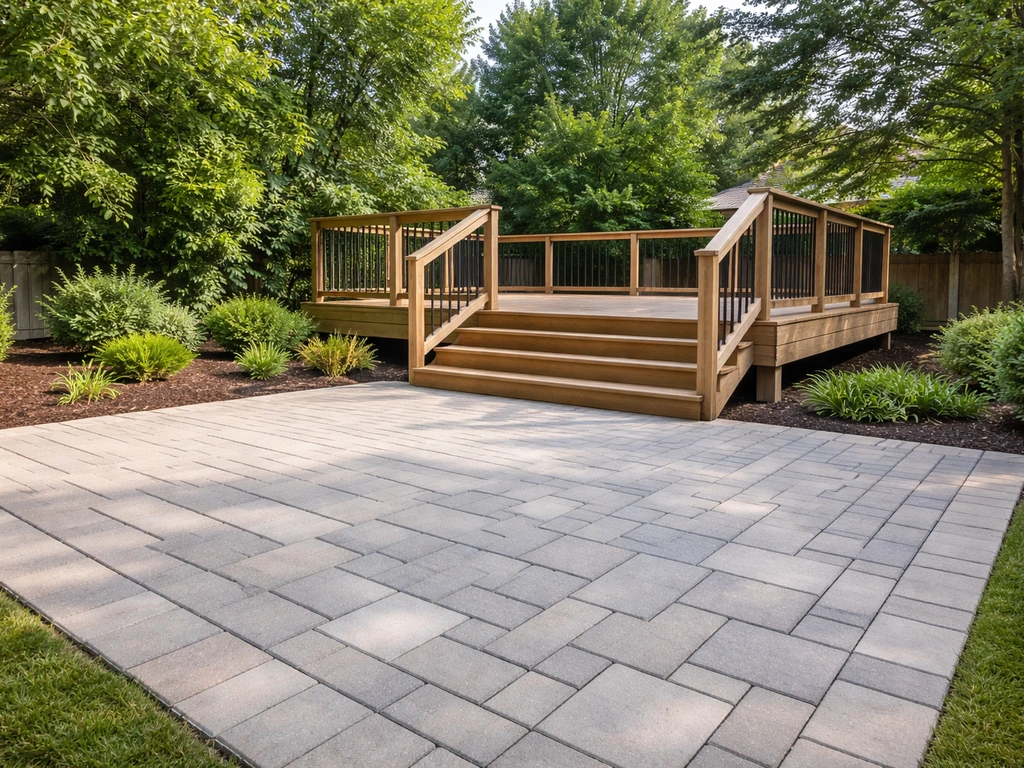
Best Deck and Patio Contractors Near Me: Hire Right
Step-by-step checklist to shortlist, compare bids, and hire deck and patio contractors near you fast, with costs, permit
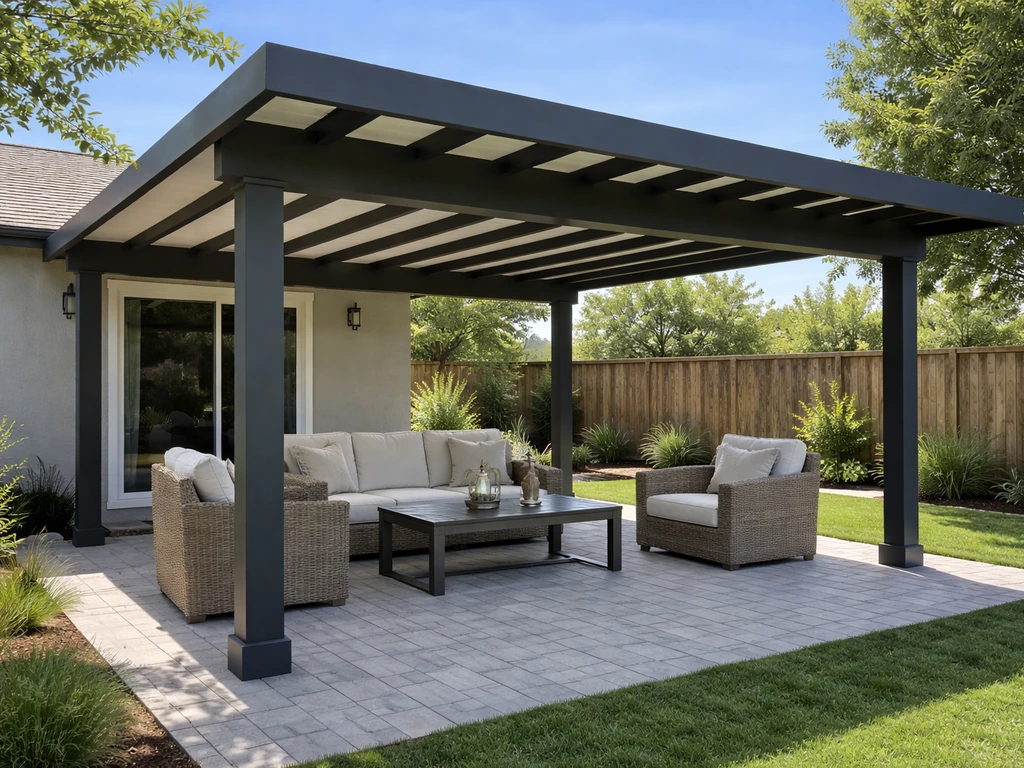
Best Patio Cover Companies Near Me: How to Choose
Step-by-step guide to find top local patio cover companies, compare materials, estimates, costs, and weather needs.