
The best patio enclosure company near you is the one that matches your specific enclosure type, knows local permit requirements, carries proper insurance, and gives you a written quote that covers materials, timeline, and warranty in one place. There is no single national winner here, it depends heavily on your climate, your budget, and whether you want a screened room, a full four-season sunroom, or something in between like a retractable roof system. What follows is a practical system for finding, vetting, and choosing the right company without wasting time on the wrong bids.
Best Patio Enclosure Companies Near Me: How to Compare

Phoebe Foster
1 May 2026
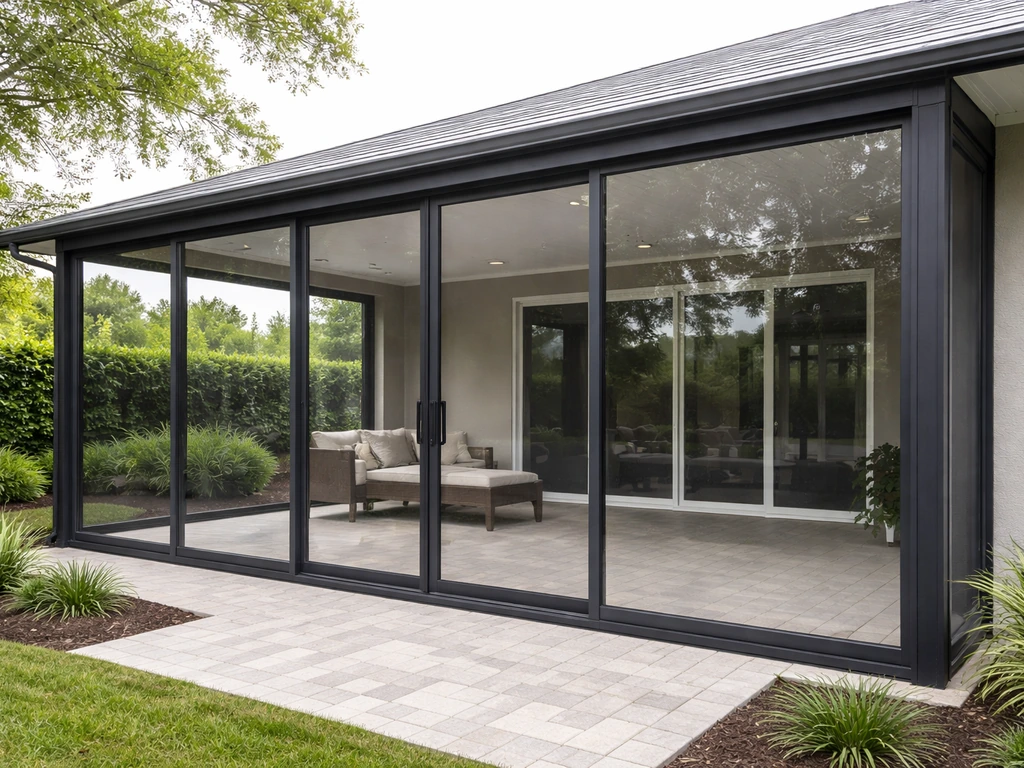
What "best" actually means for your patio enclosure
"Best" is not the company with the most five-star reviews or the slickest website. For a patio enclosure project, best means the company that can execute your specific enclosure type correctly, in your local climate, at a price that reflects real value, not just the lowest bid. A contractor who is excellent at screened rooms in Florida may be completely wrong for a fully insulated four-season sunroom in Minnesota. So before you search for anyone, get clear on what "best" looks like for your situation.
- They specialize in your enclosure type, not just general outdoor construction
- They have documented project photos from your region or a similar climate
- They pull permits themselves rather than asking you to handle it
- Their warranty covers both materials and labor, not just materials
- They can give you a local reference you can actually call or visit
- They are licensed and insured in your state, not just generally bonded
A company that checks all six of those boxes is worth paying 10 to 15 percent more than a cheaper competitor who checks two or three. This is one of those projects where cutting corners on the contractor costs far more in repairs, leaks, and failed inspections than you save upfront.
How to find top patio enclosure companies near you
Start with a layered search strategy rather than just Googling the keyword and calling the first three results. Use these steps to find the best deck and patio contractors near me for your patio enclosure goals. The top paid ads are not always the best companies, sometimes they are just the ones with the biggest marketing budget. Here is a search sequence that actually surfaces quality contractors. If you are specifically searching for the best patio landscapers near me, use the same vetting checklist like licensing, insurance, and verified references. When you are looking for the best patio installers near me, use the same shortlist and vetting steps to avoid questionable contractors.
- Google search: "patio enclosure contractor [your city or county]" and look at the map pack results, not just the ads. Companies appearing in the local map pack have verified addresses and tend to be established.
- Houzz and Angi: filter by patio or sunroom category and sort by number of reviews, not star rating alone. A company with 80 reviews at 4.6 stars is more reliable data than one with 6 reviews at 5.0 stars.
- Nextdoor and neighborhood Facebook groups: ask for referrals from neighbors who have had enclosures installed in the last two years. Recency matters because contractor quality changes.
- Your local building department website: some publish licensed contractor lists by trade category. Cross-referencing this against your Google shortlist confirms who is actually permitted to work in your jurisdiction.
- Manufacturer dealer locators: if you already know you want a specific product (like a four-season sunroom system or a retractable roof), brands like Patio Enclosures, LivingSpace Sunrooms, or Cabrio Structures publish certified dealer lists. These dealers have product training your average GC does not.
- Ask your neighbors directly: if you see an enclosure you like on a walk through the neighborhood, knock on the door. Homeowners are almost always happy to share who built it and whether they would hire them again.
Aim to build a shortlist of four to six companies before you start making calls. This gives you enough comparison data without becoming an overwhelming full-time job. If you are also exploring general patio builders or cover installers as an alternative to a full enclosure, those are related but distinct searches worth running separately. If you end up wanting open-air space instead of an enclosure, you can also use best patio builders near me to compare contractors for patio building and related cover installs.
Vetting the companies before you invite them to quote

Do not spend an afternoon waiting for an in-person quote from a company you have not pre-screened. A ten-minute phone call and fifteen minutes of online research can eliminate the wrong candidates before anyone visits your property.
Licenses and insurance
Every state has a contractor licensing database you can search by name or license number. Verify that the company's license is active (not expired or suspended) and that it covers the type of work involved. Patio enclosures often require a general contractor or residential remodeling license, but some states require a specialty license for glazing or structural additions. Ask for their license number on your first call, any legitimate company will give it without hesitation.
Insurance is equally non-negotiable. Ask for a certificate of insurance showing general liability (at least $1 million per occurrence is standard) and workers' compensation. Have them list you as the certificate holder so you get notified if coverage lapses. Have them list you as the certificate holder so you get notified if coverage lapses (this wording is commonly used as proof another party is set to receive verification that coverage is active). If a company pushes back on this or says they are "covered" without providing documentation, move on.
Portfolio and references
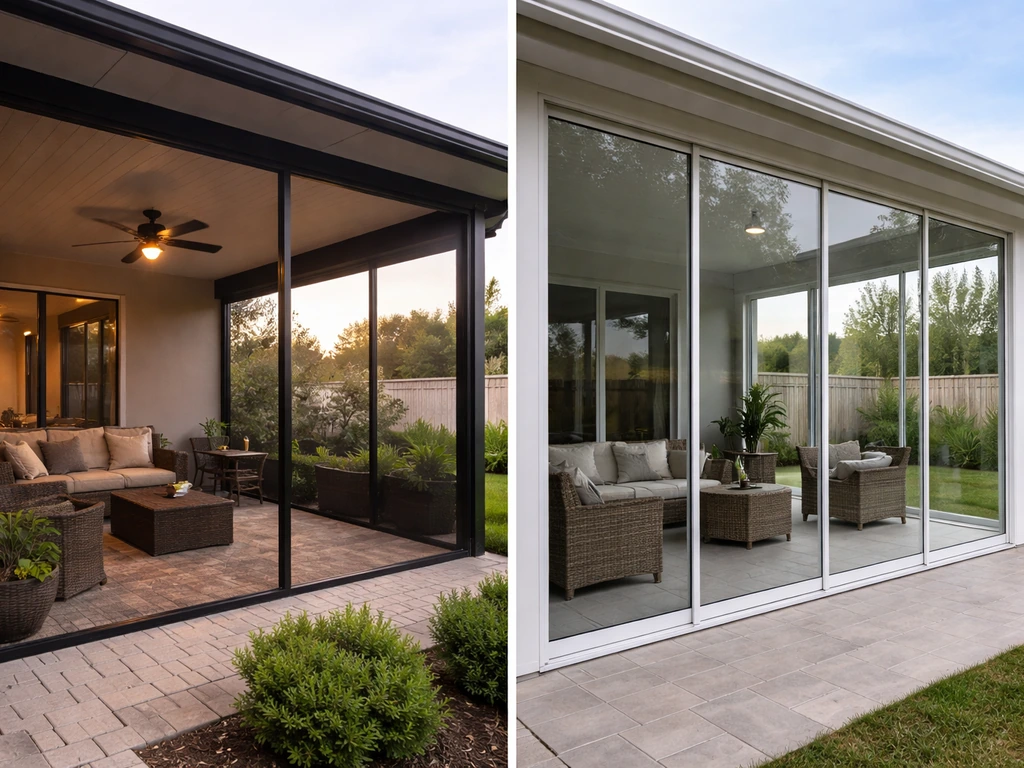
Ask for photos of at least three completed enclosure projects similar in scope to yours. If your project involves a screened room, you want screened room photos, not a deck or a pergola. Look at the quality of the framing corners, the screen tension, how the door hardware is finished, and how the base meets the existing slab or flooring. Sloppy trim work in photos means sloppy trim work on your project.
Call at least two references and ask specific questions: Did they finish on time? Did the final price match the quote? Have you had any leaks or structural issues since install? Would you hire them again? A homeowner who had a genuinely great experience will answer quickly and enthusiastically. Vague, short answers are a signal worth noting.
Site visit red flags
When a company rep comes out to quote, watch for a few warning signs. If they cannot tell you upfront who pulls the permit, that is a red flag, the contractor should always pull their own permits, not the homeowner. If the contractor is hired, the city building application packet for a Screen Enclosure & Patio Alum Roof Package states the contractor must pull the permit and provide the required permitting documents as outlined in the packet. If they quote entirely from memory without measuring anything, the number they give you will be wrong. And if they pressure you to sign on the first visit with a "today only" discount, walk away. Good companies do not need pressure tactics.
Enclosure types and which one fits your climate and goals
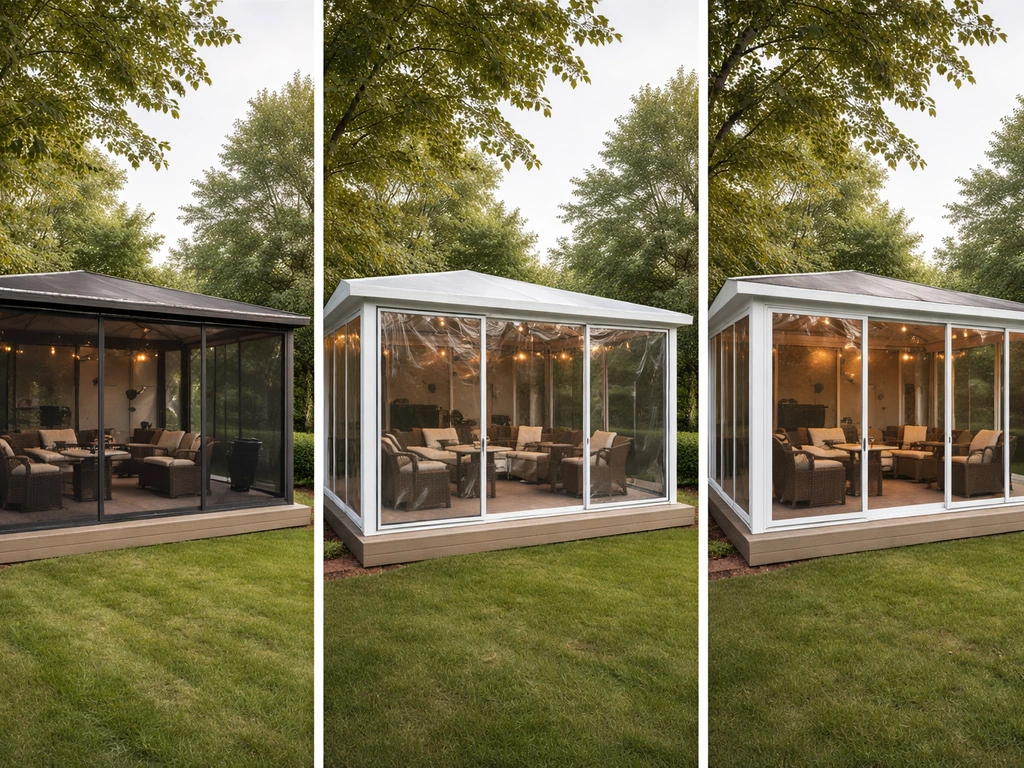
There is a meaningful difference between these enclosure types, and the wrong choice for your climate is a waste of money. Here is a practical breakdown.
| Enclosure Type | Best Climate Fit | Year-Round Use? | Typical Cost Range | Key Trade-off |
|---|---|---|---|---|
| Screen room / screened porch | Mild climates, bug-heavy areas (Southeast, Gulf Coast) | No — comfortable mainly in ideal weather | $8,000–$30,000 | No insulation, no HVAC — exposed to temperature extremes |
| Three-season room | Moderate climates (Mid-Atlantic, Pacific Northwest, Midwest spring/fall) | No — unusable in deep winter or intense heat | $15,000–$50,000 | Glass or acrylic panels without full insulation |
| Four-season sunroom | All climates, especially cold regions (Midwest, Northeast) | Yes — fully enclosed and climate-controlled | $30,000–$100,000+ | Highest cost; may require foundation work |
| Retractable roof enclosure | Variable climates where ventilation matters (Texas, Southwest, humid Southeast) | Seasonal — covers rain and sun, opens for airflow | $20,000–$80,000+ | Motorized systems need maintenance; premium price |
| Pergola with polycarbonate roof | Sun-heavy climates wanting partial cover without full enclosure | No — sides open, overhead only | $5,000–$25,000 | Not weatherproof on the sides; limited privacy |
Retractable roof systems deserve a specific note. These use motorized glass or polycarbonate panels that open and close independently, letting you dial in the exact amount of ventilation or coverage you want. They are increasingly popular in Texas and the Southwest where you want shade and rain protection without completely closing off airflow. They are genuinely impressive, but the motors and tracks require periodic maintenance, and not every local contractor knows how to install or service them correctly, so manufacturer-certified installers matter more here than with simpler screen rooms.
If you live somewhere with serious wind loads or snow accumulation (think Colorado, the Midwest, or the Carolinas during hurricane season), make sure you ask every company specifically about the load ratings for their proposed materials. A screen room that is not engineered for 90 mph wind gusts can become a liability.
Add-ons worth considering
- Insulated glass panels instead of single-pane for any three- or four-season room
- Integrated flooring (tile, composite decking, or stamped concrete) designed to transition cleanly from the enclosure to the exterior
- Ceiling fans or mini-split HVAC units for year-round comfort in warmer climates
- Screen doors with magnetic closures for high-traffic households with kids or pets
- Privacy screens or tinted panels on sides facing neighbors or street views
- LED lighting integrated into the roof structure or along the perimeter
What every quote should include before you compare them
Never compare quotes that are not scoped identically. If one company is quoting a full permit, engineered footings, and premium aluminum framing, and another is quoting a DIY-grade kit with no permit, those numbers are not comparable no matter how similar they look on paper. Before you line up bids side by side, make sure every quote addresses the same list of details.
- Exact square footage and dimensions of the finished enclosure
- Framing material specified (aluminum, vinyl, wood, steel) and gauge or grade
- Panel or screening material with manufacturer name and model number
- Roofing system type and material if applicable (polycarbonate, glass, insulated panel, retractable)
- Permit costs and who is responsible for pulling them
- Whether engineering or structural drawings are included or billed separately
- Site prep and demo scope (existing slab prep, old patio removal, grading)
- Flooring integration or transition details if relevant
- Installation timeline with start date and projected completion date
- Payment schedule (avoid any company requiring more than 30–40% upfront)
- Warranty terms: length, what is covered, labor vs. materials distinction
- Warranty transferability if you sell your home
- Cleanup and debris removal included or extra
- Subcontractor disclosure: who exactly will be on-site doing the work
If a quote is missing several of these items, do not assume they are included. Ask directly. If a company refuses to put these details in writing, that tells you something important about how disputes would go later.
Questions to ask every company and red flags to avoid
Here is a practical script you can use on your first call or during the quote visit. You do not need to run through every question at once, spread them across the conversation naturally.
Questions worth asking
- How many enclosure projects like mine have you completed in the last 12 months?
- Who pulls the permits, and are permit fees included in this quote?
- Will your own crew install this, or do you use subcontractors? If subs, who are they?
- What happens if the project runs over the quoted timeline due to weather or material delays?
- What is your warranty on labor specifically, separate from the material warranty?
- Can I speak with two or three recent customers who had a similar project?
- Have you worked with our local building department on this type of enclosure before?
- What wind, snow, or UV load ratings does your proposed system meet?
- If there is a problem six months after install, what is your process for addressing it?
- Is the warranty transferable to a new owner if I sell the house?
Red flags that should end the conversation
- They ask you to pull your own permits or suggest skipping permits to save money
- They cannot provide proof of insurance on request or delay providing it
- They require more than 40% of the total project cost as a deposit before work starts
- The quote is verbal only and they resist putting scope details in writing
- They cannot name the specific materials or brands they plan to use
- They pressure you to sign the same day with a discount that expires immediately
- Their photos show only wide shots with no detail work visible
- They are unfamiliar with local climate considerations (wind loads, freeze-thaw, humidity ratings) relevant to your region
- Reviews mention repeated communication problems after the contract is signed
How to choose after you have all the bids

Once you have three or more comparable quotes in hand, resist the instinct to just pick the middle price and assume it is safe. Instead, score each company against the criteria that actually matter for a project like this. A simple scoring approach works well here.
- Assign each company a score from 1 to 5 on: license and insurance verification, quality of portfolio photos, strength of references, completeness of the written quote, clarity about permits, and your gut sense of communication quality.
- Add a bonus point for companies that have completed documented projects in your specific climate zone or used the exact materials you are requesting.
- Subtract a point for any red flag you noticed during the process, regardless of price.
- Compare the total scores alongside the price. The highest score at a reasonable price is your choice — not necessarily the cheapest.
On negotiation: there is usually room to negotiate on timeline, payment schedule, or minor add-ons, but trying to hammer down the core labor price significantly often leads to the contractor cutting corners somewhere. A better negotiation move is to ask for an upgraded material (like insulated glass instead of single-pane) at the same price rather than asking for straight dollars off. Good contractors often have more flexibility on spec upgrades than on margin.
Once you have chosen, ask for a written contract that includes the full scope, materials list, payment schedule tied to project milestones (not dates alone), warranty terms in plain language, and a clear change-order process. Read it before signing. If something important from the quote is missing from the contract, ask for it to be added in writing before you write the first check.
Your next steps starting today
- Decide your enclosure type based on climate, budget, and year-round use needs
- Run the layered search strategy (Google map pack, Houzz, Angi, Nextdoor, manufacturer dealer locator) and build a shortlist of four to six companies
- Do a ten-minute pre-screen call for each: ask for license number, insurance, and two recent references
- Schedule in-person quotes with your top three after pre-screening — not before
- Use the quote checklist above to make sure every bid covers the same scope
- Score each company using the rubric, factor in red flags, and choose based on score plus price — not price alone
- Get the full scope into a written contract with milestone-based payments before signing anything
If your project ends up being more of a cover situation than a full enclosure, the process for finding patio cover companies or patio cover installers follows a similar vetting path, though the permit requirements and structural considerations are typically simpler. If your project ends up being more of a cover situation than a full enclosure, compare the best patio cover installers as a related option since the same vetting basics apply. If you are specifically comparing the best patio cover companies near me, use the same checklists for licensing, insurance, references, and the details that must be written into the quote. Either way, the same principle applies: the best company is not the one with the flashiest ad. It is the one that shows up prepared, communicates clearly, and has the receipts to prove they have done this before.
FAQ
Do I need a permit for a patio enclosure in every city, or can a company handle it without me?
Most jurisdictions require permits for structural changes, new glazing, electrical components, or major roof additions, but rules vary by location. Your contractor should pull the permit themselves, and your quote should clearly state who submits it, what drawings are included, and whether the timeline assumes permit approval delays.
What’s the fastest way to tell if a patio enclosure quote is complete or missing key scope details?
Ask for a line-item breakdown that includes materials, engineered drawings or load calcs (when applicable), door type, screen type, anchoring details, and what’s included in site prep and cleanup. If they can’t explain these items in detail or won’t put them in writing, treat the quote as incomplete and not directly comparable.
How can I compare retractable roof system bids without getting stuck on brand names?
Request the exact motor type, panel material, track/rail system, and warranty coverage for both components and workmanship. Also ask what maintenance is required, who provides parts if a panel or track fails, and whether the installer is manufacturer-certified for your specific system.
What questions should I ask about warranty, especially for leaks and hardware failures?
Confirm the warranty duration for the structure, glazing or screen systems, installation labor, and motorized components (if applicable). Ask how leak claims are handled (inspection process, repair timeline, whether water damage is covered), and get the warranty terms in plain language in the contract.
Is it better to choose the lowest bidder if my project seems straightforward?
Even “simple” enclosures can fail due to water management, poor anchoring, or inadequate engineering for wind or snow loads. If the lowest bid skips permits, engineered footings, premium framing, or clear scope, it’s usually cheaper upfront but more expensive later in remediation and rework.
What insurance documentation should I request, and what counts as a red flag?
Ask for an active certificate of insurance that lists you as the certificate holder, including general liability and workers’ compensation. Red flags include expired coverage, refusal to provide documents, “we have coverage” statements without specifics, or insurance that does not match the work type described in the quote.
How many references should I contact, and what specifically should I look for in their answers?
At least two references is a good minimum, ideally from projects similar in enclosure type and climate exposure. Listen for consistency about schedule accuracy, whether the final price matched the written quote, how issues were handled after install, and whether they would hire the contractor again.
Should I worry if a contractor doesn’t measure on-site before pricing?
Yes. A quote that comes entirely from memory without measurements is a major risk because enclosure dimensions affect materials cost, structural requirements, and water management details. Ask them to either re-quote after measurements or provide an itemized explanation for how they calculated the dimensions.
What payment schedule is considered safer for a patio enclosure project?
A milestone-based payment plan tied to specific steps (like permit approval, framing completion, glazing or screen installation, final inspection) is safer than paying large sums on fixed dates. Also clarify deposit size, retainage terms (if any), and what work is completed before each payment is due.
What are common signs a contractor won’t handle the permit or inspections well?
Watch for inability to state who will pull the permit, unclear responsibilities for inspection scheduling, or pressure tactics to sign quickly. You can also ask whether they provide copies of permit paperwork and inspection approvals before final payment.
How should I handle differences between quotes that are not engineered or not built to the same standard?
Do not compare prices until scope is identical. If one bid includes load-rated materials, engineered footings, or premium framing and the other does not, you must treat them as different projects. Ask for written proof of engineering calculations or load ratings when conditions involve wind or snow.
What’s the smartest way to negotiate without increasing risk?
Instead of pushing hard for a lower labor number, negotiate for value changes that reduce future problems, like insulated glass, higher-grade seals, better door hardware, or improved drainage details, while keeping the core installation method and scope intact. If they only offer discounts by removing essentials, that’s a warning sign.
If I’m getting quotes from different contractors, how do I reduce the risk of billing disputes later?
Make sure the contract includes a detailed scope, complete materials list, exact warranty terms, and a change-order process that requires written approval for any deviation. Clarify what is considered “extra” work versus included work, especially for electrical, flooring transitions, and site cleanup.
Next Articles
Do It Yourself Outdoor Patio Ideas: Build, Upgrade, Maintain
DIY outdoor patio ideas for planning, building, upgrading, and maintaining floors, shade, privacy, lighting, and decor.
Quick Fix Patio Ideas for Instant Comfort and Style
Quick fix patio ideas for fast comfort and style: cleanups, repairs, shade, flooring tweaks, and safe upgrades on any bu
Cheap Do It Yourself Patio Ideas: Budget Build Guide
Budget DIY patio ideas with step-by-step flooring, prep tips, cost ranges, upgrades, and safety mistakes to avoid.