
Finding the best patio cover company near you comes down to three things: verified credentials, local experience with your specific climate, and a written estimate that spells out exactly what you're getting. If you're comparing options, focus on the best patio cover installers in your area and confirm they meet the key requirements in this guide Find.
Best Patio Cover Companies Near Me: How to Choose

Phoebe Foster
30 May 2026
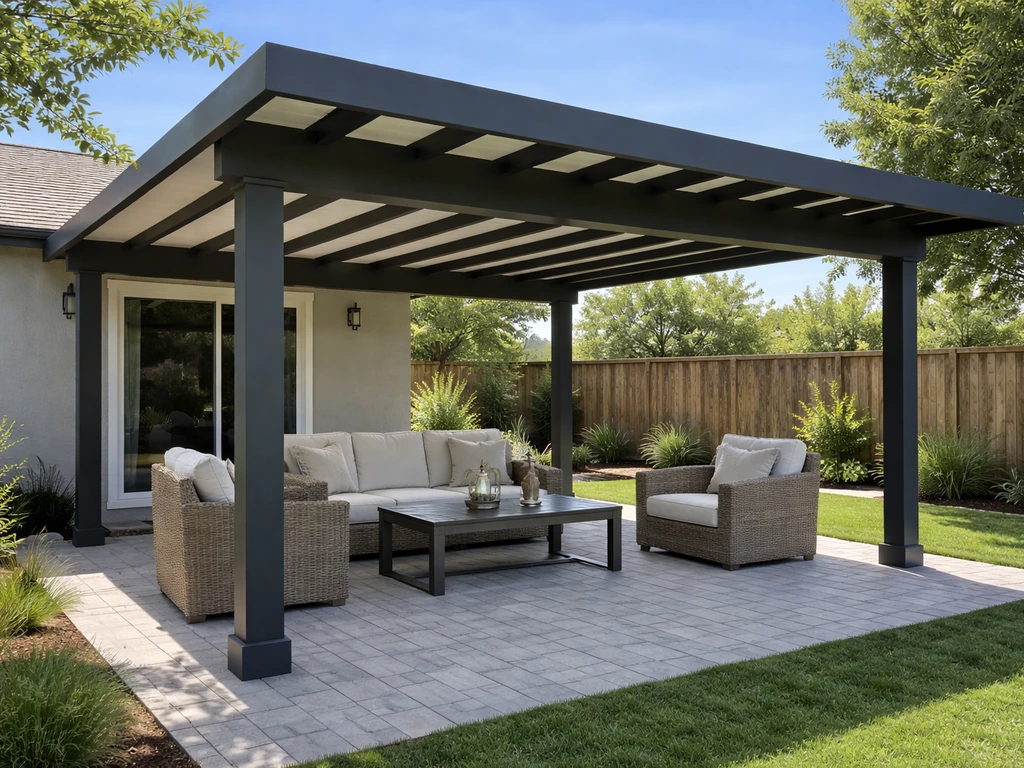
If you're comparing bids, focus on finding the best patio installers near me who are licensed, insured, and willing to provide a detailed, written estimate. You don't need to spend weeks researching. Build a shortlist of three to five local companies, check their licenses and reviews, get itemized quotes, and compare them side by side. The rest of this guide walks you through exactly how to do that.
How to Build a Fast Shortlist of Patio Cover Companies Near You
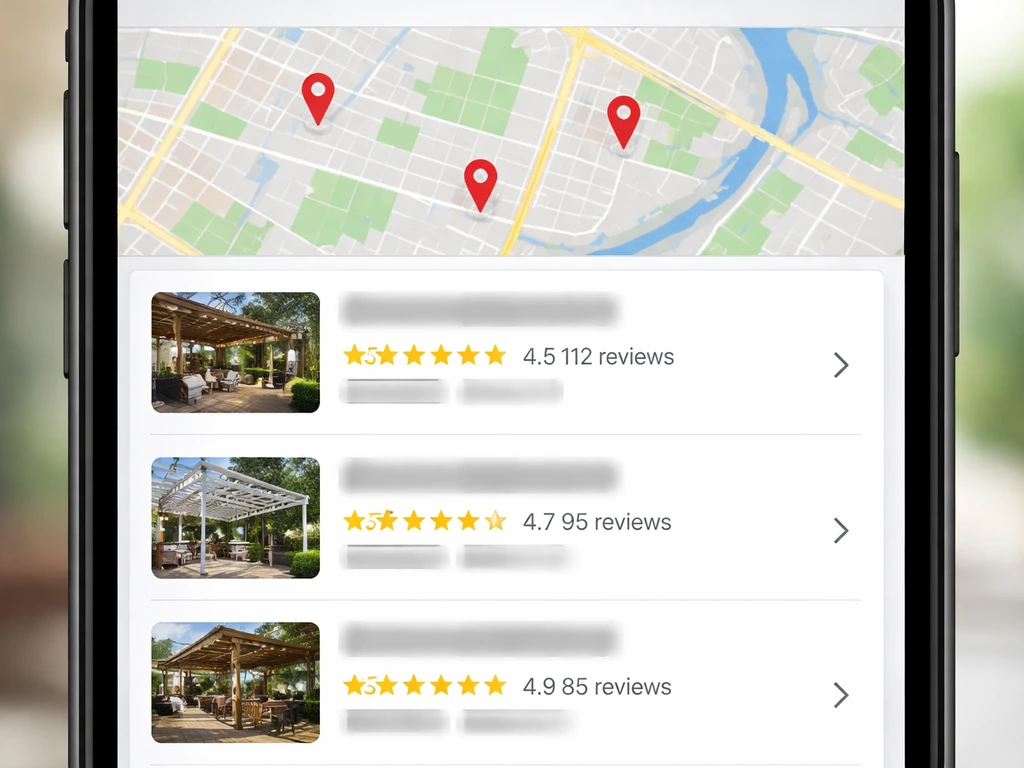
Start with Google Maps. Search 'patio cover installation' or 'patio cover contractor' plus your city name. The map pack at the top of results shows proximity, star ratings, and review count, all of which matter. A company with 80+ reviews and a consistent 4.5-star rating is a much safer bet than one with 12 reviews and a 5.0, which can look inflated. Proximity matters too, because local contractors are more familiar with your area's building codes, permit requirements, and weather conditions.
From there, cross-reference on a few other platforms. Angi, Houzz, and HomeAdvisor all have contractor directories with reviews separate from Google, so you can spot patterns. Check the Better Business Bureau (BBB) as well. The BBB business profiles show accreditation status, complaint history, and how a company responds to disputes, which tells you a lot about how they handle problems after the job is done.
Ask neighbors and your local neighborhood Facebook group or Nextdoor. Word-of-mouth from someone who just had a patio cover installed on your street is worth more than any online review. You can also walk over and look at the finished work yourself. If you also want to enhance the look and functionality of the outdoor space, the best patio landscapers near me can help you design hardscape and plantings that pair well with your cover.
- Search Google Maps for 'patio cover contractor [your city]' and note companies with 50+ reviews
- Check Angi and Houzz for additional reviews from a different pool of customers
- Look up each company on the BBB website for complaint history and accreditation
- Ask neighbors or community groups for recent referrals you can actually go look at
- Aim for a shortlist of 3 to 5 companies before you start calling for estimates
What Actually Makes a Patio Cover Contractor 'The Best'
The word 'best' gets thrown around a lot, but here's what it actually means when hiring a patio cover company: they're licensed in your state, carry liability insurance and workers' comp, pull permits for the work, and stand behind the installation with a written warranty. If you're also comparing options for the best patio enclosure companies, use the same criteria like licenses, insurance, permits, and written warranties. Everything else, like nice photos on Instagram, is secondary.
License and Insurance Verification
Every state has a contractor licensing board, and most let you look up a contractor's license online by name or license number in about 30 seconds. Do it. An unlicensed contractor working on a structural attachment to your house creates real liability for you if something goes wrong, and your homeowner's insurance may not cover it. Ask for their license number and certificate of insurance before you even book a site visit.
Permits and Code Compliance
Most attached patio covers require a building permit. The city of Las Vegas, for example, has a dedicated patio cover permit application that requires the contractor's license number and business license. This is not unusual. A contractor who tells you permits aren't necessary for a structure attached to your home is a red flag. You can also look up permit history for your address through your city or county's online portal to verify that a company you're considering actually pulls permits on their jobs.
Experience and Portfolio
Ask to see photos of completed projects similar to what you want, and ask specifically about experience in your region. A company that has built 200 patio covers in the Pacific Northwest understands rain loads, drainage slopes, and moisture barriers in a way that a new-to-your-area company simply doesn't. For anything structural, like a roofed solid patio cover attached to your house, ask if they've worked with engineers for stamped structural drawings on projects with wind or snow load requirements.
Warranty Coverage
Get warranty terms in writing, separated into two categories: the product/material warranty from the manufacturer, and the contractor's labor warranty for the installation itself. A quality aluminum patio cover system like Alumawood typically comes with a manufacturer's paint and structural warranty. The contractor's labor warranty should cover at minimum one year on workmanship, and two to five years from reputable companies. If a contractor won't put their warranty in writing, that tells you everything.
Patio Cover Types: Materials, Styles, and What 'Best' Looks Like for Each
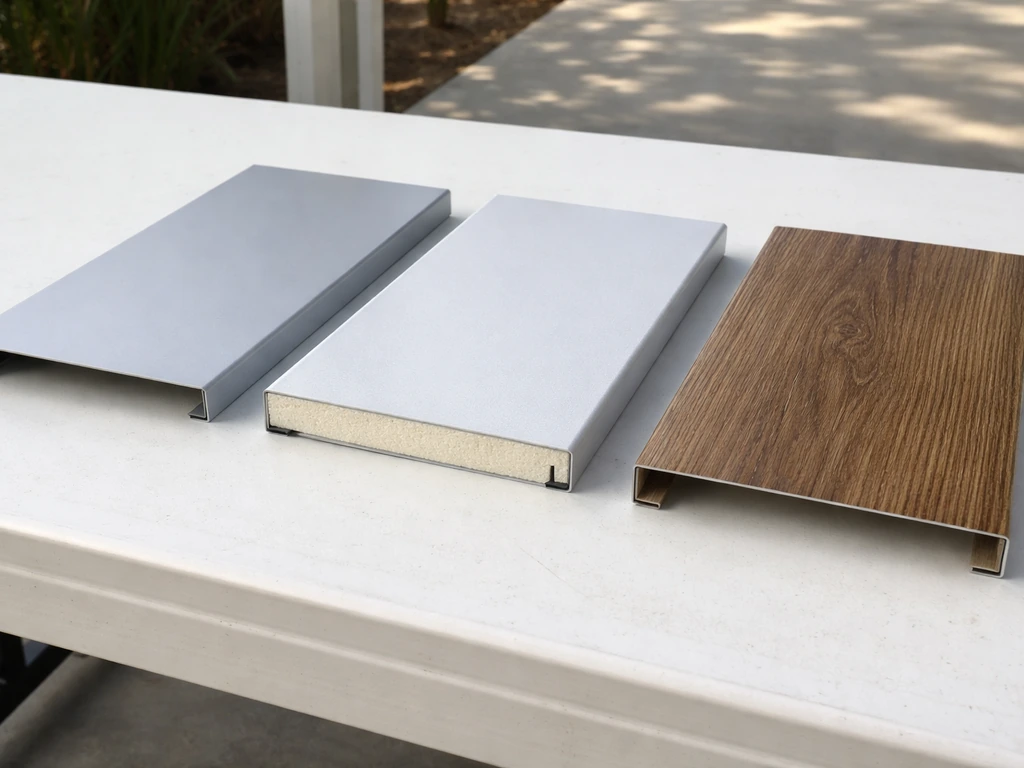
The 'best' patio cover is the one that matches your climate, budget, and how you plan to use the space. A louvered pergola that looks stunning in Arizona is a poor choice in Minnesota. Here's a practical breakdown of the main types.
| Cover Type | Best For | Typical Installed Cost (per sq ft) | Durability | Maintenance |
|---|---|---|---|---|
| Solid Aluminum (e.g., Alumawood) | Year-round shade, most climates | $20–$50 | Excellent (30+ years) | Very low |
| Wood (cedar, redwood) | Aesthetic appeal, moderate climates | $30–$60 | Good with upkeep | High (staining, sealing) |
| Vinyl/PVC | Humid climates, budget builds | $15–$35 | Good | Low |
| Lattice/Open Pergola | Partial shade, aesthetic use | $15–$40 | Varies by material | Moderate |
| Insulated Patio Cover | Hot or cold climates needing insulation | $40–$80+ | Excellent | Very low |
| Retractable Awning | Flexible shade, smaller spaces | $20–$65 | Moderate (fabric) | Moderate |
| Louvered Pergola (motorized) | Premium, adjustable light/rain | $70–$150+ | Excellent | Low |
Solid aluminum systems are the workhorse choice for most homeowners. They hold up in heat, resist rust, and require almost no maintenance beyond an occasional wash. Wood looks incredible but needs consistent sealing and is more vulnerable to moisture and insects. Vinyl splits the difference on price and maintenance but can fade in intense UV climates like Arizona or Texas. Insulated covers are worth the premium if you're in a region with extreme heat or cold, because they dramatically reduce heat transfer into the covered space.
Louvered pergola systems have exploded in popularity over the last few years and for good reason: you can adjust airflow and shade on demand, and the better ones handle light rain. But the installed cost can easily hit $150 per square foot, so they're a serious investment. If you're comparing patio cover companies specifically for a louvered system, make sure the contractor is certified by the manufacturer, because installation errors on motorized systems are common and expensive to fix.
Questions to Ask Every Company During the Estimate
A site visit and estimate is your best opportunity to evaluate a company. Most people just listen and nod. Instead, come with specific questions and watch how the contractor responds. A good contractor will welcome detailed questions. A sketchy one will get vague or evasive.
- Will you pull the permit, or is that my responsibility? (The answer should always be them.)
- What is your contractor license number, and can I verify it online?
- Do you carry general liability insurance and workers' compensation? Can I see the certificate?
- Is your bid a fixed price or an estimate that can change? What triggers change orders?
- What's included in cleanup — debris, concrete saw dust, old footings if any?
- What's the current lead time from contract signing to installation start?
- Will this attachment require flashing and a moisture barrier at the ledger or fascia connection?
- Has your design been reviewed for wind load and/or snow load requirements in this area?
- What is your labor warranty, and is it in writing?
- Who will actually be doing the installation — your employees or subcontractors?
That last question matters more than people realize. Some contractors sell the job and then hand it off entirely to a sub they've never worked with before. That's not necessarily a dealbreaker, but you want to know who will be on your property and who is accountable for the work quality.
On the structural side: if your cover is attached to the house and you're in a high-wind or snow zone, ask whether they use stamped structural drawings and whether the post anchoring system is engineered for uplift resistance. This isn't overcautious, it's standard practice on quality jobs. Improper post anchoring and flashing at attachment points are two of the most common installation mistakes that turn a patio cover into an expensive problem later.
What Patio Covers Actually Cost and What Changes the Price
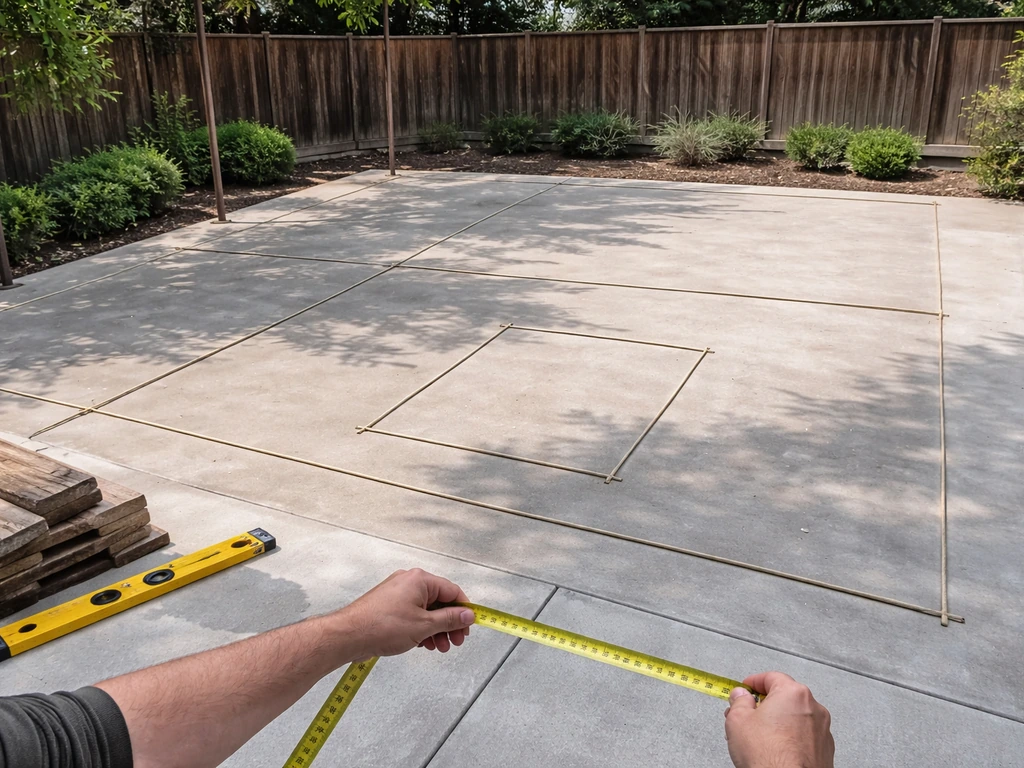
Nationally, most homeowners spend between $4,500 and $12,000 on a patio cover installation, with an average around $8,500 according to Angi's cost data. On a per-square-foot basis, that typically shakes out to $20 to $50 for standard aluminum systems installed, and up to $150 or more per square foot for premium louvered or custom-built options. Your actual number depends on a handful of key factors.
What Drives the Price Up or Down
- Size: a 10x12 cover costs far less than a 20x30 — obvious, but sq ft pricing does shift slightly at scale
- Material choice: aluminum is generally most cost-effective; wood and louvered systems push costs up
- Attached vs. freestanding: attached covers require more structural work, flashing, and often permits
- Roofing/cover type: solid insulated panels cost more than lattice or open-beam designs
- Add-ons: ceiling fans, misting systems, lighting, and electrical rough-in all add $500 to $3,000+
- Site complexity: uneven grade, concrete demo, or difficult access adds labor cost
- Permit fees: varies by city/county, but budget $150 to $600 in most markets
- Labor market: contractor rates in California or the Pacific Northwest run higher than in the South or Midwest
If you're budget-conscious, the best lever to pull is material. Swapping from a custom wood structure to an engineered aluminum system like Alumawood or a similar panel product can cut your cost by 30 to 40 percent while actually improving durability and maintenance profile. Add-ons like misting systems and fans are worth pricing separately, because some contractors bundle them in at inflated rates. Get separate quotes if you're interested in those features.
Always get at least three itemized bids. A lump-sum quote that doesn't break out materials, labor, permits, and add-ons is impossible to compare. If a contractor won't give you a line-item breakdown, ask for one. If they refuse, move on.
How Your Climate Should Drive Your Cover Choice
Where you live should directly shape what type of patio cover you buy and what structural requirements you insist on. Contractors who specialize in your region will naturally steer you right here, but it helps to go in with some baseline knowledge.
Hot, Sunny Climates (Southwest, Texas, Southeast)
UV intensity and heat are your main concerns. Solid or insulated aluminum covers with reflective finishes dramatically reduce heat buildup under the structure. In these regions, misting systems and ceiling fans are a natural pairing and most local contractors will have solid experience installing them together. Avoid untreated wood in intense UV environments unless you're committed to resealing every two to three years.
High-Wind Areas (Coastal Regions, Plains, Hurricane Zones)
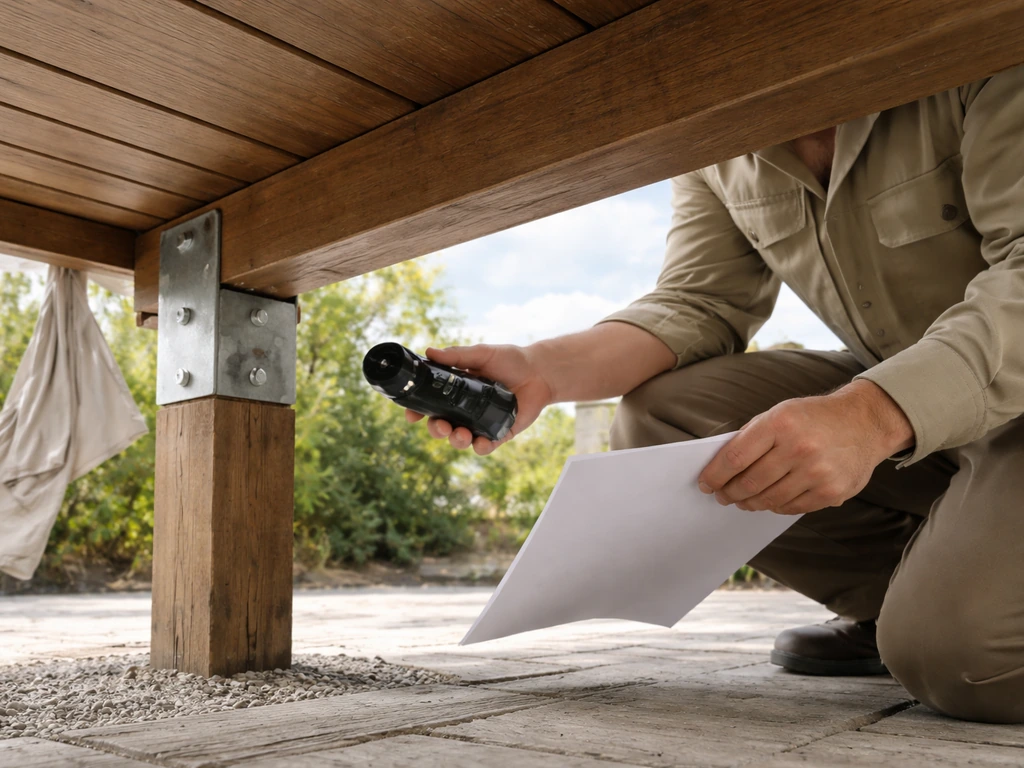
Wind uplift is a serious structural concern for any attached cover. blank" rel="noopener noreferrer">ICC-ES evaluation report PDFs like ESR-2464 include design wind uplift load information in their tables, which helps support roof or cover performance claims. The International Building Code references ASCE 7 standards for wind load design, and in high-wind zones your cover should have engineering behind it. Ask contractors specifically about wind uplift ratings and whether the design accounts for ASCE 7 parameters. Freestanding covers in hurricane zones need engineered post anchoring, not just surface-mounted hardware on a slab. A contractor who can produce stamped structural drawings for your job is worth the premium in these areas.
Snow-Load Regions (Midwest, Mountain States, Northeast)
Snow adds significant weight load to a patio cover roof. ASCE 7-22 Chapter 7 governs snow load design, including rain-on-snow surcharge loads that many homeowners don't think about. A quality contractor in snow country will size beams and columns for local ground snow loads and will pitch the roof enough to shed snow rather than let it accumulate. Flat or very low-slope roofs in snow climates are a liability. Get the pitch question answered before you agree to a design.
Wet, Rainy Climates (Pacific Northwest, Gulf Coast)
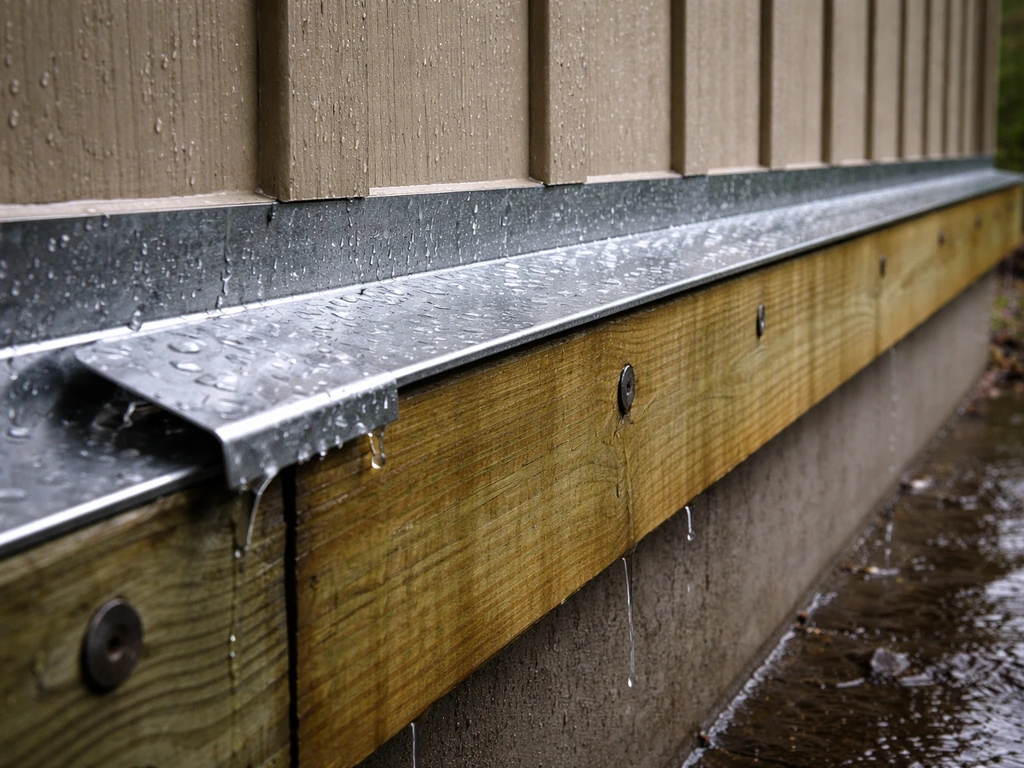
Drainage and waterproofing at the ledger connection are critical here. Improperly flashed attachment points channel water directly into your wall assembly, which can cause rot and mold behind the siding long before you notice anything visible. A contractor working in a wet climate should be describing flashing details, moisture barrier placement, and roof slope almost automatically. If they're not, ask directly.
DIY vs. Hiring a Contractor: An Honest Take
DIY patio cover kits are real and they can save you money, but the honest answer is that they're not for everyone. If you're comfortable with basic framing, reading instructions, and working with a helper for a weekend or two, a freestanding pergola kit from a company like Yardistry, Sunjoy, or similar is genuinely manageable. Costs for DIY kits often come in below professional installation, and you skip the permit process in many jurisdictions for freestanding structures under a certain size (check your local rules before assuming this).
Where DIY gets risky is on attached covers. Anchoring into your home's rim joist or fascia with improper flashing is one of the most common sources of water damage claims. You need to understand lag bolt sizing, membrane flashing sequence relative to your housewrap, and ledger waterproofing, none of which are obvious if you haven't done it before. Getting it wrong doesn't just leak, it can rot your wall framing over several years before you see any signs.
The other DIY pitfall is anchoring posts to a slab or pavers without a proper structural base. Surface-mounting a post to a concrete patio with a simple bracket is often inadequate for uplift loads. In anything but the most sheltered locations, engineered post bases set in proper footings are the right call.
When to DIY vs. When to Hire
| Scenario | DIY Realistic? | Notes |
|---|---|---|
| Freestanding pergola, flat lot, calm climate | Yes | Kit options widely available; weekend project for handy homeowners |
| Attached cover, simple ledger attachment, mild climate | Maybe | Requires correct flashing and ledger technique; mistakes are costly |
| Attached solid roof cover, permit required | Usually no | Structural design, permits, and inspections favor a licensed contractor |
| High-wind or snow-load zone | No | Engineering requirements and liability make pro installation necessary |
| Motorized louvered system | No | Manufacturer certification required; errors void warranty |
| Large cover over 200 sq ft | No | Scale increases structural complexity and permit requirements |
If you're on the fence, get a contractor quote first. Sometimes the labor cost for a simple freestanding structure is modest enough that the peace of mind and permit coverage are worth it. Other times the quote confirms that doing a straightforward kit install yourself makes real financial sense. Either way, knowing the number helps you decide.
If your project extends into full outdoor living additions or you're comparing patio cover work with broader scope projects, the considerations around hiring out overlap with finding general patio contractors or deck and patio contractors who can handle the full scope. If you're comparing options like best patio builders near me, also consider whether broader deck and patio contractors can handle the full scope. If you need help with a larger outdoor renovation, start by comparing deck and patio contractors near me who can handle the full scope. For cover-specific work, though, specialists who focus on patio cover systems tend to move faster, stock the right materials, and know local permit requirements cold.
Your Next Steps
Here's the short version of everything above turned into an action plan. Follow these steps in order and you'll go from search to signed contract with confidence.
- Search Google Maps and Angi for patio cover contractors in your city with 50+ reviews and at least a 4.4 rating
- Check BBB profiles for complaint history on your top three to five candidates
- Verify each contractor's state license online before scheduling a site visit
- Ask for proof of liability insurance and workers' comp at first contact
- Book site visits with at least three contractors and bring your question list
- Request fully itemized bids that break out materials, labor, permits, and add-ons separately
- Compare bids on scope (what's included), not just total price
- Confirm the selected contractor will pull the permit and provide a written labor warranty
- For high-wind or snow regions, ask for stamped structural drawings before signing
FAQ
Who should handle permits and inspections for a patio cover, the homeowner or the contractor?
Ask for a written “permit responsibility” statement. Some contractors pull permits, others submit on your behalf, and a few only assist. If you see no clear line item for permits and inspections, confirm who schedules the inspections and who pays any correction fees if the city rejects the plans.
Should I expect the quote to include disconnecting or rerouting gutters, lights, or other house features?
Yes, you should ask whether the estimate includes removal and reinstallation of any attached items (gutters, soffit vents, downspouts, existing lights). Even when the cover itself is straightforward, relocation or waterproofing at those interfaces can change the price and affect warranty coverage.
How do I verify lead times and what happens if permits or materials are delayed?
A reliable contractor can tell you their typical lead time for the exact material type you want (solid aluminum, insulated, wood, or louvered). Also ask whether their timeline assumes permit approval and how they handle delays (weather, engineering turnaround, backordered panels) without adding surprise charges.
What details should I ask about waterproofing at the ledger so it doesn't damage my wall?
For attached covers, ask specifically how they deal with the ledger attachment on your wall cladding type (stucco, brick, siding) and which flashing system they use. The key details are waterproofing sequence, flashing overlap, and whether they tie into existing housewrap with a membrane designed for your wall material.
Is the product and labor warranty transferable, and what commonly voids it?
Get the warranty on two fronts, product and labor, and confirm whether it is transferable if you sell the home. Also ask what voids coverage (for example, owner modifications, cleaning products that damage finishes, missing maintenance) so there are no surprises during a future claim.
What insurance details should I request beyond “they are insured”?
Don’t just ask if they’re insured, ask what the policy covers for your project type. Confirm general liability limits and workers’ comp, and ask for certificates of insurance with your contractor’s current business name and license number matching the estimate.
If I’m in an HOA, do I need a contractor who can handle HOA submittals too?
If you have an HOA, ask whether the contractor is experienced with your community’s approval process before you sign. Get written confirmation of what submittals they provide (drawings, materials, color options) and whether they coordinate with HOA requirements without extra billing.
What should I ask for on a motorized louvered pergola (controls, weather settings, warranty)?
For louvered pergolas, ask how the motorized system will be controlled (remote, app, wired switch) and how weather conditions are handled (rain sensors, wind limits, auto shutoff). Also ask who covers electronics under warranty, since motor issues can be separate from structural warranty.
How do patio cover installers handle drainage, runoff direction, and splash at the bottom of the structure?
Ask how they plan for runoff and where water goes after the cover drains. A good installer will discuss guttering, downspouts, grading, and splash protection, especially if your patio area collects water or sits near landscaping or foundations.
What common items get left out of patio cover contracts and cause change orders?
Yes, request a contract line item that states what’s included and what’s excluded (site cleanup, hauls, electrical work for lighting or motors, and any painting or finish coating). Vague “miscellaneous” charges are a common source of cost creep, so tighten the scope before signing.
How can I compare bids fairly if each contractor describes the work a little differently?
If you’re comparing bids, normalize them by scope: material brand and thickness, beam spacing, roof panel type, color/finish system, and whether it’s engineered for your wind or snow conditions. Two “similar” quotes can vary massively when one is using different structural members or assumes a different attachment detail.
Next Articles
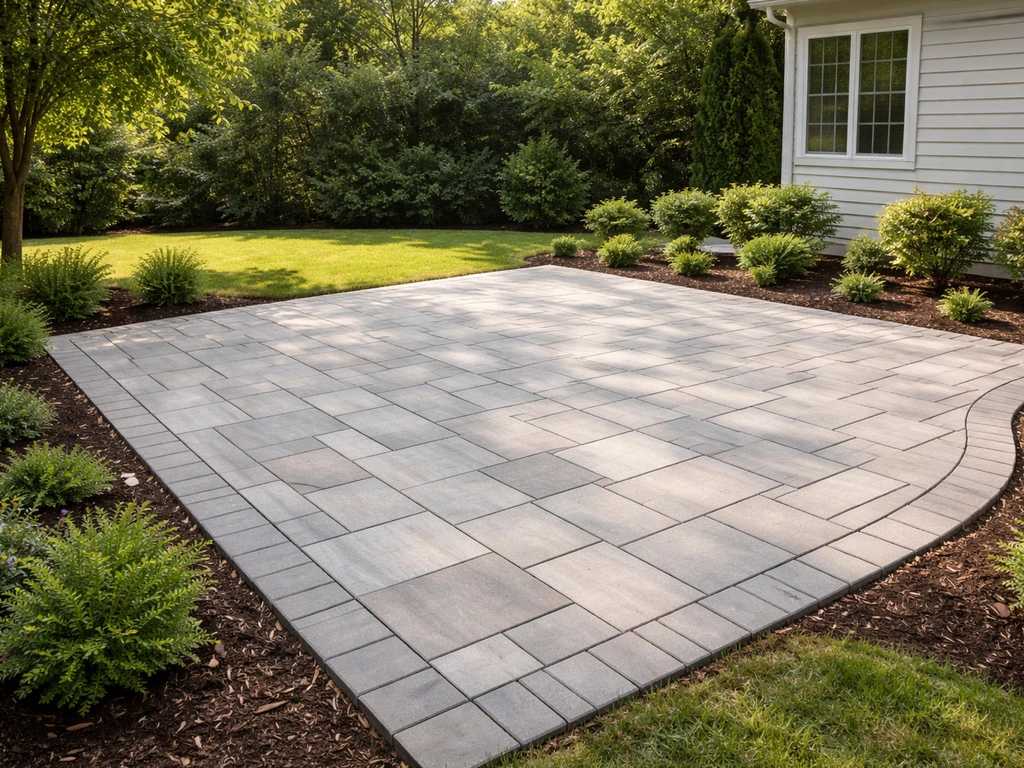
Best Patio Contractors: How to Vet and Compare Quotes
Vet and compare patio contractors with a checklist, bid line items, red flags, and pricing apples-to-apples guidance.
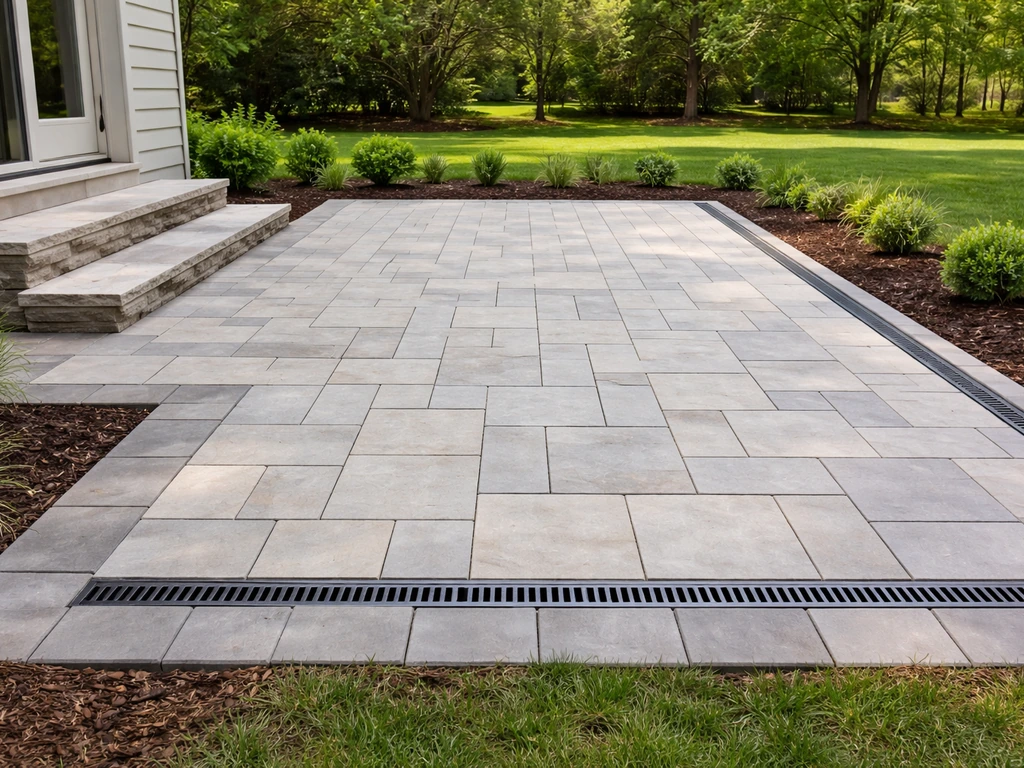
Best Patio Builders Near Me: How to Choose and Compare
Checklist for choosing the best patio builders near you, vet pros, compare quotes, and plan materials, drainage, and tim
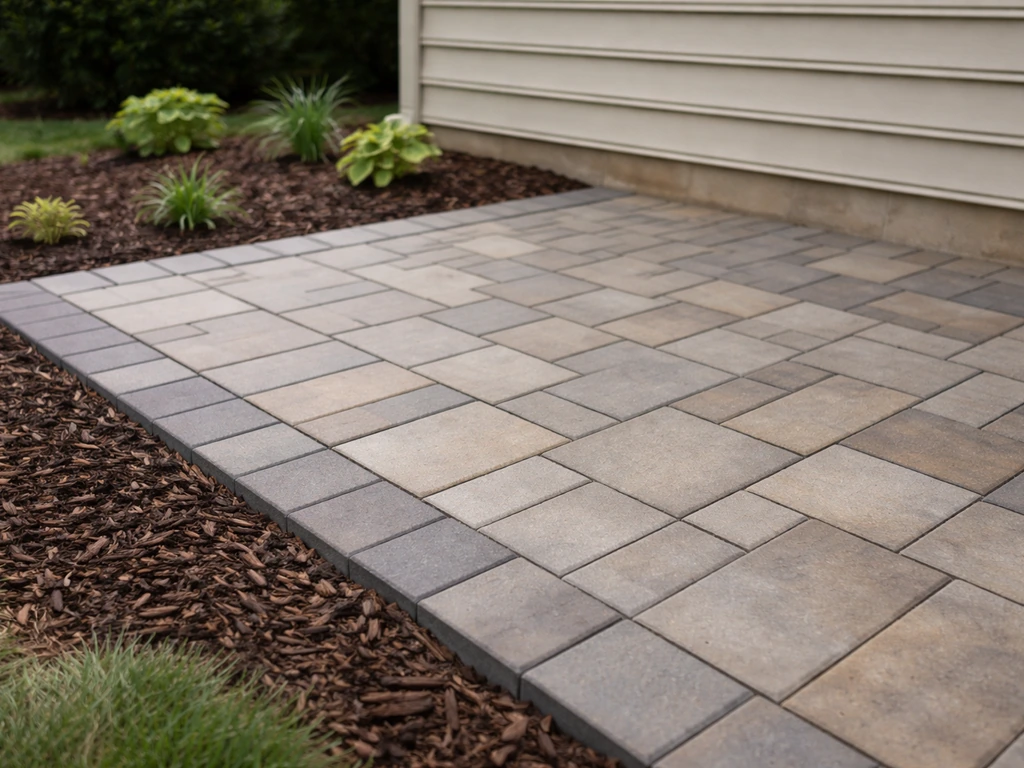
Best Patio Installers Near Me: How to Choose Locally
Step-by-step guide to hire the best patio installers near you: scope, screening, quotes, red flags, and install expectat