
Finding the best patio builder near you comes down to three things: verifying they're properly licensed and insured, comparing bids that cover identical scope (especially base prep and drainage, which most homeowners overlook), and making sure the design actually fits your local climate before you sign anything. That process can take as little as one to two weeks if you know exactly where to look and what to ask.
Best Patio Builders Near Me: How to Choose and Compare

Phoebe Foster
17 May 2026
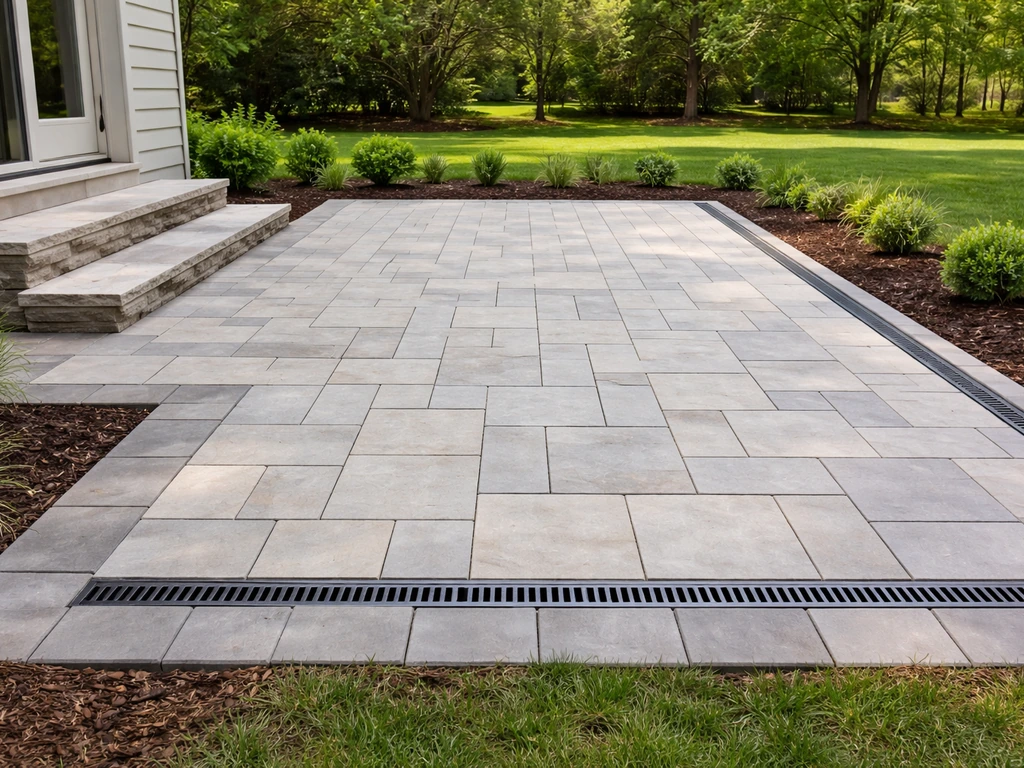
What 'best' actually means for your specific patio project
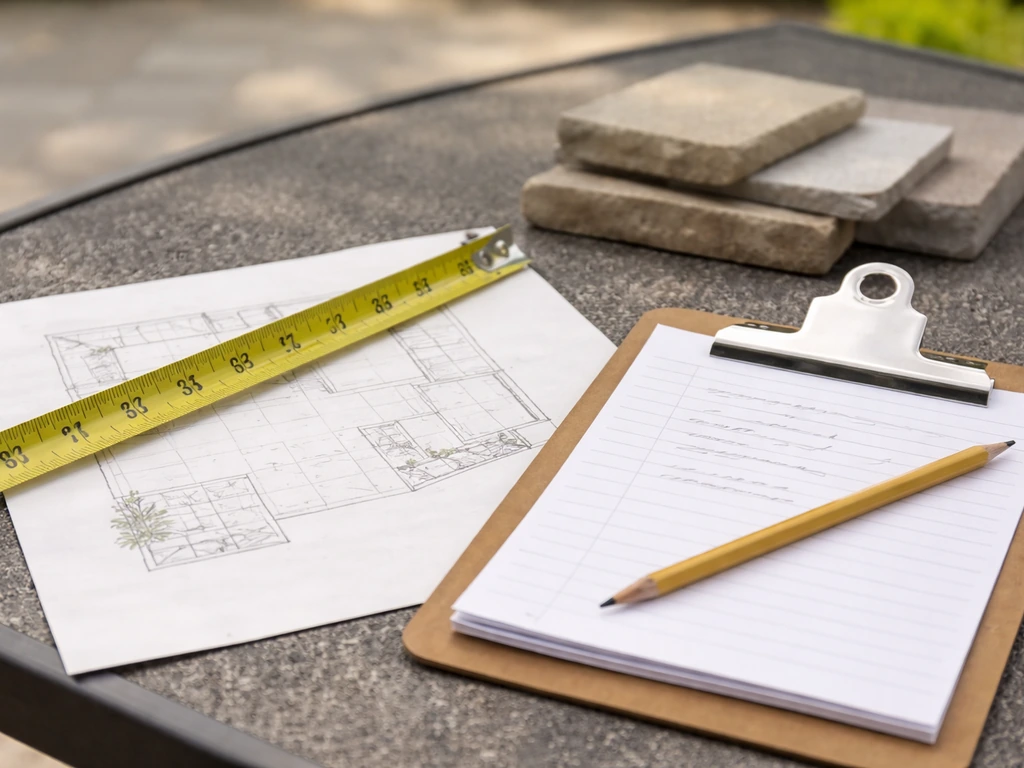
The best patio builder for your neighbor might be completely wrong for you. A contractor who specializes in stamped concrete patios may have no real experience laying natural stone. Someone great at a simple rectangular slab might struggle with a multi-level design that includes a pergola, built-in lighting, or a drainage channel. So before you start searching, get clear on what "best" means for your project specifically.
For most homeowners, a genuinely strong contractor hits all of these marks: active license and adequate insurance, a portfolio that includes projects similar to yours in scale and material, verifiable references from real customers (not just online reviews), a clear written process from design through cleanup, and pricing that reflects honest base prep and drainage work, not just surface-level square footage. Warranty terms matter too. A one-year workmanship warranty is a minimum floor; reputable builders often offer two to five years on labor.
Value is not the same as cheap. A low bid that skips proper base compaction or drainage grading will cost you more in settling, cracking, and water damage within three to five years than paying a fair price upfront. Keep that in mind every time you're tempted by the lowest number.
How to find top patio builders in your area
Start with the sources most likely to surface contractors who actually do patio work at a professional level, not general handymen who dabble in concrete on weekends. If you're looking for the best patio installers near me, start by comparing licensed, insured contractors who have experience with your local climate and patio features.
- Google search: "patio contractor [your city]" or "patio builder [your zip code]" pulls Google Business listings with reviews, photos, and contact info. Look for contractors with at least 20 reviews and an average of 4.4 stars or higher.
- Houzz and Angi: Both platforms let you filter by project type (patio installation), read verified reviews, and see portfolio photos. Houzz is particularly good for visual portfolio browsing.
- Nextdoor and local Facebook groups: Ask neighbors directly. Personal referrals from people in your neighborhood who have already seen the finished work are some of the most reliable leads you'll find.
- Material supplier referrals: If you already know you want pavers, travertine, or a specific stone, call a local hardscape or masonry supplier and ask who their best customers are. Suppliers know which contractors order quality materials consistently and pay their bills on time.
- The National Association of Landscape Professionals (NALP) and Interlocking Concrete Pavement Institute (ICPI) both have contractor locator tools for members who have met their certification standards.
Aim to build a starting list of five to seven contractors, then narrow to three for actual bids. Getting fewer than three quotes makes it hard to spot an outlier, whether that's a suspiciously low bid or one contractor padding costs significantly above market rate.
Vet them properly: licenses, insurance, experience, and references
This step is non-negotiable, and it takes about 15 minutes per contractor if you know where to look. Do not skip it because someone has nice photos on Instagram.
License verification
In California, use the Contractors State License Board (CSLB) "Check a License" tool at cslb.ca.gov. Enter the contractor's business name or license number and you'll see whether the license is active, what classification it covers, and whether any complaints have been disclosed. In Washington state, use the Labor and Industries "Verify a Contractor, Tradesperson or Business" tool at lni.wa.gov, which confirms both active contractor registration and workers' compensation coverage status. Most other states have equivalent licensing boards with searchable online databases. A quick Google search for "[your state] contractor license lookup" will get you there. If a contractor can't give you a license number, that's an immediate disqualifier.
Insurance

Ask for a certificate of insurance showing both general liability and workers' compensation coverage. The CSLB specifically warns homeowners that if a worker is injured on your property and the contractor doesn't carry workers' comp, you could be held financially liable.
CSLB specifically advises homeowners that if a worker is injured on your property and the contractor does not carry workers' compensation, the homeowner could be held financially liable [CSLB warns that you could be held financially liable if an injured worker is not covered by the contractor’s workers’ compensation](https://www. cslb. ca. gov/consumers/hireacontractor/findingtheright_contractor.
aspx). [In Washington, L&I requires bond and insurance to be registered under the exact business name with L&I listed as the certificate holder. ](https://www. lni.
wa. gov/licensing-permits/contractors/) Request the certificate directly from the contractor's insurer, not just a copy the contractor hands you, to confirm it's current and not expired.
Portfolio and experience
Ask to see five to ten completed projects similar to yours in material and complexity. Pay attention to whether the contractor finishes cleanly around edges, how grout lines and joints look over time (check older projects if possible), and whether drainage is visibly incorporated. If you want a patio with a cover, fans, or misters, make sure they have experience with those features specifically, or work with a partner who does. A patio builder who has never coordinated an electrical rough-in for overhead fans will slow your project down.
References
Ask for three to five references from projects completed in the last 18 months. Call them. Ask how the contractor handled problems (because every project has at least one), whether the final price matched the bid, and whether the patio has held up with no settling or cracking since installation. A contractor who hedges on providing references or offers only email contacts instead of phone numbers is a yellow flag.
Get bids you can actually compare

One of the most frustrating things about getting patio bids is that two contractors can quote wildly different prices for what sounds like the same job. The reason is almost always what's not written down. A detailed scope of work is how you fix that.
Before you invite bids, write out a simple one-page project description that every contractor responds to. Include the approximate square footage, the material you're leaning toward, any features you want (shade structure, outdoor fans, misting system, furniture zones), and your rough budget range. This forces all three bids to address the same project.
Then review each bid line by line using these categories:
| Bid Element | What to Look For | Red Flag |
|---|---|---|
| Base prep and compaction | Excavation depth (typically 4–8 inches depending on material and climate), compacted gravel sub-base thickness specified | No mention of base prep at all |
| Drainage | Slope grade noted (minimum 1/8 inch per foot away from structure), drainage channel or French drain if needed | No drainage plan in a climate with heavy rain |
| Materials | Brand, grade, and thickness of pavers/concrete/stone specified | Just listed as 'pavers' with no spec |
| Timeline | Start date, completion estimate, and what causes delays | Vague start date or 'we'll squeeze you in' |
| Cleanup and haul-off | Debris removal, final grade cleanup included | Not mentioned |
| Change orders | How changes are priced and approved (written only) | Verbal change orders accepted |
| Payment terms | Deposit amount (10–30% is typical), milestone payments, final payment at completion | Large upfront payment (50%+) required before work starts |
| Warranty | Duration and what it covers (labor, materials, or both) | No written warranty offered |
The base prep and drainage lines are where cheap bids hide their shortcuts. A properly prepared patio base in a freeze-thaw climate like the Midwest or northern states might require 8 inches of compacted gravel. In a dry Southwest climate, 4 inches may be sufficient. If one bid is 20% lower than the others, look at the base prep spec first.
Questions to ask and red flags to watch before you sign
The consultation call or site visit is your best chance to read a contractor before any money changes hands. If you want to compare options right away, start by looking for the best patio landscapers near me who also plan around drainage and base prep. A good place to start is comparing the best patio contractors based on licensing, recent project examples, and whether they build for your local climate. Come prepared with direct questions.
Questions worth asking every contractor
- Will this project require a permit, and if so, will you pull it and handle inspections? (In most municipalities, a patio over a certain square footage or attached to a structure requires a permit. A contractor who discourages permits is a red flag.)
- Who is doing the actual work: your employees, or subcontractors? If subcontractors, are they licensed and insured under your coverage?
- What does your base prep process look like for my soil type and climate?
- How do you handle drainage, and what happens if water pools near my foundation after installation?
- What's your process if the project runs over budget due to unforeseen conditions (like hitting rock or discovering poor soil)?
- Can I see the contract language around change orders before I commit?
- What does your warranty cover specifically, and how do I make a claim?
Red flags that should make you walk away
- Requests for more than 30% upfront before any work begins
- Pressure to sign the same day with a 'this price expires tonight' pitch
- No written contract, or a contract with blank fields
- Reluctance to provide a license number or certificate of insurance
- No physical business address (just a cell number and a Gmail account)
- Unusually vague scope of work with no material specs
- Bad pattern in reviews: multiple mentions of abandoned projects, ignored calls after payment, or poor drainage results
- Discouraging permits or suggesting they're unnecessary for your project
Match your patio plan to local climate and the features you want
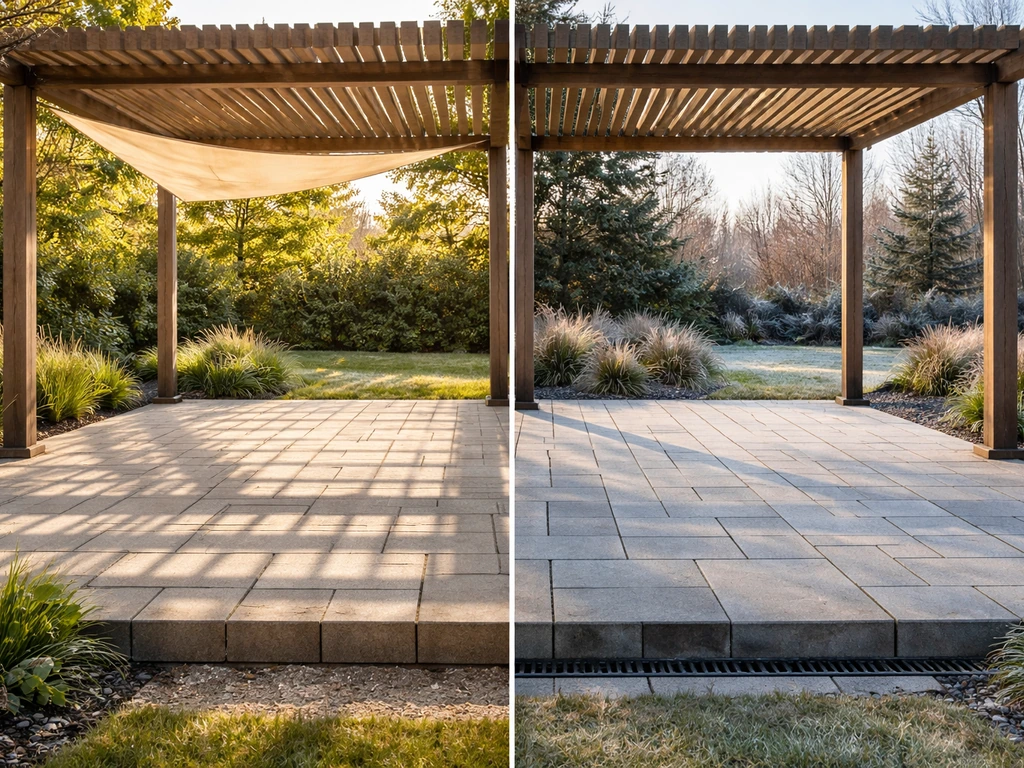
The best patio design in Phoenix looks nothing like the best patio design in Minneapolis. The best patio design in Phoenix looks nothing like the best patio design in Minneapolis best deck and patio contractors near me. Before you finalize your plans or sign a contract, factor in where you actually live and how you'll actually use the space.
Hot and sun-heavy climates (Texas, Arizona, Southern California)
In regions with intense sun and heat, shade is the priority. A patio without a cover, pergola, or shade sail becomes unusable from May through September. If you're building in these climates, plan your shade structure and any misting system or ceiling fans at the same time as the patio surface, not as an afterthought. Concrete and dark pavers absorb and radiate heat significantly. Light-colored travertine or light concrete pavers stay noticeably cooler underfoot. Make sure your contractor accounts for thermal expansion in the joint spacing, since concrete can shift considerably in extreme heat cycles.
Freeze-thaw climates (Midwest, Northeast, Pacific Northwest)
Freeze-thaw cycles are the number one cause of patio failure in colder regions. Water gets into joints or under a thin base, freezes, expands, and lifts or cracks the surface. This is exactly why base depth and compaction matter so much in these areas. Ask your contractor specifically how they account for frost heave. Interlocking concrete pavers actually handle freeze-thaw better than poured concrete slabs in many cases, because the joints flex slightly rather than cracking through a solid slab. Also plan for drainage carefully: spring melt can cause significant water movement across a patio and toward your foundation.
Wet and humid climates (Southeast, Gulf Coast)
High rainfall and humidity create two challenges: drainage and mold. Slope and drainage are critical in climates where you might get 50 to 60 inches of rain per year. A contractor who doesn't specifically address how water exits the patio area is setting you up for puddles, erosion, and potential foundation issues. For materials, natural wood decking requires more maintenance in humidity (staining, sealing annually). Porcelain tile, pavers, and textured concrete hold up better with less maintenance. If you want a covered patio in a wet climate, make sure the roof pitch and gutter plan are part of the spec.
Material quick comparison
| Material | Best Climate Fit | Avg Cost per Sq Ft (Installed) | Durability | Maintenance |
|---|---|---|---|---|
| Concrete paver | Most climates; flex in freeze-thaw | $15–$30 | High | Low |
| Poured concrete | Dry, stable climates | $8–$18 | Medium | Low (seal every few years) |
| Natural stone (flagstone, travertine) | Hot, dry; moderate climates | $20–$45 | High | Low to medium |
| Brick | Most climates | $14–$28 | High | Low |
| Porcelain tile | Hot, wet; covered areas | $18–$40 | Very high | Very low |
| Composite/wood decking | Moderate climates | $25–$50 | Medium (composite higher) | Medium to high (wood) |
Features to plan before the first contractor call
Beyond the surface material and climate fit, think through any features you want now rather than retrofitting them later. Adding electrical conduit for fans or lighting during construction costs a fraction of what it costs to cut into a finished patio afterward. The same goes for gas lines for outdoor kitchens or fire features.
If you think you might want a patio cover, pergola, or screen enclosure down the road, mention it to your contractor so they can design the layout to accommodate it. Hiring the best patio cover installers can help you plan the right roof pitch, support structure, and drainage details from the start.
If you are searching for the best patio cover companies near me, ask early how they plan for roof pitch, permitting, and water drainage so the cover works with your existing patio design. Builders who specialize in patio enclosures or patio covers are sometimes separate from patio surface contractors, so it helps to know early whether you need to coordinate multiple trades.
If you want to compare the best patio enclosure companies, ask about screen or cover systems that match your climate and budget patio enclosures.
Going in with a clear picture of your climate needs, preferred materials, and feature wish list means you'll get more accurate bids, faster timelines, and far fewer surprises once the crew shows up. That clarity is what separates a smooth patio build from a frustrating one.
FAQ
If my patio includes lighting, fans, or a gas fire feature, how do I make sure the builder coordinates permits and utilities?
Yes, but ask what the patio builder is actually managing. Clarify who submits permits, who pulls utilities locates, and whether the contractor coordinates electrical or plumbing subs for fans, misters, or outdoor kitchens. If the bid assumes other trades without listing them, you can end up with timeline gaps and change orders.
How can I avoid choosing patio materials that look good but perform poorly in my climate?
A common mistake is picking a material based on appearance, then learning too late it is hard to maintain or not ideal for your conditions. Ask the builder to recommend one or two material systems for your specific climate (heat, freeze-thaw, heavy rain), and request a maintenance schedule for each option (seal frequency, cleaning approach, joint care).
What warranty details should I look for beyond the length of coverage?
Do not rely on workmanship wording alone. Ask whether the warranty covers cracking, settling, joint failure, drainage problems, and labor costs separately, and confirm how long it lasts for each category. Also ask what happens if damage is caused by improper grading done before the patio starts.
What should I ask for when two patio bids are far apart but claim they cover the same job?
Yes, and you should compare “apples to apples” by asking each contractor to break out base prep quantities (gravel depth, compacted base specs), drainage method (slope and discharge point), and underlayment or edging details. If they cannot describe these in plain terms or they will not provide them in writing, treat the bid as incomplete.
What red flags in the contract or payment schedule usually lead to delays or extra charges?
Watch out for start dates that are vague, payment schedules that are front-loaded, or contracts that let the contractor change scope without a written change order. Ask what your payment milestones are tied to (for example, excavation complete, base installed, final surface set) and make sure the project description matches those milestones.
How do I handle drainage and height transitions if my new patio connects to an existing concrete slab?
If your patio might connect to an existing slab, walkway, or pool deck, ask how they will manage transitions and expansion joints. Clarify whether they will saw-cut, remove the affected sections, re-grade, and match heights to prevent trip hazards and water flow toward your foundation.
What questions should I ask if my yard has soft soil, slope, or signs of pooling water?
Not necessarily. Ask if your builder will test or verify existing soil stability, and whether they use geogrid, proper subgrade prep, or reinforcement when needed. A builder should also specify what they do if they find soft spots, clay pockets, or water during excavation.
How do I plan the build timeline if weather might disrupt excavation, base work, or curing?
Ask about seasonal timing and how they protect work already completed if rain or frost hits. A builder should tell you what stages are safe to leave open (for example, after base compaction but before surface setting) and what curing or waiting periods they follow to avoid premature cracking.
When I check references or past projects, what specific signs indicate long-term quality?
Yes. Request examples of older installations from at least 18 to 36 months ago, not just “recent and perfect” jobs. When you visit, look for joint sand retention, edge stability, efflorescence on tile or stone, and whether runoff has created discoloration or stains near the house side.
How should a patio builder explain drainage, slope, and where water will go after installation?
Many patios fail because water is redirected to the wrong place. Ask them to specify the patio slope (direction and percent), the drainage outlet location, and how they prevent water from getting behind walls, into planting beds, or toward foundation grading. If you have gutters, ask how the patio runoff relates to downspouts and splash zones.
Next Articles
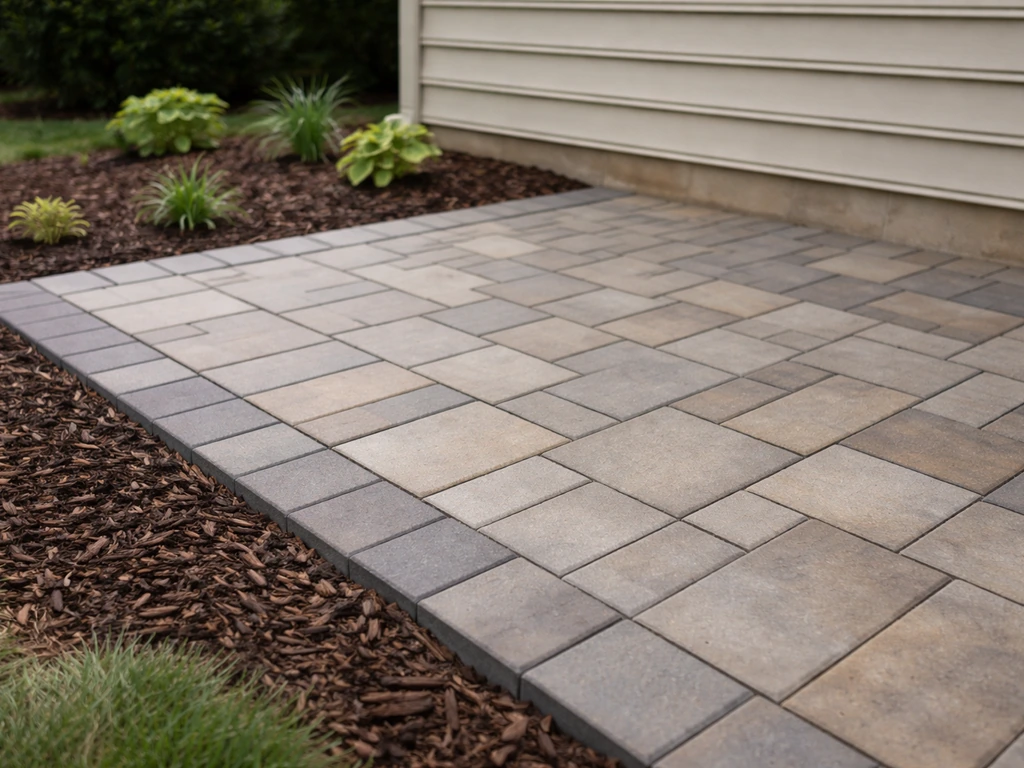
Best Patio Installers Near Me: How to Choose Locally
Step-by-step guide to hire the best patio installers near you: scope, screening, quotes, red flags, and install expectat
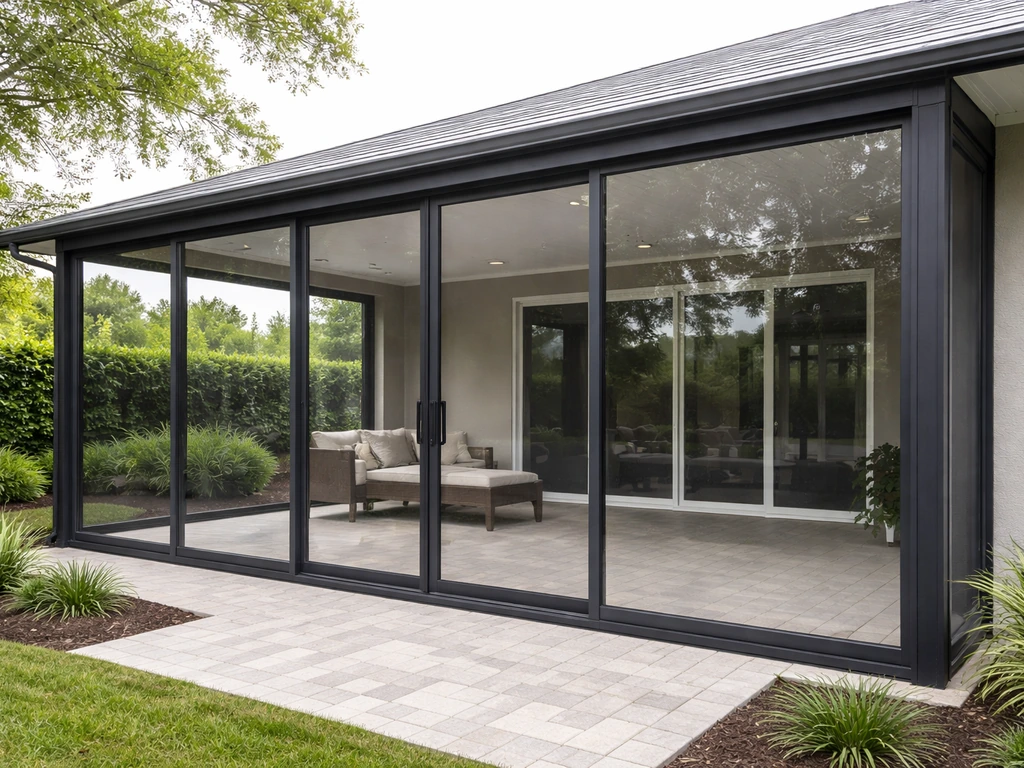
Best Patio Enclosure Companies Near Me: How to Compare
Compare local patio enclosure companies with a checklist: types, quote questions, permits, materials, warranty, and pric
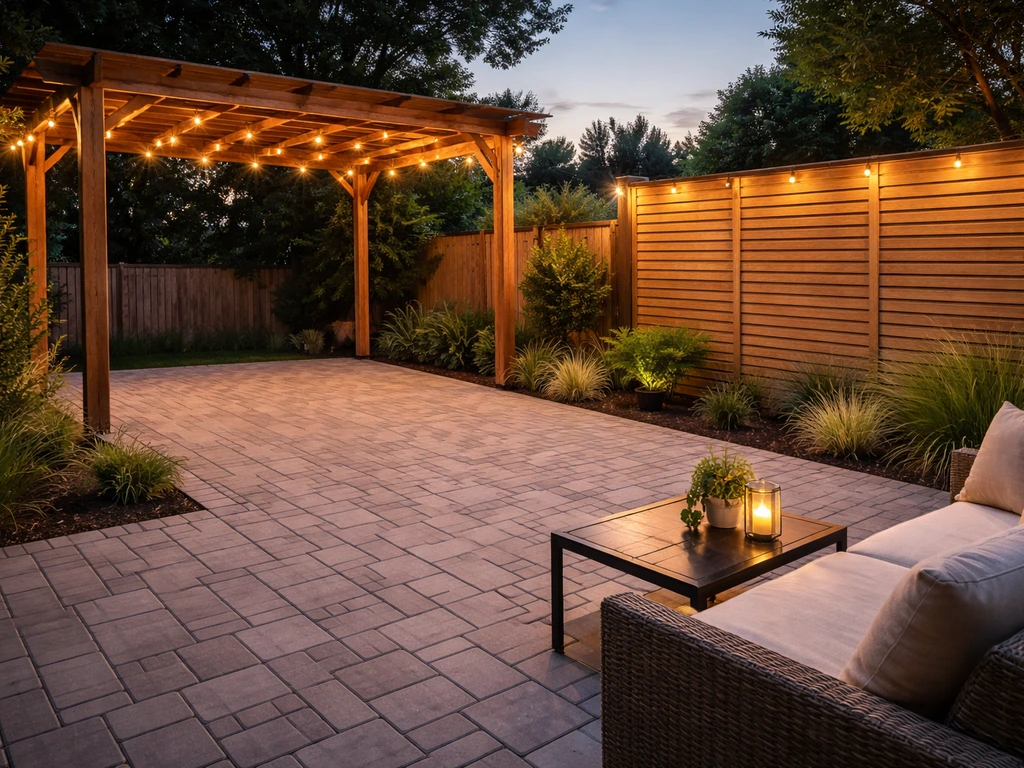
Do It Yourself Outdoor Patio Ideas: Build, Upgrade, Maintain
DIY outdoor patio ideas for planning, building, upgrading, and maintaining floors, shade, privacy, lighting, and decor.