
Finding the best deck and patio contractor near you comes down to three things: knowing where to look, knowing what to ask, and knowing how to compare what you get back. Search Google Maps or Houzz for local deck and patio contractors, collect at least three bids, verify each contractor's license and insurance before you sign anything, and then compare bids by total installed cost and scope, not just the bottom-line number. If you are searching for the best patio builders near me, start by shortlisting several qualified local pros and then verify their licenses and insurance before requesting detailed bids. That process, done right, gets most homeowners to a solid hire in two to three weeks.
Best Deck and Patio Contractors Near Me: Hire Right

Phoebe Foster
4 Jun 2026
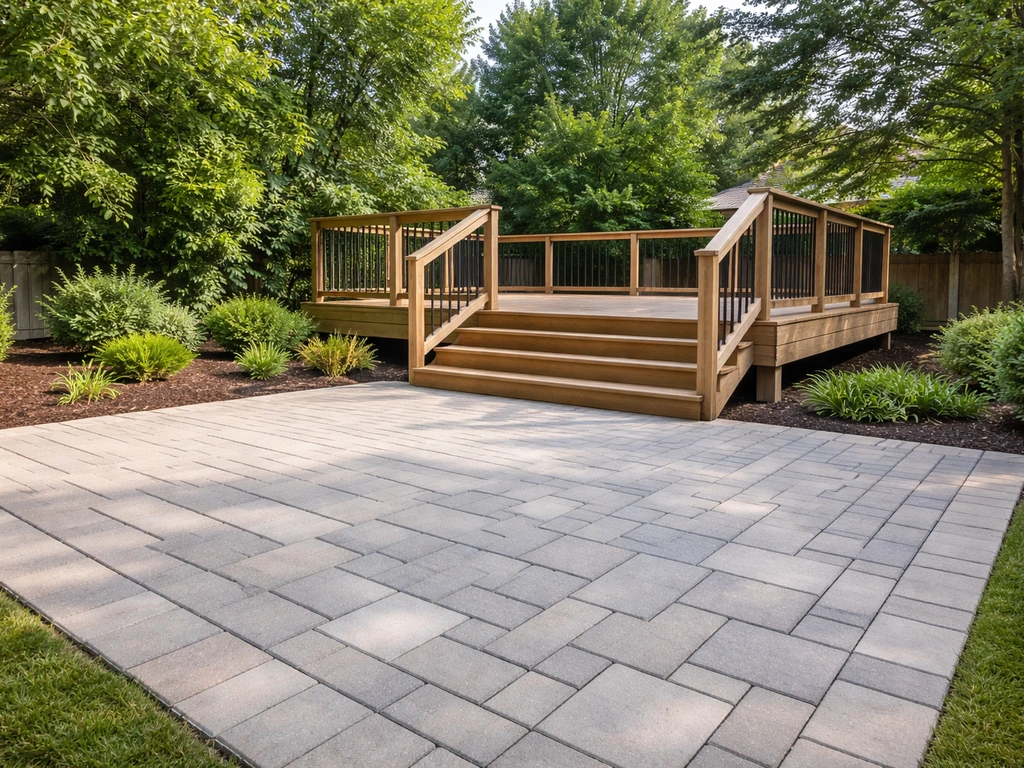
How to find the best deck and patio contractors near you today
Start with a short list from multiple sources rather than going with the first name that appears in a Google ad. If you are specifically trying to book the best patio landscapers near me, start by building that same short list from multiple sources rather than choosing the first name that appears in a Google ad deck and patio contractors near you. Here is the sequence that consistently works well.
- Search Google Maps for 'deck and patio contractors' plus your city name. Check the star rating but pay more attention to the volume of reviews and whether the contractor responded to negative ones.
- Check Houzz, Angi, and the National Association of Home Builders (NAHB) contractor finder. These platforms let you filter by project type and often show portfolio photos.
- Ask neighbors who have recently had a deck or patio built. A job you can actually walk up and look at is worth more than a dozen photos on a website.
- For California homeowners, use CSLB's free 'Find A Licensed Contractor' search at cslb.ca.gov to search by city or ZIP and filter by license classification (a general B license or relevant specialty C classification). Other states have equivalent boards, so search '[your state] contractor license lookup' to find yours.
- Run each name through your state's license verification tool before you even make the first call. In California that is CSLB's 'Check a License' page. Active status, no disciplinary actions, and a license number that matches what appears on their ads and trucks are what you want to see.
- Narrow your initial list to four or five contractors and call each one. A contractor who takes days to return a first call will likely be slow throughout the project.
One thing worth knowing: any legitimate contractor advertisement, whether it is a Google ad, a truck wrap, a flyer, or a business card, should include their state license number. If it is missing or the number does not match what is on file with the state board, that is a red flag you should take seriously before going further.
Questions to ask contractors before you hire anyone
Once you have three to five contractors willing to come out and bid, treat each meeting as an interview. You are not just getting a price. You are figuring out whether this person is qualified, communicative, and organized enough to manage your project through to a clean finish.
Design and materials
- Do you offer design services, or do I need to come in with a plan already drawn up?
- What decking or patio materials do you typically work with, and what do you recommend for my climate and budget?
- Can you show me completed projects in similar materials within the last two years?
- Do you have experience with the specific product or finish I am considering (e.g., composite decking brands like Trex, TimberTech, or Fiberon; pavers; stamped concrete)?
Build process and site logistics
- Who is the lead carpenter or crew leader on my job, and will they be on-site daily?
- Will you be subcontracting any part of this work? If so, which parts and to whom?
- How do you handle site cleanup at the end of each day?
- What happens if you hit unexpected conditions, like poor soil, buried debris, or a footing that needs to go deeper than planned?
- How do you handle structural requirements like post-to-footing connections and load path? (A contractor who can explain IRC 507 deck framing requirements in plain language, even briefly, is someone who actually knows decks.)
Permits and inspections
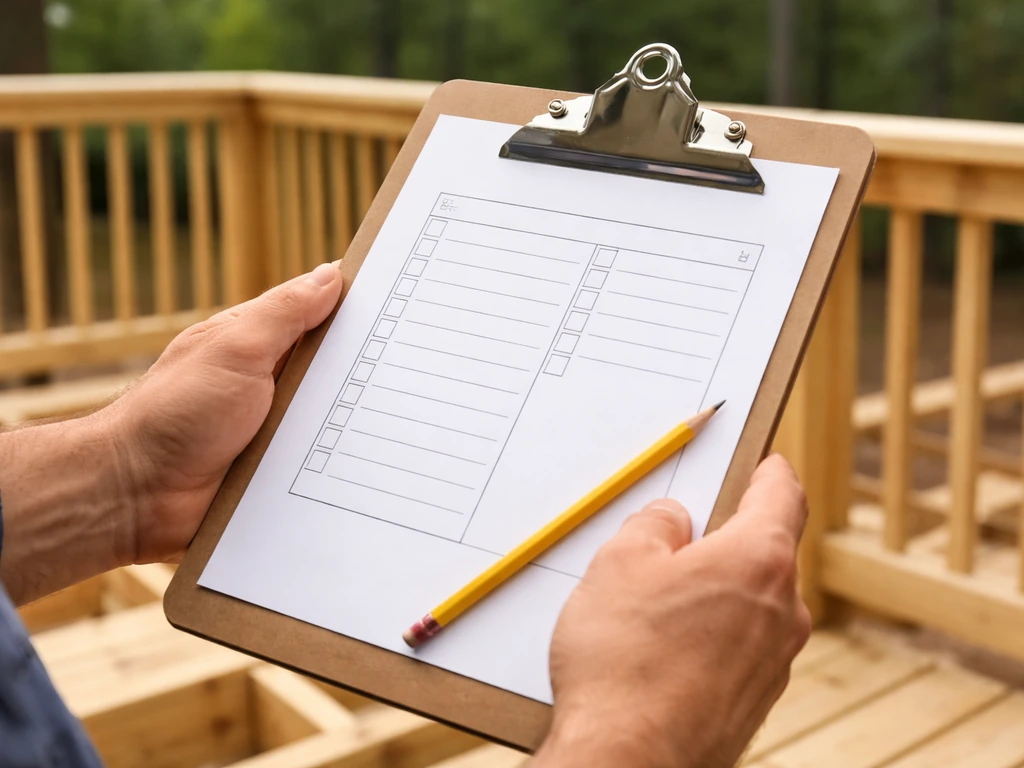
- Will you pull the permit, or does that fall on me?
- How do you factor permit processing time into the project schedule?
- In many jurisdictions, decks over 30 inches above grade trigger additional requirements like guard rails (per IRC R312 guard provisions, which most local codes have adopted). Are you familiar with the specific height and zoning triggers in my city?
- How do you handle failed inspections if they happen?
Warranties and workmanship guarantees
- What workmanship warranty do you offer and what does it specifically cover?
- Are you a registered or certified installer for the decking brand you are recommending? This matters a lot because brands like TimberTech and Trex tie labor warranty coverage to installer registration. If the contractor is not registered, you may get the product warranty but lose the labor coverage.
- Will you provide documentation that installation followed the manufacturer's guidelines? Trex and TimberTech both state that failure to follow their installation guidelines can void warranty coverage.
- For composite decking: how long is the product warranty and what are the proration terms after the first few years?
Comparing bids and understanding total project cost
Never compare bids at the total number alone. Two bids that look $3,000 apart may actually be identical in real cost once you factor in what each one includes. The goal is to get every bid to describe the same scope in writing, then compare line by line.
What drives the biggest cost differences
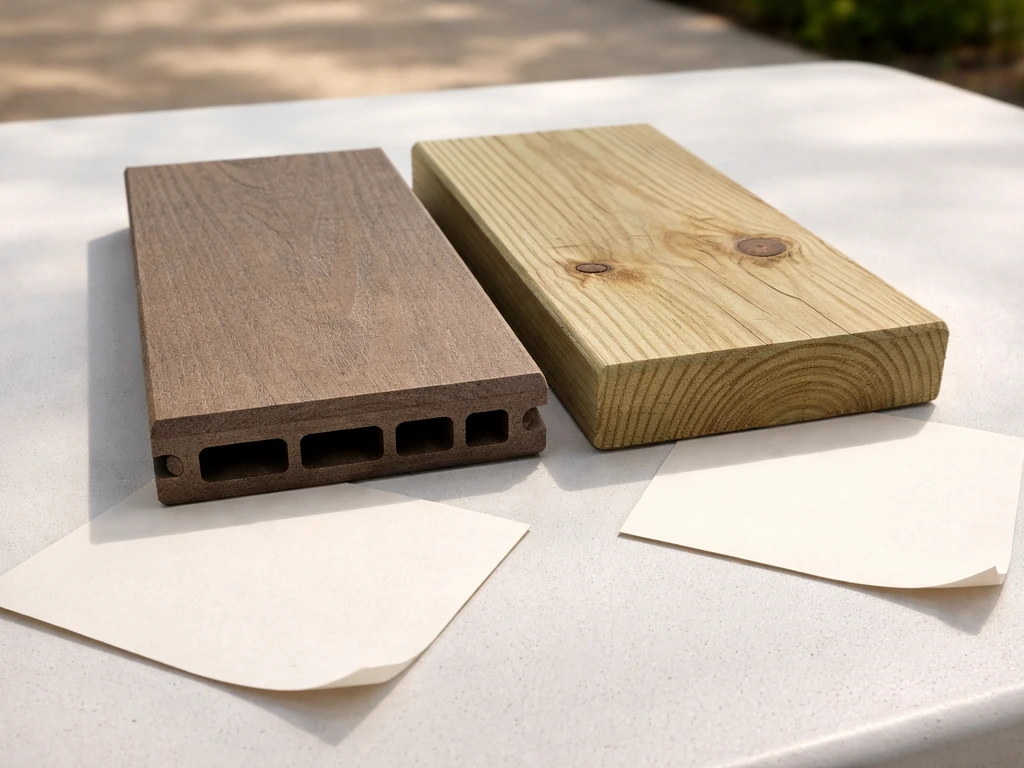
- Material choice: pressure-treated lumber is the most affordable decking surface, composite decking (Trex, TimberTech, Fiberon, MoistureShield) costs more upfront but less in maintenance, and hardwoods like ipe fall somewhere in between depending on the market.
- Site conditions: grading issues, demo of an existing structure, poor soil, or a steep slope all add cost that a low initial bid may not include.
- Substructure spec: what the framing is made of (pressure-treated vs composite-friendly hidden fastener systems), footing depth and diameter, and post-to-beam connection hardware all affect both cost and longevity.
- Railings and guards: cable railings, glass panels, and aluminum systems cost significantly more than wood or composite balusters.
- Drainage and base preparation: for paver or concrete patios, the depth and compaction of the aggregate base is where corners get cut. A proper compacted base with geotextile, correct bedding sand depth, and adequate slope for drainage adds cost but prevents early failures. Bids that skip this detail are telling you something.
- Add-on features: patio covers, pergolas, shade structures, outdoor fans, or misting systems added during construction are much cheaper than retrofitting them later. If these are on your wish list, say so upfront so each contractor prices them into the same bid.
- Permit fees: these are real costs and should appear in every bid. If one contractor's bid is missing permit fees, ask why.
A practical bid comparison framework
| Line Item | What to confirm in each bid |
|---|---|
| Demo and haul-away | Is existing structure removal included or separate? |
| Permits and inspections | Who pulls permits, and are fees included? |
| Footings and framing | Footing depth, diameter, post material, hardware spec |
| Decking or patio surface | Brand, product line, color, and fastener system |
| Railings and guards | Material, height, balusters, post caps |
| Drainage and base prep | For patios: base depth, compaction method, bedding sand, slope |
| Stairs | Number of risers, material, included or extra? |
| Site cleanup and final grade | Who levels disturbed soil and disposes of waste? |
| Workmanship warranty | Duration and what it covers in writing |
| Payment schedule | Milestones tied to work completed, lien releases provided? |
On payment: a standard structure is roughly 10 to 20 percent down, progress payments tied to specific milestones (framing complete, decking complete), and the final payment held until punch-list items are resolved and a lien release is provided. In California, CSLB publishes unconditional and conditional lien release forms you can request contractors to use. This protects you if a subcontractor or supplier is not paid by the general contractor.
Decking and patio material options to match your contractor
Not every contractor is equally comfortable with every material. Matching the contractor to the material is as important as the material choice itself.
| Material | Best for | Contractor skill to confirm | Warranty notes |
|---|---|---|---|
| Pressure-treated lumber | Budget builds, DIY-friendly repairs later | Standard framing and decking experience | No product warranty; workmanship warranty only |
| Composite decking (Trex, TimberTech, Fiberon, MoistureShield) | Low-maintenance, long-term value | Manufacturer-registered installer for labor warranty | 25-50 year product warranties; labor warranty tied to installer registration |
| Hardwood (ipe, mahogany) | Premium natural look | Experience finishing and sealing tropical hardwoods | No manufacturer warranty; workmanship only |
| Concrete pavers / interlocking pavers | Flexible design, repairability | Proper base compaction and drainage slope experience | Manufacturer warranty on pavers; installation workmanship warranty |
| Stamped or poured concrete | Seamless look, lower material cost | Control joint placement, curing time management | Contractor workmanship warranty; no surface product warranty |
| Natural stone (travertine, bluestone) | High-end aesthetics | Setting mortar vs dry-set experience, sealing | No manufacturer warranty; workmanship only |
If you are considering composite decking, the warranty question is especially important. Brands like TimberTech and Trex explicitly tie their labor warranty to whether the installer is registered or certified with them. Fiberon offers up to 25-year coverage on certain product lines. MoistureShield structures its warranty with residential versus commercial distinctions and a proration framework in later years. Read the warranty documents before you commit to a product, and ask the contractor to confirm in writing that their installation will follow the manufacturer's guidelines, because those guides (Trex's 2022 installation guide is one example) make clear that deviations can void coverage.
Timelines, site prep, and what to expect during construction
A realistic timeline from first contractor conversation to a finished, inspected deck or patio is typically 8 to 12 weeks, sometimes longer in busy seasons or jurisdictions with slow permit queues. Here is what that schedule actually looks like.
| Phase | Typical Duration | What happens |
|---|---|---|
| Design and estimates | 1-2 weeks | Site visits, measurements, material selection, bid collection |
| Permit application and review | 2-6 weeks | Contractor submits plans; jurisdiction reviews; some areas are faster, some much slower |
| Material lead time | 1-3 weeks | Composite decking, pavers, and specialty materials may need to be ordered |
| Demo and site prep | 1-3 days | Removal of existing structure if needed, layout, excavation for footings |
| Footings and framing | 3-7 days | Concrete poured, footings cured (typically 24-48 hours minimum), framing installed |
| Decking or patio surface | 2-5 days | Boards, pavers, or concrete placed; for concrete, curing period before foot traffic |
| Railings, stairs, and finishes | 2-4 days | Guard installation, stair construction, trim, post caps |
| Final inspection and punch list | 3-7 days | Inspector visits; any corrections made; final walkthrough with contractor |
Permit processing time is the biggest variable most homeowners do not plan for. Oakland, California, for example, requires a building permit for deck projects and triggers design review for decks over 30 inches above ground. Alameda has similar height and size triggers with zoning considerations. Your contractor should know the permit queue time in your specific city and build that into their schedule, not give you a start date that assumes permits arrive in two weeks when the reality is six.
For paver patios specifically, do not let anyone rush the base compaction step. The aggregate base needs to be compacted in lifts, the bedding sand needs to be the right depth (typically one inch), and the finished surface needs a proper slope away from the house for drainage. These steps cannot be accelerated without affecting how long the patio lasts. The Concrete Masonry and Hardscapes Association (CMHA) notes that getting the correct paver base and depth, along with proper maintenance, is a key durability factor for interlocking concrete pavements and patios. If a contractor's timeline seems suspiciously short, ask exactly how they are handling subgrade compaction.
Red flags and how to verify credentials, insurance, and reviews
This is where homeowners most often skip steps and regret it. Verification takes about 30 minutes per contractor and can save you from a nightmare.
License verification

Every state has a contractor licensing board with a public lookup tool. In California, use CSLB's 'Check a License' page to confirm the license number is active, matches the contractor's name and business, and shows no disciplinary actions or disclosed complaints. Any contractor who cannot give you a license number on the spot, or whose number does not match their ads or truck, is a hard pass.
Insurance: what you actually need to see
- General liability insurance: covers property damage and injury to third parties. Ask for a certificate of insurance (COI) showing your name as the certificate holder.
- Workers' compensation insurance: covers injuries to the contractor's employees on your property. In California, CSLB has published requirements for certificates of insurance documenting workers' comp compliance. In Georgia, any contractor with three or more employees is generally required to carry it. The threshold varies by state, but the risk to you if a worker is injured without it is significant.
- Ask specifically whether the COI is current and whether you can call the insurance company directly to verify. Do not accept screenshots of old certificates.
Bond verification
A contractor's bond guarantees completion and payment for labor and materials if the contractor defaults. CSLB and most state boards require contractors to maintain a bond, and you can confirm bond status through the same license lookup tool. This is a separate check from insurance.
Red flags that should stop you
- No license number on ads, vehicles, or written estimates
- Pressure to sign quickly or accept a cash-only arrangement
- A bid that skips permits entirely ('we can do this without a permit')
- Asking for more than 20 to 30 percent upfront before any work starts
- Unable or unwilling to provide a COI for both general liability and workers' comp
- No physical business address, only a cell phone number
- Reviews that are all five stars posted within a short window, or no reviews at all
- Vague bids with no line-item breakdown
How to read reviews properly
Look for patterns, not one-offs. A contractor with 80 reviews averaging 4.4 stars who responds thoughtfully to a few critical reviews is more trustworthy than one with 12 reviews all posted in the same month. Check Google, Yelp, Houzz, and BBB separately. Also ask the contractor for two or three references from projects completed in the last 18 months and actually call them. Ask specifically whether the project came in close to the original budget, whether the timeline was accurate, and whether they would hire them again.
When to DIY and when to hire a pro
Not every part of a deck or patio project requires a licensed contractor. Knowing where the real risks are helps you decide where to save money and where to spend it.
Where DIY makes sense
- Demo and haul-away of an old deck or patio surface if you have the time and a dumpster rental. This can save $500 to $1,500 depending on size.
- Painting, staining, or sealing a new wood deck after the contractor finishes the build. Most contractors will credit this out of the bid if you take it on.
- Decorative elements: outdoor rugs, string lights, planters, and furniture arrangement obviously belong in the DIY column.
- Paver patio repairs like resetting individual pavers that have settled, if you are comfortable with a rubber mallet and a level.
- Simple concrete paver patios on flat ground with easy access and no drainage complications, if you have experience with compact equipment rental and are prepared to do the base work correctly.
Where you should hire a pro
- Any structural framing, footings, or post-to-beam connections. These are permit-required for good reason and need to meet IRC 507 requirements. Getting this wrong is expensive and dangerous to fix.
- Decks over 30 inches above grade. At this height, guardrail requirements kick in under IRC R312 provisions, and structural loads are significant. This is not the place to learn on the job.
- Electrical work for outdoor lighting, fans, or outlets. This requires a licensed electrician in virtually every jurisdiction.
- Anything involving drainage regrading near your foundation. Poor drainage decisions made during a patio installation can cause serious problems.
- Stamped concrete and large poured concrete patios. Control joint placement and curing management require experience to avoid cracking.
- Full patio cover or pergola structures that are attached to the house.
The honest middle ground is to hire a contractor for the structural and permitted work, then handle finishing and decorative elements yourself. That approach keeps the project code-compliant and warrantied while trimming 10 to 20 percent off the total cost in many cases. If you are also researching patio enclosures, shade structures, or specific cover types to add alongside the deck or patio build, those can often be scoped into the same contractor relationship, which is worth discussing during your estimate meetings. When you are comparing options, look for the best patio cover installers who can verify permits, match materials to your deck or patio, and explain warranty coverage clearly. If you need help comparing the best patio cover companies near you, ask each contractor for similar enclosure and cover projects they have completed. If you are also researching patio enclosures, choosing the best patio enclosure companies for your specific materials and climate can help you avoid delays and warranty issues.
Your next steps to book estimates and get started
Here is the practical sequence to move from searching to signed contract in the next two to three weeks.
- This week: build a list of four to five contractors from Google Maps, Houzz, Angi, and neighbor referrals. Run each license number through your state's lookup tool and cut anyone who does not come back active and clean.
- Days 3-7: call each contractor, describe your project briefly, and ask whether they are taking new projects and when they could come out for an estimate. Any contractor who cannot schedule a site visit within two weeks in their current calendar is telling you something about their availability during your build.
- Estimate week: meet with each contractor on-site. Use the question list in this article. Ask for a written, itemized bid, a COI for both liability and workers' comp, and two to three recent references.
- Bid comparison: put every bid into the comparison table format above. Normalize scope before comparing price. Call references.
- Decision and contract: choose based on trust, qualifications, and value, not lowest price alone. Confirm the contract includes scope, material specs, payment milestones tied to work completed, lien release provisions, and workmanship warranty terms in writing.
- Permits and scheduling: let your contractor pull the permit. Ask for a realistic permit processing estimate for your specific city, not a guess. Use that timeline to plan your start date.
Getting a great deck or patio built is not complicated, but it does require doing a few things in the right order. The homeowners who end up unhappy almost always skipped the verification step or chose the lowest bid without understanding what was missing from it. Do those two things right and the rest of the project tends to go well.
FAQ
How can I tell if a deck or patio bid includes the permits and inspections?
Ask for a copy of the exact permit set your contractor will file (plans and application) and confirm who pays the permit fees, city plan check costs, and any revisions. Then ask for the expected date of permit submission, not just the date they want to start work.
Can I buy my own materials and still hire a contractor without voiding permits or warranties?
If you want to save money, get your contractor to scope what must be permitted and structural, then write a change order for any homeowner-provided materials. Make it explicit who is responsible for verifying code compliance for those homeowner items.
What payment structure should I insist on to stay protected during the project?
Request a payment schedule tied to measurable milestones (for example, footings inspected, ledger installed, framing inspection complete, pavers set) and ensure each milestone links to a lien release request. Avoid schedules based only on “materials ordered” or “work started.”
What should I ask the contractor to prove they are eligible for the best warranty coverage?
For composite or other manufacturer-sensitive materials, ask the contractor to provide their registration or certification details and to name the specific product model they will install. Then have them include a statement in writing that the installation will follow the manufacturer’s method.
For paver patios, what bid details should I look for besides the final surface price?
Make sure the base prep is described with quantities and specs (lift thickness or compaction requirements, bedding sand depth, and slope). If it is not clear, ask them to detail it in writing and to confirm what they will do if subgrade issues are discovered.
How do I compare project timelines across contractors without getting misled by optimistic dates?
Do not just ask for a start date. Ask for (1) when they expect to receive permits, (2) estimated lead time for lumber or materials, and (3) which inspection checkpoints are included before decking, pavers, or railings are installed.
What’s the difference between conditional and unconditional lien releases, and when should I request them?
Tell them you want to see the exact lien release type, when it will be provided (for each payment), and who issues it. Ask whether they will use unconditional releases for final payment and conditional releases for progress payments.
What insurance details should I confirm before signing, beyond “they have insurance”?
Verify that insurance covers both general liability and workers’ compensation, and that the policy is active for the project duration. Ask for the certificate of insurance and confirm the named insured and jobsite address match your project.
Should I worry if the deck or patio contractor uses subcontractors for key parts?
Ask whether they subcontract structural framing, electrical, or masonry, and require subcontractor details in the contract. If subcontractors are used, confirm the main contractor remains responsible for schedule, workmanship, and warranty support.
How should I evaluate contractor references so I do not get only “happy customer” answers?
Ask for at least two references from projects similar in size and material, completed within the last 18 months. Confirm what was done (scope match), whether the budget changed, how they handled change orders, and whether the homeowner would use them again.
What should be in writing about change orders and how extra costs are handled?
Request a clear change-order process, including written pricing for additions, how delays are handled, and how design changes affect warranties and permits. If they cannot describe it, treat that as a risk indicator.
What parts of a deck or patio are most likely to cause code and inspection problems?
For any stair, railing, or elevated section, ask about code-specific requirements (height rules, guard spacing, and required inspections) and whether their contract includes required safety components. Do not proceed if those items are vague in the scope.
Next Articles
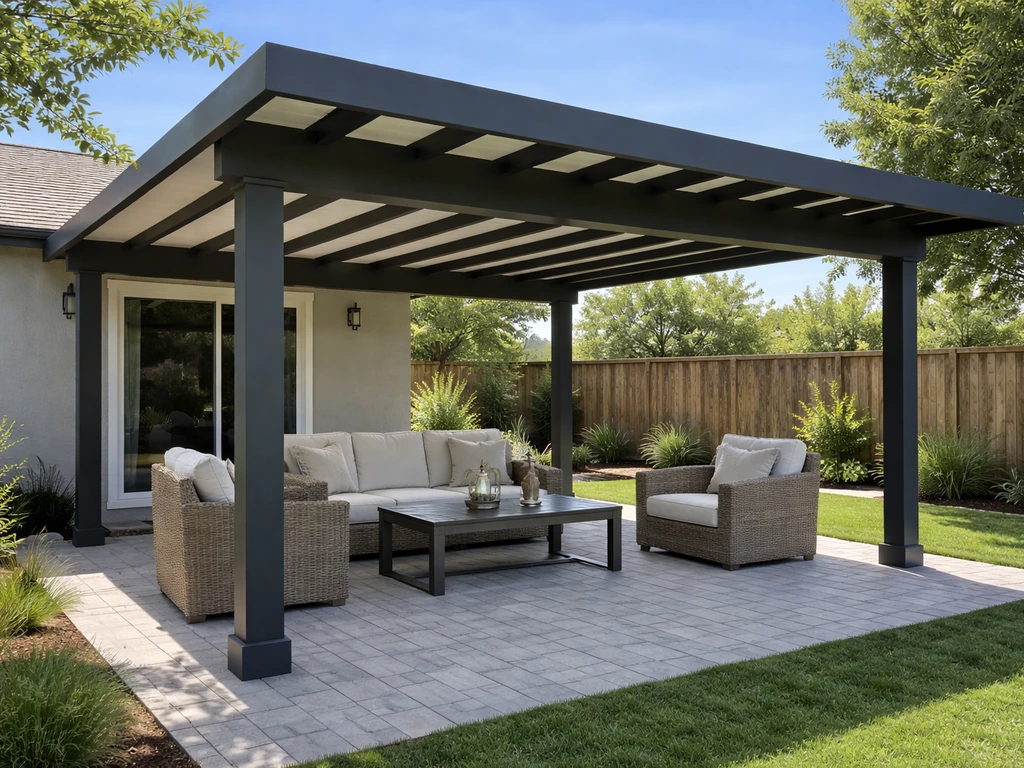
Best Patio Cover Companies Near Me: How to Choose
Step-by-step guide to find top local patio cover companies, compare materials, estimates, costs, and weather needs.
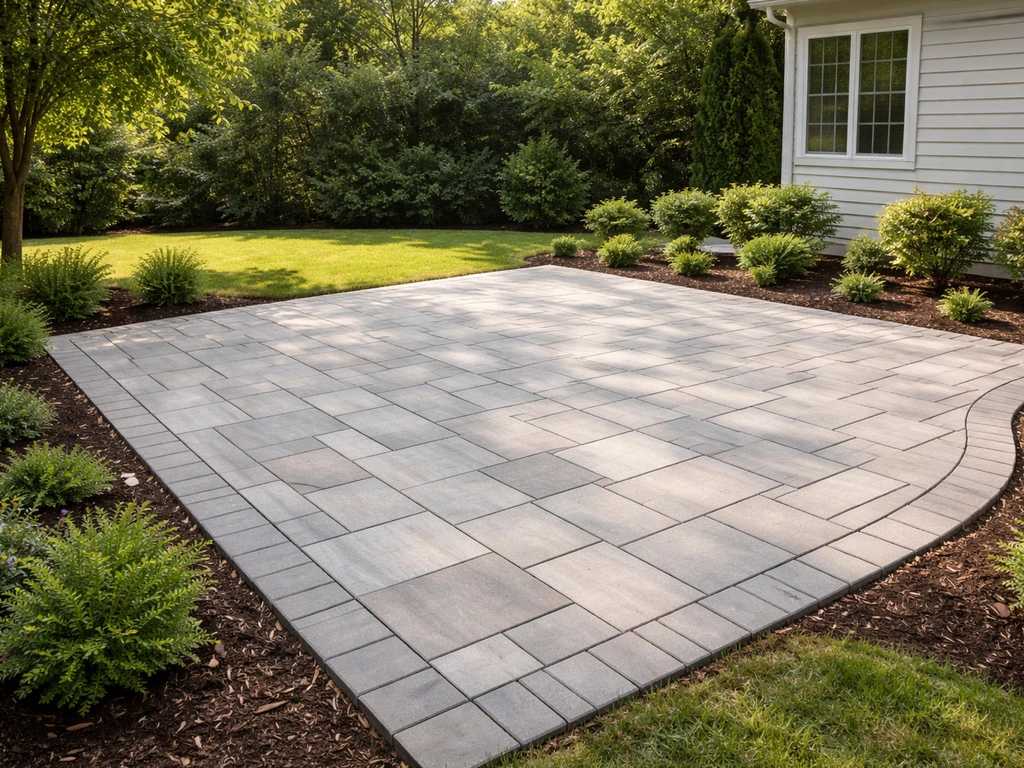
Best Patio Contractors: How to Vet and Compare Quotes
Vet and compare patio contractors with a checklist, bid line items, red flags, and pricing apples-to-apples guidance.
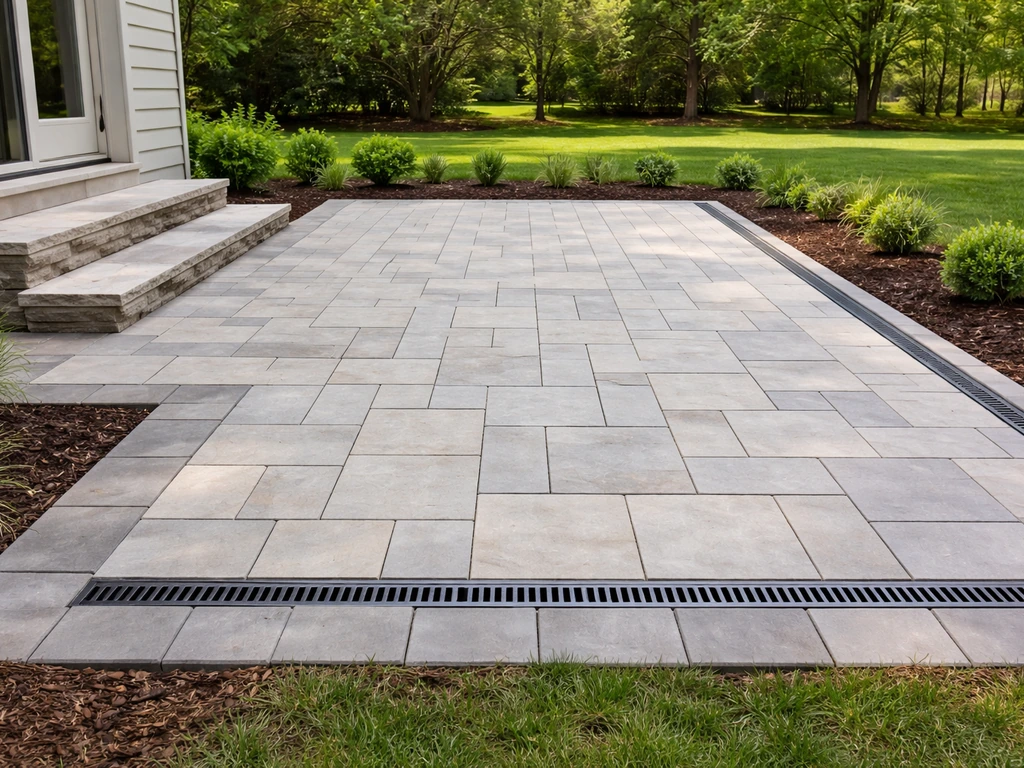
Best Patio Builders Near Me: How to Choose and Compare
Checklist for choosing the best patio builders near you, vet pros, compare quotes, and plan materials, drainage, and tim