
The best patio contractor for your project is the one with the right specialty for your specific job, a clean licensing and insurance record, a portfolio of comparable work, and a written contract that spells out scope, materials, timeline, and payment before a single shovel hits the ground. That combination is more important than a five-star review average or a flashy website, and it's what separates a smooth project from a months-long headache.
Best Patio Contractors: How to Vet and Compare Quotes

Phoebe Foster
20 May 2026
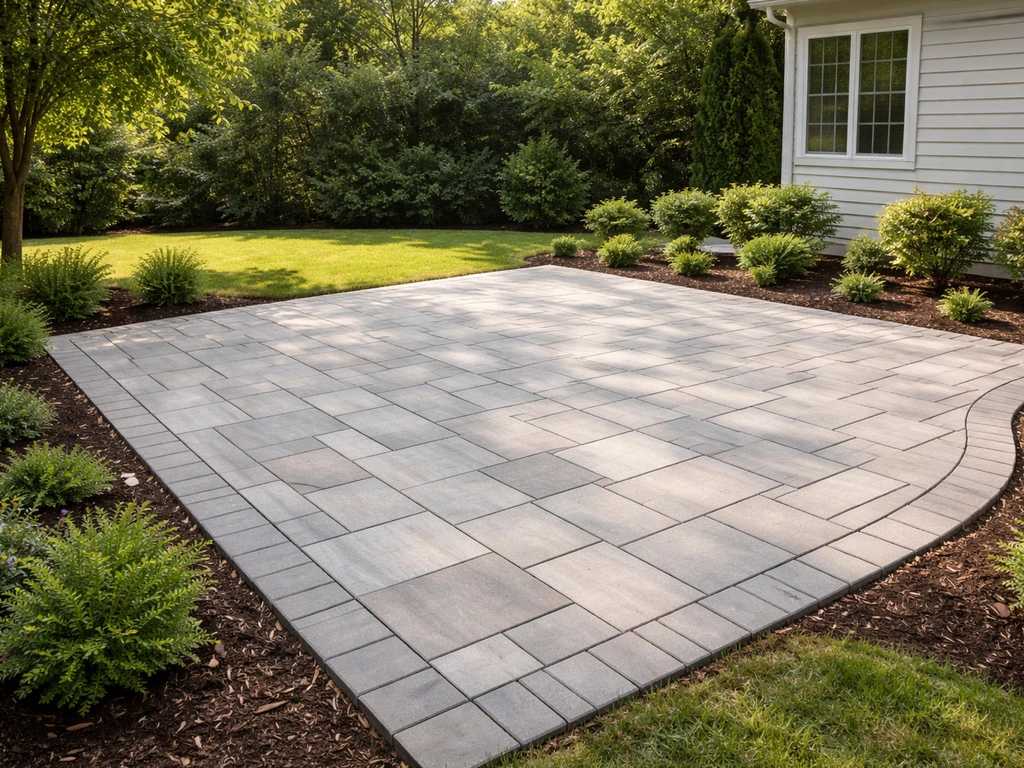
What 'best patio contractor' actually means
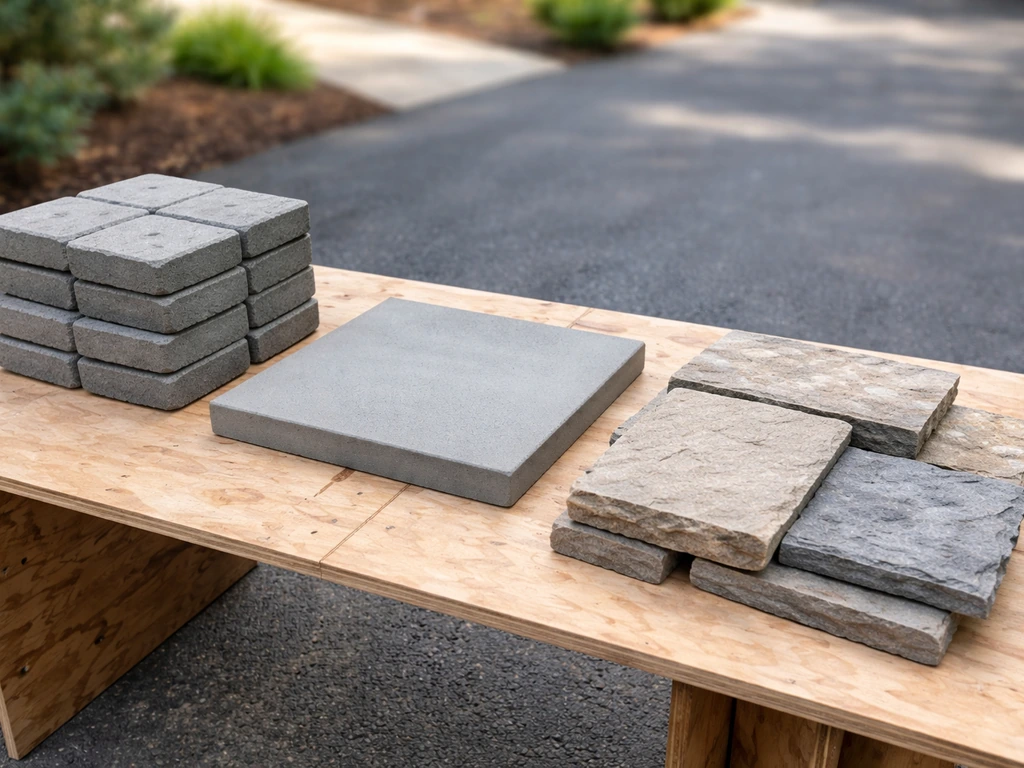
Not every contractor who calls themselves a patio pro is qualified for every type of patio work. The term covers a wide range of specialties: concrete flatwork, natural stone or paver hardscaping, drainage and grading, structural builds like pergolas and covered patios, and sometimes electrical for lighting or outlets. A contractor who's excellent at stamped concrete may have no business laying flagstone over a sloped lot with drainage issues, and vice versa.
When you're evaluating candidates, match their specialty to your project type. For paver and hardscape work specifically, look for contractors who follow ICPI (Interlocking Concrete Pavement Institute) standards for base preparation and subgrade compaction, since getting the base layers right is the single biggest factor in whether a paver patio lasts 5 years or 25. The Concrete Masonry and Hardscapes Association (CMHA) also blank" rel="noopener noreferrer">runs a Certified Installer program that recognizes installers who've demonstrated skill and commitment to best practices in concrete hardscape and masonry. It's a credential worth asking about. CMHA also describes its certification programs as a way for installers to demonstrate expertise and commitment to excellence through CMHA umbrella training and certification blank" rel="noopener noreferrer">It's a credential worth asking about..
On the licensing side, requirements vary significantly by location. In Montgomery County, MD, a contractor must hold a Maryland Home Improvement Contractor (MHIC) license just to pull a residential deck permit. In New York City, earthwork, foundation work, framing, and electrical each require specialized trade licenses, and larger-scope projects may require a Registered Design Professional. Arizona's Attorney General's office specifically advises homeowners to verify a contractor's license before signing anything. The takeaway: before you even ask for a bid, check what your local jurisdiction requires and confirm your candidate meets it.
- Specialty match: concrete flatwork, pavers/hardscape, natural stone, structural covers/pergolas, or a combination
- General liability insurance (minimum $1M per occurrence is a common standard) and workers' comp
- State or local contractor's license appropriate for the scope of work
- Industry credentials like CMHA Certified Installer for hardscape or relevant trade certifications
- Experience with permitting in your specific municipality, not just your state
- A track record of projects at a similar scale and material type to yours
How to find the best local patio contractors
Start with referrals from neighbors or people in your area who've had similar work done recently. If you are searching for the best deck and patio contractors near me, start with local referrals and verify each contractor's licensing and insurance before requesting bids. A freshly installed paver patio or a covered outdoor living space you can actually walk on and inspect is worth ten online reviews. If you want the best patio installers near me, start by asking for references and looking at recent paver or covered patio projects covered outdoor living space. After that, use a layered approach to build a candidate list: Google searches filtered by your city or zip code, Houzz (which shows portfolios and local project history), Angi, and your local Home Builders Association or landscape contractor associations will all surface names. If you search for the best patio landscapers near me, focus on contractors whose recent projects match your patio type and timeline. To make the search easier, use a targeted query for the best patio builders near me and then verify each company’s licensing, insurance, and recent work. For deck and covered patio contractors, some overlap exists with the types of companies you'd find searching for patio enclosure companies or patio cover installers, so don't ignore those results.
Once you have 5 to 8 names, run each through the Better Business Bureau directory. The BBB profile won't tell you everything, but complaint history and how a business responded to complaints reveals a lot about how they handle problems. Cross-check with your state contractor licensing board to confirm the license is active and has no disciplinary actions. This two-minute check eliminates a lot of bad candidates before you've spent any time on calls.
For references, ask each contractor for three to five clients from the past 12 to 18 months whose projects were similar to yours in material type and scope. When you call those references, ask specifically whether the final cost matched the original bid, whether the timeline held, and whether they'd hire the contractor again without hesitation. A contractor who can't provide references from recent comparable work is a candidate you should skip.
Questions to ask before you hire anyone
The questions you ask during the bidding phase do double duty: they help you gather information, and they tell you a lot about how professional and prepared a contractor actually is. A contractor who hesitates or gives vague answers to basic questions about permits or materials is showing you exactly how they'll communicate throughout the project.
- Will you handle all permits, and are you familiar with the specific permit requirements in my city or county? (Permits are required for patio work in many jurisdictions, including new installs, replacements, and widening, regardless of material.)
- What exactly is included in the base preparation, and how deep will you excavate and compact? (This is where paver and concrete patios fail most often.)
- What drainage solution are you proposing, and how does it account for my yard's slope and soil type?
- What materials are you specifying, and can I see samples or visit a project where you used those same materials?
- What is the projected timeline from start to finish, including lead times for materials?
- How do you handle change orders? Are they written, signed, and priced before work continues?
- What warranty do you offer on labor, and what are the manufacturer warranties on materials?
- What does your payment schedule look like? (Never pay more than 10 to 30% upfront.)
- Who is on-site managing the crew each day, and will you be using subcontractors?
- How is jobsite cleanup handled daily and at project completion?
If your project includes a covered patio or pergola with lighting or outlets, ask specifically about electrical permitting. Several jurisdictions, including cities in California and Texas, require a separate electrical permit when outlets or light fixtures are added to a patio cover structure. A contractor who waves that off is either uninformed or planning to skip the inspection.
How to compare bids without getting confused
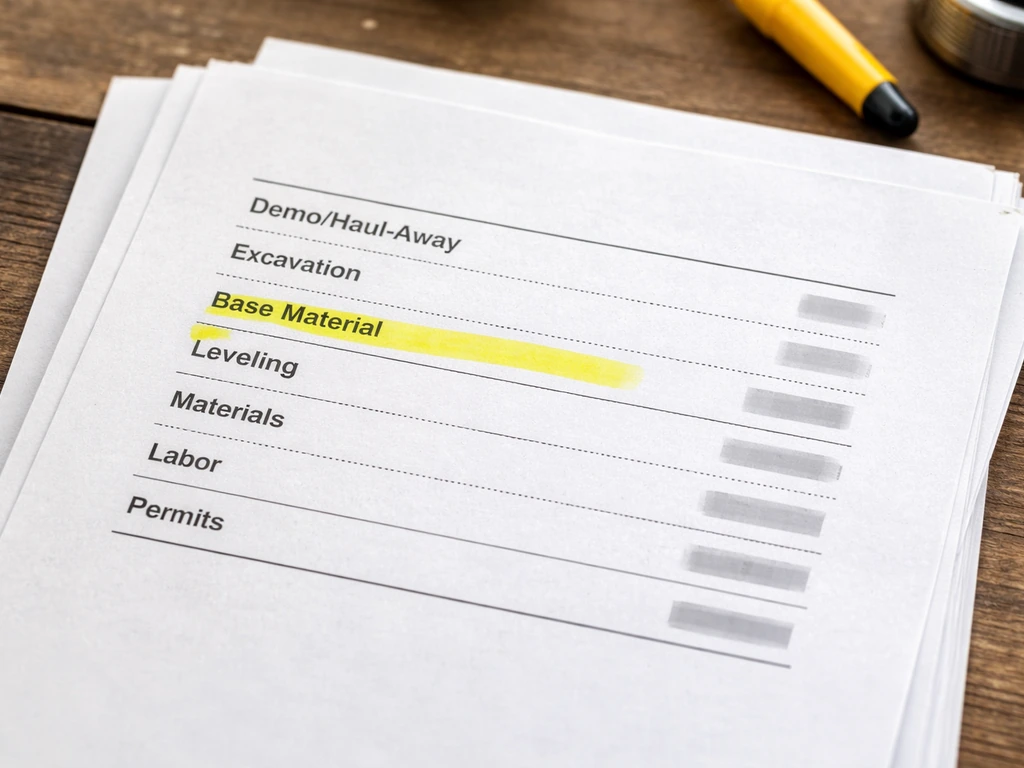
Three bids that come in at wildly different prices are often just describing three different scopes of work. Before you compare dollars, compare line items. A bid that seems low may simply be omitting demolition of the existing surface, proper base excavation, drainage, or edging. A bid that seems high may include things the others don't, like a gravel subbase to ICPI depth standards, geotextile fabric for soil separation, or a sealed surface finish. Get itemized bids and ask each contractor to clarify what's included for every major line item.
| Line Item | What to Confirm Is Included |
|---|---|
| Demo and haul-away | Removal of existing surface, disposal fees included or separate |
| Grading and base prep | Excavation depth, compaction method, number of passes |
| Drainage | Slope direction, drainage channels, permeable vs. non-permeable base |
| Subbase/base materials | Gravel depth and type, geotextile fabric if applicable |
| Surface material | Specific paver brand/type, concrete mix, stone species and thickness |
| Edging and borders | Material type, installation method, anchoring |
| Permits and inspections | Who pulls permits, inspection scheduling, re-inspection fees if needed |
| Lighting/electrical | Rough-in only, fixtures included, separate electrical permit |
| Structures (pergola, cover) | Footings, posts, roofing material, attachment to house if applicable |
| Cleanup and final grade | Daily cleanup, final disposal, seed/sod over disturbed soil |
On payment schedules, a reasonable structure for most projects is roughly 10 to 30% upfront to secure the start date and cover material deposits, milestone payments tied to specific completed phases (like base completion), and the final 10 to 15% held until you've done a walkthrough and are satisfied. Never pay the full balance before the job is complete and inspected. Also ask specifically how change orders are handled in writing, since scope creep is where projects most commonly blow past budget.
How to evaluate a contractor's portfolio
Photos on a website or social media tell you part of the story. What they don't tell you is how the project looks two years later, how the base held up through a frost-thaw cycle or a Texas summer, or whether the drainage actually works during a heavy rain. Whenever possible, ask to visit a completed project in person. Most homeowners are willing to let you take a quick look if a contractor asks them politely.
When you're looking at completed work, check for these quality indicators. On paver patios, look for consistent joint spacing, level surface with no sunken or rocking pavers, clean edging with no gaps, and proper slope away from the house (typically 1/8 to 1/4 inch per foot). On concrete, look for control joint placement, surface texture consistency, and no major cracking beyond normal hairline cracks at joints. On covered structures, check that posts are plumb, connections to the house are flashed and sealed properly, and any electrical work has a visible permit sticker or panel label.
Also look for projects in similar conditions to yours. A contractor who has only done flat suburban lots may not be the right hire for a sloped backyard that needs terracing and a drainage solution. Regional experience matters too. A contractor in the Midwest who understands freeze-thaw cycles and knows how to build a base that handles frost heave is a different animal than one who learned the trade in a mild Southern California climate.
Red flags that should make you walk away
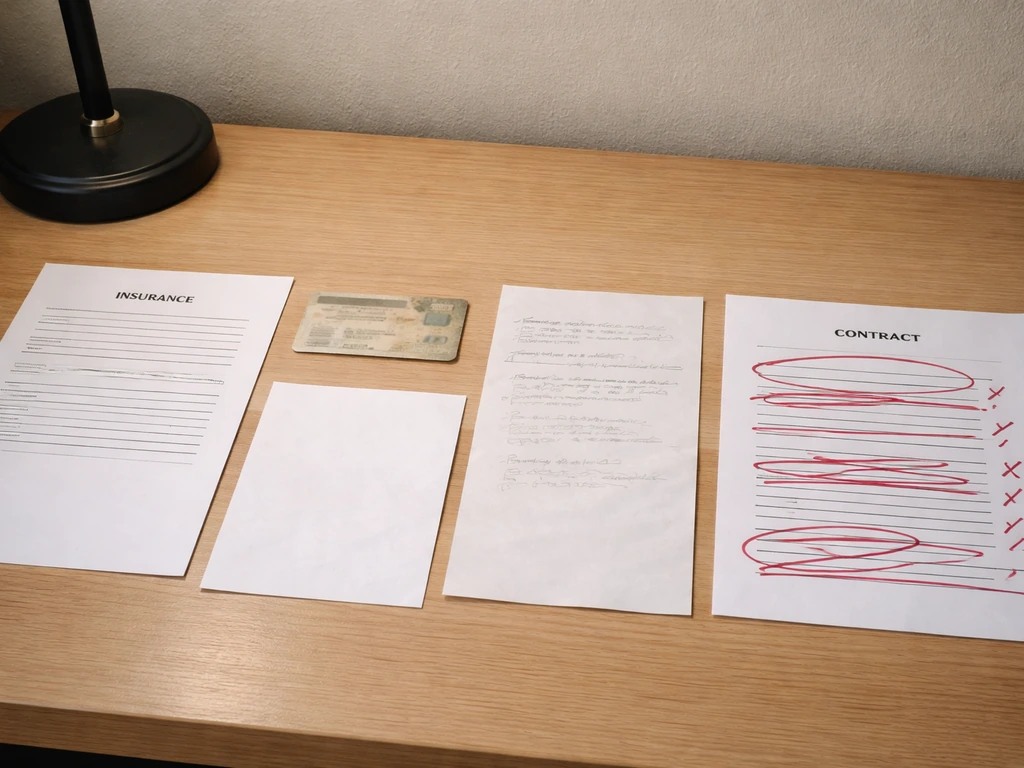
The contractor fraud problem is real enough that both the Arizona Attorney General and county sheriff's offices around the country have issued public scam alerts specifically about home improvement contractors. The patterns repeat: an unusually low bid, pressure to sign quickly, a request for a large upfront payment, and vague or verbal-only scope descriptions. Recognizing these early saves you a lot of money and frustration.
- No proof of general liability insurance or workers' compensation coverage (ask for certificates, not just verbal confirmation)
- Can't or won't provide a contractor's license number for verification
- Bid is significantly lower than others with no clear explanation for why
- Scope of work is described vaguely, verbally, or in a one-line estimate with no itemization
- Pushes you to sign before you've had time to compare bids or check references
- Requests more than 30% upfront, or asks for cash payment only
- No mention of permits or dismisses the need for them
- Can't provide references from projects completed in the past 12 to 18 months
- Poor or slow communication during the bidding phase (this doesn't improve once you've paid)
- No written change order process, or says changes will 'be worked out later'
One specific issue worth flagging: unpermitted work. If a contractor suggests skipping a permit to save time or money, that's a serious problem. Unpermitted work can create complications when you sell your home, may void homeowner's insurance claims related to that structure, and in some jurisdictions means the work has to be torn out and redone. As a property owner, you share responsibility for that outcome.
DIY vs. hiring a pro: where to spend and where to save
There's a meaningful difference between tasks where DIY is genuinely viable and tasks where cutting corners ends up costing more to fix than a pro would have charged in the first place. For most homeowners, the structural and infrastructure work is where a professional earns their fee. Everything else is worth evaluating case by case.
| Task | DIY Viability | Why |
|---|---|---|
| Grading, excavation, and base prep | Low | Getting slope, depth, and compaction right requires equipment and experience. Errors here cause settling, cracking, and drainage failures. |
| Drainage design and installation | Low to medium | Undersized or misdirected drainage is expensive to fix after the surface is laid. Complex slopes need pro assessment. |
| Permit pulling and inspections | Medium | Homeowners can pull their own permits in many jurisdictions, but a contractor familiar with local requirements reduces the risk of failed inspections. |
| Paver installation (simple, flat) | Medium | On a flat, well-prepped surface, a patient DIYer can lay pavers. The base prep still needs to be done right first. |
| Concrete pouring and finishing | Low | Formwork, mixing, pouring, finishing, and timing are all skill-dependent. Concrete errors are essentially permanent. |
| Patio furniture, decor, planters | High | Completely DIY-friendly. No structural or permit concerns. |
| String lights, low-voltage lighting | High | Most low-voltage landscape lighting kits are DIY-rated and don't require an electrician. |
| Line-voltage electrical (outlets, fixtures) | Low | Requires a licensed electrician in most jurisdictions and a separate electrical permit. |
| Pergola/cover structure | Low to medium | Depends on complexity. Simple freestanding kits can be DIY. Attached structures with footings typically need permits and structural knowledge. |
| Resurfacing/overlay on existing concrete | Medium | Prep is critical. If the existing slab is in poor condition, resurfacing will fail quickly. |
A practical hybrid approach works well for budget-conscious homeowners: hire a contractor for demolition, grading, drainage, and the structural surface installation, then handle finishing touches like lighting, planters, furniture, and decor yourself. If you're working on a covered patio project or adding a patio enclosure, the structural and electrical components almost always justify professional help, while accessories and soft furnishings don't. For your covered patio, it helps to compare quotes and credentials from the best patio cover installers in your area to ensure the structure and any electrical work are done correctly. If you’re looking for the best patio cover companies near me, focus on contractors who can show similar covered patio and pergola builds.
Building your shortlist and taking next steps
A good shortlist process goes like this: identify 5 to 8 candidates through referrals, local searches, and platforms like Houzz or Angi. Run each through the BBB and your state licensing board. Drop anyone who can't verify insurance and licensing. Request itemized bids from 3 to 4 finalists, making sure each is bidding on the same written scope. Ask the questions above during a site visit, not just a phone call. Check references specifically on timeline, final cost vs. estimate, and whether they'd hire again. Visit at least one completed project in person if you can. Then compare bids line by line, not just total price.
The goal isn't finding the cheapest bid. It's finding the contractor whose bid is clear, complete, and backed by a track record of work you can actually verify. That combination gives you the best shot at a project that comes in on time, on budget, and looks great for years. Once you've picked your contractor and reviewed the contract carefully, confirm the permit process is in motion before work starts. Everything after that is about clear communication and holding both sides accountable to the written agreement.
FAQ
How can I tell if two patio contractor quotes are truly comparing the same scope?
Many contractors will price the patio surface and overlook utilities, landscaping tie-ins, or accessibility upgrades. Ask whether the quote includes removal and hauling, disposal fees, reconnecting sprinklers, protecting nearby plants, and any required landscaping restoration. Missing those items is a common reason bids that “look comparable” end up far apart.
What should I include in the contract about change orders so the price doesn’t expand after work starts?
Yes, but only if they are clear and enforceable. Ask for a written line item for your change order process (trigger events, who measures, how unit prices are set, turnaround time, and whether the change order can pause work). If they only discuss changes verbally, it increases the risk of delayed decisions and disputed costs.
Is it normal for the best patio contractors to ask for a deposit, and what payment structure is reasonable?
For patios, a “deposit” is not the same as a “mobilization fee.” Ask for a schedule that ties each payment to a deliverable (for example, base prep complete, pavers set and leveled, joints filled, final cleanup). If they can’t explain what you get at each payment milestone, treat that as a red flag before you pay.
Who should be responsible for permits, and how do I verify the process is actually underway?
It depends on local rules, but the practical check is to ask who pulls permits and what permits are required for your scope (grading, masonry, electrical, plumbing if it affects drainage). Require the contractor to provide permit numbers or proof of submittal before scheduling inspections, then confirm inspection dates are coordinated with the construction phases.
What questions should I ask about drainage and grading so I don’t end up with puddles or water intrusion later?
For drainage work, don’t rely on promises like “we’ll fix the slope.” Ask what drainage method is being used (for example, underdrain, daylighting plan, drain tile location, splash zone treatment) and whether they will correct grading so runoff moves away from the house. Also ask how they will handle heavy rain testing or what they do if water still ponds.
What should I ask a contractor to confirm the structural safety of a pergola or covered patio?
If you’re adding a covered patio or pergola, confirm the load plan and connection details. Ask whether they will provide engineering if your design requires it, what anchoring system is used, and how they will ensure posts are set to resist wind and lateral movement. A contractor should be able to explain these details, not just show a similar photo.
For pavers or concrete, how do I assess whether a contractor’s base preparation is legitimate, not marketing?
Yes, and it’s worth a targeted check. Ask whether they are using a proper base depth for your patio material, whether geotextile fabric is used when needed, and how they verify compaction (for example, a compaction test, roller size, or documented compaction approach). Without base and compaction verification, paver or concrete patios are more likely to shift.
Can I assess long-term quality without waiting years, and what should I look for in older completed patios?
Ask for at least one walkthrough of a completed job under similar conditions, then look for durability indicators tied to your climate. In freeze-thaw areas, ask how they prevent frost heave, in hot climates ask about heat-related expansion control and joint performance, and after a couple of winters or peak summers ask the owner what failed or held up.
Besides licenses and insurance, what verification should I request to judge professionalism and operational capacity?
Look for documentation that the company can actually perform the scope safely and legally: current insurance certificate, worker’s compensation if applicable, and whether the permit and inspection process is handled in-house or through subcontractors. Also ask who will be on-site day-to-day and whether they have a superintendent for multi-phase projects.
If I add lighting or outlets under a patio cover, what electrical details should I confirm in advance?
It’s better to ask about ventilation and heat transfer than “just electricity.” For lighting on a patio cover, confirm fixture type ratings for outdoor use, wiring method, weatherproofing details, and whether any conduit penetrations through the structure will be sealed and inspected. If they dismiss outdoor-rated fixtures or inspections, that’s a meaningful warning.
Can I specify materials and finishes, and how do I prevent substitutions that change the look or cost?
Yes. Ask for a short list of materials and brands they plan to use, then ask whether substitutions are allowed and how they are priced. If you care about aesthetics, request color/finish samples for stains, paver blend options, and coping or edging options so the final look matches your expectations.
What warranty terms should I look for with patio contractor work?
Don’t just ask “are you bonded.” Ask how their warranty works in plain terms, what it covers (settling, cracking, joint loss, drainage issues), the warranty duration for each component, and how claims are handled (inspection process, timelines, and whether normal wear is excluded). A strong warranty is specific, not just a blanket promise.
Next Articles
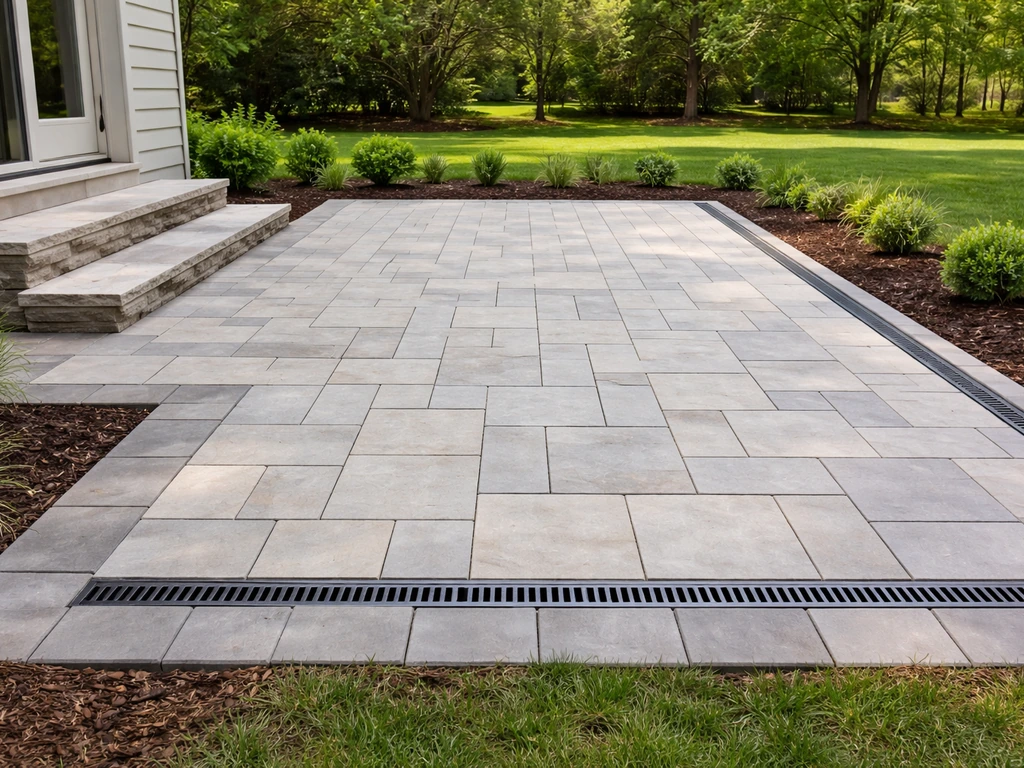
Best Patio Builders Near Me: How to Choose and Compare
Checklist for choosing the best patio builders near you, vet pros, compare quotes, and plan materials, drainage, and tim
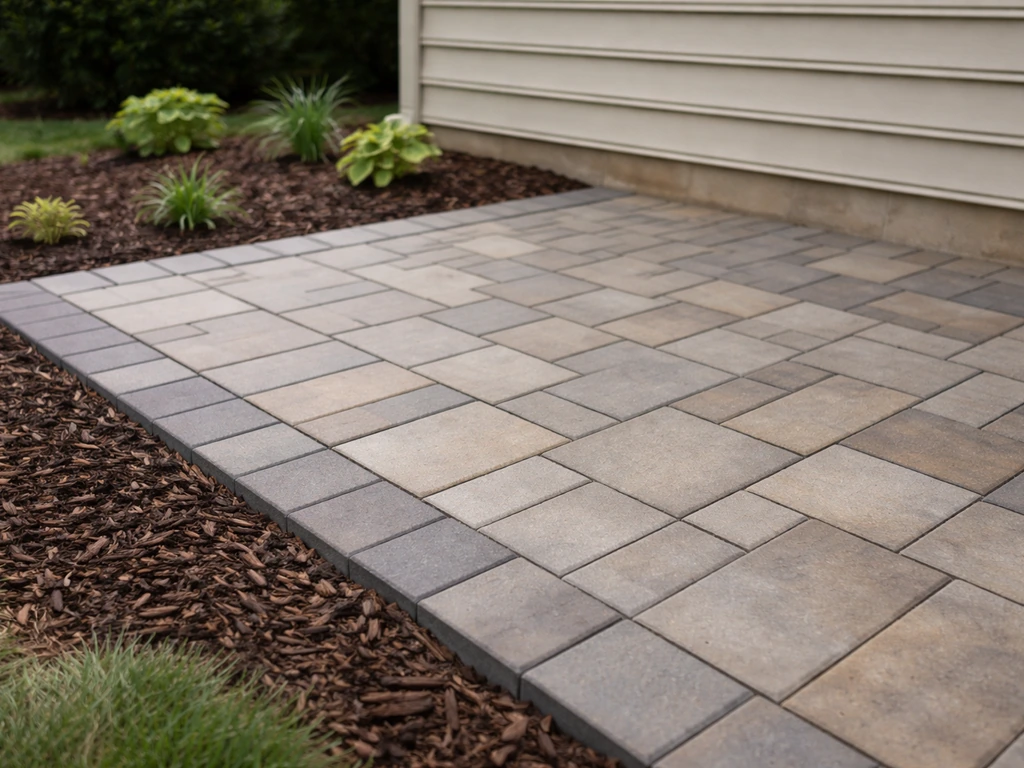
Best Patio Installers Near Me: How to Choose Locally
Step-by-step guide to hire the best patio installers near you: scope, screening, quotes, red flags, and install expectat
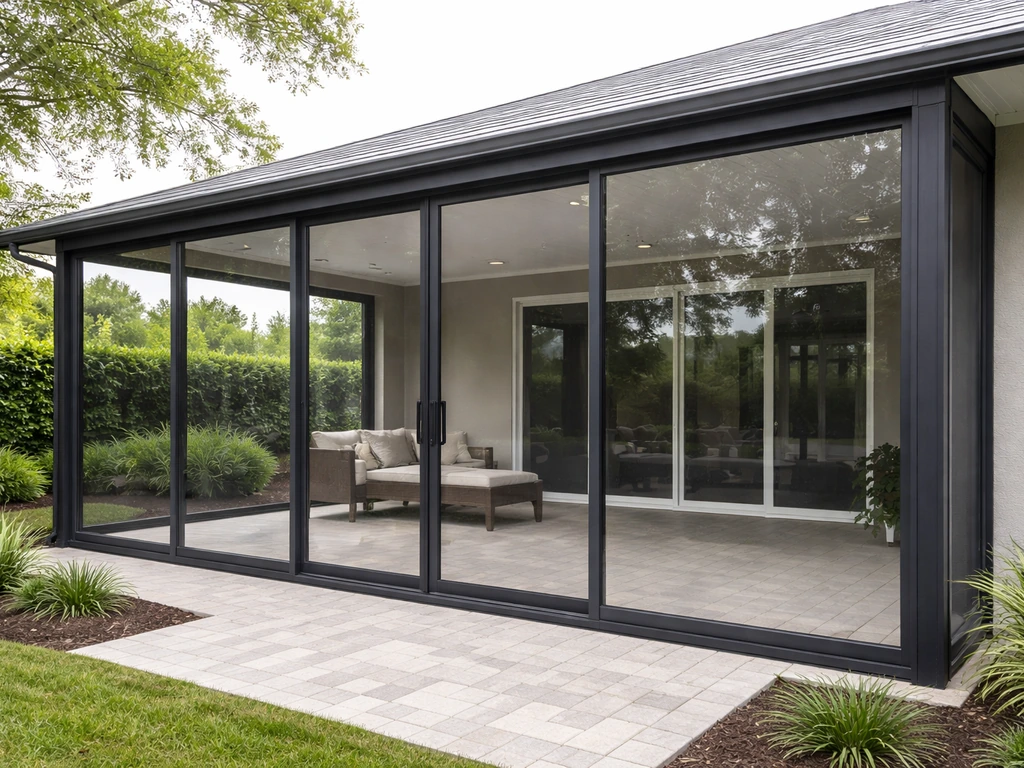
Best Patio Enclosure Companies Near Me: How to Compare
Compare local patio enclosure companies with a checklist: types, quote questions, permits, materials, warranty, and pric