
The best patio cover installers are not the ones with the fanciest trucks or the lowest bid. They are licensed, insured contractors who pull permits, provide written warranties, design for your local climate loads, and give you a detailed scope before you hand over a dime. Finding them takes about a week of phone calls and site visits, but it is worth every minute because a poorly installed patio cover can fail structurally, void your homeowner's insurance, or cost you thousands in code violations.
Best Patio Cover Installers: How to Vet and Hire

Phoebe Foster
1 Jul 2026
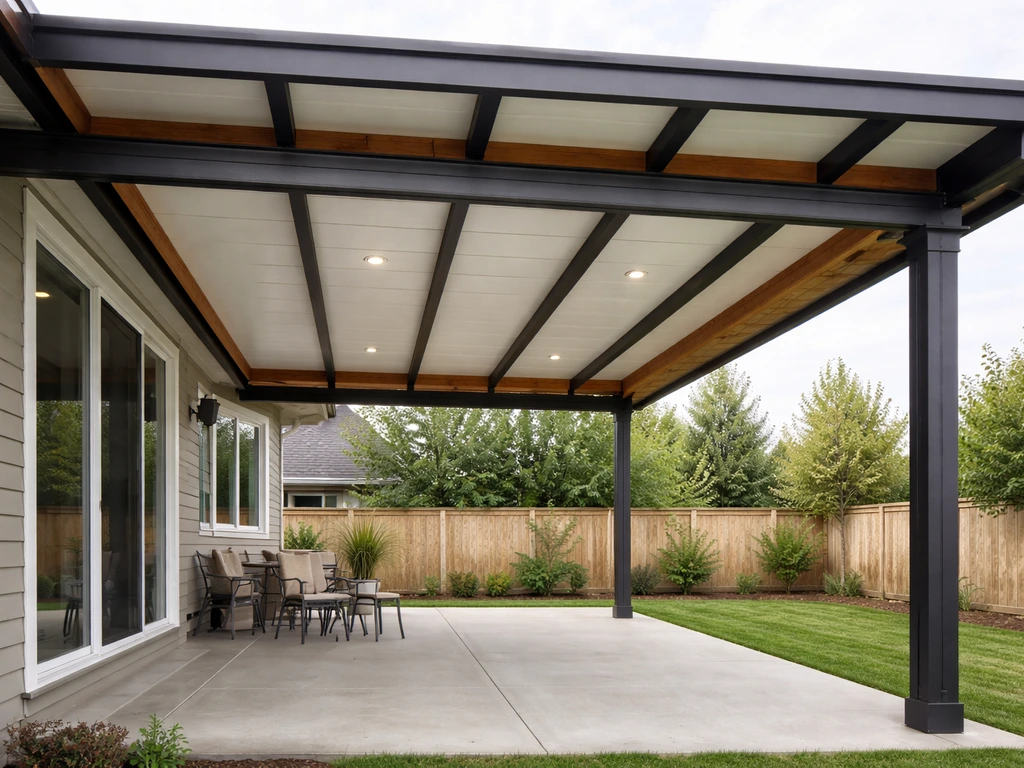
What 'best' actually means for a patio cover installer
When homeowners say they want the best patio cover installer, they usually mean the cheapest one who seems trustworthy. That is not the same thing. The genuinely best installer checks every box on this list, and if someone is missing more than one or two items, keep looking.
- Holds a current, valid contractor's license for your state and trade category (not just a general handyman registration)
- Carries commercial general liability insurance AND workers' compensation, and will provide certificates naming you as the certificate holder
- Pulls the building permit themselves, or explicitly explains what the permitting process will look like and who is responsible
- Provides a written, itemized proposal that specifies materials by brand, gauge, finish, and fastener type, not just 'aluminum patio cover'
- Offers a written workmanship warranty of at least one year, separate from any manufacturer product warranty
- Has verifiable references from jobs completed in the last 12 to 24 months, ideally in your zip code
- Designs for your local structural loads: live load (minimum 10 psf per IRC Appendix H), wind load per ASCE 7, and snow load where applicable
- Can explain the attachment method for an attached cover and how it connects to your home's structure without compromising weatherproofing
- Has a clear written change-order process before work starts
- Does not demand more than 10 to 33 percent upfront
That last point about structural loads matters more than most homeowners realize. IRC Appendix H requires patio cover roofs to be designed for a minimum vertical live load of 10 pounds per square foot, with snow loads used when they exceed that minimum. The structure also has to be analyzed for both upward and downward pressure cases, which becomes critical in high-wind regions. A contractor who has never heard of IRC Appendix H or ASCE 7 wind load design is not someone you want building something attached to your house.
Questions to ask every installer during quotes and site visits
Do not wait until you are reviewing contracts to ask the hard questions. Ask them during the first phone call and the in-person site visit. Any installer worth hiring will answer without hesitation. Anyone who gets evasive or rushes past these is a red flag right there. For help finding the best patio cover companies near you, start by shortlisting installers that meet the standards discussed above red flag right there.
- What is your contractor license number, and what trade category does it cover? (Look it up yourself afterward.)
- Can you provide a current certificate of general liability and workers' compensation insurance? (Ask for it in writing before signing anything.)
- Who pulls the permit on this job, and is permit fees included in your quote?
- Will you provide structural calculations or an ICC-ES evaluation report for the cover system? What live load and wind load is the system rated for?
- What is the exact material you are proposing: gauge of aluminum, wood species, or steel specification? What finish or coating, and what is the warranty on that finish?
- How is the ledger or attachment point connected to my house, and how do you seal and flash that connection?
- What is your drainage plan? Where do downspouts terminate, and are gutters included?
- What does your workmanship warranty cover, for how long, and what is excluded?
- How do you handle change orders, and what triggers one?
- What is the realistic project timeline from permit submission to final inspection?
- Can you provide two or three local references from jobs completed in the past year?
During the site visit specifically, watch how they measure. A good installer takes actual measurements, checks your existing roof or wall attachment point, looks at the slope and drainage situation, and asks about how you use the space. Someone who shows up, glances at your patio, and hands you a flyer with a price already filled in is not taking your project seriously.
How to compare bids so you're not comparing apples to oranges
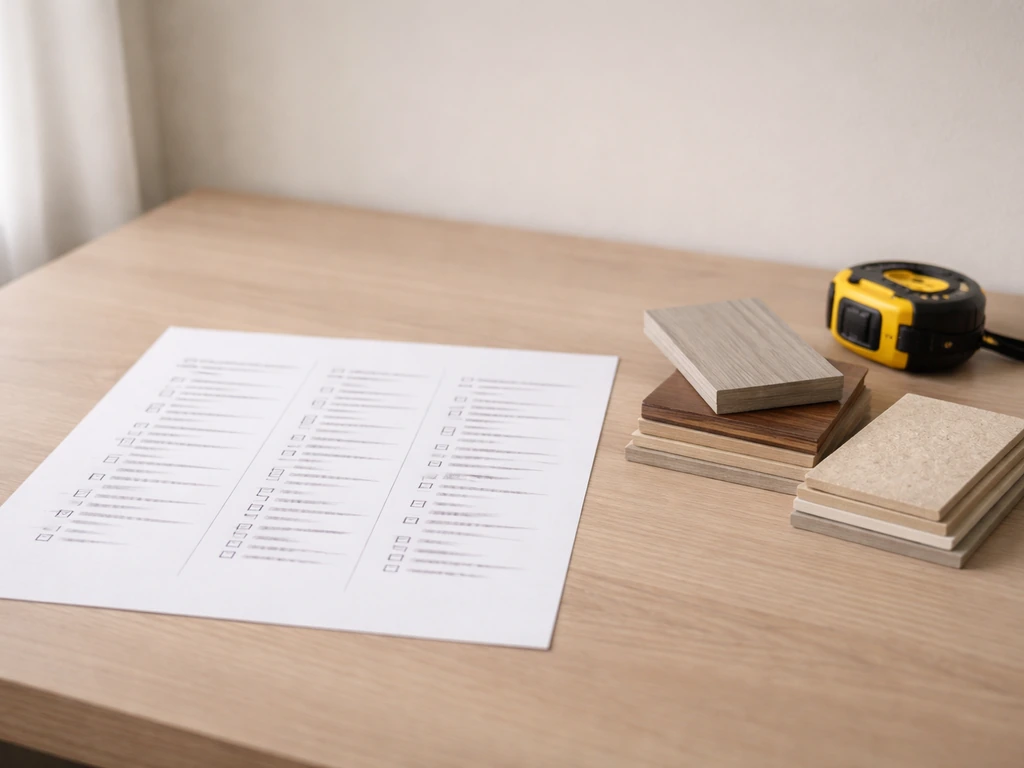
This is where most homeowners get tripped up. You get three bids and one is $8,000, one is $14,000, and one is $22,000, and you have no idea why. The answer is almost always scope and material differences. Before you can compare prices, you need to make sure each bid is pricing the same job.
Material and style options
| Cover Type | Typical Cost Range (installed) | Pros | Cons |
|---|---|---|---|
| Aluminum flat/solid roof | $16 to $45 per sq ft | Low maintenance, durable, good for rain | Can be loud in rain, industrial look |
| Aluminum louvered (motorized) | $40 to $68 per sq ft | Adjustable shade and ventilation, modern look | Higher cost, mechanical parts to maintain |
| Wood pergola/lattice | $20 to $50 per sq ft | Natural look, DIY-friendly in simpler forms | Requires staining/sealing, not waterproof |
| Steel frame with roofing panels | $25 to $55 per sq ft | Very strong, good for heavy loads or wind zones | Can rust without proper coating, heavier |
| Solid insulated panel roof | $35 to $65 per sq ft | Best thermal performance, reduces heat transfer | Highest material cost, more complex permit |
When reviewing bids, create a simple comparison sheet. Line up material specs, square footage being covered, permit inclusion, gutter and drainage scope, post footing depth and size, attachment method, finish/coating warranty, workmanship warranty length, and payment schedule. If a bid does not specify these items, it is not a complete bid. Ask the contractor to add them before you treat it as a real offer.
Permits, engineering, and timelines
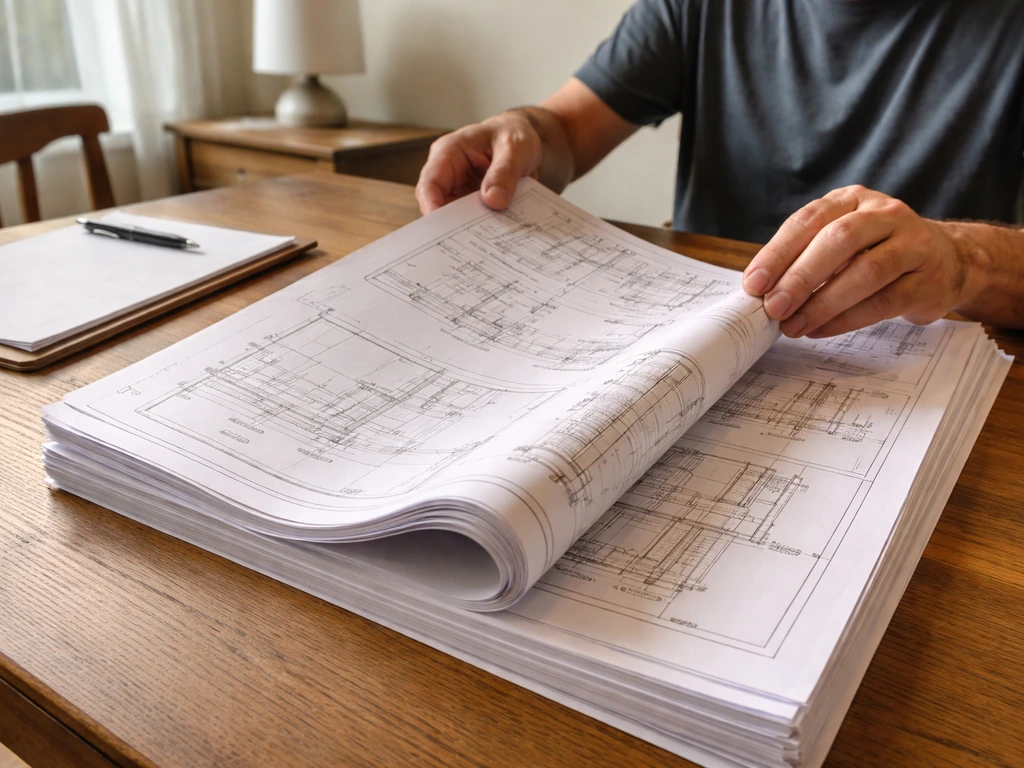
Permit inclusion is a big deal and it often explains price differences. Cities like San Diego and Reno require plan sets that include structural and connection details, elevations, cross-sections, and in many cases structural calculations. Some contractors include permit fees and plan preparation in their quote. Others treat it as an add-on. Some skip it entirely and hope nobody notices. Ask every bidder to confirm whether permit fees, plan preparation, and any required structural calculations are included. Also ask how long permitting typically takes in your jurisdiction, because that directly affects your project timeline. A realistic timeline for a permitted attached patio cover often runs six to twelve weeks from signed contract to final inspection.
Credentials, licensing, insurance, and references: what to actually verify
Do not just take the contractor's word for any of this. Verify it yourself. In California, for example, the blank" rel="noopener noreferrer">CSLB (Contractors State License Board) has a public 'Check a License' tool where you can confirm the license number is current, in good standing, and covers the right trade category. To find the best patio landscapers near me, focus on verified credentials, clear bid scope, and warranties that match your local climate and drainage needs. Most other states have equivalent tools. General liability and workers' compensation are separate from a license and need to be verified separately. The CSLB is explicit that if a worker is injured on your property and the contractor lacks blank" rel="noopener noreferrer">workers' comp, you as the homeowner may end up financially liable. That is not a hypothetical risk.
- License: Look up the license number in your state's contractor licensing database. Confirm it is active, not expired or suspended, and covers the work being done.
- General liability insurance: Ask for a certificate of insurance (COI) and call the insurer to confirm it is active. The coverage amount should be at least $1 million per occurrence.
- Workers' compensation: Ask for a separate COI for workers' comp. If the contractor says they are exempt, verify that claim with your state's licensing board.
- Bond: A contractor's bond is not the same as insurance and is not a workmanship guarantee. It is a form of surety that protects against contractor non-performance in limited circumstances. Useful, but do not let 'bonded' substitute for the real insurance verification.
- References: Call at least two. Ask specifically about how the contractor handled problems or surprises, not just whether the job looked nice when it was done.
In most states, contractors are required to be licensed for work that requires building permits, involves employee labor, or exceeds a low dollar threshold (in California that threshold is $1,000 in combined labor and materials). A patio cover almost always exceeds that. If you want the best deck and patio contractors near me, make sure they are licensed for permit-required work and won’t suggest skipping approvals. If a contractor suggests skipping the permit to save money or time, that is a problem for you legally, not just for them.
Cost ranges and what actually drives the price
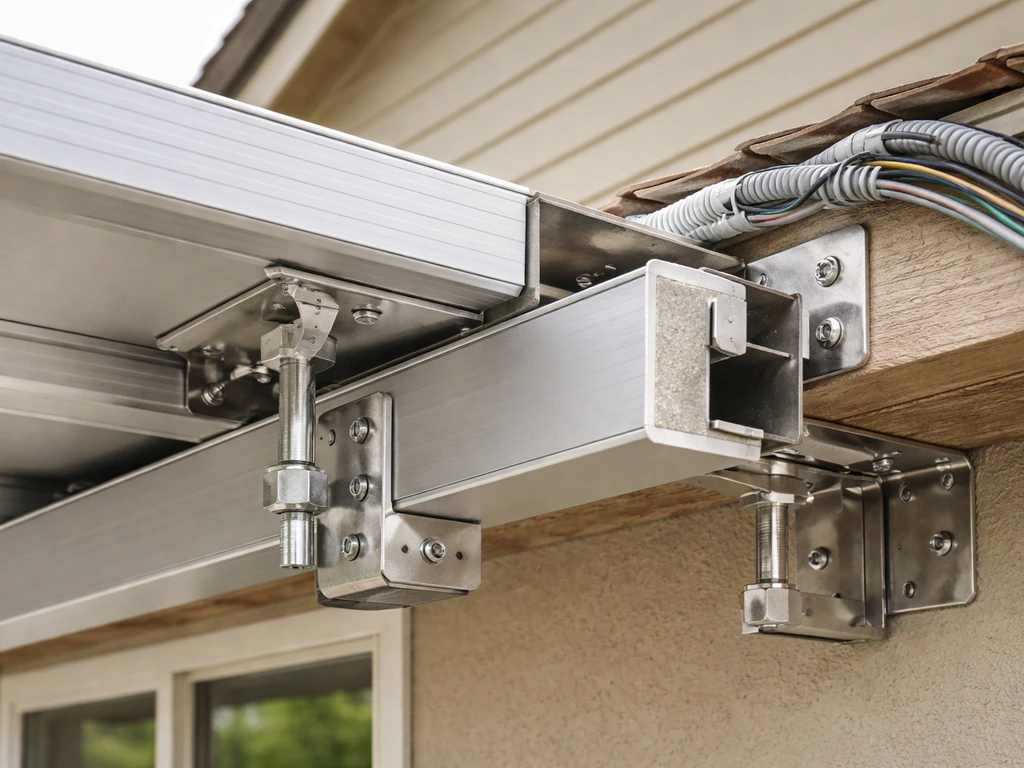
A basic attached aluminum flat-roof patio cover typically runs $16 to $45 per square foot installed, with more complex styles like motorized louvered systems pushing $40 to $68 per square foot. For a typical 150 to 200 square foot cover, that puts the range at roughly $10,000 to $22,500 for a solid mid-grade job. Larger or more complex projects, especially freestanding structures with full roofing systems and electrical, can run $40,000 to $125,000 or more in high-cost metros.
Here is what actually moves the number up or down in practice:
- Material choice: Insulated panels and motorized louvered systems cost significantly more than basic aluminum flat panels or a simple wood pergola.
- Structural complexity: Engineered designs for high-wind or heavy-snow zones require heavier members, deeper footings, and sometimes a stamped structural calculation, all of which add cost.
- Permit and plan costs: In jurisdictions with detailed plan review requirements, permit fees plus plan preparation can add $500 to $2,500 or more to a job.
- Drainage and guttering: A properly sized integrated gutter system with downspouts adds cost but is essential for rain management. Some systems use a 'super gutter' design that doubles as a structural beam, which costs more but performs better.
- Attachment complexity: Connecting to a two-story wall or a complex roofline takes more labor and flashing work than a standard single-story attachment.
- Electrical and lighting: Ceiling fans, recessed lighting, or outlets add scope and often require a separate electrical permit.
- Finish and coatings: Powder-coated aluminum with a 20-year finish warranty costs more than a basic painted finish, but it is worth it for long-term maintenance savings.
On financing: many specialty outdoor living contractors offer financing through third-party lenders. Always compare the total cost of financing against a home equity line before agreeing to anything. The monthly payment looks attractive until you calculate what you pay over five years.
Design and performance by climate: what to ask for in your region
A patio cover that works great in Phoenix will underperform in Seattle or Minneapolis. Your local climate should directly shape the specifications you request, and a good installer should be raising these points without you having to ask.
Hot, sunny climates (Southwest, Texas, Southeast)
In heat-dominant regions, thermal performance is the priority. Ask about insulated panel systems, which significantly reduce heat transfer compared to a single-skin aluminum panel. If you are considering a louvered cover, confirm the louvers can fully close during peak afternoon sun. Misting systems and ceiling fans are common add-ons in Texas and Arizona, so ask whether the contractor coordinates that rough-in or whether you need a separate contractor. Wind loads also matter in coastal Texas and Florida, where design wind speeds are high and contractors should be referencing ASCE 7 wind load requirements, not just guessing.
Heavy rain and drainage (Pacific Northwest, Gulf Coast, Southeast)
In rainy climates, drainage design is non-negotiable. A solid-roof cover without properly sized gutters and downspouts will dump water in places you do not want it. Ask specifically about gutter capacity relative to your roof's square footage and local rainfall intensity. Downspout termination matters too: they should discharge away from your foundation, not just onto the patio. Flashing at the ledger attachment is critical in wet climates, and this is an area where poor workmanship leads to rot, water intrusion into your home's wall, and mold. Ask to see examples of how they flash and seal the house attachment, and ask whether that detail is in their warranty coverage.
Snow and wind zones (Mountain West, Midwest, Northeast)
If you get real snow, the structural design of your patio cover is the single most important spec to get right. The best patio contractors also help you verify the right design loads and code requirements for your specific region. The IRC requires design for snow loads when those loads exceed the 10 psf baseline live load, and in many mountain and northern climates, ground snow loads are 40, 60, or even 80 psf or higher. That has direct implications for post sizing, footing depth, beam spans, and connection hardware. Ask every bidder to tell you the design snow load they are using and how that was determined. If they shrug, they are not the right contractor for your region. The same principle applies to wind: structures in tornado-prone or hurricane-adjacent areas should be designed using ASCE 7 wind load provisions, and the contractor should be able to articulate what wind speed their design accounts for.
Humidity and corrosion (Coastal and Gulf regions)
Salt air and high humidity eat hardware fast. In coastal environments, ask specifically about hardware grade: stainless steel or hot-dip galvanized fasteners rather than standard zinc-plated, marine-grade coatings on aluminum frames, and whether the finish warranty is valid in coastal or salt-air conditions. Some manufacturer warranties explicitly exclude coastal applications within a certain distance from the ocean. Read those warranty documents before you sign.
DIY vs. hiring a pro: when each one makes sense
A freestanding wood pergola on a flat concrete pad with no electrical and no attachment to the house? That is a realistic DIY project for a competent homeowner with basic carpentry skills and a free weekend or two. Kits are widely available, costs are manageable, and the structural risk is relatively contained.
Anything attached to your house is a different story. An attached patio cover connects to your home's structure, which means loads transfer into your wall framing or ledger board, waterproofing must be executed correctly to prevent intrusion, and in almost all jurisdictions a permit is required. Screwing a ledger into the wrong location or flashing it incorrectly can cause water damage that shows up two years later inside your wall cavity. That is not a beginner mistake to make on purpose.
- DIY is reasonable for: freestanding wood or aluminum kit pergolas, shade sails and simple fabric covers, decorative lattice privacy screens with no structural attachment to the house
- Hire a pro for: any attached cover, any solid-roof structure requiring a permit, anything with electrical, any project in a high-wind or high-snow zone, any project involving ledger attachment or new concrete footings
The permit question trips up a lot of DIYers. Even if you are technically capable of building the structure, your jurisdiction may require a licensed contractor to pull the permit, or may require a stamped structural drawing from a licensed engineer. Skipping the permit creates real problems when you sell your home, make an insurance claim, or need to correct work that was done wrong. The permit process exists partly to protect you, not just to generate fee revenue.
Red flags and how to make a confident final decision
After you have collected bids and done your verification, the decision usually comes down to eliminating the contractors who raised concerns during the process. Here are the specific red flags that should disqualify a bidder. If you are comparing the best patio builders near me, use these red flags to quickly eliminate anyone who cannot explain their details clearly.
- Cannot provide a current certificate of insurance for general liability and workers' comp, or gets evasive when you ask
- Suggests skipping the permit to save time or money
- Offers only a verbal warranty, or a written warranty that is vague about what is actually covered and for how long
- Demands more than 33 percent upfront, or asks for most of the payment before work is substantially complete
- Cannot tell you the design live load, snow load, or wind load their system is built for
- Gives you a lump-sum price with no material specifications, so you have no way to verify what you are actually getting
- Uses high-pressure tactics like 'this price is only good today' or 'we have another job in your neighborhood and can start tomorrow' without substantiation
- Has no local references or refuses to provide them
- Has a license number that does not check out in your state's database, is expired, or is in a different trade category
- Does not do a real site visit before quoting, or measures nothing and produces an instant number
- Has no clear written process for change orders, which means cost surprises will hit you with no protection
Your practical next steps right now
- Write down your project scope before you call anyone: size, style, attached or freestanding, any electrical or drainage requirements, and your rough budget.
- Search for three to five licensed contractors in your area. Start with referrals from neighbors or local hardware stores, then supplement with online searches. Also look at reviews that mention permit issues, timeline problems, or warranty disputes, not just star ratings.
- Call each one, ask the licensing and insurance questions on the phone first. If they are evasive, remove them from the list before they come to your house.
- Schedule site visits with your three best candidates. Have your questions written down. Watch how thoroughly they measure and assess.
- After receiving bids, build your comparison sheet. Normalize for the same scope, materials, and permit inclusion before comparing prices.
- Verify licenses and insurance certificates yourself. Do not accept copies without checking the originals against your state licensing board.
- Call at least two references per finalist. Ask specifically about problems encountered and how they were resolved.
- Before signing, read the warranty and change-order sections of the contract carefully. If warranty coverage is vague or change-order language is absent, ask for revisions in writing before you sign.
- Keep a copy of the permit, the approved plans, and any ICC-ES evaluation reports or structural calculations for your home records. You will want them when you sell.
If you are also weighing whether to go with a full patio enclosure versus a simple cover, or trying to decide whether to combine your patio cover project with a broader patio rebuild, those decisions affect which type of contractor you need. A specialist in patio covers is not the same as a general patio builder or a deck and patio contractor, and the right match depends on how comprehensive your project is. Getting that scope clear before you start calling will save you a lot of mismatched conversations and wasted site visits. Once you understand what makes a patio cover installer the best fit, it is easier to shortlist the best patio enclosure companies for your exact scope.
FAQ
What should I ask about warranties if I want coverage that actually protects me long-term?
Ask for the warranty details in writing, specifically what it covers for roof leaks, flashing failures, post or beam movement, and material defects. Also confirm whether the workmanship warranty covers rework costs only or includes labor removal, disposal, and repainting or finishing restoration, and whether warranty coverage requires specific maintenance like cleaning gutters seasonally.
Is it acceptable if the installer offers a “standard” design, or do I need a custom structural plan?
You generally need a design matched to your site conditions. If they cannot explain how they selected spans, beam sizes, attachment locations, and design loads for your address or local climate, treat that as incomplete. A “standard layout” is fine only when it is still engineered or checked for your exact loads, wind zone, and snow or uplift conditions.
How do I tell if a patio cover contractor is truly doing engineered connections, not just “winging it”?
Require a description of the connection hardware and method, including ledger attachment, post-to-footing anchorage, beam-to-ledger connections, and any approved brackets or structural fasteners. If they cannot name the connection types, fastening schedule assumptions, or where uplift and downward forces go, you likely are not getting engineered design.
What’s the difference between getting permits versus doing “permit-ready” work later?
Permit-ready means they plan for the details and documentation needed to obtain approval, but it does not substitute for pulling the permit before construction if your jurisdiction requires it. Ask whether they will submit plans, schedule inspections, and handle revisions if plan checkers request changes. Also ask who pays if you have to redesign due to corrections.
If my patio cover is attached, do I need my homeowner’s insurance updated before installation?
Often yes. Tell your insurer you are adding an exterior structure attached to the home and ask whether it affects coverage for wind, water intrusion, or structural components. Doing this after the fact can be harder if there is a claim, and some policies require documentation like permit numbers and final inspection records.
Can I use the same bids if I’m still deciding between a solid roof and a louvered roof?
Not without re-scope. A louvered system can change wind behavior, drainage routing, and installation details compared with a solid roof, so apples-to-apples comparison will fail. Get separate quotes that each specify the roof type, louver operation, drainage plan, and warranty terms for those exact components.
Do footings and post depth really vary that much, or is “typical” acceptable?
They can vary a lot based on soil, frost depth requirements, post spacing, and structural load paths. Ask what the design assumes for footing size, embed depth, and soil conditions. If they will rely on generic assumptions without mentioning geotechnical or local soil considerations, that is a gap to clarify before committing.
What drainage questions should I ask beyond “will you install gutters”?
Ask where the water will discharge, the gutter size and capacity they will use relative to your roof area, and whether they include splash blocks or downspout extensions that move runoff away from the foundation. Also ask how they handle overflow, for example in heavy rain, and whether they will incorporate drip edges and appropriate flashing where the cover meets the house.
How should I evaluate aluminum coating and corrosion resistance for coastal or humid areas?
Request the coating system details and hardware grade they will use, then ask whether the finish warranty covers corrosion in your specific exposure level. In coastal areas, confirm if the warranty excludes applications within a defined distance from the ocean and whether they recommend upgraded fasteners. Also ask about periodic maintenance requirements to keep the warranty valid.
Should I worry about noise like rain drumming or thermal movement?
Yes, and it’s worth asking. Ask whether they include insulation, vibration control, or specific panel thickness or design to reduce rain noise. Also ask how the system handles thermal expansion and contraction so joints and flashing do not develop gaps over time, especially with heat-dominant sun exposure.
Do I really need to confirm workers’ compensation separately from licensing?
Yes. Licensing and workers’ comp are separate, and you should request proof of both, plus confirm it matches the contractor’s legal entity. Ask what happens if a subcontractor is on site and whether the contractor remains responsible for the work and insurance coverage during the project.
What are common contract mistakes that cause cost overruns on patio cover jobs?
Watch for vague scope language like “approximate square footage,” missing details on permit inclusion, unclear materials or gauge/thickness specs, and a payment schedule that releases too much money before key inspections. Also ensure change orders are documented with pricing method and justification, and ask whether any concealed conditions clause exists.
How long should the project take, and what delays are normal?
A realistic timeline often depends on permit approval and inspections. Ask for a schedule that includes lead times for engineered materials, delivery of panels or louver systems, and inspection milestones. Normal delays can include plan check revisions, weather-related wait time for concrete footings, or electrical coordination for fans or misters.
When is it reasonable to DIY a freestanding pergola instead of hiring a contractor?
DIY can be reasonable for freestanding, non-attached pergolas on simple pads when there is no electrical and no ledger connection to the house. If your design involves attaching to structures, complex spans, or permits that require licensed work, hiring a pro is safer. Ask a contractor to confirm the footing and connection plan before you start if you are unsure.
Should I hire a patio cover specialist or a general contractor?
Hire based on fit for your scope. If your project includes engineering-heavy attachments, upgraded drainage at the house wall, electrical coordination, or climate-specific details like louver operation or snow design, a specialist is usually better. If you need broader patio rebuild work too, choose a contractor who will keep the patio cover scope distinct with separate engineering and warranty terms.
Next Articles
Best Deck and Patio Contractors Near Me: Hire Right
Step-by-step checklist to shortlist, compare bids, and hire deck and patio contractors near you fast, with costs, permit
Best Patio Cover Companies Near Me: How to Choose
Step-by-step guide to find top local patio cover companies, compare materials, estimates, costs, and weather needs.
Best Patio Contractors: How to Vet and Compare Quotes
Vet and compare patio contractors with a checklist, bid line items, red flags, and pricing apples-to-apples guidance.