
For your patio in fall, the big three are: protect your surfaces and furniture from rain, wind, and cold; clear leaves and debris before they trap moisture; and fix any drainage or pooling issues before the first freeze. Do those three things and your patio will come through winter in good shape. Skip them and you are looking at cracked concrete, warped furniture, and a slippery mess by spring.
What to Do for a Patio in Fall: Cleanup, Safety, Drainage

Phoebe Foster
17 Jun 2026
What 'fall' actually means for a patio
When people search 'what fall for patio,' they usually mean one of a few different things, and honestly the answer covers all of them. Fall means the season, and with it comes wet weather, falling leaves, colder nights, and early frost. It can also refer to slope or drainage fall, which is the intentional grade built into a patio so water runs off instead of pooling. Both meanings matter here, so this guide covers them both.
- Weather and season: rain, wind, temperature drops, and the first freeze all stress your patio and furniture in ways summer never does
- Runoff and drainage fall: the slope built into your patio (ideally 1/8" to 1/4" per foot away from your house) that keeps water moving instead of sitting
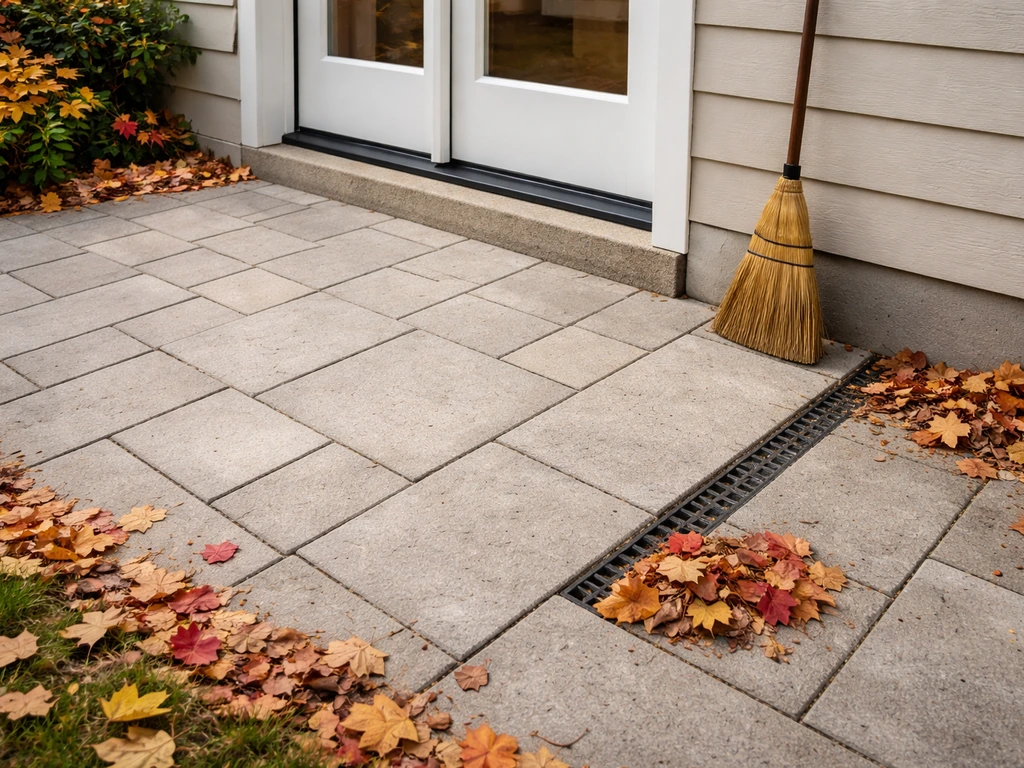
- Leaf and debris fall: the literal stuff dropping from trees that traps moisture, blocks drains, and creates slip hazards
- Safety hazards: wet leaves, pooled water, frost, and reduced daylight hours all make fall the riskiest season for slips and falls on a patio surface
Understanding all four meanings is what makes fall patio prep actually useful. A lot of homeowners focus only on one, usually the cleanup, and miss the drainage and safety issues that quietly cause the most damage over winter.
Fall patio problems to watch for right now
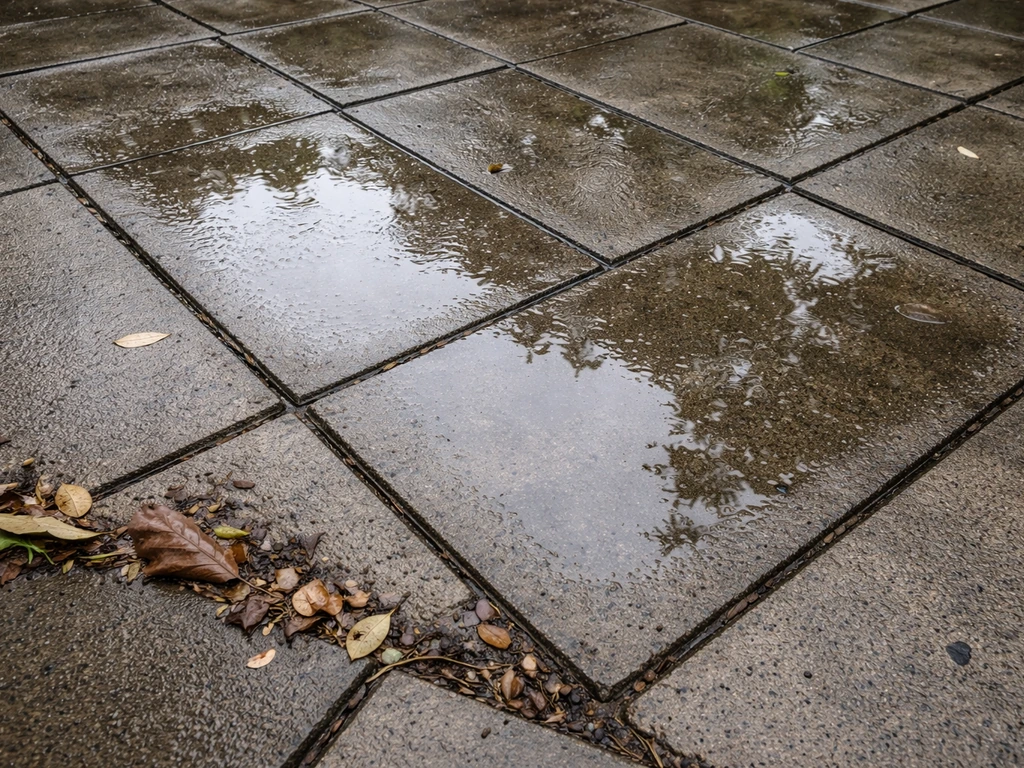
Walk your patio after a decent rain and you will spot most of these. The problems that show up in fall tend to get worse fast once temperatures start cycling around freezing, so catching them in October beats fixing them in March.
- Standing water: puddles that sit for more than a few minutes after rain indicate a drainage slope problem or a blocked drain. When that water freezes, it expands inside any cracks or pores in your surface and causes spalling and scaling, especially on concrete and brick
- Efflorescence: white powdery deposits on concrete or pavers are dissolved salts being pushed to the surface by moisture. It is usually harmless by itself, but if it keeps coming back after cleaning, you have a moisture movement problem underneath that fall rain will make worse
- Moss and algae: damp, shady conditions in fall are perfect for growth. Wet moss on pavers is one of the most reliable ways to end up on the ground
- Cracked or sunken pavers: low spots collect water and ice, and existing cracks let moisture in deep enough to cause real freeze-thaw damage over a cold winter
- Clogged drainage channels or downspouts directed onto the patio: gutter downspouts that dump runoff directly onto your patio surface are a common and fixable cause of pooling
- Slippery surfaces: wet leaves on smooth pavers or concrete can be nearly as slick as ice. Add frost and you have a genuine hazard
Covering and weatherproofing your patio for fall
Weatherproofing in fall breaks into two jobs: protecting your furniture and soft goods, and protecting the hardscape surface itself. They need different approaches.
Furniture covers and cushion storage
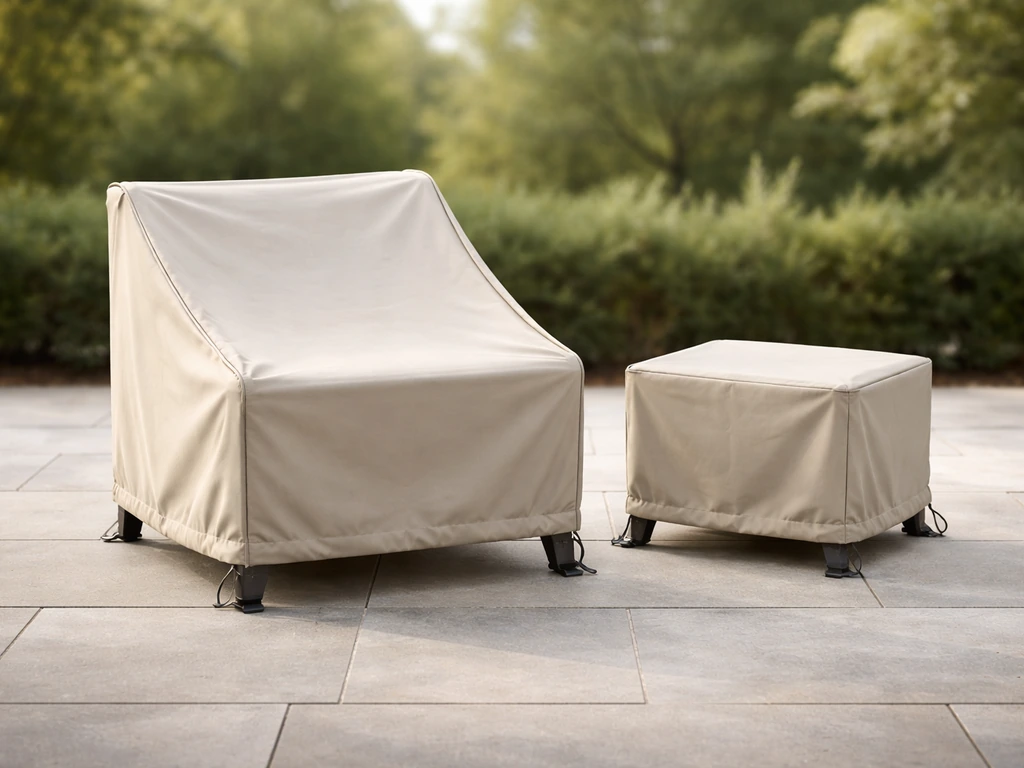
Get fitted furniture covers, not flat tarps. Fitted covers with drawcord hems, leg straps, and weighted corners stay put in fall wind. A flat tarp acts like a sail and either flies off or traps moisture underneath, which is worse than leaving the furniture uncovered. Cushions should come indoors once nighttime temperatures drop consistently below 50°F. Foam cushions that repeatedly get wet and cold will degrade quickly. A storage bin on the patio or a shelf in the garage works fine. Do not leave them under a cover in the rain for weeks on end.
Sealing your patio surface before cold weather hits
Sealing is one of the most effective things you can do to protect concrete, pavers, and brick from freeze-thaw damage. The catch is timing. Most quality paver sealers require surface temperatures between 50°F and 85°F during application and for the next 24 hours. Once night temps regularly drop below 50°F in your area, you have missed the window until spring. In most of the Midwest and Northeast, that means September or early October is your target. Fall patio prep is also where you’ll find the best time of year to lay patio, since temps and drying conditions matter for the materials. In the South or Southwest, you have more flexibility. For new concrete, blank" rel="noopener noreferrer">wait a minimum of 28 days after placement before sealing. For existing surfaces, clean off any efflorescence and let the surface dry completely first. Applying sealer over a damp or dirty surface traps problems in rather than sealing them out.
Wood and composite decking
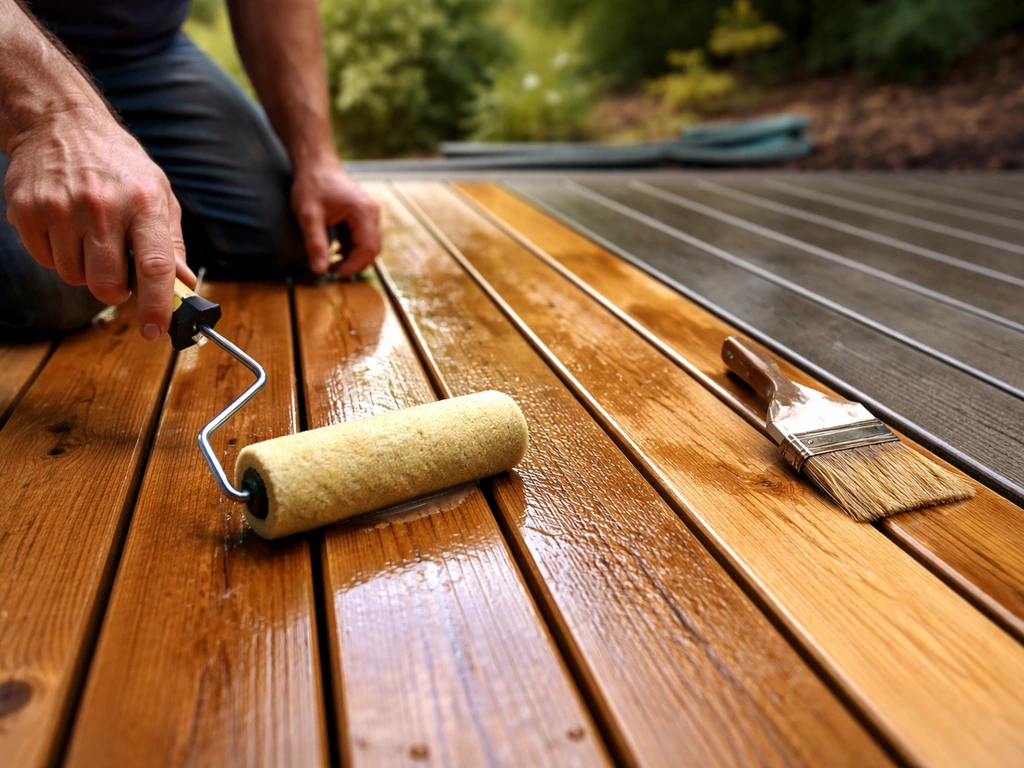
Natural wood patios benefit from a fresh coat of protective finish before the wet season. Composite decking is more forgiving but is not immune: standing water that repeatedly freezes on composite boards can cause warping over time. Clear any low spots where water pools on composite surfaces before winter. If your composite patio has gaps around the perimeter, make sure they are clear so water can drain through rather than sitting on top.
Managing leaves, debris, and yard waste
Leaves are more than an eyesore. A mat of wet leaves on pavers blocks drainage, creates anaerobic conditions that encourage moss and mold, stains some surfaces, and makes every step a slip hazard. The goal is to keep the patio surface clear through the whole fall season, not just do one big cleanup in November.
The right tools for the job
- Leaf blower: fastest for large open patio areas. Run it before the leaves get wet and compacted
- Stiff-bristle broom: better than a soft rake for getting leaves out of paver joints and textured surfaces
- Wet/dry vacuum: useful for cleaning out drainage channels, corners, and any debris that has packed into joints or low spots
- Raking: fine for smaller patios, but slow on larger areas
For disposal, check your municipality's yard waste schedule now, before the fall rush. Many cities offer curbside yard waste pickup in fall using compostable bags, and some run compost drop-off programs. Rules vary significantly by location, some require specific bag types, others accept loose piles. A quick check of your city's waste management website takes two minutes and saves you the problem of a pile sitting in your yard for weeks.
Preventative steps to reduce cleanup work
- Trim overhanging branches that drop directly onto the patio before fall starts
- Use a fine-mesh drainage channel cover over any French drains or channel drains to keep them from clogging with leaves
- Blow or sweep every week or two rather than letting leaves build up for a single massive cleanup
- Treat existing moss now before wet fall weather lets it spread; scrub with a stiff brush and oxygenated bleach solution, then apply a moss treatment spray after cleaning. Avoid using straight chlorine bleach on pavers or stone as it can damage the surface
Drainage and runoff fixes before winter
This is the section most homeowners skip, and it is the one that causes the most expensive problems. If your patio holds water after rain, fall is absolutely the time to fix it, before that standing water freezes, expands, and starts cracking your surface from the inside out.
Check your slope
A properly built patio should drop 1/8" to 1/4" per foot of distance away from your house. Over time, patios settle and that slope can flatten or even reverse. If you are seeing puddles near your foundation or anywhere that consistently holds water after rain, you likely have a settling issue. You can confirm with a long level and a tape measure. A 10-foot patio should have a 1.25" to 2.5" drop from the house edge to the outer edge. Less than that and water is not moving the way it should.
Common drainage fixes
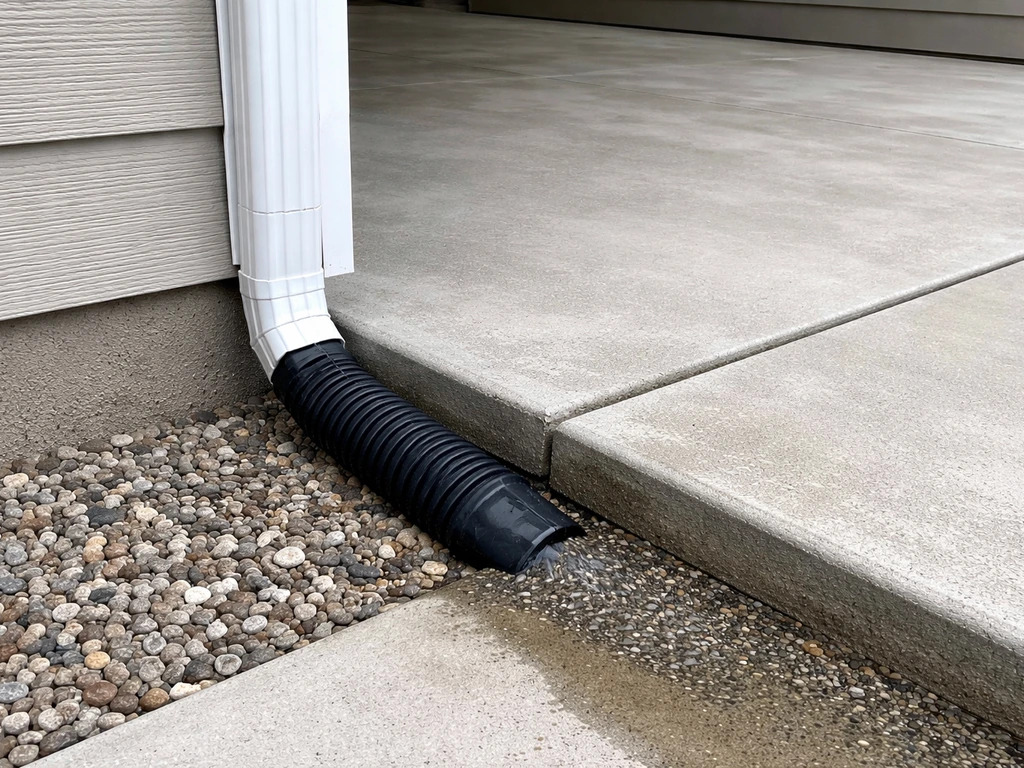
- Extend or redirect gutter downspouts: if a downspout empties onto or near your patio, add an extension to route water away from the surface entirely
- Add a channel drain or catch basin: for patios that slope toward the house or have no outlet, a linear channel drain across the low edge directs water to a safe discharge point
- Re-sand sunken paver sections: minor settling can sometimes be corrected by pulling the affected pavers, adding base material, and re-laying them with the correct slope
- Use drainage mats under rugs: if you have outdoor rugs on your patio, use raised drainage mats underneath so water can move through rather than pooling under the rug and staying wet
- Check that joints are open: packed-in debris in paver joints slows water infiltration. A quick sweep-in of fresh polymeric sand helps
The stakes are real. Any depression that holds water becomes an ice patch once temperatures drop. That is a safety issue on top of a damage issue. CMHA technical guidance specifically flags water-collecting depressions in paving as a slip and ice risk, not just a durability concern.
Fall patio safety and maintenance checklist
Run through this checklist in September or early October before the first real cold snap. In warmer climates like Texas or the Southeast, late October or November still works. In the upper Midwest or New England, you want to be done before Halloween.
- Walk the patio after a rain and identify any spots where water pools or drains slowly
- Check the slope away from your house using a long level; mark any low spots or reversed areas
- Clear all leaves, debris, and packed-in material from drainage channels, downspout extensions, and paver joints
- Treat any moss or algae growth now before cool wet weather helps it spread
- Clean the surface and check for efflorescence; if it is recurring, investigate the moisture source beneath the surface
- Seal concrete or pavers if temperatures will stay above 50°F for the next 24+ hours after application; if not, schedule it for early spring
- Install fitted furniture covers with proper wind-securing straps and drawcords
- Store foam cushions, fabric pillows, and any soft goods indoors or in a sealed bin
- Add or replace outdoor lighting near steps and transition points since shorter days mean more patio use in the dark
- Check for any cracked, heaved, or loose pavers or concrete sections; repair or flag them before they become icy trip hazards
- Redirect any gutter downspouts that drain onto the patio surface
- Pick up rubber-backed or drainage-mat outdoor rugs if you are in a freeze-thaw climate; flat rugs on wet pavers become ice traps
Your fall patio upgrade plan: DIY vs. calling a pro
Most fall patio prep is genuinely DIY-friendly and inexpensive. If you are trying to figure out what the cheapest patio option is, focusing on simple DIY upgrades and avoiding major drainage work usually keeps costs lowest what is the cheapest patio. A few situations call for professional help. Here is how to think about the split.
| Task | DIY difficulty | Approx. cost | When to call a pro |
|---|---|---|---|
| Leaf and debris cleanup | Easy | $0 to $50 in tools | Never, unless mobility is an issue |
| Furniture covers and cushion storage | Easy | $30 to $150 per piece | Never |
| Sealing pavers or concrete | Moderate | $50 to $200 in materials | If the area is large or the surface needs repair first |
| Moss/algae treatment | Easy to moderate | $20 to $60 | If growth is severe or keeps returning after cleaning |
| Redirecting a downspout | Easy | $10 to $40 in extensions | If it requires rerouting underground drainage |
| Adding a channel drain | Moderate to hard | $100 to $400 in materials | If it requires cutting concrete or tying into underground drainage |
| Re-leveling sunken pavers | Moderate | $50 to $150 in base material and sand | If large sections have shifted or slope is significantly wrong |
| Re-grading for drainage | Hard | $200+ in materials | Yes, for significant slope corrections near the foundation |
The honest rule of thumb: if the problem is on the surface and does not involve your foundation, drainage infrastructure, or significant re-grading, you can handle it yourself with a weekend and the right materials. If water is pooling near your foundation, if large sections of the patio have settled badly, or if you need to tie a new drain into an underground system, get a contractor involved before winter makes the problem worse and more expensive to fix.
Budget-wise, a complete fall patio prep on a mid-size patio typically runs $100 to $400 if you are doing it yourself: a quality sealer, furniture covers, a couple of downspout extensions, and fresh polymeric sand for the joints covers most scenarios. If you need professional drainage work, expect $500 to $2,000 depending on scope and your region.
Your next steps today
- Go outside right now (or after the next rain) and look for pooling water, cracked surfaces, and moss. Write down what you see.
- Check your local temperature forecast. If you still have two or three weeks of nights above 50°F, you have a sealing window. If not, plan to seal in early spring.
- Order or pick up furniture covers sized for your specific pieces before they sell out in October.
- Call your city's waste management line or check the website to confirm leaf pickup dates and bag requirements.
- Tackle cleanup, sealing, and cover installation in one focused weekend. It takes less time than it sounds.
- If you spotted drainage or slope problems, decide now whether it is a DIY re-sand job or whether you need a contractor quote before the ground freezes.
Fall patio prep is one of those things that feels optional until you see the cracked concrete or the warped boards in spring. A recommended fall for patio plan also helps you handle drainage, covers, and safety checks before freezing weather hits Fall patio prep is one of those things. The actual work is not complicated. The right timing is everything, and that window is open right now.
FAQ
What fall for patio means, do I need to prep for “fall season” or “slope fall” (drainage grade)?
You need both. Season prep focuses on wet weather, leaves, and cold nights, while “fall” as slope is the built-in grade that moves water off the patio. If you only do cleanup and ignore puddling, freeze-thaw damage and ice patches can still form.
How can I tell if my patio is sloped correctly without buying special tools?
Use a long level and tape measure. Measure the drop from the house edge to the outer edge (for a 10-foot run, look for about 1.25 to 2.5 inches of drop). If it is less than that, or puddles form after rain, you likely need grade correction, not just cleaning.
Is it okay to apply patio sealer if daytime is warm but nights are near freezing?
Usually no. Many sealers require surface temperatures in a specific range during application and for about 24 hours after. If nights regularly go below 50°F, you have likely missed the window, since sealing over marginal temps can fail and trap moisture.
What should I do if there are already weeds or moss in the patio joints or low spots?
Treat moss and weed growth as a drainage and moisture problem first. Clear leaves and debris, then remove growth before sealing or resurfacing. If you seal over damp buildup, you can lock in conditions that keep moss and staining coming back.
Do I need to remove all leaves, or is it enough to sweep occasionally?
Sweep or rake more consistently in fall, since wet leaf mats block drainage and increase slip risk. The goal is to prevent a buildup that stays damp for days, not to do a single cleanup late in the season.
Can I cover patio furniture with a tarp instead of fitted covers during fall rain and wind?
Avoid flat tarps. They tend to act like a sail in gusts, and they can also trap moisture underneath, which accelerates deterioration. Fitted covers with straps or weighted corners generally stay in place and ventilate better.
When should I bring cushions indoors if temperatures are hovering around 50°F?
Bring cushions in once nighttime temperatures consistently stay below 50°F. If cushions repeatedly get cold while staying wet, foam can degrade faster, even if the cover looks intact.
If my concrete has efflorescence, is sealing still a good idea in fall?
Only after cleaning and complete drying. Efflorescence is usually a moisture-related issue, and applying sealer over residue or dampness can trap salts and worsen appearance over time. Let the surface dry fully before any coating.
Polymeric sand in fall, should I add more even if joints look fine?
Do it if joints are open enough for debris and water movement, but do not overfill or seal over wet joints. After cleaning and making sure the surface is dry, fresh polymeric sand can restore joint stability and reduce how easily water infiltrates during freeze-thaw cycles.
My downspouts drain near the patio, what is the safest quick fix for fall?
Add downspout extensions so runoff discharges away from the patio surface and any low spots. If pooling persists after rain, you may need re-routing or a more involved drainage solution rather than just longer hoses or extensions.
When is DIY enough, and when should I hire someone before winter?
DIY is best for surface-level fixes like cleaning, covers, downspout extensions, resealing, and joint replenishing. Hire a pro if water pools near the foundation, large sections have settled, or you need to connect new drainage to an underground system.
How do I avoid a slip hazard during leaf season if my patio is already slippery?
Focus on preventing wet leaf buildup and keep ice-prone low depressions cleared. If you have persistent puddling spots, address the grade or drainage issue in fall rather than relying on de-icer, since depressions repeatedly freeze and become high-risk ice patches.
Do I need to finish fall patio prep earlier in colder regions, or can I wait until November?
Plan earlier in colder climates. In much of the Midwest and Northeast, aim for September or early October so sealer and surface work happen before sustained night temps drop below 50°F. Warmer areas often have more flexibility, but puddling should still be corrected before the first hard freezes.
What if I just want the cheapest “what fall for patio” plan, what should I prioritize?
Prioritize the most damaging causes first: fix pooling, prevent leaf mats from blocking drainage, and protect the surface with properly timed sealing (if your product temperature window fits). Then spend on furniture covers and joint maintenance, since those are cheaper than re-grading or major drainage work.
Next Articles
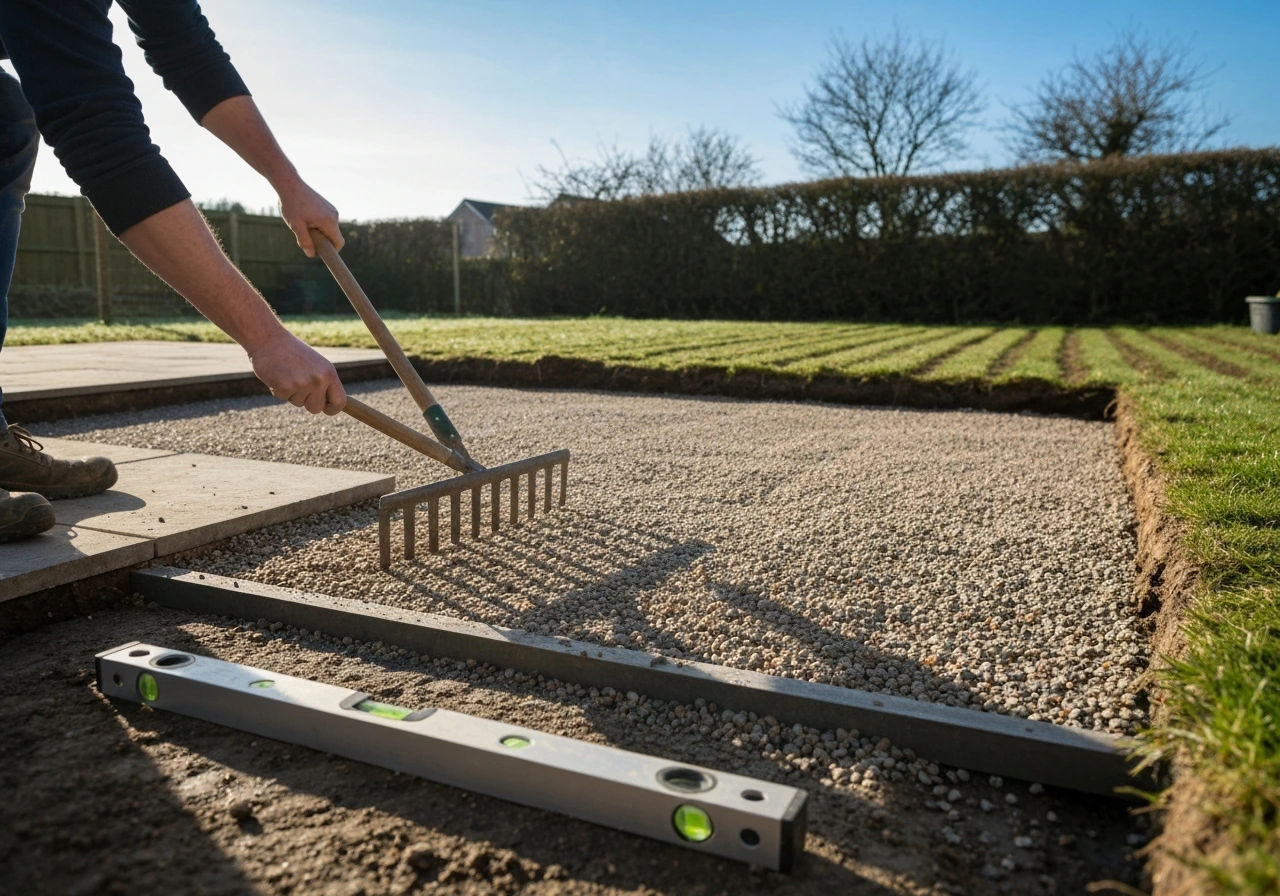
Best Time of Year to Lay a Patio UK Guide and Timing Tips
UK timing guide for patio laying: best season, daily ground checks, frost and rain risk, and material curing schedules.
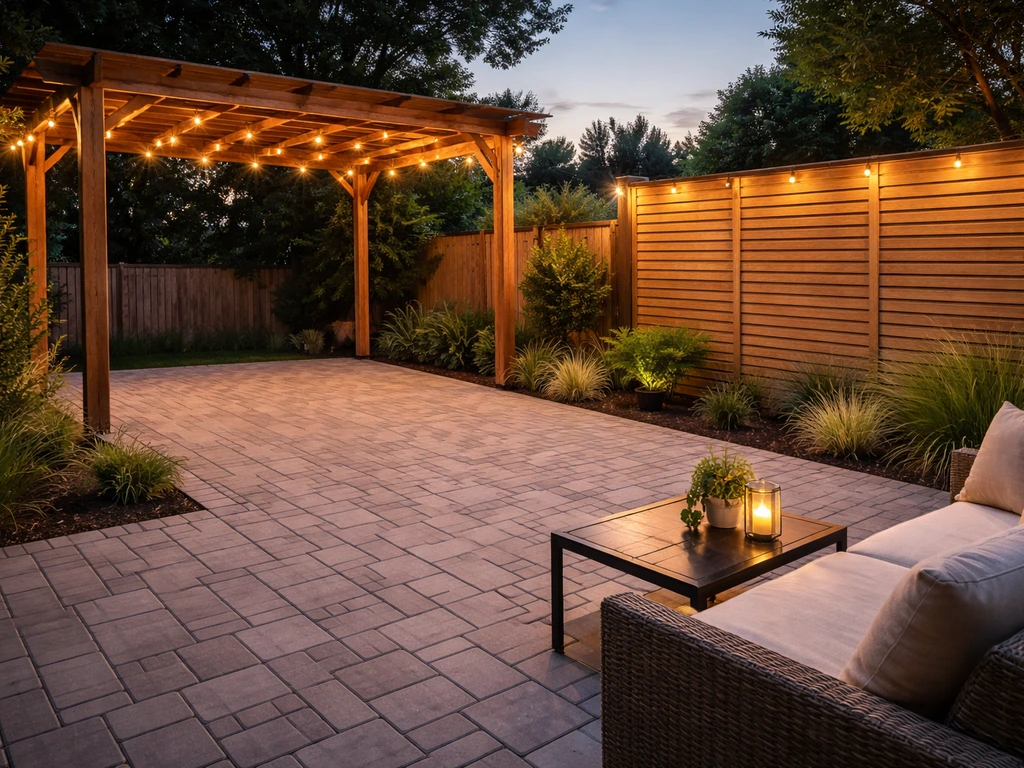
Do It Yourself Outdoor Patio Ideas: Build, Upgrade, Maintain
DIY outdoor patio ideas for planning, building, upgrading, and maintaining floors, shade, privacy, lighting, and decor.
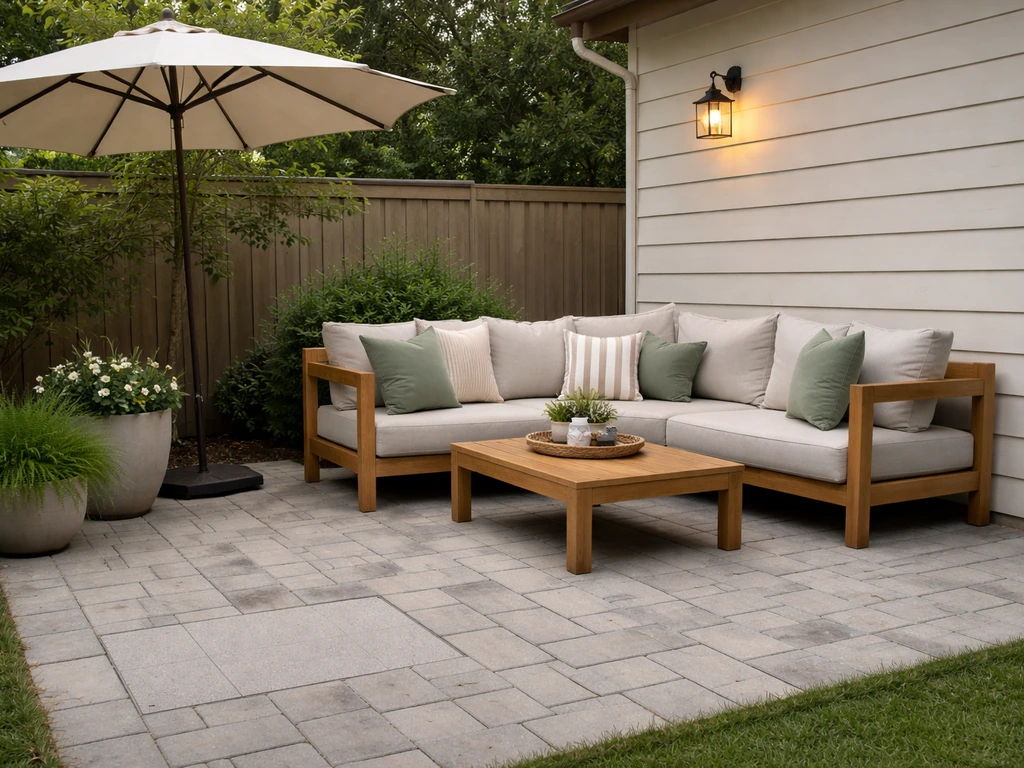
Quick Fix Patio Ideas for Instant Comfort and Style
Quick fix patio ideas for fast comfort and style: cleanups, repairs, shade, flooring tweaks, and safe upgrades on any bu