
If you want a patio enclosure that actually looks polished and holds up over time, you are generally choosing between four main categories: screen enclosures, clear vinyl or polycarbonate panel systems, glass panel systems (framed or frameless), and full sunroom or patio room conversions. Each one has a distinct price range, comfort profile, and maintenance reality.
Elegant Patio Enclosures Reviews: Compare and Choose

Phoebe Foster
7 Jun 2026
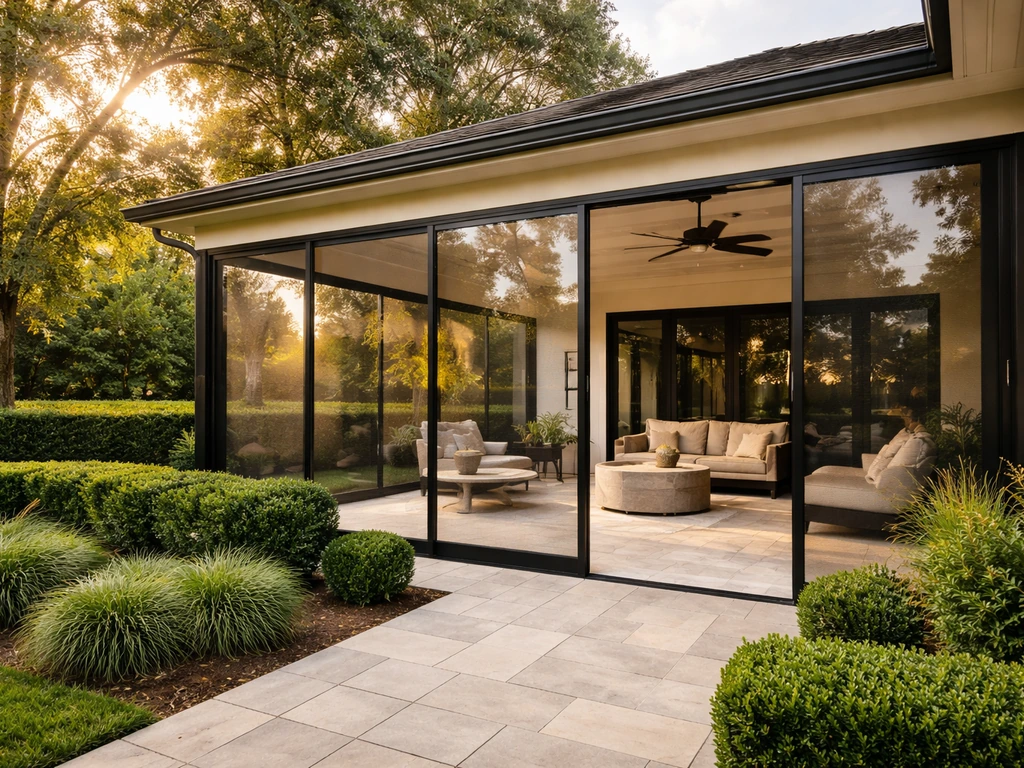
Screen enclosures are the most affordable and breathable option, running roughly $4 to $18 per square foot installed for basic work on an existing structure. Clear vinyl and retractable motorized systems sit in the middle, giving you a sealed-perimeter look when closed without permanent glass. Glass panel systems and sunroom conversions push into the $80 to $260 per square foot range and deliver the most weather resistance and year-round livability.
Which one is right for you depends on your climate, how you actually use the space, and how much you want to spend both upfront and over the next decade.
What people actually mean by an 'elegant' patio enclosure
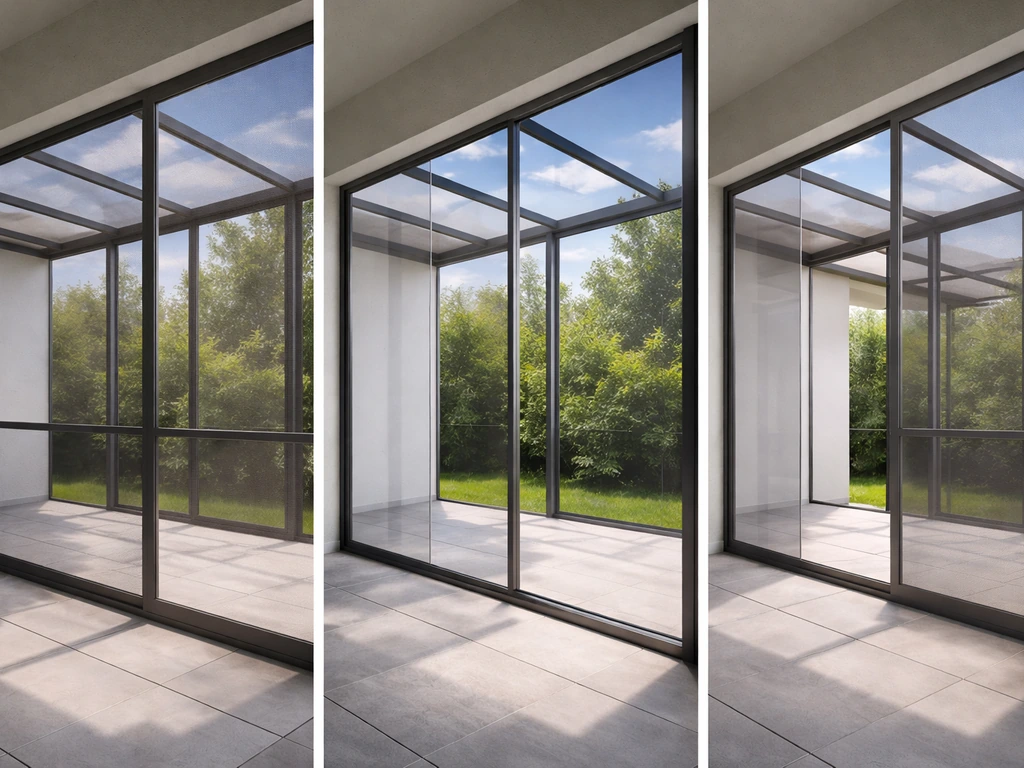
The word elegant shows up a lot in patio enclosure marketing, and it is worth unpacking because it means different things to different systems. Companies like TGP Systems use it to describe glass-and-aluminum panel setups that look like clean architectural additions rather than screen cages. WindFlex and similar brands apply the same word to clear or lightly tinted vinyl systems because the panels are nearly invisible when closed. In practice, 'elegant' usually signals three things: the enclosure blends with the existing structure rather than sticking out, the materials are clear or semi-clear rather than opaque, and the hardware looks finished rather than utility-grade.
Styles break into these main categories. Traditional screen enclosures use aluminum frames with fiberglass or aluminum mesh and are common in Florida and the Gulf South. Clear vinyl panel systems like those from PES or WindFlex use panels that roll up or slide out of a track and look almost glass-like when taut. Frameless glass systems (like EDG's slide-and-pivot design) use independent tempered glass panels that can swing open individually for ventilation and cleaning.
Full sunroom or patio room conversions use insulated or non-insulated wall systems, proper roofing, and sometimes HVAC, turning an outdoor area into conditioned or semi-conditioned space. There are also hybrid approaches where a screen enclosure is upgraded with glass or clear-view panel inserts, which some brands market as a 'screen-to-glass' conversion.
What real buyers like and complain about (the honest review themes)
Reading through reviews across these enclosure categories, certain themes come up constantly regardless of brand. If you are specifically comparing patio mate screened enclosure reviews, focus on whether buyers mention airflow, bug control, and how the screening holds up after real storms patio enclosure reviews. On the positive side, homeowners consistently praise enclosures that eliminate bugs without sacrificing light, add visible square footage to the home's usable outdoor space, and survive their first major storm without any surprises. The aesthetics payoff is real: a well-installed glass or clear vinyl enclosure can genuinely make a patio feel like an extension of the house rather than an add-on.
On the complaint side, the issues cluster around a few specific pain points. Installation quality is the biggest one. Track alignment problems on retractable screens cause friction, poor sealing, and frustrating operation from day one. Assembly manuals for retractable systems specifically flag sill track and head frame channel cleaning during installation as a critical step, and when installers skip it, owners deal with screens that bind or don't retract fully.
Material yellowing is the second most common long-term complaint, especially for vinyl and polycarbonate panels exposed to direct sun without proper UV-inhibitor coatings. Wind performance surprises buyers too: some vinyl curtain systems explicitly warn against adjusting panel position during high winds, which catches people off guard if they expected fully weatherproof operation in any conditions.
- Installation precision matters more than the brand name: track alignment, anchoring depth, and sill prep are where most long-term problems start
- UV protection quality in the panel material determines whether your enclosure stays clear or turns hazy within five years
- Wind ratings vary significantly: most vinyl curtain systems are designed for use in calm conditions and should be retracted before storms
- Labor and permit costs often catch buyers off guard because base quotes don't include electrical for fans or heaters, concrete work, or HOA filing fees
- Warranty coverage language matters: look at what is actually covered (frame vs panels vs hardware vs labor) and for how long
Weather, bugs, and comfort: what each system actually delivers
Bug control
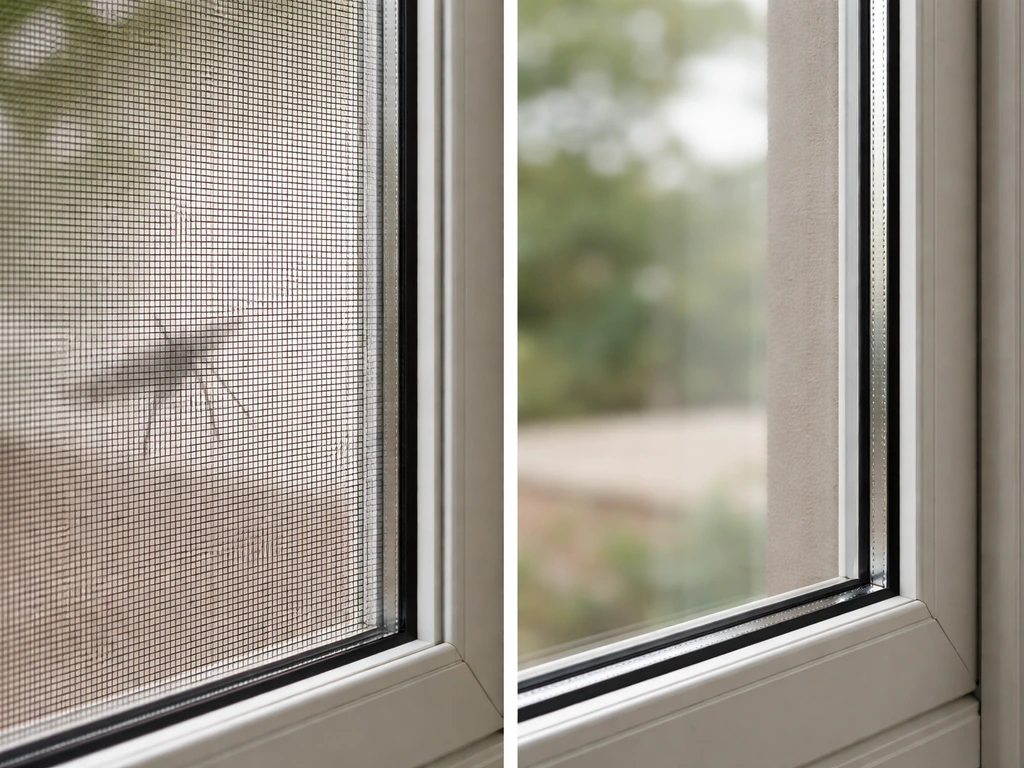
Screen enclosures are the clear winner for insect control in warm, humid climates. A properly installed aluminum frame with no-see-um mesh (smaller weave than standard fiberglass) blocks mosquitoes, gnats, and flies while allowing almost full airflow. The trade-off is that screens do not stop cold air, wind-driven rain, or fine dust. If you are in Florida, coastal Texas, or the Gulf South and bugs are your primary enemy from March through November, a well-built screen enclosure with a good frame and tight panel seals is hard to beat on value.
Wind and rain performance
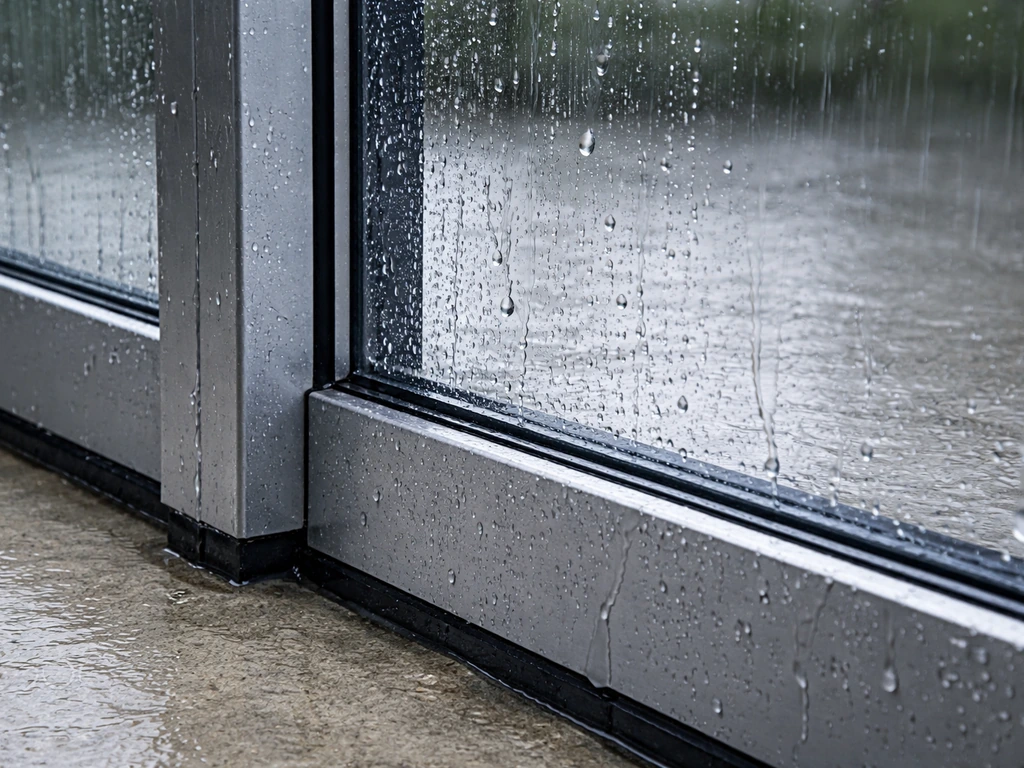
Glass systems perform best here. Aluminum-framed glass panel systems from brands like TGP protect against wind-driven rain, dust, and temperature swings by creating a true sealed barrier. Frameless glass systems with a slide-and-pivot mechanism (like the EDG design) allow you to open individual panels for ventilation when conditions are calm and close everything up when weather rolls in.
Motorized vinyl screen systems like those from V-Track claim a heat-welded perimeter and a fully sealed envelope when retracted, but 'sealed' in this context means wind-blocking more than waterproof: heavy driving rain can still find its way past most vinyl curtain systems at the bottom edge. Clear vinyl panel systems like PES require removing or rolling up panels before any significant storm. The rule of thumb: if you live somewhere with unpredictable weather, glass beats vinyl for no-worry storm protection.
Ventilation and heat buildup
Condensation and heat buildup are legitimate concerns that don't get enough attention in marketing materials. Polycarbonate and glass panels can develop condensation on the interior face when outdoor temperatures drop, and technical documentation on panel products specifically notes this as a characteristic of enclosed systems rather than a defect. Ventilation is the solution: any glass or panel enclosure benefits from operable panels, ridge vents, or ceiling fans. Motorized systems that fully retract when weather allows give you the best of both worlds. In hot climates like Arizona or inland Texas, even a beautiful glass enclosure can become unusable without shade, a ceiling fan, and possibly a misting system. Factor that electrical and plumbing work into your budget from day one.
Durability and maintenance: what owning one actually looks like
Aluminum frames are the industry standard for a reason. They don't rust, don't warp in humidity, and hold their shape over decades. The weak points are hardware: hinges, rollers, locking mechanisms, and track channels. Any enclosure with moving parts needs those parts inspected and lubricated annually. PES-style systems where you physically slide panels out of a track and roll them up are durable because there's less mechanical hardware to fail, but the annual removal and reinstallation process is a real commitment of time.
Panel and screen material is where most long-term maintenance headaches happen. Fiberglass screens are easy to patch but can sag or tear after five to ten years in high-UV environments. Aluminum screens last longer but are less flexible and more prone to denting. Vinyl panels require careful cleaning: you should pre-rinse to float off any grit before wiping, because dragging abrasive debris across a vinyl or polycarbonate surface creates micro-scratches that trap dirt and accelerate haze.
Spray cleaners should be applied to a cloth rather than directly onto mounted panels to avoid seeping into tracks or hardware. Avoid any solvent-based cleaner, abrasive powder, or stiff brush since these damage UV-inhibitor coatings and speed up yellowing. Warm water with a mild dish soap, applied with a soft microfiber cloth, is the right approach for both retractable screen curtains and clear vinyl or polycarbonate panels.
Glass enclosures are the most durable surface material but need the most diligent track and hardware maintenance. Tempered glass panels in a frameless system slide on precision tracks; if those tracks collect grit or the seals degrade, panels become hard to operate or start rattling in wind. Budget time every six months to clean the sill tracks with a narrow brush, inspect the pivot hardware, and check the weatherstripping.
Privacy, natural light, and how each enclosure fits your home's look
Standard screen enclosures offer very little privacy since anyone outside can see in clearly, especially at night when interior lights are on. If privacy is a priority, tinted vinyl or tinted glass is the most elegant solution because it reduces visibility without blocking your view out. Retractable vinyl systems sometimes come in tinted or opaque options in addition to clear, and Casco's modular approach where glass and screen panels are interchangeable within the same frame is useful if you want different opacity levels in different sections.
Light transmission is where clear enclosures shine. Glass and high-clarity vinyl like PES panels maintain the open, airy feel of an outdoor space while adding weather protection. Polycarbonate panels can have a slightly diffused or greenish tint depending on quality and age; premium UV-treated panels minimize this. For design fit, the most important factor is frame color and profile. Powder-coated aluminum frames in colors that match your home's trim or window frames make any enclosure look intentional rather than tacked on. Frameless glass systems have the most architectural appeal since the hardware nearly disappears. Sunroom-style patio rooms with white or matching-color aluminum framing read as permanent home additions and tend to add the most perceived value.
Door and window configuration matters both functionally and aesthetically. A screen enclosure with a single outswing door in the corner looks very different from a glass patio room with a wide sliding glass door that matches your interior sliders. Think about traffic flow, furniture placement, and whether you want the enclosure to feel like an outdoor room or an indoor room with fresh air. If you are comparing patio enclosure options with pergola systems that use curtains or retractable shades, those tend to offer less weather protection but more design flexibility and lower cost.
What it actually costs, from first quote to finished space
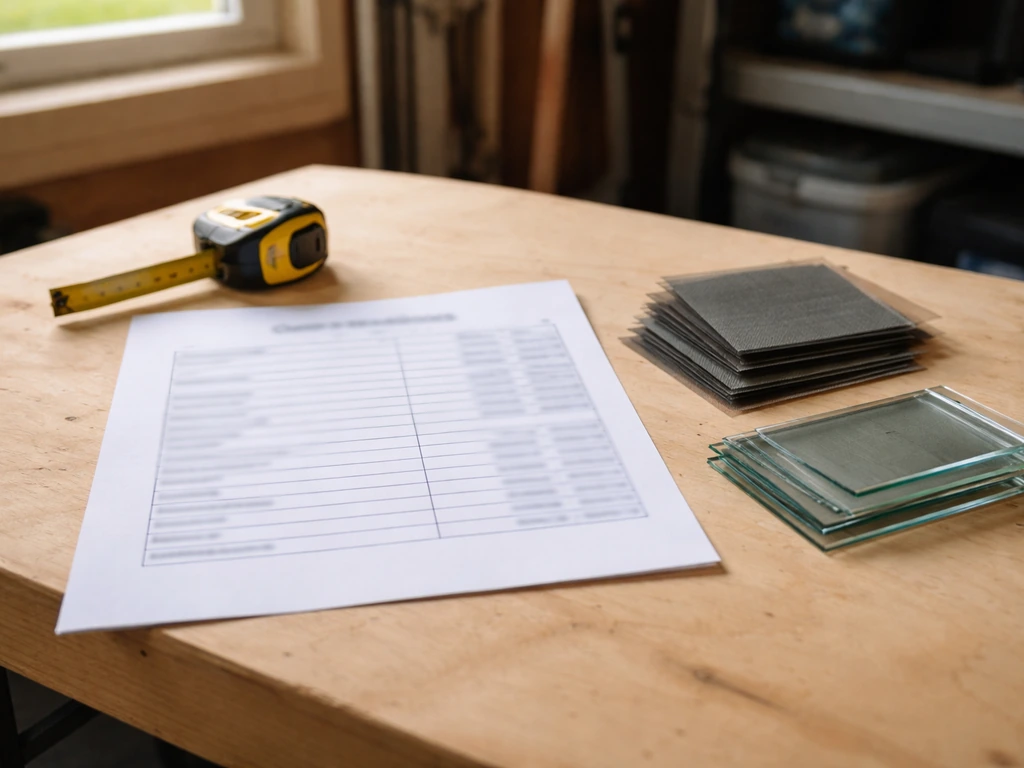
The price range for patio enclosures is genuinely wide, and it depends heavily on what category you are buying. Here is a realistic breakdown based on current 2026 market data.
| Enclosure Type | Typical Installed Cost | Best For | Main Trade-off |
|---|---|---|---|
| Basic screen enclosure (existing structure) | $4–$18 per sq ft | Bug control, warm climates, tight budgets | No wind/rain/cold protection |
| Clear vinyl panel system (seasonal/removable) | $15–$45 per sq ft | 3-season use, moderate climates | Requires storage, manual install/removal |
| Motorized vinyl/retractable screen | $30–$70 per sq ft | Convenience, sealed perimeter look | Not fully waterproof, wind limits apply |
| Aluminum-framed glass panel system | $80–$150 per sq ft | 4-season comfort, storm resistance | Higher upfront cost, track maintenance |
| Frameless glass wall system | $100–$260 per sq ft | Modern aesthetic, full weather protection | Premium price, precision installation required |
| 3-season patio room / sunroom conversion | $8,000–$30,000 total | Major addition, year-round use | Permits almost always required, longest timeline |
| Glass solarium / 4-season sunroom | $30,000–$150,000 total | Full conditioned space, maximum value | Significant construction, HVAC integration |
Those per-square-foot numbers are for the enclosure work itself. The real total cost includes several line items that base quotes routinely leave out. Permit fees vary by municipality but can run $500 to $2,500 for enclosed structures, and many HOAs require separate approval that takes 30 to 90 days. Electrical work for ceiling fans, heaters, or misters adds $500 to $3,000 depending on how far you are from your panel.
If your patio slab needs leveling, drainage improvements, or a concrete extension, add that separately. Side curtains, privacy screens, or solar shades that are not included in the base system can add another $500 to $5,000. Materials-only screening for a 200 sq ft patio runs roughly $2,000 to $2,800 before labor, which gives you a sense of how quickly the number grows once installation and extras are included.
DIY vs. hiring a pro: the honest breakdown
Screen enclosures on existing structures with simple rectangular geometry are the most realistic DIY candidate. Kits are available, installation manuals are detailed, and mistakes are usually fixable without structural consequences. Retractable screen systems are borderline DIY territory: the Home Depot installation documentation walks through track placement and housing alignment, but track fit precision is where most problems originate, and a slightly misaligned track causes years of friction and poor sealing. Glass panel systems and any sunroom-style conversion should be professionally installed. The anchoring, leveling, and weatherproofing requirements are specific enough that DIY errors are costly to fix and can void warranties.
How to read reviews and choose the right product or installer
Most online reviews for patio enclosures are written within the first few weeks of installation, which means they capture the 'it looks great' feeling but not the three-year reality of how panels hold up, whether the frame stays true, or whether the company honors warranty claims. When you see champion patio enclosures reviews, focus on long-term details like weather performance, installation quality, and how the company handles warranty issues. When you read reviews, filter specifically for ones that mention a date of installation at least one to two years before the review was posted. Look for mention of specific weather events (the first big storm, a hard freeze, a heat wave) since those stress-test reviews tell you far more than a five-star 'love it' post from week two.
For installer reviews specifically, look for how the company responded to problems. An installer who shows up promptly to fix a track alignment issue or panel seal that failed in the first year is worth more than a slightly cheaper installer whose reviews show unresponsive post-install service. Check whether reviews mention permit handling: a contractor who pulls the permit on your behalf and knows local code is protecting you from future problems when you sell the home.
Questions to ask any vendor or contractor before signing
- What is the frame material and wall thickness, and what load rating does the frame carry in wind?
- What is the panel or screen material, what is the UV inhibitor rating, and what is the expected service life before replacement?
- Does the quote include permit filing, and who is responsible if the permit is rejected or requires redesign?
- What does the warranty cover specifically: frame, panels, hardware, and labor, and for how long on each?
- Can I see a completed installation that is at least two years old in a similar climate to mine?
- What maintenance is required to keep the warranty valid, and can you walk me through the cleaning and inspection schedule?
- What is the estimated timeline from signed contract to completed installation, including permit wait time?
- If I want to add a ceiling fan, heater, or misting system later, is the frame pre-drilled and does the quote include electrical conduit?
- What wind speed does the system handle when fully closed, and what do I need to do before a storm to protect it?
- What is the return or remediation policy if I am not satisfied with the installation quality?
A practical checklist for comparing enclosure options
- Climate match: does the system handle your hottest summer and coldest winter without requiring you to remove panels or close it down for months at a time?
- Bug season match: if you have a serious mosquito or no-see-um problem, is the mesh weave tight enough for your conditions?
- Operational mode: do you want to open and close it daily, seasonally, or leave it fixed year-round?
- Privacy level: does the panel material and opacity match your lot situation and neighbor proximity?
- HOA and permit reality: have you confirmed the enclosure type is allowed by your HOA and what permits your municipality requires?
- Total cost vs. base quote: have you accounted for electrical, concrete, permits, and any HOA filing fees?
- Installer track record: have you seen or spoken to a past customer at least 18 months post-installation?
- Warranty specificity: do you have the warranty terms in writing before signing, not just a verbal promise?
- Maintenance commitment: are you willing and able to do the cleaning and hardware checks the system requires to stay functional and under warranty?
Which enclosure type is right for you: a decision framework
If you live in a warm, humid climate like Florida, coastal Texas, or the Carolinas and bugs are your main problem from spring through fall, a well-built aluminum-framed screen enclosure is probably your best starting point. It gives you the most airflow and the lowest cost, and you can always upgrade it later with a screen-to-glass insert conversion if you want more weather protection in a few years. If you are aiming for better living patio enclosures, start by matching the system type to your weather and comfort goals, then prioritize durability and proper installation.
If you are in the Midwest or mid-Atlantic and want three-season use without committing to a full sunroom, a clear vinyl panel system or a motorized vinyl retractable screen gives you good seasonal flexibility. These systems can handle light rain and cool temperatures but should be retracted before serious storms. They are also the most budget-friendly path to an enclosed look without permanent construction.
If you want true four-season use, protection from wind-driven rain, and a space that looks like an architectural feature rather than an add-on, aluminum-framed or frameless glass panel systems are the right category. Yes, they cost more. But the combination of durability, clarity, and weather performance is genuinely superior, and the long-term maintenance cost is predictable. Brands positioning their systems as 'elegant' glass enclosures (like TGP's glass panel approach or frameless slide-and-pivot systems like EDG's) are targeting this buyer, and the positioning is accurate.
If you are planning a major home investment, want year-round conditioned use, and have the budget, a 3-season patio room or full sunroom conversion is the right move. blank" rel="noopener noreferrer">Prefab patio rooms run $5,000 to $30,000 and are a fraction of the cost of a custom glass solarium (which can reach $150,000 for large, high-end projects), and they add real appraised value to your home. A well-designed patio room can be a smart way to create better living patio rooms with year-round comfort and a finished, architectural look. This is a full construction project, not a product purchase, so contractor selection and contract terms are as important as the product itself.
Worth noting for comparison: if your goal is more about shade, style, and partial weather protection rather than a fully enclosed space, pergola systems with retractable canopies or curtains are worth considering alongside enclosures. If you want the best patio pergola for your space, compare coverage options like retractable canopies and shade curtains against your weather and privacy goals pergola systems. They tend to cost less and require fewer permits, but they do not give you the bug or rain protection that a true enclosure does. Similarly, screened enclosure systems from brands focused on modular or DIY-friendly designs can be a good middle ground if you want a semi-permanent structure without the contractor dependency of a full installation.
Your practical next steps before you spend anything
Before you get a single quote, spend thirty minutes doing three things: measure your patio footprint accurately (length, width, and ceiling height if enclosed), look up your HOA rules and municipal permit requirements for enclosed patio structures, and decide honestly how you plan to use the space (year-round, seasonal, daily, occasional). Those three pieces of information will eliminate half the options on the market and let you get apples-to-apples quotes from contractors instead of comparing incompatible systems. If you are specifically comparing mirador patio pergola options, look for reviews that mention shade coverage, canopy operation, and how they hold up through wind and sun.
Get at least three quotes, and ask each contractor to break out materials, labor, permits, and any electrical or concrete work separately. That lets you compare the actual cost of the enclosure system rather than trying to decode bundled line items. Ask for the warranty documentation in writing before signing, not after. And if a contractor cannot point you to a completed job in your climate that is at least a year old, keep looking. The best reviews you will ever read are the ones you get from a real past customer standing in their finished enclosure telling you how it performed through a full summer and winter.
FAQ
Do elegant patio enclosure reviews promise total bug protection, or are there limits?
Not necessarily. A well-installed screen enclosure can dramatically reduce insects, but it cannot block all entry routes. If your patio has gaps at doors, torn mesh, or loose bottom seals, mosquitoes and gnats will still get in. For “no-see-um” screening, confirm the mesh type, frame overlap details, and whether the installer includes full perimeter weather seals, not just the mesh panels.
How often do elegant patio enclosures actually need maintenance, especially with retractable or sliding panels?
Yes, and the timing matters. Ask for a written schedule for service, not just a warranty length, and look for reviews mentioning hardware checks (rollers, hinges, locking mechanisms) after the first season. Even “low maintenance” systems usually need track cleaning and light lubrication to keep sliding panels smooth.
Are elegant patio enclosures truly waterproof in hard rain, or do some leak at the bottom?
Start with the bottom edge and the sealing method, because most “not waterproof” complaints happen there. If the enclosure uses vinyl curtains or clear roll-up panels, ask how the system handles driving rain and where water is expected to drain. For glass systems, ask whether weatherstripping is replaceable and how often it typically needs inspection after heavy storms.
When reading elegant patio enclosures reviews, what clues show long-term performance versus early “looks great” feedback?
Look for reviews that mention a specific installation date and at least one real weather event after that date. A good signal is posts referencing windstorms, a hard freeze, or a summer heat wave, plus comments about whether panels stayed aligned and hardware kept working. If most reviews are from the first few weeks only, treat the performance claims as “early impressions.”
What causes clear vinyl or polycarbonate enclosures to yellow or turn cloudy over time?
For clear vinyl or polycarbonate, ask about UV-inhibitor coatings and whether the manufacturer specifies a surface cleaning method. Yellowing and hazing are often accelerated by using abrasive cleaners, power washing, or wiping over grit without pre-rinsing. If a contractor cannot explain cleaning do’s and don’ts for the exact panel material, that is a red flag.
Why do some elegant patio enclosures get condensation, and how can you prevent it?
Condensation is common when you enclose a patio without active ventilation. Before buying, confirm whether the system supports operable panels (even partial opening), a ridge or roof vent, and the plan for ceiling airflow (fan placement, clearance, and electrical routing). Reviews that mention “fogging” usually also include whether owners had fans or vents installed.
What line items are commonly missing from patio enclosure quotes that affect the final price?
Don’t assume cost per square foot covers the items that most often change total price. Ask each contractor to separate permit fees, electrical, leveling or drainage work, door upgrades, hardware options, and any privacy or shading add-ons. Also ask whether the quote includes removal of existing rails or modifications to roof overhangs, because those can materially affect fit and weather sealing.
How do permits and HOA approvals usually affect elegant patio enclosure installations?
HOA and permit outcomes can vary by how your enclosure is framed, how much it changes the exterior footprint, and whether it’s considered conditioned space. Before signing, ask the contractor to list which permits they handle, whether they submit on your behalf, and how they address HOA design review timelines. If the contractor cannot explain the approval process clearly, you may face delays or forced redesigns.
If I choose retractable or motorized systems, what weather should I plan around, and what mistakes are common?
Many people expect “all-weather” performance from retractable systems, but the correct use depends on wind and rain thresholds. Ask for the manufacturer’s guidance on whether panels should be left in a particular position in high winds, and confirm whether there are operational warnings in writing. If the system requires retracting before storms, factor that into your daily routine.
What should I check about door configuration in elegant patio enclosures, beyond appearance?
Yes, the door matters more than most reviews suggest. Ask whether your enclosure uses an outswing door (common for screens) versus a sliding door (common for glass patio rooms), and confirm threshold design and sealing at the door. Also review traffic flow impacts, for example whether opening direction blocks furniture or creates a pinch point with outdoor seating.
What details most affect the “elegant” look in patio enclosure reviews, and what should I verify before ordering?
For “elegant” appearance, frame color and sight lines often make or break the look. Ask for a finish sample and confirm powder-coat process and color matching approach to your trim. Reviews that praise the look typically also mention frame profile details and consistent panel alignment, especially at corners and where the enclosure meets the house.
Next Articles
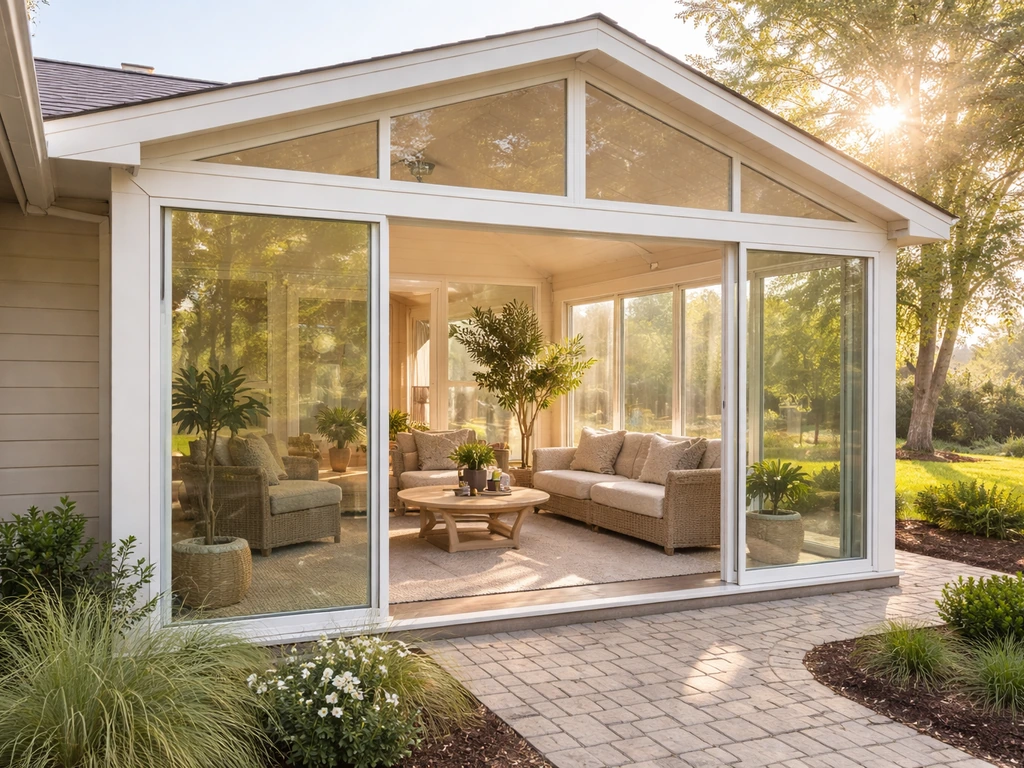
Better Living Patio Rooms and Sunrooms: Buyer Guide
Choose Better Living patio rooms or sunrooms with features, layout tips, climate fit, and how to compare quotes.
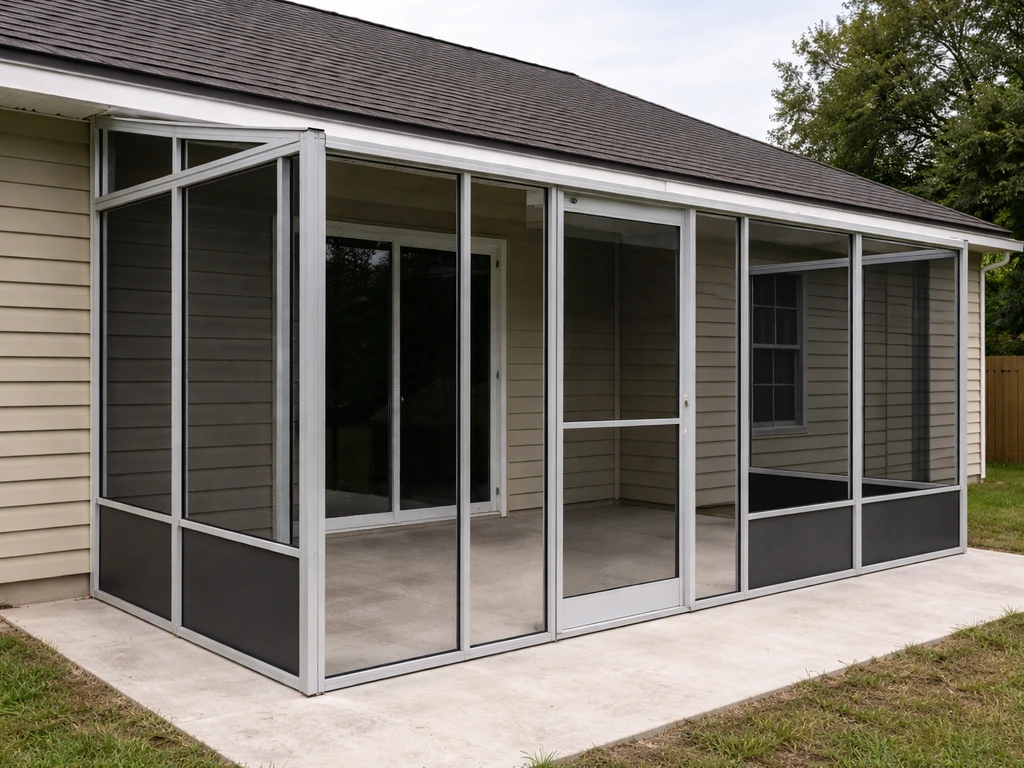
Champion Patio Enclosures Reviews: Pros, Cons, and Fit
Champion patio enclosure reviews with pros and cons, common complaints, fit tips, cost checklist, and climate performanc
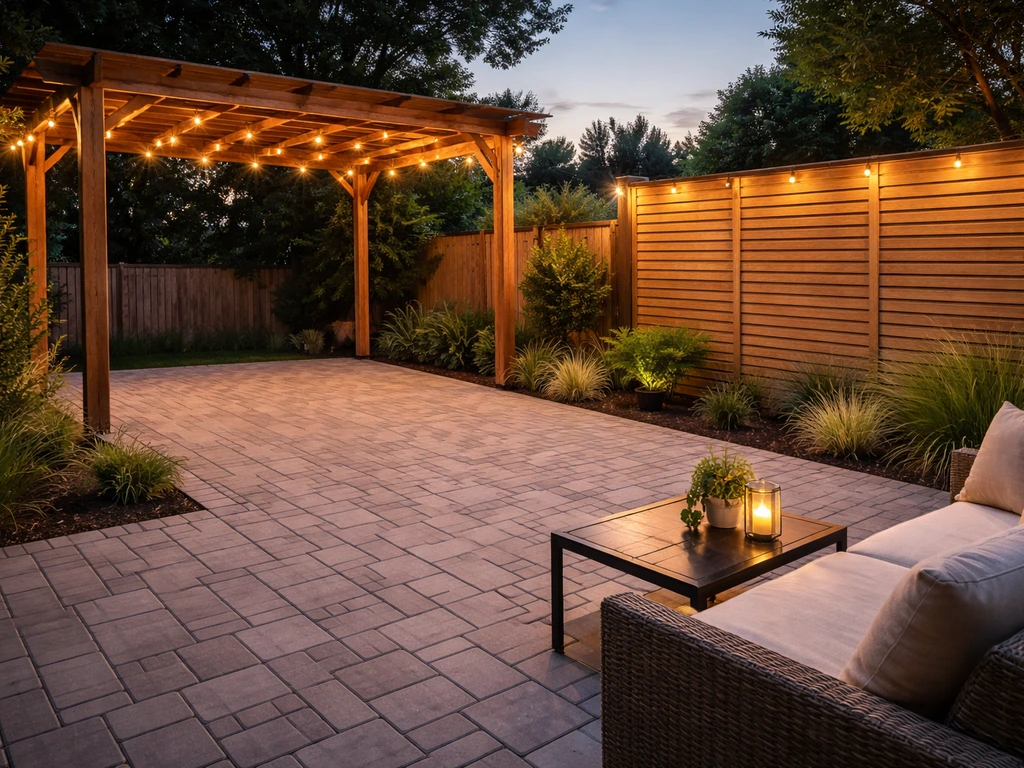
Do It Yourself Outdoor Patio Ideas: Build, Upgrade, Maintain
DIY outdoor patio ideas for planning, building, upgrading, and maintaining floors, shade, privacy, lighting, and decor.