
Champion patio enclosures are a reasonable option for homeowners who want to convert an existing covered patio into a usable three-season space, but the real-world experience is very installer-dependent. The product itself gets decent marks for customization and build quality, but homeowner reviews across multiple markets consistently flag long lead times, installation delays, and occasional leaks or door alignment issues.
Champion Patio Enclosures Reviews: Pros, Cons, and Fit

Phoebe Foster
4 May 2026
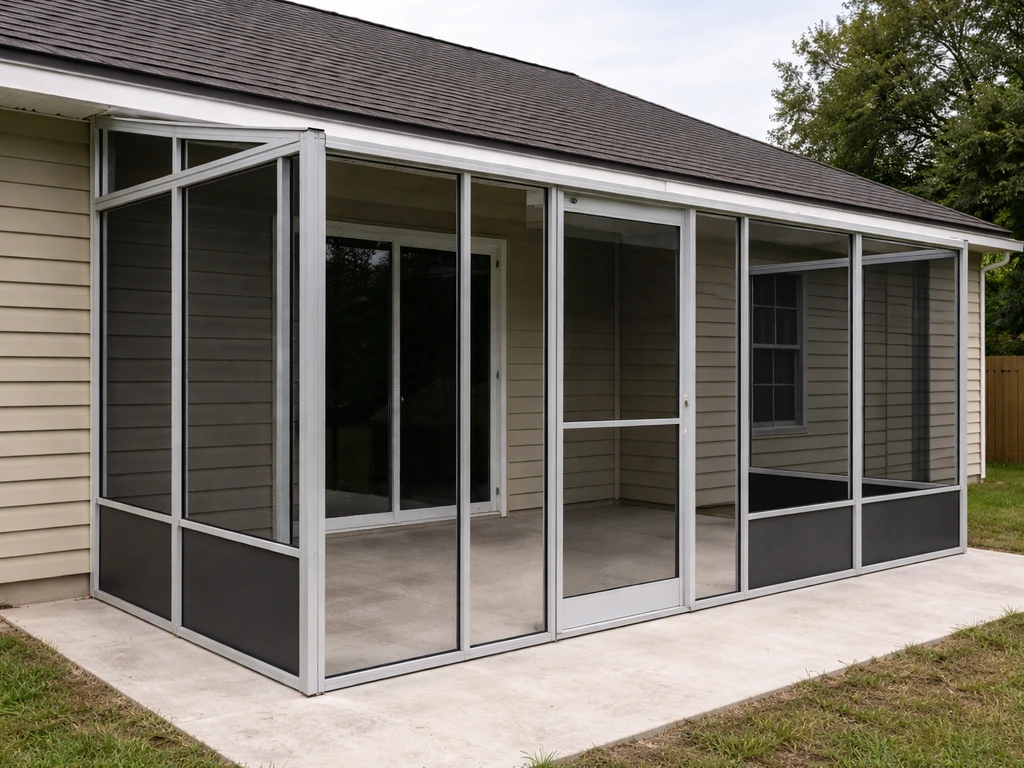
GuildQuality’s “Patio Enclosures - Mobile” page includes verified customer feedback that references measurement or customization issues and incomplete work at the time of review homeowner reviews across multiple markets consistently flag long lead times, installation delays, and occasional leaks. If you go in knowing what to watch for, ask the right questions upfront, and compare a few bids, Champion can work well.
But it's not a slam-dunk for every situation, and there are solid alternatives worth considering.
What Champion patio enclosures are and who they're actually for
Champion positions its patio enclosures as a way to use your home's existing architecture rather than building a brand-new room addition from scratch. The concept is straightforward: you already have a covered patio with an existing floor and roof overhead. Champion (or one of its regional installer partners) encloses that space with screens or glass panels, adds integrated doors, and you've got a usable outdoor room without a full structural addition. That distinction matters for permitting, cost, and timeline.
Champion's 3-season sunroom is their most popular enclosure product. It's described as partially insulated, customizable, and fitted with sliding, locking, and fully-adjustable screens. "Partially insulated" is an important qualifier: these are not year-round heated or air-conditioned spaces. They're designed for temperate climates or shoulder-season use in colder regions. If you're in Florida, Texas, or Southern California and want to use your patio nine or ten months out of the year, a 3-season enclosure makes a lot of sense. If you're in Minnesota expecting to use it in February, you'd need a true 4-season sunroom (which is a different, more expensive product).
Champion also sells patio covers (not enclosed) and fully framed sunroom additions. Make sure you're comparing apples to apples when you get quotes: a patio cover is just a roof structure, while a true enclosure adds walls, screens, or glass. The enclosure product line is what most people are searching for when they look up Champion patio enclosures.
This product fits you well if you have an existing covered patio or deck, want bug protection and weather resistance without a full addition, and are working with a budget that sits below a custom four-season room. It's less ideal if your existing structure isn't level, if you need year-round climate control, or if your HOA or local zoning is strict about enclosure additions on decks.
What homeowners actually say: the recurring pros and cons
Pulling from verified review platforms like GuildQuality across multiple Champion and Patio Enclosures markets (Charlotte, Dallas, Orlando, Houston, Fort Myers), some clear patterns emerge. The Dallas profile has 80 reviews with a 4.2 rating. Charlotte shows 36 reviews with 30 out of 36 recommending the company. That's a decent signal on the positive side. But Orlando tells a different story: 26 reviews and only 8 out of 26 would recommend. That gap tells you a lot about how much installer quality varies by market.
What homeowners tend to like
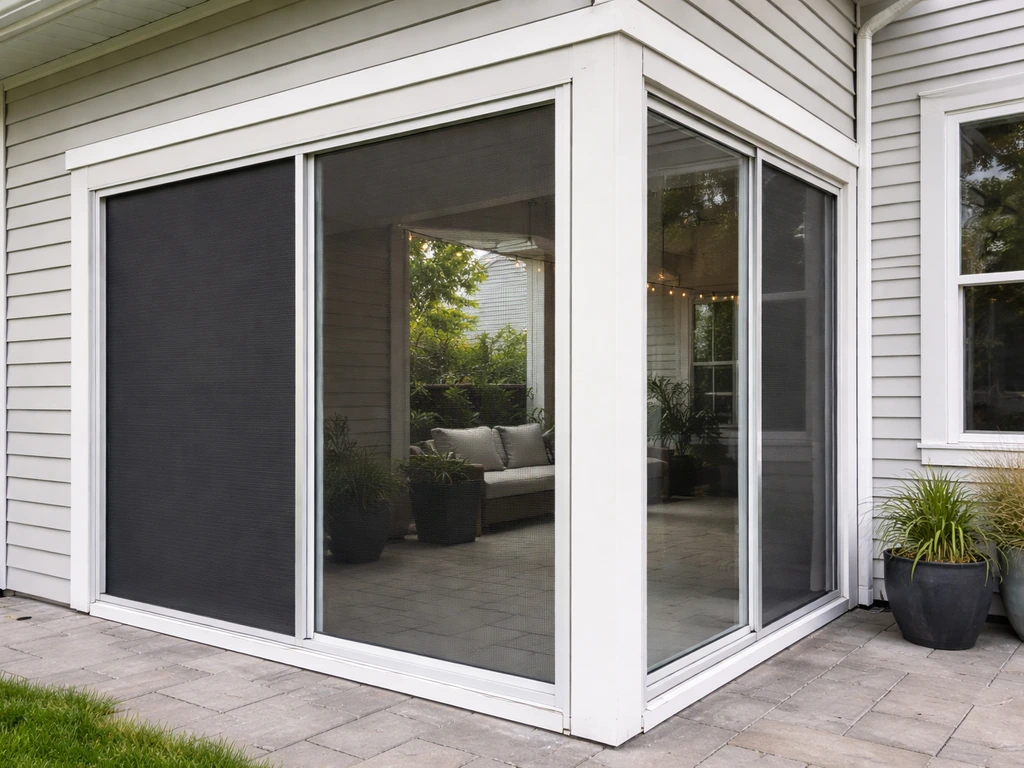
- The finished look: when installation goes well, homeowners consistently praise the clean integration with the existing home structure
- Customization options: screen vs. glass, color choices, door placement, and hardware that matches existing trim
- The upgrade path: screen rooms can often be converted to glass panels later, which lets you start at a lower price point
- Bug and weather protection: the core value proposition holds up in most markets
- Warranty coverage: Champion offers product warranties, though follow-through on claims draws criticism (more on that below)
What homeowners tend to dislike
- Long wait times from signing to installation, with some projects taking three to four months or more
- Installation delays mid-project (teardown finished, rebuild stalled for weeks)
- Poor communication from the company once the contract is signed
- Measurement errors that show up during or after installation
- Service costs after the sale that feel high relative to competitors
- Warranty repairs that take multiple visits to actually resolve
Forbes Home's review of Champion echoes a lot of this, specifically calling out long wait times, poor measurement, shoddy installation in some cases, and service costs that run higher than the competition. This isn't a fringe complaint; it shows up consistently enough to take seriously.
Common problems to watch for before you commit
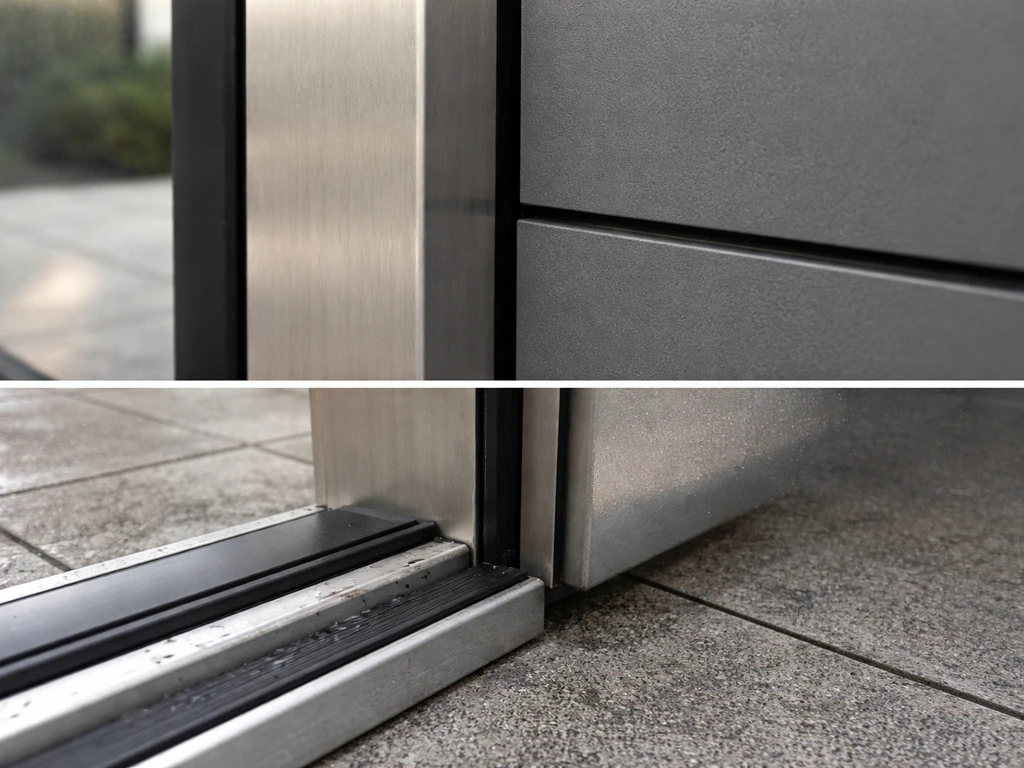
Leaks are the number-one complaint that comes up in enclosure reviews across brands, and Champion is no exception. Before you commit to any setup, look specifically at elegant patio enclosures reviews that call out leaks, door alignment, and how quickly installations are completed in your area. A Charlotte reviewer specifically cited leaking issues that required multiple remediation visits. The root cause in most cases is sealing at the junction between the enclosure panels and the existing roof or wall. If that flashing isn't done correctly, water finds a way in. Ask any installer directly: how do you handle the flashing at the roof-to-wall connection, and what does your leak warranty cover specifically?
Door and panel alignment is the second most common complaint. An Orlando review specifically called out a door that gets stuck when opened. This is often a settling issue (the enclosure shifts slightly after installation) or a measurement error during the build. In colder climates, thermal expansion and contraction can make this worse over time. Request information on how the door tracks and hardware are adjusted post-installation and whether that adjustment is included in the service scope.
Leveling and site prep deserves more attention than most homeowners give it upfront. A HomeAdvisor review described a sunroom built on a slant because the underlying patio wasn't level, with the installer essentially blaming the customer for not having the slab pre-leveled. This is a real failure mode: if your existing patio floor has any slope or settling, that needs to be addressed before any enclosure goes up, or you'll have alignment and drainage problems from day one. A good installer should flag this during the measurement visit, not after the fact.
Condensation is a less-talked-about issue but worth knowing about. Enclosed spaces, especially glass-panel enclosures in humid climates, can develop significant condensation on cold mornings. This is a natural physics issue, not a defect, but if you're not prepared for it you'll end up with moisture on your furniture and floor. Screen rooms breathe more and have less condensation. Glass or insulated panels trap more heat and humidity. The right choice depends on your climate and how you plan to use the space.
Corrosion and hardware staining show up in coastal or humid markets. Aluminum frames generally hold up well, but hardware (hinges, handles, screen latches) can show corrosion in salt-air environments. Ask specifically what grade of hardware is used and whether it's rated for your regional conditions.
Zoning and permitting friction is underappreciated. A Fine Homebuilding forum thread flagged that enclosures built on existing decks can sometimes trigger zoning violation issues. This isn't unique to Champion, but since Champion (and its affiliate networks) operate through regional installers rather than a single national crew, the quality of permit-pulling and compliance varies. Always confirm that the installer pulls the required permits and that they're familiar with your local zoning rules.
How to read patio enclosure reviews without getting misled
Most of the online reviews you'll find for Champion and similar enclosure companies are either very positive or very negative, with not much in the middle. That's normal for home improvement projects: satisfied customers go back to their lives, and frustrated customers write reviews. Here's how to read what you find with a clearer lens.
- Look for verified reviews on structured platforms. GuildQuality uses a verified survey process (badges on individual reviews) rather than anonymous submissions, which makes it more reliable than general consumer review sites where anyone can post without verification.
- Pay attention to the market-specific profile, not just the brand overall. A 4.2 in Dallas and a 3.1 in Fort Myers are the same brand but very different installer operations. Search for your specific metro area's profile, not just 'Champion reviews.'
- Distinguish product complaints from installer complaints. 'The screen quality is poor' is a product issue. 'The project took four months and no one called me back' is an installer/operations issue. Both matter, but they point to different solutions.
- Treat one-star reviews with specificity. A review that says 'terrible company, don't use them' tells you little. A review that says 'the door alignment was off, they came back twice and still didn't fix it, and warranty service took three months to schedule' tells you exactly what could go wrong.
- Watch for reviews that reference communication mid-project. Multiple Houston and Fort Myers reviews mention the company going quiet after the contract was signed or after teardown. Communication breakdown mid-project is one of the most stressful renovation problems and hard to fix once it starts.
- Be skeptical of reviews on the brand's own website or affiliated content. Patio Enclosures (Great Day Improvements), which is a related brand in the same space, is part of a larger company ecosystem. Content on affiliated pages may not reflect the full range of homeowner experiences.
What this actually costs: budgeting beyond the sticker price
A real-world price datapoint from a Nashville Reddit thread quotes $45,000 for a 10x25-foot three-season room from Champion. That's $180 per square foot, which is on the higher end but not unusual for a professionally installed, custom-manufactured enclosure. Smaller screen-only enclosures will come in meaningfully lower. Here's what to make sure you're budgeting for beyond the base quote.
| Cost Item | Why It Matters | Typical Range |
|---|---|---|
| Base enclosure (materials + installation) | The primary quote you'll receive | $15,000–$50,000+ depending on size and glazing |
| Site prep and leveling | Required if your existing pad has any slope or damage | $500–$3,000+ |
| Permit fees | Usually pulled by the contractor but often passed to you | $200–$800 |
| Electrical additions (lighting, outlets, fans) | Not always included in the base quote | $500–$2,500 |
| Flooring upgrades | If you want tile, pavers, or composite over an existing slab | $1,500–$6,000 |
| Screen upgrades (solar screen, pet-resistant) | Premium screen options add cost but improve function | $200–$800 |
| Extended warranty or service plan | Worth pricing out given the service complaints in reviews | $300–$1,000 |
| Contingency for corrections | Budget 10–15% for post-install adjustments or fixes | 10–15% of project total |
One mistake I see homeowners make repeatedly is comparing a Champion quote to a contractor quote that doesn't include the same items. Make every bidder itemize what's included: demo of existing screen panels (if any), haul-away, permits, site prep, all hardware, and warranty terms. A lower-looking quote that doesn't include permits or site prep can end up costing more than a higher quote that does.
How to pick the right enclosure for your specific situation
Measure your space the right way

Before any sales rep visits, take your own measurements: the full length and width of the patio floor, the ceiling height from the floor to the underside of the roof overhang, and the distance from the outer edge of the roof to any structural posts. Note whether the posts are load-bearing (supporting the roof above) or decorative. This affects what kind of enclosure is structurally feasible. Also note whether your floor is perfectly level: use a 4-foot level and check in multiple directions. Any slope greater than about an inch over 10 feet should be flagged to every bidder.
Match the product to your climate
If you're in the South or Southwest and mainly want bug protection and some rain/UV coverage, a screen room is often the best value and the least problematic option. Screen rooms breathe, don't trap heat, and have fewer sealing issues. If you're in the Midwest or Mid-Atlantic and want to extend your season into early spring and late fall, a glass 3-season enclosure makes more sense. For true year-round use with heating and cooling, you need a 4-season insulated room, which is structurally different and significantly more expensive. Champion makes all three, so confirm which category your quote falls into.
Confirm structural compatibility
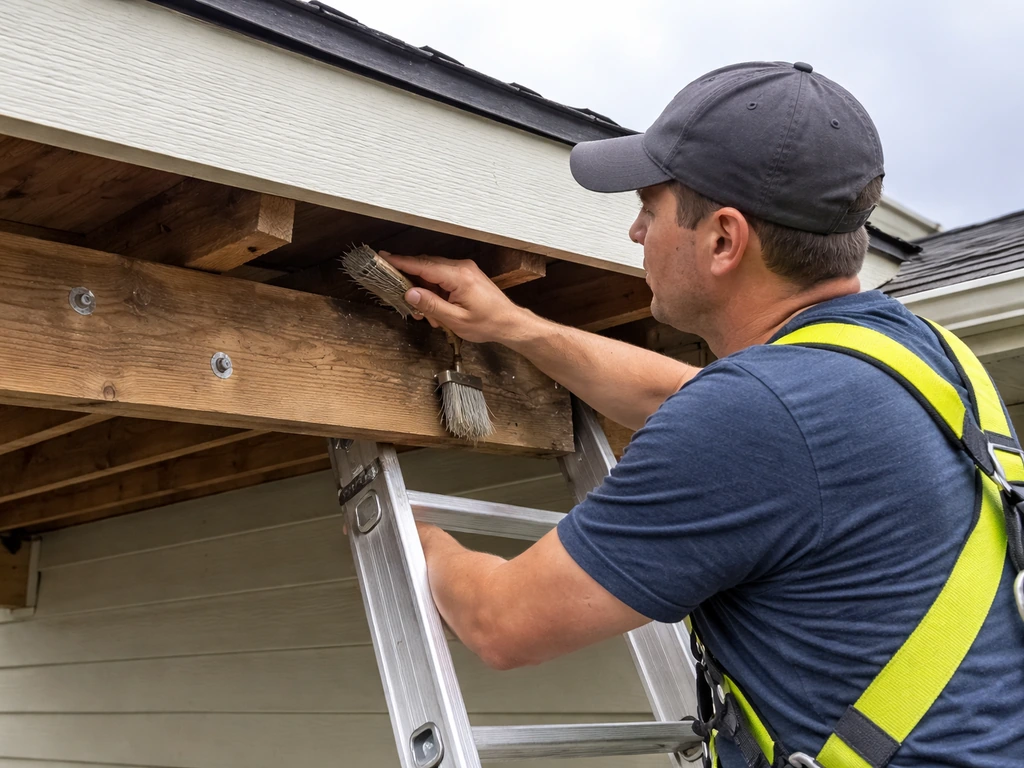
The existing roof overhang needs to be structurally sound. The installer should inspect the ledger board connection (where the patio roof attaches to the house), the condition of any existing columns or posts, and the slab or deck condition. If you're on a wood deck rather than a concrete slab, make sure the installer has done deck-based enclosures before and that the deck framing can handle the added weight and load of the enclosure walls.
Champion vs. the alternatives: a fair comparison
Champion is a well-known national brand with manufacturing in the US, a defined installation process, and regional service networks. But it's not the only player, and depending on your market and priorities, the alternatives might serve you better.
| Option | Best For | Price Range | Key Trade-offs |
|---|---|---|---|
| Champion (3-season enclosure) | Homeowners who want a branded, warrantied system with a local installer network | $$–$$$ | Installer quality varies heavily by market; service complaints are common |
| Patio Enclosures by Great Day Improvements | Screen-first buyers who want an upgrade path to glass later; triple-track system is a standout feature | $$–$$$ | Related brand to Champion; similar installer-dependent quality issues in some markets |
| Elegant Patio Enclosures | Mid-market buyers seeking a comparable product; worth comparing quotes directly | $$–$$$ | Less national footprint; worth checking local reviews carefully |
| Local/regional custom enclosure contractors | Buyers who want competitive bids and more flexibility on materials | $–$$$ | No national brand warranty; quality entirely depends on the specific contractor |
| DIY screen enclosure kits | Budget-conscious homeowners with basic carpentry skills; smaller patios | $–$$ | Limited structural options; best for screen-only, not glass; no warranty support |
| Pergola with shade/screen add-ons | Open-concept patios where a full enclosure isn't needed or approved | $–$$ | Not a full enclosure; minimal weather protection but lower cost and often easier to permit |
If you're comparing Champion to Patio Enclosures by Great Day Improvements specifically, know that the two brands are closely related in the home improvement ecosystem. Their products are structurally similar and both use regional installer networks. The triple-track screen system that Patio Enclosures markets (with screen latches designed to keep panels from falling out) is a genuine differentiator worth asking about if screen performance is a priority for you.
Similarly, if you've been researching pergola-based options, a pergola with screen panels is a different product category from a patio enclosure and carries different permitting, durability, and usability trade-offs. If you are also considering a pergola setup, it helps to compare mirador patio pergola reviews to see what homeowners report about build quality, shade, and screening options pergola-based options. If you're exploring pergola-based options, it's also worth comparing the best patio pergola designs for sun and shade control.
On the DIY side: full glass enclosures aren't realistically DIY-friendly because of the framing, sealing, and permit requirements. Screen enclosure kits, however, are a legitimate option for a budget-conscious homeowner with a straightforward covered patio. Expect to spend $2,000–$6,000 in materials for a modest screen room, versus $15,000+ for a professionally installed system. The trade-off is fit, finish, and longevity.
Questions to ask installers and your pre-signing checklist
Before you sign anything, get clear answers to these questions from every bidder. Don't accept vague answers: if an installer can't answer these specifically, that's a red flag about how the project will be managed.
- Who pulls the permits, and are permit fees included in the quote? Ask to see the permit application before work starts.
- What is the estimated lead time from signed contract to installation start, and what's the realistic total completion timeline?
- Who does the installation: your employees or subcontractors? (Subcontractor use isn't automatically bad, but you should know.)
- What happens if my existing slab or deck isn't level? Who pays for site prep?
- How do you handle the flashing and sealing at the roof-to-wall connection? What's your leak policy if issues arise post-installation?
- What does the warranty cover exactly: labor, materials, or both? What's the claims process and typical response time?
- Can I speak with two or three recent customers in my area as references?
- What's the maintenance schedule for the enclosure once it's installed (cleaning tracks, lubricating hardware, re-sealing)?
- Do you carry general liability insurance and worker's comp? Ask for certificates.
- What is the process if I need post-installation adjustments to doors or panels?
Your decision checklist
- I've measured my patio floor, ceiling height, and structural posts and confirmed the existing roof is sound
- I've confirmed my existing slab or deck is level or budgeted for leveling
- I've checked local zoning rules and HOA guidelines for patio enclosures
- I've gotten at least three itemized quotes (including permits, site prep, and all hardware)
- I've read verified reviews for the specific installer in my market, not just the brand overall
- I've asked each bidder the questions above and evaluated their answers
- I've confirmed the product type matches my climate and intended use season
- I've budgeted a 10–15% contingency on top of the base quote
- I've reviewed the warranty terms in writing, not just what the sales rep said
- I've decided between screen-only, 3-season, and 4-season based on my actual usage needs
Champion patio enclosures can absolutely deliver a quality finished product, and plenty of homeowners are happy with theirs. If you're weighing other choices, it can also help to look at better living patio rooms and compare how their options match your climate and budget. But the gap between a great experience and a frustrating one comes down almost entirely to the installer, the site conditions, and how prepared you are going in.
If you're comparing options for better living patio enclosures, focus on the enclosure type that matches your climate and how your installer handles sealing, alignment, and permitting. Do the legwork before you sign, compare at least two or three options, and treat the questions above as non-negotiable. That's the real takeaway from every review pattern I've seen across these markets. Champion's sunroom warranty coverage categories include [broken glass and seal failure](https://www.
championwindow. com/sunrooms/warranty/), according to the company's warranty information.
FAQ
Can I start with a screen enclosure and upgrade to glass later?
Yes, but only if you’re staying within the same enclosure “type.” A common workaround is starting with a screen room (fewer sealing risks) and later upgrading to glass panels if the framing is designed for it. Ask the installer up front whether your system is rated and prepped to accept glass later, including whether the tracks, hardware, and any insulation options are sized for heavier panels.
What common items are often missing from Champion patio enclosure quotes?
Not necessarily. A quote can be “all in” for the enclosure but still exclude key items like roof flashing replacements, gutter modifications, electrical work (lighting, outlets), and any structural reinforcement if the ledger board or deck framing is marginal. Require an addendum listing what’s included for electrical, changes to drainage and gutters, and whether any carpentry is contingent on hidden damage.
How should I interpret long lead-time complaints, and what timeline details should I ask for?
Request the schedule detail, not just an estimated start date. In markets where lead times are a recurring complaint, delays often stack across measurement, fabrication, permitting, and installer availability. Ask for the critical path timeline (measurement date, permit submission date, expected ship date, install start) and what the company does if fabrication or permits slip (reschedule policy, refund or credit terms, and communication cadence).
What should a good leak warranty and leak prevention plan include?
Look for an explicit leak test process and what constitutes a “pass.” Before close-in, ask whether they do water testing around the roof-to-wall junction and door thresholds, how many remediation visits are included if issues are found, and whether they replace flashing or use patch-type sealing. Also confirm whether the leak warranty covers labor only, materials only, or both.
What if my patio floor is not level or drains toward the house? Who is responsible for fixing it?
Yes, if your patio has an existing slope or settlement. The most important question is who owns correction, for example slab leveling, deck shimming, or structural repairs, and whether those steps are included in the base price. Get it in writing whether the installer guarantees final level and proper drainage after their prep, not just “we’ll install to spec.”
How do I reduce condensation risk with a glass 3-season enclosure?
For condensation, it helps to plan for airflow and temperature management. Ask whether your design supports cross-ventilation (even with screens), whether glass panels are fully sealed or intentionally ventilated, and whether you should budget for dehumidification in humid climates. Also ask how condensation typically appears in morning hours for that enclosure configuration (glass versus screens), so you can set expectations before signing.
What should I ask about corrosion-resistant hardware in coastal or humid areas?
You should be able to get a clear answer on the hardware package. Ask the installer what grade and coating are used for hinges, latches, and tracks, whether components are stainless or marine-grade for coastal areas, and how warranty claims are handled for corrosion. Also request replacement lead times if hardware fails, since coastal environments can accelerate wear.
If doors get stuck or misalign later, is there a no-cost adjustment period?
Check that the installer does a post-install alignment and adjustment, and that it’s included without extra charges. Specifically ask whether they will adjust door tracks, latch points, and rollers after installation settles, and whether there is a defined service window (for example, an adjustment visit after the first few weeks) rather than “contact us if there’s a problem.”
How can I confirm the installer will handle permits and structural checks correctly?
Not always, and this is where the word “permit” needs clarity. Ask who pulls permits (the installer versus the homeowner), what plan set is submitted, and whether the enclosure alters setbacks, egress, or load requirements. If your deck is involved, ask whether they verify deck capacity for added wall load and whether that documentation is provided.
Do I need to worry about deck capacity or roof ledger condition before getting an enclosure?
Yes, especially if you’re on a wood deck or near roof connections. Ask whether the enclosure adds lateral loads, what reinforcement method they use, and whether they inspect the deck framing and ledger board connection before fabrication. A strong sign is when they discuss structural assumptions during the measurement visit and document them, rather than saying it will be handled “during install.”
How do I compare bids without getting tricked by scope differences?
Use itemized pricing to prevent scope mismatches, but also verify the measurement basis. Ask each bidder to confirm the number of doors, panel sizes, whether corners are handled with standard frames or custom joins, and whether screen/track systems are included exactly as described. If one quote assumes fewer doors, different panel widths, or omitted site prep, it will look cheaper even when the base framing is similar.
Will I likely face change orders, and how can I reduce surprises?
Yes, because pricing can change after a discovery visit if problems exist. Ask whether the installer includes an allowances process (for example, flashing repairs, subfloor leveling, minor structural reinforcement) and how change orders are approved. Require a cap or a rule for what triggers a change order, so you don’t end up with add-ons after fabrication starts.
Next Articles
Do It Yourself Outdoor Patio Ideas: Build, Upgrade, Maintain
DIY outdoor patio ideas for planning, building, upgrading, and maintaining floors, shade, privacy, lighting, and decor.
Quick Fix Patio Ideas for Instant Comfort and Style
Quick fix patio ideas for fast comfort and style: cleanups, repairs, shade, flooring tweaks, and safe upgrades on any bu
Cheap Do It Yourself Patio Ideas: Budget Build Guide
Budget DIY patio ideas with step-by-step flooring, prep tips, cost ranges, upgrades, and safety mistakes to avoid.