The right patio enclosure turns a space you avoid from May through October into one you actually use. Whether you want to keep mosquitoes out on summer evenings, block wind during a Texas cold snap, or build a true four-season room, the enclosure type that works best comes down to three things: your climate, how you plan to use the space, and what you're willing to spend. For most homeowners, a quality screened enclosure handles warm-weather comfort at a reasonable cost, while an all-season glazed system is the better investment if you genuinely want year-round use.
Better Living Patio Enclosures: How to Choose, Plan, and Install

Phoebe Foster
5 Jul 2026
What patio enclosures actually do (and who needs one)
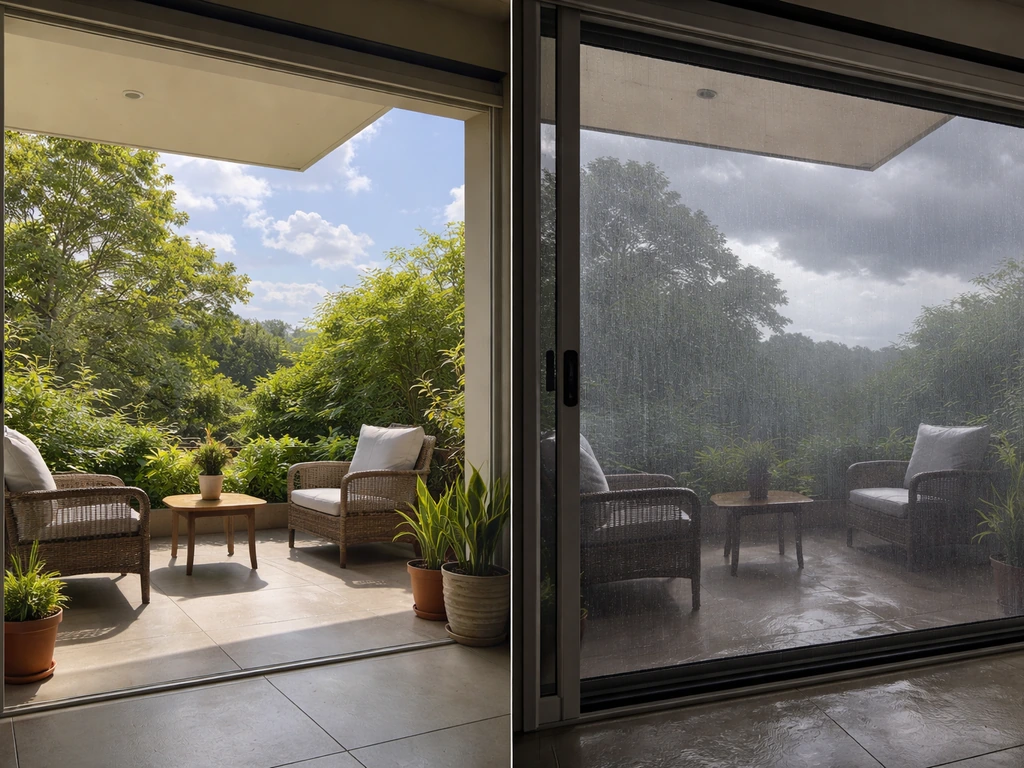
An open patio gives you shade if you add a cover, but it can't stop bugs, wind-driven rain, or a sudden drop in temperature. A patio enclosure closes off that perimeter, which changes how you use the space entirely. Screened enclosures create a breathable bug barrier, so you're not fighting mosquitoes every evening or spraying down before dinner. Glazed or all-season systems go further, blocking wind, rain, and in cold climates, snow, while still letting in natural light and views.
People who get the most value from enclosures usually fall into a few categories: families with young kids who want outdoor space without the bug battle, homeowners in humid or buggy climates (the Gulf Coast, Southeast, Pacific Northwest), people with existing patios they want to convert without a full addition, and anyone who just spent money on outdoor furniture and wants to actually protect it. If you're in a dry climate with mild summers and light pest pressure, a good pergola or shade sail might be enough. A best patio pergola can also be a great fit if you want partial shade without fully closing in the perimeter a good pergola. But if bugs, rain, or seasonal swings are cutting into your outdoor time, an enclosure is worth the investment.
The main types of better living patio enclosures
Enclosures break into three broad categories, and the differences matter more than most people realize before they buy.
Screen enclosures
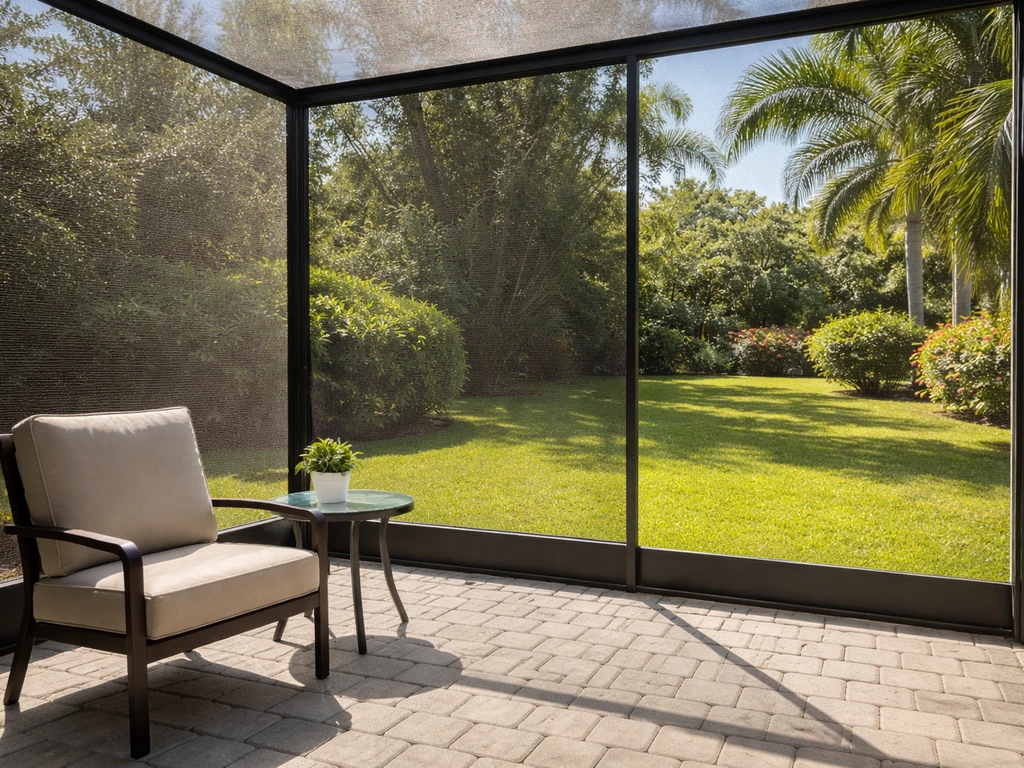
A screen enclosure uses full-height aluminum-framed screen panels on all exposed sides of your patio. Airflow stays high, views stay clear, and bugs stay out. These are the most popular option in warm climates because they let you feel like you're outside without getting eaten alive. They don't offer meaningful weather protection beyond light rain, and they won't help you on cold nights. But for three-season use in the South or Southwest, they're genuinely the best value per dollar. If you are weighing options like fixed screen enclosures versus patio pergola styles, you can also compare mirador patio pergola reviews to judge how different shade and layout choices affect comfort best value per dollar.
Retractable screen and panel systems
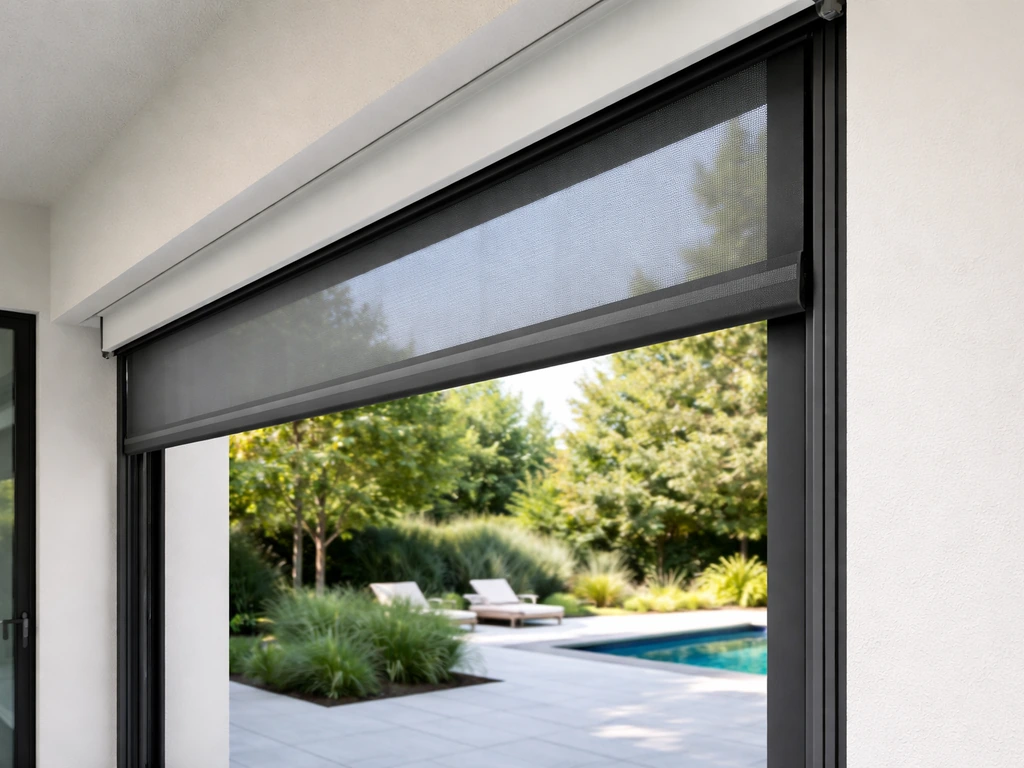
Retractable systems let you open the space completely when conditions are good and pull down screens or panels when bugs or weather roll in. Motorized retractable screens, roll-down vinyl curtains, and accordion-style panel systems all fall into this category. They're more expensive than fixed screen enclosures and require more maintenance on the hardware, but they offer flexibility you can't get with a fixed system. If your patio gets sun from the west and you want to block afternoon glare some days but not others, a retractable setup is worth considering.
All-season and glazed enclosures
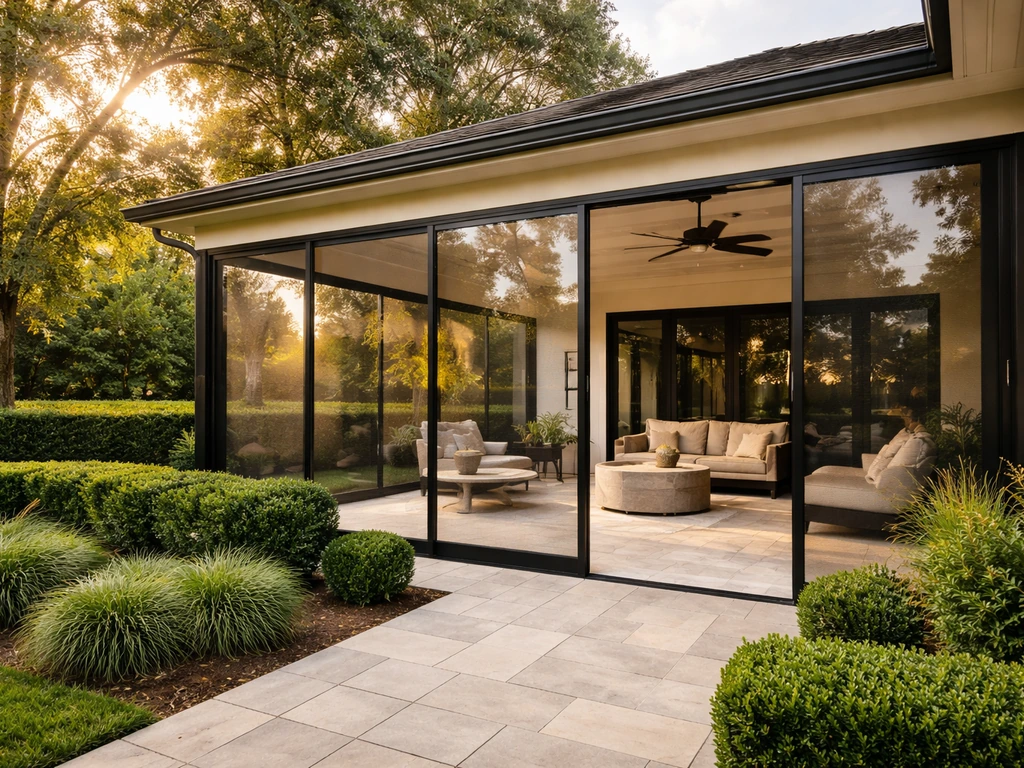
Glazed enclosures use glass or polycarbonate panels instead of (or in addition to) screens. Some local rules also define patio enclosures in terms of whether they include [full-height screening or glass panels](https://www. taylormgt. ahn6.
com/ClearbrookCA/picture/360regulations-patioenclosures2023. pdf), which aligns with how screened insect barriers and more closed glass-style protection are commonly discussed. They block wind, rain, and cold, making real four-season use possible. Some systems combine operable glass panels with screen inserts so you can switch modes by season.
These are significantly more expensive, often require permits, and in some jurisdictions are classified as an addition rather than a patio structure, which triggers different rules. But if you're in the Midwest, Pacific Northwest, or anywhere with hard winters, a well-insulated glazed enclosure is the only type that actually extends your usable season through the cold months.
Planning your enclosure layout before you buy anything
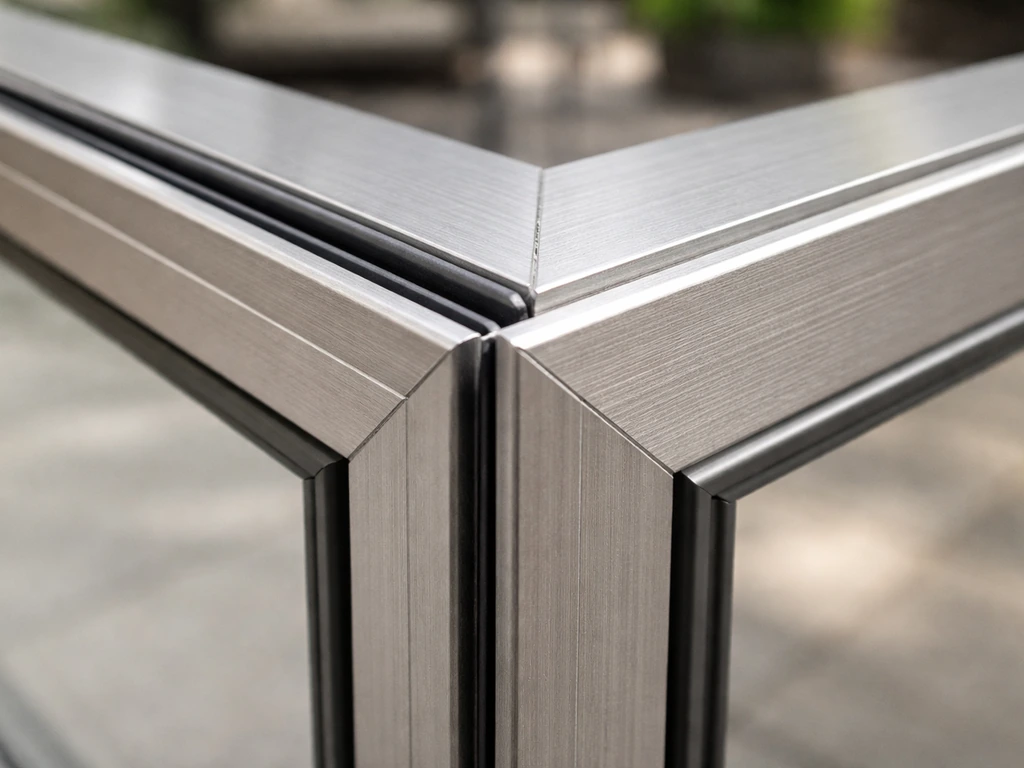
Spend time on planning before you spend money on materials. The most common mistake I see is homeowners ordering a kit or hiring a contractor without thinking through how the enclosure will actually function day to day.
Coverage and footprint
Measure your patio's full footprint first, then decide whether you want to enclose all of it or a defined portion. Bigger isn't always better. A 12x16 fully enclosed space that's properly ventilated and shaded will be more comfortable than a 20x24 enclosure that traps heat. Think about where furniture will go, where a door or two needs to swing, and whether you want the enclosure to connect to your home's interior through a sliding or French door.
Airflow and ventilation
Cross-ventilation makes a screened enclosure dramatically more comfortable in summer. If your patio only has one open side, plan to include screened panels on at least two facing walls so air can move through. For glazed systems, operable panels or windows on opposing walls are essential. Without ventilation, a glass enclosure becomes an oven by mid-morning in summer. If you're attaching the enclosure to your house, also think about whether the house wall creates a dead-air zone on one side.
Preserving views
The frame system you choose will determine how much of your view gets eaten by structure. Aluminum frames with larger screen or glass panels (fewer mullions) keep sight lines cleaner. Cheap kits often use narrow panels with heavy framing, which chops up the view. If you have a nice yard, pool, or natural setting you want to see from inside the enclosure, it's worth paying a little more for a clean-line framing system.
Choosing materials that will actually hold up
Materials determine how long your enclosure lasts and how much maintenance it demands. Here's what to focus on.
Frame material
Extruded aluminum is the standard for good reason. It doesn't rust, holds its shape in heat and cold, and handles decades of outdoor exposure with minimal upkeep. Look for powder-coated finishes rather than painted aluminum, since powder coat resists chipping and UV fading far better. Vinyl frames (uPVC) are used in some glazed enclosure systems and offer good insulation performance, but cheaper vinyl can warp in extreme heat. Wood frames look beautiful but require annual sealing or painting, and they're vulnerable to moisture damage over time. For most homeowners, aluminum is the right call.
Glazing and screen materials
For glazed enclosures, tempered glass is safer and more durable than standard glass. Low-E glass adds thermal performance, reducing heat gain in summer and heat loss in winter, which matters a lot if you're heating the space. Polycarbonate panels are lighter and less expensive than glass and won't shatter, but they can yellow over time and scratch more easily. For screen systems, 18x14 fiberglass mesh is the baseline. If no-see-ums are a problem in your area, upgrade to 20x20 mesh. Phifer BetterVue and similar high-visibility screen fabrics reduce the visual haze of standard screen and improve the view, which is worth the small upcharge.
Hardware and fasteners
Stainless steel or galvanized hardware at the connection points is non-negotiable in humid coastal climates. Zinc-plated or bare steel fasteners will rust within a few seasons and stain your frames. Door hardware, especially hinges and latches, should also be rated for exterior use. The small cost difference between standard and stainless hardware is not worth skimping on.
| Material | Best For | Durability | Maintenance |
|---|---|---|---|
| Extruded aluminum frame | All climates, any enclosure type | Excellent (20+ years) | Low (rinse annually) |
| Vinyl/uPVC frame | Cold climates, glazed systems | Good if quality grade | Low, but inspect for warping |
| Wood frame | Aesthetics-focused builds | Moderate without upkeep | High (annual sealing/painting) |
| Tempered glass panels | All-season glazed enclosures | Excellent | Low (standard glass cleaner) |
| Polycarbonate panels | Budget glazed systems | Good (may yellow in 10-15 yrs) | Low |
| Fiberglass screen (18x14) | Standard screen enclosures | Good (7-10 years) | Replace panels as needed |
| High-visibility screen (20x20) | No-see-um climates, better views | Good | Replace panels as needed |
Climate, comfort, and the add-ons worth paying for
The enclosure structure itself is just the starting point. What makes it genuinely comfortable depends on your specific climate and how you plan to use the space.
Hot climates (South, Southwest, Southeast)
In Texas, Florida, or Arizona, heat management is the top priority. A west-facing enclosure with no shade is unusable from about 3 PM onward in summer. Address this with a solid roof panel or shade cloth on the overhead structure, and consider adding a ceiling fan (rated for damp locations) directly inside the enclosure. Misting systems are a genuine comfort upgrade in dry heat, dropping perceived temperature by 10 to 20 degrees. In humid climates, misting helps less and can make the space feel sticky, so skip it in Florida or coastal Georgia.
Variable and four-season climates (Midwest, Mid-Atlantic, Pacific Northwest)
If you're dealing with real winters, a glazed all-season system with insulated panels makes sense, but you'll need to think about heating. Electric infrared heaters are the cleanest option for an enclosed patio, easy to install, and effective for shoulder-season use. For true winter use in cold climates, a mini-split heat pump is the most efficient solution and doubles as cooling in summer. Make sure your enclosure's glazing has adequate R-value if you're planning to heat it, otherwise you're just warming the outdoors.
Wind and rain exposure
If your patio is exposed to prevailing winds or afternoon thunderstorms, the framing and attachment system need to match. An enclosure attached to the house with a solid ledger connection handles wind load far better than a freestanding kit. In hurricane-prone areas, check that any enclosure system is rated for local wind speed requirements. This is not a place to cut corners.
What it costs and what affects the price
Patio enclosure costs vary a lot, and the range is wide enough that general figures are almost meaningless without context. Here's a realistic breakdown of what drives price.
| Enclosure Type | Typical DIY Range | Typical Installed Range | Key Cost Drivers |
|---|---|---|---|
| Basic screen enclosure kit | $1,500 - $4,000 | $4,000 - $10,000 | Size, door count, screen type |
| Retractable screen/panel system | $2,500 - $6,000 | $6,000 - $15,000 | Motor quality, number of panels, brand |
| Three-season glazed enclosure | $5,000 - $12,000 | $12,000 - $25,000 | Glazing quality, size, framing system |
| All-season insulated enclosure | $10,000 - $20,000+ | $20,000 - $50,000+ | Insulation value, HVAC, permits, foundation |
Size is the biggest single cost driver. A 200 square foot screen enclosure costs roughly twice what a 100 square foot one does, with labor being the main variable. Glazing quality jumps price significantly: single-pane polycarbonate is much cheaper than dual-pane low-E glass. Complexity matters too. An enclosure with multiple door openings, angled walls, or a custom shape costs more in both materials and labor than a simple rectangle. And in most markets, professionally installed work adds 40 to 70 percent over material cost alone.
Thinking about ROI
Patio enclosures don't always show up directly in appraisal values the way a kitchen remodel does, but the day-to-day return is real. A screened enclosure that lets you eat dinner outside three extra months per year, host guests comfortably, and let kids play without bug spray is worth something tangible even if it's hard to put a number on it.
If you want better living patio rooms, the right patio enclosure design and comfort upgrades are what turn the space into a true everyday room rather than a seasonal add-on. In warm climates where outdoor living is a selling point, a well-done enclosure can add perceived value to a home sale. For all-season glazed additions, some jurisdictions do count this square footage toward assessed value, which can increase property taxes, so factor that in.
Installation: when to DIY and when to hire
This is where a lot of homeowners either save a significant amount of money or end up with a problem they have to redo. Be honest about what you're actually capable of before committing to a path.
When DIY is realistic
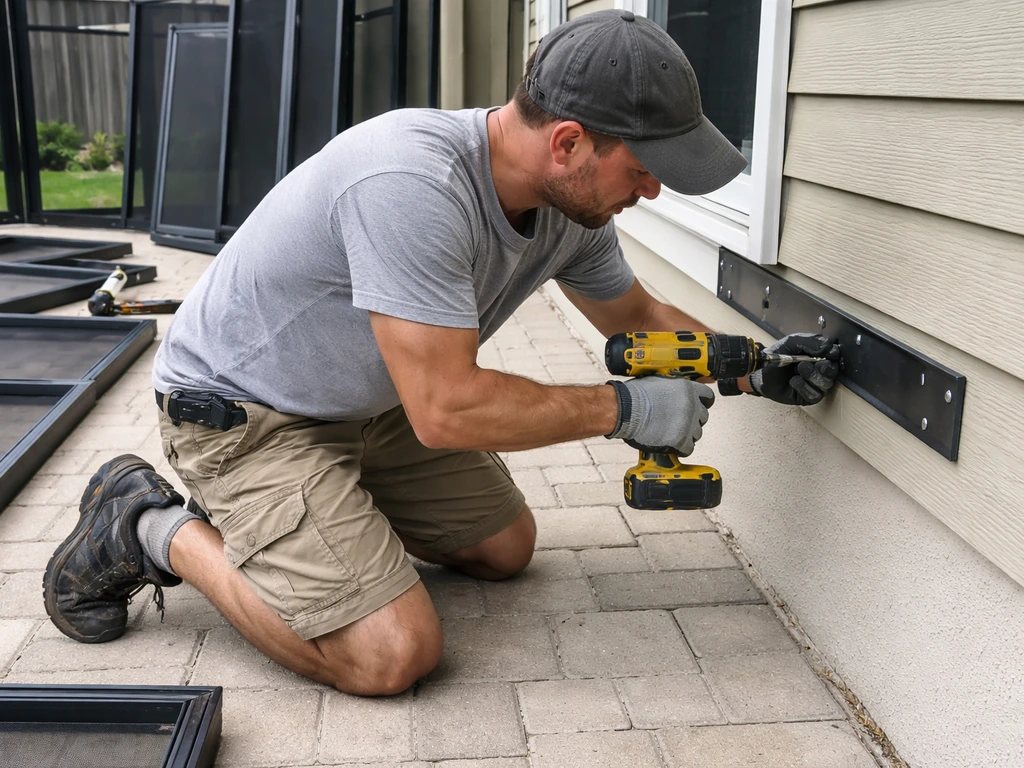
A basic screen enclosure kit on an existing concrete or paver patio is genuinely DIY-able for someone comfortable with basic carpentry and who can follow instructions carefully. Many aluminum screen enclosure kits are designed for homeowner installation, and manufacturers offer phone or video support. Expect the project to take a weekend or two for a standard 12x16 space. If you're attaching to the house, you need to locate studs, seal the ledger connection properly, and make sure the attachment is weathertight. That's where a lot of DIY jobs go sideways.
When to hire a contractor
Glazed enclosures, anything requiring a new foundation or footings, any project requiring permits, and anything on a deck (rather than a slab) should involve a licensed contractor in most cases. Retractable motorized systems also benefit from professional installation because alignment and tensioning matter for long-term performance. When interviewing contractors, ask specifically about their experience with the enclosure type you want, ask for photos of completed projects similar to yours, and get at least three bids. Ask whether their quote includes permits and inspections, because some don't and the final cost can be meaningfully higher.
Permits and what to expect
Most municipalities require a building permit for any enclosed patio structure attached to the house. Some require permits for freestanding screen enclosures above a certain size as well. HOA rules add another layer, and some HOAs have specific requirements around materials, colors, or panel types. Permits typically run $100 to $500 and require a simple site plan showing the structure's footprint and attachment to the house. Don't skip this: an unpermitted enclosure can cause problems at resale and may not be covered by homeowner's insurance if something goes wrong.
Questions to ask any contractor before hiring
- Are you licensed and insured in this state, and can you provide proof?
- Does this quote include permit fees and inspections?
- What framing and glazing/screen system do you use, and why do you recommend it for my climate?
- How do you handle the house attachment and weatherproofing at the ledger?
- What's your warranty on labor, and what's the manufacturer warranty on materials?
- Can I see photos or visit a completed project similar to mine?
Keeping it in good shape over the years
Patio enclosures are relatively low maintenance compared to a lot of home structures, but they do need regular attention to stay performing well and looking good.
Routine cleaning
Aluminum frames and screen panels should be rinsed with a garden hose two to four times per year to remove pollen, dust, and mildew. For stubborn staining on frames, a mild dish soap solution and a soft brush work fine. Don't use abrasive scrubbers or pressure washers at high settings, since these can damage screen mesh and powder-coat finishes. Glass panels get cleaned the same way you'd clean exterior windows: a squeegee and a gentle glass cleaner work well. Clean the weep holes at the bottom of glass panel frames annually so water drains properly.
Inspecting for damage and wear
Once a year (spring is a good time), walk the perimeter and check for torn or sagging screen panels, loose frame connections, compromised door seals, and any gaps where the enclosure meets the house. Screen mesh near the bottom of panels takes the most abuse and often needs replacement first. Individual panels in aluminum frame systems are usually easy to rescreen yourself using a screen spline tool and replacement mesh. Door latches and hinges should be lubricated annually with a silicone spray.
Common problems and fixes
- Screen panels sagging or bubbling: usually caused by the spline drying out and shrinking; re-spline the panel or replace it
- Water pooling inside the enclosure: check that the floor has adequate slope for drainage and that weep holes in the frame aren't blocked
- Condensation on glass panels in winter: normal in unheated glazed spaces; improve ventilation or add a small dehumidifier
- Frame corrosion near the coast: rinse aluminum frames with fresh water monthly in saltwater environments; inspect fasteners annually and replace any that show rust
- Door not closing properly: check the hinge screws for looseness and adjust the door stop; in humid climates, slight frame expansion is normal in summer
- Mold or mildew on screen fabric: spray with a diluted bleach solution (1 part bleach to 10 parts water), let sit for a few minutes, then rinse thoroughly
How this compares to other enclosure and structure options
It's worth knowing where patio enclosures fit relative to other outdoor structure options. A pergola, for example, provides shade and structure but zero bug or weather protection. Other enclosure brands and systems, from Champion to Patio Mate to elegant glazed room systems, use different framing approaches and panel quality levels, and reading reviews specific to those products can help you narrow down which manufacturer to ask contractors about.
If you want to compare Champion patio enclosure options, look up specific Champion patio enclosures reviews before you choose a model or request quotes. Better Living, as a brand in this space, offers sunroom and patio room systems that sit at the higher end of the all-season glazed category, and their patio room line is worth comparing against similar four-season enclosure systems before committing.
The core decision framework, however, is the same regardless of brand: start with your climate and use case, then match the enclosure type and materials to that reality.
If you're still deciding between a fully enclosed patio room and a screen enclosure, think about the three or four worst weather days in your area during the time of year you most want to use the patio. If those days are hot and buggy, a screen enclosure handles them fine. If they're cold, rainy, or windy, you need at least a three-season glazed system to get the use you're imagining. That question alone will narrow your decision significantly. To make sure you choose a great-looking option, look at elegant patio enclosures reviews from homeowners with similar climates and priorities.
FAQ
Can I enclose only part of my patio (like the dining area) instead of all of it?
Yes, in fact partial enclosures often work best when your main goal is comfort for a specific activity zone. Just be sure the enclosed section still has a clear ventilation path, especially if you choose a screen system (two facing sides with airflow, not just one). If you enclose a smaller footprint, prioritize where the door swings and keep pathways wide enough for outdoor furniture and traffic.
How do I prevent an enclosure from trapping heat in the morning or late afternoon?
For screened enclosures, the key is cross-ventilation, add panels on at least two facing walls when your patio is only open on one side. For glazed systems, venting matters too, include operable windows or panels on opposing walls if your design allows, otherwise the enclosure can overheat quickly even with good insulation. Also consider the roof exposure, west-facing glare can overwhelm heating and cooling even when the glazing is high performance.
Are screen enclosures safe for use during light rain, or will they leak?
Screen enclosures are primarily a bug barrier, they handle light mist and small amounts of rain but they are not designed as a waterproof wall system. Wind-driven rain can blow through screen openings, and gaps at the bottom tracks can allow water transfer to the patio surface. If rain is a frequent issue for you, plan on a real roof cover and consider upgrading to a three-season or glazed side system for the sides.
What ventilation requirements should I plan for so a glazed patio does not become an “oven”?
Plan for either operable glazing or windows that can create airflow across the space, ideally openings on opposing walls. Without that, a glazed enclosure can heat up by mid-morning in summer even if the insulation is good. As a practical check, estimate your daytime use period, then confirm you can open vents during those hours without compromising bug control or security.
Do I need to worry about foundation or deck load when installing an enclosure?
Yes, the structure type changes the load and the right attachment method. A slab patio is usually simpler for screen kits, but glazed systems often add heavier roof and panel loads, sometimes requiring footings. On decks, the added weight and anchoring can exceed what the deck was designed for, and most municipalities and contractors treat deck enclosures as a licensed-install requirement. Ask your installer to confirm load calculations and attachment details for your specific patio surface.
How can I choose between retractable and fixed screens without overpaying?
Retractable systems are worth it when your patio conditions vary a lot day to day, for example sunny west exposure where you sometimes want glare control but not year-round closure. If your use is mostly evenings and bugs or wind are consistently present, fixed screens often deliver better value with less maintenance. Also check hardware durability, motorized or accordion styles are sensitive to alignment and track cleanliness, which adds ongoing upkeep.
What are the most common DIY mistakes that cause enclosure problems later?
The biggest failure points are poor sealing at house connections (water intrusion and draft leaks), skipping correct anchoring to studs when attached, and ignoring ventilation layout so the space becomes uncomfortable. Another common mistake is measuring the patio footprint incorrectly and then ordering a system that leaves awkward gaps near the house wall. Before you commit, do a full dry fit plan on paper, including door swing clearance and where the enclosure meets any existing roof overhang.
How do permits and HOA rules usually affect decisions?
Permits often apply to enclosures attached to the house, and some areas treat glazed or insulated enclosures as additions. That can affect both approval timelines and property tax calculations in some jurisdictions, so confirm before ordering. HOAs can restrict materials, panel types, and even frame color, so ask for their specific enclosure guidelines early and ensure your chosen system will match.
What maintenance will I realistically need each season?
Plan for routine cleaning, for aluminum and screens, rinse with a hose a few times per year to remove pollen, dust, and mildew, and avoid high-pressure cleaning that can damage finishes. For glazed units, keep weep holes at the bottom of frames clear so water drains properly. Then once a year, inspect door seals, check for sagging or torn screen areas near the bottom, and lubricate hinges and latches so they keep closing tightly.
Is tempered glass or polycarbonate better for a patio enclosure?
Tempered glass is generally the more durable and scratch-resistant choice, and it also offers better safety performance if a panel ever fails. Polycarbonate is lighter and less expensive, but it can yellow over time and scratch more easily, which can reduce clarity of views. If you are buying for winter performance, also confirm low-E or thermal options, because material grade alone may not deliver enough insulation for your heating goals.
How do I estimate heating and cooling costs if I want to use the patio in winter?
Heating efficiency depends on both glazing performance and ventilation strategy, even a well-insulated enclosure can feel cold or inefficient if R-value is insufficient for your climate. If you plan to heat frequently, a mini-split heat pump is usually the most efficient for true winter use, while infrared heaters can cover shoulder-season evenings. Before choosing equipment, verify the enclosure’s thermal specs and ask the installer which heater size or capacity matches your enclosed square footage.
What should I ask contractors before I sign anything?
Request at least three bids, ask for photos of completed enclosures in similar conditions and enclosure types, and confirm whether permits and inspections are included. Also ask about wind-rated attachment details if you get strong storms, and make sure they can explain how they plan to handle ventilation (operable windows or cross-airs) for your chosen enclosure type. A quote that does not clearly describe the attachment method and glazing or screen specs is a red flag.
Next Articles
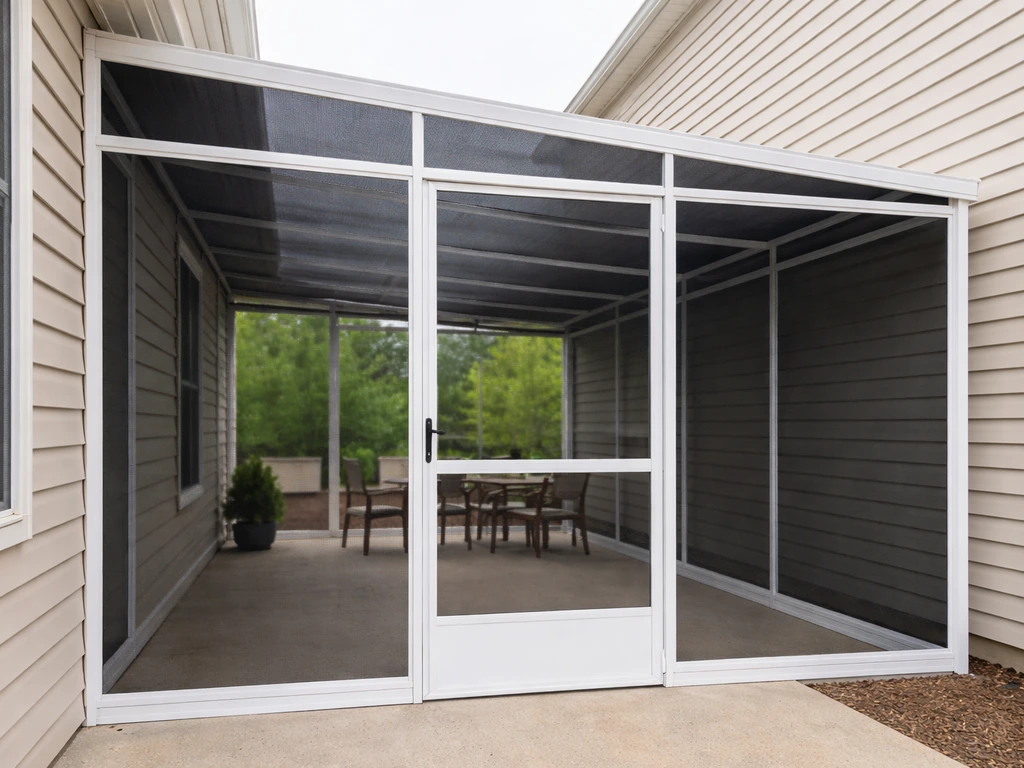
Patio Mate Screened Enclosure Reviews: Buyer Guide
Patio Mate screened enclosure reviews buyer guide: what it is, key specs, pros and cons, costs, and red flags to check.
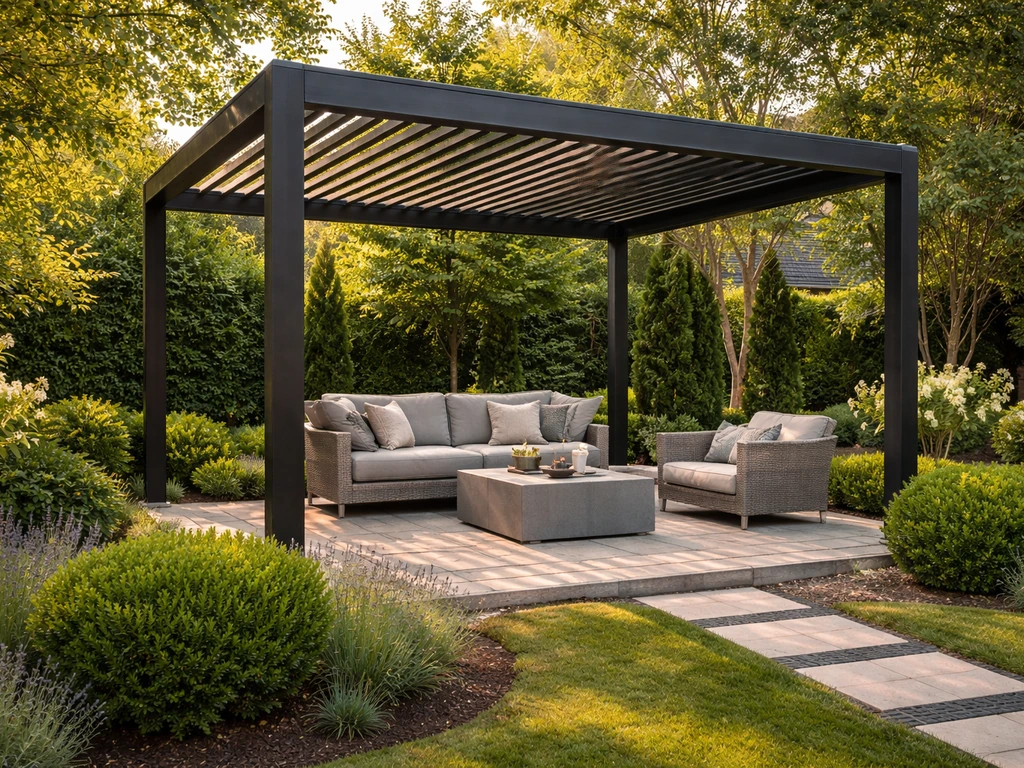
Best Patio Pergola: How to Choose the Right One Today
Choose the best patio pergola by size, shade, materials, costs, and installation tips for your sun, wind, and rain.
Elegant Patio Enclosures Reviews: Compare and Choose
Compare elegant patio enclosures by reviews: pros, complaints, best fit, and a checklist to choose wisely.