
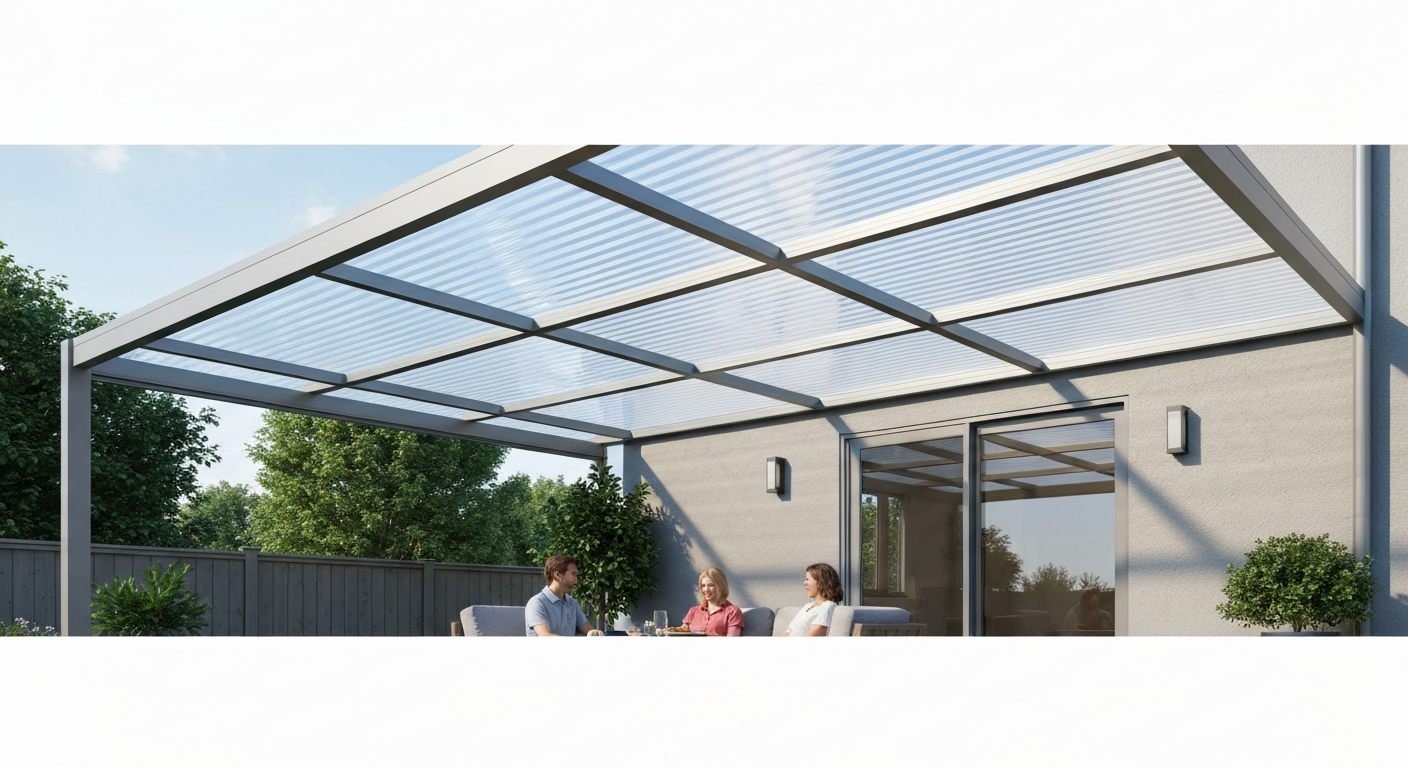
Acrylite patio covers use PMMA acrylic panels (impact-modified grades like Heatstop and Resist) that deliver genuinely good UV protection, long warranties, and clean aesthetics. If you want a cover that lets natural light through without cooking you underneath, Acrylite's Heatstop panels can cut transmitted solar energy by up to 75% while still passing visible light. The Resist wave profile carries a 30-year non-yellowing warranty and a 10-year hail warranty from the manufacturer. These are contractor-installed systems rather than box-store kits, so the up-front cost is higher than a modular polycarbonate cover, but the material quality and warranty backing are also meaningfully better.
Acrylite Patio Cover Review: Performance, Cost & Verdict

Phoebe Foster
12 Aug 2026
Quick verdict
Acrylite is a premium acrylic patio cover material best suited to homeowners who prioritize long-term clarity, strong UV filtering, and manufacturer-backed warranties over the lowest possible upfront price.
Who should actually consider an Acrylite patio cover
The buyers I see getting the most value from Acrylite covers tend to fall into a few clear groups. First, anyone in a high-UV climate like the Southwest, Southern California, or the Gulf Coast who wants to sit outside in shade without making their patio feel like a dark cave. The Heatstop grade is specifically engineered for this: IR-reflecting additives in the acrylic reduce heat gain while the panel stays visually bright. Second, homeowners who are planning to stay in their home for a decade or more and want a cover that looks exactly the same in year 15 as it did on install day. The 30-year non-yellowing warranty on Resist grades is not a marketing number; it ties to verified test targets for retained transmittance. Third, buyers in hail-prone areas (think Colorado, Texas, Oklahoma) who have seen polycarbonate covers crack or dent and want a panel with a formal manufacturer hail warranty.
Acrylite is not the right pick if your main goal is the lowest possible price, if you want a quick weekend DIY install from a big-box store kit, or if you need a snow-load-rated structure over a climate with heavy accumulation. For those cases, modular kits from brands like Palram Feria or a wood-framed cover with opaque roofing will likely serve you better.
Product overview: models, materials, and construction
Acrylite (the brand name for acrylic sheet manufactured by Röhm) offers several product lines relevant to patio covers. The three you will encounter most often are Heatstop wave profile, Resist wave profile, and Alltop multi-skin sheet.
Heatstop wave profile
Heatstop is impact-modified PMMA acrylic with IR-reflecting additives built into the material. It comes in a corrugated or wave profile designed for patio roofing. The 'no-drip' surface texture is oriented downward during installation so that condensation runs to the eave rather than dripping on whoever is sitting below. It is the go-to choice when heat reduction is the primary concern.
Resist wave profile
Resist is also impact-modified PMMA, but the emphasis shifts to optical clarity and impact/hail resistance rather than heat filtering. Clear Resist panels deliver a minimum of approximately 89% visible light transmittance (measured on delivery per ASTM D1003 or equivalent). This is the panel to choose when you want maximum daylight and excellent long-term clarity.
Alltop multi-skin sheet
Alltop is a multi-wall (multi-skin) construction, meaning it has two or more layers separated by internal ribs. This geometry improves thermal insulation compared to single-skin wave profiles and diffuses light rather than passing it in a direct beam. It is the right choice for a covered patio where you want more even, softer light and better thermal performance, at the cost of some visual clarity.
Specifications: UV, light transmission, thermal performance, load and wind
| Specification | Heatstop Wave | Resist Wave | Alltop Multi-Skin |
|---|---|---|---|
| Base material | Impact-modified PMMA acrylic | Impact-modified PMMA acrylic | Impact-modified PMMA acrylic (multi-wall) |
| UV protection | UV-stabilized; blocks UV transmission | UV-stabilized outer layer | UV-stabilized outer layer |
| Solar energy reduction | Up to ~75% of transmitted solar energy blocked | Not the primary heat-blocking grade | Moderate (multi-wall geometry helps) |
| Visible light transmittance | Reduced (varies by tint/grade) | ~89% minimum on delivery (clear grade) | Diffused; varies by thickness and cell geometry |
| Yellowing warranty | 10-year (Heatstop high-impact grades) | 30-year non-yellowing (select Resist grades) | Varies by grade |
| Hail warranty | 10-year (impact-modified grades) | 10-year | Grade-dependent |
| Modulus of elasticity (on delivery) | ~1,800 MPa | ~1,800 MPa | Varies by thickness |
| Tensile strength (on delivery) | ~40 MPa | ~40 MPa | Varies |
| Retained modulus (10-year warranty target) | ≥1,620 MPa | ≥1,620 MPa | Grade-dependent |
| Wind/load standard reference | ASTM E330 (assembly-level) | ASTM E330 (assembly-level) | ASTM E330 (assembly-level) |
A note on wind and load ratings: Acrylite publishes panel-level mechanical properties, but the structural load and wind resistance of your finished patio cover depends on the entire assembly, including the framing, span, fastener pattern, and attachment to the house. Your contractor or engineer needs to size the framing per ASTM E330 requirements and local building codes. Do not interpret panel mechanical specs alone as a completed structure's wind rating.
How it actually performs in the real world
Durability and clarity over time
PMMA acrylic has a well-documented track record of holding optical clarity longer than standard polycarbonate. Polycarbonate tends to yellow noticeably within 5-10 years in high-UV environments without frequent maintenance; Acrylite's 30-year non-yellowing warranty on Resist grades is backed by retained transmittance test targets, not just marketing language. Homeowners in Oregon and the Pacific Northwest who have had Acrylite wave panels installed by regional contractors like Rick's Custom Fencing and Decking report that panels installed over a decade ago still look essentially clear, with no visible discoloration.
Rain noise
This comes up in every patio cover category and Acrylite is no exception. Wave-profile acrylic panels are louder in rain than solid insulated roofing. If you live somewhere with heavy seasonal rain, expect audible drumming during downpours. The multi-skin Alltop panels are somewhat better here because the air cavity between skins dampens sound slightly. If rain noise is a dealbreaker, an insulated aluminum patio cover system will outperform any acrylic panel option.
Light and heat behavior
Heatstop panels genuinely reduce the heat that passes through. The IR-reflecting chemistry is in the acrylic itself, so it does not peel, scratch off, or degrade the way a surface film would. The patio underneath reads as noticeably cooler on a sunny afternoon compared to a clear panel. Resist wave panels in the clear grade let roughly 89% of visible light through, which makes the patio feel open and bright but does less to reduce heat. Choose your grade based on whether you prioritize light or heat control.
Verified user review highlights
- Long-term clarity: Multiple Pacific Northwest homeowners report no yellowing after 10+ years on Resist wave panels.
- Heat reduction satisfaction: Heatstop users in sunny climates consistently note a cooler patio compared to previous clear polycarbonate panels.
- Rain noise: Frequently mentioned as a limitation, particularly with thinner wave profiles during heavy rain.
- Installation quality dependency: Negative reviews almost universally trace back to installer workmanship (improper flashing, inadequate slope) rather than panel failure.
- Hail performance: No formal hail damage claims reported in user reviews from Colorado and Midwest homeowners using impact-modified grades, consistent with the 10-year manufacturer hail warranty.
DIY vs. professional installation
Acrylite wave panels are described by the manufacturer as easily fabricated with a few simple tools, and the company provides installation videos for the wave profile. That said, a complete patio cover is more than just setting panels. The structural framing, ledger attachment to the house, correct slope for drainage, flashing against the wall, and fastener pattern all require planning and execution that goes beyond cutting and placing acrylic panels.
DIY scope
A confident DIYer with basic carpentry skills can handle the panel cutting, drilling, and installation portion. PMMA acrylic cuts cleanly with a fine-tooth circular saw blade, and holes are drilled with standard drill bits. You will need to pre-drill to prevent cracking, use the correct oversize holes to allow thermal expansion, and orient the no-drip surface on Heatstop panels correctly (textured side down). Budget roughly a weekend for a 10x12 foot cover if the framing is already in place. The panels themselves are not heavy, but working at height on scaffolding or a ladder with panels up to 8-10 feet long takes a helper.
Professional installation
Regional contractors like Rick's Custom Fencing and Decking (Oregon and Southwest Washington) and American Patio Covers specialize in Acrylite installations and know local code requirements cold. Professional crews typically complete a standard patio cover in one to two days. The bigger benefit is not speed, it is liability: if the ledger attachment fails or flashing leaks, you want a licensed contractor who pulled a permit and whose work is inspectable. In most US jurisdictions, a permanent attached patio cover requires a building permit and inspection regardless of who installs it.
Permits
Expect to pull a permit for any attached or free-standing permanent patio cover. Permit costs vary by municipality but typically run $150 to $500 for a residential structure. Some counties in the Southwest have simplified the process for patio covers; others (particularly in California) require engineered drawings if the span exceeds certain thresholds. If a contractor tells you a permit is not needed for a permanent attached structure, that is a red flag.
Typical cost breakdown and warranty details
Acrylite patio covers are contractor-sourced systems, so pricing varies more than with a retail kit. Below are realistic ranges based on current contractor and distributor data.
| Cost item | Typical range (2025-2026) |
|---|---|
| Acrylite panels (materials only) | $8–$18 per square foot depending on grade (Resist vs. Heatstop, single vs. multi-skin) |
| Aluminum framing and hardware | $5–$12 per square foot |
| Labor (professional install) | $15–$30 per square foot |
| Building permit | $150–$500 (varies by municipality) |
| Flashing, fasteners, sealants | $200–$600 for a typical cover |
| Total installed (10x12 ft cover) | $3,800–$7,200 roughly, depending on grade, region, and complexity |
Manufacturer warranty summary: Resist wave profiles carry a 30-year non-yellowing warranty and a 10-year warranty on light transmission and hail resistance on impact-modified grades. Heatstop high-impact grades carry a 10-year light transmission warranty and a 10-year hail warranty. Warranty terms require the panels to be installed per manufacturer guidelines and cover defects in the material, not installer workmanship or structural failure. Always obtain the specific warranty PDF for the exact product code your contractor is using, as terms vary by grade. Acrylite North America publishes downloadable product‑specific warranty PDFs (see Warranties, ACRYLITE®) detailing numeric limits like 10‑year light‑transmission and hail coverage and 30‑year non‑yellowing limits with test targets Warranties — ACRYLITE®.
How we compared Acrylite to the other major brands
For this comparison, we evaluated each brand across the same set of criteria a homeowner actually cares about: what the panels are made of, how much UV they block, how much light they let through, how well they insulate thermally, what the structural ratings look like, what you will pay, what the warranty covers, and how hard they are to install. Brands included are MR Patio Cover, HHI Patio Covers, Oasis, Palram Feria, Temo, and Try-Tech. Each of these takes a somewhat different approach: Palram Feria is a polycarbonate DIY kit sold at major retailers; Temo and Try-Tech are dealer-installed aluminum systems; HHI, Oasis, and MR are contractor-installed systems with varying panel options. For another relevant comparison, see try-tech patio cover reviews. For more on Oasis specifically, see oasis patio cover reviews for user feedback and performance notes. See our HHI patio covers reviews for detailed comparisons, installation notes, and real-world performance observations.
Brand comparison table
| Brand | Panel material | UV protection | Light trans. (approx.) | Thermal (R-value/multi-skin) | Load/wind standard | Price range (installed, per sq ft) | Warranty highlight | Installation |
|---|---|---|---|---|---|---|---|---|
| Acrylite | Impact-modified PMMA acrylic | UV-stabilized; Heatstop blocks up to 75% solar energy | ~89% (Resist clear); lower on Heatstop tints | Multi-skin Alltop adds insulating air gap; wave = minimal R | ASTM E330 (assembly-level, framing-dependent) | $38–$60 | 30-yr non-yellow (Resist); 10-yr hail & light trans. (Heatstop HI) | Contractor-recommended; DIY panel install feasible |
| MR Patio Cover | Aluminum pan with polycarbonate or solid insulated roof options | Grade-dependent; solid insulated option blocks all light | 0–50% depending on panel choice | Solid insulated panels offer meaningful R-value | Engineered aluminum framing; contractor-rated | $40–$65 | Varies by product line; typically limited lifetime on frame | Dealer/contractor installed |
| HHI Patio Covers | Aluminum framing, polycarbonate or solid roof panels | UV-rated polycarbonate or opaque solid | Variable; solid options block all light | Insulated solid panels available | Engineered; local code compliance standard | $35–$60 | Manufacturer limited warranty on components | Dealer installed |
| Oasis | Aluminum structure, multiple panel types | UV-coated polycarbonate or opaque | Variable | Insulated options available | Engineered aluminum framing | $38–$65 | Component warranties; varies by dealer | Dealer/contractor installed |
| Palram Feria | Aluminum frame, polycarbonate multiwall roof panels | 99% UV blocking on polycarbonate panels | Opal diffused ~40–60%; clear ~80% | Multi-wall polycarbonate (some R-value) | Assembly rated; not independently load-engineered per project | $20–$35 (DIY kit; add labor if pro-installed) | 10-yr on polycarbonate panels; 5-yr on aluminum | DIY kit; instructions and video provided; modular sizes |
| Temo | Extruded aluminum framing, various panel/roof options | Aluminum solid or polycarbonate UV grades | Variable (0% solid; 30–80% polycarbonate grades) | Insulated aluminum available | Engineered; meets local structural codes | $45–$75 | Transferable warranty; typically lifetime on frame | Dealer/certified installer only |
| Try-Tech | Aluminum system, polycarbonate or solid roof inserts | UV-coated options | Variable by panel choice | Insulated panel options | Engineered framing | $40–$68 | Limited manufacturer warranty | Contractor installed |
The standout difference between Acrylite and the polycarbonate field is longevity of optical clarity. For broader comparisons and deeper buying guidance, see our patio cover concepts reviews. Polycarbonate is tougher in impact terms but yellows faster without active UV maintenance. Acrylite's PMMA chemistry holds color better over decades, which is exactly why the 30-year non-yellowing warranty exists. Palram Feria is the obvious budget alternative if you need a DIY-friendly kit now; Temo is worth comparing if you want a fully engineered insulated aluminum system with a transferable warranty. See Temo patio cover reviews for detailed information on insulated aluminum systems with a transferable warranty and engineered options.
Which climate is Acrylite best suited for
Climate matters more in patio cover selection than most buyers realize. Here is how Acrylite stacks up by region and condition.
| Climate / condition | Best Acrylite grade | Notes and cautions |
|---|---|---|
| Hot and sunny (Desert SW, Southern CA, TX) | Heatstop wave or multi-skin | IR-reflecting chemistry cuts heat meaningfully; pair with ceiling fans for additional comfort |
| Rainy (Pacific NW, Gulf Coast, SE) | Resist or Alltop multi-skin | Multi-skin reduces rain noise somewhat; ensure 1/4" per foot minimum slope for drainage; flashing critical |
| Snowy / cold (Midwest, Mountain West) | Alltop multi-skin (thicker) | Multi-wall adds R-value; structural framing must be engineered for local snow load per code; Acrylite panels alone are not a snow-load rating |
| Coastal (salt air, high wind) | Resist impact-modified wave | PMMA acrylic resists salt-air degradation well; aluminum framing must be marine-grade anodized or powder-coated; wind load engineering mandatory |
| Hot and humid (FL, Gulf States, SE US) | Heatstop or Alltop multi-skin | Condensation management matters; multi-skin reduces internal condensation drip; no-drip surface on Heatstop helps; mildew on frame joints is the bigger maintenance concern |
For snowy climates specifically: do not assume any patio cover panel is structurally rated for heavy snow load without an engineer's sign-off on the full assembly. The panel mechanical properties (modulus of elasticity, tensile strength) are starting points for a structural calculation, not a finished answer. In states like Colorado, Montana, or Minnesota, have a local structural engineer or your contractor pull engineered drawings before the permit application.
Expected lifespan and maintenance schedule
Properly installed Acrylite panels in a residential patio cover application should realistically last 20 to 30 years before any optical degradation becomes visible, with Resist grades warrantied against yellowing for 30 years. The panels themselves are not the typical failure point. What does fail first is usually the framing (corrosion at joints if aluminum is not correctly finished), the flashing at the wall connection, or the sealants around fasteners.
Annual maintenance
- Clean panels twice a year with mild soap and water and a soft cloth or sponge; never use ammonia-based cleaners (Windex-type products) on acrylic as they cause micro-crazing over time.
- Inspect fasteners and sealants at wall and eave connections; re-apply compatible sealant anywhere you see cracking or separation.
- Check flashing at the ledger board connection after any major storm.
- Clear debris (leaves, pine needles) from the panel surface and gutters; standing debris traps moisture against frame joints.
- Inspect aluminum frame joints for early corrosion, particularly in coastal or high-humidity areas; treat with appropriate primer if powder coating is chipped.
Every 3-5 years
- Re-torque or check all fasteners; thermal cycling loosens connections over time.
- Inspect panel edges for any moisture intrusion at cut edges; seal if necessary with compatible acrylic-compatible sealant.
- Evaluate gutters and drainage for alignment; settled framing can alter the drainage slope.
Honest pros and cons
Pros
- Exceptional long-term optical clarity: 30-year non-yellowing warranty on Resist grades is backed by retained transmittance targets, not just a number on a brochure.
- Meaningful heat reduction on Heatstop grades: IR-reflecting additives in the material itself, not a surface coating that can degrade.
- 10-year manufacturer hail warranty on impact-modified grades: relevant and useful in hail-prone regions.
- Mechanical properties verified by manufacturer: modulus of elasticity and tensile strength with retained minimums at 10 years are published in warranty PDFs, not vague.
- PMMA acrylic resists salt-air yellowing better than standard polycarbonate: relevant for coastal applications.
- Fabrication is straightforward for skilled DIYers: standard tools, good manufacturer video and installation guidance.
Cons
- Higher upfront cost than polycarbonate DIY kits like Palram Feria: the material and contractor-install model means a larger initial investment.
- Not available as a complete kit at major retailers: you need a regional distributor or contractor, which adds sourcing friction.
- Rain noise on wave profiles: a real limitation acknowledged by users, particularly in high-rainfall climates.
- Structural wind and snow load engineering is not included in panel specs: you still need a contractor or engineer to design the framing assembly.
- Acrylic is more brittle than polycarbonate in low-temperature impact scenarios: less relevant at typical patio cover thicknesses and temperatures but worth noting in very cold climates.
- Warranty requires installation per manufacturer guidelines: DIY installs that deviate from specified fastener patterns or expansion tolerances may void warranty terms.
Practical buying checklist before you order
- Measure your space: exact width, depth, and the attachment height at the house wall. Add 6-12 inches of overhang at the eave for weather protection.
- Confirm minimum slope: Acrylite wave panels need at least 1/4 inch per foot of run for drainage; measure or calculate your framing pitch before ordering panel lengths.
- Choose your grade first: decide whether heat reduction (Heatstop) or maximum light (Resist clear) or thermal insulation (Alltop multi-skin) is your priority. Do not let a distributor choose for you without explaining the tradeoffs.
- Check local snow and wind load requirements: contact your building department or a local engineer before finalizing framing spans.
- Confirm UV/transmission targets: if light transmission matters for plants or ambiance, ask for the specific grade's ASTM D1003 transmittance data sheet, not just a marketing description.
- Request the specific warranty PDF for your panel code: not all Acrylite grades carry the same terms; confirm the 30-year vs. 10-year non-yellowing threshold applies to your exact product.
- Plan drainage: where will runoff go? Size gutters or a drip edge to handle your roof area's peak rainfall rate.
- Budget for accessories upfront: lighting channel, ceiling fans, and misting systems are much easier to integrate during installation than retrofitted afterward.
How to find and vet a qualified local installer
Because Acrylite patio covers are sold through regional distributors and contractors rather than big-box retailers, finding a good installer takes a bit more legwork than buying a kit. Start by searching for contractors who specifically list Acrylite or acrylic patio covers in their service descriptions, not just generic patio cover contractors. Regional fencing and decking companies are often the right category, as many of them (like Rick's Custom Fencing and Decking in the Pacific Northwest) have built Acrylite installations for years.
Questions to ask every contractor
- Which specific Acrylite grade and product code are you proposing, and can you provide the warranty PDF for that product?
- Will you pull the building permit, or is that my responsibility?
- How do you handle the ledger attachment to the house, and will the flashing be inspected?
- Can you provide references from Acrylite patio cover installs you completed in the last three years?
- What is the panel span between purlins, and how does that relate to the local wind and snow load requirements?
- Is your crew licensed and insured for this work in this state or county?
What to compare across quotes
Make sure every quote specifies the same panel grade (not just 'Acrylite'), the framing material and finish, whether the permit fee is included, and the warranty on labor. A lower quote that uses a lower-grade panel or skips the permit is not cheaper in the long run. Get at least three quotes and ask each contractor to explain their flashing detail at the wall: it is the most common source of water intrusion problems and a reliable indicator of how carefully they work.
Red flags
- Contractor does not mention a permit or says one is not needed for a permanent attached structure.
- Quote does not specify the panel product code or grade.
- No references from completed Acrylite or acrylic patio cover jobs.
- Requests full payment upfront before any work begins.
- Cannot explain the drainage slope or flashing detail when asked.
DIY and budget alternatives worth considering
If the installed cost of an Acrylite cover feels steep, there are genuine alternatives that do not require compromising the whole project. Palram Feria polycarbonate kits are the most accessible: they are sold at Lowe's and Home Depot in modular sizes, include the aluminum framing hardware, and come with assembly instructions and an assembly video. The polycarbonate panels block 99% of UV and come in opal-diffused or clear options. The tradeoff is that polycarbonate will yellow faster than Acrylite PMMA over a decade in high-UV climates, and the 10-year panel warranty is shorter than Acrylite's best grades. For a budget-conscious buyer who plans to refresh their patio cover in 10-12 years anyway, Feria is a reasonable pragmatic choice.
Other budget alternatives include partial covers using a DIY pergola with a retractable shade sail or polycarbonate panels on a wood-framed structure you build yourself. The wood framing reduces cost but requires more maintenance over time (staining, checking for rot) compared to aluminum. Shade sails provide no rain protection. For buyers who want to start small, adding a quality ceiling fan or a misting system to an existing partial structure can dramatically improve comfort at a fraction of the cost of a full cover replacement.
Localizing the decision: regional codes and installer availability
Contractor availability for Acrylite-specific installations is concentrated in the Pacific Northwest, California, and the Southwest. In the Midwest and Southeast, you may find fewer contractors with direct Acrylite experience, which means more education time with your contractor or a higher chance of being steered toward polycarbonate or aluminum solid covers that your contractor knows better. This is not necessarily bad: an excellent contractor using a different brand may deliver a better result than a less-experienced installer using Acrylite.
Building codes vary significantly. California's Title 24 energy compliance rules can affect glazing specifications on covered patio structures attached to the house. Texas jurisdictions vary from highly permissive to quite detailed depending on the county. In Florida, wind load requirements are strict throughout the state and engineered drawings are typically non-negotiable for permitted structures. Always check with your local building department before committing to a specific material or framing design.
Accessories and upgrades that pair well with an Acrylite cover
An Acrylite cover that lets natural light through pairs especially well with ceiling fans: you get daylight and airflow together. Plan for a rated outdoor ceiling fan box in the framing during installation rather than adding it later. LED strip lighting or pendant lights integrated into the framing purlins are another easy upgrade to plan upfront. For hot climates, a misting system along the eave perimeter can drop the perceived temperature by 10 to 20 degrees Fahrenheit and works particularly well under a Heatstop panel that has already filtered much of the radiant heat. Patio flooring choices (composite decking, pavers, concrete) also interact with your cover: lighter flooring colors reflect light back up and reduce the heat-sink effect of dark masonry under a sunny patio.
Step-by-step next actions for buyers
- Measure your patio footprint and note the height at the house wall and at the desired eave height; include any obstacles like electrical boxes or hose bibs.
- Contact your local building department to ask about permit requirements and whether engineered drawings are needed for your project size.
- Decide on your priority: heat reduction (Heatstop), maximum clarity (Resist), or thermal insulation (Alltop multi-skin). This determines which grade to spec.
- Search for regional contractors with documented Acrylite experience and request at least three quotes specifying the panel grade, framing material, permit inclusion, and labor warranty.
- Request the manufacturer warranty PDF for the specific product code in each quote; verify the non-yellowing and hail warranty terms apply.
- Compare quotes on an apples-to-apples basis: same grade, same framing specification, permit included.
- Plan your accessory list (fans, lighting, misters) and ask each contractor to include rough-in provisions in their quote.
- Once you select a contractor, confirm the permit is pulled and schedule a pre-inspection walkthrough before panels are installed.
Common questions answered
How do I size an Acrylite cover for my patio?
Measure your patio's width and depth, then add 6 to 12 inches of eave overhang beyond the patio edge for weather protection. The span between framing purlins determines the minimum panel thickness; your contractor or a structural calculation will specify this based on your local snow and wind loads. Do not cut panel length before confirming the final framing layout.
Can Acrylite panels handle snow load?
The panels' mechanical properties (modulus of elasticity ~1,800 MPa) are a starting point, but snow load capacity depends on span, panel thickness, and framing. In snow-country climates, require your contractor to provide a framing design that meets local ground snow load per IRC/IBC requirements. Multi-skin Alltop panels at appropriate thicknesses and shorter spans are better suited to snow regions than thin wave profiles.
Is this realistically a DIY project?
Panel installation is within reach for a skilled DIYer; the framing, ledger attachment, and flashing are where most homeowners get into trouble. If you have built a deck or done structural carpentry before, you can likely handle the full project. If your experience is more basic, hire a contractor for the structural and waterproofing work and do the panel installation yourself to save on labor.
How do I make a warranty claim?
Acrylite warranty claims go through the manufacturer (Röhm / Acrylite North America). You will need to provide the product code, your purchase documentation (from your contractor or distributor), and evidence of the defect (yellowing measurements compared to warranty limits, or hail damage photos). Keep your contractor's invoice and the warranty PDF filed together. Claims for workmanship issues go to your installer, not the manufacturer.
What cleaner should I use on acrylic panels?
Mild dish soap and water with a soft cloth. Do not use ammonia-based glass cleaners (they cause micro-crazing in PMMA acrylic over time), abrasive pads, or solvent-based cleaners. A plastic polish like Novus Plastic Polish can remove light scratches and restore surface gloss if needed.
How does Acrylite compare to polycarbonate for yellowing?
PMMA acrylic holds its optical clarity longer than standard polycarbonate in high-UV environments. Polycarbonate is tougher against impact but has a well-documented tendency to yellow within 5-10 years without UV-coated grades and consistent maintenance. Acrylite's 30-year non-yellowing warranty on Resist grades reflects a real material advantage, not just better marketing.
Image suggestions
- Product detail close-up: Acrylite Heatstop or Resist wave profile panel edge showing the no-drip surface texture and panel cross-section, ideally with a color card showing the tint options.
- Installed cover in a yard: wide-angle photo of a completed residential Acrylite patio cover installation, showing the panel-to-frame junction, eave drip edge, and the patio furniture underneath with natural light filtering through.
- Cross-section diagram: labeled illustration showing single-skin wave profile vs. Alltop multi-skin construction, indicating the UV-blocking layer, IR-reflecting layer (Heatstop), and air cavity (Alltop), with arrows showing heat/light behavior.
- Installation process photos: sequence showing panel cutting with a fine-tooth saw, pre-drilling with oversize holes for thermal expansion, fastener placement, and final panel alignment on the framing.
Final take: is Acrylite the right choice for you
If you are in a high-UV climate, plan to stay in your home for 15 or more years, and want a patio cover that will still look sharp in a decade without yellowing or re-coating, Acrylite is one of the best material choices available. The Heatstop grade in particular does something most competitors cannot: it reduces heat gain meaningfully without sacrificing the bright, open feel of a translucent panel. The 30-year non-yellowing and 10-year hail warranties are among the strongest in this product category and are tied to actual test targets.
The caveats are real though. You will pay more upfront than a polycarbonate kit. You need a good regional contractor, not just any patio cover installer. And if rain noise, budget, or a need for a fully insulated solid roof are your top concerns, you should look seriously at Temo's insulated aluminum systems or, for the most budget-conscious route, a Palram Feria kit with a plan to replace panels in 10-12 years. Every other brand in this category has legitimate use cases depending on your priorities, climate, and budget, and an unbiased review has to say so plainly.
The best next step is to get three quotes from contractors who can specify the exact Acrylite grade, pull the permit, and show you references from completed installations. Bring your measurements, your climate conditions, and the questions from this article's checklist, and you will be in a much stronger position to evaluate what you are actually buying.
FAQ
What product specifications must I collect from Acrylite to support an evidence-based review?
Collect model names and SKUs (Heatstop wave, Heatstop high-impact multi-skin, Resist wave, Alltop multi-skin), sheet geometries and thicknesses, materials (impact-modified PMMA grades), visible light transmission (%) by grade/color, IR/solar energy reduction claims (e.g., 'up to ~75%'), UV-blocking performance, thermal properties (R-value or U-value where available), mechanical properties (tensile strength, modulus of elasticity), hail/impact and wind-load claims, sheet weights, typical span limits, recommended fasteners/flashings, and published installation orientation/assembly notes.
Which manufacturer documents and pages are authoritative to cite?
Use Acrylite product pages, technical information PDFs (Alltop, Heatstop, Resist), warranty PDFs, knowledge-base articles (light transmission/reflectance), installation videos/instructions, and the North America resources/warranty pages. These are primary tier-1 manufacturer sources for numeric specs and warranty terms.
What independent test standards and lab reports should I reference for optical and mechanical claims?
Reference ASTM D1003 for haze and luminous transmittance (or ISO equivalent) for optical claims, ASTM E330 for structural wind/load testing of glazing assemblies, and independent lab test reports (Intertek, HunterLab or equivalent) for measured transmittance/haze and aged-property retention. Request or cite certified lab reports where available.
What warranty details and limitations do I need to verify?
Capture warranty duration and coverage for light transmission retention, hail/impact, yellowing (e.g., 10-year transmittance/hail, some Resist grades 30-year non-yellowing limits), any pro-rated clauses, required installation/maintenance conditions, geographical exclusions, and claim procedures/contacts. Use Acrylite warranty PDFs and include distributor/reseller warranty addenda if present.
Which real-world performance data points should I gather from installers and verified user reviews?
Gather durability anecdotes (yellowing, cracking, warping), noise performance in rain, heat buildup/thermal comfort under panels, observed light diffusion and glare reduction, performance after hail/wind events, typical failure modes, installation time and difficulty, compatibility with lighting/ceiling fans/misters, and documented lifespan estimates from long-term users.
What installer and contractor information is necessary to evaluate installation options (DIY vs pro)?
Document typical tools and skills required, step-by-step installation complexity, recommended fasteners and flashing details from manufacturer, average installer labor hours, common subcontractor scopes (electrical, permitting, structural engineer), regional contractor examples and their quoted labor costs, and whether a DIY kit is available or panels are contractor-supplied only.
Next Articles
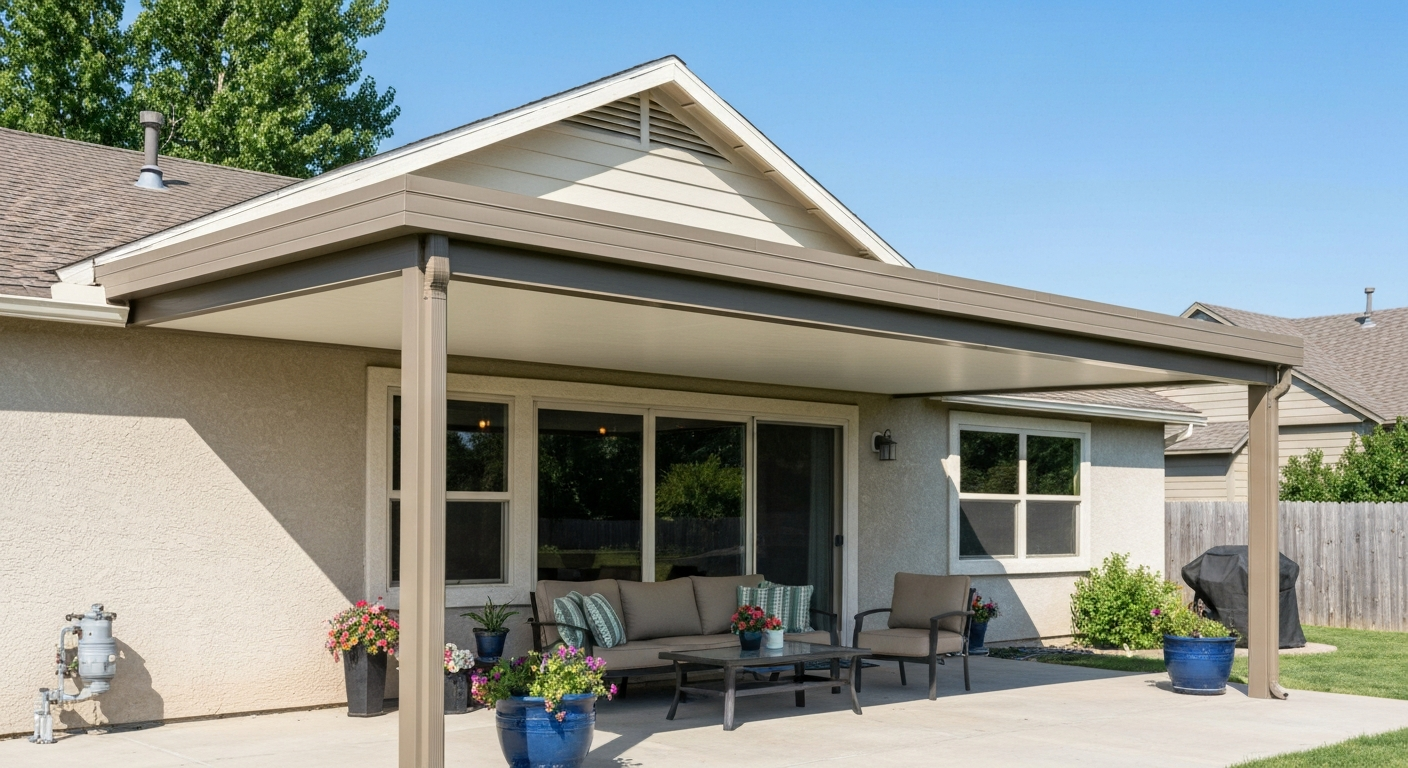
Oasis Patio Cover Reviews: Compare Brands, Materials & Picks
oasis patio cover reviews: unbiased buyer guide comparing brands, materials, costs, installation, and climate tips
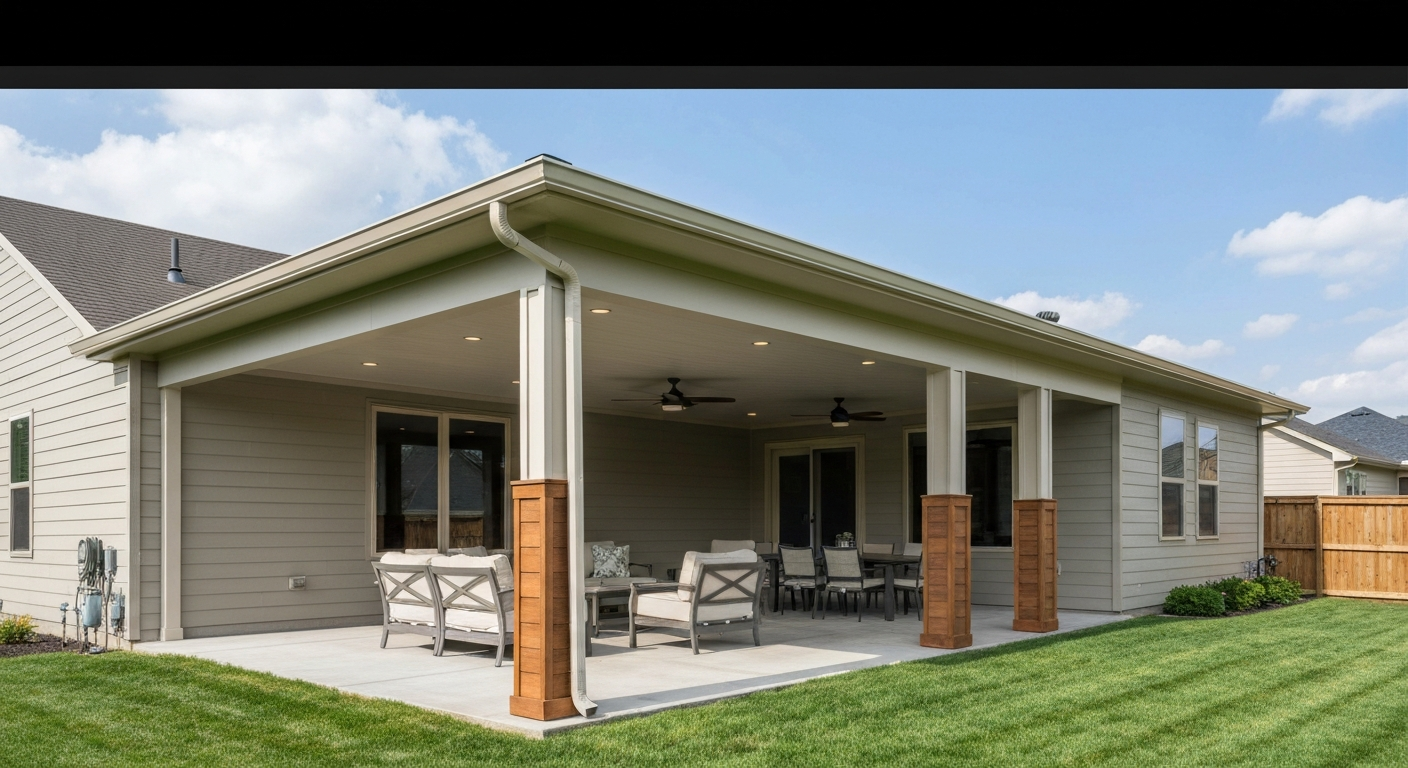
Temo Patio Cover Reviews: Best Models, Pricing & Guide
Temo patio cover reviews: unbiased buying guide with model comparisons, prices, warranties, installation and maintenance
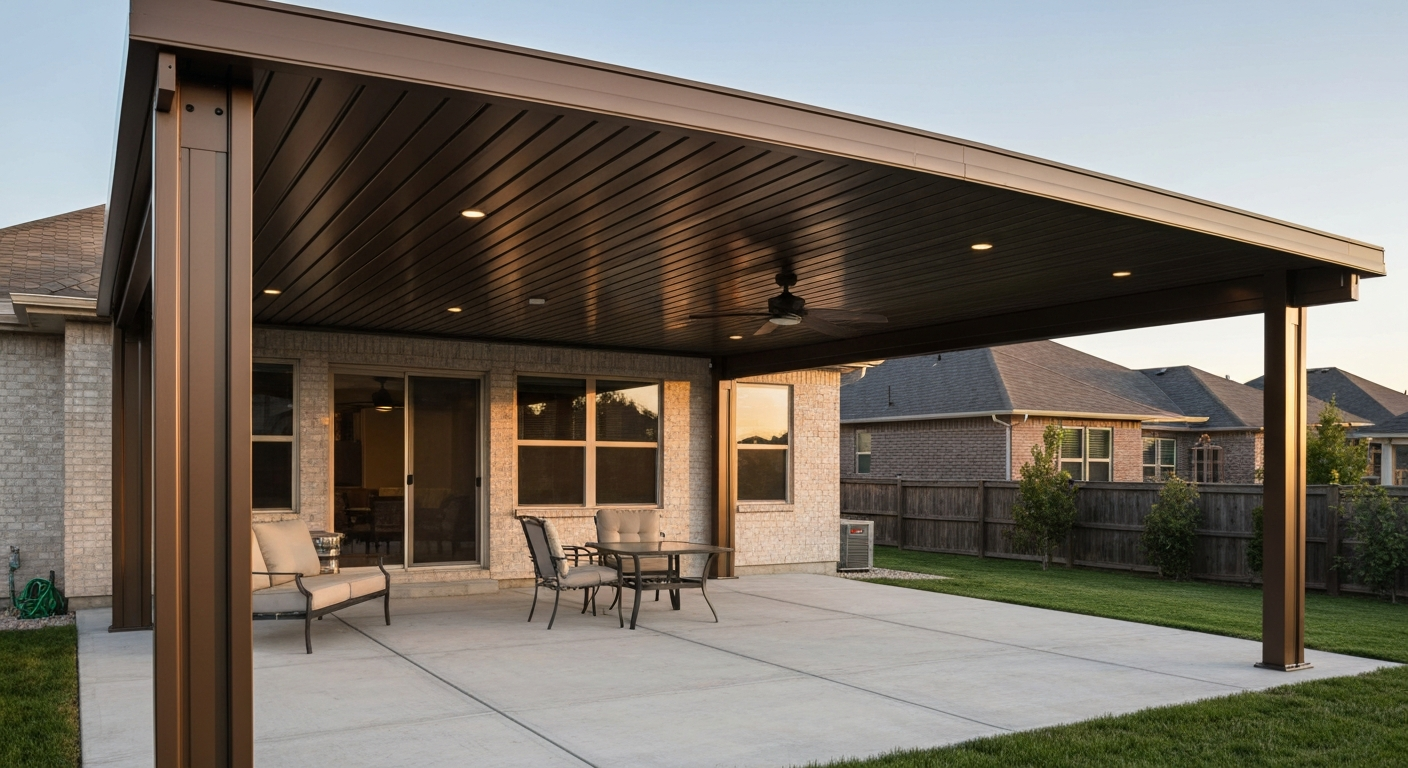
Try‑Tech Patio Cover Reviews & Buying Guide for Homeowners
Try‑Tech patio cover reviews, unbiased guide to models, weather performance, pricing, and DIY vs pro installation