
Temo patio covers are a solid mid-to-upper-tier choice for homeowners who want a professionally engineered aluminum or laminated-panel roof system with a transferable lifetime warranty and real structural testing behind it. They are not the cheapest option on the market, and they are not always the easiest to install yourself, but for a permanent covered patio that is built to last 20-plus years in most climates, Temo consistently earns its reputation. The biggest caveat: your experience will depend heavily on your local dealer, because Temo is primarily sold through a dealer network, and installation quality varies.
Temo Patio Cover Reviews: Best Models, Pricing & Guide

Phoebe Foster
4 Aug 2026
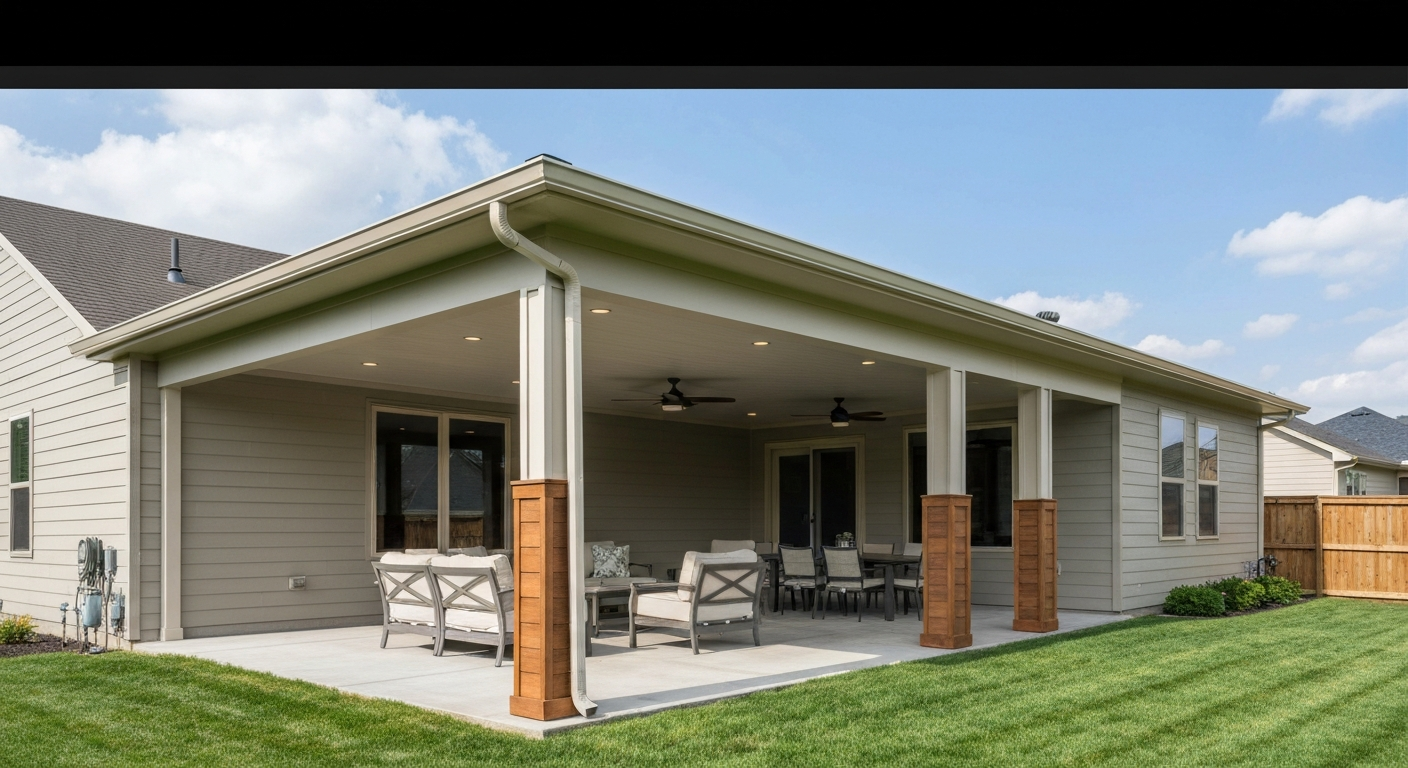
Who This Guide Is For
This guide is written for homeowners who are actively comparing patio cover brands and want honest, practical information rather than marketing copy. If you are a first-time buyer trying to understand the difference between a DIY aluminum kit and a dealer-installed laminated roof system, this will help you set realistic expectations. If you are a DIYer trying to decide whether Temo is manageable without a contractor, I cover that too. And if you are planning for a specific climate, whether that is the scorching heat of a Texas summer, heavy Midwest snow loads, or the salt air of a coastal yard, there is a section on real-world performance by condition. I also compare Temo directly to the brands that come up most often in the same search space: MR Patio, Patio Cover Concepts, HHI, Acrylite, Oasis, Palram Feria, and Try-Tech. Use the table of contents-style headings to jump to whichever section is most useful to you.
Quick Summary and Verdicts by Use Case
If you want a permanent attached patio cover that adds real resale value, can handle snow and wind loads, and comes with a transferable warranty you can pass to a future buyer, Temo is one of the better choices in the market. It is especially well-suited for homeowners in climates with temperature swings, moderate snow, or intense UV exposure, because the laminated roof panels are independently tested and the aluminum framing does not rust. If you are a budget-conscious DIYer who just needs basic shade and does not mind replacing panels in 10-12 years, a Palram Feria kit or a Try-Tech Alumawood system will cost significantly less upfront. If you are in a high-wind or hail-prone zone like coastal Texas or the Oklahoma panhandle, look closely at Temo's ICC Evaluation Service report (ESR-1801) and compare it against local code requirements before committing. And if you are replacing an existing cover under a tight timeline, note that Temo's dealer-based model means lead times and pricing vary by region, so getting multiple quotes matters.
Temo Product Lines at a Glance
Temo organizes its patio cover offerings into several distinct product lines, and understanding which one you are looking at matters because the specs, pricing, and DIY eligibility are different for each.
Solid Roof Patio Covers
This is Temo's flagship category. The solid roof systems use laminated insulated panels, typically a foamed-core aluminum sandwich construction, that block light completely and provide meaningful thermal insulation compared to a polycarbonate sheet. The TEMO 450 is one of the documented models in this line and has a published user manual with specific anchoring, structural, and maintenance instructions. Panel thicknesses in the laminated line typically fall in the 2-3 inch range for insulated versions. Colors are factory-applied and include neutral tones (white, almond, clay, and various browns) with additional options through some dealers. Sizes are configurable to fit most residential patios, and widths and projections are typically specified in 1-foot increments up to spans that accommodate most attached or freestanding patio footprints.
Covered and Closed Patio Systems
Temo also offers more enclosed configurations designed to bridge the gap between a basic patio cover and a three-season room. These include options for side enclosures that can be screened or glazed. These systems are generally dealer-installed and are more expensive than a basic open-frame cover. If you are eventually thinking about converting your covered patio into a sunroom, this product line is worth pricing out because Temo's sunroom division and patio cover division share structural components.
PPC Patio Covers
Temo's PPC (Premium Patio Cover) line sits between their basic dealer-install systems and the full sunroom conversion products. These are aluminum-framed with roof panel options and are often used for larger covered outdoor living areas. The PPC line is the one most commonly associated with Temo's DIY page, though "DIY" in Temo's world generally means an experienced builder rather than a weekend warrior.
Operable and Louvered Pergola Systems
Temo offers motorized louvered pergolas as a more premium product. These are adjustable-blade systems that allow you to control light, airflow, and rain protection with a switch or remote. They are a different product category entirely from the solid-roof covers and carry a significantly higher price point. If you are cross-shopping louvered systems, this line competes with brands like StruXure and Equinox rather than the other brands covered in this article.
| Product Line | Roof Type | DIY Option | Typical Use Case | Notes |
|---|---|---|---|---|
| Solid Roof / TEMO 450 | Insulated laminated panel | Limited (experienced builders) | Permanent attached cover, year-round use | ICC ESR-1801 tested; most popular residential line |
| Covered/Closed Patio | Solid panel + optional enclosures | No (dealer-install) | 3-season room conversion | Higher cost; shares sunroom components |
| PPC Patio Cover | Aluminum frame + panel options | Yes (with caveats) | Large open patio covers | Most DIY-friendly in Temo lineup |
| Louvered Pergola | Motorized adjustable louvers | No | Premium outdoor living, adjustable shade | Different price tier; not directly compared here |
Accessories, Add-Ons, and Customization
One area where Temo genuinely shines compared to mass-market kits like the Palram Feria is the accessory ecosystem. When you buy through a Temo dealer, you can configure the system with a range of add-ons at the time of order, which means everything is engineered to fit rather than bolted on as an afterthought.
- Gutters and downspouts: integrated into the beam design on most solid-roof models, keeping water away from the foundation and off your furniture
- Screening systems: full-perimeter screen inserts that attach to the aluminum frame, available in standard bug screen or solar screen fabrics for additional UV reduction
- Lighting: recessed can lighting and soffit-mount fixtures designed to fit Temo's panel profiles; wiring channels are often built into the beams
- Side panels and privacy walls: solid aluminum panels, decorative lattice, or glass options depending on the product line
- Ceiling fans: pre-engineered blocking and electrical rough-in options are available on some models to support fan mounting without reinforcing the structure after the fact
- Vinyl or wood-look column wraps: cosmetic covers for the aluminum support posts that match different home exterior styles
- Paint and powder-coat upgrades: extended color palette options available through dealers for an additional cost
The key thing to confirm with your dealer is which accessories are available for your specific model and region. Not every Temo dealer stocks or installs every option, and some add-ons require the dealer to special-order components with lead times of several weeks.
Real-User Performance: What Owners Actually Experience
UV Protection and Heat
The insulated laminated panels in Temo's solid-roof line perform well for UV blocking because a solid aluminum-sandwich panel simply does not transmit UV or visible light. This is a significant advantage over polycarbonate and acrylic sheet systems, which filter UV to varying degrees but still let heat-generating infrared radiation through. In hot climates like Arizona or Central Texas, the insulated core makes a noticeable difference in the temperature under the cover compared to a single-skin aluminum or polycarbonate sheet. Real users on home improvement forums consistently report that the area under a Temo solid-roof cover is substantially cooler in summer than under a translucent polycarbonate panel system.
Rain Shedding
Rain performance is strong on properly installed Temo covers. The integrated gutter system on the beam channels water to the downspouts, and the panel-to-panel connections are designed with overlapping joints to prevent leaks. The most common complaint in BBB filings and consumer review sites for Temo centers on installation quality rather than the product itself: leaks that appear at the wall flashing or around the ledger connection are almost always an installation problem, not a panel failure. Temo, Inc. | BBB Complaints | Better Business Bureau shows an active profile that aggregates complaints and responses highlighting installation issues, warranty/claim friction, and service follow-up as common themes. If you are getting a Temo cover installed, ask specifically about the wall flashing method and get a written guarantee from the dealer on the installation for at least one year after completion.
Snow Load and Structural Performance
Temo's solid-roof laminated panels have an ICC Evaluation Service report, ESR-1801, which covers the structural properties of the laminated roof panels including load capacity. This is important because it means the product has been reviewed by an independent engineering body, not just tested internally. The ESR report covers specific span and load configurations, so it is worth confirming with your dealer that the configuration they are proposing falls within the evaluated scope. For comparison, Palram Feria publishes a snow load rating of approximately 150 kg/m2 (about 30.4 lb/ft2) in their assembly documentation, which is a reasonable mid-range figure. Temo's tested values should be verified against your local building code requirements, particularly in areas with ground snow loads above 20-25 lb/ft2.
Wind Resistance
Aluminum-framed patio covers with engineered connections generally perform better in wind than freestanding wood or vinyl pergola systems. Temo's systems, when properly anchored per the installation manual, are rated for wind loads that satisfy most residential building codes. In high-wind zones (ASCE 7 exposure categories C or D, common in coastal areas and open plains), you should request the specific design pressures from your dealer and compare them against the local code requirement. The anchoring method matters enormously here: a Temo cover attached to a ledger on a wood-frame house needs proper through-bolting into framing, not just surface fasteners.
Coastal and Humid Climates
Aluminum framing inherently resists corrosion better than steel, but the powder-coat finish quality determines long-term appearance in salt-air environments. Temo's factory powder coat is generally described as durable, but owners in coastal Florida, the Gulf Coast, and Hawaii have reported chalking and oxidation on older systems after 10-plus years, particularly on horizontal surfaces that collect moisture. This is not unusual for any aluminum patio product. Annual cleaning with a mild detergent and periodic application of a UV-protective wax or sealant will extend the finish life significantly. For comparison, raw or lightly coated aluminum systems from regional DIY dealers tend to degrade faster in coastal conditions.
Price and Warranty Benchmarks
What Temo Covers Typically Cost
Temo does not publish a price list because pricing is quote-based through their dealer network. Based on aggregated user reports, forum discussions, and contractor data, here is a realistic range for 2025-2026:
| Cover Size (approx.) | DIY Kit (where available) | Dealer-Installed (typical range) | Notes |
|---|---|---|---|
| 10 x 12 ft (120 sq ft) | $2,000 – $3,500 | $4,500 – $7,000 | Smaller attached cover; pricing varies by region |
| 12 x 16 ft (192 sq ft) | $3,000 – $5,000 | $6,500 – $10,000 | Most common mid-size residential patio |
| 16 x 20 ft (320 sq ft) | $4,500 – $7,000 | $9,000 – $15,000+ | Larger covered patio or outdoor room setup |
| Custom or PPC large | Quote only | $12,000 – $20,000+ | Full enclosed or premium accessories included |
These are rough benchmarks. Your actual quote will depend on your region, the specific dealer's overhead, local permit costs (typically $200-$800 for a residential patio permit), and which accessories are included. Always get at least three quotes before signing. If your dealer is not pulling a building permit, treat that as a red flag regardless of which brand you are buying.
Temo's Warranty in Plain Terms
Temo offers a Limited Lifetime Warranty that is transferable to subsequent homeowners, which is a genuine selling point if you plan to sell your home. The key word is "limited," and the exclusions matter. Labor and service costs are not covered, meaning if a panel needs to be replaced under warranty, you pay for the installation of the replacement. The warranty requires registration after installation, so if your dealer does not walk you through that step, do it yourself. Consumer complaint filings on the BBB and PissedConsumer show that the most common friction points are: slow response times from regional dealers for warranty claims, disputes over whether a failure is covered under the warranty or attributed to installation error (which is the dealer's responsibility, not Temo's), and difficulty reaching the right contact when a dealer has gone out of business. If your dealer closes, contact Temo corporate directly with your registration number.
How the Warranty Stacks Up
A transferable lifetime warranty on materials is better than what most mass-market kit brands offer. Palram Feria carries a 10-year limited warranty on panels. Try-Tech's warranty terms vary by product and are handled direct from the factory. Acrylite panels carry up to 30-year limited warranties specifically on UV and light transmission, but those are panel-level warranties on a DIY-installed product, not a system-level coverage. HHI and regional dealers like Patio Cover Concepts typically offer workmanship warranties of 1-5 years on labor, with manufacturer material warranties passed through. MR Patio and Oasis warranty terms vary by product line. In short, Temo's lifetime transferable coverage on materials is one of the stronger warranty positions in this comparison group.
Side-by-Side Feature and Tradeoff Table
| Brand | Primary Material | DIY Option | Material Warranty | Structural Rating / Testing | Price Tier | Best For |
|---|---|---|---|---|---|---|
| Temo | Insulated aluminum laminated panel | Limited (experienced builders) | Limited Lifetime (transferable) | ICC ESR-1801 (laminated panels) | Mid-High ($4,500–$15,000+ installed) | Permanent covers, resale value, cold/wet climates |
| MR Patio | Aluminum (solid and lattice) | Yes (some kits) | Varies by product | Regional code compliance; varies | Mid ($3,000–$10,000) | Western US markets; solid or lattice options |
| Patio Cover Concepts | Aluminum (Alumawood and solid) | Yes | Published warranty tiers; quote-based | Regional; varies by model | Mid ($3,500–$9,000) | Value-driven buyers wanting quote transparency |
| HHI Patio Covers | Aluminum (regional install) | No (contractor) | Workmanship + manufacturer pass-through | Engineered for Gulf Coast/high-wind zones | Mid ($5,000–$12,000) | Texas and Gulf Coast climates; wind/hail areas |
| Acrylite (panels) | Acrylic multi-skin/corrugated sheet | Yes (DIY panels) | Up to 30 years (UV/light transmission) | ASTM tested sheets; install-dependent | Low-Mid (panels $3–$8/sq ft) | DIY builds; diffused light preferred; budget |
| Oasis | Aluminum frame + various panels | Limited | Varies by product | Varies; regional dealer network | Mid ($4,000–$10,000) | Custom sizing; regional availability |
| Palram Feria | Polycarbonate panels + aluminum frame | Yes (retail kit) | 10-year limited (panels) | ~150 kg/m² snow load (published) | Low-Mid ($800–$3,000 DIY kit) | Budget DIY; quick install; smaller patios |
| Try-Tech | Aluminum / Alumawood | Yes (factory-direct kit) | Factory direct terms | Code-compliant kits; regional pickup | Low-Mid ($2,000–$6,000 kit) | DIY-focused; Western US; budget kits |
Direct Comparisons by Category
Materials: Temo vs the Field
Temo's insulated laminated panel is in a different class from the polycarbonate sheet systems used by Palram Feria. The laminated panel provides full light blockage, thermal insulation, and a finished ceiling appearance from below. Palram Feria's polycarbonate panels let in diffused light, which some people prefer for a brighter feel, but they do not insulate and they yellow over time (typically 10-15 years under strong UV). Acrylite panels are more UV-stable than standard polycarbonate and carry longer warranties on light transmission, making them a better long-term choice if you specifically want translucent panels. Alumawood systems from Try-Tech and MR Patio use an extruded aluminum profile that mimics wood grain; it is durable and low-maintenance but is not insulated. For pure material durability and thermal performance, Temo's laminated panel wins. For translucent light and DIY ease, Acrylite or Palram Feria are better suited.
Structural Ratings: Temo vs the Field
Temo holds the clearest structural credential in this group via the ICC ESR-1801 evaluation report for its laminated panels. This is a third-party independent review, not just a manufacturer's in-house test. Palram Feria publishes snow and wind load claims in their assembly documentation, but these are manufacturer-stated figures rather than ICC-evaluated ones. HHI designs specifically for Gulf Coast building codes and wind requirements, which makes it a strong choice in that region even without a national ESR designation. HHI Patio Covers (regional installer site, Houston) emphasizes climate‑specific design for Gulf Coast conditions, including high winds, hail, and intense heat, and documents local installation practices and performance HHI Patio Covers (regional installer site — Houston). Patio Cover Concepts and regional aluminum dealers often build to local code but may not have nationally recognized test reports. For buyers in jurisdictions that require ICC-compliant products for permit approval, Temo has an advantage.
Ease of Installation: Temo vs the Field
This is where Temo loses ground to several competitors. Palram Feria kits are sold at Home Depot and Lowe's, include complete assembly instructions, and are genuinely manageable for a handy homeowner with a helper and a weekend. Try-Tech's factory-direct Alumawood kits are designed from the ground up for DIY installation and come with phone and video support. See try-tech patio cover reviews for hands-on installation tips and owner feedback. Temo publishes DIY resources and has a dedicated DIY patio covers page, but the products labeled as DIY-compatible still require more construction knowledge than a retail kit. The laminated panel systems are heavier and require more precise anchoring. If you have built a deck, reframed a wall, or installed a shed, you can probably manage a Temo PPC cover. If your DIY experience is more limited, start with a simpler kit system and save Temo for a professionally installed project.
Appearance: Temo vs the Field
Temo covers have a clean, architectural appearance that reads as a true home addition rather than a bolt-on accessory. The factory powder-coat finish is consistent, the beam profiles are proportional, and the built-in gutters keep the underside clean. Alumawood products from Try-Tech and MR Patio look more like wood-trimmed shade structures, which some homeowners prefer for a more traditional aesthetic. Palram Feria has a more utilitarian greenhouse look that works fine in a backyard but may not complement a formal home exterior. Patio Cover Concepts and Oasis offer broader aesthetic customization in some markets. HHI's regional installations tend to match the Southeast and Texas vernacular well. Bottom line: if curb appeal and architectural integration matter to you, Temo is among the better-looking options in this group.
Installation: DIY vs Hiring a Contractor
The honest answer for most homeowners is that Temo's solid-roof laminated systems should be professionally installed. The panels are heavier than they look, the wall flashing requires careful waterproofing, and the structural anchoring needs to be done to the manufacturer's published specifications to maintain both warranty coverage and permit compliance. If you go the DIY route with a Temo PPC kit, download and read the full installation manual before you order. Check the anchoring requirements against your home's framing type (wood stud, concrete block, or masonry). Confirm your local permit requirements: most jurisdictions require a permit for any patio cover attached to the house, and the permit inspection will check your anchoring and flashing.
- Measure your patio footprint carefully: width along the house wall, projection (how far out from the wall), and any obstructions (HVAC equipment, hose bibs, electrical panels)
- Check your local building department for permit requirements and setback rules before ordering any cover
- Identify your wall construction type (wood frame, stucco over frame, masonry, or concrete) because the ledger attachment method is different for each
- Get at least three quotes from Temo dealers and ask each one specifically about their flashing method and their workmanship guarantee
- Ask your dealer to verify that the proposed configuration falls within the ESR-1801 evaluated scope for your snow and wind zone
- Confirm warranty registration procedure at the time of installation, not weeks later
- Inspect the installation within 30 days of completion: check flashing, panel seams, gutter alignment, and all post anchors before signing off
Maintenance and Common Problems
Temo covers are low-maintenance by design, but "low" does not mean zero. The aluminum framing and powder-coat finish benefit from an annual wash with mild soap and water to remove pollen, bird droppings, and organic debris that can stain or hold moisture against the finish. The gutters should be checked and cleared at least twice a year; debris buildup in integrated gutters is the most common cause of water overflow and staining on the house wall.
The most commonly reported problems in user reviews and consumer complaint filings fall into a few consistent categories. Panel joint leaks almost always trace back to installation: a missed sealant bead, an incorrectly seated panel, or a flashing detail that was not followed per the manual. Post and beam connection squeaking in high-wind areas is occasionally reported on older systems and is usually resolved by retightening fasteners and applying a small amount of silicone lubricant to the joint. Chalking or oxidation of the powder-coat finish after 10-plus years is normal and can be addressed with an aluminum-safe polish and a UV-protective wax coat. If you are in a region with hard water, spray-off water staining on panels can be minimized by wiping down surfaces after rain or irrigation contact.
Climate-Specific Recommendations
| Climate / Region | Key Concern | Temo Fit | Alternative to Consider |
|---|---|---|---|
| Hot/arid (Southwest, Texas) | UV exposure, heat gain under cover | Strong: insulated panels cut heat gain significantly | Alumawood (Try-Tech, MR Patio) for lower cost |
| Humid/subtropical (Gulf Coast, Florida) | Rain, humidity, salt air, mold | Good: aluminum resists corrosion; flashing quality critical | HHI for wind-rated Gulf Coast installs |
| Midwest/Northern (snow load zones) | Snow accumulation, freeze-thaw | Strong: ESR-1801 tested panels; verify load config with dealer | Oasis or Patio Cover Concepts for budget |
| Pacific Northwest (rain, mild temps) | Chronic rain, algae growth | Good: integrated gutters manage runoff; clean finish annually | Palram Feria for smaller DIY covers |
| Coastal (Atlantic, Gulf, Pacific) | Salt air corrosion, high wind | Moderate: powder-coat holds well; verify wind ratings for ASCE zone | HHI for engineered coastal systems |
| Variable (Mid-Atlantic, Carolinas) | Mixed loads, humidity, occasional ice | Good all-around: lifetime warranty and structural testing help here | Try-Tech DIY kits for budget builds |
How to Read Temo Reviews Without Getting Misled
One thing worth flagging: a lot of negative reviews for Temo are actually complaints about a specific dealer, not the product. Because Temo sells through a network, the installation experience, pricing, and post-sale service vary significantly from one dealer to the next. When you read a one-star review that says "leaks after two months" or "dealer never called back," that is almost certainly a dealer problem. Temo the manufacturer is responsible for the panel and material quality; the dealer is responsible for the installation and the local service. This is not unique to Temo; the same dynamic applies to HHI, regional MR Patio dealers, and Oasis installers. See oasis patio cover reviews for examples of installer-related complaints and positive local experiences. The takeaway: vet your dealer as carefully as you vet the product. Ask for local references, check their BBB profile specifically (not just Temo's), and ask how long they have been a Temo dealer.
Your Pre-Purchase Checklist
- Measure the patio space: record the wall width, desired projection, and any height restrictions at the house fascia
- Check your municipality's permit requirements and setback rules for patio covers (attached vs freestanding rules differ)
- Determine your wall construction type before requesting quotes so dealers can specify the correct ledger attachment
- Request the ESR-1801 scope documentation and confirm your proposed configuration (span, load zone) is within evaluated parameters
- Get a minimum of three dealer quotes with itemized breakdowns of materials, labor, permit fees, and accessories
- Ask each dealer for three local references installed within the past two years and call them
- Confirm the warranty registration process and who handles warranty claims (dealer or Temo direct)
- Ask the dealer what happens to your warranty and service coverage if their dealership closes
- Verify permit will be pulled in your name, not the contractor's, so you maintain control of the project record
- If considering DIY, download the relevant product manual and honestly assess whether the anchoring and flashing steps are within your skill level
Final Thoughts: Is Temo the Right Brand for Your Patio?
Temo earns a genuine recommendation for homeowners who want a permanent, well-engineered patio cover with a transferable warranty and the structural credentials to back up the marketing claims. It is not the right pick if you are on a tight budget and need a quick weekend install; for that, look at Palram Feria for a translucent cover or Try-Tech for an Alumawood DIY kit. It is also not automatically the right pick just because it is more expensive; your local dealer's quality and service record matters as much as the product specification. If you are comparing Temo with regional competitors, brands like Patio Cover Concepts and MR Patio offer competitive aluminum systems with more transparent upfront pricing that may suit budget-driven buyers in their coverage areas. For more details on MR Patio's offerings and customer feedback, see MR Patio cover reviews. And if you are in a high-wind or hail-risk zone in Texas or the Gulf Coast, HHI's locally engineered systems are worth a direct comparison. For a deeper look at Gulf Coast-specific options, see HHI patio covers reviews for region-focused performance and installer feedback. Do your homework, get your permits, vet your dealer, and the cover you choose, whether it is Temo or a well-installed competitor, will serve you well for decades.
FAQ
Which official TEMO product pages and documents should be collected to catalog TEMO’s product lines and specs?
Pull TEMO product pages (patio covers, sunrooms), downloadable spec sheets and brochures, user/installation manuals (e.g., TEMO·450), warranty PDF, DIY pages, and accessory/product options pages. Source categories: TEMO official site, product PDF downloads, manufacturer YouTube/assembly videos. Why: to list models, materials, panel types, colors/sizes, accessories, technical specs, and which models are sold as DIY kits vs dealer-installed.
What material- and component-level properties need verification (roof panel types, framing alloys, coatings, UV/thermal behavior)?
Document roof panel construction (laminated, multiwall, acrylic), panel thickness, translucency/light transmission, UV stabilizers/guarantees, frame material (aluminum grade, powder coat/finish), fastener materials, gaskets/seals. Source categories: TEMO technical datasheets, Acrylite/Palram material pages, ASTM/manufacturer test reports. Why: to compare durability, yellowing risk, heat/UV performance, and corrosion resistance by material.
What independent test reports and certifications must be located and interpreted?
Retrieve ICC‑ES/ESR reports (e.g., ESR‑1801), ASTM test data referenced by manufacturers, wind/snow load test reports, and corrosion/UV lab reports. Source categories: ICC‑ES, ASTM standards references, manufacturer's independent test documentation. Why: to verify structural claims, code compliance, and objective performance limits for designs and to note which TEMO models are covered.
Which warranty elements should be benchmarked and how should they be documented?
Collect full TEMO warranty text (limited lifetime, transferability, exclusions, registration requirements, claim process), and competitor warranties (Palram/Canopia, Acrylite, Try‑Tech, MR Patio, Patio Cover Concepts, HHI, Oasis). Source categories: official warranty PDFs, dealer disclosures, retailer pages. Why: to compare coverage scope (materials vs labor), duration, transferability, pro-rated terms, and real-world ease of making claims.
How to gather real‑user performance evidence across climates (UV, rain/snow, wind, coastal corrosion)?
Aggregate retailer reviews, forum/Reddit threads, BBB/PissedConsumer complaint narratives, installer testimonials, and regional installer case studies. Organize reports by climate: desert/UV, cold/snow, rainy/coastal (salt), high‑wind/hurricane zones. Source categories: Home Depot/Lowe’s/Wayfair reviews, Reddit, BBB, PissedConsumer, regional installers. Why: to identify recurring failure modes (leaks, yellowing, panel sag, fastener corrosion) and how products behave in practice.
What pricing, lead‑time, and availability data must be compiled for benchmarking?
Collect list prices and quoted ranges for common sizes from TEMO (if available) and competitors (Palram/Canopia via Home Depot/Lowe’s, Try‑Tech, MR Patio, Patio Cover Concepts, HHI), include DIY kit vs installed cost estimates, shipping/lead times, and accessory pricing. Source categories: manufacturer pricing pages, retailer listings, installer pricing/quote pages, marketplace snapshots. Why: to create price bands, identify where TEMO sits in market, and calculate DIY vs pro-installed total cost.
Next Articles
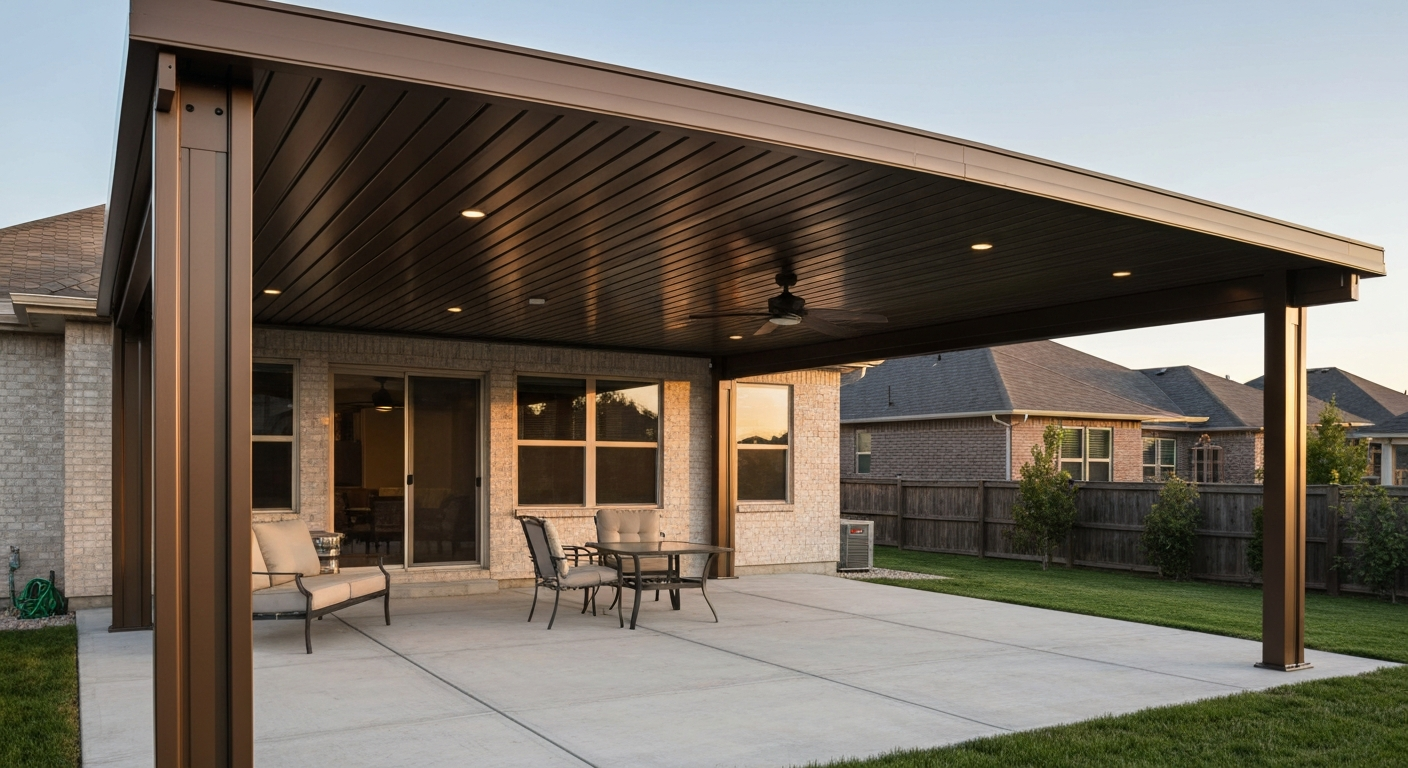
Try‑Tech Patio Cover Reviews & Buying Guide for Homeowners
Try‑Tech patio cover reviews, unbiased guide to models, weather performance, pricing, and DIY vs pro installation
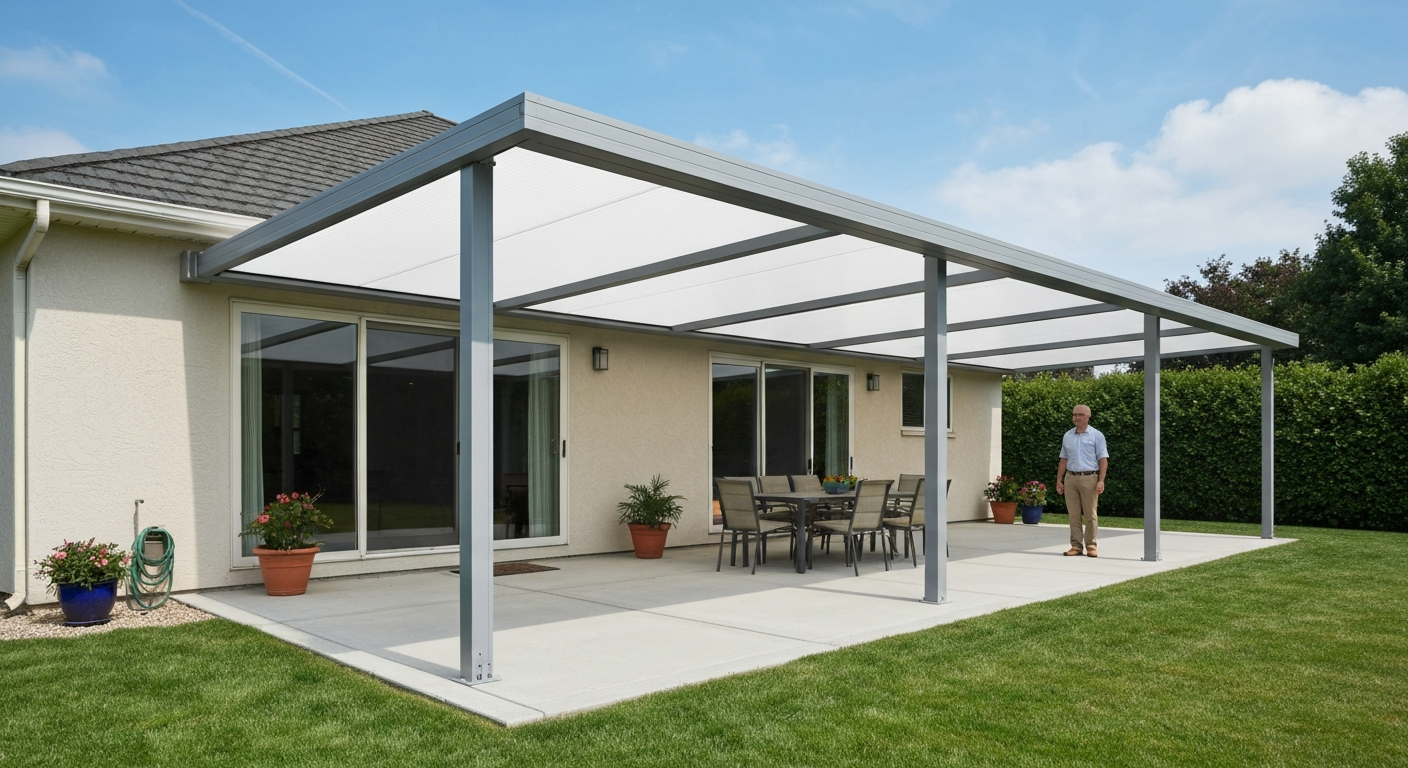
Palram Feria Patio Cover Reviews: Complete Buyer's Guide
Palram Feria patio cover reviews: honest pros, cons, installation tips, climate performance, price & buying checklist.
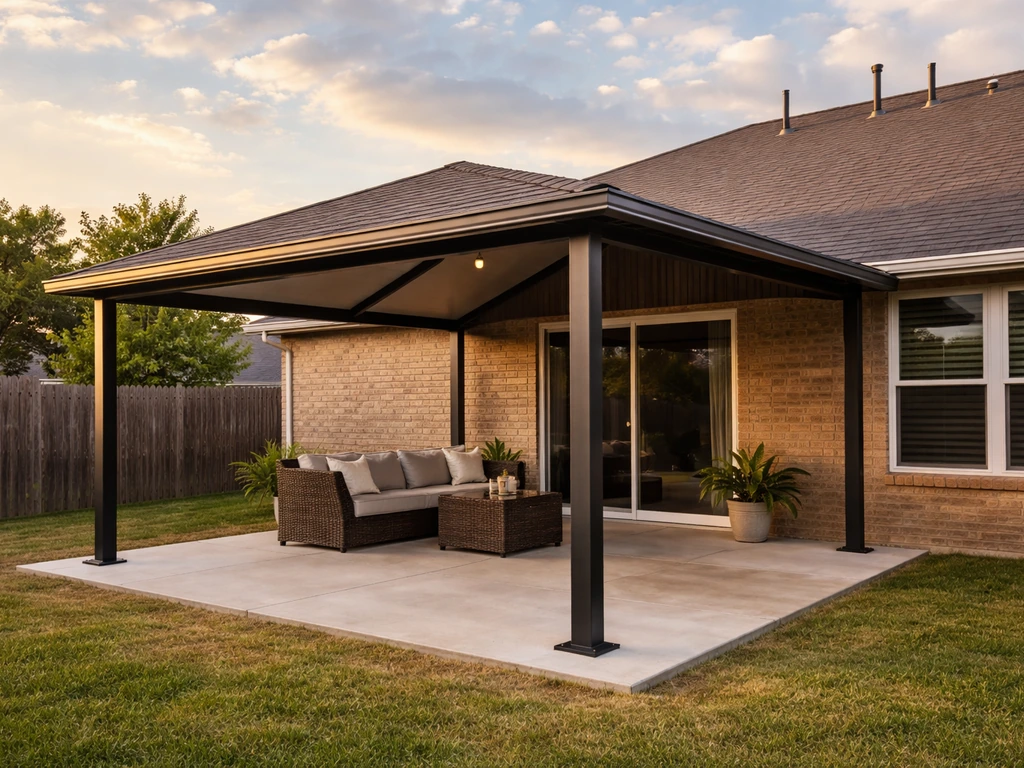
HHI Patio Covers Reviews: What to Check Before You Buy
Use hhi patio covers reviews to judge shade, weather durability, wind load, install support, costs, and best fit by clim