
Patio cover reviews are most useful when you use them to answer two separate questions: Is this product or material actually durable? And is this contractor actually reliable? Most homeowners mix those two things together and end up confused. A great material installed by a sloppy crew will leak. A mediocre panel system installed by a meticulous contractor will outlast expectations. This guide walks you through both sides so you can walk into any consultation, read any review thread, and compare any bid with real confidence. If you want to go beyond general advice, reading try-tech patio cover reviews can help you compare real-world durability, workmanship, and warranty experiences.
Patio Cover Concepts Reviews: Compare Types, Costs, and Contractors

Phoebe Foster
24 May 2026
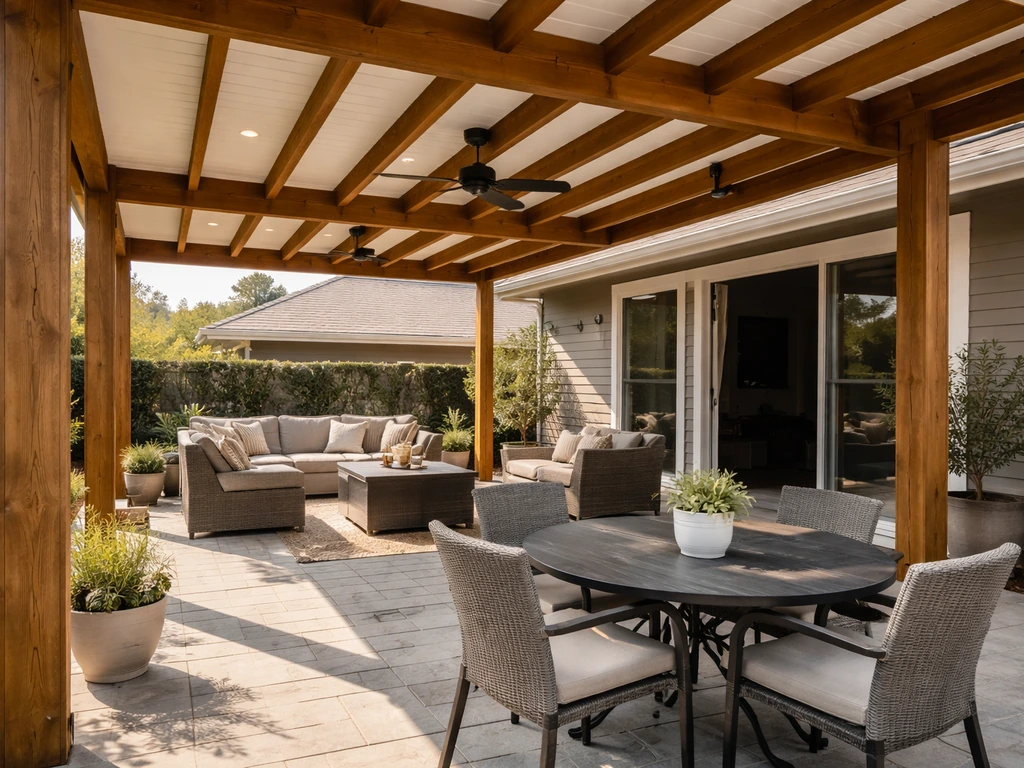
What patio cover reviews should actually help you decide
When people search for patio cover reviews, they are usually trying to answer one of three things: Will this thing hold up? Will this company show up and do it right? And is the price fair? Reviews can answer all three, but only if you know what signals to look for. If you want to quickly narrow down what to trust, checking mr patio cover reviews alongside the signals to look for in any review thread can save you time. A five-star review that says 'looks great!' tells you almost nothing. A four-star review that says 'they pulled permits, finished on time, and the gutters drained perfectly after the first storm' tells you a lot.
The review themes that actually predict long-term satisfaction fall into a pretty consistent list. Look for mentions of permit handling, project timelines, drainage and water management, finish quality after the first summer or winter, and whether the warranty was honored when something actually went wrong. Complaints about leaks, water pooling, yellowed panels, and stalled permits dominate the negative reviews for patio covers almost universally, regardless of brand. That pattern is your filter.
- Permit and engineering handling: did the contractor manage it, or leave it to you?
- Timeline accuracy: did the project finish when promised?
- Water management: gutters, downspouts, and slope detailing mentioned positively or negatively?
- Material durability after real weather exposure: UV yellowing, hail damage, finish fading?
- Warranty clarity: are material and workmanship warranties separate and clearly defined?
- Post-installation responsiveness: did the company return calls when something needed adjustment?
Choose the right patio cover concept: style and coverage goals first
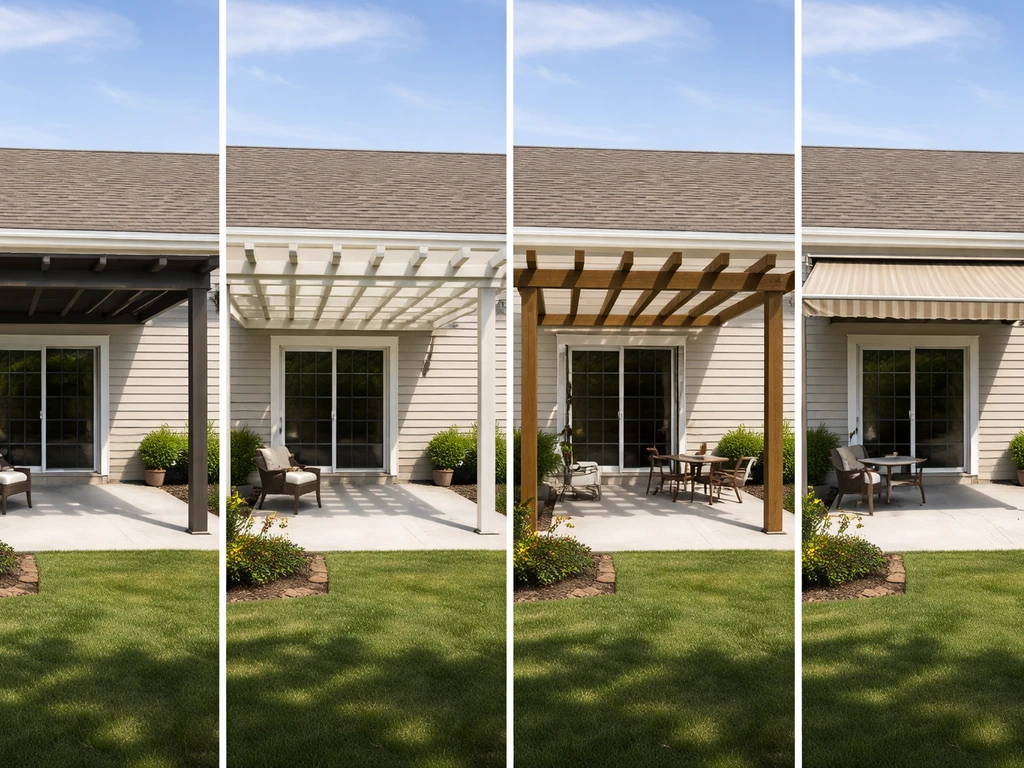
Before you read a single review, you need to narrow down what type of cover you actually need. The style you choose shapes everything else: which contractors are relevant, which materials apply, and what warranties mean anything to you. I have seen homeowners spend weeks reading reviews for solid insulated aluminum covers when they actually wanted a breezy pergola vibe. Nail the concept first.
There are four main coverage concepts, and each one serves a different priority. Solid roof covers (aluminum insulated panels, wood framing with roofing materials) give you full rain and wind protection. Lattice and pergola-style covers prioritize airflow and partial shade while keeping an open, outdoor feel. Louvered or retractable systems let you control light and heat on demand, which is worth the extra cost if you use your patio across seasons. Panel systems using polycarbonate or acrylic (like ACRYLITE-based covers) give you natural light transmission plus UV filtering, which is a popular middle ground in hotter climates.
| Cover Style | Best For | Main Trade-Off | Climate Fit |
|---|---|---|---|
| Solid insulated aluminum | Full rain/wind protection, year-round use | Blocks natural light completely | All climates, especially rain-heavy regions |
| Lattice / open pergola | Airflow, aesthetics, partial shade | No rain protection | Mild, dry climates; moderate sun regions |
| Louvered / retractable | Flexible light and heat control | Higher cost, mechanical maintenance | Sunbelt states, seasonal-use areas |
| Polycarbonate / acrylic panel | Natural light with UV filtering | Can yellow over time if low-grade panels used | High UV regions: Southwest, Texas, Southeast |
| Wood frame with roofing | Traditional look, custom design | Highest maintenance, rot/pest risk | Moderate climates; good for HOA aesthetics |
If you are in a hail-prone area like the Texas panhandle or the Denver metro, panel material selection becomes especially critical. Products like ACRYLITE Alltop specifically carry a 10-year hail warranty and a 30-year non-yellowing warranty, which is a meaningful differentiator versus generic polycarbonate. In rain-heavy Pacific Northwest or Southeast climates, solid covers with integrated gutters and downspouts are almost always the right call, and the reviews for those builds will quickly separate the contractors who do drainage right from those who do not.
Material and build quality: what to look for in real reviews
Material reviews split into two buckets: how the product looks and performs when new, and how it holds up after two or three years of weather exposure. Most brand-level reviews on contractor websites skew toward the first bucket. To get the second, you need to dig into homeowner forums, Angi threads, or Reddit posts where people have lived with the product through at least one full season cycle.
For aluminum systems, the finish durability and corrosion resistance are the most-reviewed pain points. Pay attention to whether fasteners and connectors are rated for exterior use. In coastal or humid climates, hot-dipped galvanized or stainless steel fasteners matter because standard hardware corrodes at connection points first, and that is where leaks and structural loosening begin. This detail rarely shows up in marketing materials but shows up constantly in long-term owner reviews.
For panel systems, the UV and hail performance claims need to be tied to specific warranty language, not just marketing copy. ACRYLITE-based systems from installers like Crown Patio Covers, for example, break out warranty coverage into distinct categories: 30-year non-yellowing, 10-year light transmission retention, and 10-year hail.
Pioneer Patio Covers notes similar ACRYLITE cover warranty durations and emphasizes that the overall framework and structural installation are engineered for the specific application ACRYLITE-based systems from installers like Crown Patio Covers, for example, break out warranty coverage into distinct categories: 30-year non-yellowing, 10-year light transmission retention, and 10-year hail. . That specificity is what you should demand from any panel product.
If a contractor just says 'these panels are UV-resistant,' ask for the actual warranty document. If they cannot produce one, treat that as a red flag.
For DIY-oriented options like Palram's Feria polycarbonate kits, the panel material carries a 10-year limited warranty with UV protection claims. blank" rel="noopener noreferrer">These are product-level terms and do not cover installation workmanship. That distinction matters: if a kit-built cover leaks, the leak is almost always an installation issue, not a panel defect. Reviews that complain about leaking Feria covers are typically describing a framing or sealing problem, not a material failure. Read those carefully before dismissing the product entirely.
Alumawood insulated aluminum systems come up frequently in reviews for finish durability and their transferable warranty structure. The warranty covers the product finish for the life of the original purchaser and is transferable to a new owner for the first 10 years. That transferability is a real resale value consideration that most homeowners do not think about until they are trying to sell.
Contractor and installer reviews: vetting, credibility, and red flags
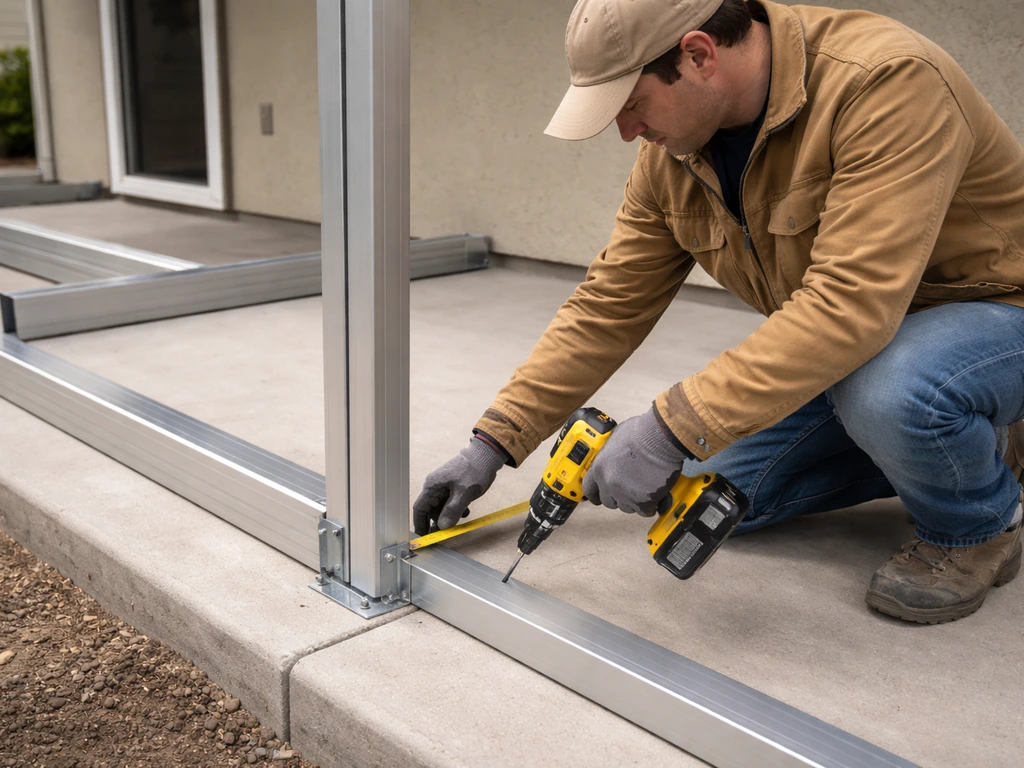
Contractor reviews are where the most useful signal lives, and where the most noise exists too. A company's own reviews page (like what you will find on HHI Patio Covers or Mr. Patio Cover's sites) can be informative, but those are curated by definition. Use them as a starting point, then cross-reference with Google Reviews, Yelp, and Angi where the company cannot filter the responses.
For any contractor doing attached patio cover work, the baseline credibility check is licensing. In California, for example, the CSLB (Contractors State License Board) lets you verify active licensure directly. Any structural cover work, meaning a cover attached to your home, requires a properly licensed contractor. If a contractor is not licensed or tries to wave off the permit conversation, stop there. Permitting problems are one of the most consistent drivers of nightmare reviews, stalled timelines, and resale complications.
Reputable contractors in the patio cover space tend to market themselves as handling engineering, permitting, and inspections as a turnkey process. That language is intentional and meaningful. When a contractor explicitly says they manage the permit and structural engineering, it usually means they have done it enough times to have a repeatable process. Contractors who are vague about who handles permits, or who say 'you can pull it yourself to save money,' are shifting risk to you.
Workmanship warranty is a separate issue from the material warranty. This comes up constantly in post-installation reviews and on roofing and home improvement forums. A contractor who provides no written workmanship warranty, or one with vague language and no defined duration, is a contractor who is not confident in their installation. Ask for both: the manufacturer's material warranty and the contractor's written workmanship warranty with specific terms.
Red flags to watch for in contractor reviews
- No mention of permits or 'we skip the permit to save time' framing
- Vague project timeline with no written schedule
- Warranty offered verbally but not in writing
- No mention of structural engineering for attached covers
- Reviews that mention unanswered calls or no-shows after deposit
- Missing or unclear workmanship warranty duration
- All reviews are five stars with generic language and no project details
Pricing, warranties, and long-term value comparisons

Patio cover pricing varies enormously based on material, size, and what is included in the bid. The single biggest source of 'I feel ripped off' reviews is a bid that did not itemize permit fees, engineering costs, concrete footings, and electrical add-ons. Those line items can add hundreds to thousands of dollars to a base quote. A Phoenix-area installer example shows that permit packages and concrete footings for post installations are separate cost items that can meaningfully change the total. If your bid is a single number with no breakdown, ask for an itemized version before you sign anything.
Electrical add-ons, specifically ceiling fans, lights, and outdoor outlets, also show up as surprise costs in reviews. If you want fans or lighting, make sure the bid explicitly includes those electrical runs. Angi's cost guides put fan and light electrical add-ons in a range that can climb quickly depending on your home's panel location and how many fixtures you are adding. Budget for them upfront so the final invoice does not feel like a gut punch.
On the warranty side, the clearest long-term value signal is whether the warranty is transferable. Alumawood's transferable finish warranty (transferable for the first 10 years) is a concrete example of a warranty designed with resale in mind. ACRYLITE-based panel warranties that break out specific durations for yellowing, light transmission, and hail give you a framework to evaluate whether a complaint you are reading in a review would have been warranty-covered. If the timeline of the complaint falls within the warranty window and the company did not honor it, that is a serious red flag about the company's service, not just the product.
| Material/System | Typical Warranty Structure | Transferable? | Key Long-Term Risk |
|---|---|---|---|
| Alumawood insulated aluminum | Life of original purchaser (finish); transferable 10 years | Yes, first 10 years | Finish fade in extreme UV climates |
| ACRYLITE panel systems | 30-yr non-yellowing; 10-yr hail; 10-yr light transmission | Panel only, not contractor labor | Yellowing if non-genuine panels substituted |
| Palram Feria polycarbonate | 10-year limited (product only) | No (product warranty) | Installation gaps causing leaks |
| Wood frame with roofing | Contractor workmanship varies; roofing materials per manufacturer | Rarely | Rot, pest damage, ongoing maintenance cost |
| Louvered systems | Varies by brand; mechanical components often 2-5 years | Sometimes | Motor/mechanical failure over time |
How to compare quotes and ask the right questions today
Get at least three bids and make sure they are all scoped for the same thing before you compare dollar amounts. This sounds obvious but almost nobody does it. One contractor includes footings and permits; another quotes the cover structure only. The price difference looks like one contractor is cheaper when really they are just quoting less work. Build yourself a simple comparison checklist and bring it to every consultation.
- Confirm the cover type and material system being quoted (solid, lattice, panel, louvered)
- Ask whether permits and structural engineering are included in the price
- Ask who pulls the permit and who manages inspections
- Confirm whether concrete footings or post hardware are included
- Ask about electrical: is wiring for fans or lights included, or is it a separate bid?
- Request the manufacturer's material warranty document in writing
- Request the contractor's written workmanship warranty with duration
- Ask about drainage: how are gutters and downspouts handled?
- Ask for a written project timeline with a start date and estimated completion
- Verify the contractor's license number and check it against your state's licensing board
During consultations, pay attention to how contractors handle your questions. A contractor who answers permit and engineering questions confidently, who offers to show you previous permitted projects, and who hands you a written warranty document without being asked is showing you they have done this before and stand behind their work. A contractor who is evasive about permits, vague about timelines, or irritated by detailed questions is showing you something too.
If you are comparing a name-brand contractor (like those that specialize in ACRYLITE, Alumawood, or HHI-style builds) against a general handyman or unlicensed crew, the price gap often reflects real differences in permit coverage, engineering compliance, and warranty backing. The budget option can work for detached, freestanding structures in mild climates where permits are less critical. For any attached cover or any cover in a high-wind, hail, or snow-load zone, that gap is not where you want to cut corners.
Maintenance, add-ons, and upgrades for weather, comfort, and longevity
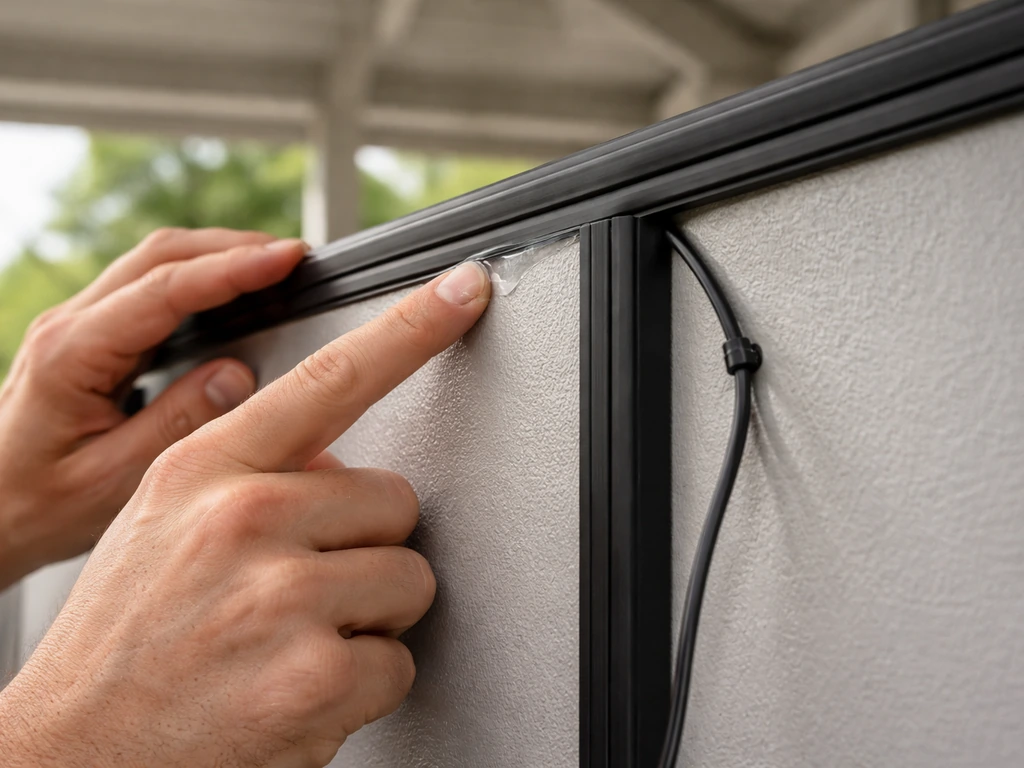
Once your cover is installed, the maintenance plan is what determines whether it actually lasts as long as the warranty implies. Most of the ongoing work is simple but easy to skip: cleaning gutters and downspouts seasonally, inspecting fasteners and connection points for early corrosion, and checking panel seals or framing joints after major storms. Water damage complaints in reviews almost always trace back to deferred maintenance at connection points and drainage elements, not to the primary material failing.
Insulated panel covers significantly reduce heat transfer compared to open or single-skin covers, which is why they are the dominant choice in Texas, Arizona, and other Sunbelt states. If you did not budget for insulated panels initially and your patio feels like a furnace in July, adding a ceiling fan with a dedicated circuit is the most cost-effective first upgrade. Ceiling fans drop perceived temperature meaningfully and extend usable hours in hot climates without the complexity of a misting system.
Other add-ons worth considering based on your climate and usage pattern include outdoor heaters for shoulder-season use in the Midwest and Pacific Northwest, LED recessed lighting for evening use in any climate, and gutter systems with downspout extensions if your yard drainage is an issue. If you are adding any of these after installation, make sure a licensed electrician handles the wiring rather than trying to DIY a circuit extension.
For panel systems specifically, UV panel cleaning products (not abrasive cleaners) keep acrylic and polycarbonate looking clear longer. If your ACRYLITE panels start to haze, that is worth a warranty call within the 30-year non-yellowing coverage window. For aluminum finishes, a light wash with mild soap and water once or twice a year prevents oxidation and keeps the finish performing as the manufacturer intended, which also matters if you ever need to make a warranty claim.
Your checklist for narrowing options today
- Decide your primary goal: rain protection, shade/airflow, light control, or aesthetics
- Identify your climate's top challenge: UV, hail, rain, wind, or heat
- Choose your cover style based on those two factors before you contact anyone
- Research contractor licensing in your state and verify any finalist before meeting
- Request three itemized bids with permits, engineering, footings, and electrical called out separately
- Ask for written warranties from both the manufacturer and the contractor
- Check external reviews on Google, Yelp, or Angi against the company's own testimonials
- Ask for two or three references with completed permitted projects you can contact directly
- Confirm the project timeline in writing before signing any contract
- Factor in add-ons (fans, lights, gutters, heaters) upfront so the budget is realistic from day one
FAQ
How can I tell if a review complaint is about the cover material versus bad installation?
Look for patterns tied to timelines and locations of failure. If the problem is leaking at seams, post connections, fastener points, or around gutters, it usually points to flashing, sealing, or drainage installation issues. If multiple reviewers mention the panels themselves yellowing, cracking, or failing uniformly across fields of the roof, that points more toward product performance. Also check whether the review author references the warranty process, since installation problems are often handled under a workmanship warranty rather than a product warranty.
What should I verify in the contract for an attached patio cover (engineering, permits, inspections)?
Ask the contractor to list who is responsible for engineering documents, permit submission, inspections, and final sign-off, and confirm the names of the trade involved if electrical work is included. If they offer only a “we’ll take care of it” statement, request an email or line item that specifies what you will receive (permit number, inspection checklist, and a copy of the approved plans where applicable).
Are warranties worth more if they are transferable, and what should I look for in the wording?
Transferability matters most when you might sell within the warranty window. The key is to confirm the transfer period (for example, how many years are transferable), who qualifies as the new owner, and whether the cover must be registered or inspected to keep the coverage. Be wary of warranties that sound transferable but require proof of purchase, original serial numbers, or specific maintenance records.
What’s the best way to compare bids when one contractor includes electrical and the other doesn’t?
Use a side-by-side scope list that separates structural work, gutter and drainage components, and electrical add-ons (wiring runs, fan/light mounting, outdoor outlets, and any circuit modifications). Request a line item for each fixture and for “electrical run to transformer/panel,” if applicable. If one bid includes a “smart” controller or dimmer, require it to be specified by brand and model so you can compare like-for-like.
Should I be concerned if a review doesn’t mention permits or inspections at all?
It depends on the project type and how detailed the reviewer is elsewhere. If the same review includes drainage specifics and timeline accuracy but never mentions permitting, assume they may have left it out. Still, you should not accept silence from the contractor during your consult. Ask for permit documentation and confirm inspection completion before final payment.
What maintenance steps actually prevent most water damage complaints?
Prioritize drainage and connection points. Clean gutters and downspouts on a seasonal schedule, then inspect caulking or sealant joints and check fastener and bracket areas for early corrosion after major storms. If you have a yard that directs runoff toward the patio, confirm the downspout discharge location and consider an extension or grading adjustment before the next wet season.
How should I prepare for a hail or high-wind area when reading patio cover reviews?
Filter for warranty details that explicitly mention hail and define the covered duration, then verify the contractor uses hardware and installation methods appropriate for your wind or impact zone. In reviews, note whether people reported multiple damage events (for example, hail in year one versus repeated impacts). A single “we got lucky” comment is less useful than accounts that match the same local hail pattern and include what the company did under warranty.
Can I rely on brand marketing claims, or do I need to demand the warranty document?
Demand the warranty language. Marketing phrases like “UV resistant” are usually broad, while real value is in what the warranty actually covers (non-yellowing duration, light transmission retention, hail coverage, exclusions, and claim timelines). If a contractor cannot provide the warranty terms in writing before you sign, treat that as a risk indicator.
If I’m considering a DIY kit like polycarbonate panels, what should I watch for in reviews?
Separate panel performance from workmanship. If reviewers complain about leaks in a kit-installed system, it often points to framing alignment, sealing technique, or incorrect flashing rather than the panel material. Ask yourself whether the complaint describes failure at edges, roof transitions, or fastener rows. Also confirm the kit’s warranty is product-only and does not cover installation errors.
What’s the quickest question to ask a contractor that reveals how experienced they are?
Ask them to walk you through the exact permitting and engineering path for your address, including who submits, how inspections are handled, and what you receive at the end. Experienced installers typically answer with specifics, including examples of previous permitted projects. Evasive responses or suggestions that you pull permits to “save money” are strong signals that risk is being shifted to you.
After installation, when should I inspect my patio cover to catch problems early?
Do a first-round check soon after installation is completed, then schedule seasonal checks tied to your climate. After your first heavy storm, inspect gutters, downspouts, and all seam and connection areas for signs of pooling or staining. If you spot early corrosion, movement at brackets, or recurring water paths, document it with photos promptly so warranty or workmanship claims have evidence.
Next Articles
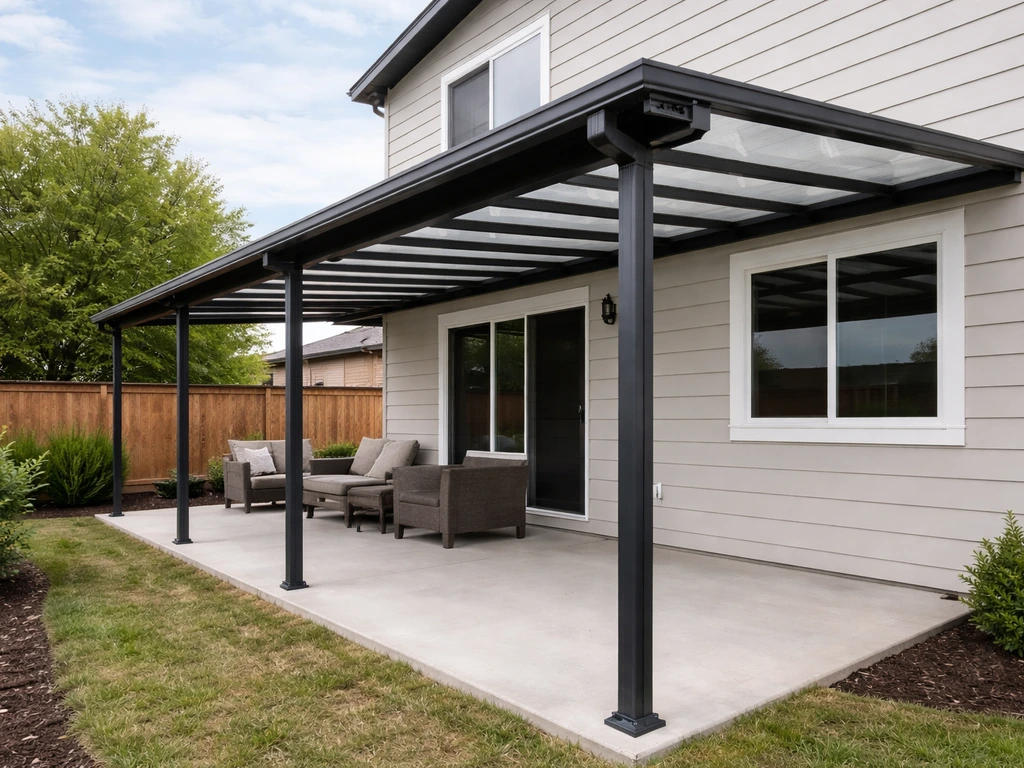
Mr Patio Cover Reviews: Pros, Cons, Cost, and What to Ask
Mr Patio Cover reviews with pros, cons, costs, key questions to ask, red flags, and quote comparison tips.
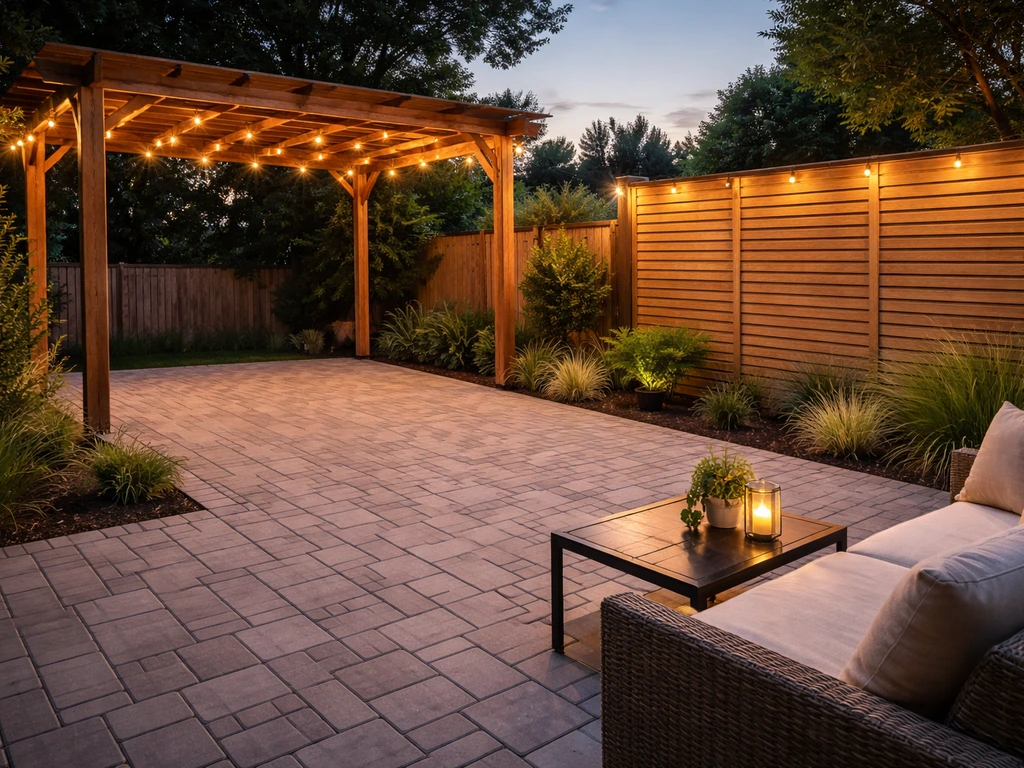
Do It Yourself Outdoor Patio Ideas: Build, Upgrade, Maintain
DIY outdoor patio ideas for planning, building, upgrading, and maintaining floors, shade, privacy, lighting, and decor.
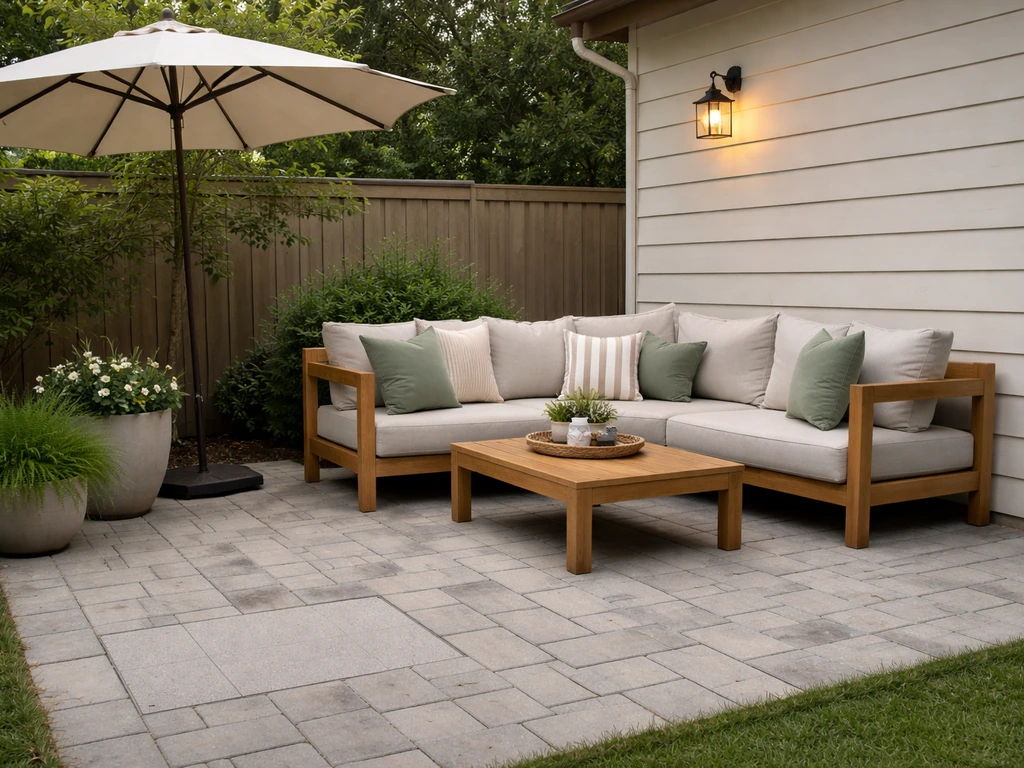
Quick Fix Patio Ideas for Instant Comfort and Style
Quick fix patio ideas for fast comfort and style: cleanups, repairs, shade, flooring tweaks, and safe upgrades on any bu