
Mr. Patio Cover (based in Chino, CA, serving Los Angeles, Riverside, and Orange County) has a strong reputation built on hundreds of customer reviews, a 4.6 aggregate rating on at least one major platform, and a lifetime guarantee on materials and labor. For most Southern California homeowners, the reviews suggest a legitimate, reasonably well-run aluminum patio cover installer worth getting a quote from. That said, no contractor is perfect, and the smarter move is to go in with specific questions, verified licensing, and a written scope before you sign anything.
Mr Patio Cover Reviews: Pros, Cons, Cost, and What to Ask

Phoebe Foster
6 May 2026
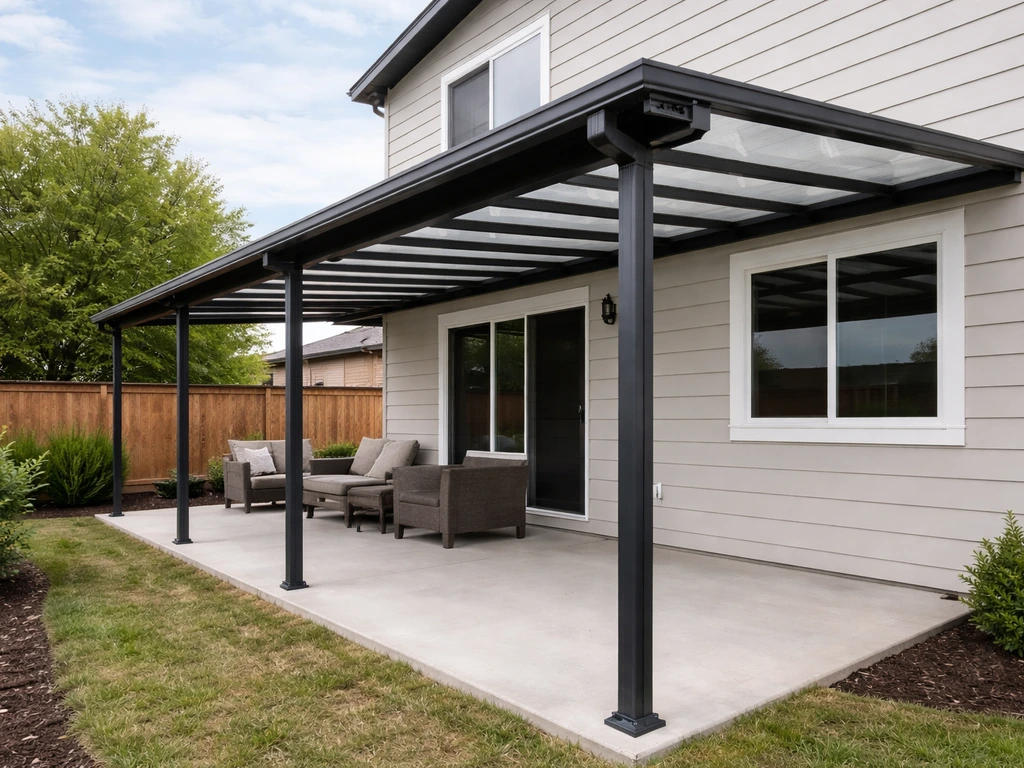
What "Mr. Patio Cover reviews" actually means (contractor vs. product)
When people search for Mr. Patio Cover reviews, they usually mean one of two things: they want to know if the contractor is reliable, or they want to know if the patio cover system (the aluminum structure itself) is any good. Both are fair questions, but they need different answers.
Mr. Patio Cover is primarily a contractor and installer, not a product manufacturer. They install aluminum patio covers, including Alumawood-style systems and insulated aluminum solid covers, and they also handle rain gutters. The reviews you'll find on Yelp, HomeAdvisor, NiceJob, and similar platforms are evaluating the company's installation work, communication, pricing, and post-install support, not rating a packaged product you could buy at a home improvement store. If you're comparing this to prefab cover brands like Palram Feria or Acrylite systems, you're looking at a different kind of product entirely. Mr. Patio Cover sells a service with an installed result, so the quality of that result depends heavily on the crew, the materials sourced, and how they handle permits and inspections.
What homeowners typically praise and complain about
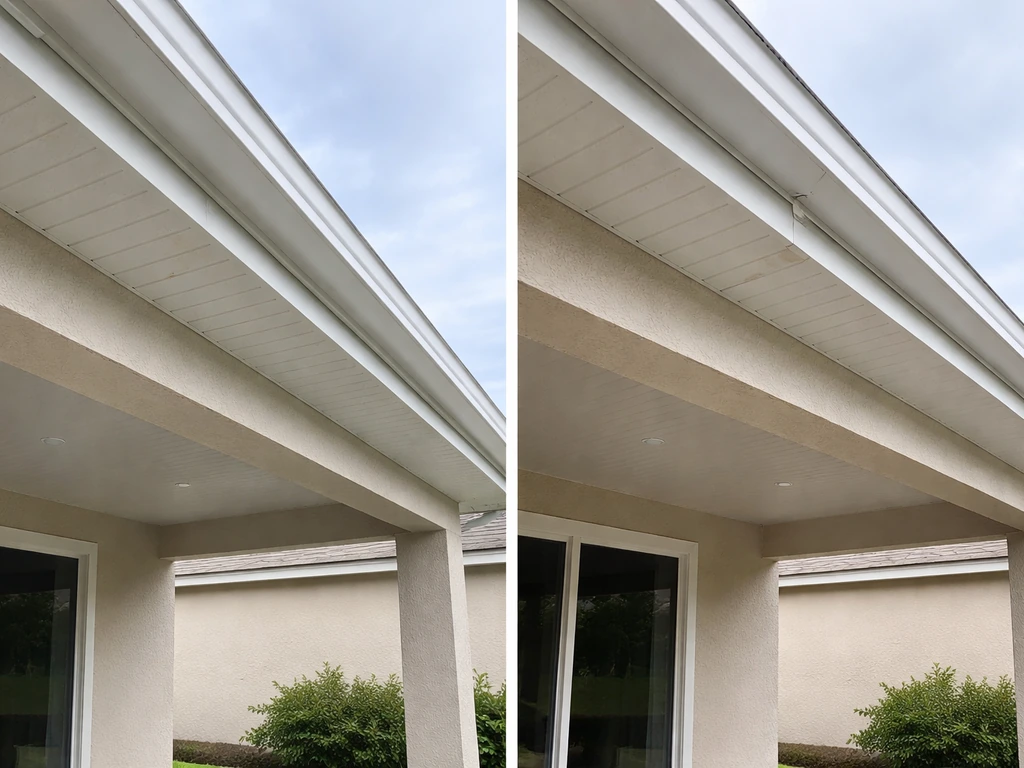
Across the available reviews and complaint records, a fairly consistent picture emerges. Here's the honest breakdown:
What customers tend to praise
- Communication during the sales and scheduling process is frequently called out as a positive
- Pricing is described as reasonable relative to competing local contractors
- The lifetime guarantee on materials and labor (covering leaks, wind damage, and workmanship defects) gives homeowners confidence post-install
- Permit handling: permit records on BuildZoom confirm the company pulls permits for attached and insulated aluminum patio covers, including electrical work, which is what you want to see from a legitimate contractor
- High review volume (hundreds of reviews with a 4.6 average) suggests consistent, repeatable quality rather than a handful of cherry-picked testimonials
What homeowners have complained about
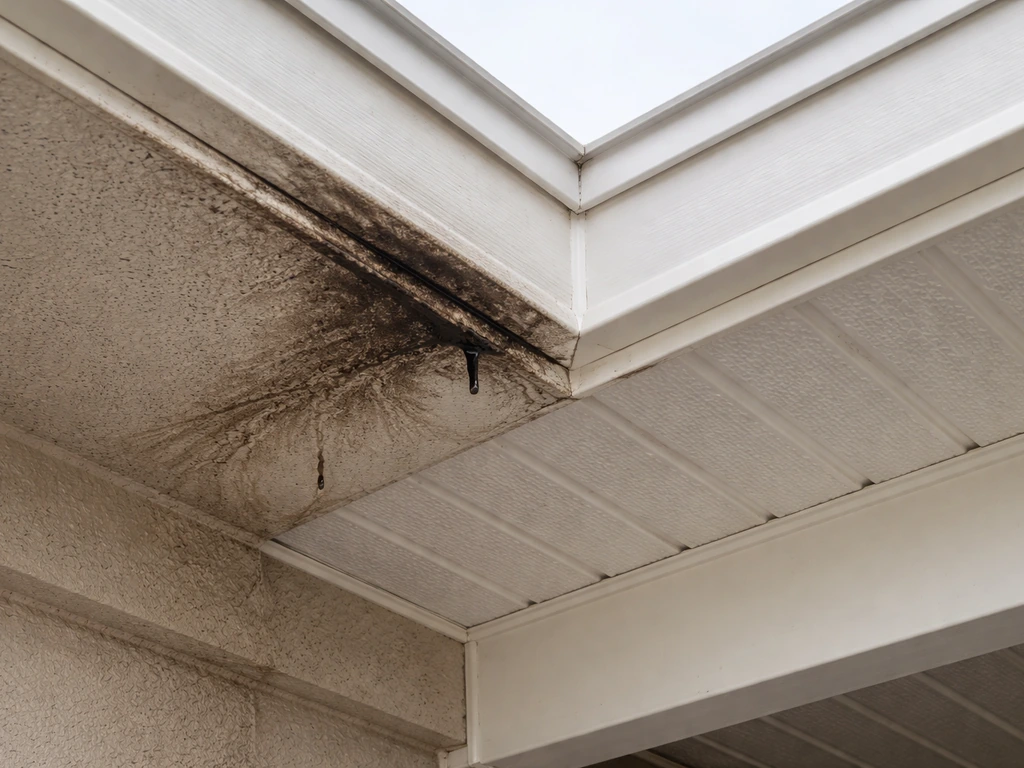
- At least one documented leak complaint on RevDex, though the company responded with an apology and resolution, which is a good sign for post-install accountability
- Permit delays tied to city processing (not necessarily the contractor's fault, but it can still push your project timeline out)
- As with most contractors, change orders and scope creep can be a friction point if the original contract isn't detailed enough
Overall, the complaint-to-praise ratio leans heavily positive, and the company's willingness to respond to complaints and make things right is worth noting. A contractor that ghosts you after install is far more dangerous than one that resolves issues.
Questions to ask before you sign anything
This is where most homeowners leave money and protection on the table. Before you commit to any patio cover contractor, including Mr. Patio Cover, get clear answers in writing on each of these:
- What is the exact scope? Get a written description of every task: demolition (if any), post footings, ledger board attachment, beam sizes, roofing material type (solid insulated panel vs. lattice vs. Alumawood), fascia, drainage/gutters, and any electrical (lights, fans, outlets).
- What materials are you using, and what are the specs? Ask for the panel thickness, the wind load and snow load ratings, and whether the system meets local engineering requirements. For insulated panels, the thickness should be specified based on your local load requirements, not just a generic default.
- Do you handle permits and engineering? Confirm that the contractor pulls the permit, not you. Many jurisdictions, including cities throughout LA and Riverside counties, require stamped structural drawings before issuing a patio cover permit. Ask if engineering drawings are included in the quoted price.
- What is the timeline from signed contract to completed inspection? Get a start date and a projected inspection/completion date in writing. Permit delays happen, but you want a contractor who tracks them actively.
- What is the payment schedule? Payments should be tied to milestones (deposit, framing complete, installation complete, final inspection passed), not just calendar dates.
- How are change orders handled? Any scope change should require a written change order signed by both parties, including the dollar amount, reason, and any timeline impact. This protects you if costs balloon mid-project.
- What does the warranty actually cover? The lifetime guarantee language on mrpatiocover.com covers leaks, wind damage, and workmanship defects. Ask for this in writing in your contract, not just on a website. Clarify what voids the warranty.
How to verify the company is legit before you hand over a deposit

In California, every contractor who does work over $500 must be licensed through the California Contractors State License Board (CSLB). For a patio cover job, you're typically looking for a Class B (General Building) or Class C-5 (framing and rough carpentry) license, depending on scope. Here's your verification checklist:
- Look up the contractor's license number on the CSLB website (CheckTheLicenseFirst.com). Confirm the license is active, not expired or suspended, and that the name on the license matches the business you're hiring.
- Verify they carry general liability insurance and workers' compensation insurance. Ask for a certificate of insurance naming you as an additional insured for the duration of the project.
- Check that the CSLB bond is current. California requires contractors to maintain a surety bond written by a licensed surety company. If the bond lapses, your protection against incomplete or defective work is weakened.
- Look up permit history on BuildZoom or your city's permit portal. Mr. Patio Cover has documented permit records for aluminum patio cover work in Chino, which is a positive signal. A contractor with no permit history is a red flag.
- Check Yelp, Google, NiceJob, HomeAdvisor, and Angi separately. One platform can be gamed. A consistent pattern across multiple platforms is more trustworthy.
- Ask for three recent references in your neighborhood or nearby city. A contractor who hesitates to provide references is not someone you want on your property.
How to compare quotes and spec details with other contractors
Getting multiple quotes is not just about finding the cheapest price. Two quotes can look similar on price but be completely different in structural quality. Here's how to compare them properly:
| Spec Item | What to Look For | Red Flag |
|---|---|---|
| Panel/material type | Insulated aluminum panel (solid) or Alumawood lattice/solid, with gauge/thickness stated | Quote just says 'aluminum cover' with no spec details |
| Wind load rating | Design wind speed (mph) matched to your local code, typically 85-110 mph in CA | No wind load mentioned at all |
| Snow load | Listed if applicable to your region; for most of Southern CA this is minimal but should still be addressed | Ignored entirely even in higher-elevation areas |
| Engineering drawings | Included in quote for permitted work, stamped by a licensed engineer if required locally | Contractor says 'we handle it' but won't specify if drawings are included |
| Permit responsibility | Contractor pulls permit in their name | Homeowner is asked to pull their own permit |
| Drainage/gutters | Downspout placement and gutter integration spelled out | No mention of water runoff management |
| Electrical | Clearly scoped if lights or fans are included; licensed sub-contractor named if required | Vague 'we can add that later' language |
| Warranty | Written, transferable, covers labor and materials for a stated period | Verbal only, or only covers materials not labor |
When comparing quotes from Mr. Patio Cover against competitors like HHI Patio Covers, Temo, or local independents, use this table as your scoring sheet. For more background, you can also compare Temo patio cover reviews to see how other homeowners rate their communication, quality, and turnaround time. If you want a fuller comparison, look up hhi patio covers reviews as well so you can judge reliability, responsiveness, and how their installs hold up over time. A cheaper quote that scores poorly on specs and warranty often ends up being the most expensive in the long run.
Climate and site checklist: match the build to your conditions
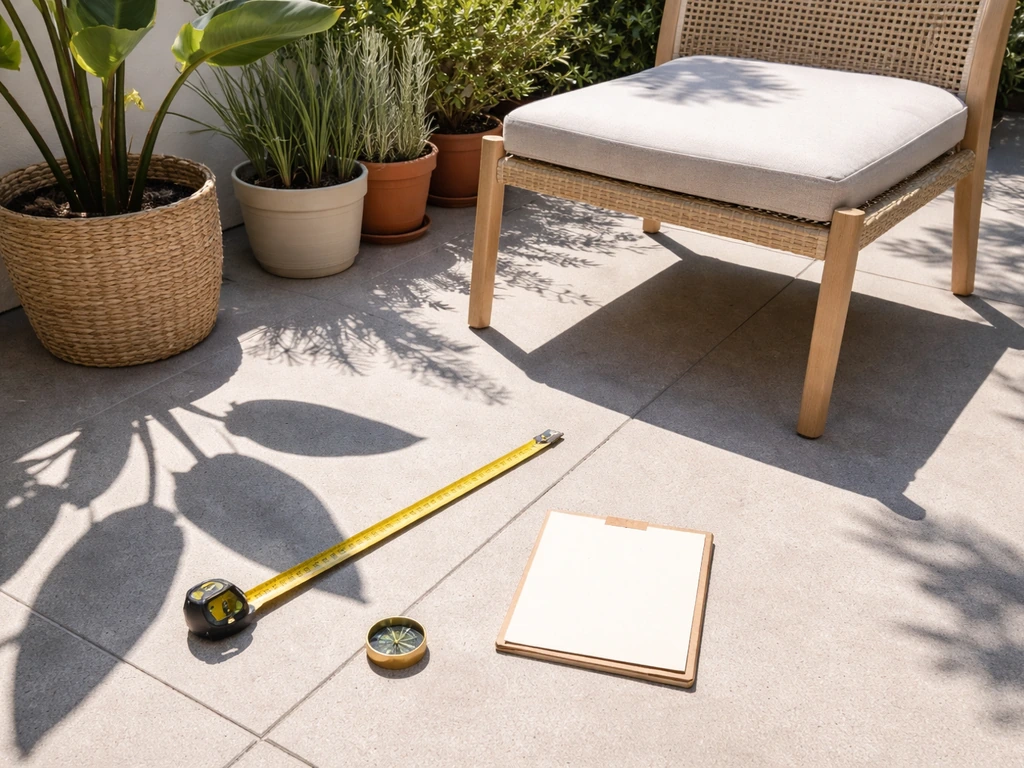
Even a great contractor can't compensate for a cover that was designed for the wrong environment. Before you finalize any quote, work through this checklist for your specific location and patio:
- Sun exposure: How many hours of direct sun does your patio get? If it's 6+ hours of direct afternoon sun (common in Riverside and the Inland Empire), an insulated solid panel will reduce heat transfer far better than a lattice or open-panel design.
- Rain and drainage: Southern California gets intense, concentrated rainstorms. Make sure the pitch and gutter integration are designed for real water volume, not just light drizzle.
- Wind: Coastal areas and mountain passes (like the Cajon Pass corridor near Chino) experience high wind events. Ask for the design wind speed and confirm it meets or exceeds your city's requirement.
- HOA rules: Many Southern California communities have HOAs with specific rules about cover colors, materials, roof pitch, and how close to property lines you can build. Get HOA approval in writing before you sign a contractor contract.
- Attachment method: Attached covers (tied to the house ledger) require proper flashing and waterproofing at the house connection. Freestanding covers need proper post footings. Both require permits in most cities.
- Electrical and lighting: If you want ceiling fans, recessed lights, or outlets under the cover, the electrical work must be included in the permit. Confirm this is scoped and permitted, not added informally.
- Fire zone: Parts of LA, Riverside, and San Bernardino counties are in high fire hazard severity zones. Some materials and designs are restricted. Check with your city's building department before you commit to a material type.
Budget-conscious alternatives: DIY, prefabs, and phased projects
If Mr. Patio Cover's quotes come in higher than your budget, or if you just want to weigh your options honestly, here are the real alternatives:
DIY aluminum patio cover kits
Companies like Alumashade sell DIY aluminum patio cover systems with technical specs that can meet permit requirements if you supply your own engineering drawings. The City of San Clemente’s permit guidance for patio covers also requires design drawings that include structural framing plan and connection details, and notes that plans must be stamped as required meet permit requirements. This route saves labor cost but adds complexity. You'll need to measure accurately, pull your own permit, arrange a structural engineer if required, and manage the installation yourself or with helpers. It's genuinely doable for a handy homeowner on a straightforward single-story attached cover, but it's not a shortcut if you've never done structural DIY work.
Prefabricated freestanding structures
Prefab options like the Palram Feria and similar polycarbonate or aluminum pergola kits can be installed without a contractor and sometimes without a permit (depending on size and jurisdiction). They're a reasonable budget play for smaller patios or renters who want shade without a permanent structure. The tradeoff is they don't have the structural permanence, wind rating, or aesthetic quality of a properly installed aluminum patio cover.
Phased projects
If the full project is out of reach right now, consider a phased approach. Phase 1 could be the structural cover (posts, beams, panels, gutters) permitted and inspected. Residential patio cover projects in Laguna Hills require a building permit, and the city guideline notes structural calculations or stamped plans may be part of the process Laguna Hills residential patio cover permits. Phase 2, later in the year or the following season, adds electrical, lighting, and fans. This spreads the cost, keeps each phase manageable, and means you're living under a functional cover while you save for the finishing touches. Ask any contractor you're considering whether they're comfortable quoting a phased scope.
Should you hire Mr. Patio Cover? A quick decision guide
Here's a straightforward framework. Run through these questions honestly:
| Question | If Yes | If No |
|---|---|---|
| Is their CSLB license active and matching the business name? | Good to proceed to quote stage | Stop. Do not hire until resolved. |
| Do they pull permits in their own name? | Strong positive signal | Major red flag. Walk away or get a written explanation. |
| Is the lifetime warranty in writing in the contract (not just on the website)? | Proceed with confidence | Negotiate to include it before signing |
| Does the quote include engineering drawings if your city requires them? | You're protected | Add it to the contract scope or budget separately |
| Are payment terms tied to milestones, not just dates? | Fair and reasonable | Renegotiate before signing |
| Did they provide references and do those references check out? | Strong credibility indicator | Ask again. If still no, be cautious. |
| Is their quote competitive with at least two other contractors on equivalent specs? | Good value signal | Either specs differ (compare carefully) or price is high (negotiate) |
If Mr. Patio Cover clears most of these checkpoints, they're a legitimate contractor worth hiring for a Southern California aluminum patio cover project. The review volume, documented permit history, and lifetime warranty positioning all suggest a company that takes its reputation seriously. The key is making sure the promises made in marketing materials are locked into your contract before you hand over a deposit.
If you're also evaluating other installers or considering a different approach entirely, comparing companies like HHI Patio Covers, Temo, or Oasis Patio Covers on the same spec sheet is worth the extra time. If you are specifically looking for oasis patio cover reviews, compare how their crews handle permits, install quality, and warranty follow-through Oasis Patio Covers. Every contractor has different strengths depending on your specific patio size, structural complexity, and local permit requirements. The hour you spend comparing quotes in detail is almost always worth more than the hour you'd spend dealing with problems after the fact.
FAQ
What should I ask to confirm the patio cover will be permitted correctly in my city?
Ask who files the permit, what plan set they submit, and whether they include engineering for your specific span, roof pitch, and wind zone. Also request the inspection milestones they expect (framing, covering, and any electrical if you add it).
Do the lifetime warranties mentioned in reviews cover labor and replacement materials long-term?
Clarify what “lifetime” means in writing, what components are excluded (fasteners, panels, gutters, sealants), and whether coverage depends on normal maintenance or specific cleaning methods. Ask who pays for removal and reinstallation if a part fails.
How can I tell if a review is about the right type of cover for my home?
Look for reviews that mention similar conditions, like attached vs freestanding, single-story vs two-story, coastal vs inland exposure, and whether it was insulated or solid vs vented. Reviews that only discuss aesthetics can be less predictive for structural performance.
What’s the difference between an aluminum patio cover and a pergola kit, and why do reviews treat them differently?
Aluminum patio covers are engineered structures designed for local wind and roof loads, and the installer usually manages permitting and inspections. Pergola kits are often lighter and may be treated as a smaller accessory, so performance and longevity in reviews may not match your expectations.
Should I worry if the quote includes “allowances” for materials or unknown site conditions?
Yes, you should. Ask for a breakdown of allowances (panel type, hardware finish, gutter size, flashing) and what triggers a change order. Request a cap or written limits on pricing changes if field conditions differ.
How do I compare two patio cover quotes that both look close in price?
Compare the engineering and spec level, not just totals. Confirm panel thickness or system type, beam spacing, post size, gutter and drainage plan, wind-rated attachments, and the warranty terms that apply to each component.
What information should I provide so an installer can estimate accurately?
Give square footage, roofline details, whether the cover attaches to the house, your local address or city, photos of existing conditions, and any known HOA or setback constraints. If you have prior permits or survey information, share it to reduce redesign time.
If I want lights or a ceiling fan under the cover, when should that be quoted?
Ask the contractor to include electrical scope as part of the same permit plan if it will affect framing, conduit routing, or fan support. If they say it will be a separate permit later, get that cost and timeline in writing to avoid surprises.
Can I save money by doing a phased project, and what are the risks?
Phasing can work if the contractor can engineer and build the structure safely as a standalone phase. The risk is having to redo wiring routes or structural members later, so ask whether the initial phase includes provisions for future electrical and fan loads.
What maintenance responsibilities should I expect after install?
Ask what cleaning schedule they recommend, what products are safe for finishes, and whether they require periodic gutter clearing or sealant inspection. Also confirm who to call for issues like water intrusion at flashing or fastener corrosion.
How can I verify licensing beyond the contractor’s word and reviews?
Request their CSLB license number and verify it on the CSLB website, confirm the expiration status, and check whether their license classification matches your scope. Also ask for proof of workers’ compensation and general liability before work starts.
What are the red flags that show up even when a company has many good reviews?
Watch for vague answers on permits, repeated delays without a written schedule, unclear warranty exclusions, and change orders driven by undefined “site conditions.” If review responses mention long delays or repeated remakes, treat it as a signal and ask for examples of similar installs.
How long should a typical patio cover project take, and what factors change the timeline?
Ask for an estimated schedule broken into permit review, material lead time, installation days, and inspection timing. Weather, engineering redesign, and HOA approvals can extend permit time, so get a realistic range and the plan if inspections are delayed.
Next Articles
Do It Yourself Outdoor Patio Ideas: Build, Upgrade, Maintain
DIY outdoor patio ideas for planning, building, upgrading, and maintaining floors, shade, privacy, lighting, and decor.
Quick Fix Patio Ideas for Instant Comfort and Style
Quick fix patio ideas for fast comfort and style: cleanups, repairs, shade, flooring tweaks, and safe upgrades on any bu
Cheap Do It Yourself Patio Ideas: Budget Build Guide
Budget DIY patio ideas with step-by-step flooring, prep tips, cost ranges, upgrades, and safety mistakes to avoid.