For most homeowners, <a data-article-id="15E41854-EC57-41C5-9486-5880542A346C">pressure-treated pine is the best wood</a> for a patio deck. It's widely available, costs roughly $2–$4 per linear foot for decking boards, handles moisture and ground contact well when you spec the right treatment level, and it lasts 15–25 years with basic maintenance. If you want a more natural look and can spend a bit more, western red cedar is the next best choice. And if you're in a wet climate, near the coast, or just want to stop thinking about staining every couple of years, a quality composite is honestly the smarter long-term call.
Best Wood for Patio Deck: Compare Options, Costs, Lifespan

Phoebe Foster
29 Apr 2026
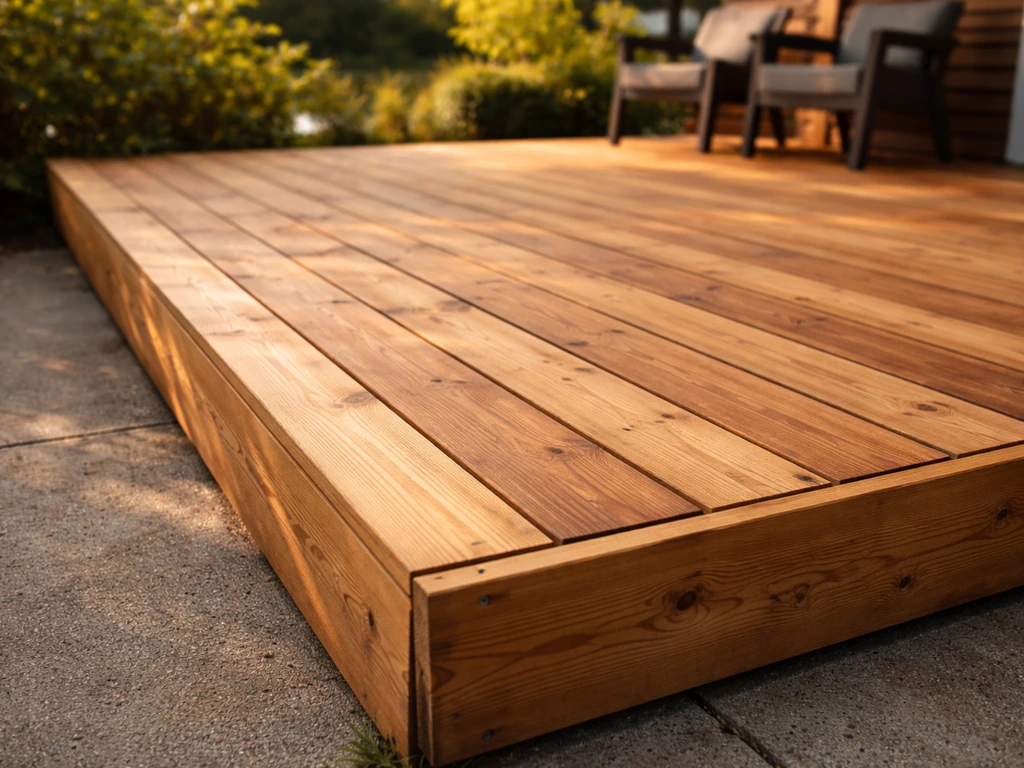
Top picks for patio deck wood
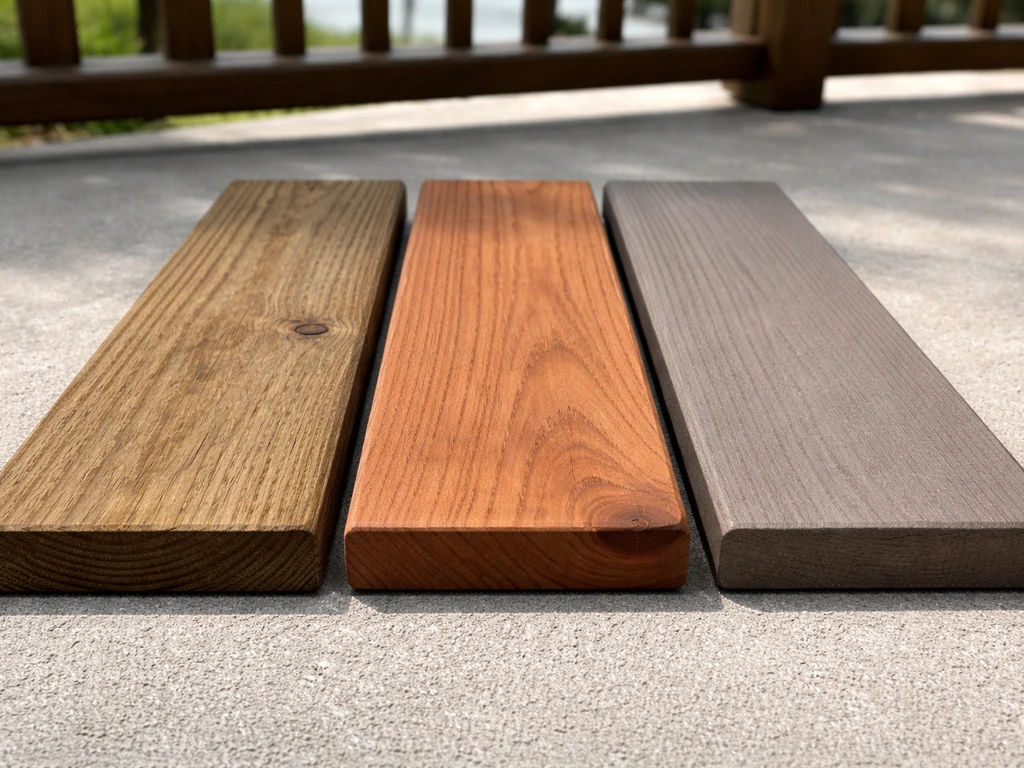
Before diving into the full comparison, here are the picks that make the most sense for most people in most situations.
Best overall: pressure-treated southern yellow pine
Pressure-treated (PT) pine is the deck-building workhorse of North America for good reason. You'll find it at every lumber yard, it accepts paint and stain well, it's structurally strong, and the modern ACQ and CA preservative treatments are safe for residential use. For a standard above-ground deck, look for boards rated UC3B. If any posts or framing will touch the ground, upgrade to UC4A or UC4B. This is genuinely the best value pick for a homeowner who's comfortable with periodic sealing and basic upkeep.
Best budget pick: standard PT pine (above-ground rated)
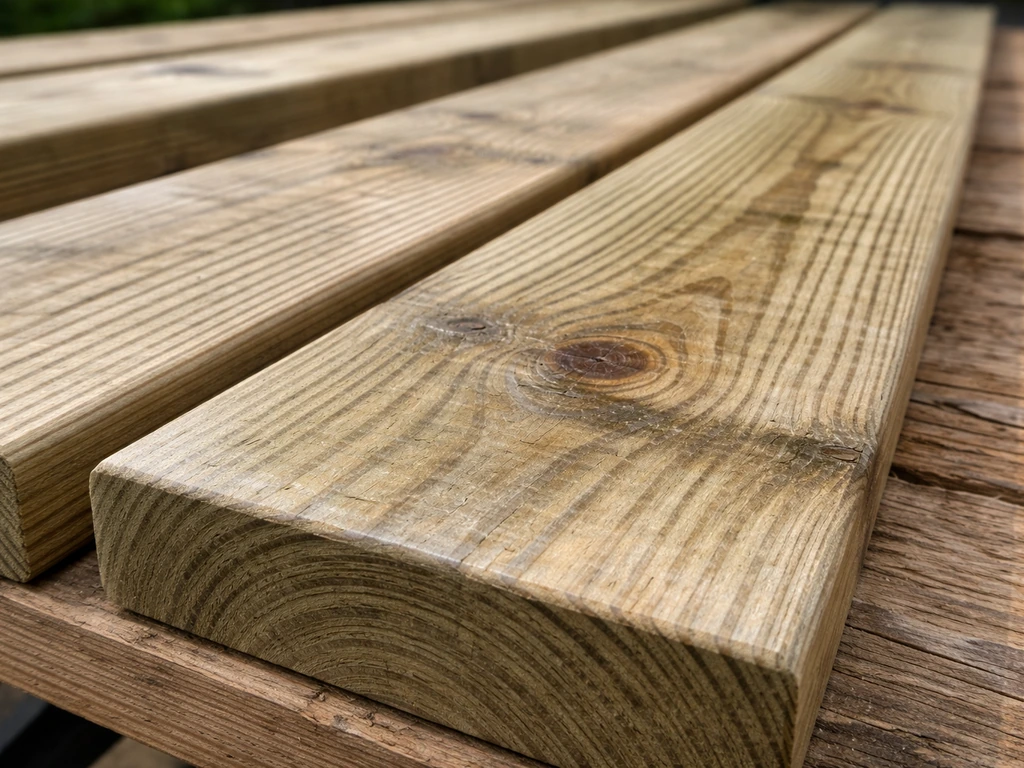
If you're working with a tight budget, plain UC3B pressure-treated pine decking gets the job done. It's the cheapest durable option out there. You will need to let new PT lumber dry out for a few weeks before staining (it comes from the yard wet), and you'll want to seal it within the first year. But dollar for dollar, nothing beats it for a budget build.
Best for wet climates and full sun: western red cedar or composite
In high-humidity regions like the Pacific Northwest or the Gulf Coast, cedar's natural oils make it more forgiving than PT pine when it comes to repeated wetting and drying cycles. It won't cup and warp as aggressively. For full-sun patios in places like Texas or Arizona, cedar also holds up better to UV fading than untreated pine. That said, if your deck is truly battered by rain, sun, and humidity year-round, a capped composite board is going to outlast any wood species with far less annual effort.
How the main wood types actually compare
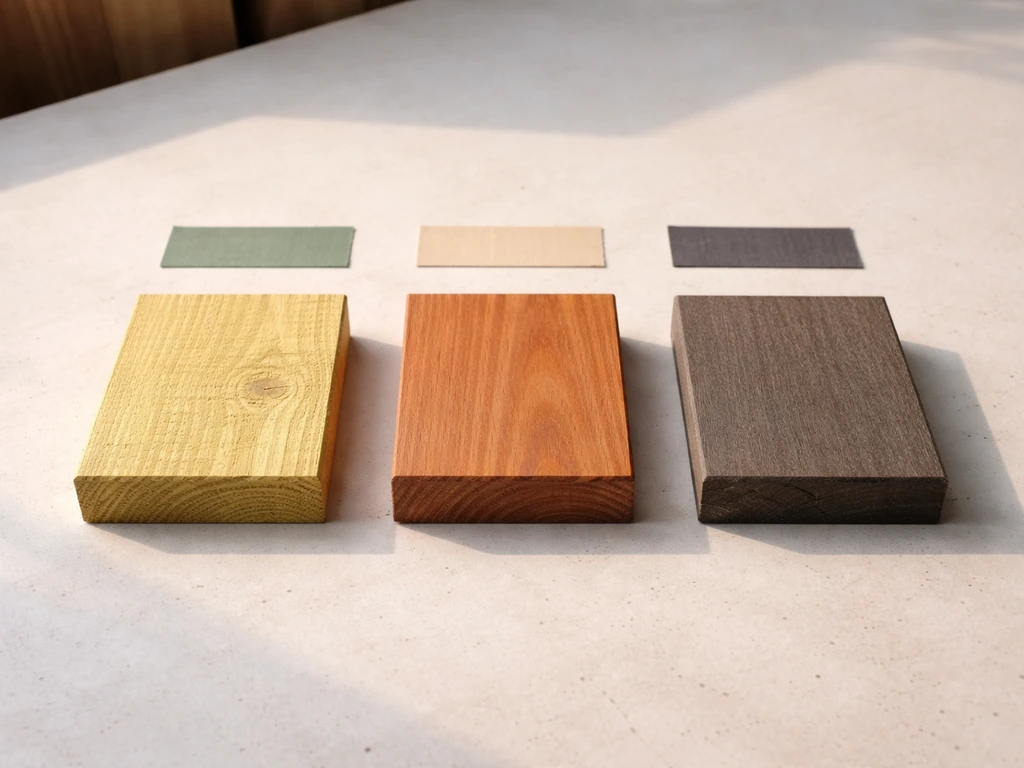
There are really three categories of wood you'll be choosing between: pressure-treated softwoods (the most common), naturally rot-resistant softwoods like cedar and redwood, and hardwoods like ipe or tigerwood. Each has a different price point, maintenance schedule, and durability profile.
| Wood Type | Typical Cost (per lin. ft.) | Durability Rating | Maintenance Level | Best For |
|---|---|---|---|---|
| Pressure-treated pine (UC3B) | $2–$4 | Good (15–25 yrs) | Moderate | Budget builds, most climates |
| Pressure-treated pine (UC4A/B) | $3–$5 | Very Good (20–30 yrs) | Moderate | Ground contact, high moisture |
| Western red cedar | $4–$7 | Good (15–25 yrs) | Moderate | Natural look, wet/sunny climates |
| Redwood (Construction Heart) | $5–$9 | Very Good (20–30 yrs) | Moderate | West Coast, premium natural decks |
| Ipe (Brazilian walnut) | $8–$15 | Excellent (25–40 yrs) | Low-to-moderate | High-end, coastal, heavy use |
| Composite (capped) | $5–$12 | Excellent (25+ yrs) | Very Low | Low-maintenance, any climate |
Softwoods vs. hardwoods: the stability question
Softwoods like pine, cedar, and redwood are easier to cut, nail, and work with. They're also lighter and widely available. The tradeoff is that they're more prone to denting and can shrink and swell more noticeably with moisture changes. Hardwoods like ipe are extremely dense (ipe actually sinks in water), which makes them dimensionally stable and highly resistant to denting and wear. The catch is cost and workability. Ipe requires pre-drilling every fastener hole, dulls saw blades faster, and costs two to three times what PT pine does. For most suburban decks that see foot traffic and outdoor furniture, PT or cedar is plenty durable. Hardwoods are worth the extra cost if you're building something high-end or in a truly harsh environment.
Pressure-treated lumber: pros, cons, and when it's the right call
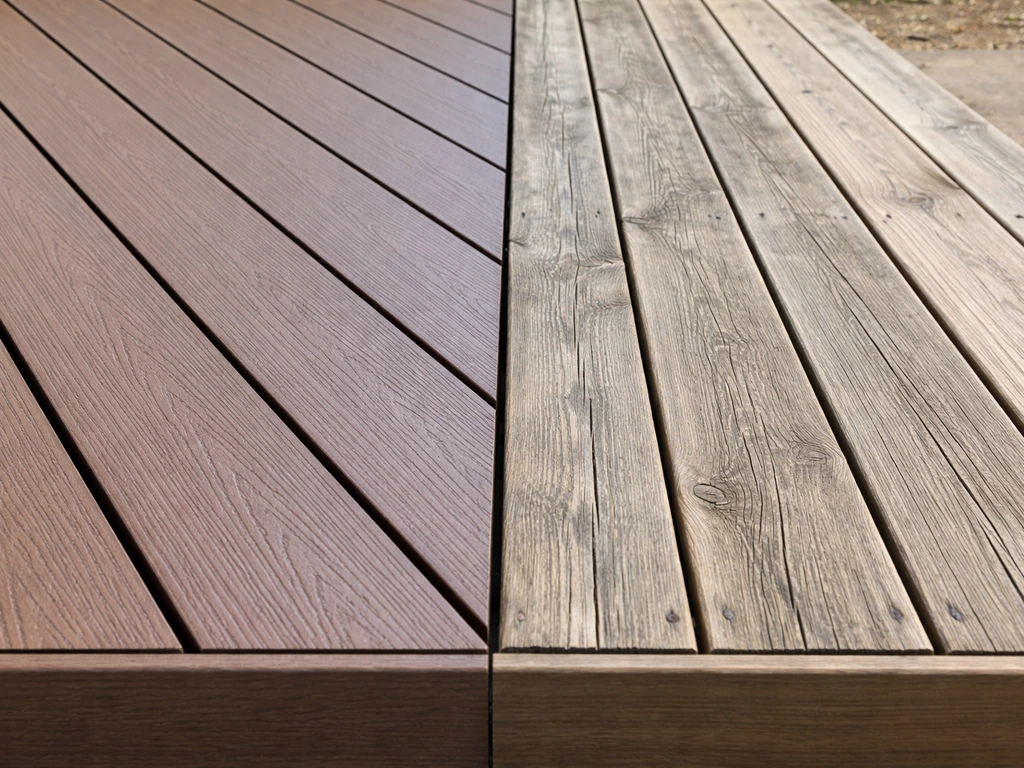
Pressure-treated lumber is wood (usually pine) that's had preservative chemicals forced deep into the fibers under pressure. Modern treatments use copper-based compounds like ACQ (alkaline copper quaternary) and CA (copper azole), which are effective against rot, insects, and fungal decay without the arsenic concerns of older CCA-treated wood.
The AWPA Use Category system: get this right
The American Wood Protection Association (AWPA) publishes a Use Category system that tells you exactly which treatment level you need for a given application. For deck boards and above-ground framing that stays dry most of the time, UC3B is the correct spec. For posts, beams, or any framing that will be in contact with the ground or exposed to conditions that promote decay (like trapped moisture or standing water), you need UC4A at minimum, or UC4B for more severe conditions. This distinction matters a lot. Under-speccing your ground-contact posts with above-ground-rated lumber is one of the most common reasons decks rot prematurely.
PT lumber pros and cons
- Pros: Lowest cost per board foot, available everywhere, strong structural performance, handles ground contact well when properly rated, accepts paint and stain
- Cons: Comes wet from the yard (needs drying time before finishing), can warp or check as it dries, requires regular sealing/staining, copper treatments can corrode non-approved hardware (use hot-dipped galvanized or stainless fasteners)
- PT pine is the right choice when: you're building on a budget, you need ground-contact-rated material for posts or framing, or you're comfortable with a maintenance routine every 2–3 years
One practical tip: let new PT lumber sit stacked with spacers for at least 2–4 weeks before sealing. The boards need to dry down before they'll accept a finish properly. If you seal them too early, the finish won't penetrate and you'll be peeling it off within a season.
Cedar and redwood: when natural wood is worth it
Cedar and redwood occupy a sweet spot between the value of PT pine and the premium cost of hardwoods. Both species contain natural oils and tannins that resist rot, insects, and moisture without chemical treatment. That natural resistance is what makes them popular for above-ground deck surfaces, especially if you want a cleaner, more attractive board right out of the gate.
Western red cedar
Western red cedar is the go-to natural wood for decks in most of the country. It's lighter than most other species, mills smoothly, and is dimensionally stable compared to pine. Fresh cedar has a warm reddish-brown color that a lot of homeowners love. Left unsealed, it weathers to a silver-gray within a year or two, which some people actually prefer. The downside is that cedar is softer than redwood or hardwoods, so it dents more easily under furniture and heavy foot traffic. Expect 15–25 years from a cedar deck with moderate maintenance (sealing every 2–3 years). If you're in the Pacific Northwest, cedar is almost the default choice.
Redwood
Redwood is more dimensionally stable than cedar, has a slightly higher natural rot resistance, and holds its color longer. Construction Heart grade redwood (the heartwood, not the sapwood) is what you want for decking since the heartwood contains the beneficial tannins. Redwood is predominantly sourced from California and is most cost-effective on the West Coast. If you're in the Midwest or Southeast, redwood shipping costs can make it hard to justify over cedar or PT pine. That said, a well-maintained redwood deck can last 20–30 years and looks genuinely beautiful.
Care needs for cedar and redwood
Both species need to be cleaned and sealed or stained regularly to maintain their appearance and extend their life. Apply a water-repellent preservative or semi-transparent stain within the first 6–12 months of installation, then re-coat every 2–3 years depending on sun and rain exposure. Avoid clear sealers if you want to preserve the color longer. Semi-transparent penetrating stains do a better job of protecting against UV than clear coats. Neither cedar nor redwood should be used in direct ground contact without additional treatment since their natural resistance has limits when soil stays constantly moist.
Composite vs. wood: which one should you actually pick
This is the question I get asked most often, and the honest answer is: it depends on how much time and money you want to spend after the deck is built. Composite decking is made from a blend of wood fiber and plastic (usually polyethylene or PVC), and capped composites have a protective polymer shell around the core that resists staining, fading, and moisture far better than uncapped boards. Consumer Reports' three-year testing of composite decking confirms that quality composite boards are engineered for long service life and typically don't need sealing, staining, or painting the way wood does.
The typical lifespan for a quality composite deck is around 25 years, which is comparable to well-maintained cedar or redwood, and better than most PT pine installations. The upfront cost is higher (usually $5–$12 per linear foot for capped composite vs. $2–$5 for PT pine), but when you factor in the cost of sealing, staining, and occasional board replacement over 20 years, the total cost of ownership often evens out.
| Factor | Wood (PT Pine or Cedar) | Capped Composite |
|---|---|---|
| Upfront cost | Lower ($2–$7/lin. ft.) | Higher ($5–$12/lin. ft.) |
| Maintenance | Seal/stain every 2–3 yrs | Wash annually, no recoat needed |
| Lifespan | 15–25 years (with upkeep) | 25+ years |
| Appearance | Natural, warm, repairable | Consistent, no weathering |
| Repairability | Easy to patch individual boards | Harder to color-match replacements |
| Environmental impact | Renewable, biodegradable | Partially recycled; landfill at end of life |
| Best for | Hands-on owners, lower budgets | Low-maintenance lifestyles, wet climates |
My recommendation: if you genuinely enjoy the look of real wood and don't mind spending a weekend every couple of years cleaning and resealing, go with PT pine or cedar. If you're building a deck to enjoy rather than maintain, or if you're in a region with brutal humidity or heavy rainfall, a capped composite is a smarter long-term investment. One more note: composite works best for the deck surface itself. Most composite deck systems still use PT lumber for the substructure (joists, beams, posts), so you're not choosing one or the other entirely.
How your climate and site conditions change the recommendation
The best wood for your patio deck in Minnesota is not the same as the best wood for a deck in Houston or Seattle. Site conditions and regional climate are probably the single biggest factor in how long any deck wood will last.
Humidity and constant moisture
In the Gulf Coast states and the Southeast, humidity stays high year-round and decks rarely get a chance to fully dry out. This is the environment where PT pine's preservative treatment earns its keep. Cedar holds up reasonably well too, but any deck in these climates benefits from being built with good airflow underneath. The AWPA and deck building guidelines consistently emphasize under-deck ventilation. Clearance of at least 18 inches between the ground and the bottom of your joists, along with spacing between deck boards (1/8 to 1/4 inch) for drainage and airflow, will meaningfully extend the life of any wood deck in a humid climate.
Freeze-thaw cycles
In the Midwest and Northern states, wood that absorbs moisture and then freezes repeatedly is going to crack and split faster. PT pine handles this reasonably well, but the key is keeping the wood sealed so it doesn't absorb water in the first place. Cedar's lower density makes it slightly more vulnerable to freeze-thaw cracking than denser species. If you're in a zone with hard winters, prioritize a penetrating sealant that actively repels water rather than a surface film that can peel and leave the wood exposed.
Coastal salt air
Salt air is corrosive to both wood and metal hardware. For coastal builds, ipe and other dense tropical hardwoods have a real advantage because their density limits moisture absorption. Cedar is a reasonable second choice. Whatever wood you pick, use stainless steel or hot-dipped galvanized fasteners and hardware exclusively. Standard zinc-plated screws will corrode within a season in coastal conditions, and the copper in modern PT lumber accelerates that corrosion with non-rated hardware. Some homeowners near the coast also lean toward composite for this exact reason, since the polymer surface resists salt air degradation better than any wood finish.
Ground contact
Any wood that touches or sits close to the soil is at dramatically higher risk for rot and insect damage. This is where use category ratings become non-negotiable. Posts and any framing within 6 inches of grade should be UC4A or UC4B rated PT lumber. Even naturally rot-resistant woods like cedar and redwood will deteriorate much faster in ground contact than their above-ground ratings suggest. If you're building a ground-level or low-clearance deck, plan your material selection and your drainage strategy together.
A realistic maintenance plan and what to expect over time
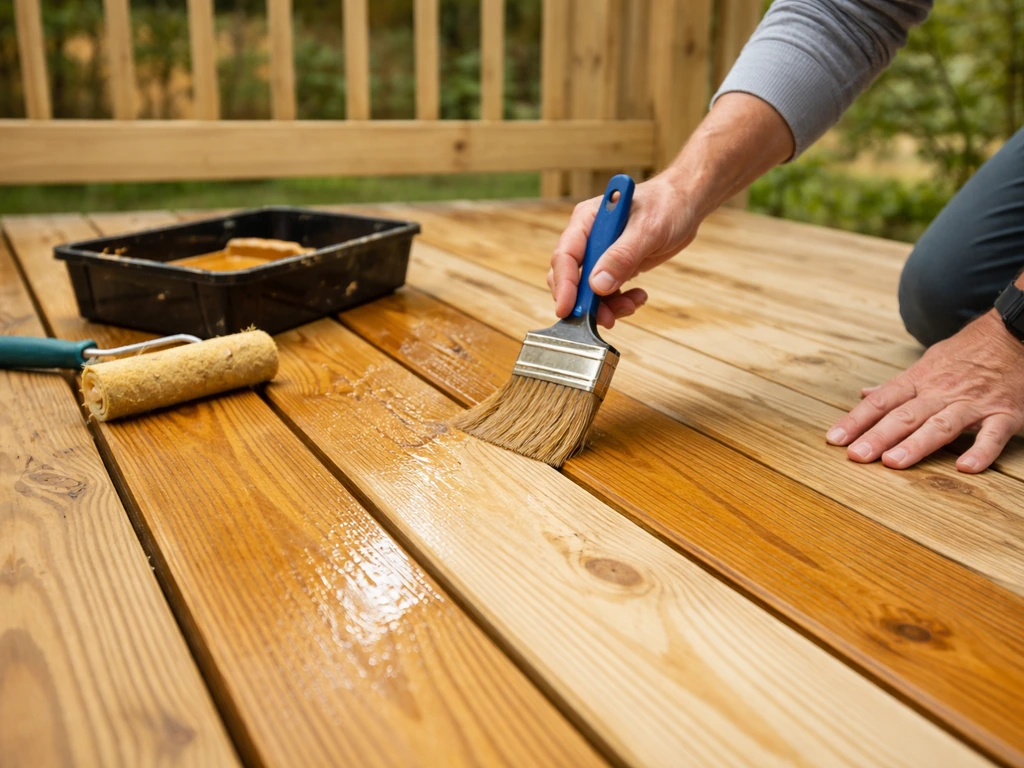
One of the biggest mistakes homeowners make is building a wood deck and then doing nothing to it for five years. Here's what a practical, realistic maintenance routine actually looks like for the most common deck wood choices.
Year one
For PT pine, wait 2–4 weeks after installation for the lumber to dry before applying any finish. Then apply a penetrating water-repellent stain or sealer. For cedar and redwood, you can apply a finish sooner, within the first 6–12 months. Do a light cleaning with a deck cleaner and a stiff brush or low-pressure wash first to remove mill glaze and any surface dirt before finishing.
Ongoing maintenance (years 2–20)
- Sweep debris and leaves regularly. Wet leaves sitting on deck boards accelerate staining and can trap moisture against the wood.
- Wash the deck once a year with a deck cleaner solution and a scrub brush or low-pressure washer (under 1,500 PSI to avoid raising the wood grain).
- Re-apply sealant or semi-transparent stain every 2–3 years for PT pine. Cedar and redwood in full sun or heavy rain exposure may need it every 1–2 years.
- Inspect annually for soft spots, cracked boards, raised fasteners, and signs of rot at the ledger board connection, post bases, and any place where water tends to pool.
- Replace individual boards as needed. One of wood's advantages is that spot repairs are easy and cheap.
- For gray, weathered wood that you want to restore, a deck brightener (oxalic acid-based) followed by fresh stain can bring it back significantly.
Realistic lifespan expectations
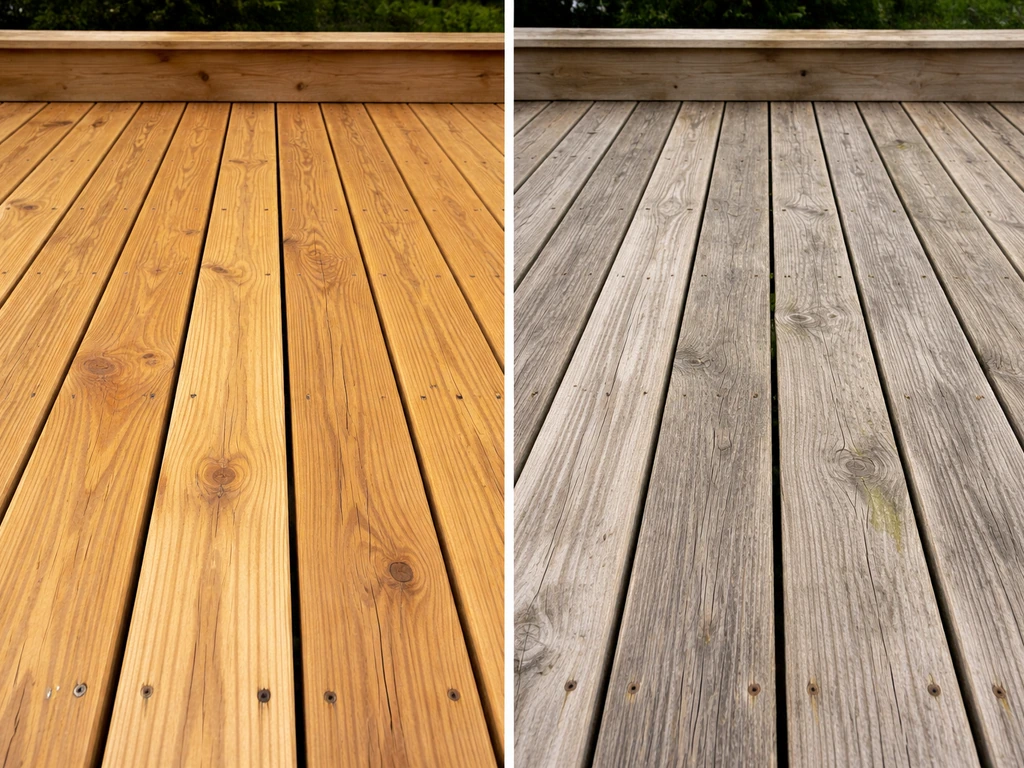
A pressure-treated pine deck that's properly sealed and maintained will last 15–25 years for the decking surface boards, with the structural framing often lasting longer if it's protected from moisture. Cedar and redwood decks land in a similar 15–25 year range, though well-maintained redwood can push to 30 years. Ipe and other tropical hardwoods routinely hit 25–40 years with minimal maintenance beyond an annual oil application. Composite decks average around 25 years. Whatever material you choose, the single biggest factor in hitting the top end of that lifespan range is how well you manage moisture: keeping the wood sealed, maintaining drainage, and catching rot early before it spreads.
Quick guidance before you buy
Before you head to the lumber yard or start getting quotes, run through these questions. They'll narrow your choice fast.
- What's your budget? PT pine is the right call if you want to keep material costs low and are comfortable with ongoing maintenance.
- How much maintenance are you actually willing to do? If the honest answer is 'minimal,' look at capped composite seriously.
- Is any wood going in ground contact or close to grade? If yes, you need UC4A or UC4B rated PT lumber for those members, full stop.
- What's your climate? Coastal, humid, or freeze-thaw climates push you toward either composite or denser wood species with good drainage details.
- Do you want a natural wood look? Cedar is the most practical natural option for most of the country. Redwood is excellent on the West Coast.
- Are you also building a patio cover or overhead structure? Wood choices for decking and framing sometimes differ, and the covered sections may have different exposure needs than the open deck surface.
The best wood for a patio deck isn't a single universal answer, but for the widest range of homeowners, properly specified pressure-treated pine for the structure combined with either PT or cedar decking boards is the most practical, available, and cost-effective solution. For patio covers specifically, choosing the right treated lumber and matching it to your local weather is just as important as it is for a deck pressure-treated pine. For patio covers specifically, choosing the right treated lumber and matching it to your local weather is just as important as it is for the best wood for patio cover. The same principles apply when you're picking the best wood for an outdoor patio ceiling, especially around moisture and airflow For patio covers specifically, choosing the right treated lumber. When you’re choosing the best wood for a patio roof, match the lumber treatment and grade to your local moisture and ventilation conditions pressure-treated pine. Upgrade to composite if you want to minimize the maintenance commitment, and consider ipe or other hardwoods if you're investing in a premium long-term build. Get the drainage and ventilation details right, use the correct treatment rating for any ground-contact members, and keep up with sealing and your deck will serve you well for decades.
FAQ
I’m building a deck right next to my patio floor, will that change the best wood choice?
If you have any chance of boards staying wet (low-slope patio, frequent rain, sprinkler overspray), choose boards rated for exterior use with a recommended water-repellent finish and confirm your fastener type is compatible with the treatment. For PT lumber, also verify it is UC3B for above-grade decking and UC4A or UC4B for anything within about 6 inches of grade, otherwise the “right wood” still fails due to rot at the contact points.
Can I stain or seal pressure-treated pine immediately after installation?
Yes, especially for PT pine. If you stain while the lumber is still wet, the finish can trap moisture and peel early, and the board may look patchy after it dries. Use a simple moisture test (or wait the 2 to 4 week drying window) and only seal once the surface can accept water uniformly, then plan on a first-year check for early peeling or blotchiness.
What’s the best wood if my patio deck gets lots of furniture wear and scratches?
Cedar often weathers faster in sun and may show more denting under chairs or grill legs, so the “best” choice depends on traffic and furniture. If your patio deck is heavily used, consider a higher-wear cedar grade or step up to a capped composite for the surface, while still using PT rated lumber for joists and posts as part of the system.
Is composite truly “no maintenance,” and what are the common mistakes people make?
For composites, expect faster cleaning needs and stricter stain response rules. Many capped composites resist common messes, but you should still wipe spills quickly, use a manufacturer-approved cleaner, and avoid aggressive bleach mixes that can discolor caps. Also confirm if your composite is specifically designed for your climate, since some brands handle heat and freeze-thaw differently.
If I choose cedar or composite decking boards, do I still need to worry about treatment ratings?
Not fully, even when you pick premium decking. Many decks rot because the supporting structure, ledger, or post connections are made with wrong ratings or poor waterproofing. Use the correct UC category for ground-contact members and ensure the ledger and rim areas have proper flashing and drainage pathways so water does not pool behind trim.
What fasteners should I use with pressure-treated pine on a coastal patio?
Yes, hardware is a frequent hidden failure point. If you are within reach of salt air, use 304 or 316 stainless steel or hot-dipped galvanized, and avoid zinc-plated screws for anything exposed. Also keep in mind that PT chemicals can accelerate corrosion for non-rated metals, so “matching wood to climate” still needs “matching hardware to treatment.”
What finish should I use on cedar to preserve color without repainting every year?
You can, but you have to plan for the weathering timeline and surface protection goals. If you want long-lasting color, semi-transparent penetrating stain generally holds up better than clear coatings, because it continues to shield from UV while breathing with the wood. If you want to keep the natural gray look, you can delay re-staining, but you still need periodic cleaning to prevent grime buildup that speeds roughening.
How do I choose the best wood and finish if I live where it freezes hard?
In freeze-thaw regions, the biggest risk is water that soaks into end grain or low spots and then expands. Prioritize a penetrating water-repellent finish that repels water into the surface, keep deck board spacing for drainage, and ensure flashing details do not channel meltwater onto joists or rim boards.
What should I do if my deck is low to the ground or touches landscaping beds?
If part of the deck is truly at or near grade, the decision should be structural first, because wood-to-soil contact is the rot trigger. For low decks, use UC4A or UC4B rated PT for any members within the risk zone, keep soil contact minimal with proper clearance, and include drainage so the ground is not staying constantly damp.
Is ipe always the longest-lasting option, or are there reasons not to choose it?
Yes, with ipe the main consideration is workability and fastener strategy, not only longevity. Ipe is dense and resists rot well, but it requires careful drilling to avoid splitting, and it costs more plus it can dull blades quickly. If your budget is tight, PT pine or cedar may still deliver the better value even if ipe can last longer.
Next Articles
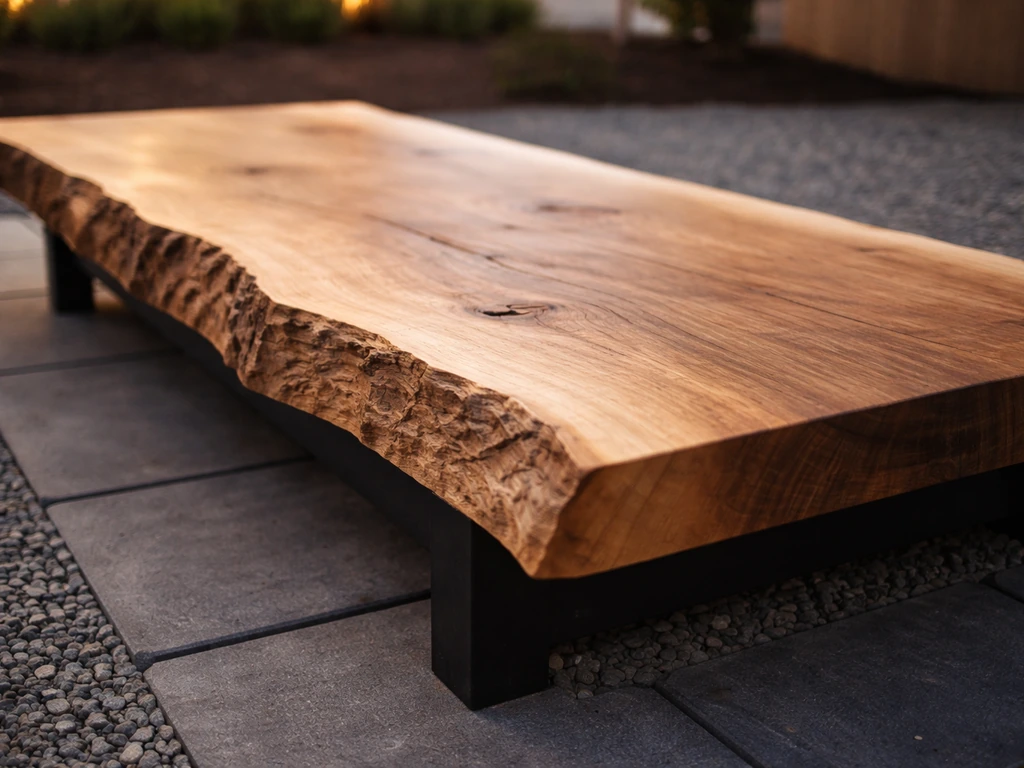
Are Live Edge Wood Patios Real? Pros, Risks, Lifespan
Reality check on live edge wood patios: durability, safety, lifespan, maintenance, and what to ask before building.
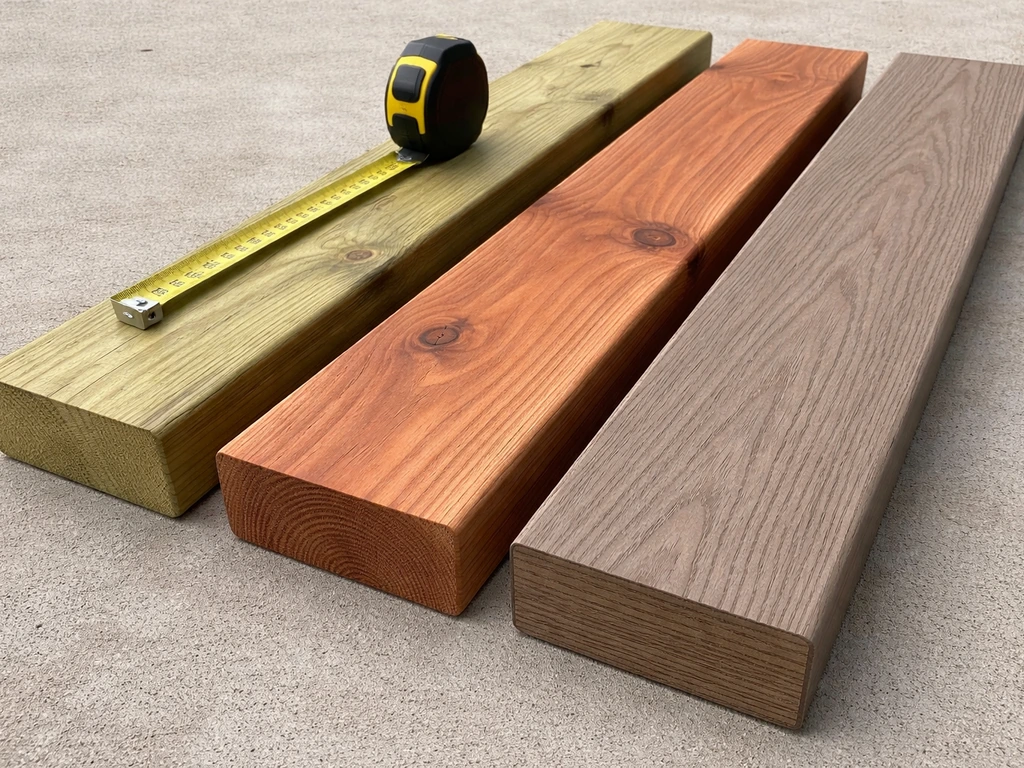
Best Lumber for Patio Cover: What to Use and Sizing Tips
Choose the best lumber for patio covers: species, sizing for joists and ledgers, plus weatherproofing and longevity tips
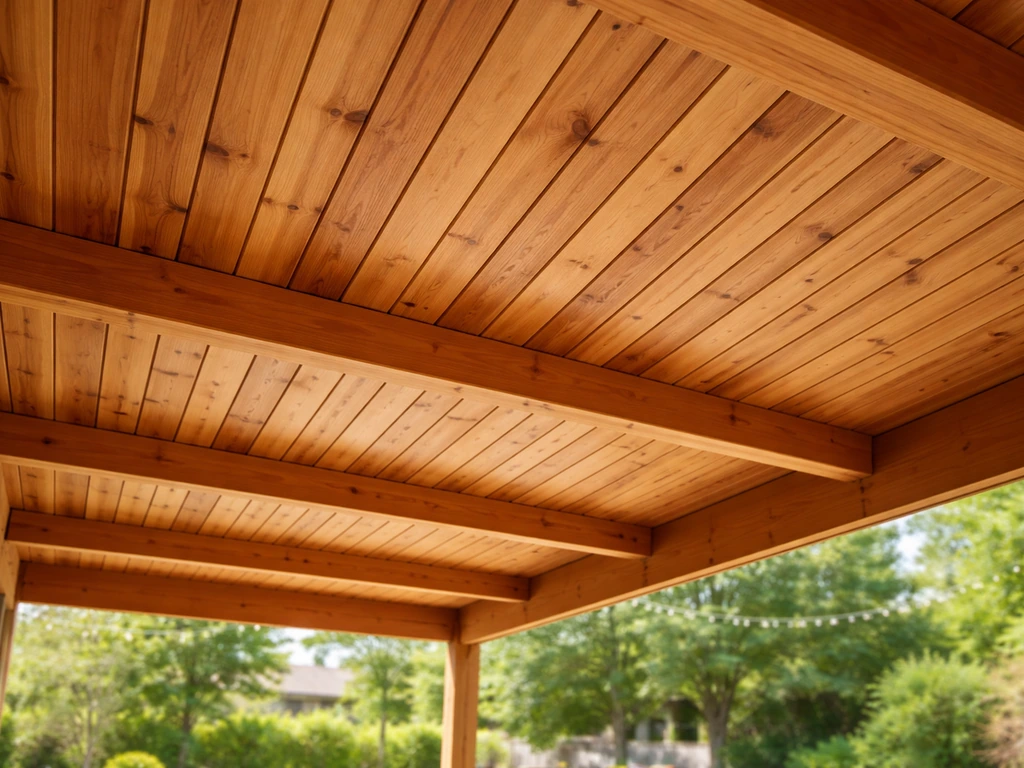
Best Wood for Outdoor Patio Ceiling: Picks, Pros, Installation
Best wood for outdoor patio ceiling by climate and coverage, with species picks, finishes, proper fastening, and mainten