There is no single best type of patio cover for everyone, but there is almost always a clear best choice for your specific situation. If you live somewhere with brutal summer sun and little rain, a pergola with a shade sail or retractable canopy covers most of your needs cheaply and attractively. If you get heavy rain or snow, you need a solid roof cover, and aluminum or steel with a steeper pitch is usually the most durable and lowest-maintenance option. If you want something that looks beautiful and handles moderate weather, a wood-framed solid roof or gabled patio room is hard to beat. The goal of this guide is to help you figure out which of those actually fits your yard, your climate, your budget, and how you actually use your patio. A quick way to narrow it down is to choose the best cover for patio based on your weather and how you plan to use the space.
Best Type of Patio Cover: Choose the Right Option

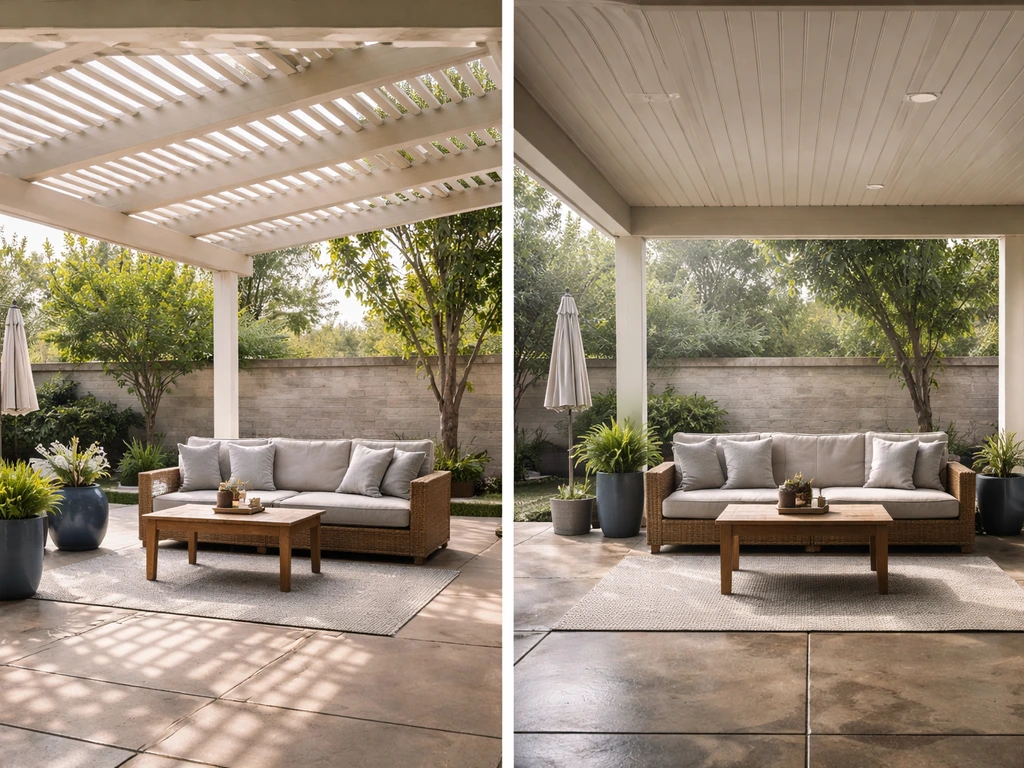
Start Here: Match Your Cover to Your Climate and How You Use the Space
Before you get into materials and roof styles, you need to be honest about two things: what the weather is like where you live, and what you actually do on your patio. Those two factors will immediately eliminate several options and make the right choice obvious.
Climate is the big one. In hot, sunny climates like Texas, Arizona, or Southern California, your main enemy is radiant heat and UV exposure. You can get away with an open pergola or a fabric canopy because rain events are shorter and snow is rare. In the Pacific Northwest, Gulf Coast, or any area with persistent rainfall, you need a true solid roof that sheds water reliably, and a shallow-pitched aluminum cover that drips at the seams is not going to cut it. In the Midwest or Mountain West, you need to account for both wind and snow. Under the 2024 International Building Code (Appendix I), patio covers must be designed to support a minimum vertical live load of 10 lb/ft², and wherever snow loads exceed that, the snow load governs. That matters when you are comparing a fabric canopy (not rated for snow) to a structural aluminum or wood system.
Wind is another climate factor people underestimate until they have lost a canopy in a summer storm. A pergola with an open lattice top handles wind much better than a solid flat roof because wind pressure drops when air can move through the structure. Research on wind-induced pressures on patio covers shows that canopy geometry and the presence or absence of openings materially changes the forces on the structure. If you are in a windy area, a solid roof needs to be properly engineered and anchored, and a freestanding fabric canopy is probably not your best long-term answer.
How you use your patio matters just as much. A dining area where you entertain regularly in the evening needs lighting, probably a fan or mister, and ideally solid rain protection so a pop-up shower does not ruin dinner. A lounging area or hot-tub surround might be fine with a pergola that gives partial shade and an open sky feel. An outdoor kitchen needs real protection from rain and grease-safe materials overhead. A play area used by kids needs shade more than weather-proofing. Think through your actual use cases before you spend money on the wrong structure. Choosing the right option from the best patio cover ideas starts with matching the cover to your climate and how you plan to use the space.
Finally, check two things before you commit: your HOA rules and your local permit requirements. Many HOAs restrict cover colors, materials, and heights. Most jurisdictions require a permit for any permanent attached patio cover, and some require one even for freestanding structures over a certain size. Attached covers also need to meet your local wind and seismic load requirements, and skipping permits can create problems when you sell the home.
Cover Material Options: Wood, Aluminum, Vinyl, Steel, and Fabric
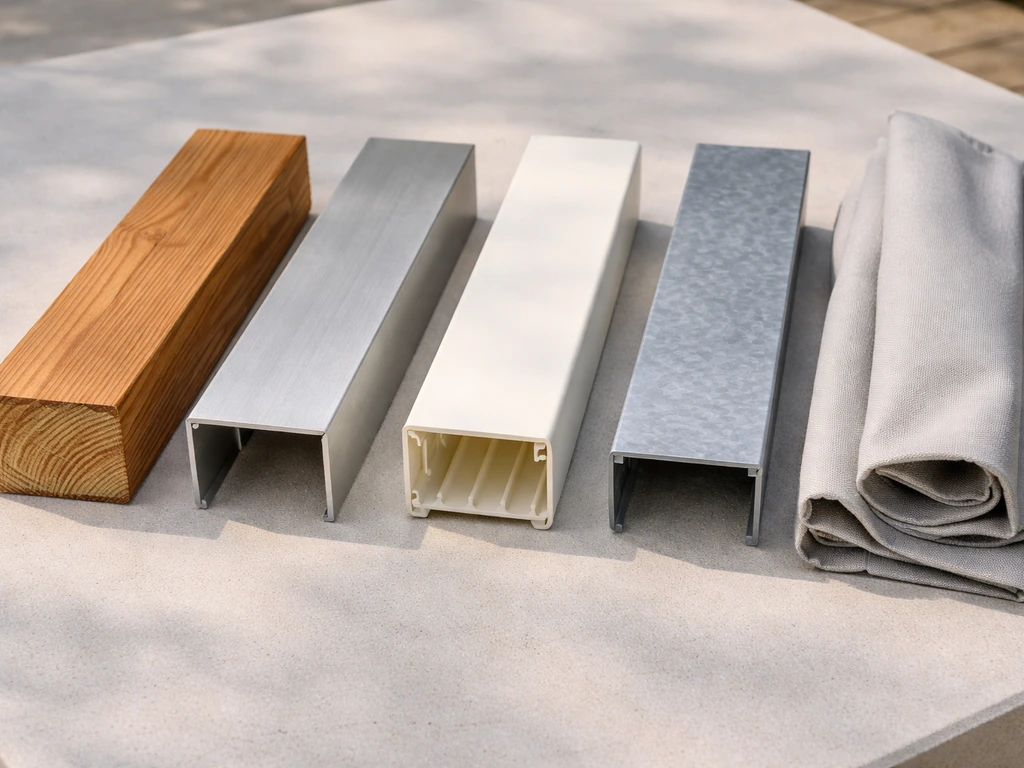
The material you choose affects how long the cover lasts, how much maintenance it needs, how much it costs upfront, and how it looks. Here is a plain-language breakdown of each option.
Wood
Wood is the most attractive material for most people and the most common choice for pergolas and custom-built solid roof covers. Cedar, redwood, and pressure-treated pine are the most common species. Cedar and redwood resist rot and insects naturally and age beautifully with a gray patina if left unfinished, or hold stain well if you prefer a maintained look. Pressure-treated pine is cheaper but needs staining to look good and can warp if not properly dried. The downsides of wood are real: it needs resealing or restaining every two to three years depending on your climate, it can crack, rot at the base if posts are not properly set, and it is the most labor-intensive material to maintain over a 20-year span. That said, wood is the easiest material to customize, cut, and build with yourself, which is why it dominates the DIY patio cover space.
Aluminum
Aluminum is the dominant material for manufactured patio cover systems, and for good reason. It does not rust, does not rot, will not be eaten by termites, and holds its powder-coat finish for many years with minimal effort. Insulated aluminum panel systems (two skins of aluminum with foam in between) are the gold standard for solid-roof covers that need to block heat as well as rain. These systems are designed with integrated gutters and downspouts to move water off the roof, although contractors will tell you honestly that small drips can still occur at connection points, especially on very shallow-pitched installations. A contractor blog notes that a shallow pitch can cause water to back up and seep behind or under flashing, eventually dripping, so debris-free gutters and downspouts and simple hose testing are important blank" rel="noopener noreferrer">shallow-pitched installations. If you see ponding or backflow because the pitch is too shallow, water will eventually find a way under the flashing. Aluminum is lighter than steel and easier to install, but it dents and is harder to repair than wood if something goes wrong. It is the best choice for low-maintenance solid-roof covers in most climates.
Vinyl
Vinyl is inexpensive, lightweight, and completely rot-proof. It needs almost no maintenance beyond occasional cleaning. The tradeoffs are real though. Standard vinyl expands and contracts dramatically with temperature changes, which can cause panels to buckle or seams to work loose over time in climates with wide temperature swings. It also does not look as substantial as wood or aluminum and can appear cheap on a larger structure. Vinyl works best in mild climates as a budget-friendly option for smaller covered patios, and it holds up well where freezing is not a factor.
Steel
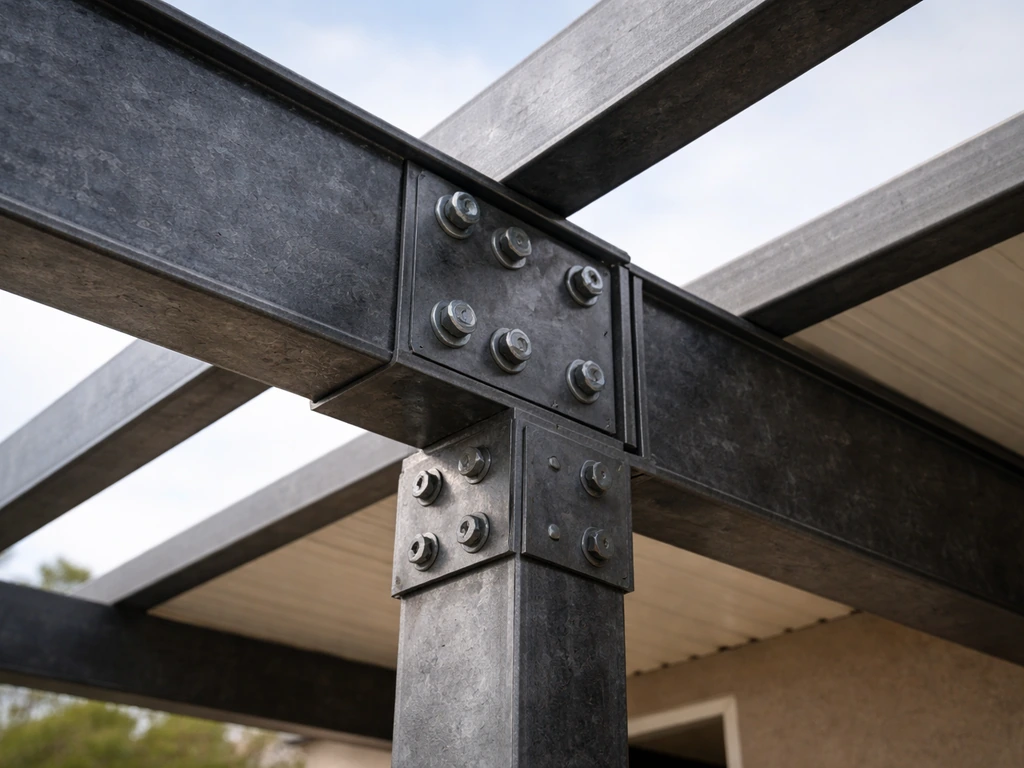
Steel is the strongest structural material and the right choice when you need a large span, a heavy roof (like clay tile or thick composite), or you are building in a high-wind or snow-load area. Galvanized or powder-coated steel is corrosion-resistant, but any chip or scratch that reaches bare metal will eventually rust, especially in coastal or humid environments. Steel costs more than aluminum and wood, and it is heavy enough that installation almost always requires professional help. It is used primarily in commercial patio structures and high-end custom residential builds.
Fabric and Canopy Systems
Fabric covers, shade sails, and retractable canopy systems are the most budget-friendly category and work very well for shade-only applications. Solution-dyed acrylic fabrics like Sunbrella are the quality standard: they resist UV fading, mildew, and light rain. They are not weatherproof in any real sense, they cannot support snow, and they need to be retracted or taken down in high winds. Fabric covers need to be cleaned annually and replaced every five to ten years depending on sun exposure. That said, they are the fastest to install, the easiest to DIY, and the most flexible if your needs or patio layout change.
| Material | Best For | Maintenance Level | Lifespan | Cost Range (installed) |
|---|---|---|---|---|
| Wood | Aesthetics, DIY builds, pergolas | High (stain/seal every 2–3 yrs) | 20–30+ yrs with upkeep | $3,000–$15,000+ |
| Aluminum (insulated) | Low-maintenance solid roof, rain/heat protection | Very low | 30–40+ yrs | $5,000–$20,000+ |
| Vinyl | Budget solid covers, mild climates | Very low | 15–25 yrs | $2,500–$10,000 |
| Steel | Large spans, heavy loads, high-wind zones | Low (watch for chips/rust) | 30–50 yrs | $8,000–$25,000+ |
| Fabric/Canopy | Shade-only, budget, flexibility | Medium (annual cleaning, periodic replacement) | 5–10 yrs per fabric | $500–$5,000 |
Roof Style Options: Pergola, Solid Roof, Gabled, Flat, and Retractable
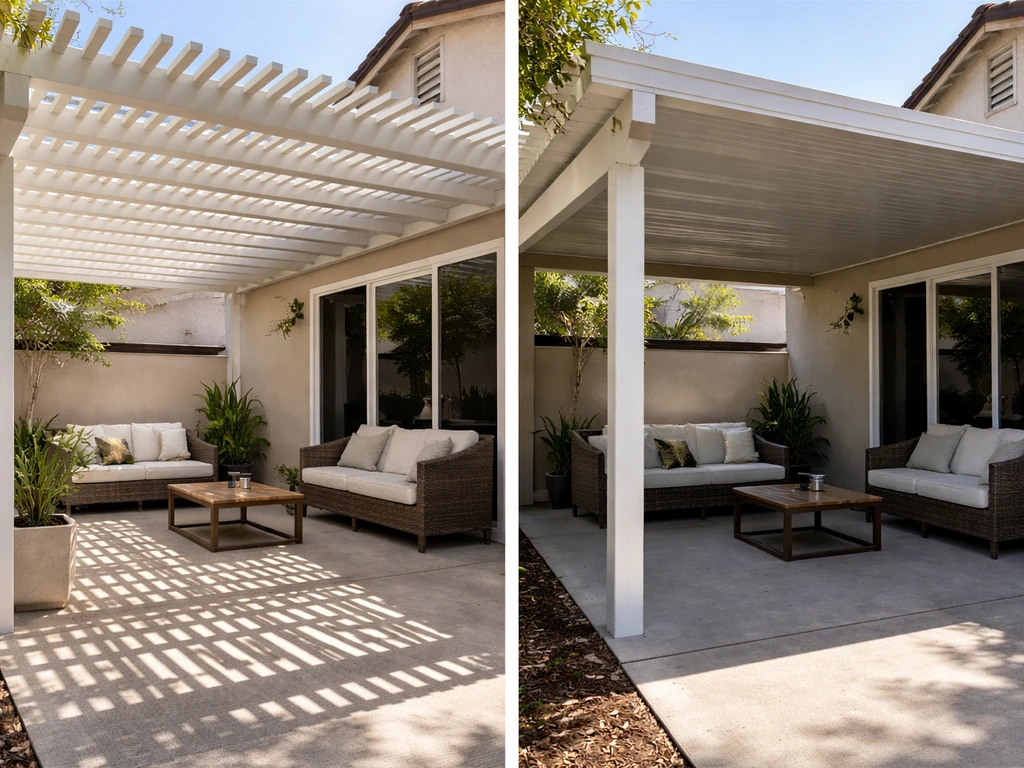
The material you build with is one decision. The structural style of the roof is another, and they are somewhat independent. You can build a pergola from wood, aluminum, or vinyl. You can put a solid flat roof on a steel frame or a wood frame. Here is what each style actually delivers.
Pergola (Open Lattice or Beam Structure)
A pergola is an open-frame structure with a lattice or spaced-beam roof that provides partial shade, typically blocking somewhere around 50 to 60 percent of direct sunlight depending on how tightly the boards are spaced. Pergolas do not provide rain protection on their own, though you can add a shade sail, a retractable canopy, or polycarbonate panels to change that. The open structure is ideal for plants, string lights, and ceiling fans, and it creates an outdoor-room feel without making the space feel closed in. Pergolas are the most popular DIY patio cover option because they are structurally simpler and the materials are widely available at home improvement stores.
Solid Flat Roof
A solid flat roof gives you full shade and full rain protection. Flat here means low-slope, not truly level. Any solid roof needs at least a slight pitch to drain water. The challenge with flat or very shallow-pitched solid covers is that even a modest amount of debris or a blocked downspout can cause water to pond and eventually find its way under flashing or through seams. Flat aluminum panel systems are a common contractor-installed product and work well when installed with proper pitch and integrated gutters. If you are building in a rainy climate, make sure the installer pitches the roof toward the gutters and designs in enough drainage capacity.
Gabled or Sloped Roof
A gabled or sloped roof looks more like a room addition than a patio cover, which is a strong visual asset if you want the structure to look like it belongs with your house. A steeper pitch also sheds both rain and snow far more efficiently than a flat cover. There is a reason building engineers note that a steeper roof pitch reduces effective snow loading: the snow either slides off or compacts less because the angle discourages accumulation. If you are shopping specifically for the best patio covers for winter, prioritize strong snow-shedding roofs, adequate pitch, and systems that can handle the local load requirements. Gabled covers cost more than flat covers because they require more framing, more roofing material, and more labor. But in climates with significant snowfall or very heavy seasonal rain, the improved water management is often worth the cost difference. They also give you more headroom and better natural ventilation underneath.
Retractable and Adjustable Covers
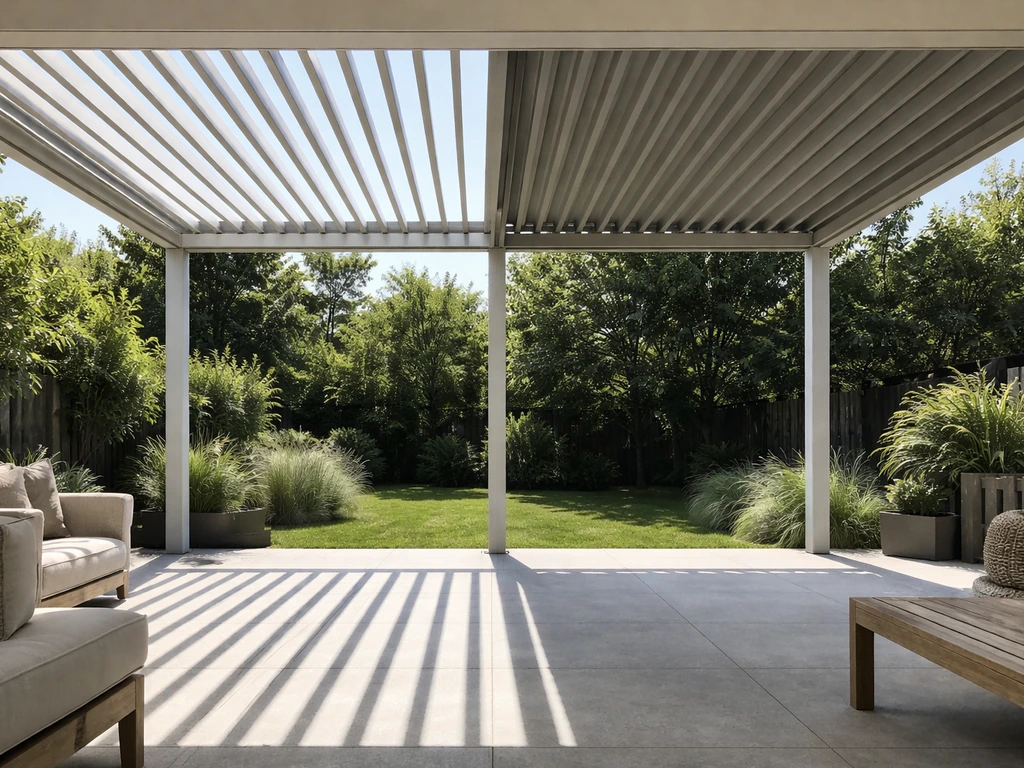
Retractable awnings, motorized louver pergolas, and adjustable shade systems are the most flexible option. A motorized louvered pergola lets you open the slats for full sun, close them for full shade, and tilt them to adjust airflow and light angle. Retractable fabric awnings pull back completely when you want open sky. These systems are more expensive than fixed covers and have more moving parts to maintain, but they are the right answer if your weather varies dramatically, if you want to sunbathe in the morning and have shade for afternoon dining, or if your HOA limits permanent structures. Budget for professional installation and factor in occasional motor or fabric servicing.
What Actually Drives the Total Cost
Cost conversations about patio covers get confusing fast because the ranges are enormous. A DIY fabric shade sail can cost a few hundred dollars. A custom gabled aluminum patio room with screens and fans can run $25,000 or more. Here is what actually moves the number.
- Size: Cost scales roughly with square footage. A 10x12 cover is a very different project than a 20x30 cover. Get your actual patio dimensions before you ask for quotes.
- Roof style and complexity: A flat panel cover is cheaper to frame and install than a gabled cover. A pergola is cheaper than either solid-roof option at the same size.
- Material: Aluminum panel systems from specialty contractors cost more than wood-frame DIY builds, but the labor gap can close quickly when you factor in the time wood maintenance takes over the years.
- Posts and footings: Freestanding covers need concrete footings for each post. Attached covers need proper ledger connections to your house. In soil with poor bearing capacity or in high-wind zones, footings get deeper and more expensive.
- Drainage and gutters: A solid roof needs gutters and downspouts, and routing those downspouts to the right place adds cost, especially if you need to run them across concrete or into a drain.
- Site prep: Grading, removing existing structures, or working around utilities all add cost before a single post goes in.
- Permits and engineering: In most jurisdictions, a permit for an attached solid-roof cover runs $200 to $800. If your jurisdiction or HOA requires engineered drawings, add $500 to $2,000 for that.
- Labor vs. DIY: A pergola is a realistic DIY project for a competent homebuilder with two weekends and a helper. A solid insulated aluminum panel system is almost always better left to a specialty contractor who has the panels, the proprietary hardware, and the experience to pitch it correctly.
When you are comparing quotes, make sure every contractor is bidding on the same scope: same square footage, same roof style, same material, same number of posts, gutters included or excluded, permit fees included or excluded, and cleanup included. Bids that look dramatically cheaper often leave out permits, footings, or gutters.
Best for X: Quick Decision Map
| Your Situation | Best Cover Type | Best Material |
|---|---|---|
| Heavy rain climate (Pacific NW, Gulf Coast) | Solid gabled or sloped roof | Insulated aluminum or wood with metal roofing |
| Hot, sunny, low-rain climate (Southwest, Texas) | Pergola or solid flat with insulated panels | Aluminum (insulated panels block heat best) |
| Windy areas (Great Plains, coastal) | Attached solid roof with engineered anchoring | Aluminum or steel, avoid freestanding fabric |
| Snow country (Mountain West, Midwest) | Gabled or steeply sloped solid roof | Steel or heavy timber wood |
| Best low-maintenance | Solid flat or gabled insulated aluminum | Aluminum |
| Best for DIY / tight budget | Pergola with shade sail or fabric canopy | Wood or vinyl |
| Best long-term value | Insulated aluminum solid roof, gabled if climate demands | Aluminum |
| HOA-restricted / no permanent structure | Freestanding pergola or retractable awning | Aluminum or fabric |
Design Details That Actually Affect How Comfortable the Space Is
The structural choice gets you shade and weather protection. But what makes a covered patio genuinely comfortable to spend time in comes down to a few design details that are easy to overlook until you are sitting in a stifling, poorly ventilated box on a hot afternoon.
Shade Level and Heat Gain
A solid roof blocks direct sunlight completely, but if it is not insulated it can absorb heat and radiate it back down. Insulated aluminum panel systems specifically address this: the foam core dramatically reduces heat transfer through the roof panel. If you are building in a hot climate and using wood framing with a composite or metal top, think about adding a radiant barrier or insulated sheathing to reduce the heat load on the space below. Open pergolas provide partial shade and let breezes through, but the shade percentage drops quickly when the sun moves off-axis. East-west oriented beam spacing matters for how much shade you actually get at noon versus late afternoon.
Airflow and Ventilation
A solid roof cover traps air underneath unless you design for cross-ventilation. A gabled roof with open eaves or a ridge vent allows hot air to escape. Screen walls on two sides and open sides on the other two create a natural breeze path. If you are enclosing three or four sides of a covered patio, you are essentially building a room and you need to plan ventilation intentionally, or you will be running a ceiling fan on high just to make the space bearable in summer.
Rain Protection and Condensation
A solid roof cover keeps you dry in rain, but condensation can be an issue in humid climates. When warm moist air contacts the cooler underside of an aluminum panel, moisture condenses and drips. Insulated panels reduce this significantly. Proper ventilation also helps. If you are getting unexplained drips on a clear day under an aluminum cover, condensation is usually the culprit, not a leak. When actual rain drips occur at seams, it is almost always a pitch or flashing issue. The fix is ensuring the roof has enough slope to drain quickly and that all seams, flashings, and the connection to the house wall are properly sealed and maintained.
Accessories and Add-Ons Worth Budgeting For
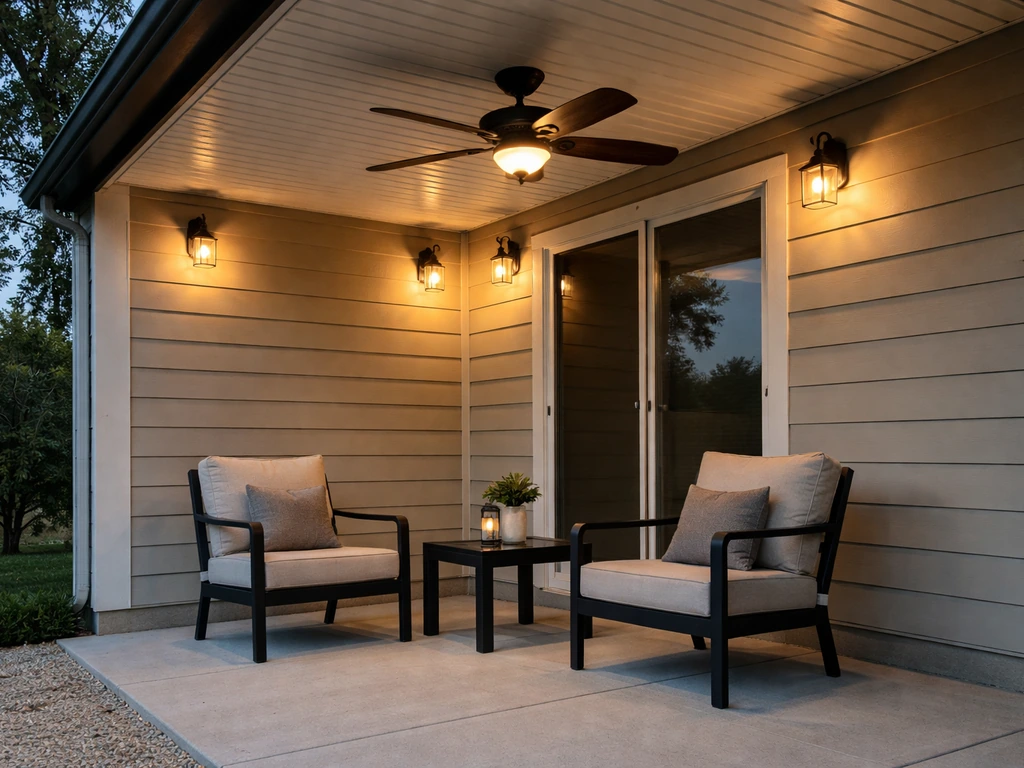
Once you have the cover structure sorted out, the accessories are what turn it from a shaded slab into an outdoor room you actually want to spend time in. Budget for these at the same time you plan the structure, because adding them later often means cutting into finished work.
- Ceiling fans: An outdoor-rated ceiling fan changes comfort levels dramatically on hot days and keeps insects moving. Most aluminum panel covers have a beam or rafter structure that makes fan mounting straightforward, but you need an electrical rough-in before the roof goes on.
- Outdoor heaters: Infrared ceiling-mounted heaters extend the usable season significantly in cooler climates. They need a dedicated 240V circuit and should be positioned away from wood surfaces. Budget around $200 to $600 per heater plus electrical work.
- Misters: A high-pressure misting system can drop ambient temperature by 10 to 20 degrees under a covered patio in dry climates. In humid climates, misters mostly just make you wet. Know your climate before investing here.
- Lighting: String lights on a pergola, recessed lights in an aluminum panel ceiling, and pendant lights over a dining area all require electrical planning during the framing stage. This is not something to add as an afterthought.
- Screens and screen walls: A motorized or fixed screen system on the open sides of a covered patio eliminates mosquitoes, keeps out wind-driven rain on the open sides, and dramatically extends the usability of the space in bug-prone areas.
- Gutters and downspouts: Any solid roof cover needs gutters. Plan downspout locations before the cover is built so you can route them cleanly to a drain or away from the foundation.
- Shade sails and canopy inserts on pergolas: Adding a shade sail or fabric canopy insert over a pergola converts it from partial shade to near-full shade and adds basic rain resistance, which is a cost-effective upgrade if you already have a pergola structure.
Installation, Maintenance, and Lifespan Realities
A patio cover is a long-term investment, and what it takes to keep it in good shape over 10, 20, or 30 years should factor into your buying decision just as much as the upfront cost.
What Each Material Needs Over Time
- Wood: Clean annually, inspect for rot at post bases and any horizontal surfaces that hold water, restain or reseal every two to three years. A properly maintained wood cover can last 25 to 30 years. A neglected one can start showing serious problems in 10.
- Aluminum: Wash with mild soap and water once or twice a year. Inspect gutters and downspouts seasonally and clear debris before rainy season. Check connection points at the house ledger for any separation or sealant failure. A quality aluminum cover has a realistic lifespan of 30 to 40 years with minimal intervention.
- Vinyl: Wash as needed. Inspect expansion joints and seams annually in high-temperature climates. Expect 15 to 25 years.
- Steel: Inspect annually for paint chips or rust spots, especially at fastener points and cut edges. Touch up immediately with rust-inhibiting primer when you find bare metal. In coastal environments, this inspection is critical.
- Fabric/canopy: Remove and store or retract during high-wind events and ideally during winter months in cold climates. Clean with fabric-appropriate cleaner once a season. Expect to replace the fabric every five to ten years depending on UV exposure.
Contractor vs. DIY
A wood pergola is the most realistic DIY project in this category. The materials are available at any home improvement store, the joinery is straightforward, and there are thousands of plan sets available online. If you are comfortable with post-setting, basic framing, and a level and square, this is a weekend project for two people. A solid insulated aluminum panel cover is not a realistic DIY project for most homeowners. These systems use proprietary extrusions, specific installation sequences, and depend heavily on correct pitch and flashing at the house connection. Getting it wrong means leaks, condensation, or a roof that fails in a wind event. Pay for the professional installation and spend your time on decisions that affect the outcome: where gutters drain, where fans and lights go, and what screening options you want.
Getting Accurate Quotes and Comparing Bids
Before you call contractors, measure your patio carefully: length, width, height from the existing structure where the cover will attach, and the distance from the ledger attachment point to the house's eave or roofline. Know whether you want an attached or freestanding structure, whether you want gutters, and whether you want any electrical rough-in for fans or lights. Ask every contractor the same questions: Is the permit included in your price? Are footings included and how deep do you plan to pour? What pitch will the roof have and how are you handling drainage? Do you have an ICC-ES evaluation report or equivalent for the panel system you are installing? That last question matters because quality manufactured patio cover systems are evaluated against IBC and ASCE 7 load requirements and carry a label stating their allowable roof live load and design wind speed. If a contractor cannot answer that question, that tells you something about what they are selling. Get at least three bids on identical scope and do not choose on price alone. The cheapest aluminum cover bid is often the one with the shallowest pitch and no engineered drawings, and that is the one that leaks on the first significant rain.
FAQ
What is the best type of patio cover if I want both shade and rain protection but my budget is tight?
In most cases, an insulated aluminum solid roof on a simple gable or low-slope setup gives the best balance, but keep the roof pitch adequate and require integrated gutters. If you want to save money, you can start with a pergola plus retractable side panels for rain during typical storms, then upgrade later if your use expands.
How do I tell whether a flat or low-slope cover will leak in my yard?
Ask the installer about the planned roof pitch in inches per foot, roof drainage plan (gutters plus downspouts), and what happens if a gutter is partially blocked. Even small debris accumulation can cause ponding on shallow roofs, so you want an explicit statement that seams and flashing are designed for your local rainfall intensity.
Is a pergola “good enough” for snowy winters?
Usually not as a primary weather barrier. An open pergola can be fine for light snow and shade, but it cannot reliably support snow loads, and fabric or shade sails are not rated for snow. If you truly need snow shedding, choose a properly engineered solid, steeper roof system.
What patio cover type is safest in high-wind areas?
Prioritize engineered, anchored structures with specified wind speed ratings, and avoid freestanding fabric canopies unless they are specifically rated for your conditions. A pergola can handle wind better than a flat solid roof in many designs because openings reduce wind pressure, but only if the posts and connections are built to the local wind loads.
If my HOA restricts permanent structures, what are my best options?
Look at retractable awnings or motorized louvers that can remain within height and appearance rules, and confirm the HOA’s definition of a “permanent” cover. Also check color and material restrictions, for example powder-coat color limits for aluminum roofs or fabric shade requirements for canopies.
Should I choose attached or freestanding if I’m unsure about permits or utility impacts?
Attached covers are often easier to integrate with the house for drainage and ventilation, but they usually require stricter permitting and code compliance for ledger attachment and seismic load considerations. Freestanding designs can sometimes simplify ledger requirements, yet they still may need permits if they exceed local size thresholds, and they still need correct anchoring.
How much insulation do I actually need under a solid roof?
If you are in a hot climate, insulated aluminum panel systems reduce radiant heat transfer far more than uninsulated panels. If you are using wood framing under a metal or composite top, consider adding a radiant barrier or insulated sheathing, and also plan for ventilation so heat does not build up in the enclosed space.
Can condensation look like a leak under an aluminum patio cover?
Yes. If you see droplets on the underside on mornings or after humid nights without rainfall impact, it is often condensation rather than a flashing failure. The best next step is to confirm whether the droplets appear uniformly (condensation) versus at specific seams or the house connection (pitch or sealing issue).
What should I verify in contractor quotes so I get an apples-to-apples comparison?
Require the bid to list pitch, roof drainage method (gutters and downspouts), fastening and flashing details, and whether it includes permits and footings. Also ask for the system’s allowable roof live load and design wind speed documentation, because “standard” bids can hide the lowest-pitch, least-engineered option.
What’s the best DIY-friendly patio cover type for most homeowners?
A wood pergola is typically the most DIY-compatible choice because it uses standard materials and simpler structure. However, only do it if you can correctly set posts and maintain drainage around the base, since poor post-setting is a common cause of wood rot. For solid insulated aluminum panel systems, plan on professional installation.
How do I choose roof accessories without ruining ventilation?
Keep airflow in mind before you add screen walls, heaters, or fans. For example, if you plan to enclose multiple sides, confirm there will be a planned air path (openings on opposite sides or a ridge/upper vent concept) so fans do not become the only cooling method during summer.
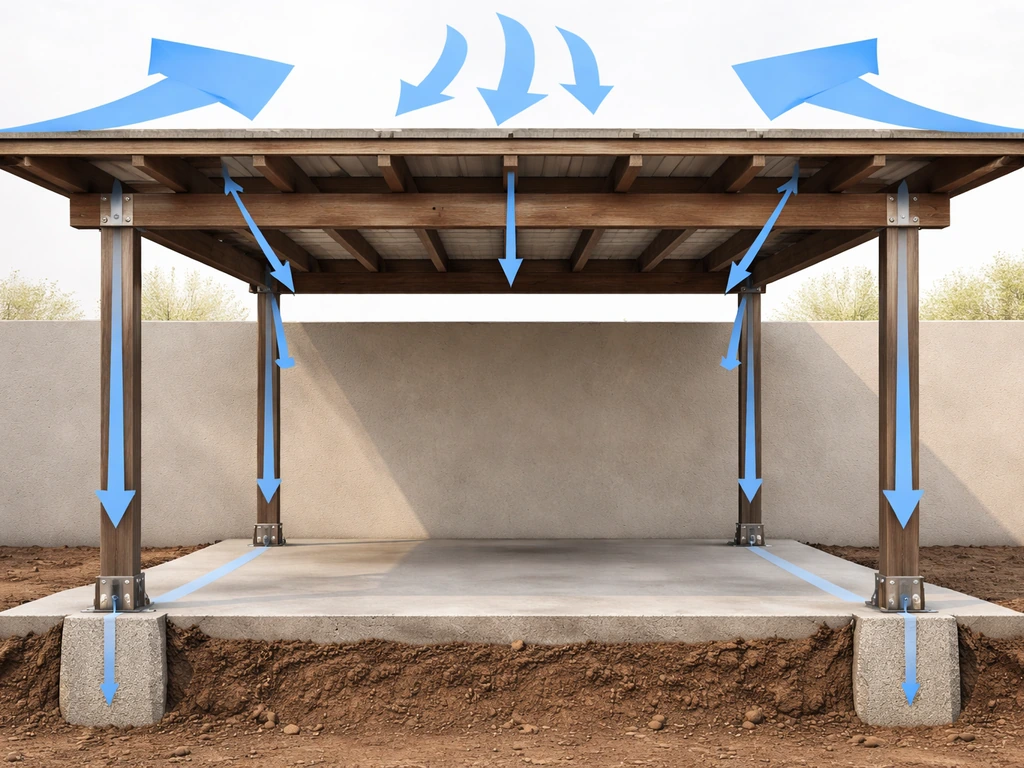
Compare patio cover types, wind-rated materials, and anchoring steps to choose and install the best option for windy are
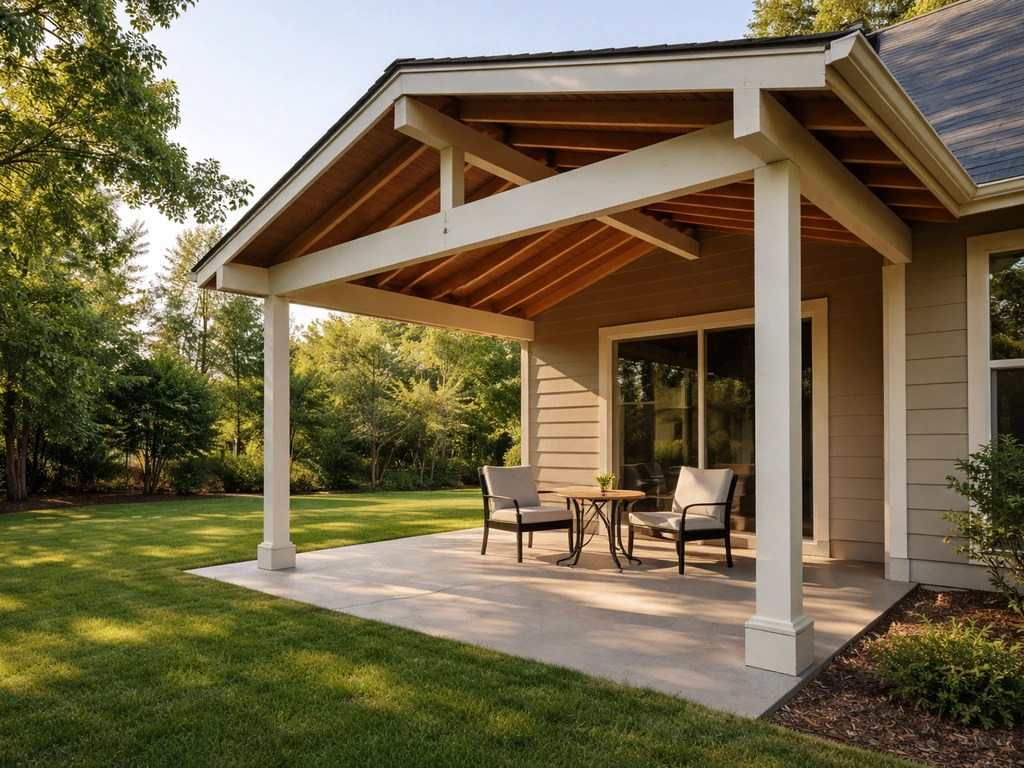
Top covered patio cover ideas with roof styles, materials, costs, key specs, and DIY vs contractor guidance.
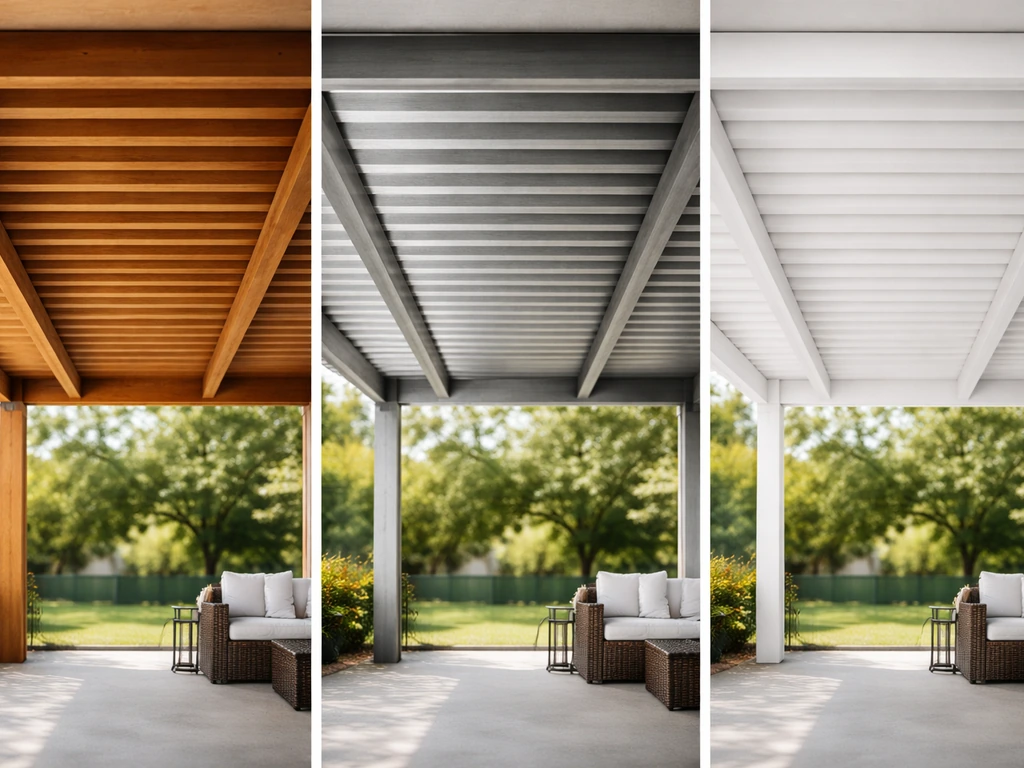
Compare wood, aluminum, vinyl and more for patio covers by durability, maintenance, wind, shade, light, insulation, and