The best patio covering for most homeowners is either an attached aluminum patio roof or a wood/aluminum pergola, depending on how much shade and weather protection you need. If you want full coverage from rain and intense sun, a solid patio roof wins. If you want filtered light and an open feel, a pergola is the better pick. When you compare the best patio cover ideas, a pergola is a great option if you want filtered light and an open feel. Retractable awnings land in the middle and work well for smaller spaces or renters. The rest comes down to your climate, your budget, and how much maintenance you're willing to do.
Best Patio Covering Guide: Choose the Right Option for Your Space

Phoebe Foster
29 Apr 2026
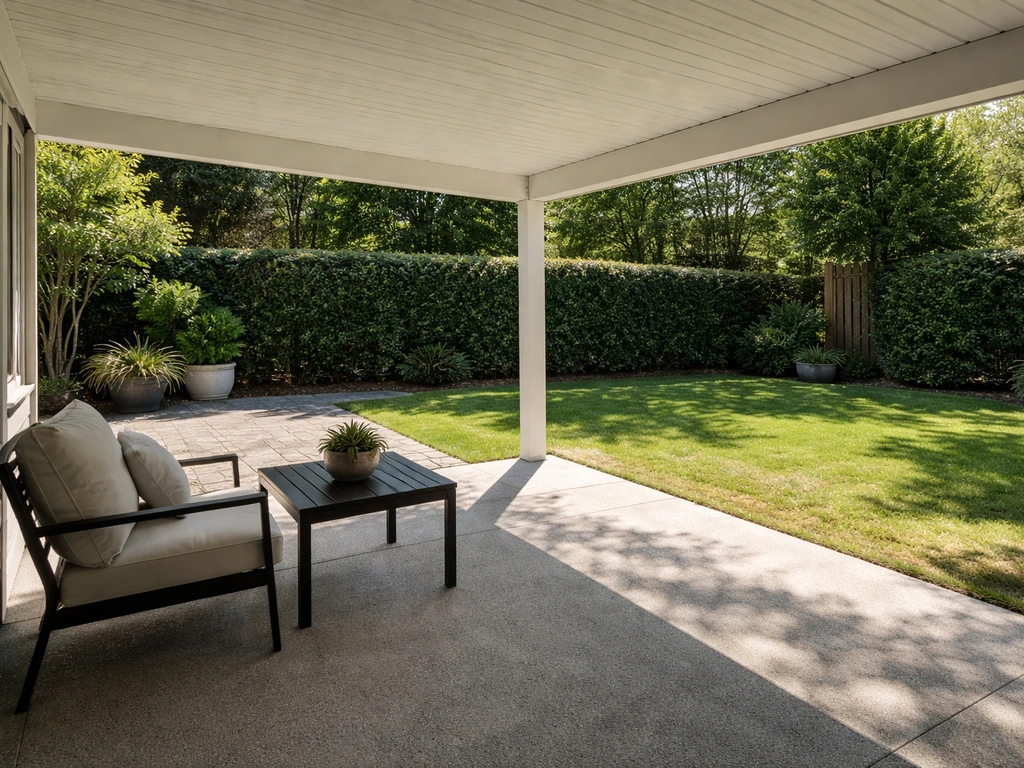
How to choose the best patio covering for your space
Before you start comparing products, you need to be honest about four things: how you actually use your patio, what your weather throws at it, how much you want to spend, and whether you're willing to maintain it over the years. A gorgeous cedar pergola might be exactly right for someone in Portland, Oregon, and completely wrong for someone in Phoenix or coastal Florida.
Think through these questions before you shop:
- Do you need protection from rain, or just shade? A pergola won't keep you dry. A solid roof will.
- How big is the area? A 10x12 space has different structural and cost implications than a 20x30 one.
- Is the covering attaching to your house or freestanding? Attached structures are generally more stable but require wall connections that meet code.
- What's your local climate like? Wind, snow loads, and UV intensity all dictate material and structural choices.
- Are you doing this yourself or hiring a contractor? Some coverings are legitimately DIY-friendly. Others aren't, and getting it wrong creates real safety problems.
- What's your realistic budget, all-in, including installation and permits?
Once you have answers to those, the decision narrows pretty fast. The 'best' patio covering isn't a single product. It's the one that fits your specific answers to those questions better than the alternatives do.
Covering types: patio roofs, pergolas, and awnings
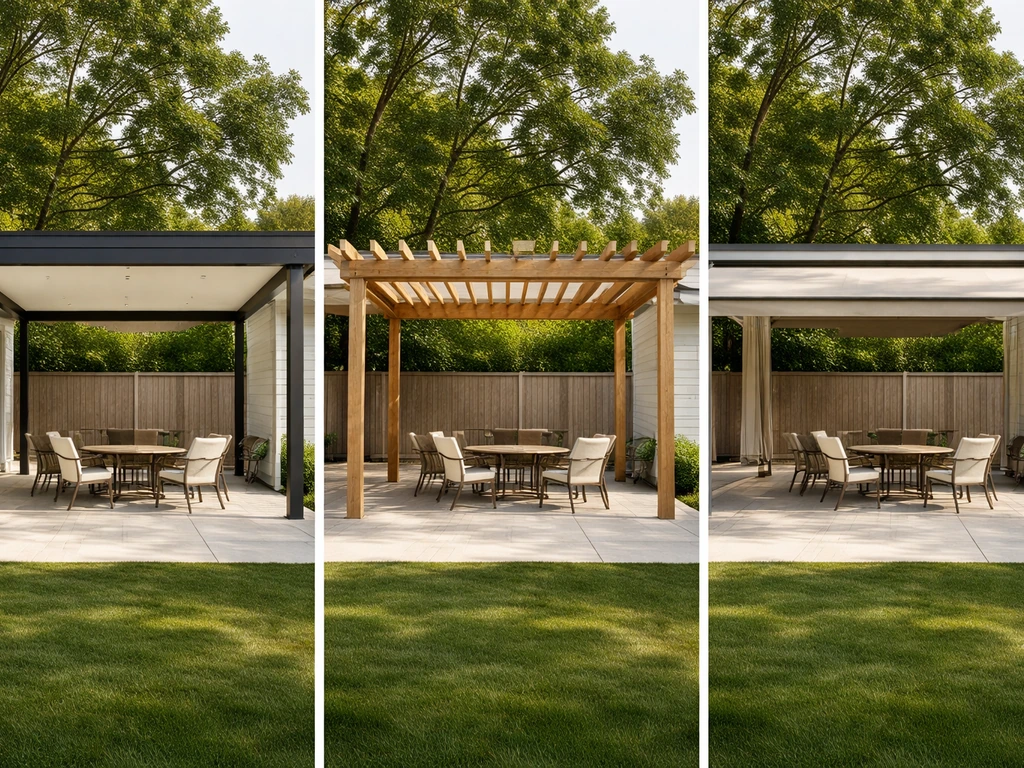
Solid patio roofs (attached or freestanding)
A solid patio roof is the most complete weather protection you can add to a patio. These are permanent structures, usually built with aluminum, steel, or wood framing and a solid or insulated roof panel. They block rain entirely, handle sun without needing any extras, and when built to code, they stand up to serious wind and snow loads. If your patio is your main outdoor living area and you live somewhere with real weather, this is usually the right call. The tradeoff is cost and permanence. You're looking at a real construction project, not a weekend afternoon.
Pergolas (open beam structures)
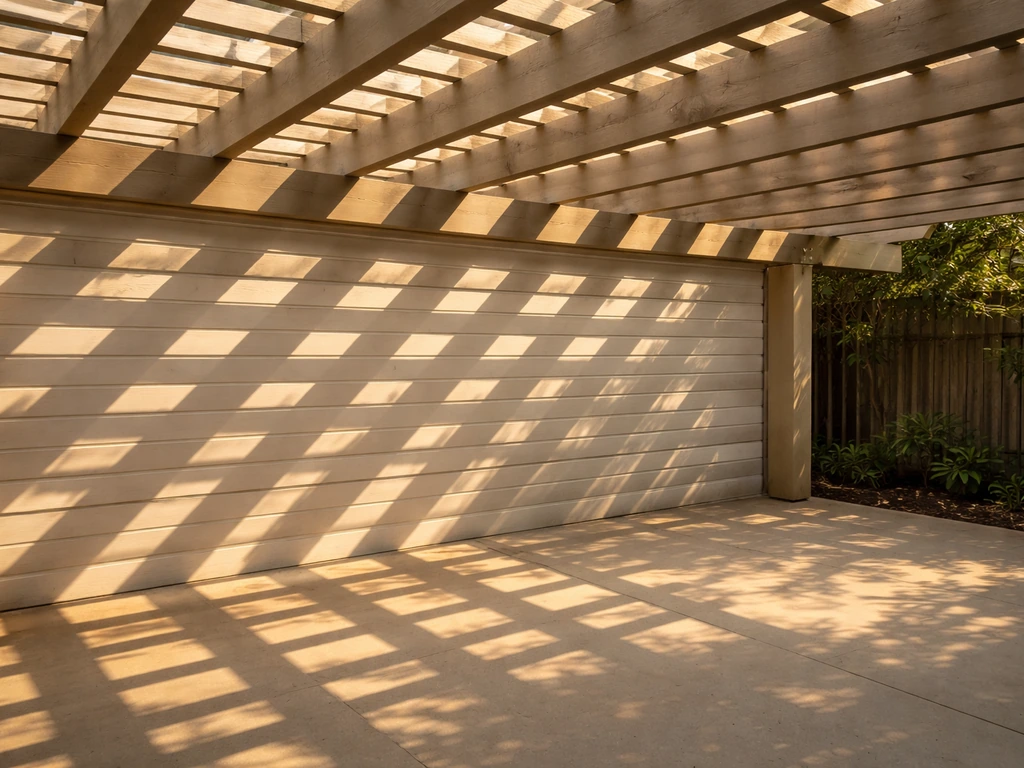
Pergolas are open-frame structures with a lattice or spaced-beam roof that provides partial shade but no rain protection on their own. They look great, they're widely available as kit systems, and they're one of the more DIY-accessible options. A basic 10x10 kit on an existing patio can run $1,800 to $3,500 installed, while custom cedar or aluminum builds with footings, electrical, and permits can reach $6,000 to $15,000 or more.
If you want more weather protection, you can add a retractable canopy or louvered panels. Louvered-roof pergolas, which use adjustable angled slats to manage rain drainage and sun angle, have become very popular and bridge the gap between an open pergola and a solid roof. These are typically on the higher end of the cost scale.
Retractable awnings
Retractable awnings are fabric-covered frames that extend to shade a patio and retract when not needed or when wind picks up. They're ideal for smaller spaces, renters who can't make permanent changes, or homeowners who want shade without blocking light year-round. Most retractable awnings hold up to steady winds of about 19 to 24 mph before you should retract them, so they aren't a substitute for a solid cover in consistently windy or stormy climates.
Motorized versions with wind sensors are worth the extra cost because they retract automatically before a gust causes damage. Installed costs typically run $15 to $30 per square foot, so a 10x12 awning might land anywhere from $1,800 to $3,600 depending on motorization, fabric grade, and frame quality.
Shade sails and tension structures
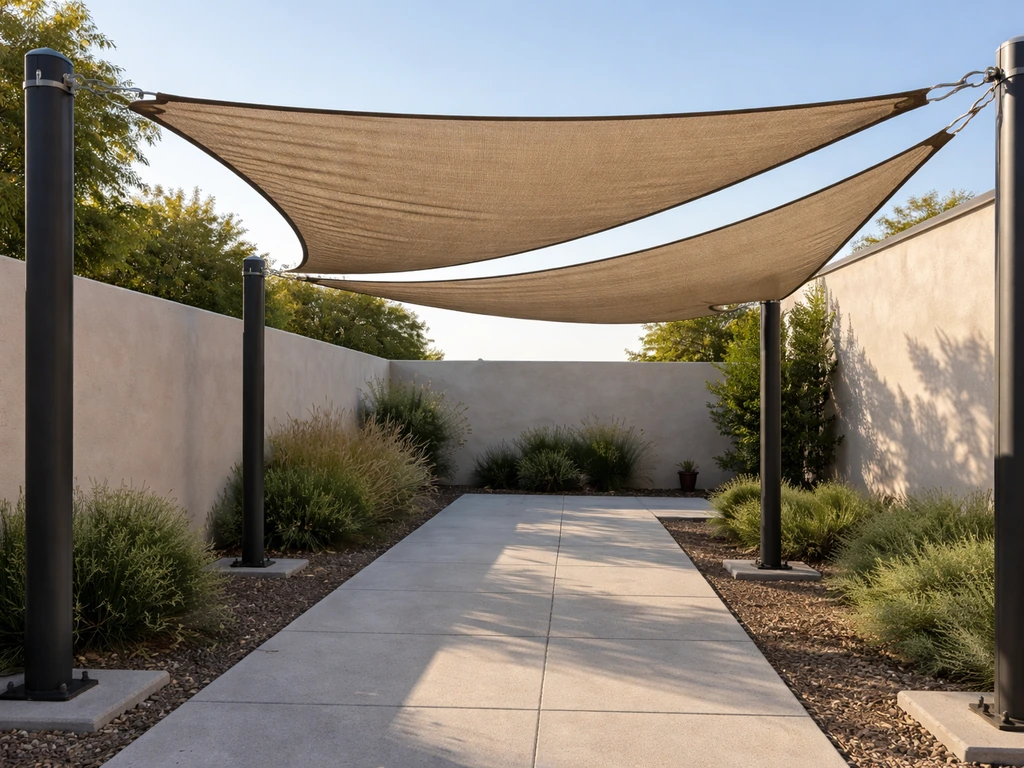
Shade sails are fabric panels tensioned between anchor points and are the most budget-friendly option for basic sun protection. They don't handle rain well (sagging and pooling water is a real problem if they aren't properly tensioned and angled), and the mounting points take significant lateral force under wind. Corner anchors on a shade sail in a strong gust can experience hundreds of pounds of tension, so installation anchor quality matters a lot more than most people expect. They work well in calm, dry climates and are a reasonable temporary or seasonal solution almost anywhere.
Materials comparison: wood, aluminum, steel, vinyl, and fabric
The material you choose affects lifespan, maintenance, appearance, and how well the structure handles your local climate. Here's how the main options stack up.
| Material | Typical Lifespan | Maintenance Level | Weather Performance | Best For |
|---|---|---|---|---|
| Wood (cedar, redwood) | 15–30 years with upkeep | High (staining, sealing every 1–3 years) | Good in mild climates, rots in wet/humid conditions | Aesthetics-first homeowners in dry or moderate climates |
| Aluminum | 30–50+ years | Low (occasional cleaning) | Excellent in most climates, won't rust or rot | Most homeowners, especially in humid or coastal areas |
| Steel | 20–40 years | Moderate (watch for rust in coastal/humid areas) | Strong structurally, vulnerable to corrosion without proper coating | Heavy-load applications, custom commercial-grade builds |
| Vinyl (PVC) | 20–30 years | Low (wash down periodically) | Good UV resistance, can warp in extreme heat | Budget-conscious builds in moderate climates |
| Fabric/Canvas (solution-dyed acrylic) | 10–15 years | Low-moderate (clean seasonally, store in harsh winters) | Good UV and water resistance, weak in heavy snow/ice | Awnings, retractable covers, shade sails |
Aluminum is the standout choice for most homeowners right now. Quality powder-coated aluminum systems come with finish warranties of up to 20 years against chalking and color shift (measured to actual ASTM standards, not just marketing claims), and the structure itself essentially doesn't degrade from moisture. It's also widely available as engineered kit systems, which simplifies permitting. Wood looks beautiful but requires consistent upkeep to hit that 30-year mark. If you skip the sealing schedule, you'll see rot and splitting within a decade in a humid climate.
For fabric covers, solution-dyed acrylic (Sunbrella being the most recognized brand in this category) offers a UPF rating of 50+, solid mold and mildew resistance, and warranty coverage of up to 10 years depending on the specific product and channel you purchase through. Vinyl-coated fabrics are more water-resistant but less breathable. Either way, fabric is a maintenance category, not a set-it-and-forget-it material.
Climate and durability: matching your covering to your weather
Sun and heat
In high-UV climates like the Southwest, Southern California, or Texas, UV degradation is your biggest enemy. Fabric covers need high UPF ratings (50+ is the benchmark to look for). Vinyl can warp or yellow over time in extreme heat. Aluminum with a quality powder coat handles sun without color degradation for decades. If temperature control matters, look at insulated aluminum panel systems, which dramatically reduce heat transfer compared to a single-sheet aluminum roof.
Rain and drainage
Any solid roof covering needs proper slope to move water off. The standard for aluminum patio cover systems like Alumawood is a minimum slope of 1/4 inch per foot and a maximum of 1 inch per foot. Gutters on a patio cover need a minimum slope of 1/4 inch per 10 feet toward the downspout, or water pools and you get overflow, joint leaks, and eventually structural damage. Pergolas without canopies handle rain fine structurally but don't protect you or your furniture. If you're in a rainy climate (Pacific Northwest, Gulf Coast, Southeast), a solid or louvered roof is worth the investment.
Wind
Wind is where a lot of homeowners underestimate what they need. For windy areas, focus on patio covers that are specifically engineered for local wind loads. Building codes (specifically blank" rel="noopener noreferrer">ICC/IBC design load requirements) require that patio covers be engineered to resist both vertical live loads of at least 10 psf and the local wind loads defined in Table R301.
IRC Chapter 3 explains how wind loads are determined (including adjustments for height and exposure) and how they are used to set design-load performance requirements for building planning local wind loads defined in Table R301. 2(1).
This isn't optional. If your structure doesn't meet local wind load requirements, it's both a safety issue and a permit problem. The ICC-ES AC340 acceptance criteria (last revised September 2024) is the framework used to validate engineered patio cover systems for wind and snow performance. ICC-ES’s AC340 approved criteria listing identifies AC340 as a framework for patio cover evaluation, including use for wind and snow performance [ICC-ES AC340 acceptance criteria (last revised September 2024)](https://icc-es.
org/es/criterios-aprobados-busqueda-ac-csi/). When a manufacturer says a system is 'engineered for wind loads,' ask for the AC340 evaluation or equivalent documentation, not just a marketing claim.
For retractable awnings specifically, wind ratings are notoriously inconsistent across brands because manufacturers use different testing conditions. Some publish steady-wind ratings, others publish gust ratings. The honest benchmark is around 19 to 24 mph steady wind before most retractable awnings should be retracted. A motorized awning with an integrated wind sensor will protect itself automatically, which is worth the premium if you live somewhere with afternoon thunderstorms or unpredictable gusts.
Snow and ice
If you're in the Midwest, Northeast, or mountain West, snow load capacity is a non-negotiable spec to check. If you need winter-ready shelter, prioritize covers built for snow and wind loads and strong drainage best patio covers for winter. Wind rating and snow load rating are separate numbers, and a structure can be wind-rated without being designed for meaningful snow accumulation. For retractable awnings, snow load capacity tells you how much snow weight the fabric and frame can safely support before something bends or tears. For solid covers, your local permit office will tell you the required snow load rating for your area. Don't skip this spec in a snowy climate.
Size, layout, and installation: the details that actually matter
Sizing your cover
A common mistake is sizing the cover to match the patio slab exactly. You want at least 12 to 18 inches of overhang on the sides to keep afternoon sun from cutting under the edge, and you want the front overhang positioned so it doesn't obstruct sightlines from seating areas. For a dining setup, 10x12 is a workable minimum. For full outdoor rooms with a seating area and a grill zone, 16x20 or larger starts to feel right.
Attached vs. freestanding
Attached structures connect to the house wall via a ledger board and are generally more stable with less material needed. The tradeoff is that the attachment must be properly flashed and sealed, or you'll eventually get water intrusion where the cover meets the house. Freestanding structures require footings or post anchors and don't need to touch the house, which is cleaner from a waterproofing standpoint and sometimes simpler to permit. In either case, post placement matters: you need clear traffic paths (typically at least 36 inches of clearance from post to edge of walkway) and posts should be set back from the patio edge enough that furniture arrangement isn't compromised.
Roof pitch and drainage
Any solid covering needs a slope to shed water. As a practical rule, 1/4 inch of drop per foot of run is the minimum, and you want the low end of the slope directing water into a gutter, not onto a walkway or a neighbor's yard. The gutter itself needs to slope toward the downspout at least 1/4 inch per 10 feet, otherwise water sits and stagnates. Downspout placement should route water at least 3 to 6 feet away from the foundation. If you're on a louvered pergola system, the louvers themselves need to be oriented and sloped so rain channels to the drainage path rather than pooling between the blades.
Permits and code compliance
Almost every permanent patio cover requires a building permit. This isn't just bureaucracy. It's the mechanism that ensures your structure meets local wind and snow load requirements and is attached correctly if it's going on your house. Skipping a permit can affect your homeowner's insurance coverage if the structure causes damage, and it can complicate a home sale. Budget time for the permit process and factor permit fees into your total cost estimate.
What it costs and when to hire a pro vs. DIY
Here's an honest cost breakdown across the main covering types for 2026:
| Covering Type | DIY Cost Estimate | Professionally Installed | Notes |
|---|---|---|---|
| Shade sail (basic) | $150–$500 | $300–$800 | Anchor quality is the critical cost variable |
| Retractable awning (manual) | $400–$1,200 DIY kit | $1,800–$3,600 installed | $15–$30/sq ft installed; motorized models cost more |
| Pergola kit (10x10) | $800–$2,000 in materials | $1,800–$3,500 installed | Custom cedar or aluminum with footings can hit $6,000–$15,000+ |
| Aluminum patio cover (solid) | $1,500–$4,000 in materials | $4,000–$12,000 installed | Engineered systems cost more but simplify permitting |
| Custom pergola or patio roof (full build) | $8,000–$20,000+ in materials | $40,000–$125,000 for premium builds | High-end range includes electrical, footings, custom finishes |
DIY is legitimately viable for shade sails, basic pergola kits on an existing patio, and some aluminum panel cover systems that come as engineered kits with manufacturer installation guides. Alumawood-style systems, for example, publish detailed slope and installation specs precisely because the manufacturer knows homeowners will attempt them. The key is to follow the specs exactly, including minimum and maximum slope requirements and fastener specs, because deviations create water and structural problems.
Hire a contractor when: the structure attaches to your house (ledger connections need to be done right), your local wind or snow loads require engineered documentation, you need electrical run for lighting or fans, you're working with a large span where post and beam sizing becomes a structural calculation, or you're on any kind of slope or irregular terrain. Retractable awning installation is one of those 'seems like DIY but often isn't' situations. Motorized systems in particular need to be leveled and anchored correctly or the motor and mechanism wear out fast. Many awning manufacturers require professional installation to keep the warranty valid.
Add-ons that make a real difference in comfort
The covering itself is just the start. What makes an outdoor space actually livable through different seasons and weather conditions is usually the combination of the cover plus a few well-chosen extras.
Screens and curtains
Drop-down screens (motorized or manual) along the open sides of a covered patio extend usability by keeping bugs out and blocking afternoon sun at a low angle that your roof doesn't catch. Outdoor curtains are less functional but add privacy and soften the space aesthetically. In coastal areas, screens with a fine mesh weave also reduce wind-driven spray. If you're pricing out a covered patio build, ask for screens to be included in the quote upfront rather than adding them later, since post-installation screen mounting gets complicated.
Ceiling fans
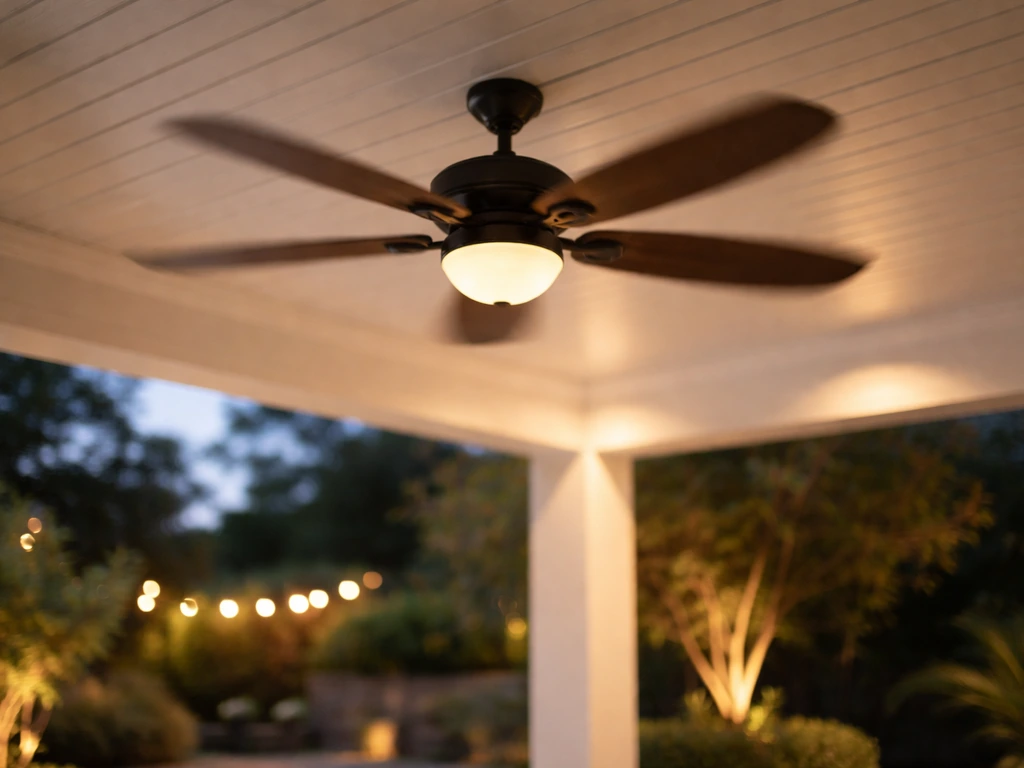
A damp-rated or wet-rated ceiling fan under a covered patio is one of the best comfort upgrades you can make for a modest cost. In hot climates like Texas or the Southeast, a fan makes the space usable even on 95-degree evenings. Most covered patios can accommodate a 52-inch fan on a standard 8-foot ceiling without a wobble issue, but you'll need electrical rough-in during the build stage. Retrofit electrical is possible but adds cost. Plan for it upfront.
Misting systems
In dry, hot climates, a patio misting system can drop the perceived temperature by 10 to 20 degrees through evaporative cooling. These work best in low-humidity environments like Arizona, Nevada, and inland Southern California. In humid climates, misters just make you feel sticky rather than cool. Low-pressure systems are the DIY-friendly option; high-pressure systems (which produce finer droplets and cool more effectively) typically require a pump and professional installation. Both are usually attached to the patio cover frame or fascia, so having a solid structure to mount to is a prerequisite.
Lighting
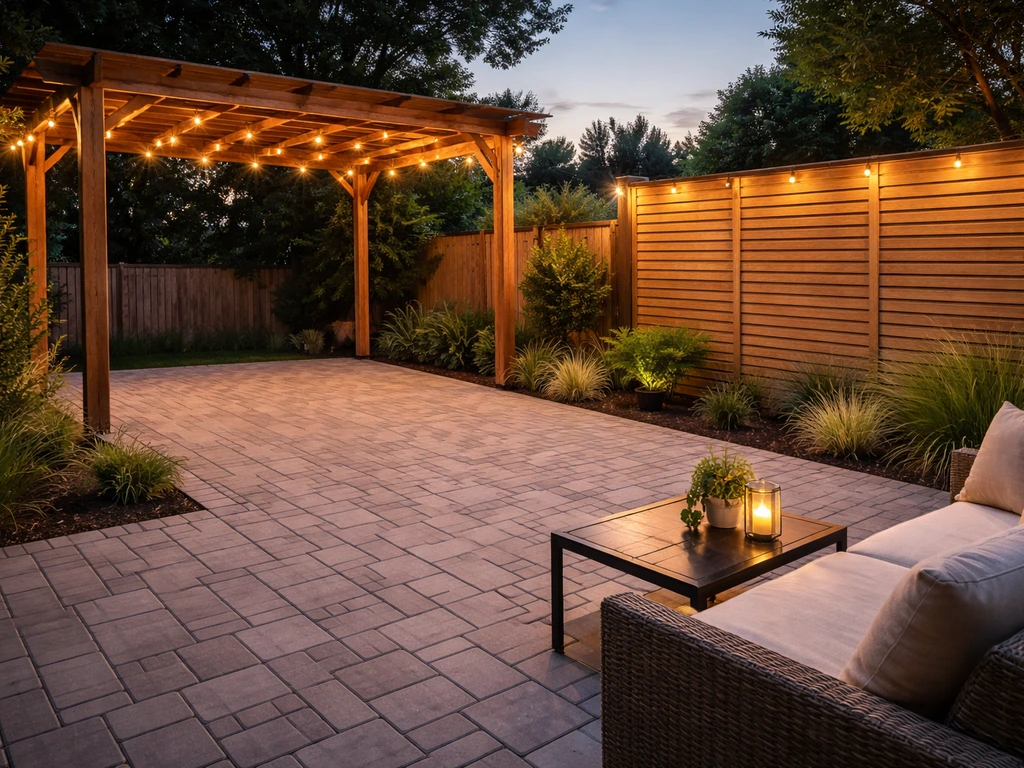
Recessed LED lighting in an insulated aluminum patio roof or string lights woven through pergola beams are both effective, but the approach differs. Built-in recessed lights require electrical in the ceiling, which means planning it during construction. String lights and plug-in fixtures are much easier to add after the fact and work well for pergolas. Either way, lighting is what transitions a patio from a daytime feature to a year-round evening space, and it's worth including in the initial plan rather than treating it as an afterthought.
If you're narrowing down which type of covering suits your specific situation, the material comparison, climate factors, and best ideas for different patio configurations are all worth exploring in more depth. The 'best patio covering' is the one that handles your real weather, fits your space, and you'll actually maintain. A good place to start is choosing the best cover for patio based on the weather you face most often, since that determines how much protection you need. Start with the climate and coverage requirements, pick a structure that meets them, then layer in the extras that make it comfortable for how you actually live outside.
FAQ
Is a pergola considered waterproof for rainy climates?
In most locations, you cannot assume a “standard” patio cover counts as weatherproof. You need a design that includes the right roof slope, flashing details where it meets the house (if attached), and gutters that discharge away from the foundation. If you get wind-driven rain, a pergola without a louvered or solid element will still leave significant splash on the patio.
Can I add on later (louvers, side panels, or extra roofing) to make my patio covering more protective?
Yes, but only if the manufacturer’s design supports it and your attachment method is appropriate for the added weight. Retrofitting extra panels, louvers, or a second roof layer can change wind uplift loads and drainage paths, which may require an updated engineering note for permits and inspections.
How do I choose the right size for the best patio covering for my patio layout?
Measure the coverage by what matters, not just the patio slab. Use the patio overhang rule, at least 12 to 18 inches on the sides, and confirm the front overhang does not block the seating view. Also check clearance from posts to walkways, typically at least 36 inches, so you do not end up with a “covered” area you cannot use comfortably.
What’s the safest way to use a retractable awning in windy weather?
For retractable awnings, you should treat wind gust behavior as the limiting factor and plan to retract earlier than the maximum rating. A lot of damage happens when owners wait for the awning to fully extend and then a gust hits before it triggers or is manually retracted.
What waterproofing details should I verify for an attached patio roof?
If the cover is attached to the house, the key risk is water getting into the ledger connection and surrounding wall sheathing over time. Ask the installer what flashing system they will use, whether they use spacer or standoff details, and how they seal transitions to the siding or stucco so you avoid hidden leaks.
If a patio cover is rated for wind, does that also mean it can handle snow?
Not automatically. A structure can be wind-rated for uplift and still be undersized for meaningful snow accumulation if the snow load spec was not calculated for your area and roof geometry. Ask specifically for both wind load and snow load documentation that matches your local permit requirements.
Are motorized, sensor-based retractable awnings actually safer than manual ones?
Motorized awnings can be worth it when you get frequent afternoon thunderstorms or unpredictable gusts, but they still need correct leveling, proper anchoring, and a safe retraction zone. Also confirm the sensor placement and that the system will retract before maximum gusts rather than after.
Should I DIY or hire a pro, and what should I ask before signing a contract?
If you hire someone, ask whether they will pull the permit under their license and whether the stamped design matches your exact span and attachment method. If you DIY, you still need to follow the engineered-kit specs exactly, including the stated slope range and fastener requirements, because small deviations can cause leaks or structural issues.
What causes mold or staining under patio covers, and how can I prevent it?
Most moisture and mold problems come from trapped water and poor airflow, not just the material. Confirm the design includes drainage paths (roof and gutters), appropriate clearance beneath screens or side panels, and that any fabric or wood is specified for wet exposure in your climate.
What should I consider if my patio site is sloped or uneven?
If your patio is elevated or on uneven terrain, anchoring and post placement become the bigger challenge than the covering type. You may need longer posts, specific post bases, or engineered bracing to keep the roof level and maintain the required slope for drainage.
Can I install a ceiling fan or outdoor lighting under any patio covering?
You usually can, but it depends on the electrical plan and location. For covered patios, fans typically require a damp-rated fan and wet-rated components if they could be exposed to moisture. If the patio roof is insulated aluminum, you still need wiring routed during the build stage or planned for a professional retrofit.
What’s the best patio covering for blocking afternoon sun without making the area feel enclosed?
Yes, but your goal changes. Instead of “shading,” you want glare and heat reduction without cutting off all airflow, which points toward louvered panels, adjustable louvers, or a pergola with sun-managing add-ons. Choose based on sun angle during your peak use hours, usually late afternoon.
Next Articles
Do It Yourself Outdoor Patio Ideas: Build, Upgrade, Maintain
DIY outdoor patio ideas for planning, building, upgrading, and maintaining floors, shade, privacy, lighting, and decor.
Quick Fix Patio Ideas for Instant Comfort and Style
Quick fix patio ideas for fast comfort and style: cleanups, repairs, shade, flooring tweaks, and safe upgrades on any bu
Cheap Do It Yourself Patio Ideas: Budget Build Guide
Budget DIY patio ideas with step-by-step flooring, prep tips, cost ranges, upgrades, and safety mistakes to avoid.