The best patio cover for most homeowners is a solid aluminum patio cover, it handles rain, sun, and wind reliably, costs less than wood, needs almost no maintenance, and lasts 20-plus years. For many homeowners, the best material for patio cover performance and long-term value comes down to how well it suits your local sun, rain, snow, and wind conditions. That said, 'best' really depends on your climate, your patio's size and layout, and what you need the space to do. If you live somewhere with heavy snow, a properly pitched aluminum or steel structure with the right load rating beats everything. If aesthetics matter more and you're in a mild climate, a wood pergola or lattice cover can be the right call. This guide walks you through every type, what each one costs, and the exact questions to ask before you buy or hire.
Best Cover for Patio: Compare Types, Costs, and How to Choose

What actually makes a patio cover 'the best'
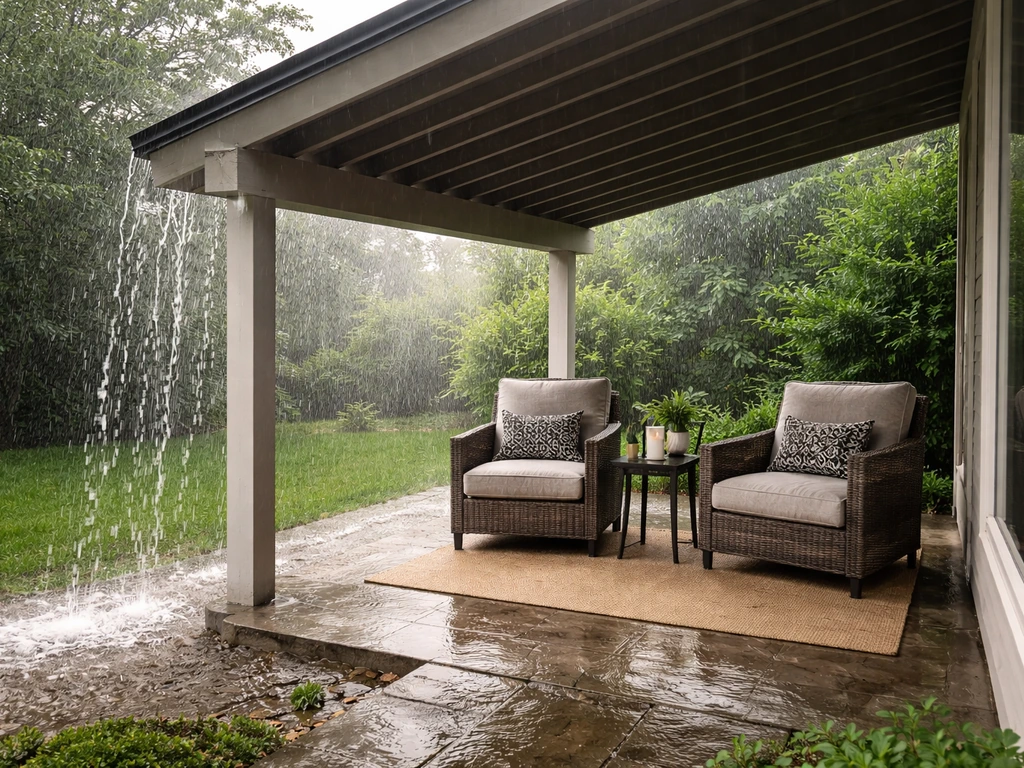
The word 'best' gets thrown around a lot in this category, but when you're the one standing under it during a summer downpour or trying to enjoy a winter evening, here's what actually matters: shade coverage (does it block enough sun to keep the space usable?), weather protection (does it handle rain, wind, and if relevant, snow without flexing or failing?), structural integrity at the connections (posts, beams, and attachments to the house are where failures actually start), ease of maintenance, and long-term durability. IBHS research specifically flags that patio covers and overhangs tend to fail first at their connections, a post-to-foundation joint or a ledger connection to the house that wasn't done right can cascade into a much bigger problem in a serious storm. So the 'best' cover isn't just the prettiest one, it's the one that's built correctly for your local conditions.
Beyond the structure itself, the right cover for your patio also depends on what you're adding to it. A bare aluminum roof works fine in mild climates. But once you start adding ceiling fans, heaters, string lights, or a misting system, the structure needs to accommodate the extra load and wiring. Think about your end goal before you commit to a specific type.
The main cover types and when each one wins
Aluminum (solid pan or insulated)
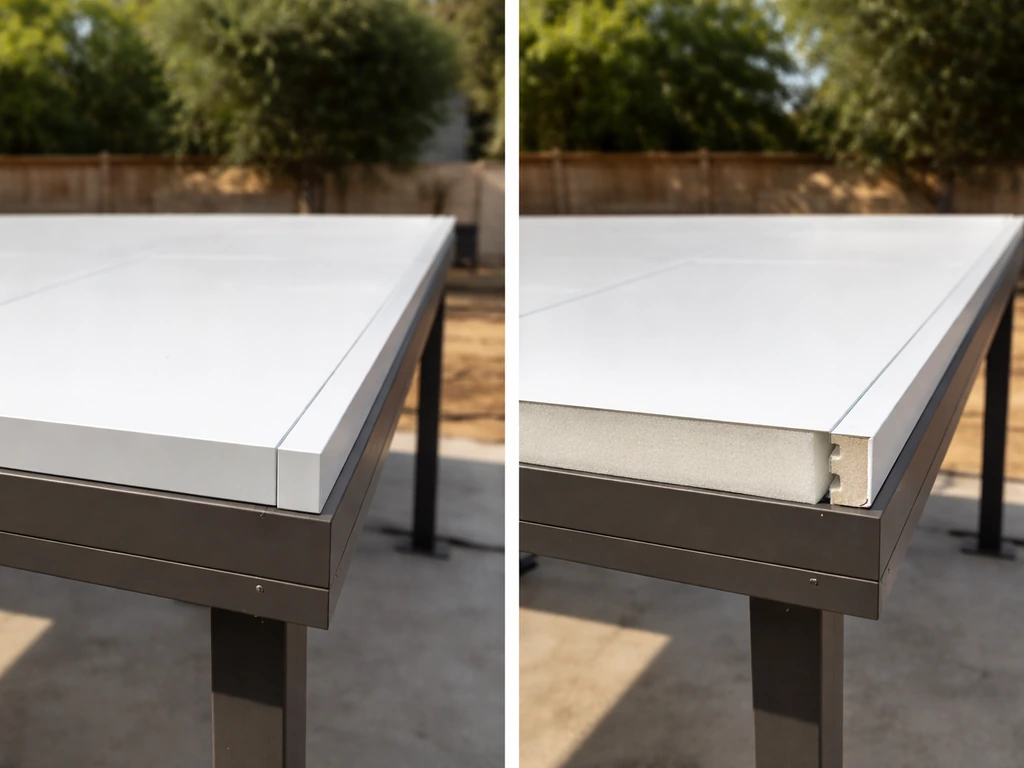
Aluminum is the workhorse of the patio cover world, and for good reason. A solid aluminum pan cover gives you full, unbroken shade and keeps rain out completely. Insulated aluminum panels (which have a foam core sandwiched between two aluminum skins) add a layer of thermal comfort, the ceiling doesn't radiate heat back down at you the way a single-layer panel can in full sun. Aluminum doesn't rot, doesn't need painting, and isn't going to get eaten by insects. It's the go-to choice for hot, humid climates like the Gulf Coast, Florida, or the Southwest. It also works well in rainy Pacific Northwest conditions. The main knock against aluminum is aesthetics, it has a functional, somewhat utilitarian look that not everyone loves, especially in higher-end landscaping. Costs typically run $20-$45 per square foot installed for standard solid aluminum, with insulated panels pushing $35-$60 per square foot.
Wood (solid or lattice)
Wood is the most visually flexible option. A solid wood patio cover with proper roofing material on top can match your home's architecture almost perfectly, and a wood pergola with open lattice gives you filtered shade and a natural, outdoor feel that aluminum simply can't replicate. Cedar, redwood, and pressure-treated pine are the most common lumber choices. Cedar and redwood resist rot and insects naturally; pressure-treated pine is the budget option but needs regular sealing and staining to stay looking good. The real tradeoff with wood is maintenance, you're looking at restaining or repainting every 2-4 years, more often in wet climates. Wood also requires more careful attention to structural connections. Solid wood covers cost $25-$60 per square foot installed, while a wood pergola can range from $15-$50 per square foot depending on complexity. If you're in a wet climate or a high-termite zone, budget for the upkeep or consider a wood-look vinyl alternative.
Vinyl
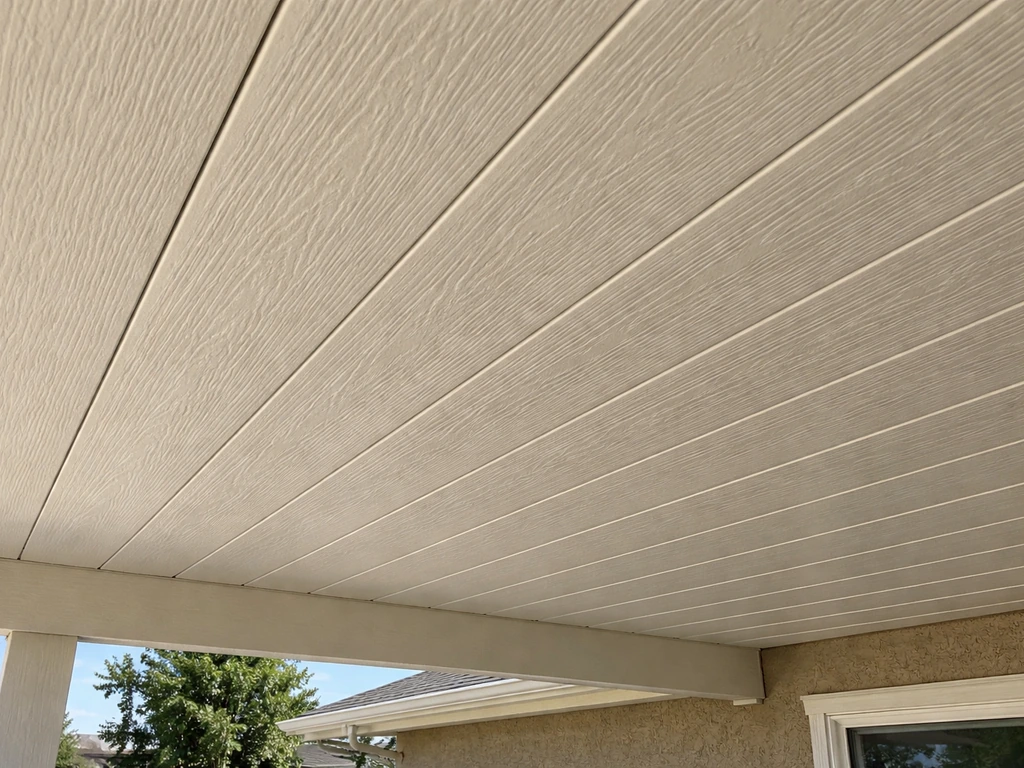
Vinyl covers are essentially the low-maintenance compromise between aluminum's durability and wood's appearance. They're made from PVC and often mimic wood grain textures reasonably well. Vinyl doesn't rot, doesn't need painting, and handles moisture well. The downside is that vinyl can become brittle over time in climates with extreme UV exposure (think Arizona or high-desert areas), and it's not as structurally stiff as aluminum or wood, so it's usually better suited to smaller spans. In cold climates, vinyl can crack if impacted when it's very cold. For a patio that's 10x12 or 12x16 in a moderate climate, vinyl is a solid, cost-effective pick. Installed costs typically run $15-$40 per square foot.
Pergola-style covers (including louvered)
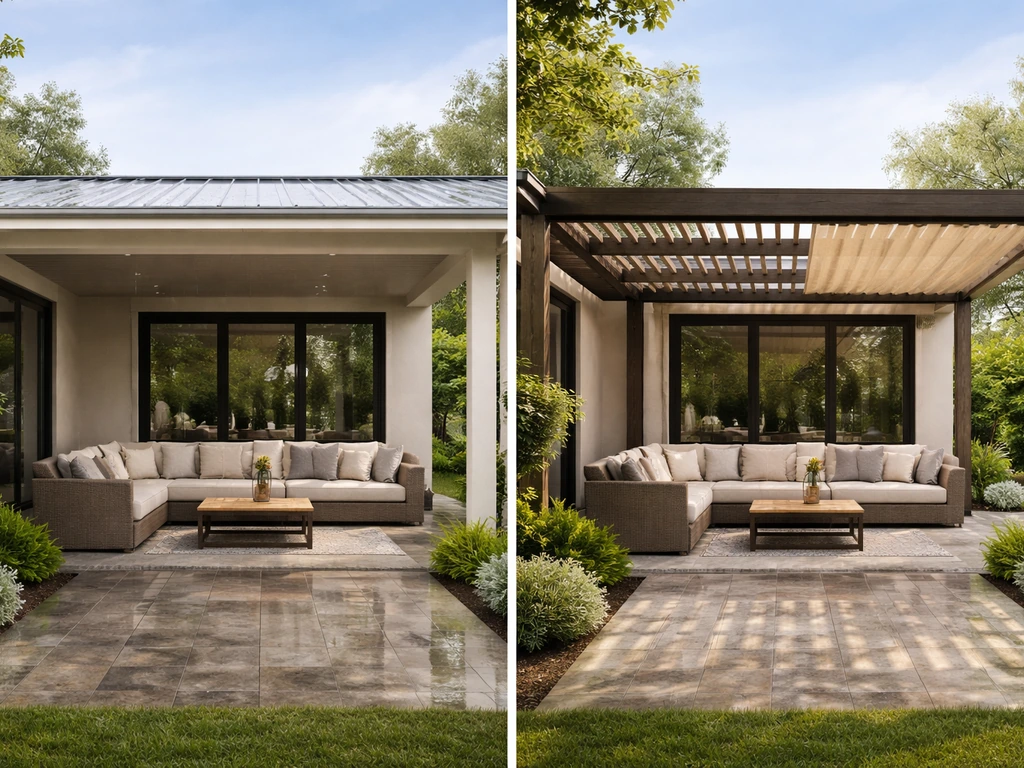
A pergola isn't a full roof, it's a structure with open or lattice-style overhead beams that provide partial shade and a defined outdoor space without blocking the sky entirely. Traditional pergolas can be built from wood, aluminum, or vinyl. A louvered pergola (with adjustable, motorized slats) is the premium version, you open the louvers for sun and close them when it rains or gets too hot. Louvered aluminum pergolas have become extremely popular because they genuinely do both jobs well. They're the best single-structure option if you want flexibility. The cost reflects that premium though: a quality louvered pergola typically runs $40-$100 per square foot installed, sometimes more for larger motorized systems from brands like Pergola Depot, TEMO, or similar. If you're weighing pergola ideas more broadly, there are a lot of design directions worth exploring before you commit.
| Cover Type | Best For | Maintenance | Typical Installed Cost/sq ft | Lifespan |
|---|---|---|---|---|
| Solid Aluminum | Hot, rainy, or humid climates; low-maintenance setups | Very low (rinse occasionally) | $20-$60 | 25-40+ years |
| Wood (solid or lattice) | Aesthetics-first buyers; mild or dry climates | High (stain/seal every 2-4 yrs) | $15-$60 | 15-30 years with upkeep |
| Vinyl | Moderate climates; budget buyers wanting wood look | Low (occasional cleaning) | $15-$40 | 15-25 years |
| Open/Louvered Pergola | Year-round flexibility; premium outdoor living | Low-moderate | $25-$100+ | 20-30+ years |
Sizing, shade coverage, and design details that actually affect comfort
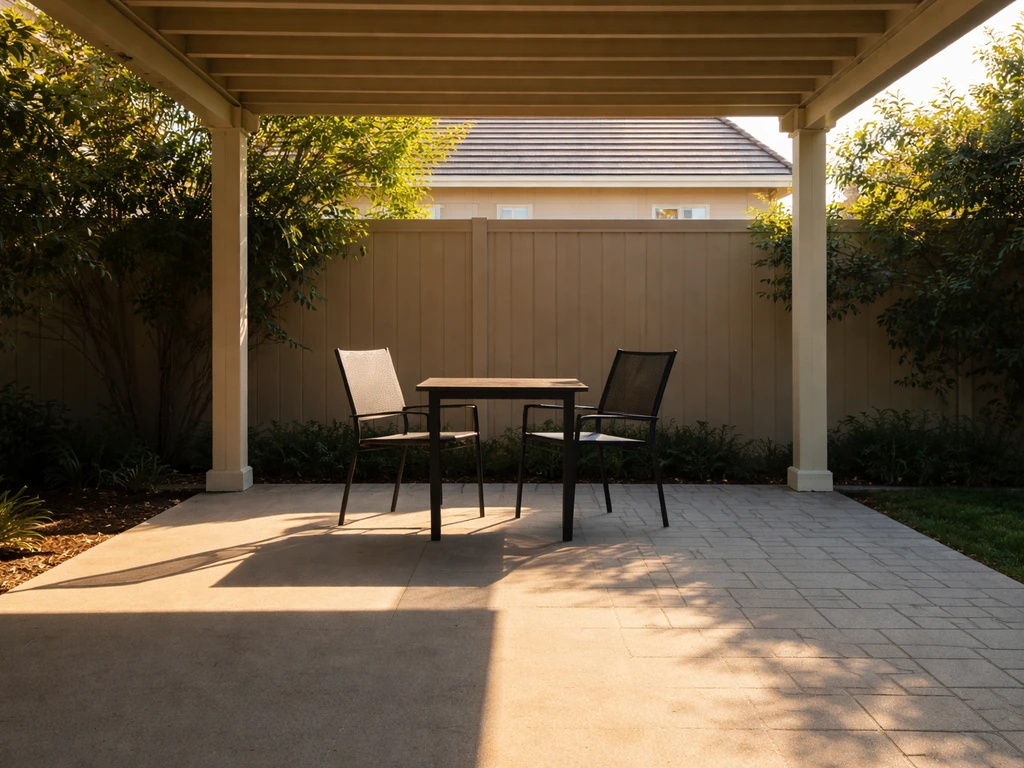
The most common mistake homeowners make is undersizing the cover. A cover that's just barely bigger than your table technically 'covers' the patio, but leaves you in direct sun whenever you move a few feet. The general rule: extend your cover at least 12-18 inches past your furniture footprint on all sides, and ideally size it to cover the full patio slab or deck plus a foot or two of overhang on the open sides. If your patio is 12x20, a 14x22 cover gives you meaningful edge-to-edge protection.
Roof pitch matters more than most buyers realize. A flatter roof pools water and can accumulate snow in colder climates. Even a modest 1:12 or 2:12 pitch (that's 1 or 2 inches of rise per foot of horizontal run) drains rain effectively and sheds light snow. In snow country, steeper pitches reduce snow accumulation, and this is where design loads become critical. Building codes in most jurisdictions require patio covers to be designed for a live load of at least 10 pounds per square foot (psf), but in high-snow areas, the snow load controls the design instead. ASCE 7 snow load provisions distinguish between flat-roof and sloped-roof snow calculations, and FEMA's snow load safety guidance makes clear that roofs need to be designed for local conditions, not generic 'standard' specs. ASCE 7 Chapter 7 provides snow-load provisions that use different methods for low-slope and sloped roofs, reinforcing that snow design depends on the design method and conditions rather than a single fixed number ASCE 7 snow load provisions distinguish between flat-roof and sloped-roof snow calculations. A contractor in Denver or Minneapolis should already know this; if they don't mention local load requirements, that's a red flag.
Sun angle also affects shade quality. On the south and west sides of a house (in the Northern Hemisphere), a deeper overhang blocks low afternoon sun better than a shallow one. If your patio faces west and you're dealing with brutal late-afternoon heat, a 10-foot-deep cover will outperform an 8-foot cover by a surprising margin. Adding a valance or drop curtain on the west face adds another layer of protection without changing the structure.
Materials, durability, and weather resistance compared
Every material has a weather condition where it underperforms, and knowing yours helps narrow the list fast.
In high-wind regions (Gulf Coast, tornado alley, coastal areas), the structural connection is everything. IBHS research and JLC's installation guidance both emphasize that post-to-foundation connections and the ledger attachment to the house are where wind damage starts. An aluminum cover that's bolted to a properly anchored ledger with structural screws into the house's rim joist and wall framing will survive what a cover lag-screwed into siding alone won't. If you're in a high-wind zone, hire a contractor who follows ASCE 7 wind load provisions for your area, and ask specifically how they're connecting the structure to the house and the posts to the footings. Don't accept vague answers.
In heavy-snow climates (Colorado, the upper Midwest, the Northeast), the panel material matters less than the frame design and the roof pitch. An aluminum frame with a 3:12 or steeper pitch and proper structural connections handles snow loads well. A flat vinyl patio cover in Buffalo, New York is a problem waiting to happen unless it's specifically engineered for local snow loads. When in doubt, ask your contractor for the design load spec in writing.
In extreme heat and UV climates (Arizona, Nevada, inland California), insulated aluminum panels make a real difference. A single-skin aluminum roof can reach surface temperatures above 150 degrees Fahrenheit in direct sun, radiating heat downward. An insulated panel (typically R-4 to R-8 depending on thickness) keeps the underside significantly cooler. Vinyl is the weakest performer in intense UV, it fades and can become brittle after 10-15 years of desert sun.
In wet, humid climates (Florida, the Southeast, Pacific Northwest), wood is your highest-maintenance option. Moisture cycles cause wood to expand and contract, finishes peel faster, and any place where water can pool against a wood surface will eventually rot. Aluminum and vinyl both handle humidity much better with minimal upkeep.
What it costs and how to decide between DIY and hiring a contractor
Patio cover costs break into two buckets: the material and the installation. For a 200 square foot patio (roughly 10x20), here's what you're looking at in today's market:
| Cover Type | DIY Material Cost (200 sq ft) | Contractor-Installed Total (200 sq ft) | DIY Difficulty |
|---|---|---|---|
| Aluminum (solid pan kit) | $1,200-$3,000 | $4,000-$9,000 | Moderate — requires correct ledger attachment |
| Wood pergola (kit) | $800-$2,500 | $3,000-$8,000 | Moderate — carpentry skills needed |
| Vinyl pergola (kit) | $700-$2,000 | $3,000-$7,000 | Moderate |
| Insulated aluminum | $2,500-$5,000 | $7,000-$12,000 | Moderate-Hard — heavier panels |
| Louvered pergola (motorized) | $4,000-$10,000 (kit) | $8,000-$20,000+ | Hard — electrical and precise leveling required |
DIY is realistic for prefab aluminum and vinyl kits, the parts are designed to go together with basic tools, and most manufacturers provide solid instructions. Where DIY gets risky is the structural connection work. Attaching a cover ledger to your house incorrectly voids most warranties, can damage your home's structure or waterproofing, and in a wind event creates real safety risk. If you're in a high-wind or high-snow load zone, getting the structural connections professionally done (even if you handle the rest yourself) is worth the cost. Permits are required in most jurisdictions for patio covers that attach to the house, budget for that, and don't skip it.
When hiring a contractor, get at least three quotes and ask each one: What live load is this designed for? How are you attaching it to the house? What's included in the warranty, and who backs it, you or the manufacturer? A contractor who can't answer those questions clearly isn't someone you want on your project.
Add-ons that make a good cover a great outdoor space
The cover is the foundation, but the upgrades are what turn a patio into a room you actually live in. Here's what's worth considering and in what order:
- Ceiling fans: The single highest-impact comfort upgrade in hot climates. A 52- or 60-inch damp-rated ceiling fan drops perceived temperature by 4-8 degrees Fahrenheit and keeps insects moving. Plan the electrical rough-in before the cover goes up — adding it after is expensive.
- Screens or privacy curtains: Retractable screen systems (manual or motorized) on the open sides of a covered patio block insects, add privacy, and reduce wind-driven rain. Solar screen fabric (in 80-90% shade ratings) also cuts glare significantly. These work on any cover type.
- Misters: Evaporative misting systems are inexpensive (basic setups start around $50-$200 DIY) and work extremely well in dry climates — they can drop air temperature by 15-20 degrees Fahrenheit in low-humidity conditions. In Florida or Houston, they're less effective because high humidity limits evaporation.
- Outdoor heaters: Infrared electric heaters mounted to the underside of the cover extend usability into fall and winter. For a 200 sq ft space, two 1,500-watt infrared heaters (around $150-$300 each) are usually enough. Natural gas or propane heaters provide more heat but require gas line access.
- Lighting: LED strip lights along the perimeter, recessed can lights in insulated panel covers, or pendant lights from a pergola beam all work. Run conduit or wire before the cover is finished — retrofit wiring is annoying and looks sloppy.
- Privacy lattice or shade sails on open sides: Budget-friendly option for adding partial privacy and extra shade to a pergola or open-sided cover without full enclosure.
One important note: add-ons add weight. A ceiling fan, lighting fixtures, heaters, and screen hardware can collectively add significant dead load to a cover structure. If you're planning a fully loaded outdoor room, tell your contractor or factor it into your structural calculations before you finalize the frame design, not after.
How to pick the right cover for your climate and patio setup
Here's a practical decision process you can actually use today. Work through these in order: If you want the fastest path to the best type of patio cover, start by matching materials and roof style to your worst-case weather.
- Measure your patio footprint first. Note the dimensions, which direction it faces, and whether it's attached to the house on one or two sides. This determines whether you need a freestanding or attached structure — and attached structures require proper ledger connections.
- Identify your dominant weather challenge. Hot and sunny? Rain? Wind? Snow? Each points to a different material and design priority. If you're in a mixed climate (say, hot summers and snowy winters like Colorado), you need both heat and snow-load performance — insulated aluminum with a pitched roof and proper structural connections.
- Decide on full shade vs. filtered shade. Full shade = solid panel cover (aluminum, insulated aluminum, or a solid roof). Filtered shade = pergola or lattice. Louvered = both.
- Set your budget range. Using the cost table above, figure out what you can spend total. Then decide whether DIY or contractor-installed is realistic given your skills and local permit requirements.
- Shortlist 2-3 specific options. For most buyers, this ends up being: insulated aluminum vs. standard aluminum vs. louvered pergola, or some variation. Pull quotes for all three before committing.
- Check local permit and load requirements. Call your city or county building department — or ask your contractor to pull the permit. In snow or high-wind zones, make sure the design spec includes the correct load rating in writing.
- Plan your add-ons before installation. Decide now whether you want a fan, lights, heater, or screens — and have those electrical and structural provisions built into the cover from the start.
Climate-specific shortcut recommendations: If you're in Texas or the desert Southwest, go insulated aluminum with a ceiling fan rough-in and plan for a misting system. If you're in the Pacific Northwest or Southeast, solid aluminum or a well-sealed wood cover with good pitch, and skip vinyl. If you're in the Midwest or Northeast with real snow, make sure your contractor knows local snow load specs and uses a pitched roof design; a louvered aluminum pergola from a reputable manufacturer with a published snow load rating is your safest bet for flexibility. For more winter-ready options, see the best patio covers for winter and how they handle snow, wind, and low sun. If you're in a mild, dry climate (Southern California, much of the Mountain West in non-snow elevations), almost any type works well and wood or vinyl pergolas are totally reasonable choices.
Windy areas deserve special attention regardless of region, the cover that fails in a storm is almost never the material itself, it's the connection. Whether you're comparing cover types, exploring design ideas, or zeroing in on the best material for long-term durability, the structural attachment quality should be on your checklist no matter what direction you go.
Your next steps are simple: measure your space, identify your worst-case weather condition, pull two or three quotes using the cost ranges above as a sanity check, confirm permit requirements, and plan your add-ons upfront. A quick way to narrow down the best patio covering is to match the material and structural design to your worst-case weather, not your average day. You'll have enough information to make a confident decision, and end up with a cover that actually improves how you use your patio.
FAQ
How much should I extend the best cover for patio beyond my furniture footprint?
Don’t stop at a “just big enough” rectangle. Plan for at least 12 to 18 inches of overhang past the outer edges of your seating, and if you sit near the open side, add extra depth on that side so the late-afternoon sun still hits a smaller area of uncovered flooring.
Can I install a patio cover directly onto siding?
Usually you should not rely on siding alone. The ledger and post connections need to land on structural framing (rim joist and wall framing where applicable) and be designed for wind and water management. If the contractor can’t explain the actual attachment points, treat it as a red flag.
What load rating should I ask for if I live in heavy snow or high-wind areas?
Ask for the design live load and, for those regions, the controlling snow or wind load method the engineer or contractor used. Request that the pitch and structural member sizes are matched to the local code loads, and ask for the calculation basis in writing, not just a generic statement.
Is a louvered (motorized) pergola safe in the rain and at night?
It can be, but you need the right approach: louvers should be designed to divert water away from the structure and you should confirm drainage details, weather sensors if applicable, and whether the system has a rain cutoff or manual override. Also confirm the electrical plan is protected and that wiring routing won’t compromise structural members.
Do insulated aluminum panels really reduce heat, or is it only marketing?
They help more than single-layer panels because the foam core reduces heat transfer. Still, “cooler underside” depends on ventilation and sun exposure, so ask whether the underside is covered uniformly and whether gutters/drip edges prevent heat-storing water from pooling on the roof edges.
What’s the right roof pitch for rain and for snow?
For rain, even a modest sloped pitch improves drainage. For snow regions, steeper pitches generally reduce accumulation, but the correct choice depends on the local design snow load. Ask your contractor to show the pitch they’re using and how it ties to the snow design, not just “it drains fine.”
Are gutter systems required for the best cover for patio?
Not always, but they are strongly recommended if runoff would fall onto walkways, landscaping, or near the foundation. A cover that doesn’t manage water can cause pooling and premature deterioration at connections. Ask if the system includes gutters, downspouts, or a splash strategy to direct water away.
Will adding a ceiling fan or heater void the warranty?
It can, especially if the installation changes loads or wiring beyond what’s covered. Tell the contractor your exact fan/heater models and mounting locations before the frame is finalized, and confirm the warranty terms for added attachments and electrical components.
Is DIY realistic for the best cover for patio in windy or snowy regions?
DIY can be realistic for some prefab kits, but the risky part is the structural attachment work. In high-wind or high-snow areas, have the ledger, posts-to-footings, and any connection details professionally designed and installed, even if you handle panels or finishing yourself.
How do I know if my patio cover needs a permit?
Many jurisdictions require permits for structures that attach to the house or affect drainage and setbacks. Ask your contractor to confirm permit requirements for your specific attachment method and local setback rules, and request the permit status (approved, under review, or not required) before installation starts.
What’s the most common reason patio covers fail over time?
The material is often not the weak link, the connections are. Failures frequently start at the post-to-footing or ledger-to-house joint due to weak anchoring, poor weatherproofing, or incorrect fastening schedules. Ask how every connection will be made and what waterproofing approach they use at the house interface.
If I’m deciding between aluminum and vinyl, what size spans make vinyl a poor choice?
Vinyl is typically best for smaller spans because it can be less stiff than aluminum. If your design requires longer unsupported distances, thicker panels, additional framing, or special engineering may be needed, which can erase the initial cost advantage. Ask what framing spacing the vendor uses for your specific dimensions.
What should I ask in the contractor quote beyond price?
Ask for (1) the design loads, (2) the exact attachment method to the house, (3) what is covered by the warranty and who honors it, (4) who handles engineering if required, and (5) whether removal and replacement of any house waterproofing is included at the ledger line.
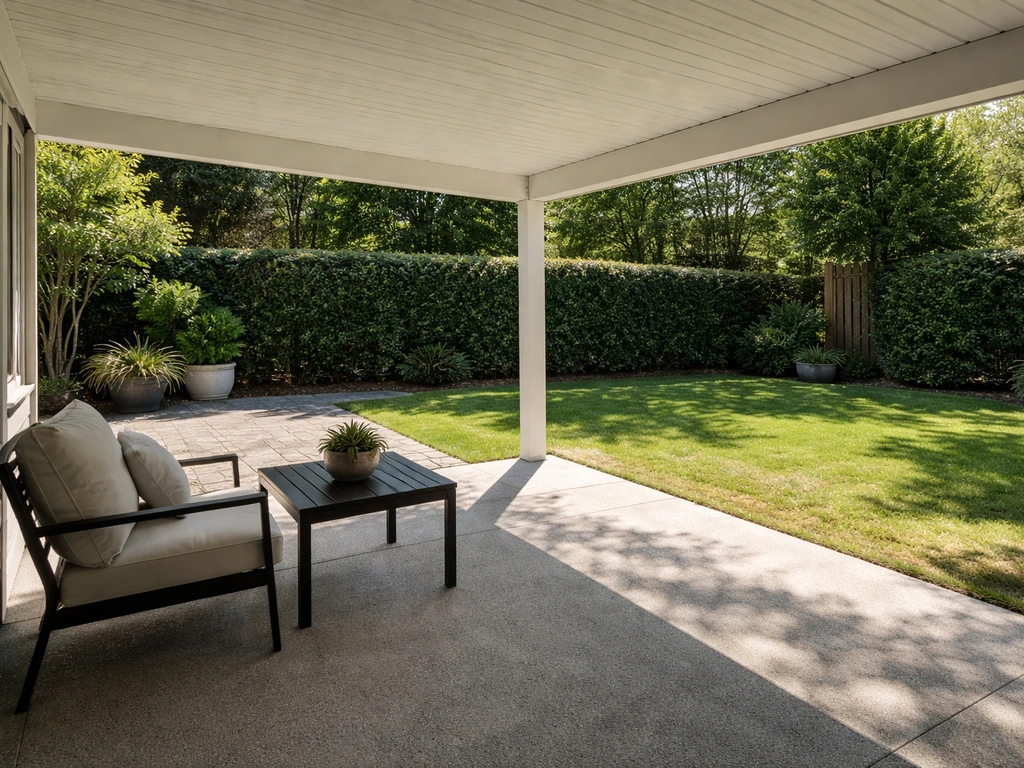
Choose the best patio covering by climate, coverage, materials, costs, installation tips, and add-ons for comfort.
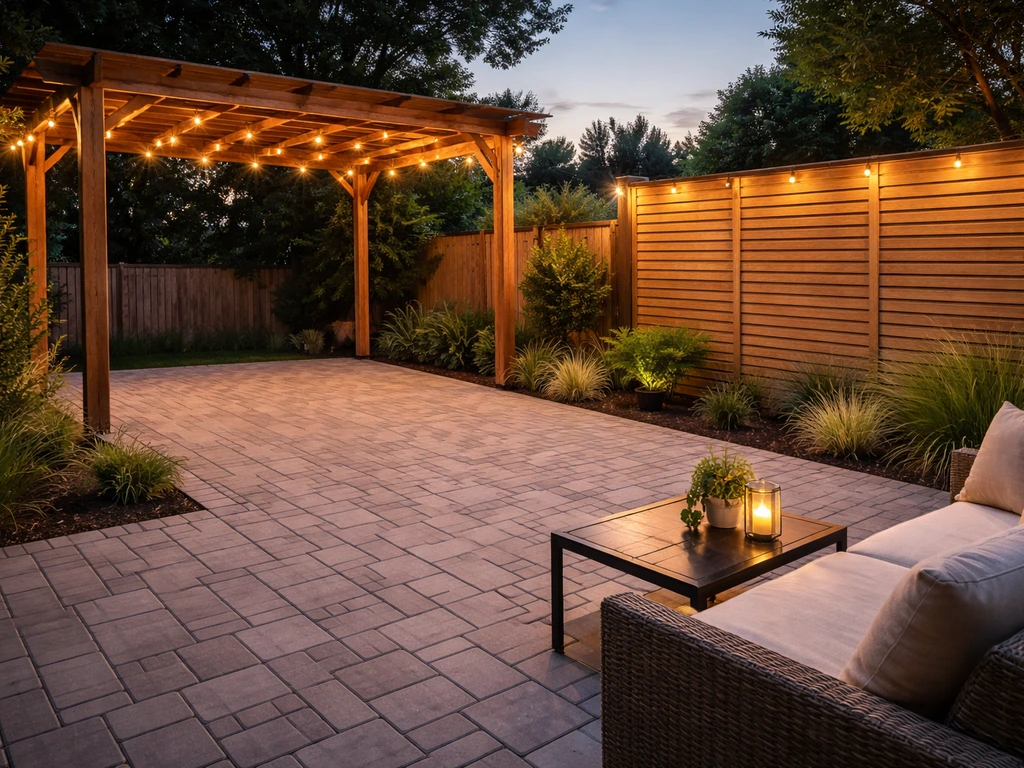
DIY outdoor patio ideas for planning, building, upgrading, and maintaining floors, shade, privacy, lighting, and decor.
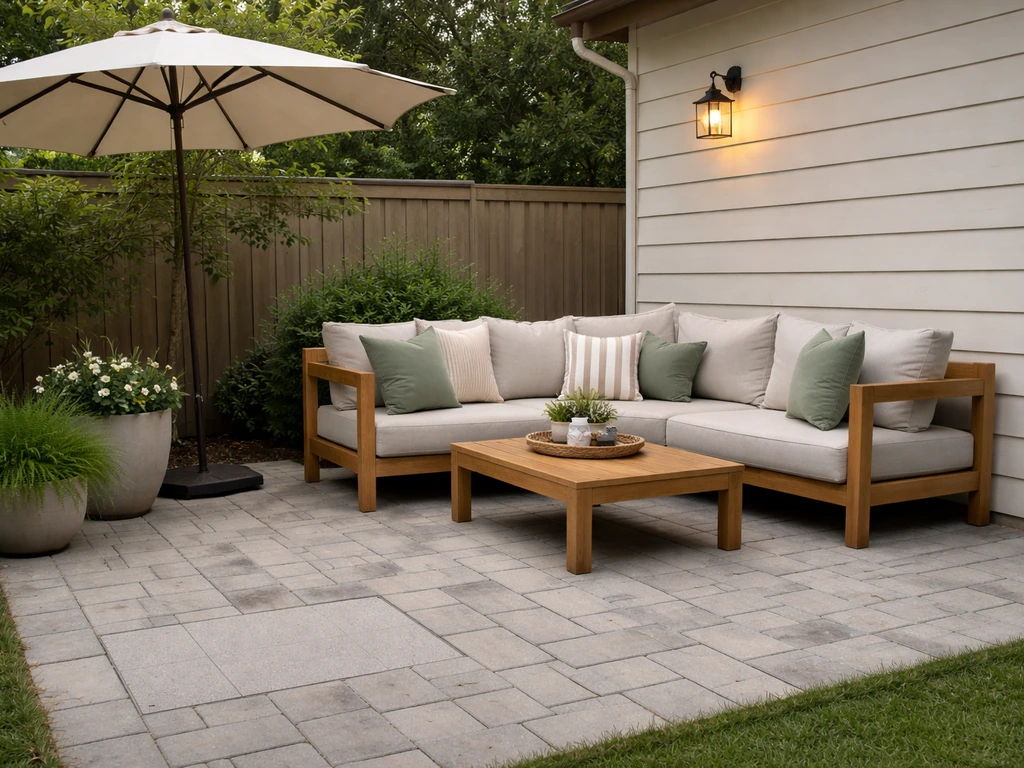
Quick fix patio ideas for fast comfort and style: cleanups, repairs, shade, flooring tweaks, and safe upgrades on any bu