
For most homeowners, aluminum is the best all-around material for a patio cover. It holds up in nearly every climate, needs almost no maintenance, and lasts 30 to 50 years without rotting, rusting, or warping. That said, wood wins on appearance for certain styles, vinyl is a solid budget pick in mild climates, and polycarbonate panels are the right call when you want shade with natural light filtering through. The best choice for you comes down to your local weather, your design goals, and how much time and money you want to spend over the long run.
Best Material for Patio Covers: Wood, Aluminum, Vinyl

Phoebe Foster
21 May 2026
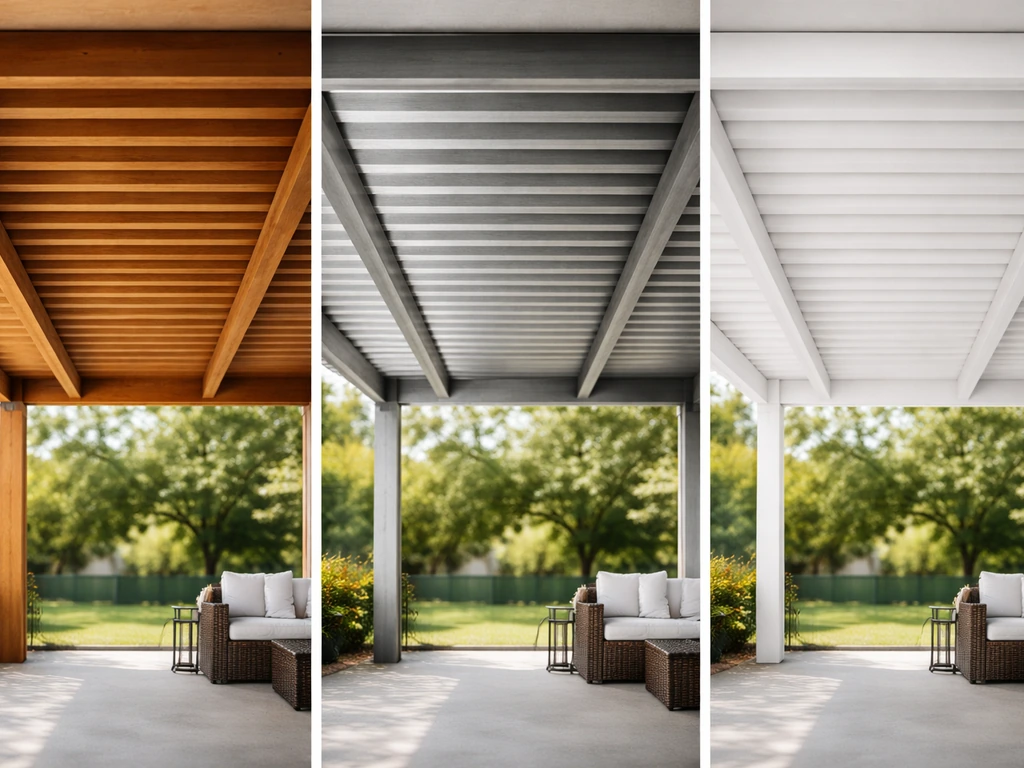
How to pick the best patio cover material for your conditions
Before you land on a material, get specific about where you live and how you actually use your patio. If you want the best patio cover ideas, start by matching the material to your local weather and your desired level of shade patio cover material. A homeowner in coastal Florida has completely different priorities than someone in Minnesota or Phoenix. The same material that thrives in one place can fail in another within a few years.
Start by honestly answering four questions. First, what's your dominant weather problem: intense UV and heat, heavy rain or snow loads, high winds, or salt air corrosion near the coast? If you frequently deal with gusty weather, prioritize a well-braced design and a material like aluminum that holds up under high winds best patio cover for windy areas. Second, do you want full shade or do you want natural light coming through? Third, how much upkeep are you actually willing to do year after year? Fourth, what's your realistic budget, both upfront and over a 10 to 20 year horizon?
- Hot, sunny climates (Southwest, Texas, Southeast): aluminum with insulated panels or solid polycarbonate rated for UV blocking. Heat buildup under solid covers matters here, so ventilation design is important.
- Rainy or snowy climates (Pacific Northwest, Midwest, Northeast): you need a material and structure that handles sustained moisture and snow load. Aluminum and steel both handle this well. Wood needs serious sealing and annual attention.
- Coastal areas: salt air eats uncoated metals fast. Marine-grade aluminum (anodized or powder-coated) or vinyl are your safest picks. Untreated steel is a bad idea within a few miles of the ocean.
- High-wind regions: rigid materials like aluminum, steel, and solid polycarbonate panels beat fabric-based or lightweight vinyl systems. Structural attachment to your home matters as much as the material itself.
- Mild, low-humidity climates: this is where vinyl and wood both perform well with minimal maintenance, and you have more flexibility on material choice.
If you're still unsure after this, lean toward aluminum. It's the material that holds up across the widest range of conditions and the one most contractors can work with comfortably. You can dial in the details from there.
Material comparison: wood vs aluminum vs vinyl vs steel vs polycarbonate
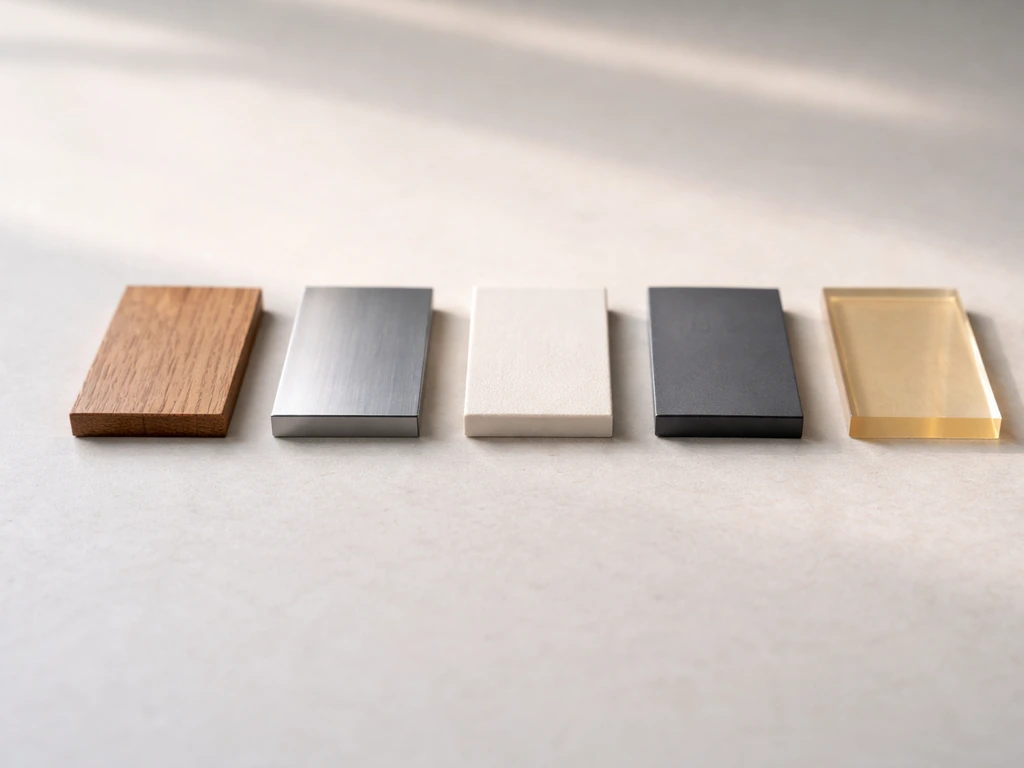
Here's a straight side-by-side look at how the five main patio cover materials stack up across the factors that actually matter. No material wins on every column, which is why context matters so much.
| Material | Lifespan | Maintenance | Upfront Cost | Weather Resistance | Best For |
|---|---|---|---|---|---|
| Wood | 15–25 years (pressure-treated) | High: staining, sealing, rot checks | Medium | Poor without regular upkeep; vulnerable to moisture and insects | Traditional/craftsman aesthetics, mild dry climates |
| Aluminum | 30–50+ years | Very low: occasional cleaning | Medium–High | Excellent in most climates; resists rust, rot, and UV | Most homeowners; widest range of climates and styles |
| Vinyl | 20–30 years | Low: soap and water | Low–Medium | Good in mild climates; can warp or fade in extreme heat | Budget builds, mild climates, low-maintenance priority |
| Steel | 20–40 years (with coating) | Medium: watch for rust if coating chips | Medium–High | Very strong structurally; needs quality coating for corrosion resistance | Heavy snow loads, large spans, commercial-grade builds |
| Polycarbonate panels | 10–20 years | Low: rinse periodically | Low–Medium | Good UV resistance with coating; not ideal for heavy snow without support | Letting in diffused light, pergola-style covers, mild climates |
Wood: beautiful but demanding
Wood is the material people often dream about when they picture a covered patio. Cedar, redwood, and pressure-treated pine all look genuinely great and work well structurally. The problem is wood asks a lot from you in return. Without consistent sealing and staining every two to three years, you're looking at rot, mold, and insect damage. Pressure-treated lumber typically lasts 15 to 20 years when properly maintained, but that lifespan can drop fast in humid or rainy climates if you skip maintenance cycles. If you love the look but dread the upkeep, engineered wood composites or wood-look aluminum panels can give you most of the visual appeal without the baggage.
Aluminum: the practical workhorse
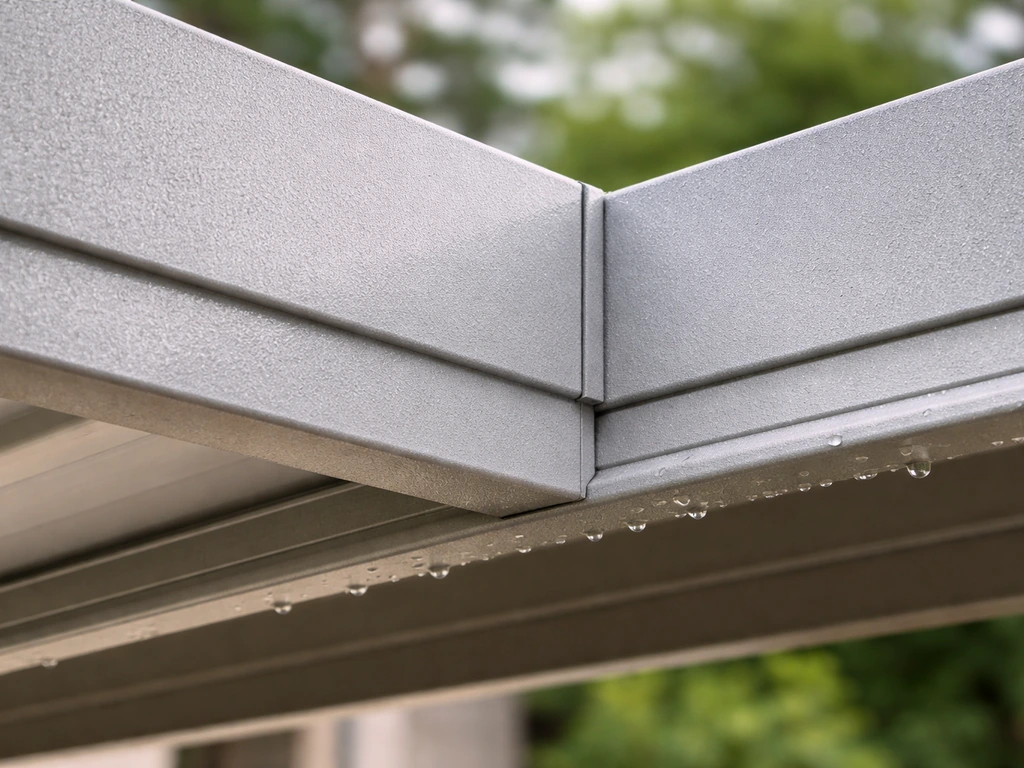
Aluminum is what contractors install most often for covered patios, and there's a good reason for that. It doesn't rot, doesn't rust under normal conditions, and a quality powder-coat finish holds color for decades. Insulated aluminum panels (two aluminum skins with a foam core) are the upgrade worth considering in hot climates because they dramatically cut heat transfer into the space below. Solid aluminum patio cover systems are also available prefabricated, which keeps installation costs more predictable. For most homeowners comparing materials, aluminum lands in the sweet spot between performance, longevity, and realistic cost.
Vinyl: the low-cost option with limits
Vinyl patio covers cost less upfront and genuinely need almost no maintenance beyond rinsing with a hose. In mild climates with moderate sun and little temperature swing, vinyl holds up well for 20 to 30 years. The issue shows up in extreme heat (prolonged exposure can cause warping or fading) and in heavy snow loads (vinyl lacks the structural rigidity of metal). If your budget is tight and you're in a temperate climate, vinyl is a completely reasonable choice. Just be realistic that it may not be the last patio cover you ever buy.
Steel: when you need serious strength
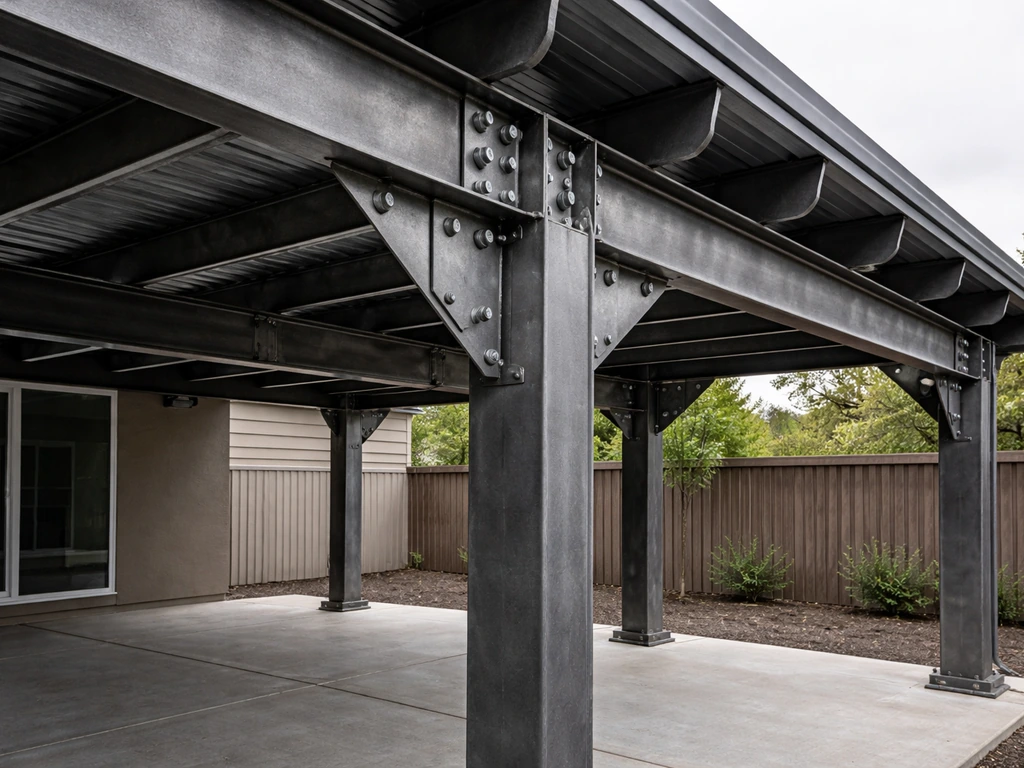
Steel makes sense for large spans, heavy snow country, or commercial-grade builds where structural load is the priority. It's heavier than aluminum and more expensive to ship and install, but it's genuinely stronger. The catch is coating integrity. Once steel's paint or galvanized coating chips, rust starts. Budget for touch-ups and inspections, especially in high-humidity or coastal zones. For a standard residential patio cover, steel is often overkill, but if you're covering a large area or live somewhere that gets serious snow, it's worth the conversation with your contractor.
Polycarbonate panels: light and shade together
Polycarbonate is the right pick when you want protection from rain without losing the open, airy feel of your patio. Multiwall polycarbonate diffuses sunlight instead of blocking it completely, which feels great in spring and fall but can still let significant heat through in summer without a UV-blocking coating. Lifespan sits around 10 to 20 years depending on UV protection quality, and some premium products like Lexan Thermoclear multiwall sheet now carry 20-year limited warranties covering weathering and breakage. Look for panels with a 10-year warranty against yellowing or light transmission loss at minimum. Polycarbonate isn't the top pick for heavy snow loads unless your frame is engineered to handle it.
Durability and weather performance
Every material has a weak spot. Knowing where each one struggles helps you avoid an expensive mistake.
- Rain and moisture: aluminum, vinyl, and steel (coated) handle sustained rain well. Wood requires sealing or it will absorb water, swell, and eventually rot. Polycarbonate sheds rain fine but check that panel laps are properly sealed or you'll get drips.
- Snow load: steel and aluminum are the best choices for heavy snow regions. Polycarbonate panels need a well-engineered frame to avoid collapse. Wood can handle snow but only if the structure is sound and free of rot. Vinyl is the weakest under heavy snow load.
- Wind: rigid materials (aluminum, steel, solid polycarbonate) all outperform flexible or lightweight systems in sustained wind. Attachment to the home's structure matters more than the panel material itself in extreme wind events.
- UV and heat: UV degrades polycarbonate panels without protective coatings and fades vinyl over time. Aluminum with powder coat holds up well. Insulated aluminum panels are the best defense against radiant heat buildup under the cover.
- Coastal corrosion: standard steel is a poor choice near salt water. Anodized or marine-grade powder-coated aluminum is purpose-built for coastal use. Quality vinyl also holds up well at the coast. Wood near salt air needs extra-aggressive sealing schedules.
Maintenance, longevity, and total cost
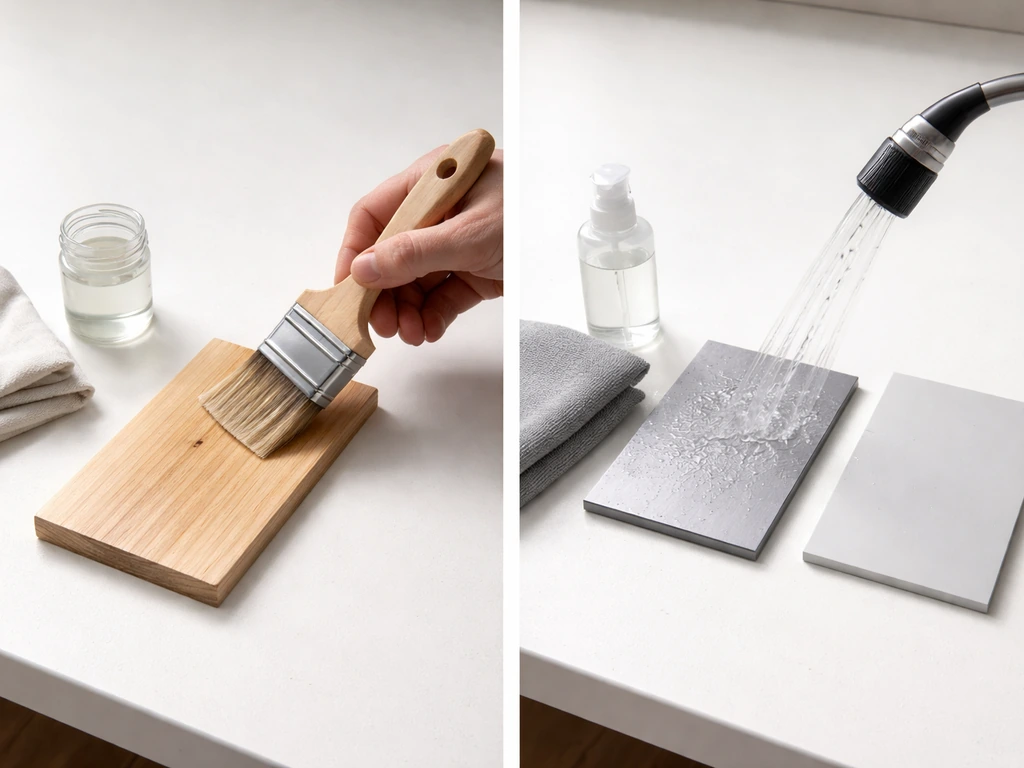
Upfront price is only part of the story. A cheap vinyl cover that needs replacing in 15 years may cost more than a pricier aluminum system that lasts 40. Here's how to think about total cost of ownership.
Wood is the highest-maintenance option by a wide margin. Plan on resealing or restaining every two to three years, which runs $200 to $600 or more depending on size if you hire it out. Over a 20-year period that adds up fast, and if you miss a cycle you risk rot remediation costs on top of that. Pressure-treated wood installs for roughly $15 to $30 per square foot depending on your market and design, which is competitive, but the ongoing cost eats into that advantage.
Aluminum typically runs $20 to $40 per square foot installed for standard solid systems, more for insulated panels. The tradeoff is almost zero ongoing maintenance beyond an annual rinse. Over a 30 to 40 year lifespan that's genuinely hard to beat on a cost-per-year basis. Vinyl comes in lower at $15 to $30 per square foot installed in most markets, with similarly low maintenance, but the shorter lifespan in extreme climates narrows the long-term value advantage.
Steel costs more to fabricate and install than aluminum and adds ongoing coating inspection. Polycarbonate panels themselves are relatively affordable ($3 to $10 per square foot for the material), but you still need a structural frame, and you're likely looking at panel replacement in 15 to 20 years. For a DIY-inclined homeowner, polycarbonate over a wood or aluminum pergola frame is one of the most cost-effective ways to get a functional covered patio.
Comfort and usability: shade, light, heat, and airflow
A patio cover isn't just about keeping rain off your head. How comfortable the space actually feels on a hot afternoon depends heavily on the material and design choices you make.
Solid opaque covers (aluminum, wood, steel) provide full shade, which is what you want in genuinely hot climates. The downside is they can feel tunnel-like and dark on overcast days. Insulated aluminum panels help by reducing the radiant heat that radiates back down from a sun-baked roof, which makes a meaningful difference in places like Arizona or Texas. If you go with a solid cover and you're in a hot climate, insulated panels are worth the extra cost.
Polycarbonate panels give you a middle ground: protection from rain and some UV filtering while letting diffused natural light through. This feels noticeably more open and pleasant in spring or fall, but in direct summer sun the greenhouse effect can make the space warmer underneath if ventilation isn't designed in. Clear or lightly tinted panels let through more light but also more heat. Bronze or opaque tinted panels strike a better balance in hot regions.
Airflow is often an afterthought that people regret skipping. A fully enclosed solid cover with no venting traps heat. A lattice or open-beam design (even with polycarbonate panel strips) allows cross-ventilation and dramatically improves comfort. If you're debating between cover styles that involve different opening patterns, think about airflow as seriously as shade coverage.
Style and appearance: matching your home and design goals
Material choice directly affects how the finished patio cover looks, and it has to make sense with your house. A sleek modern aluminum pergola can look fantastic on a contemporary home and completely wrong on a craftsman bungalow. Getting this right matters both for daily enjoyment and for resale value.
Wood offers the warmest, most traditional look and pairs well with craftsman, farmhouse, cottage, and traditional architectural styles. Cedar and redwood have a natural richness that painted aluminum just doesn't replicate. If appearance is genuinely your top priority and you're in a climate where wood performs well, it's worth the maintenance trade-off for some homeowners.
Aluminum has come a long way in appearance. Powder-coated finishes now come in dozens of colors including wood-grain textures that read as wood from a few feet away. This is a real option if you love the visual of a wood cover but live somewhere humid or rainy. Steel has a similar industrial look that suits modern and farmhouse aesthetics well.
Vinyl reads as utilitarian to most eyes. It's fine, but it's not the material people rave about aesthetically. If design matters to you, vinyl is the compromise you make for budget and ease of care, not for visual impact. Polycarbonate can look bright and airy in the right pergola application but can look cheap if the installation is sloppy or the panels yellow over time. Quality panels with clean framing make a big difference.
Whatever material you choose, the cover style (flat, gabled, hip roof, lattice, pergola) has as much visual impact as the material itself. These decisions work together, and if you're early in the planning process, it's worth exploring different cover styles alongside the material question.
Installation considerations: permits, structure, drainage, and contractor questions
Even a perfect material choice goes sideways with poor installation. These are the things to verify before you sign a contract or start a DIY build.
Permits and code requirements
Most attached patio covers require a building permit in the US, and many detached covers over a certain square footage do too. Requirements vary by city and county. Skipping a permit creates problems when you sell your home or file an insurance claim. Before you start, call your local building department or check online for your jurisdiction's requirements. A reputable contractor will pull the permit for you and factor it into the quote. Be cautious of contractors who suggest skipping the permit process to save money.
Structural attachment and load
An attached patio cover anchors to your home's ledger board or fascia. That connection point needs to be solid: attached to framing, not just siding. Improper ledger attachment is one of the most common and dangerous patio cover failures. For detached covers, post footings need to be dug below your local frost line. If you're in a snow region, the structure needs to be engineered for snow load, not just guessed at.
Drainage and slope
Every solid cover needs a minimum slope for water to run off, typically at least a quarter inch of drop per foot of run. If winter snow or ice is a concern where you live, review the best patio covers for winter to compare how different materials handle snow load and drainage. Flat-looking covers are never truly flat. If drainage isn't designed correctly, water pools on the cover, adds weight, and eventually finds its way through seams. For gabled or sloped designs, plan where the water goes when it comes off the roof, ideally into gutters that direct it away from your foundation.
Measurements and details to confirm before buying
- Exact dimensions of the area to cover (length, width, and clearance height)
- Slope direction and drainage path
- Attachment method: ledger board location and material, or free-standing post footings
- Local snow load or wind load requirements if in a high-risk zone
- HOA rules if applicable: some associations restrict materials, colors, or cover heights
- Utility lines overhead or underground near post footing locations
Questions to ask a contractor before you hire
- Are you licensed and insured in this state, and will you pull the permit?
- What's the specific product and gauge/thickness of the material you're installing?
- How is the ledger attached, and how do you handle waterproofing at the house connection?
- What's the warranty on materials versus your labor warranty?
- Have you done covers in this material in this climate before, and can I see examples or references?
- What happens if there's a problem with the installation after the job is done?
Common mistakes to avoid
- Choosing a material based only on upfront cost without factoring in maintenance over 10 to 20 years
- Skipping the permit and structural review to save time or money
- Using standard steel near the coast without a marine-grade coating
- Selecting polycarbonate panels without checking the UV protection rating and warranty
- Installing a solid cover without planning for ventilation, then wondering why the patio is uncomfortably hot
- Not getting multiple quotes: material and installation costs vary widely by contractor and region
The bottom line is that the best patio cover material is the one that matches your climate, fits your maintenance tolerance, and holds up over the long haul without surprising you with repair costs. For most people in most places, aluminum hits that target reliably. But if appearance is the priority, wood is hard to argue with when maintained properly. If budget is the constraint and your climate cooperates, vinyl or a polycarbonate-over-pergola setup gives you real value. Get the measurements right, pull the permit, and ask the right questions of your contractor, and whichever material you choose has a good shot at being the last patio cover you ever need to think about.
FAQ
What’s the best material for a patio cover in coastal areas with salt air?
Aluminum is usually the safest default because it resists corrosion and does not rot. If you choose aluminum, ask specifically for powder-coat finish quality and insulated fasteners, since hardware can be the first failure point in salt-heavy environments. Steel can work too, but you should budget for coating inspections and quicker touch-ups.
If I want low maintenance, should I avoid wood entirely?
You can minimize maintenance with engineered wood composites or wood-look aluminum panels, which avoid repeated sealing cycles. If you choose real wood, build a maintenance calendar into your decision (sealing or staining every 2 to 3 years), and treat damaged spots promptly to prevent rot from spreading.
Is vinyl always a bad choice in hot climates?
Not always. Vinyl can perform well in mild climates, but in places with prolonged high heat it can warp or fade. If you want vinyl anyway, look for UV-stabilized products and make sure the design includes adequate bracing and temperature-friendly installation methods (manufacturer-specific spacing and fastener guidance).
What material is best when I need full shade but also want the patio to stay comfortable?
For full shade, opaque aluminum or insulated aluminum panels are typically the best comfort combination. Insulation reduces heat radiating back into the space, but you also need airflow planning (for example, open sides, lattice sections, or vents) so the cover does not trap heat.
How do I choose between polycarbonate panels and a solid roof if it gets hot in summer?
Polycarbonate is better for rain protection with natural light, but it can trap heat if panels are clear and the patio lacks cross-ventilation. If summer comfort is critical, choose bronze or opaque-tinted options and design for airflow, or consider insulated aluminum if you want consistently cooler conditions.
What’s the most common installation mistake that ruins a patio cover regardless of material?
Poor structural attachment and drainage planning. For attached covers, the ledger must connect to framing, not just siding. For any roof style, confirm slope and runoff direction (gutters or designed discharge), because pooled water increases load and eventually leads to leaks through seams.
Do patio covers need to be angled or sloped, even if they look flat?
Yes. Flat-looking roofs typically still require pitch so water does not collect. Ask your contractor to specify the slope in inches per foot and show where runoff will go, especially if you are in freeze-thaw or heavy rain conditions.
How does snow load change the material decision?
Snow load often pushes you toward aluminum or steel with an engineered frame, because you need predictable structural rigidity. Polycarbonate can be acceptable in some setups, but only if the frame is designed for that load and the panels are rated for snow conditions with correct spacing and anchoring.
What warranty terms should I look for with polycarbonate panels?
Look for a warranty that covers long-term yellowing and loss of light transmission, not just breakage. Also check the timeline for UV performance and what qualifies as “weathering,” since weak warranties often protect against cracks while not preventing haze that reduces daylight quality.
How do I estimate total cost over time, not just the installed price?
Track expected service cycles, not only material and labor. Wood usually has recurring sealing or staining costs, aluminum has minimal upkeep, and vinyl or polycarbonate may require earlier replacement in harsher climates. Ask for a realistic lifespan estimate for your specific weather conditions and include maintenance costs in your comparison.
Are prefabricated aluminum patio covers a good idea?
Often yes, especially if you want predictable installation time and fewer custom fabrication variables. Prefabricated systems can still vary in quality, so confirm panel thickness, bracket design, and how the system handles expansion and drainage at edges and seams.
What should I ask a contractor before choosing a patio cover material?
Ask how the design addresses your top climate risk (wind bracing, snow engineering, salt corrosion, or UV), how permits will be handled, and what attachment method will be used at the ledger or posts. Also ask for a written plan for slope and runoff, and confirm the materials include maintenance-relevant details like coating type or UV ratings.
Next Articles
Best Cover for Patio: Compare Types, Costs, and How to Choose
Compare patio cover types, costs, sizing, and climate fit to choose the best option for shade, rain, and longevity.
Best Patio Covering Guide: Choose the Right Option for Your Space
Choose the best patio covering by climate, coverage, materials, costs, installation tips, and add-ons for comfort.
Do It Yourself Outdoor Patio Ideas: Build, Upgrade, Maintain
DIY outdoor patio ideas for planning, building, upgrading, and maintaining floors, shade, privacy, lighting, and decor.