
For most homeowners, a solid aluminum patio cover with an insulated panel system is the best all-around roof for a patio. It handles rain, blocks UV, resists rust, needs almost zero maintenance, and lasts 20 to 30 years. But "best" genuinely depends on what you need: full weather protection or just shade, your local climate, your budget, and whether you want it to blend with your house or stand on its own. This guide walks you through every realistic option, side by side, so you can pick the right roof and material for your specific situation, not just the most popular one.
Best Roof for Patio: Materials, Costs, and Choosing Guide

Phoebe Foster
19 Jun 2026
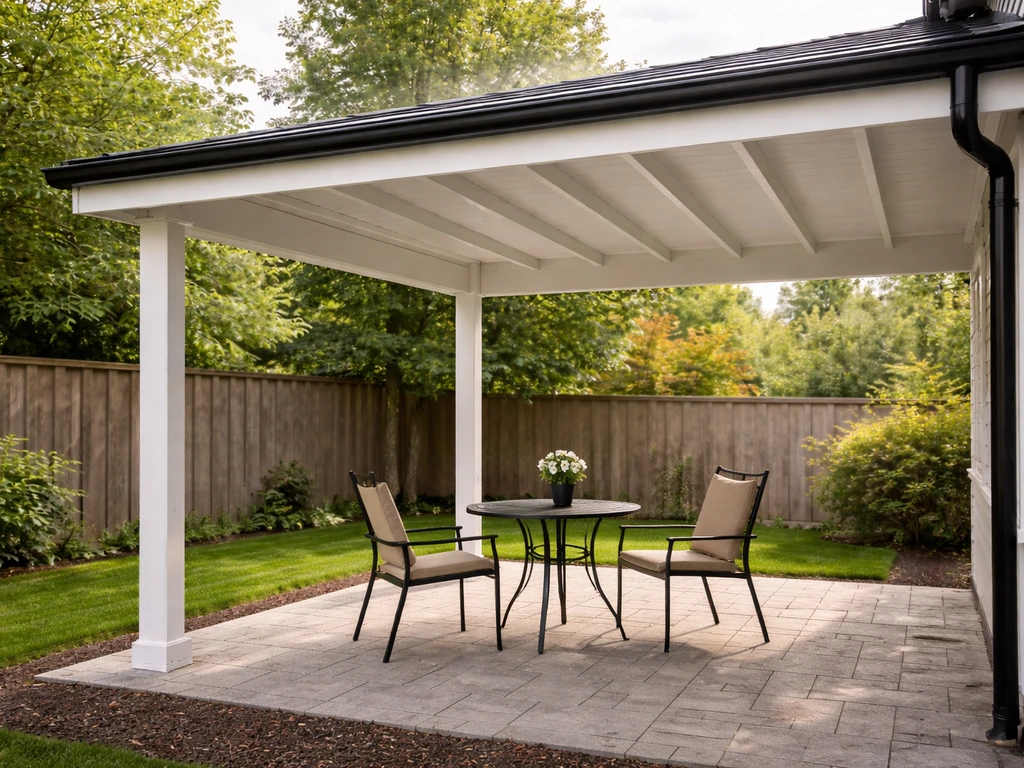
Start with your actual goal: shade, rain, or both
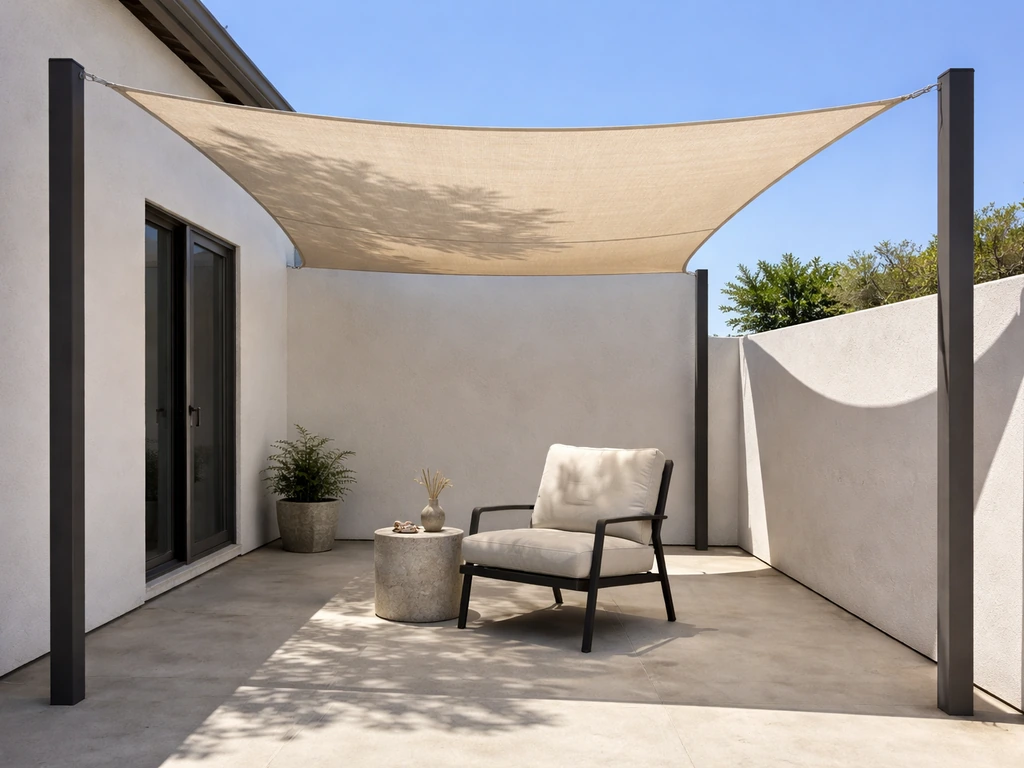
Before you compare materials, get honest about what you need this roof to do. These three goals lead to very different decisions.
- Shade only: A pergola-style cover with a fabric canopy, shade cloth, or open lattice does the job at the lowest cost. You get airflow, filtered light, and a nice look. You do not get rain protection.
- Full rain protection: You need a solid, watertight roof with adequate pitch and gutters. Aluminum panels, metal standing seam, shingles, and vinyl all qualify. Polycarbonate lets light through and still blocks rain when installed correctly.
- Both shade and light: Twin-wall or multiwall polycarbonate is the go-to. You get diffused natural light, serious rain protection, and decent heat reduction depending on thickness and tint.
- Aesthetics first: If it has to match your house roofline, asphalt shingles or a standing-seam metal roof on a proper framed structure looks the most architectural. Fabric and aluminum can look tacked-on if not designed carefully.
A pergola with a shade sail is a completely different product than an insulated aluminum patio cover, even though both get called a "patio roof." Locking in your primary goal before shopping saves you from buying the wrong system entirely.
Roofing materials compared: what actually works out there
Here is a straight comparison of every common patio roof material. The goal is to give you the numbers and trade-offs that actually matter when you are standing in a showroom or talking to a contractor.
| Material | Best For | Lifespan | Rain Protection | UV/Heat Block | Maintenance | Approx. Installed Cost/sq ft |
|---|---|---|---|---|---|---|
| Aluminum (insulated panel) | All-around protection, low maintenance | 20–30+ years | Excellent | Excellent | Very low | $25–$45 |
| Standing seam metal | Architectural look, durability, snow regions | 40–70 years | Excellent | Good (with cool-roof coating) | Low | $35–$60 |
| Asphalt shingles (framed) | Matching house roof, curb appeal | 20–30 years | Excellent | Moderate | Low-moderate | $20–$40 |
| Polycarbonate panels | Light + rain combo, greenhouse feel | 10–20 years | Good (when sealed properly) | Moderate (tinted/coated) | Low-moderate | $15–$30 |
| Vinyl (solid patio cover) | Budget all-weather, DIY-friendly | 15–25 years | Good | Moderate | Low | $15–$30 |
| Wood (timber frame/lattice) | Aesthetics, pergola style, customizable | 15–25 years (with upkeep) | Poor without added cover | Low (open) | High | $20–$50 |
| Fabric/shade cloth | Shade only, seasonal, low cost | 3–10 years | None to minimal | Moderate (UV-rated cloth) | Moderate | $5–$20 |
Aluminum insulated panels
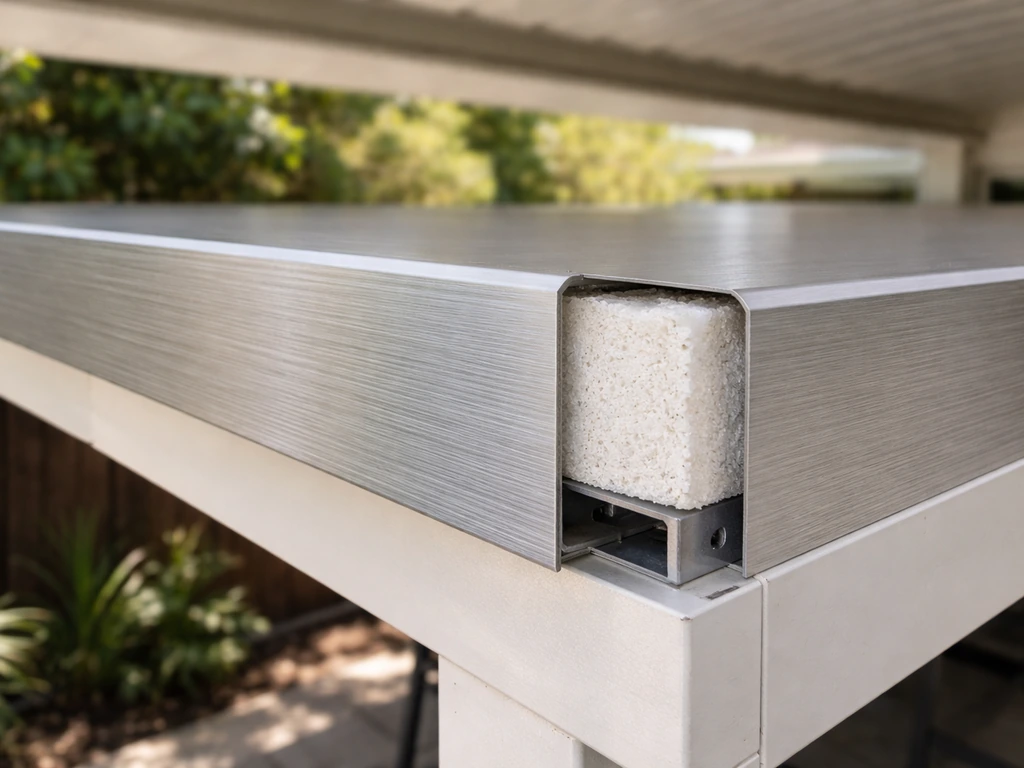
This is the workhorse of residential patio covers. An insulated aluminum panel system (two aluminum skins sandwiching a foam core) blocks heat, handles rain, installs in a weekend for a confident DIYer, and comes in dozens of colors. It is not the most beautiful option up close, but it is incredibly practical. Brands like Duralum build integrated guttering right into the beam system so water routes cleanly off the edge. The main weaknesses are that it can drum during heavy rain if the foam core is thin, and cheap non-insulated versions dent and conduct heat poorly.
Standing seam metal
If you want something that looks like it was always part of the house and will outlast everything else, standing seam metal is hard to beat. Steel or aluminum panels with raised seams shed water perfectly, handle wind and snow loads extremely well, and with a cool-roof coating, they reflect heat instead of absorbing it. The cost is higher and installation is not a DIY project for most people, but the 40 to 70-year lifespan makes the math work on larger, permanent structures.
Asphalt shingles on a framed structure
When you want the patio roof to look like a true extension of your home, a framed roof with asphalt shingles is the standard approach. You get full waterproofing, excellent curb appeal, and a 20 to 30-year lifespan from quality shingles. PABCO’s Business Wire announcement describes a 20-year non-prorated limited warranty for certain top asphalt shingle lines, including coverage tied to replacement-material cost during the non-prorated period [a 20 to 30-year lifespan from quality shingles](https://www. businesswire.
com/news/home/20230712338400/en/20-Year-Non-Prorated-Coverage-Announced-on-Top-Lines-of-PABCO-Roofing-Products). [GAF and PABCO both offer strong warranty coverage](https://www. gaf. com/en-us/document-library/documents/warranties/gaf-shingle-and-accessory-limited-warranty-reswt160l.
pdf) (PABCO has a 20-year non-prorated option on premium lines). The trade-off is cost: you are building a real roof structure, which means rafters, sheathing, underlayment, and shingles on top. This is rarely a DIY job unless you have framing and roofing experience.
Polycarbonate panels
Polycarbonate gets a lot of love because it lets natural light through while blocking rain. Twin-wall and multi-wall panels with a UV-protective coating on one side are far better than single corrugated sheets. CoverLite and similar brands back their panels with a 10-year prorated warranty against yellowing and 5 years against hail breakage. The real-world problem with polycarbonate is seam leaks. A Reddit thread I have seen more than once shows leaking at panel overlaps because the installer did not seal them correctly. If you go this route, use butyl-rubber sealing strips at corrugation laps and silicone at panel ends, and follow the overlap minimums from the manufacturer. Done right, it works great. Done sloppily, it drips constantly.
Vinyl solid covers
Vinyl patio covers are a budget-friendly alternative to aluminum. They are lightweight, will not rust, and clean up with a hose. The downside is that vinyl can become brittle in extreme cold, sag in intense heat, and it simply does not have the rigidity or lifespan of aluminum or metal. For mild climates, it is a solid value. For Phoenix summers or Minnesota winters, look elsewhere.
Wood structures
A wood pergola or timber-frame cover is the most beautiful option but demands the most maintenance. Pressure-treated lumber resists rot and insects, but you still need to stain or seal it every two to three years. Open-lattice wood provides almost no rain protection on its own, so most people pair it with a fabric canopy or add polycarbonate panels to get actual coverage. If aesthetics are your priority and you are committed to upkeep, wood is worth it. If you want something you can ignore for a decade, it is not.
Fabric and shade cloth
Fabric canopies and shade sails are the entry-level option. They block UV and sun effectively (look for 90%+ UV block ratings on shade cloth), install without permits in most areas, and cost a fraction of a solid roof. The drawbacks are obvious: they do not stop rain, they wear out in three to ten years depending on quality, and they look temporary because they are. Great for a rental, a rental property, or a starter solution while you plan something permanent.
Design and build details that determine whether it actually works
The material choice matters, but so does how the structure is designed and built. These are the details that separate a patio cover that performs for 20 years from one that leaks, sags, or gets ripped off in a windstorm.
Structure sizing and spans
Under the 2018 International Building Code (IBC) Appendix I, patio covers must be designed for a minimum vertical live load of 10 pounds per square foot (psf), plus dead loads. Snow loads govern wherever they exceed that minimum, which is most of the northern U.S. Your beam and post sizing depends on the span between supports. A 12-foot span with a lightweight aluminum panel is very different from a 16-foot span under heavy snow. Do not guess on this: use span tables or have a structural engineer confirm sizing for anything beyond a standard kit.
Roof pitch and drainage
A patio cover needs enough slope to shed water before it finds a seam or joint to sneak through. For solid roofs (aluminum panels, metal, shingles), a minimum 1:12 pitch is typical, though steeper is better. Polycarbonate panels need at least a 2:12 pitch to drain properly and prevent pooling at seams. Flat or near-flat designs require either a purpose-built system with internal drainage or frequent cleaning to keep drains clear.
Wall flashing: the most overlooked detail
Where the patio roof meets your house wall is the most likely spot for water intrusion. Proper flashing means tucking at least 1 inch of metal flashing behind the existing siding and at least 1 inch under the roofing material. American Structures' own installation instructions are explicit about this, and DuPont's transition flashing guides emphasize proper adherence and sealant at every transition point. If a contractor glosses over flashing details when you ask, that is a red flag.
Wind and snow loads
ASCE 7-22 is the standard U.S. reference for design loads, including wind and snow, and it is incorporated by reference into the IBC and IRC. Wind loads vary dramatically by location: coastal areas, tornado corridors, and high-altitude sites all have much higher design requirements than a sheltered suburban backyard in the Midwest. Know your local wind speed zone before buying a kit cover or having one built. A cover rated for 90 mph winds is not appropriate for coastal Florida where design speeds can exceed 150 mph.
Footings and attachment
Attached patio covers typically transfer load to the house ledger and to posts set in footings. Footing depth depends on your frost line: in frost-free climates, the IBC allows patio covers on a concrete slab on grade under certain conditions, but in cold climates, posts need to go below frost depth to prevent heaving. Freestanding structures need engineered footings even more than attached ones because they have no house wall to share the lateral load.
Matching your patio roof to your climate
This is where a lot of generic advice falls apart. What works great in San Diego can be a terrible choice in Houston, and vice versa. Here is a region-by-region breakdown.
Hot sun and UV-heavy climates (Southwest, Texas, Florida inland)
Heat and UV are your enemies here. Insulated aluminum panels with a light-colored or reflective finish are the top pick because the foam core significantly reduces heat transfer to the space below. Standing seam metal with a cool-roof coating (high Solar Reflectance Index rating) is the premium option. Avoid dark-colored vinyl or uncoated polycarbonate, both of which absorb heat and degrade faster in intense UV. If you want light transmission, go with bronze or opal-tinted twin-wall polycarbonate rated for UV protection on the exposed face.
Rainy and humid climates (Pacific Northwest, Gulf Coast, Southeast)
You need a fully waterproof, properly pitched roof with good drainage. Aluminum panels and metal roofing excel here. Wood deteriorates fast in high humidity unless you are very disciplined about maintenance. Polycarbonate works if every seam is sealed correctly at installation, but in a constantly wet climate, any seam failure becomes a drip problem quickly. Make sure your design includes gutters and downspouts that route water away from the foundation.
Snow and cold-weather regions (Midwest, Mountain West, Northeast)
Snow load governs everything here. You need a structure sized for your local ground snow load per ASCE 7-22, not just the 10 psf IBC minimum. Steeper pitches (4:12 or more) shed snow before it accumulates. If you are asking for the best material for a north-facing patio, snow shedding and heat loss matter, so prioritize insulated or properly pitched metal roofing. Metal roofing (both standing seam and aluminum panel) handles freeze-thaw cycles well. Vinyl and standard polycarbonate become brittle in sustained extreme cold. Footings must go below frost depth. Avoid flat or low-pitch designs.
Coastal and high-wind areas
Salt air accelerates corrosion on anything ferrous and on lower-grade aluminum alloys. Use marine-grade aluminum (6061 or anodized finishes) or standing seam steel with a Galvalume or painted coating rated for coastal exposure. All fasteners should be stainless steel or hot-dipped galvanized. Design to your local wind speed zone under ASCE 7-22 and make sure attachment to the house structure is robust, since lateral loads from strong wind are as important as vertical load capacity.
What it actually costs and where the value is
According to Angi data, patio cover installation runs an average of about $8,500 nationwide, with most homeowners spending somewhere between $4,500 and $12,000. The per-square-foot range is roughly $20 to $50 installed. A basic vinyl or aluminum cover kit on a small 10x12 patio sits at the low end. A framed shingle roof or standing seam metal cover on a 20x20 patio with a pergola element sits at the high end. Here is how the math generally breaks down.
| Option | Small Patio (120 sq ft) | Medium Patio (200 sq ft) | Large Patio (400 sq ft) |
|---|---|---|---|
| Fabric/shade sail (DIY) | $600–$2,400 | $1,000–$4,000 | $2,000–$8,000 |
| Vinyl patio cover (installed) | $1,800–$3,600 | $3,000–$6,000 | $6,000–$12,000 |
| Aluminum insulated panel (installed) | $3,000–$5,400 | $5,000–$9,000 | $10,000–$18,000 |
| Polycarbonate on framed structure (installed) | $1,800–$3,600 | $3,000–$6,000 | $6,000–$12,000 |
| Shingle roof framed structure (installed) | $2,400–$4,800 | $4,000–$8,000 | $8,000–$16,000 |
| Standing seam metal (installed) | $4,200–$7,200 | $7,000–$12,000 | $14,000–$24,000 |
The ROI question comes down to how the cover affects home value and how long you plan to stay. A well-designed, permanent patio cover (aluminum, metal, or shingle) generally returns 50 to 70 cents on the dollar at resale in most markets, especially in sun-belt states where outdoor living is heavily weighted by buyers. Fabric and temporary covers add essentially zero value. The real value of a permanent cover is in daily use: a usable outdoor space through spring, summer, and fall is worth a lot in quality of life.
DIY vs. hiring a contractor: an honest checklist
A lot of homeowners can DIY an aluminum or vinyl patio cover kit. Manufacturers like Duralum and American Structures design these for the capable homeowner, and the installation manuals are detailed. But there are real situations where you need a contractor, and skipping one to save money can create structural or legal problems.
You can probably DIY if:
- You are installing a kit-based aluminum or vinyl cover on an existing concrete patio slab
- The patio is 12x16 feet or smaller
- The structure attaches to the house with a ledger on a simple single-story wall
- Your jurisdiction has a straightforward over-the-counter permit process for patio covers
- You have basic carpentry skills and can follow detailed instructions
- Your local climate does not involve heavy snow loads or extreme wind zones
Hire a contractor if:
- You are building a framed structure with shingles or standing seam metal
- The span exceeds 16 feet or you are covering an unusually shaped space
- You are in a high wind zone, coastal area, or heavy snow region
- Your local code requires engineered drawings or structural calculations
- The cover attaches to a two-story wall or near a window or door
- You have no experience with framing, flashing, or roofing
Permits and code: what to expect
Most jurisdictions require a building permit for a permanent patio cover. Expect to submit a site plan showing distances from property lines, a framing plan, and sometimes load calculations for anything beyond a standard kit. The IBC Appendix I governs most patio cover projects in code-adopting jurisdictions. HOA approval is a separate process from city permits and is often more restrictive about materials and colors. Plan three to six weeks for permit approval in a typical suburban jurisdiction, and do not start digging footings or setting posts before you have written approval.
Questions to ask a contractor before signing
- Are you licensed and insured in this state, and will you pull the permit?
- What are the beam and post sizes, and how are they sized for my local snow and wind loads?
- How will the roof attach to my house, and what does the flashing detail look like at the wall?
- What pitch is the roof, and where does the water go?
- What is the warranty on materials and on your labor?
- Have you done this specific material (metal, aluminum panels, etc.) before, and can I see a recent local project?
Measurements to take before you shop or call anyone
- Width of the patio (parallel to the house wall) and depth (out from the house)
- Height of the eave or attachment point on your house wall
- Distance from the patio to any property line (affects setback requirements)
- Existing slope or drainage direction of the patio slab
- Location of any windows, doors, hose bibs, or electrical outlets on the attachment wall
Extras that make a real difference in how the space feels
The roof itself is just the shell. What you add to it determines whether the space is actually comfortable for eight months of the year or just two.
Insulation
An insulated aluminum panel already has foam built in, but if you are building a framed shingle roof, adding rigid foam insulation under the sheathing or between rafters makes a measurable difference in heat reduction on hot days. In cold climates, insulation keeps the space usable in shoulder seasons. The difference between a bare metal roof and an insulated panel on a 95-degree afternoon is significant enough to be worth the cost.
Ceiling fans and misting systems
A damp-rated outdoor ceiling fan mounted to the patio cover beam is one of the highest-value additions you can make. For many patios, the best material for an outdoor ceiling is an insulated aluminum panel system because it balances rain performance, heat reduction, and long-term durability best material for outdoor patio ceiling. It makes the space usable in temperatures 10 to 15 degrees warmer than it would otherwise be. Misting systems (low-pressure or high-pressure) add another 10 to 20 degrees of perceived cooling in dry heat climates like Arizona or Texas. In humid climates, misters add moisture you do not want, so skip them east of the Mississippi.
Lighting
Recessed lights or surface-mounted LED fixtures wired into your home's electrical panel extend usable hours into the evening. Plan the conduit run during construction, not after. If you are running electrical, add a weatherproof outlet or two while the contractor is there. The marginal cost during construction is small, and running conduit through a finished cover later is a headache.
Gutters and drainage
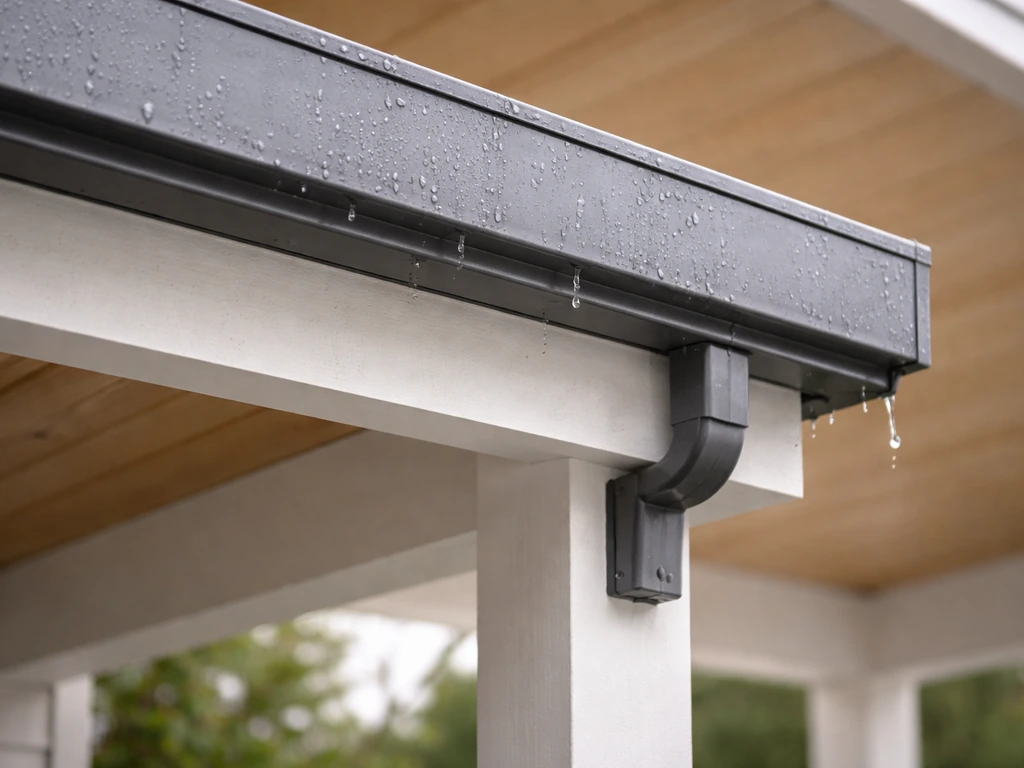
Any solid patio roof needs a way to manage water at the outer edge. Many aluminum panel systems have a built-in gutter channel along the front beam, which is the cleanest solution. For shingle or metal roofs, add a standard gutter with downspouts that route water at least four feet from your foundation. Without gutters, you get a waterfall effect at the edge and water pooling against your house or patio slab.
Privacy screens and side walls
Adding a lattice panel, shade screen, or polycarbonate privacy wall on the sides of your patio cover blocks wind, adds privacy from neighbors, and reduces the amount of afternoon sun that gets in from the side even when the roof is doing its job overhead. These can be added at construction or retrofitted later and are often an afterthought that homeowners wish they had included from the start.
If you want to go deeper on any specific angle, the topics of best patio roof material, best ceiling for outdoor patio, and best material for outdoor patio ceiling each get into more detail on specific surface choices and finish options worth exploring once you have your structural system locked in.
FAQ
What is the best roof for a patio if I only need shade, not full rain protection?
If you do not need to keep the area dry, a shade sail or UV-rated fabric canopy is usually the best fit (best balance of cost and comfort). For any area where people will linger during light drizzle, consider adding polycarbonate side panels or a pergola element, since most fabric systems do not stop rain and will still let water hit the patio from angles and wind-driven drizzle.
Can I install polycarbonate patio roofing with a very low slope (near-flat) to match my existing design?
Near-flat designs are the main place polycarbonate fails in practice because pooling increases stain, leakage risk at overlaps, and seam stress. If you must go low, use a purpose-built flat or low-slope system that includes internal drainage or engineered gaskets, and plan on more frequent inspections and cleaning to keep runoff paths clear.
How do I know whether my aluminum patio cover needs insulated panels versus a non-insulated kit?
Choose insulated panels if you want meaningful heat reduction, year-round comfort, or you live in a region with big summer swings or cold mornings. A non-insulated kit can feel noticeably hotter directly under the roof because it transmits heat, and it also tends to underperform in terms of “drumming” during heavier rain unless the foam core is designed thick enough.
What is the most common reason patio covers leak, even when the material is “good”?
Improper flashing and bad transitions to the house wall are the most common root cause. Other frequent issues include unsealed polycarbonate overlaps and incorrect gutter edge details that let water run behind trim. When interviewing installers, ask what sealant and flashing method they use at every house-wall junction and whether they follow a written installation checklist.
Do I need gutters and downspouts on every patio cover?
Not every system includes them by default, but most solid-roof designs perform best with gutters and downspouts. Without an edge collection system, water can spill off the beam and repeatedly wet the house, patio slab, or foundation area. For attachment points near landscaping or entry paths, adding downspouts that discharge well away from the structure helps prevent localized erosion and staining.
What pitch should I aim for if I want to avoid pooling and seam problems?
For solid roofs, a minimum 1:12 pitch is the common baseline, and steeper is better for faster runoff. For twin-wall or multi-wall polycarbonate, keep to the manufacturer’s minimum overlap and pitch guidance, commonly 2:12 for proper draining. If your design forces a low pitch, plan for internal drainage details and more active maintenance.
Are standing seam metal and aluminum panel roofs both good for snow and freeze-thaw conditions?
Yes, both can work well when installed correctly and sized for your ground snow load, but the best choice depends on your climate and budget. Metal options often handle freeze-thaw better than vinyl or standard polycarbonate, yet regardless of material, the structure must be designed for snow accumulation and the correct span between supports.
What wind rating should I look for when buying a patio cover kit?
Look for a rating tied to your local design wind speed zone, not just a marketing number. A kit rated for moderate winds may be inappropriate in coastal, tornado-prone, or high-altitude locations. Also confirm the connection details to the house and whether the kit specifies load path hardware, post embedment, and bracing that match your permit drawings.
Is a freestanding patio cover harder to do correctly than an attached one?
Usually yes. Attached covers can transfer loads to the house ledger, but freestanding structures rely entirely on post footings for both vertical and lateral stability. In cold climates, footing depth matters significantly due to frost, and you should expect more engineering attention and inspection scrutiny for freestanding designs.
Will an outdoor ceiling fan and lights be safe under a patio cover?
They can be, but you need damp-rated or wet-rated outdoor components, correct electrical box sealing, and proper conduit planning during installation. Plan the wiring route before closing the structure, and consider adding extra weatherproof outlets while the contractor can still access joists or beams easily.
How long will a patio cover last if I do minimal maintenance?
Insulated aluminum panel systems and properly coated standing seam metal are the best choices when you want long life with little upkeep. Wood typically needs repeated sealing or staining, and polycarbonate depends heavily on correct seam sealing at install. Vinyl can be low-effort in mild climates but may underperform with prolonged extreme temperatures.
When should I hire a structural engineer instead of relying on a kit?
Hire one when your patio is larger than a standard kit configuration, you have unusual attachment conditions, you are in a high-snow or high-wind area, or your span and spacing do not match the kit’s published limits. If you are close to the edge of what a kit is designed for, engineering review can prevent under-sizing of beams and posts.
Do HOA rules affect the “best roof for patio” choice?
They can. HOAs may restrict roof material, color, visibility from the street, and even gutter or beam profile styling. Before ordering a kit or scheduling construction, request the HOA’s material palette and approval timeline in writing, because design changes after fabrication can be expensive.
Will a patio cover actually add resale value?
It often can, but the increase depends on whether the cover is permanent, looks integrated, and improves usable outdoor living. Temporary solutions like fabric shade typically add comfort, not much resale value. If you are thinking resale, prioritize full coverage materials, good drainage, and finishes that match the main home’s style so it reads as an extension rather than an add-on.
Next Articles
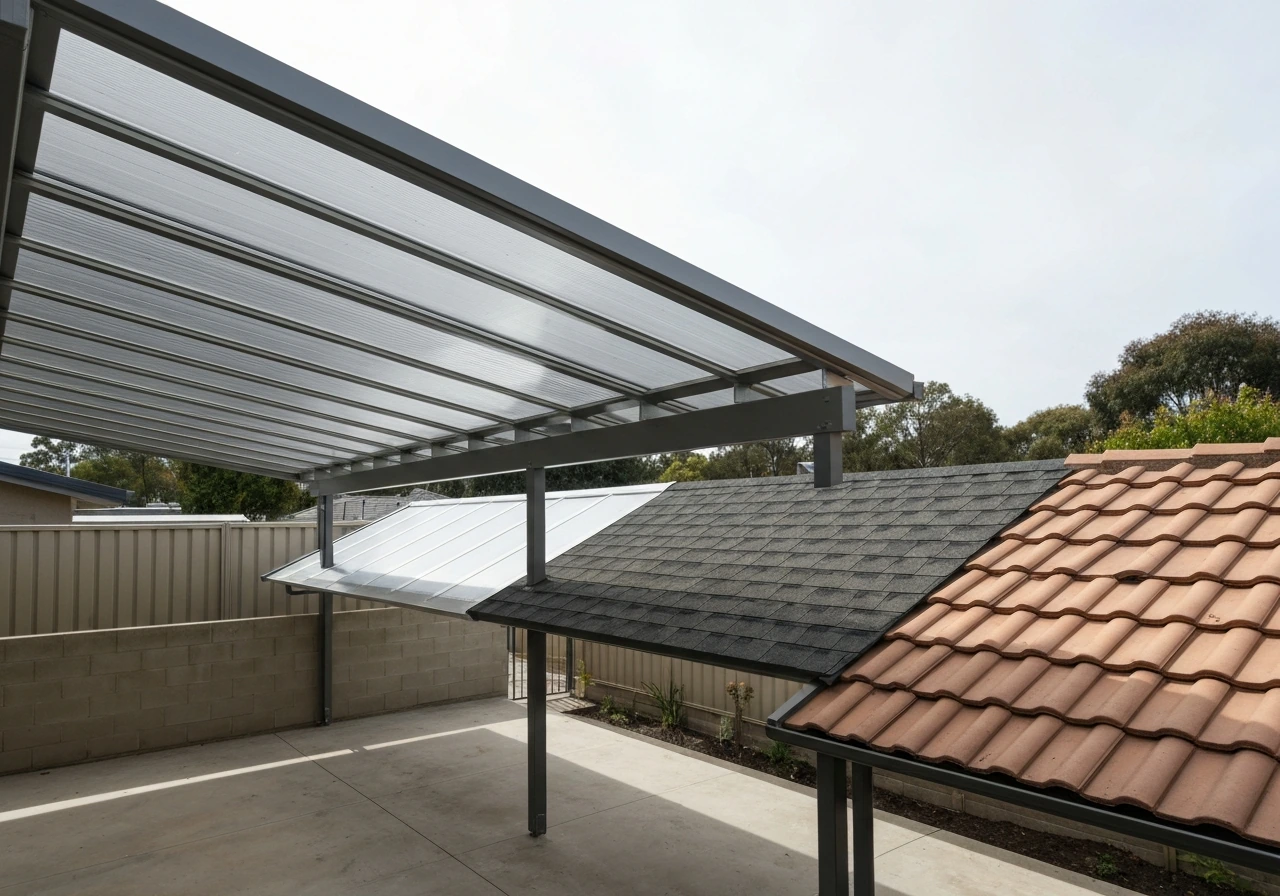
Best Patio Roof Material: How to Choose the Right One
Compare best patio roof material options by climate, durability, maintenance, insulation, cost, and drainage to pick rig
Do It Yourself Outdoor Patio Ideas: Build, Upgrade, Maintain
DIY outdoor patio ideas for planning, building, upgrading, and maintaining floors, shade, privacy, lighting, and decor.
Quick Fix Patio Ideas for Instant Comfort and Style
Quick fix patio ideas for fast comfort and style: cleanups, repairs, shade, flooring tweaks, and safe upgrades on any bu