For most homeowners, fiberglass is the best all-around patio screen material because it's affordable, easy to install, resists corrosion, and handles everyday bug and weather exposure well. But if you have dogs, live on the coast, deal with brutal Texas sun, or need serious wind resistance, a different material will serve you much better. The right answer depends on your specific conditions, and this guide walks through every major option so you can match material to your actual patio situation.
Best Patio Screen Material: Compare Fiberglass, Aluminum, More

Phoebe Foster
13 Jun 2026
What 'best' actually means for your patio
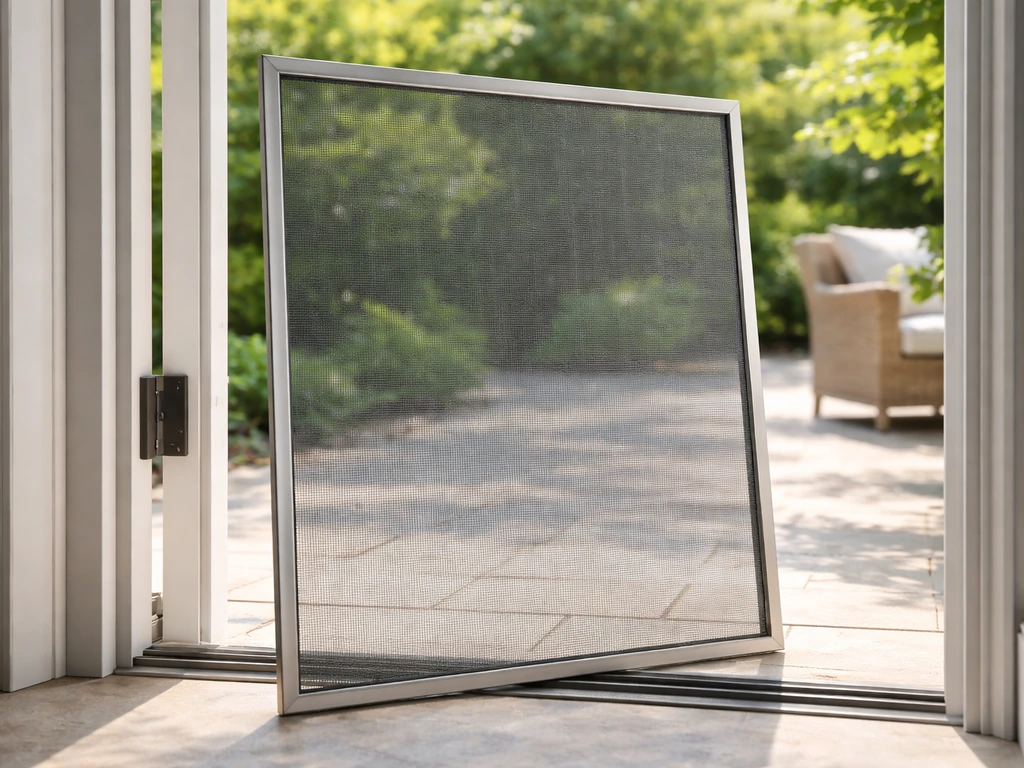
Before you order a roll of screen, it helps to get clear on what you're actually trying to solve. Most people want a combination of things that sometimes pull in opposite directions. Bug control means tight mesh openings, but tight mesh also limits airflow. Better outward visibility means a more open weave, but that same open weave blocks less heat and glare. So 'best' is always a tradeoff between four core needs: insect protection, airflow, visibility, and privacy.
- Bugs and insects: Smaller mesh openings keep out more insects, including no-see-ums and gnats, but reduce how much air moves through the screen.
- Airflow: Higher openness percentage (the amount of open area in the weave) means better ventilation. Standard fiberglass runs around 40–50% openness; solar screens can drop to 1–5%.
- Visibility: Lighter-colored and more open screens give you a cleaner view of the yard. Darker screens actually improve outward visibility by reducing glare.
- Privacy: Lower openness factors block more sightlines from outside. Solar screen products in the 1–5% openness range provide strong daytime privacy while still letting you see out.
Once you know which of these four things matters most to you, picking a material becomes much easier. If you're mostly fighting mosquitoes in a shaded backyard, standard fiberglass does the job at the lowest cost. If you're in Phoenix dealing with afternoon sun, a solar screen with a 3–5% openness factor is going to change how usable your patio actually is.
The main patio screen materials compared
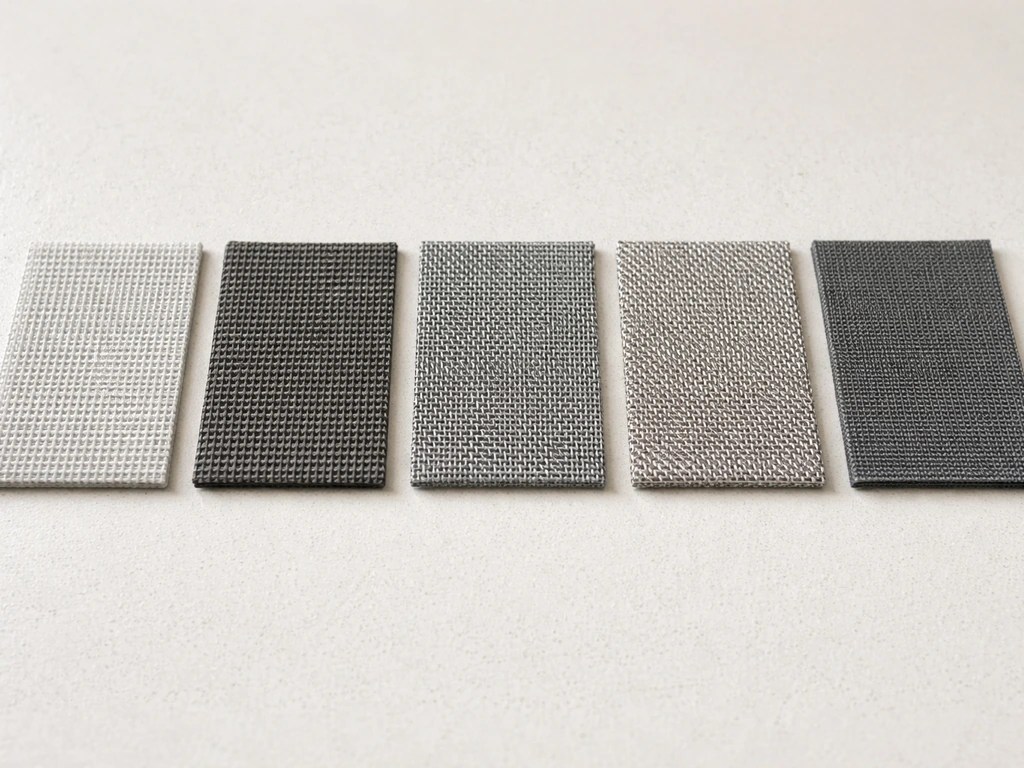
There are five materials that cover almost every patio screening situation: standard fiberglass, vinyl-coated fiberglass (solar/sun screen), aluminum, stainless steel, and vinyl-coated polyester (pet screen). Each has a specific sweet spot.
Standard fiberglass
This is the classic screen material you've seen on screen doors and porches your whole life. It's flexible, doesn't corrode, won't leave marks on your hands, and is easy to cut and install with a basic spline roller. Typical lifespan is 7 to 10 years under normal conditions, with some installs lasting up to 15 years if they're protected from direct sun and aren't exposed to heavy wind stress. The weak spots are that it can sag over wide spans if tensioned poorly, and high winds can stress and tear it faster than stiffer materials. It's the right choice if your budget is tight, you're doing a DIY install, and your patio is in a shaded or low-wind area.
Vinyl-coated fiberglass (solar and sun screens)
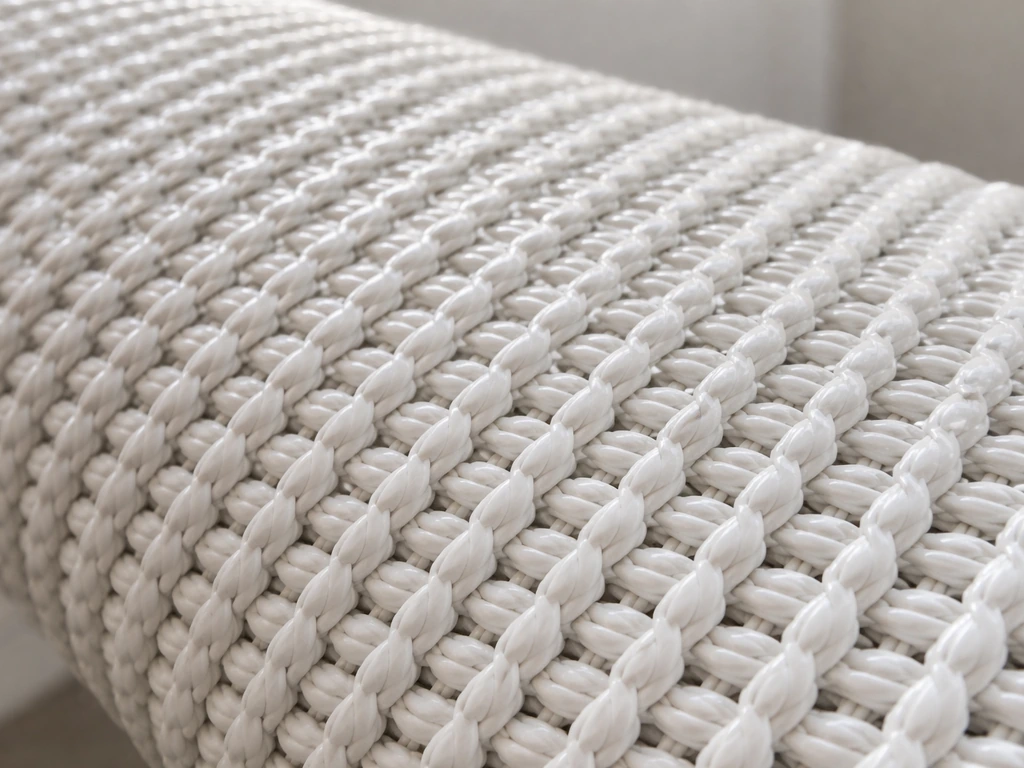
This is where things get interesting if you deal with real heat and sun. Products like Phifer's SunScreen use vinyl-coated fiberglass yarns in a ribbed weave that absorbs and dissipates up to 70% of the sun's heat and glare before it reaches your patio. The Solar Insect Screening variant balances insect protection with about 65% heat and glare reduction at roughly a 32% openness factor, which still allows decent airflow. If you want maximum heat control, the SunTex line goes to 5% openness (SunTex 95), 3% (SunTex 97), and 1% (SunTex 99), providing strong daytime privacy along with serious glare reduction. Phifer also provides product openness ranges, noting UltraVue2 at about 73% openness down to SunTex 97 at around 3% openness, and explains that higher openness generally improves airflow, light, and visibility about 73% openness down to around 3% openness. These aren't just screen replacements, they change how comfortable your patio feels in summer. Many products in this category carry a 10-year limited warranty, which is notably longer than standard fiberglass. The tradeoff is that low-openness solar screens significantly reduce airflow, so on a mild day you may feel it's too closed in.
Aluminum screening
Aluminum mesh is stiffer than fiberglass, which helps it hold its shape over larger spans without sagging. It's rust-resistant and provides good outward visibility. It's a solid middle-ground option for standard screened porches and lanais where you want something tougher than basic fiberglass but don't have extreme weather or pet concerns. The downside is that aluminum dents and crinkles when pushed or impacted, and once it creases, it stays creased. It's harder to DIY patch neatly than fiberglass. For cleaning, stick to mild soap and water with clean rinsing, since aggressive scrubbing or harsh cleaners can damage the coating and weaken the material over time.
Stainless steel screening
Stainless steel is the heavy-duty option for coastal homes, high-security applications, or anywhere salt air and moisture are constant problems. It holds up to corrosion far better than aluminum in marine environments, and it's extremely strong. One important installation note: galvanic corrosion can happen when stainless steel contacts certain frame materials, so your frame and screen material need to be compatible. Cleaning requires care too, because bleach and chloride-based detergents can actually encourage corrosion on stainless and may void warranties. Use mild soap and water only. The cost is higher than fiberglass or aluminum, and DIY installation with stainless is less practical because the material is stiff and harder to work with standard spline rollers. For most inland patios, stainless is overkill, but for a gulf coast or oceanfront home it can be worth every extra dollar.
Vinyl-coated polyester (pet screen)
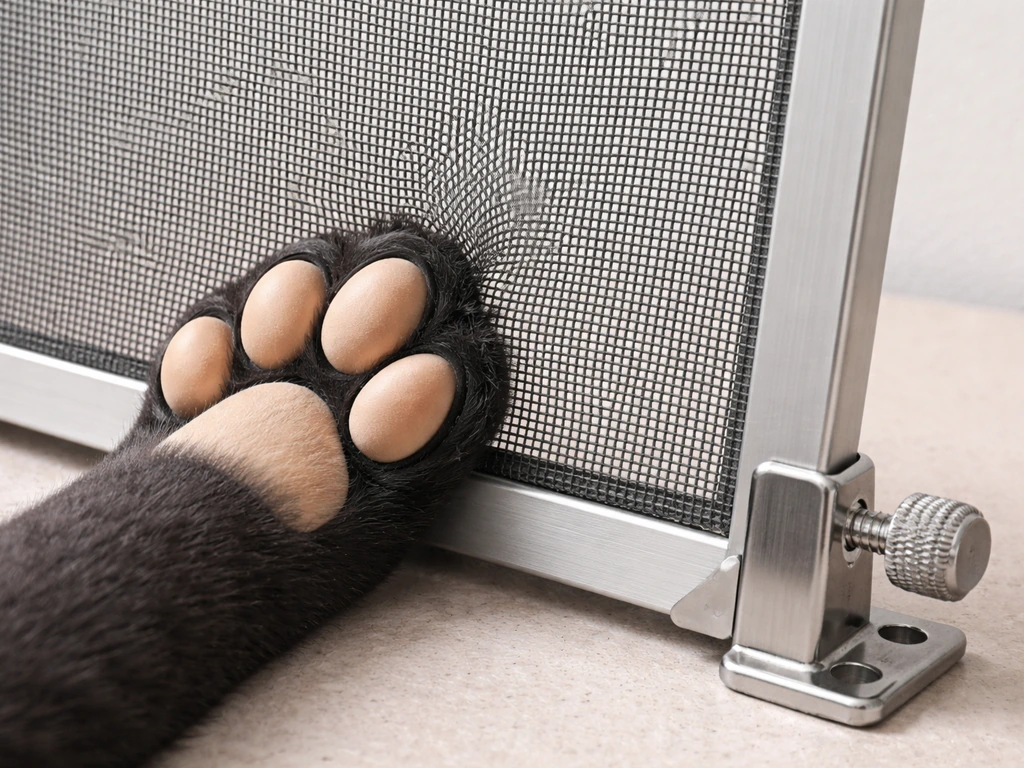
If you have dogs or cats with access to your screened patio, this is the material you want. Phifer’s PetScreen® is described as a pet-resistant insect screen made from vinyl-coated polyester. Products like Phifer's PetScreen are made from vinyl-coated polyester, which is significantly more resistant to tearing, puncturing, and claw damage than standard fiberglass or aluminum. The vinyl coating also gives it some antimicrobial and mold resistance, which matters in humid climates. It's still installed with standard spline and roller methods, so DIY is realistic. It's heavier and stiffer than regular fiberglass, which actually makes it easier to keep taut. The visual openness is similar to standard screen, so you don't give up much visibility or airflow. The cost is higher than basic fiberglass, but replacing a shredded screen twice a year costs far more.
| Material | Best For | Lifespan (Est.) | DIY Friendly | Main Weakness |
|---|---|---|---|---|
| Standard fiberglass | Shaded, low-wind, budget installs | 7–15 years | Yes | Wind stress, sagging on wide spans |
| Vinyl-coated fiberglass (solar) | High sun/heat, privacy, glare control | 10+ years (warranted) | Yes | Low openness reduces airflow |
| Aluminum | Mid-size spans, good visibility | 10–15 years | Moderate | Dents/creases permanently |
| Stainless steel | Coastal/salt air, security, harsh weather | 15–20+ years | No (pro recommended) | High cost, galvanic corrosion risk |
| Vinyl-coated polyester (pet screen) | Homes with dogs/cats | 7–12 years | Yes | Heavier, slightly less airflow than fiberglass |
Matching material to your climate and environment
Where you live should influence your material choice as much as anything else. I've seen homeowners in Minnesota put up the same screen as someone in South Florida, and they're solving completely different problems.
High sun and UV exposure
If you're in the Sun Belt, the Southwest, or anywhere that gets intense afternoon exposure, a standard fiberglass screen just isn't doing enough work. Vinyl-coated fiberglass solar screens in the 3–5% openness range will block the majority of heat and glare and make your patio usable even in July. The SunTex 95 (5% openness) is a good starting point because it still allows some airflow. If your patio is fully covered and you really just want insect control plus some glare reduction, the Solar Insect Screening product at ~32% openness blocks around 65% of heat and still lets air move freely.
Wind, rain, and severe weather
Standard fiberglass takes a beating in high wind. If your patio is exposed, consider vinyl-coated fiberglass or aluminum for better resistance. For rain splash specifically, coated screen products help because the coating virtually eliminates 'window paning,' which is when water fills in the open squares of the mesh during a rainstorm and blocks visibility. In areas with frequent storms or strong seasonal winds, thicker-gauge aluminum or reinforced pet screen material will outlast standard fiberglass by years.
Freeze-thaw cycles
In the Midwest and Northeast, freeze-thaw cycling is hard on screen frames and can stress the spline channel connection over time. Fiberglass handles temperature cycling reasonably well because it stays flexible. Aluminum can become brittle at very low temperatures, so in extremely cold climates check that any aluminum mesh you're using is rated for those conditions. If you're in a four-season climate, also think about whether you'll be removing screens for winter storage, which extends lifespan considerably.
Coastal and salt air environments
Salt air is corrosive, and aluminum screening in a coastal environment will degrade faster than it would inland. Stainless steel is the right long-term call for homes within a mile or so of salt water. The upfront cost is higher, but you won't be replacing it every few years. If budget rules out stainless, coated fiberglass products hold up better than bare aluminum because they don't oxidize the same way. Whatever you choose, rinse your screens periodically with clean fresh water to wash away salt buildup.
Pet- and kid-friendly screening choices
Standard fiberglass won't last a season if you have a dog that paws at the screen door or a cat that uses the screen as a scratching post. This is one of the most common reasons homeowners end up replacing screens repeatedly without ever changing the material, which is an expensive loop to be stuck in.
Vinyl-coated polyester pet screen (like Phifer's PetScreen) is specifically engineered to resist tearing and puncturing from claws and pawing. It's about seven times stronger than standard fiberglass by most product comparisons. It's also a practical choice for high-traffic areas where kids push and lean on screens, because it resists deformation from pressure much better than fiberglass. The vinyl coating on many of these products also provides some antimicrobial protection, which helps in humid climates where mold can form on mesh surfaces.
For cage-safe installations (patios where a pet might be contained or secured near the screen), vinyl-coated polyester is a better choice than bare aluminum because it won't have sharp edges if it does get damaged. Aluminum mesh, if it breaks or bends, can have jagged edges that could injure a curious dog. The pet screen materials are designed with safety in mind for exactly these situations.
If you have both sun exposure and pets, you can layer your approach: use pet screen on the lower panels at dog/cat height, and solar screen on the upper panels for heat control. Many screened porch builders do exactly this, and it gives you the best of both materials without paying for pet screen on every square foot.
Installation and fit: what you need to know before you buy
Most patio screen materials are installed the same basic way: the screen is laid over the frame, and a flexible spline is rolled into a channel around the perimeter to hold it in place. A spline roller tool is the key piece of equipment. The process is genuinely DIY-friendly for fiberglass, vinyl-coated fiberglass, and pet screen. Aluminum is doable but less forgiving because the material is stiffer. Stainless steel is usually best left to a pro.
Getting the spline right
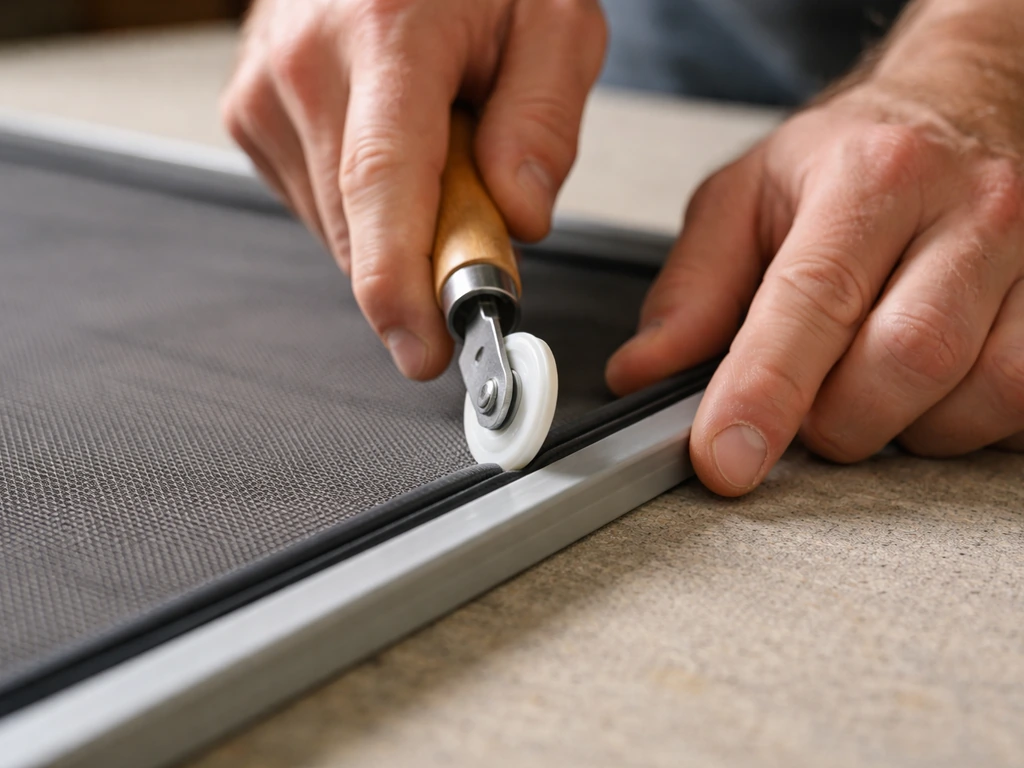
This is where a lot of DIY installs go wrong. Spline comes in different diameters, and the diameter you need depends on the width of the spline channel in your specific frame. Measure the channel width before you buy anything, because using spline that's too thin will cause the screen to pull loose, and spline that's too thick won't seat properly. When you buy a DIY kit, it typically includes a roll of screen, the spline, and the spline roller. The roller usually has two ends: a concave wheel for pressing the spline in and a convex wheel for pre-creasing the screen. Use both for a clean result.
Frame compatibility and tensioning
Before ordering screen material, measure your frame openings carefully and add a couple of inches on each side to account for the overlap needed at the spline channel. For larger patio panels (anything over about four feet wide), tensioning matters a lot. The screen needs to be pulled taut as you roll the spline, or it will sag in the middle. A common method is to tape the screen to the frame temporarily before rolling spline to hold the tension. On big panels, working with a helper makes the process significantly easier.
When to call a pro
If you're dealing with a large screened porch with custom-built frames, metal frame systems that require specialty fastening, or stainless steel mesh, hiring a screening contractor is the right move. It's also worth getting a pro involved if your existing frames are damaged or warped, because poor frame condition is one of the biggest reasons new screens fail early. When you talk to a contractor, ask specifically about mesh gauge (heavier gauge means more durability), the openness factor of what they're proposing, and whether the spline size they're using is matched to your channel dimensions.
Maintenance, repairs, and how long screens actually last
Screen maintenance is simple but gets skipped more often than it should be. Dirt and debris buildup in the mesh doesn't just look bad, it holds moisture against the material and speeds up degradation, especially for fiberglass. A basic routine goes a long way.
- Vacuum screens periodically to remove dust, pollen, and loose debris, especially before wet seasons when buildup can turn into mold.
- Wash with mild soap or detergent and warm water using a soft cloth or brush. Avoid abrasive scrubbers that can fray fiberglass or damage coatings.
- Rinse thoroughly with clean water and allow to dry completely. Don't leave excess water sitting in the mesh, especially on coated products.
- Never use bleach, chloride-based cleaners, or harsh solvents on any screen material. These can damage coatings, accelerate corrosion on aluminum and stainless, and void warranties.
- For coastal homes, rinse screens with fresh water every month or two to remove salt accumulation.
For fiberglass and pet screen, small holes can be patched with screen repair patches, which are cheap and widely available. The patch won't be invisible, but it beats a full replacement for a minor tear. Aluminum screens, once damaged, are harder to patch neatly because the material doesn't have the same flexibility, so small repairs often look poor and a panel replacement is usually the better call.
Expected lifespans vary a lot based on sun exposure, weather, and use. Standard fiberglass runs about 7 to 10 years with regular care, sometimes 15 in protected conditions. Vinyl-coated solar screens are typically warranted for 10 years and can outlast that in good conditions. Aluminum and pet screen fall in a similar range. Stainless steel is the long-term winner at 15 to 20-plus years, which helps justify the higher upfront cost if you're in a harsh environment. If your screens are sagging, fading heavily, or have multiple repairs, replacement is almost always more cost-effective than continued patching. If you need the best patio screen replacement for your situation, match the material to your weather, pets, and desired balance of airflow and visibility. Choosing the best patio windows usually comes down to matching how well they handle airflow, visibility, and harsh weather to your specific patio conditions.
How to choose: the questions to answer before you buy
You don't need to be an expert to make a confident material choice. You just need to answer a handful of specific questions about your situation. Go through this list and your ideal material will be pretty clear.
- How much direct sun hits your patio? More than four or five hours of direct afternoon sun means solar screening is worth serious consideration.
- Do you have pets with access to the screen? If yes, vinyl-coated polyester pet screen is the only practical long-term answer.
- Are you within a mile of salt water? Stainless steel or coated fiberglass will significantly outperform aluminum in that environment.
- How large are your screen panels? Panels wider than four feet benefit from stiffer materials like aluminum or pet screen to resist sagging.
- What's your privacy priority? If you want to enjoy your patio without feeling exposed, low-openness solar screens in the 1–5% range give you strong daytime privacy.
- Is this a DIY project or are you hiring out? If DIY, stick with fiberglass, vinyl-coated fiberglass, or pet screen and measure your spline channel before ordering.
- What's your climate like in winter? In freeze-thaw zones, flexible fiberglass holds up better through temperature cycling than rigid aluminum.
When you're ready to talk to a contractor or supplier, come in with your panel measurements (height and width of each opening), your spline channel dimension, and your answers to the questions above. Ask them about mesh gauge options for whatever material you've selected, and confirm the openness factor for any solar products they recommend. Those details matter more than brand names. If you're also exploring full enclosure options or thinking about whether a screen house setup fits your patio better, those are separate decisions worth looking into alongside your material choice. If you're weighing a screened patio or a screen house setup, the right material still depends on your sun, wind, and pet or kid needs.
FAQ
What patio screen material is best if I need both strong insect protection and decent airflow?
If you want fewer bugs without making the patio feel sealed off, start with standard fiberglass in most shaded areas, then move to solar insect screening only if heat and glare are the bigger problem. For solar products, prioritize the openness factor that still feels breathable to you, because the lowest openness options can noticeably reduce airflow even though they block more sun.
How do I choose between standard fiberglass and aluminum for a large patio opening?
For spans over about four feet, aluminum’s stiffness helps it hold shape better when installed with consistent tension. However, if your frame flexes or the spline channel is not perfectly straight, fiberglass may be more forgiving for DIY. The best decision is to evaluate your frame condition and how carefully you can maintain tension while rolling spline.
Will solar screen (vinyl-coated fiberglass) work in areas with mosquitoes?
Yes, but don’t assume all solar screens protect equally. Look for products marketed as insect screening and compare openness factor targets, because higher openness solar meshes can allow more airflow but typically let more small insects through than lower openness options.
How can I reduce “window paning” in heavy rain?
Choose coated screen products, since the coating reduces the water-filled mesh visibility during storms. Also rinse the mesh after prolonged rain or windy salt exposure, because debris can worsen how water collects and how long it stays trapped in the openings.
What’s the safest material choice if I have a dog that claws or leans on the screen?
Vinyl-coated polyester pet screen is usually the best choice because it resists punctures and tearing, and it tends to stay intact under claw pressure. If you use aluminum anywhere near dog contact points, consider that bent aluminum can create sharp edges, and aluminum repairs are rarely clean enough to restore a safe surface.
Can I mix materials on one patio (like pet screen at dog height and solar screen above)?
Yes, mixing is a practical solution. A common setup is pet screen on the lower panels where pawing happens, and solar insect screen higher up for heat and glare control. Just ensure the spline sizes and frame build-out are compatible across materials, so edges sit cleanly and don’t leave gaps.
What spline size should I use, and what goes wrong if I guess?
Spline diameter must match your frame channel width. If spline is too thin, the screen can pull loose during seasonal expansion and wind stress. If it is too thick, the screen may not seat fully, leading to uneven tension and premature loosening or tearing at the corners.
Do I need to replace my whole frame if screens fail early?
Not always, but warped or damaged frames are a common root cause of early failure. Before replacing mesh, inspect the spline channel for flattening, gaps, and bends, and check that the frame is square. If the channel is uneven, a new screen may fail again even if you buy the “best” material.
How should I clean each type of patio screen without damaging it?
Use mild soap and water with gentle rinsing for fiberglass, aluminum, and stainless. Avoid bleach or chloride-based cleaners on stainless, and avoid abrasive scrubbing on coated screens, because harsh cleaning can degrade coatings and shorten service life.
Is stainless steel always the best option near the ocean?
Stainless is the long-term winner for salt air, but installation details matter. Confirm compatibility between the stainless mesh and your frame materials to reduce galvanic corrosion risk, and be prepared for higher cost and more difficult DIY handling due to stiffness.
How long should I expect my patio screens to last if I replace only the mesh?
Mesh-only replacement can last as long as the new material’s lifespan if the spline fit and frame condition are solid. But if you already have sagging, recurring repairs, or a frame that has warped, replacement mesh will often fail early too, so it’s worth addressing the channel and tensioning method during install.
When is it better to hire a contractor instead of DIY?
Hire a pro if you have custom-built frames, specialty fastening systems, heavily damaged or warped frames, or stainless steel mesh. Contractor help is also worth it for large areas, because consistent tension across wide panels is a frequent DIY failure point.
How do I know whether it’s cheaper to patch or replace a damaged screen?
Patch is usually worth it for small tears in fiberglass or pet screen, especially if damage is isolated. Replacement is typically more cost-effective if you have multiple tears, widespread sagging, major frame issues, or repeated repairs in a short time, because labor adds up and the mesh can continue to fail around the patched areas.
Next Articles
Do It Yourself Outdoor Patio Ideas: Build, Upgrade, Maintain
DIY outdoor patio ideas for planning, building, upgrading, and maintaining floors, shade, privacy, lighting, and decor.
Quick Fix Patio Ideas for Instant Comfort and Style
Quick fix patio ideas for fast comfort and style: cleanups, repairs, shade, flooring tweaks, and safe upgrades on any bu
Cheap Do It Yourself Patio Ideas: Budget Build Guide
Budget DIY patio ideas with step-by-step flooring, prep tips, cost ranges, upgrades, and safety mistakes to avoid.