
The best patio windows for most homeowners are vinyl or fiberglass sliding or folding glass door-window units, sized to fit the opening between your interior and the patio, with double-pane low-E glass and solid weatherstripping. That covers the majority of situations. But the right answer for your house depends on your climate, how much ventilation you want, your budget, and whether you want something you can replace yourself or need a contractor to frame in.
Best Patio Windows Buying Guide: Types, Cost, and ROI

Phoebe Foster
27 Jun 2026
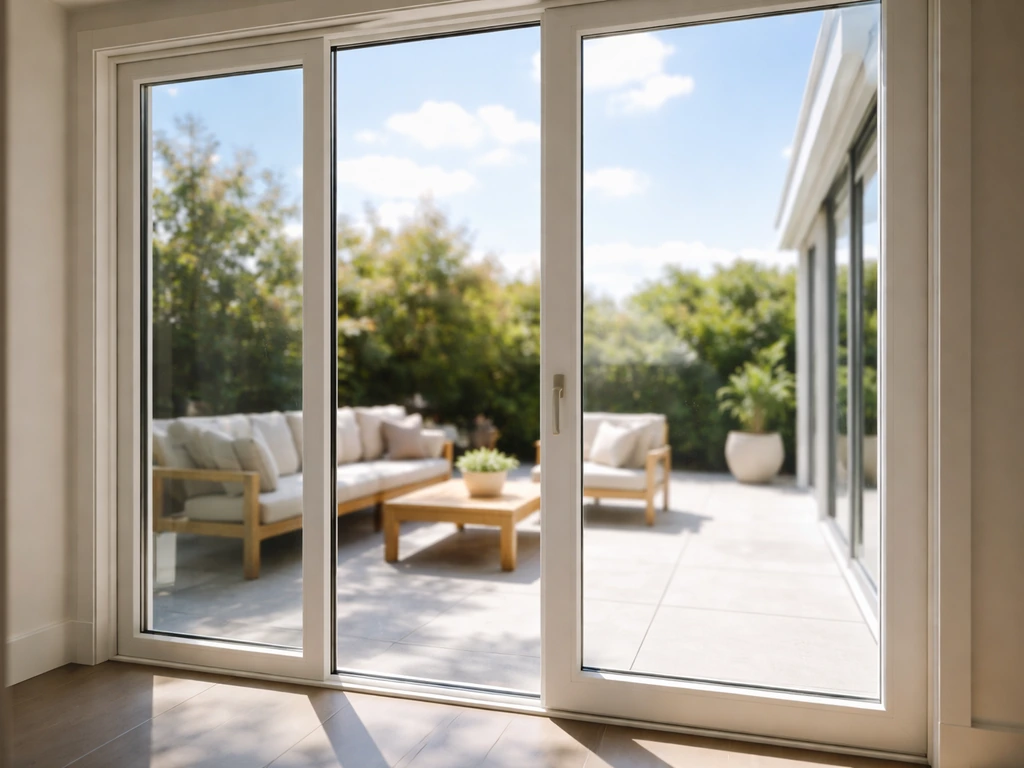
This guide walks through all of it so you can build a real shortlist and get accurate quotes. To narrow it down to the best screen house for patio, focus on a system that matches your patio door and window configuration and provides durable screening plus good airflow patio windows.
What 'Patio Windows' Actually Means
When most people search for patio windows, they are thinking about the large glass openings that connect an interior room to an outdoor patio or porch. In practice, that includes both sliding glass door-wall units and true window units installed near or as part of a patio wall. Merriam-Webster defines a patio door as an exterior door (largely glass) providing access between the inside and a patio, and that is exactly what most homeowners picture. The lines blur because many patio-facing walls combine an operable door panel with fixed glass panels, sidelights, or transom windows above the frame, creating a wall of glass that functions partly as a window and partly as a door.
Common configurations you will see in catalogs and showrooms include: a basic two-panel sliding unit with one fixed and one gliding panel, a French door (hinged, two swinging panels), a bifold or multi-slide system where multiple panels fold or stack to one side, and true window-only installations like a large picture window flanked by operable casements. Brands like Pella and Andersen both organize their patio product lines around how the unit opens and how it manages interior-to-exterior flow, which is a useful frame for shopping. If your patio wall currently has a standard door, you have real options for upgrading to something that functions more like a window wall.
Frame Materials: What Actually Holds Up Outside
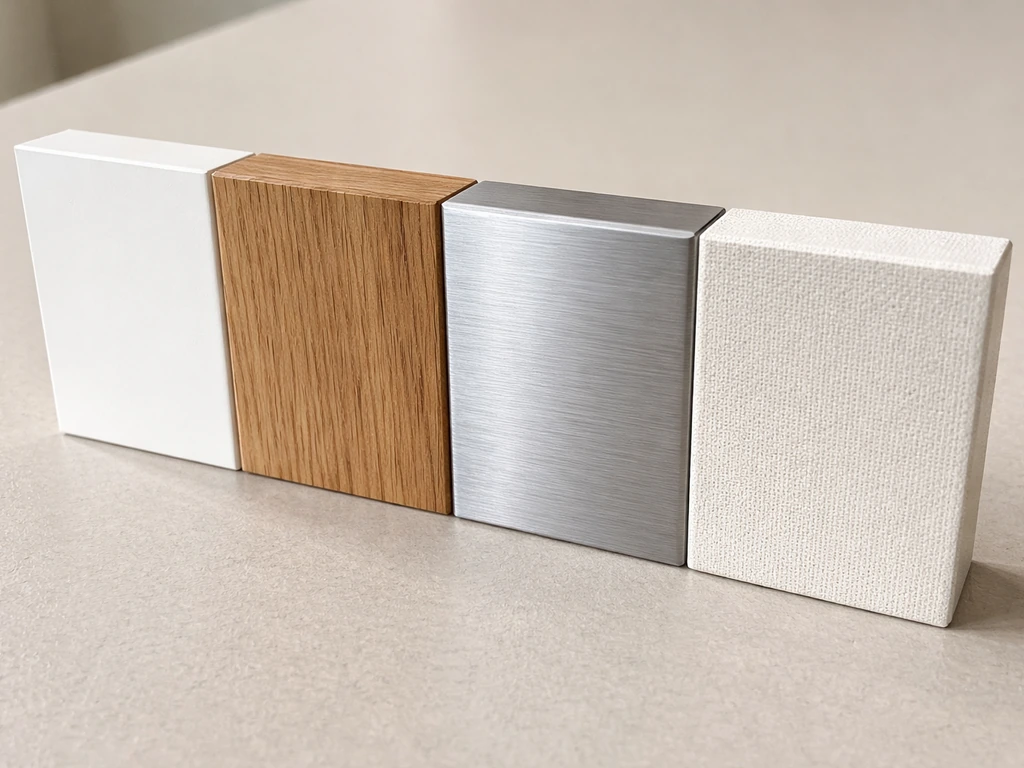
Frame material is the first decision that affects price, maintenance, and how long the unit lasts. Here is what you actually need to know about each option.
| Material | Typical Lifespan | Insulation (R-value range) | Maintenance | Best For |
|---|---|---|---|---|
| Vinyl (PVC) | 20–40 years | Moderate (R-2 to R-4 for frame) | Very low, never paint | Budget-conscious buyers, humid or coastal climates |
| Aluminum | 30–50 years | Low without thermal break (can be high with thermal break frame) | Low, but can corrode near salt air | Modern aesthetics, slim sight lines, dry climates |
| Fiberglass | 40–60+ years | High (R-3 to R-6+ for frame) | Very low, paintable | Extreme climates, premium builds, long-term value |
| Wood (clad exterior) | 20–30+ years with upkeep | High (R-3 to R-5+) | High (exterior cladding helps) | Traditional aesthetics, cold climates with proper care |
Vinyl is the most popular choice and for good reason: it does not rot, warp, or need painting, and it holds weatherstripping well. Aluminum looks sharp and handles physical abuse, but basic aluminum frames conduct heat and cold directly through the frame, which is a real problem in Texas summers or Minnesota winters. Thermal break aluminum (where a non-conductive material separates the interior and exterior frame) solves that but costs significantly more.
Fiberglass is the premium pick: it expands and contracts at almost the same rate as glass, which keeps seals tight over decades, and it insulates better than vinyl. Wood is beautiful but demands attention; most modern wood units have aluminum or fiberglass exterior cladding to protect the wood from the elements, which helps considerably.
Window and Door Types: Picking How It Opens
How the unit opens controls ventilation, traffic flow, how much of the opening you can actually use, and what cleaning and maintenance look like over time. Each style has real tradeoffs.
Sliding (Gliding) Patio Doors and Windows
A standard sliding unit has one fixed panel and one (or more) that glides sideways on top and bottom tracks. This is the most common patio configuration in North America and for good reason: no swing clearance needed, smooth operation, widely available, and easy to find replacement parts for. The downside is that the sliding panel typically covers only half the opening at any one time (you cannot open both panels), and track grooves collect dirt and water. Clean the track a few times a year and that is manageable.
Folding and Multi-Slide Systems
Bifold and multi-slide systems stack or accordion-fold multiple panels to nearly clear the full opening. They turn a patio wall into a completely open space, which is unbeatable for entertaining. The tradeoffs are real though: these systems cost two to four times more than a basic slider, require precise installation and a level sill, and the more hardware involved, the more there is to adjust and maintain over time. They also need a stack zone on one or both sides of the opening. If you are doing a full patio renovation or outdoor kitchen project, a folding wall system is worth pricing out. For a straightforward replacement, a slider or French door will serve most people better.
Casement and Awning Windows
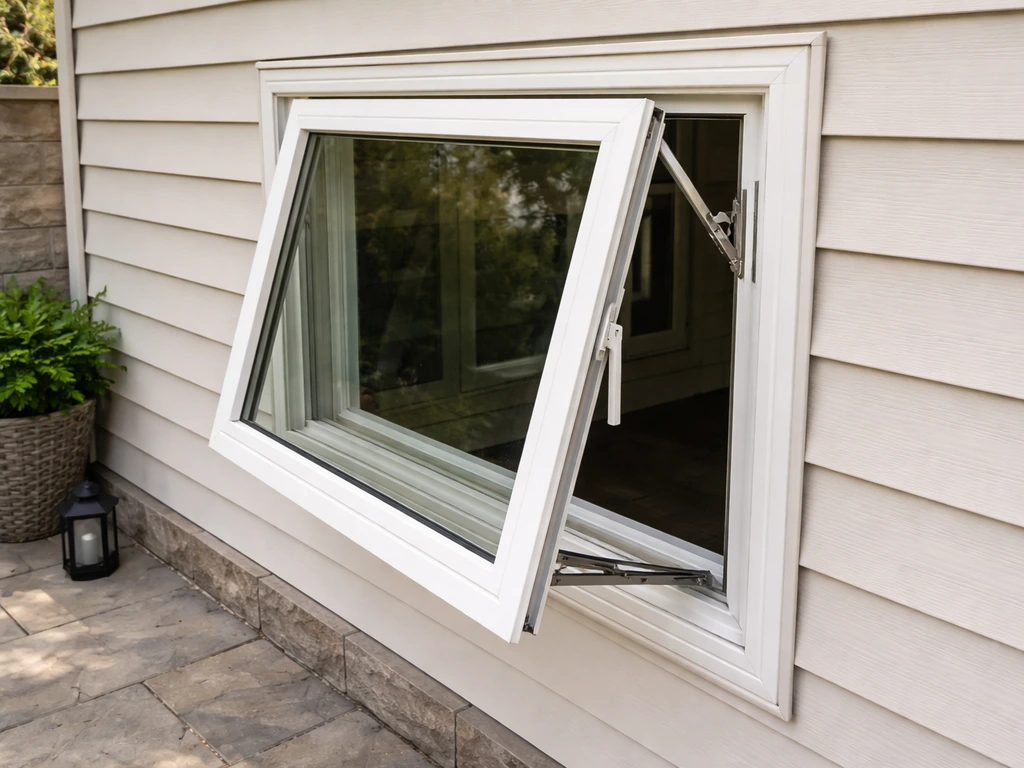
Casement windows (hinged on the side, crank outward) and awning windows (hinged at the top, open outward from the bottom) are genuine window units rather than door-wall systems. They are great alongside or above a patio door to add ventilation and light without adding another egress opening. If you want the best screen for an outdoor patio, prioritize open area, airflow, and corrosion-resistant materials Casement windows.
Awning windows in particular are useful because you can leave them open during light rain without water coming in. Both styles seal very tightly when closed because the sash presses against the frame, which makes them among the most air-tight window options. Casements are harder to add to an existing patio framing situation if you are replacing a large slider, but they work well in patio room additions or sunroom-style builds.
Fixed (Picture) Windows
Fixed glass panels provide views and light but no ventilation or egress. They are often used as the non-operable panel in a sliding door system, or as stand-alone picture windows above or beside an operable unit. Because they have no moving parts, they are the most air-tight and often the most affordable per square foot of glass. If your patio already has good cross-ventilation from another opening, adding a large fixed pane can dramatically improve the feel of the space without the cost of a full operating system.
French (Hinged) Doors
French doors open inward or outward on hinges, giving a traditional look and a full, unobstructed opening when both panels are open. They work well for narrower patio openings (typically 5 to 6 feet wide) and pair nicely with sidelights and transom windows to build out a glazing wall. The clearance requirement for the door swing is the main limitation: you need usable space on whichever side the doors open into. Inswing French doors are more common in the U.S. but can conflict with furniture placement; outswing styles clear the interior but require clear exterior space.
Energy Efficiency, Climate, and Comfort
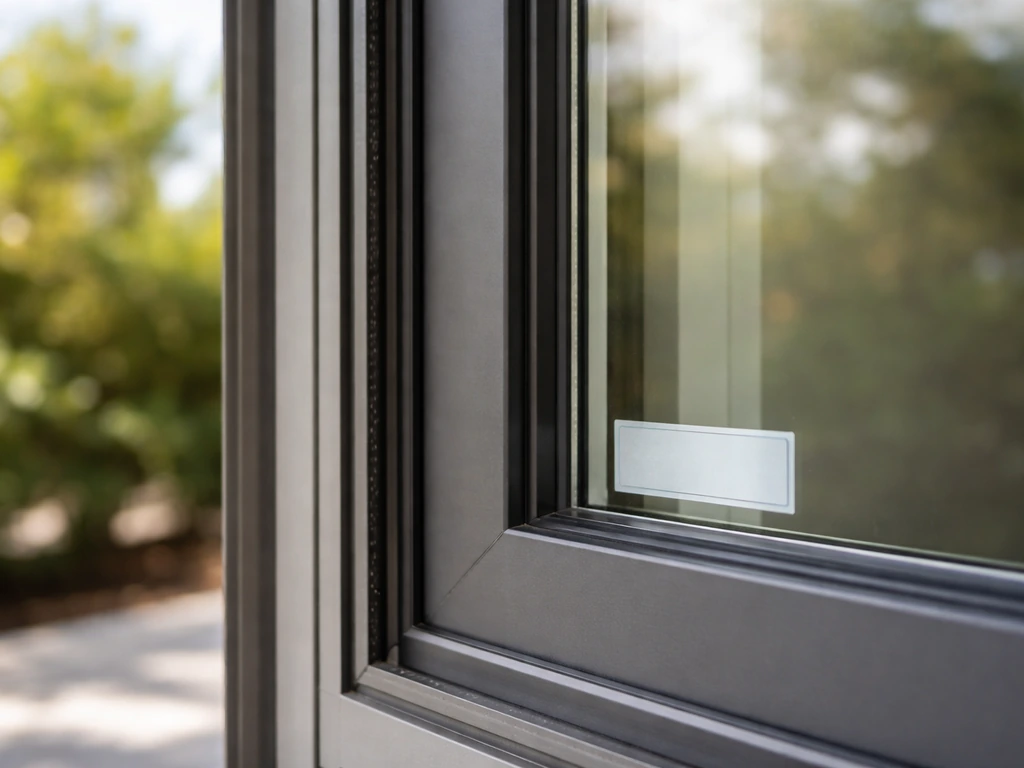
The NFRC (National Fenestration Rating Council) label is the clearest way to compare energy performance across brands and product lines. Every NFRC-certified unit lists U-factor (how much heat escapes through the unit; lower is better), SHGC (solar heat gain coefficient; how much sun heat passes in), Visible Transmittance (how much light gets through), and air leakage. NFRC's residential product certification program evaluates U-factor, SHGC, visible transmittance (VT), air leakage, and condensation index. The U.S. DOE recommends specifying both U-factor and SHGC by climate zone when ordering, which is worth doing explicitly in any contract.
For hot climates like the Southwest or Texas Gulf Coast, you want a low SHGC (around 0.25 or lower) to block solar heat gain, even if it means slightly less visible light. In cold northern climates, a low U-factor (0.30 or below for most climate zones) matters most to keep heat inside. In mixed climates like the Midwest, you are balancing both. Coastal and humid climates add a third concern: condensation resistance. The NFRC's condensation index measures how well a unit resists interior condensation, which matters if you live in a climate with cold winters and high indoor humidity.
Air leakage is the often-overlooked spec. The DOE notes that it is impossible to stop all air leakage around an operable sliding door, but a well-made unit should test at 0.3 cfm per square foot or less (the threshold referenced in ENERGY STAR technical frameworks for sliding glass doors). Cheap sliding doors leak substantially more, and you feel it as a draft in winter and as humidity ingress in summer. Check the NFRC label or the manufacturer's published air leakage test results, and verify against ASTM E283 testing data if you are comparing premium units.
Glare management also matters on a south- or west-facing patio wall. Low-E coatings (standard on most ENERGY STAR-qualified units) reduce glare while maintaining good visible light transmittance. If your patio faces west and gets direct afternoon sun, ask specifically about the VT rating and look for a low-E coating tuned for solar control rather than just insulation.
Safety, Security, and How Long It Will Last
Patio openings are a common entry point for break-ins, so locking hardware matters. Look for multi-point locking systems on sliding doors, where the lock engages at multiple points along the frame rather than just at the handle. A secondary foot-pin or security bar in the track adds meaningful resistance even if the primary lock is compromised. French and casement doors with deadbolts or multi-point locks are generally considered more secure than basic single-latch sliders.
Glass specification matters for both safety and storm protection. Tempered glass is the standard for patio door applications (required by code in most U.S. jurisdictions for any glazing near the floor) and it shatters into small, relatively harmless pieces rather than large shards. In hurricane-prone coastal areas, impact-resistant laminated glass is the standard to meet, rated to ASTM E1996 (missile impact) and ASTM E1886 (cyclic pressure and water penetration). ICC 600 specifies that sliding glass doors in high-wind/coastal zones must use tested, permanently labeled impact-resistant glazing. If you are in a hurricane or severe storm zone, do not rely on shutters alone; spec the right glass from the start.
Corrosion resistance is the other durability factor, especially within a few miles of saltwater. Vinyl and fiberglass frames need no special treatment. Standard aluminum corrodes in salt air over time; look for marine-grade powder coating or anodizing if you are in a coastal zone. Wood frames with aluminum cladding can work but need periodic inspection of any exposed wood joints. Hardware (rollers, locks, tracks) should be stainless steel or coated to resist corrosion in humid or coastal climates.
What It Costs and What You Get for the Money
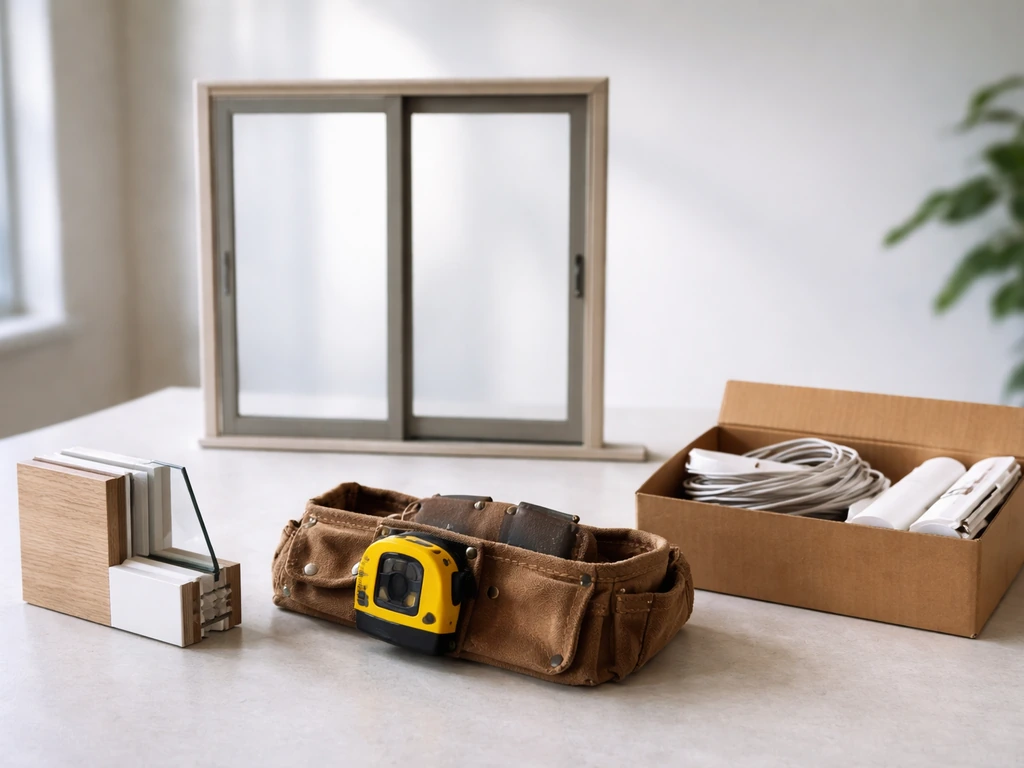
Installed costs for patio door-window units range widely. A standard sliding glass door (one fixed, one sliding panel, vinyl frame, double-pane) typically runs $1,200 to $3,500 installed as a replacement in an existing opening. Full project costs including labor, permits, and any minor framing work commonly land in the $1,550 to $6,250 range nationally, with Angi reporting an average around $2,500. High-end fiberglass or aluminum multi-slide and bifold systems in large openings can reach $10,000 or more installed.
| Unit Type / Material | Typical Installed Cost Range | Notes |
|---|---|---|
| Basic vinyl slider (replacement) | $1,200 – $2,500 | Most common scenario; fits standard openings |
| Aluminum thermal break slider | $2,000 – $4,500 | Better insulation than basic aluminum |
| Fiberglass slider or French door | $3,000 – $6,500 | Long lifespan, best energy performance |
| Wood-clad French door or slider | $2,500 – $6,000 | Traditional look; maintenance costs add up over time |
| Bifold / multi-slide system | $5,000 – $15,000+ | Size, panel count, and hardware drive cost significantly |
| Large fixed picture window (patio-adjacent) | $600 – $2,500 | Cheaper per sq. ft.; no hardware or locks needed |
The biggest cost drivers are: opening size (custom sizes cost significantly more than stock sizes), glass package (basic double-pane vs low-E vs impact-rated laminated glass), frame material, hardware quality, and whether any structural framing changes are needed. Labor and permit costs vary widely by region. Permits are typically required for new openings or structural changes but may not be required for a direct same-size replacement; check with your local building department before assuming either way.
On the ROI side, upgraded patio windows and doors consistently rank among the better exterior home improvement returns. They improve energy efficiency (reducing HVAC load), add functional outdoor living space, and raise perceived home value for buyers. A well-chosen fiberglass or quality vinyl system pays back a meaningful portion of its cost at resale while also lowering utility bills and maintenance costs in the years you live there.
Getting the Size Right Before You Order Anything
Measuring incorrectly is the most common and most expensive mistake homeowners make when ordering patio units. You need to understand three distinct measurements: the rough opening (the framed hole in the wall), the finished opening (the opening after any interior or exterior trim is accounted for), and the nominal unit size the manufacturer lists. These are not the same number. Fab Glass and Mirror specifically flags that nominal, actual, and rough opening dimensions differ and that ordering the wrong one creates costly problems.
- Measure the rough opening width at three points (top, middle, bottom) and use the smallest number.
- Measure the rough opening height from the subfloor (not finished floor) to the bottom of the header, again at three points and use the smallest.
- Subtract the manufacturer's required clearance (usually 0.5 to 0.75 inches on each side and top) to get your maximum unit size.
- Account for the track/sill projection if you are replacing a sliding door: the new sill must clear any flooring transition.
- Note the wall thickness (2x4 vs 2x6 framing) because this affects the jamb depth the unit needs to fit.
Write all measurements down before calling a dealer or pulling online quotes. A dealer who does not ask for your rough opening dimensions before quoting a price is one to be cautious about. For bifold or multi-slide systems, also measure the stack zone available on each side of the opening, because the folded panels need somewhere to go.
Comparing Quotes and Working with Contractors
Installation quality matters as much as product quality for patio windows and doors. Water intrusion around a patio door frame is one of the most common and damaging moisture problems in a house. ASTM E2112 is the industry standard practice for installing exterior windows and doors, covering weatherproofing, flashing, and connection details that control long-term water resistance.
A critical part of that is the sill pan: a properly installed pan flashing at the base of the opening collects any water that gets past the weatherstripping and drains it back to the exterior. Milgard’s Ax550 bifold installation instructions emphasize integrating the installation with the building’s water management system and requiring [sill pan use so any water can drain](https://www. milgard. com/sites/default/files/technical-resources/files/ax550bifolddoors_installation2.
pdf). FEMA refers to this as the 'contain and drain' approach and it is considered essential for any patio door installation. Ask your contractor specifically how they handle sill pan installation and flashing integration. For homeowners comparing options, the best patio screen replacement is one that matches your frame material and uses durable mesh built for your climate.
When comparing quotes, make sure you are comparing the same product specs. Get the NFRC-certified product name, model number, and performance ratings (U-factor, SHGC, air leakage) from each contractor in writing. You can verify any product's claimed ratings in the NFRC Certified Products Directory online. A quote that lists only 'double-pane low-E vinyl slider' without a product name or NFRC data is impossible to compare accurately. Legitimate installers will not resist providing this.
- Ask for the NFRC label data (U-factor, SHGC, air leakage) for the specific product being quoted.
- Ask how the sill pan and flashing will be installed and whether it follows ASTM E2112.
- Confirm whether the quote includes permit fees or whether that is additional.
- Ask about the manufacturer's warranty vs the installer's labor warranty (these are separate).
- Ask what happens if the rough opening dimensions are off when they arrive: who absorbs the cost of framing adjustments?
- For coastal or storm-prone areas, ask specifically for the ASTM E1996/E1886 rating on the glass package.
On DIY: replacing a sliding patio door in an existing opening, same size for same size, is a manageable DIY project for someone with basic carpentry skills and a helper. The unit is heavy (a standard 6-foot slider can weigh 150 to 200 pounds) and you need to manage weatherproofing correctly. Changing the size of an opening, adding a new opening, or installing a bifold system requires structural framing work and permits, and should almost always involve a licensed contractor. The money you save on labor is not worth the risk if water gets in behind a poorly installed frame.
One more note: if your patio project also involves screening, enclosures, or patio room additions, the window and door choices interact with those decisions. When you are planning a fully screened porch or enclosure, choosing the best patio screen material is just as important for long-term airflow, visibility, and durability. A fully screened porch with a screen door, for instance, changes what type of patio window makes the most sense on the house wall behind it. Thinking about the full system (the patio window or door, any screening, and the roof or cover overhead) before committing to a specific product will save you from ordering something that does not integrate cleanly with the rest of the space.
FAQ
What size do I actually order if the listing says “nominal” or “unit size”?
If you are replacing a unit, start by confirming whether the installer is matching the rough opening or the finished trim opening. Many “same size” claims refer only to the nominal door size, so ask for the rough opening dimensions they will install into, and compare that to your measurements before you approve the order.
Can a patio window be energy efficient but still leak air or water?
Yes, but only if you control water management details. Even with a high quality vinyl or fiberglass frame, drafts and leaks usually come from an incomplete weatherproofing system, missing sill pan flashing, or incorrect integration with house wrap and exterior cladding.
What security features should I look for beyond the lock type?
For security, prioritize multi-point locking on sliding systems, and do not rely on a single latch at the handle. Also ask whether the rollers and lock rail are included, since worn rollers can create gaps that weaken how well the lock engages.
Will adding a screen reduce how much light my patio windows bring in?
Yes, especially if your patio wall is exposed to afternoon sun. When screening is added or when you choose darker screen mesh, visible light can drop even if Low-E glass is present, so ask for both Visible Transmittance and expected screened light level for your exact screen material.
How do I choose patio windows to minimize condensation in humid climates?
If condensation is a concern, compare the unit’s condensation performance on the NFRC label, and also check the interior humidity level you typically run. In coastal or humid climates, even a good window can fog if indoor humidity is high relative to outdoor conditions.
Do sliding patio doors need special maintenance in rainy or dusty areas?
For patio doors, exterior-facing tracks and weep pathways matter as much as glass performance. If you expect heavy rain or pollen, ask how the design handles water runoff and whether the frame has sealed corners that prevent debris from collecting in the track system.
Can I mix and match patio windows or doors from different brands in the same opening?
Usually you should not, unless the product is specifically designed for it. If you swap in a different brand or frame thickness, the weatherproofing layers around the opening can be mismatched, creating gaps. If you are considering a different model, request the installer’s flashing and jamb detail plan in writing.
When is DIY installation for patio windows actually a safe choice?
DIY is realistic only for a same-size replacement in an existing opening, where you are not changing the rough opening dimensions or the framing. If the opening size must change, if you are adding structural support, or if you are switching to a bifold or multi-slide system, plan on licensed installation.
How can two “low-E double-pane” patio doors end up priced very differently?
Use NFRC data for comparable units, and also confirm the glazing type. Two doors can both be “double-pane low-E,” but one may be impact-rated laminated glass, have a different spacer, or have higher air leakage, which changes both comfort and total installed cost.
Do hurricane-rated patio windows still need special installation details?
If you are in a hurricane or severe storm zone, specify impact-rated laminated glass and confirm the applicable test standard on the product documentation. Also confirm the correct installation method for the glazing and anchorage, because correct anchoring and weatherproofing matter as much as the glass rating.
Next Articles
Best Patio Screen Material: Compare Fiberglass, Aluminum, More
Compare fiberglass, aluminum, stainless and UV patio screens for insects, airflow, durability, pets, and weather to choo
Do It Yourself Outdoor Patio Ideas: Build, Upgrade, Maintain
DIY outdoor patio ideas for planning, building, upgrading, and maintaining floors, shade, privacy, lighting, and decor.
Quick Fix Patio Ideas for Instant Comfort and Style
Quick fix patio ideas for fast comfort and style: cleanups, repairs, shade, flooring tweaks, and safe upgrades on any bu