
The best patio home communities are the ones where the outdoor space actually works for your life, not just the ones with the prettiest brochure photos. That means a covered, usable patio with real privacy, a sensible HOA that won't block every upgrade you want, decent drainage and flooring that holds up over time, and enough flexibility to make the space your own. Finding that combination takes a little homework, but it's completely doable if you know what to look for and what questions to ask before you sign anything.
Best Patio Home Communities: How to Choose and Compare

Phoebe Foster
1 Jul 2026
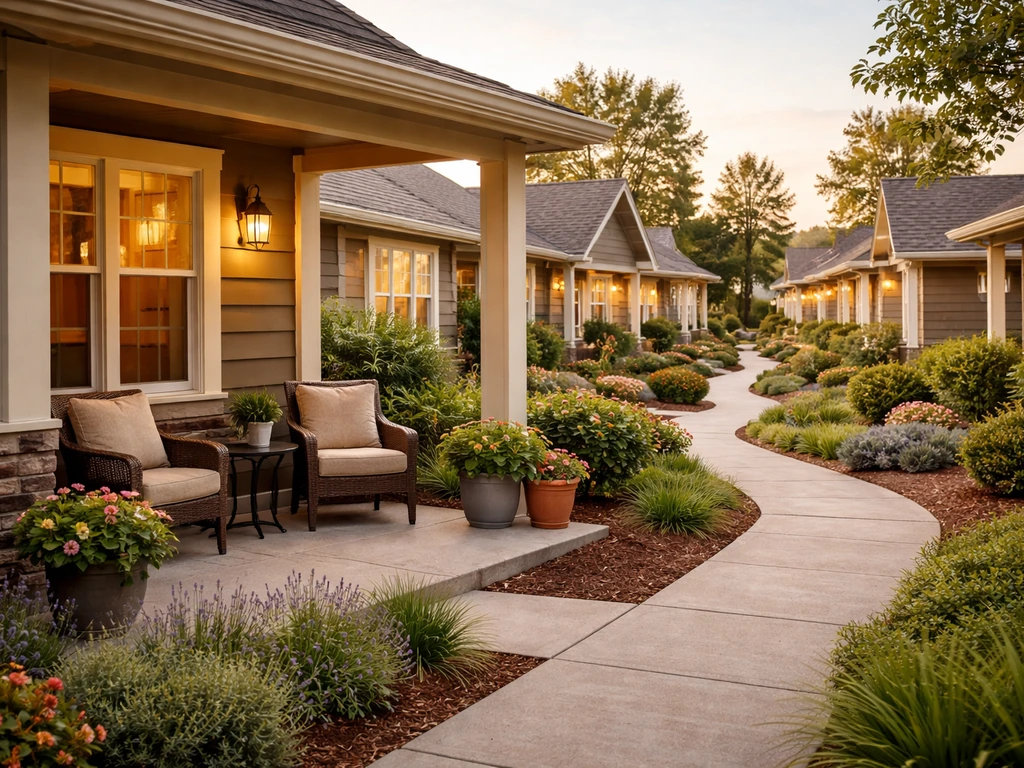
What "Best" Actually Means for a Patio Home Community
"Best" is doing a lot of work in this search, so let's pin it down. For most people shopping patio home communities, best means a combination of five things: outdoor livability (can you actually use the patio year-round or most of the year?), privacy (are you staring into your neighbor's living room from your lounge chair?), HOA flexibility (can you add a screen enclosure, a cover, a mister system, fans, or string lights without a six-month approval battle?), material quality (is the existing slab or paver system solid, or will you be dealing with drainage issues and spalling concrete in three years?), and long-term value (does the community hold its value and attract buyers who care about outdoor living?).
Climate matters a lot here and it's easy to underweight it. A patio community in Phoenix needs shade structures and misting systems to be livable in summer. One in Chicago needs materials that survive freeze-thaw cycles without cracking. A community in Florida needs drainage and screening for insects and afternoon rain. The "best" community for you depends heavily on where you are, so filtering by regional outdoor comfort should happen early in your search, not as an afterthought.
How to Build Your Shortlist Without Wasting Weekends
Start online, but don't stop there. Search for HOA-managed communities and planned neighborhoods in your target area that specifically mention covered patios, outdoor living, or patio homes in their listing descriptions. Zillow, Realtor.com, and local MLS searches let you filter by community features. But the listing is marketing, not reality. Use it to get a shortlist of four to six communities, then go deeper.
Once you have a shortlist, request the governing documents for each community before you tour. CC&Rs (Covenants, Conditions, and Restrictions) are recorded with the county and legally bind every future owner, including you. Ask the agent or HOA manager for the full CC&R document, the architectural or modifications committee guidelines, the current HOA fee schedule, and the most recent reserve study.
Utah’s (April 2026) HOA Home Buyer Checklist tells buyers to compare the HOA reserve study with actual component condition and to check whether the HOA has saved enough to fix needed repairs the most recent reserve study.
If an HOA won't share these before you make an offer, that's a red flag about how they'll treat you as a homeowner. A well-run HOA shares documents readily and responds to questions promptly. Slow or evasive responses during the buying process tend to get worse after you move in.
Narrow your shortlist to two or three communities by cross-referencing what the architectural guidelines actually allow for patio modifications against what you want to do. If you want a motorized screen enclosure and the HOA prohibits hard-top screen enclosures entirely (which does happen, even when nothing in the written bylaws explicitly says so), eliminate that community early. It saves you a lot of frustration.
What to Actually Look at When You Tour a Community
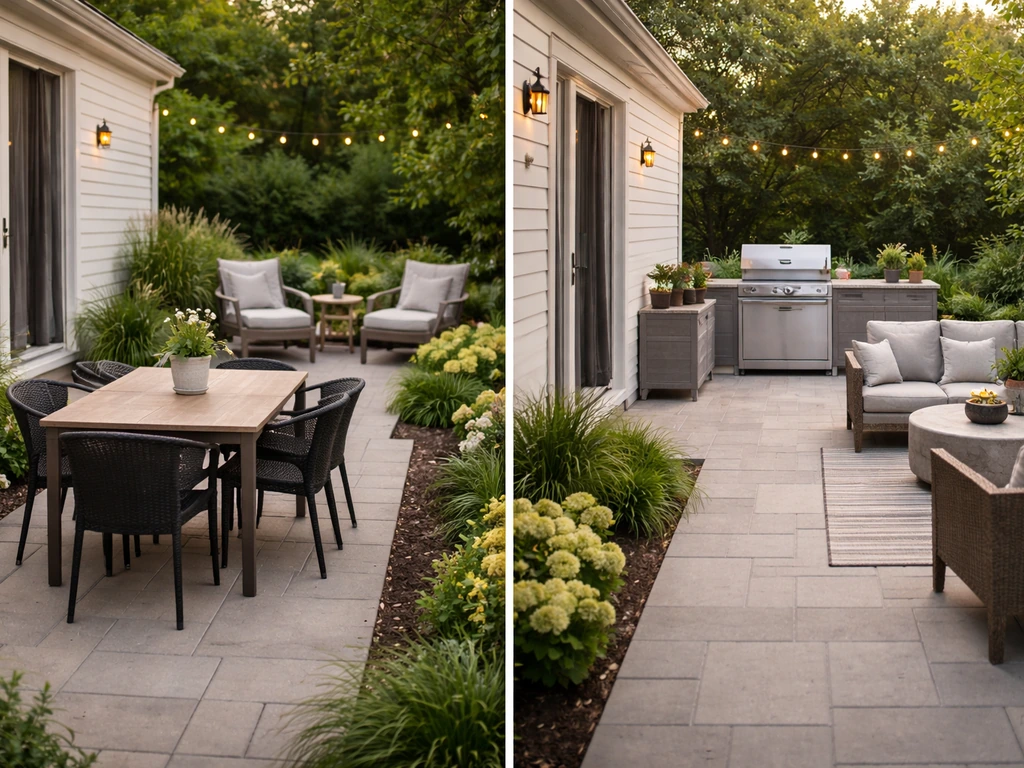
Don't just walk through the model home. Ask to see a few resale homes with lived-in patios, or walk through the neighborhood and look at what people have actually done with their outdoor spaces. That tells you more about what the HOA allows in practice than any document will.
Patio Layout and Size
Measure or estimate the patio dimensions. A 10x10 slab is not going to fit a dining table, a grill station, and two lounge chairs comfortably. Look at the depth from the house to the property line or fence, and check whether the layout creates natural zones for dining, lounging, and cooking or just gives you a concrete pad behind the door. To get the best patio layout, pay attention to how zones for dining, lounging, and cooking work together within your available space. Think about how the sun tracks across the space at the times you'd actually use it. A west-facing patio in Texas or Arizona is brutal from 3pm to sunset without a serious shade structure.
Privacy
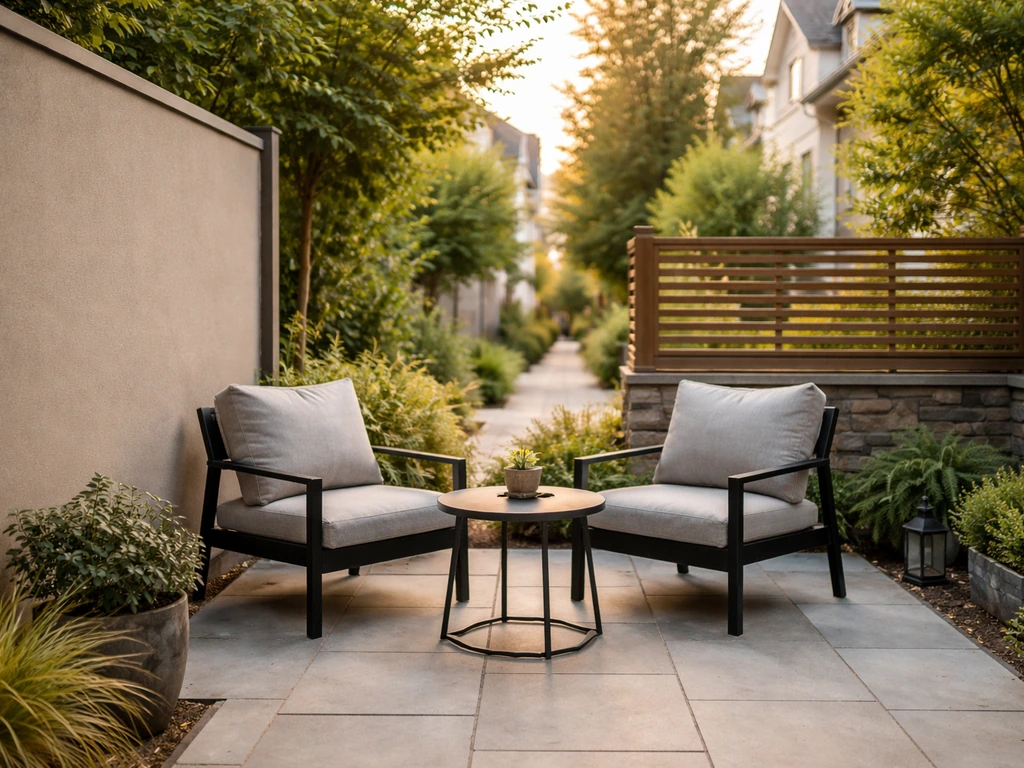
Look at the sightlines from adjacent homes and any common areas. Some communities have privacy walls or solid fencing built in; others give you a low decorative fence with full visibility in every direction. Check whether the HOA allows privacy screens and what the approval process looks like. BOCA Bridges HOA Rules & Regulations specify that screen enclosure approval depends on criteria for the privacy screen meshes, including using standard dark-colored mesh and related privacy-wall logic Check whether the HOA allows privacy screens and what the approval process looks like.. Some communities require neighbor acknowledgement by signature before you can install a privacy screen, which can create friction even when the screen itself is technically allowed.
Coverage and Shade
Is there an existing patio cover, pergola, or screen enclosure, or is the patio completely open? An existing covered structure is a major plus because it avoids the HOA approval process entirely. If you're counting on adding a cover later, verify that the architectural guidelines permit it and note what material requirements apply. Some HOAs require enclosure materials to match or be harmonious with the home's primary exterior materials, so a brick home may require brick or brick-compatible materials on any enclosure, which affects your cost significantly.
Airflow and Drainage
Walk the patio and look for standing water marks, efflorescence (white mineral deposits on concrete), or spalling and cracking in the slab. Efflorescence and freeze-thaw spalling are signs of moisture management problems that can be expensive to fix. Check whether the slab slopes slightly away from the house foundation, it should have positive drainage, meaning water runs off rather than pooling. If you see joint sand that's been washed out from between pavers, that's a sign of subsurface drainage problems. Also note airflow: a patio tucked into a corner between walls with no cross-ventilation will be uncomfortably hot even with ceiling fans.
The HOA Checklist: Read the Fine Print Before You Fall in Love
HOA documents are dense, but a few specific things matter enormously for patio home buyers. Here's what to look for and verify in writing before making an offer.
- What do you actually own? Clarify whether the patio is private property, a limited common area, or a common area. Maintenance responsibility and modification rights differ in each case.
- What does the HOA maintain versus what's your responsibility? Some communities maintain patio structures; others put full responsibility on owners.
- What modifications require ARC (Architectural Review Committee) approval? Get a list of what's pre-approved versus what requires a formal application.
- What must be included in an ARC application? Typically you'll need the design, dimensions, materials, colors, exterior views, and sometimes county permit documentation.
- Are screen enclosures allowed? If so, are there restrictions on mesh color, opacity, or materials? Some HOAs limit screen mesh to standard dark colors only.
- Is there a defined approval or denial timeline? Vague timelines can lead to delays and shifting interpretations that hold up your project.
- What are the current monthly or annual HOA fees, and have they increased in the past three years?
- Is the HOA reserve fund adequately funded? Compare the reserve study projections against the actual visible condition of community infrastructure.
- Are there any pending special assessments that could hit owners with unexpected costs?
One thing worth underscoring: HOA approval processes have real teeth even when the written rules seem permissive. There are documented cases of ARC committees rejecting screen enclosure requests based on discretionary judgment rather than explicit written restrictions. Don't assume that because the CC&Rs don't explicitly prohibit something, the committee will approve it. Ask for examples of recently approved patio projects, and if possible, talk to a current homeowner in the community about their experience with modification requests.
Outdoor Comfort Upgrades Worth Planning For
Once you've confirmed what your target community allows, start planning which upgrades will make the biggest difference in actual outdoor comfort. If you are comparing patio home options, reviewing top patio designs can help you understand what layouts and features are most likely to work in real life. These vary by region, but a few categories apply almost universally.
Covers and Screen Enclosures
A solid patio cover or screened enclosure is the single highest-impact upgrade for outdoor livability. A screened-in patio enclosure runs roughly $50 to $175 per square foot installed, with total project costs typically landing between $10,000 and $35,000 depending on size and complexity. A covered patio with a flat or solid roof runs a similar range, around $50 to $150 per square foot. If you just want screens added around an existing covered patio, costs drop significantly to roughly $7.
50 to $11. 50 per square foot for the screening itself, and as low as $4. 50 per square foot for mesh materials excluding labor. If the HOA allows motorized retractable screens, those give you flexibility for open or closed configurations and warranties are solid, with hardware typically backed by a limited lifetime warranty and mesh warranties running 10 to 15 years depending on the product.
Ceiling Fans and Misting Systems
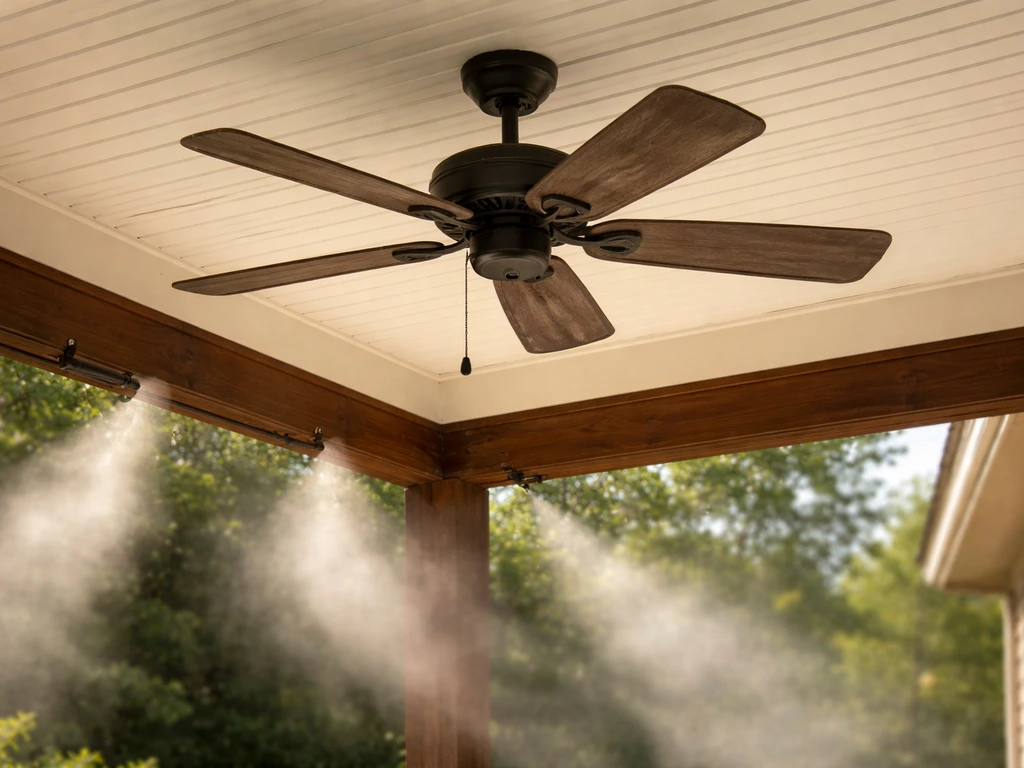
Under a covered patio, a quality outdoor-rated ceiling fan makes a dramatic difference in perceived temperature. For hot climates like Texas, Arizona, or Florida, a misting system adds another level of cooling during peak summer heat. These are relatively low-cost upgrades compared to structural changes and often fall under the threshold that requires ARC approval, though you should confirm this with your specific HOA. Misting systems typically connect to your outdoor water supply and can be DIY-installed for a few hundred dollars or professionally installed for $1,500 to $3,500 depending on the system.
Outdoor Kitchens and Heaters
Outdoor kitchens are a significant investment, typically running $10,000 to $50,000 for a full setup with installation costs often in the $15,000 to $25,000 range. At $33 to $130 per square foot depending on materials and labor, they're worth planning carefully before committing to a community that may have tight restrictions on outdoor structures. For cooler climates or shoulder-season use, gas-fired infrared patio heaters are an effective and relatively affordable option. Confirm whether gas line work requires a separate permit in your county and whether the HOA has any rules about outdoor appliances.
Materials and Patio Flooring: What Holds Up and What Doesn't

The condition and quality of existing patio flooring should factor into your community evaluation, not just the aesthetics. If you want to explore patio layouts fast, you can also use free AI patio design tools to generate layout ideas to discuss with your builder or HOA. Here's a quick comparison of the main patio flooring types you're likely to encounter or want to install.
| Material | Durability | Freeze-Thaw Performance | Drainage | Typical Cost Range | Best For |
|---|---|---|---|---|---|
| Concrete slab | High if well-poured | Prone to spalling without proper mix/finish | Needs positive slope; can pool | Low (existing) | Low-maintenance base; paint or overlay options |
| Concrete pavers | Very good | Good if properly installed with drainage base | Excellent if base is correct | $10–$25 per sq ft installed | Most climates; easy to repair individual units |
| Porcelain pavers | Excellent | Superior (very low water absorption) | Excellent with proper base | $15–$35 per sq ft installed | Cold climates; high-end look, low maintenance |
| Natural stone | Good to excellent | Varies by stone type | Good with proper pitch | $20–$50+ per sq ft installed | High-end aesthetics; needs sealing in wet climates |
| Composite decking | Good | Good | Gaps allow drainage | $15–$40 per sq ft installed | Elevated patios; warmer feel underfoot |
Regardless of material, the base and drainage setup matter more than the surface layer. Pavers installed without an adequate drainage base will settle, shift, and develop joint washout. A proper installation uses a compacted aggregate base, a sand setting layer, polymeric sand in the joints, and in areas with poor drainage, a perforated drain pipe beneath the base layer. When evaluating an existing paver patio in a community home, look for joint sand that's been washed out, uneven settling, or efflorescence on the paver surface. Any of these points to a drainage problem that may require partial or full reinstallation to fix properly.
Budget Planning, DIY vs Contractor, and How to Move Forward
Once you've identified a community and confirmed what upgrades are allowed, map out your upgrade priorities and costs before you close. That way you know your total cost of ownership, not just the purchase price.
DIY vs Hiring a Contractor
Some patio upgrades are genuinely DIY-friendly. Adding outdoor ceiling fans, swapping patio flooring over an existing slab with snap-together composite tiles, installing a basic misting system, or adding string lights and decorative elements are all within reach for most homeowners with moderate tool experience. If you want to plan layout ideas faster, a best free patio design app can help you visualize dimensions, seating, and upgrades before you spend money. More structural work, including patio covers, screen enclosures, and outdoor kitchens, almost always benefits from a licensed contractor, especially in HOA communities where the finished product has to meet specific material and design standards for ARC approval.
When you hire a contractor for any patio project, verify their license and insurance before signing anything. Get at least three written quotes scoped to the same work so you're comparing apples to apples. Make sure every quote includes the drainage base, not just the surface layer, because incomplete scopes often lead to drainage failures later. Confirm that the contract specifies materials by name and grade, includes a payment schedule tied to milestones (not just upfront lump sums), and states that any changes to the scope or price must be documented in a written change order signed by both parties before work changes. This requirement applies in most states and protects both you and the contractor.
Realistic Budget Ranges for Common Upgrades
| Upgrade | DIY Range | Contractor Installed Range | Notes |
|---|---|---|---|
| Misting system | $300–$800 | $1,500–$3,500 | HOA approval usually not required |
| Outdoor ceiling fan | $150–$400 | $400–$900 with wiring | Confirm outdoor-rated (UL listed for wet/damp) |
| Screen mesh addition (existing cover) | $4.50–$7.50/sq ft DIY | $7.50–$11.50/sq ft installed | Check HOA mesh color requirements |
| Screen enclosure (new) | Not recommended | $50–$175/sq ft installed ($10K–$35K typical) | Requires ARC approval and likely county permit |
| Paver patio (new or replace) | Possible DIY for small areas | $10–$35/sq ft depending on material | Include drainage base in scope |
| Patio cover / solid roof | Kit-based DIY possible for simple spans | $50–$150/sq ft installed | Material must often match home exterior |
| Outdoor kitchen | Partial DIY (grill station only) | $10,000–$50,000+ full build | Confirm HOA structural rules first |
Your Next Steps, in Order
- List three to six communities that match your region, climate needs, and price range.
- Request CC&Rs, architectural guidelines, HOA fee history, and the most recent reserve study for each community before touring.
- Tour each community and inspect patio layout, privacy, coverage, drainage, and flooring condition using the criteria above.
- Identify the top two upgrades you want to make and verify they're explicitly allowed under each community's architectural guidelines.
- Ask the HOA or property manager about recent ARC application outcomes for patio enclosures or covers to gauge how the committee operates in practice.
- Narrow to your top one or two communities and get contractor quotes for your planned upgrades so you know the full cost picture before closing.
- Review all contract documents with your real estate agent, paying attention to what you own versus what the HOA owns, reserve fund health, and any pending assessments.
- When you're ready to start upgrades after closing, get at least three contractor quotes, verify licenses and insurance, and confirm every scope change goes through a written change order.
The design and layout of the patio itself, including how the space flows and what materials work best for your climate, is worth thinking through carefully before you finalize anything. If you want to visualize layout options before committing, patio design tools and apps can help you experiment with configurations without spending anything. The goal going into a community purchase is to know exactly what you're getting, what you can change, and what it will cost, so the outdoor space you pictured when you were searching actually becomes the one you live in.
FAQ
What should I ask the HOA or ARC to confirm about patio upgrades beyond what’s in the CC&Rs?
Ask for the exact approval workflow (who reviews, typical turnaround time, and whether work is allowed to start before written approval). Also request examples of recently approved patio enclosures or privacy screens and whether they had to change materials, color, or dimensions after submission.
Do patio home communities always require architectural approval for things like ceiling fans, misting lines, or string lights?
Not always, but you cannot assume. Ask whether low-voltage or electrical work has a permit and whether the HOA treats wiring, penetrations, and mounting hardware as modifications requiring ARC review, even if the visible structure stays the same.
How can I estimate total patio costs before buying, especially if I want an enclosure or outdoor kitchen?
Build a “most-likely” budget by pricing the enclosure first (screen or roof), then add utilities. Get clarity on whether gas, water, and electrical hookups are already roughed in, and confirm any HOA limits on roof height, screen material, and exterior appliance placement.
What is a smart way to check privacy if the patio backs up to a neighbor’s bedroom or living room?
During the tour, stand where you plan to sit at different times of day if possible, and check sightlines from upper windows, not just the ground level. Confirm in writing whether privacy screens require neighbor signatures and whether there are height or setback limits.
If the community has pavers, how do I tell whether the drainage base is sound or likely to fail?
Look for repeated efflorescence, uneven settling, joint sand washout, and areas that stay dark or wet after rain. Ask the seller or HOA for any documented drainage or reinstallation work, because cosmetic leveling is often done without fixing the underlying slope or base.
Are there common “gotchas” with covered patios, like roof approval or material matching rules?
Yes. Even when a cover seems permissible, HOAs often require specific roof types (flat vs pitched), color matching, approved enclosure framing, and harmony with the home’s primary exterior. Request the permitted enclosure material list and how strictly it is enforced.
What happens if I want to do a patio project in stages, for example add screens first and a roof later?
Ask whether approvals are granted per phase and whether a later phase triggers a full re-review. Some HOAs effectively “lock in” the design once the first component is approved, so screens that are acceptable now might conflict with a future roof or upgraded structure.
How should I evaluate whether the patio is usable year-round in my specific climate?
Check whether the community plans for shade, airflow, and weather exposure. For hot climates, confirm whether misting is allowed and whether there are restrictions on adding pergolas or blackout screens. For freeze-thaw areas, ask about material specifications that prevent cracking and whether repairs after winter are common.
Is it worth prioritizing resale value if I love a community, even if modifications are restricted?
Yes, but quantify it. Ask real estate agents what outdoor features buyers in that area pay for, and confirm whether patio enclosures and outdoor kitchens are common in resale listings. Low modification freedom can still work if the community’s default outdoor setup is already attractive to buyers.
What documents should I request besides the CC&Rs, and what should I look for in them?
Request the fee schedule, reserve study, and the ARC guidelines or modification committee procedures. In the documents, focus on: approval timelines, allowed patio cover and enclosure types, privacy screen rules, fee increases tied to approvals or amenities, and any clauses that limit exterior penetrations.
How do I verify contractor bids are comparable if different contractors propose different drainage solutions?
Make sure every quote includes the same scope for the drainage base, slope corrections, and any under-drain or perforated pipe work. Require that the contract specifies products by name and grade and that it states how water will be directed away from the foundation.
If the HOA refuses a patio change, can I appeal or negotiate?
Ask for the appeal or reconsideration process in writing before you submit. Also ask what evidence they require (neighbor letters, design drawings, material samples) and whether there is flexibility in design to meet their “discretion” criteria.
Next Articles
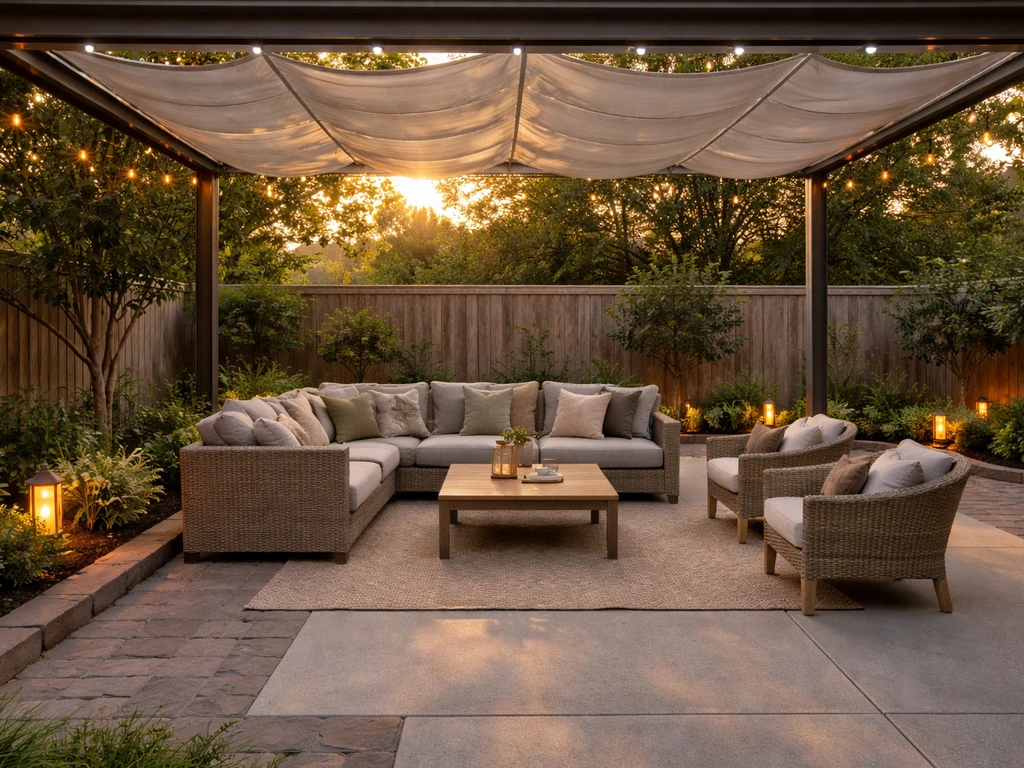
Top Patio Designs: Layout, Materials, and Comfort Tips
Top patio designs with proven layouts, pavers vs concrete vs tile, plus lighting, shade, comfort upgrades, and maintenan
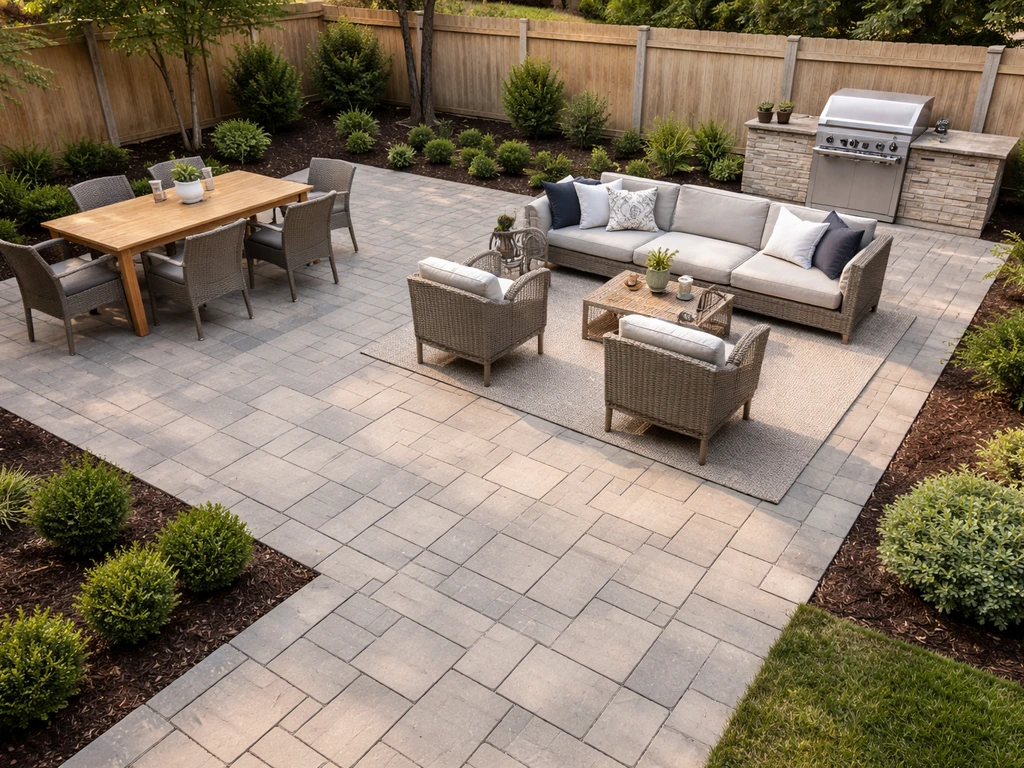
Best Patio Layout: Plans, Zoning, and Spacing for Any Yard
Choose the best patio layout with zones, spacing, zoning rules, and DIY steps for dining, lounging, grilling
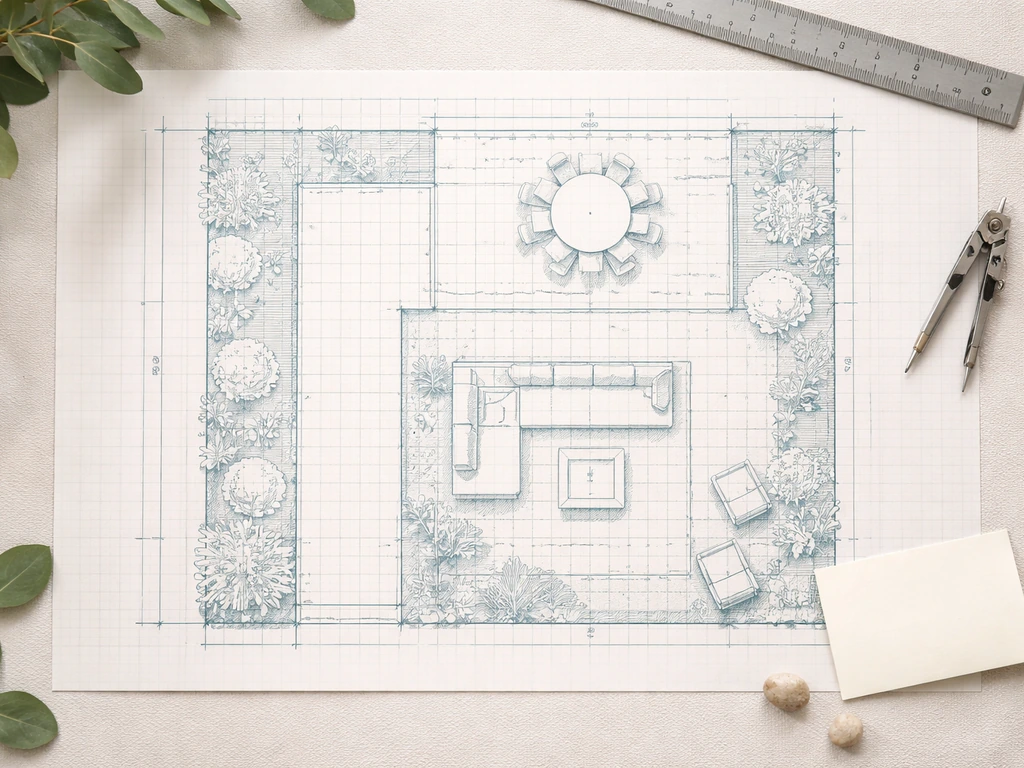
Best AI Patio Design Free Tools to Plan Your Patio
Find the best free AI patio design tools and turn AI layouts into a buildable, budget-ready plan with next steps