A top notch deck or patio comes down to four things done right: solid structure, smart layout, materials matched to your climate and budget, and enough comfort features to make you actually want to use it. That sounds simple, but most outdoor spaces fall short on at least one of those. This guide walks you through all of it, from evaluating whether your current space makes the grade to planning and building something you'll be happy with for the next 20 years.
Top Notch Decks and Patios Checklist for Upgrades Today

Phoebe Foster
29 Apr 2026
What actually makes a deck or patio "top notch"
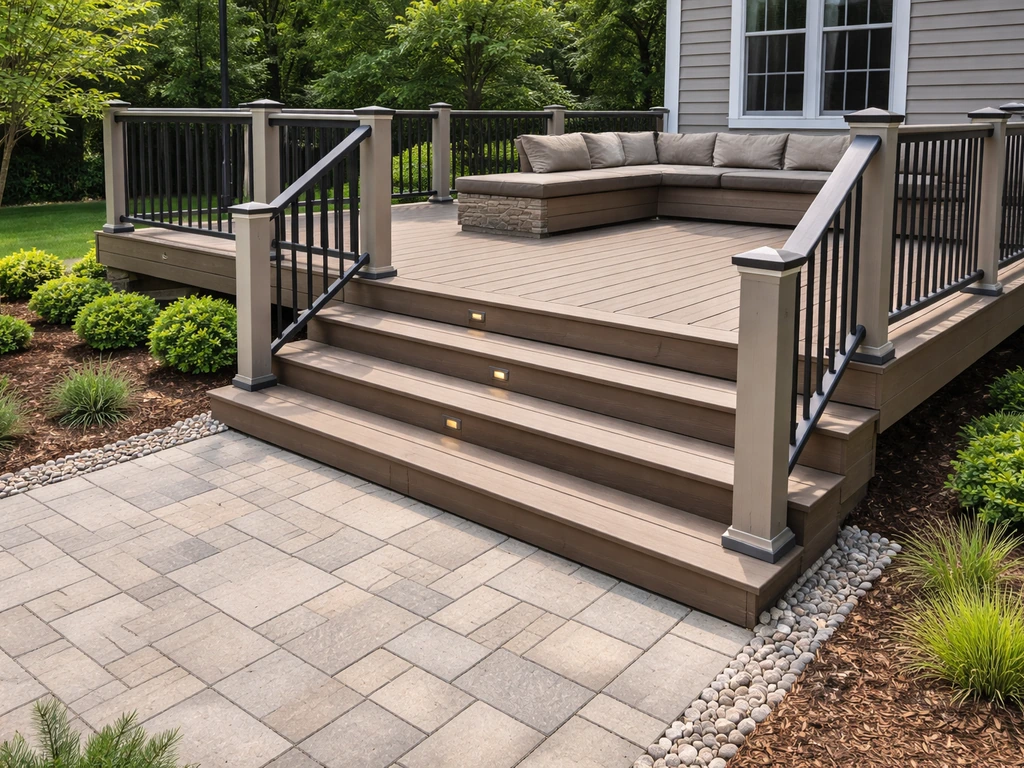
"Top notch" isn't about having the most expensive materials or the fanciest outdoor kitchen. It means the space is structurally sound, safe, comfortable, and built to last with minimal headaches. Here's the checklist I use when evaluating any deck or patio, whether I'm inspecting my own or helping a neighbor assess what they've got.
- Structural integrity: No bounce, flex, or movement when you walk across it. Posts, beams, and joists should be free of rot, cracking, or visible deterioration. Give the ledger board a close look, since poor ledger attachment and missing flashing is the most common cause of deck failure.
- Drainage: Water should sheet off the surface and away from the house. Pooling water is a red flag on any surface, wood or concrete.
- Surface safety: Low slip risk, especially when wet. Boards or pavers should be even with no trip hazards. Gaps between deck boards shouldn't exceed about 1/4 inch for comfort underfoot.
- Guard and railing quality: Any deck more than 30 inches above grade needs guards at least 36 inches high. Openings in those guards must be small enough that a 4-inch sphere can't pass through (the standard "4-inch sphere rule" from the IRC). Grab a railing and push hard. It shouldn't budge.
- Stair geometry: Stair risers should be no taller than 7-3/4 inches, and treads should be at least 10 inches deep. Riser heights within a single flight should vary by no more than 3/8 inch, or the stairs will feel inconsistent and people will trip.
- Workmanship details: Fasteners should be flush or countersunk, not popping up. Cuts should be clean and consistent. Flashing and caulk should be present at every wall or ledger connection.
- Long-term durability signals: Materials appropriate for your climate, hardware rated for outdoor/corrosive environments (stainless or hot-dipped galvanized), and a maintenance plan that's actually realistic.
If you're evaluating an existing deck or patio, walk through that checklist before you spend a dollar on cosmetic upgrades. A gorgeous new composite deck board on top of rotted joists is money wasted. Fix the bones first.
Planning the layout around how you'll actually use it
The layouts that work best start with a brutally honest conversation about how the space will get used. I've seen plenty of gorgeous patios that nobody sits on because the sun hits them directly at 5pm dinner time, or because the furniture arrangement forces you to walk through the seating area to get to the grill. Get this right before you pick a single material.
Define your use zones first
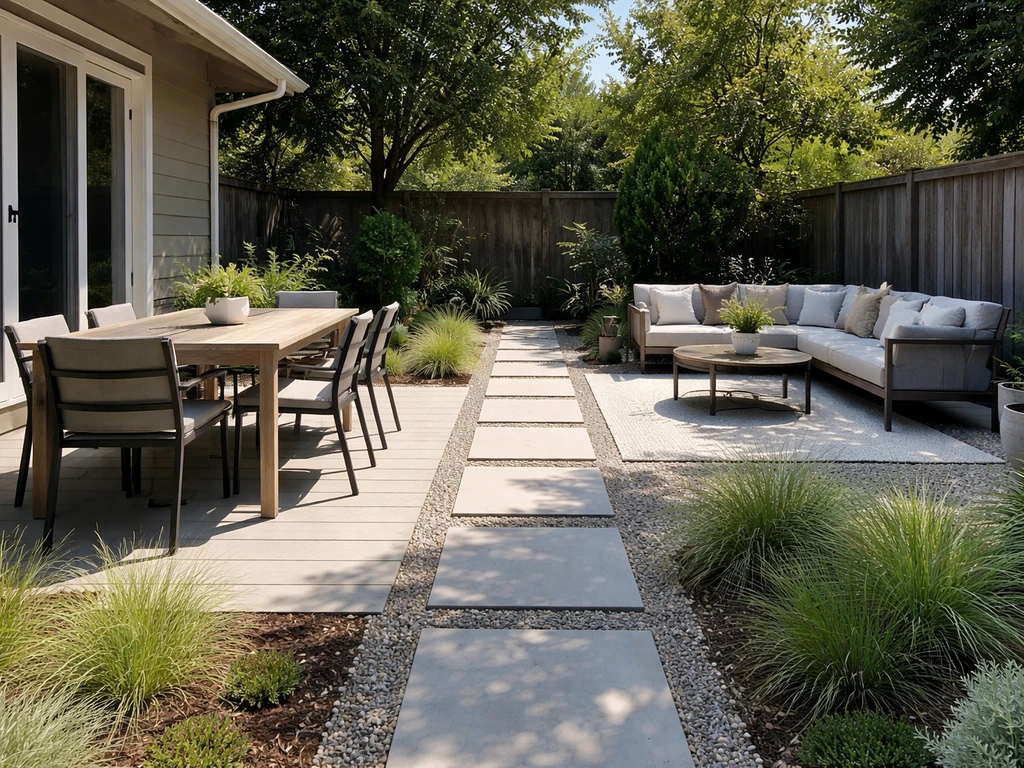
Most functional outdoor spaces have two or three defined zones: a dining area, a lounge or seating area, and a transition or cooking zone. You don't need a huge space to have all three, but you do need to plan them intentionally. A dining area for six needs at least a 12x12 foot footprint to feel comfortable with chairs pulled out. A lounge zone with a sofa and two chairs needs similar square footage. If you're combining both, aim for at least 300 to 400 square feet total, or separate the zones with a step, a change in material, or a planter.
Sun, shade, and traffic flow
Track sun patterns at the times you'll actually use the space. West-facing patios in Texas or Arizona are brutal from 3pm onward without shade built in. North-facing spaces in the Midwest may feel cold in spring and fall. Ideally, you want morning sun and afternoon shade for a dining or seating area, which usually means east or southeast orientation. For traffic flow, leave a 36-inch clear path from any door to the yard, and don't let furniture block it. People instinctively walk in straight lines from doors, so plan around that or you'll constantly be squeezing past chairs.
Size and shape guidelines
A common mistake is building too small to save money up front, then wishing you'd gone bigger. As a rule of thumb, a 10x10 patio is a bare minimum for two people dining. A 12x16 or 14x20 space starts to feel genuinely comfortable for most households. Irregular shapes, like L-shapes or multi-level decks, can solve lot constraints but add cost and complexity. Keep the shape as simple as you can while meeting your functional needs.
Choosing the right material: wood vs composite vs pavers vs concrete
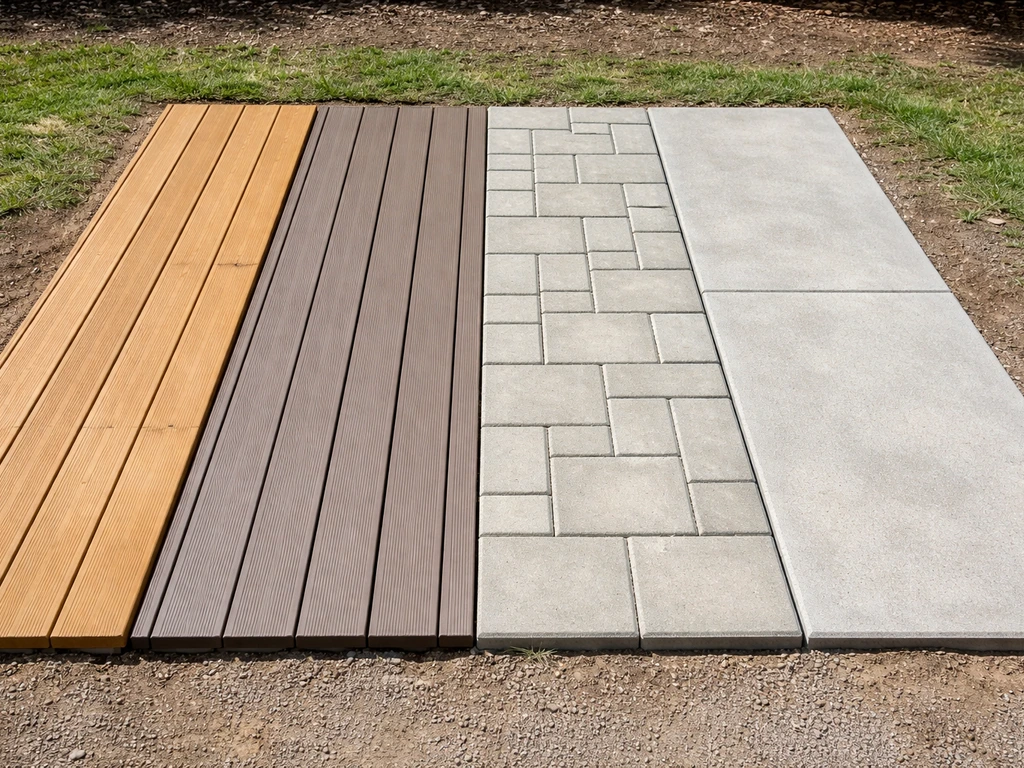
This is where most homeowners get paralyzed by options, so let me break it down practically. Each material has a real use case, and the "best" choice depends on your budget, climate, and how much upkeep you're willing to do. If you are comparing options, focus on durability, how it handles your climate, and how much upkeep you will realistically do to find the best patio decking for your space. If you are comparing options, focus on durability, how it handles your climate, and how much upkeep you will realistically do to find the best patio decks for your space. If you're digging into best patio decking options, this is the comparison you need.
| Material | Upfront Cost (per sq ft installed) | Lifespan | Maintenance Level | Slip Resistance | Best For |
|---|---|---|---|---|---|
| Pressure-treated wood | $15–$25 | 15–25 years with upkeep | High (annual sealing/staining) | Moderate (improves with weathering) | Budget builds, DIY-friendly projects |
| Composite decking | $30–$60 | 25–30+ years | Low (occasional cleaning) | Good (most brands have textured surfaces) | Low-maintenance decks, humid climates |
| Concrete (poured or stamped) | $6–$20 (stamped higher) | 30–50+ years | Low–Medium (seal every 2–3 years) | Variable (depends on finish) | Large flat patios, modern aesthetics |
| Pavers (concrete or natural stone) | $15–$40 | 25–50+ years | Low (occasional joint sand/sealing) | Good (textured surface) | Patios, pool surrounds, classic looks |
| Hardwood (ipe, teak, cedar) | $25–$50+ | 20–40 years with care | Medium–High (annual oiling) | Good when properly finished | Premium decks, coastal or visible areas |
Pressure-treated wood
Pressure-treated pine is still the most popular deck material because it's cheap and easy to work with. The downside is maintenance: you need to clean, seal, or stain it every one to two years or it grays out, cracks, and eventually rots. In humid climates like the Southeast, that timeline shrinks. Use ground-contact rated lumber (rated UC4B or higher) anywhere the wood is close to soil or concrete. Hardware must be hot-dipped galvanized or stainless, since standard zinc screws corrode and stain the wood. Simpson Strong-Tie’s treated-wood guidance recommends using hot-dip galvanized or stainless-steel fasteners and points to IRC R317.3.1 as the relevant code reference for pressure-treated wood hot-dipped galvanized or stainless.
Composite decking
Composite is wood fiber and plastic combined, and it's become genuinely excellent over the past decade. Capped composite boards (with a protective polymer shell) resist staining, fading, and moisture much better than earlier products. You'll spend more upfront, typically $30 to $60 per square foot installed, but you're essentially buying back years of weekends you'd otherwise spend on maintenance. In climates with big temperature swings, check the product's expansion and contraction specs and follow spacing guidelines carefully or you'll get buckling.
Pavers and concrete
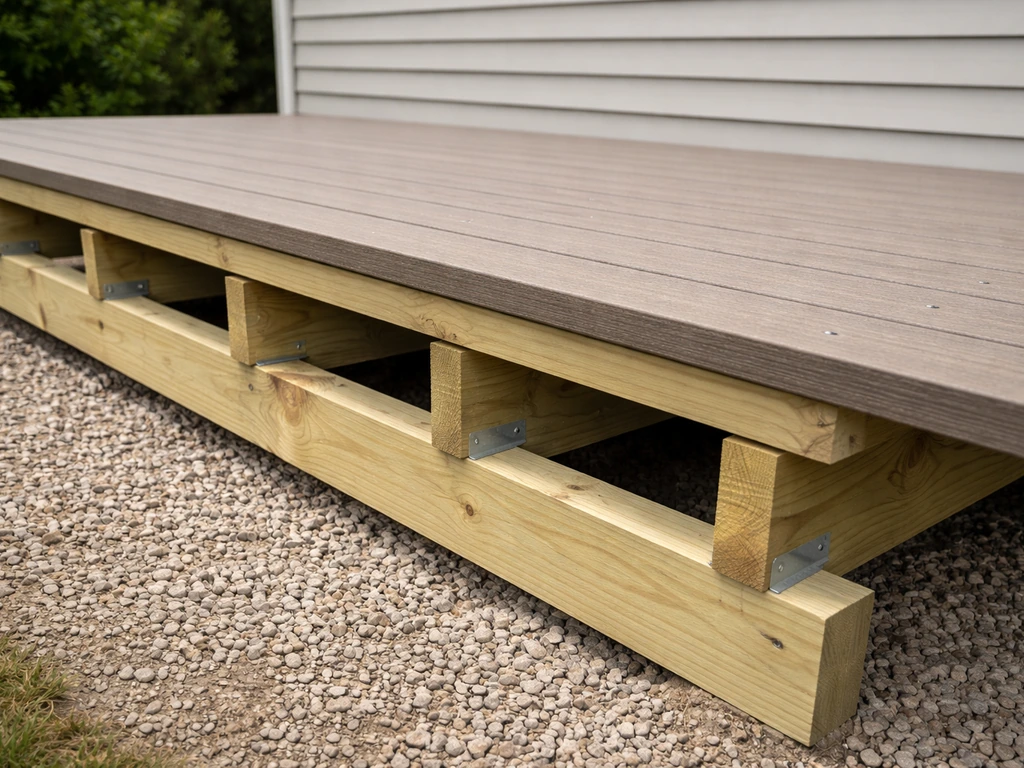
For ground-level patios, concrete pavers are hard to beat on value and longevity. They look great, drain reasonably well if installed over a compacted gravel base, and individual pavers can be replaced if one cracks or shifts. Poured concrete is cheaper per square foot but more prone to cracking without proper control joints and reinforcement. Stamped concrete gives you a premium look at a mid-range price, but once it cracks or the sealer wears, repairs are tricky to blend in. Natural stone pavers (bluestone, travertine, flagstone) cost more but add genuine character. Travertine in particular is popular in hot southern climates because it stays cooler underfoot than concrete.
Which material should you choose?
For a raised deck attached to the house, composite on pressure-treated framing gives you the best balance of durability and low maintenance, especially if you're in a rainy or humid climate. For a ground-level patio, concrete pavers are my go-to recommendation for most homeowners: durable, good-looking, DIY-installable if you're motivated, and easy to repair. If budget is the main driver, pressure-treated wood for a deck or basic poured concrete for a patio will get the job done, but go in with eyes open about ongoing maintenance costs.
Comfort upgrades that make the space worth using
The difference between a top notch outdoor space and a mediocre one often isn't the deck surface itself. It's the comfort layer on top: shade, airflow, lighting, and privacy. These are the elements that turn a nice-looking patio into a space people actually gravitate toward. You don't have to do all of them at once, but it helps to plan for them from the start so you're not retrofitting electrical or structural anchors later.
Shade solutions
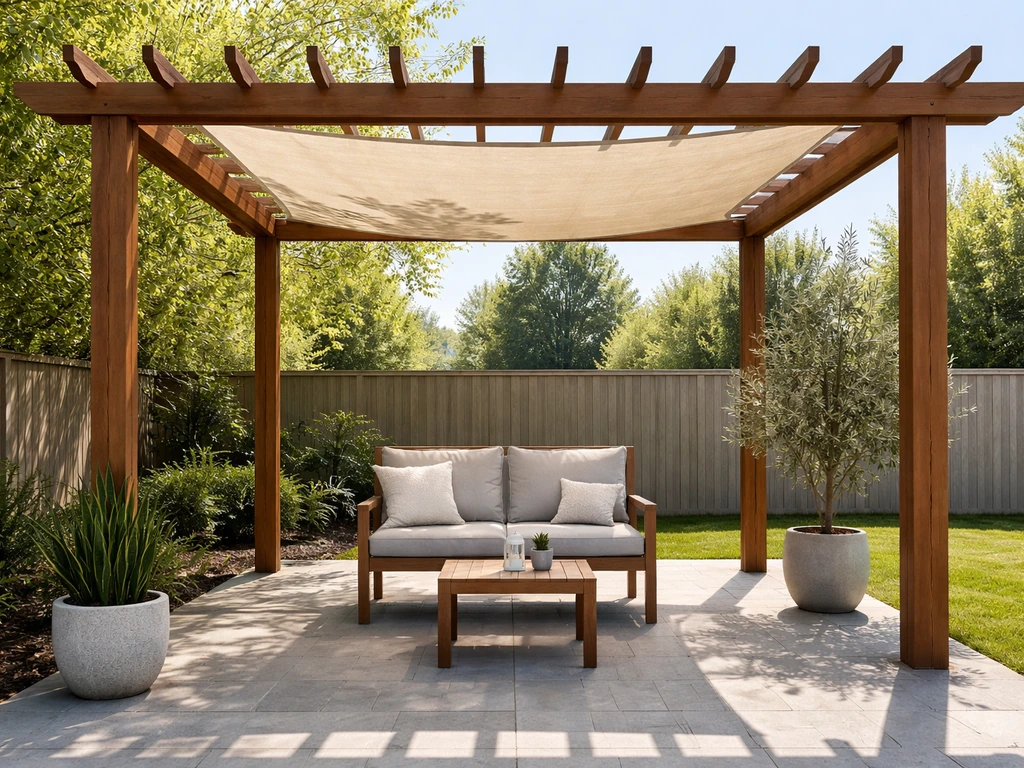
A pergola is the most common shade structure and works well if you add a shade sail, retractable canopy, or climbing plants across the top. Solid patio covers or insulated roof panels give you better shade and rain protection but cost significantly more. For a flexible budget option, a quality cantilever umbrella (11-foot or larger) handles most dining areas and can be repositioned seasonally. In hot climates, shade isn't a luxury, it's what makes the space usable from May through September.
Fans and misters
A ceiling fan under a covered patio or pergola makes a bigger comfort difference than most people expect. Look for a fan rated for wet or damp locations (the rating will be on the label), with a blade span of at least 52 inches for spaces up to 18x18 feet. In dry climates like Arizona, New Mexico, or west Texas, a misting system is genuinely transformative. High-pressure misting systems (around 1,000 PSI) create a fine fog that cools the surrounding air by 20 to 30 degrees without soaking you. In humid climates like Florida or the Gulf Coast, misters add humidity to already-humid air and generally aren't worth the investment.
Lighting
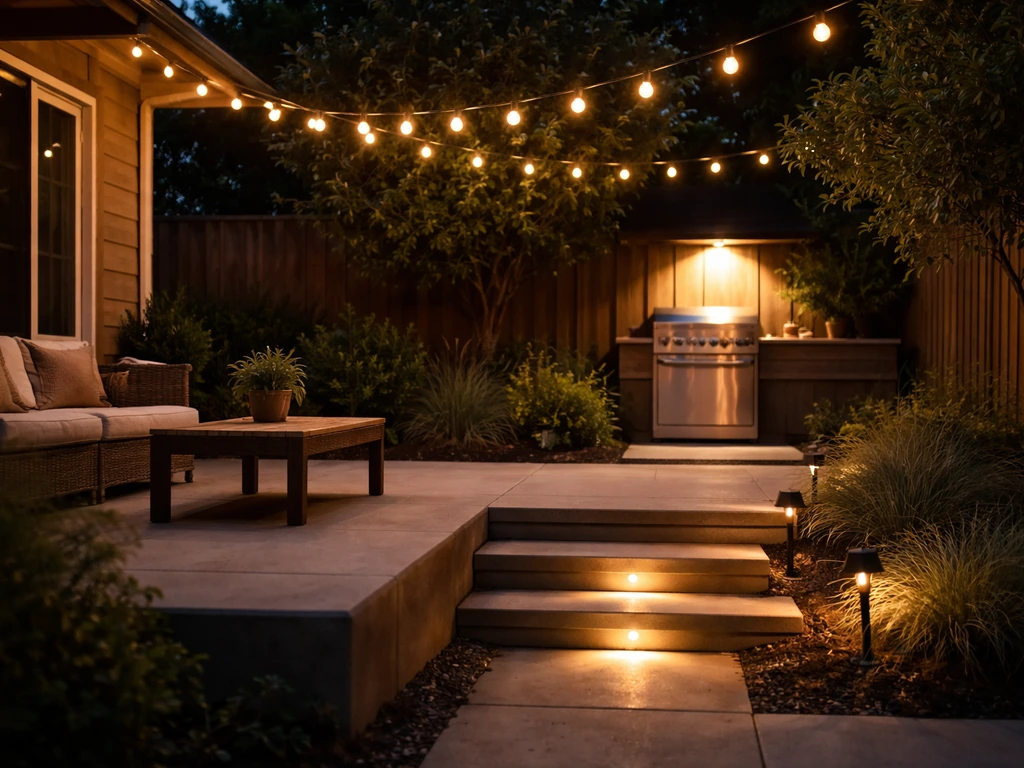
Plan outdoor lighting in three layers: ambient (string lights or overhead fixtures), task (over the grill or prep area), and accent (path lights, step lights, or uplighting for plants and structures). String lights are affordable, easy to install, and have a surprisingly big impact on the feel of a space at night. Step lighting is also a safety feature, not just decorative, especially on multi-level decks. If you're having an electrician on site anyway for a fan or outlet, have them rough in a few extra outdoor-rated circuits. It's cheap to add when the walls are open.
Privacy
Privacy screens, lattice panels, tall planters, and outdoor curtains all work. The best solution depends on whether you need year-round privacy or just seasonal screening, and whether you own or rent. For a permanent solution, a cedar or composite privacy fence panel attached to the pergola or deck frame is clean and durable. For a flexible option, outdoor curtain panels on a tension rod or cable system look great and can be opened or closed as needed. If you're adding privacy to block a specific sightline (a neighbor's second-floor window, for example), a single tall planter or screen placed strategically works better than a full perimeter fence.
Hiring a contractor vs doing it yourself
This depends heavily on the project scope, your skill level, and your budget. Pavers and simple concrete patios are realistic DIY projects for motivated homeowners. A raised, attached deck with ledger connections, guardrails, and stairs is a different conversation. Getting the structural and code elements wrong on a deck isn't just cosmetically bad, it's a liability and safety issue.
When DIY makes sense
- Ground-level paver patios (no concrete, no permits in most jurisdictions)
- Simple concrete slab replacement or extension
- Adding shade sails, umbrellas, string lights, or fans to an existing covered space
- Cosmetic deck refinishing: cleaning, sanding, staining, or painting existing boards
- Privacy screens and planters
When to hire a contractor
- Any raised deck attached to the house (ledger flashing, structural connections, code compliance)
- Projects requiring permits and inspections
- Electrical work for outlets, lighting circuits, or ceiling fans
- Stamped concrete or complex hardscape installations
- Multi-level decks or decks with complex stair runs
Getting and comparing bids
Get at least three bids for any project over $5,000. Ask each contractor to break out labor vs materials so you can compare apples to apples. A bid that's 30% lower than the others usually means thinner materials, fewer fasteners, skipped flashing details, or a contractor who's going to cut corners somewhere. Ask specifically whether the bid includes permit fees, debris removal, and all hardware. Some contractors exclude those to show a lower headline number. Also ask: who pulls the permit? If a contractor wants you to pull your own permit as the homeowner, that's sometimes legitimate but can also be a way for them to avoid accountability if the inspection fails.
Red flags to watch for
- No license or proof of liability insurance
- Asking for more than 30–40% upfront before any work starts
- No written contract or scope of work
- Unwilling to provide references from recent similar projects
- Vague answers about whether permits are included
- Pressure to decide the same day
Typical cost and timeline
A basic 12x16 pressure-treated deck installed by a contractor runs $8,000 to $15,000 depending on your region. The same footprint in composite bumps that to $15,000 to $25,000. A ground-level paver patio in the same size range typically comes in at $6,000 to $12,000 installed. DIY paver installation can cut that cost roughly in half if you're doing the labor yourself. Timeline is typically two to four weeks for a standard deck project once permits are approved, though permit approval alone can take one to four weeks depending on your jurisdiction and the time of year.
Permits, safety, and keeping it all in good shape
Do you need a permit?
Almost always yes for an attached raised deck, and sometimes for a detached structure or large patio. Ground-level patios under a certain size are often permit-exempt, but the threshold varies by city and county. The rule of thumb is: if it's attached to the house, elevated more than 30 inches, or over 200 square feet, call your local building department before you start. Unpermitted decks are a real problem when you sell the house, and some insurance policies don't cover accidents on unpermitted structures. It's not worth the risk.
Key safety and code basics
The IRC (International Residential Code) is the baseline most US jurisdictions follow, sometimes with local amendments. The big safety items to know: guards are required at 30 inches above grade and must be at least 36 inches high. Stair riser height maxes out at 7-3/4 inches and treads must be at least 10 inches deep. Riser heights within a flight can't vary by more than 3/8 inch. Ledger board connections and flashing are addressed under IRC Section R507, and this is the area most commonly done wrong on DIY decks. Water getting behind a ledger board causes rot that can compromise the entire connection between the deck and the house.
Drainage and weatherproofing
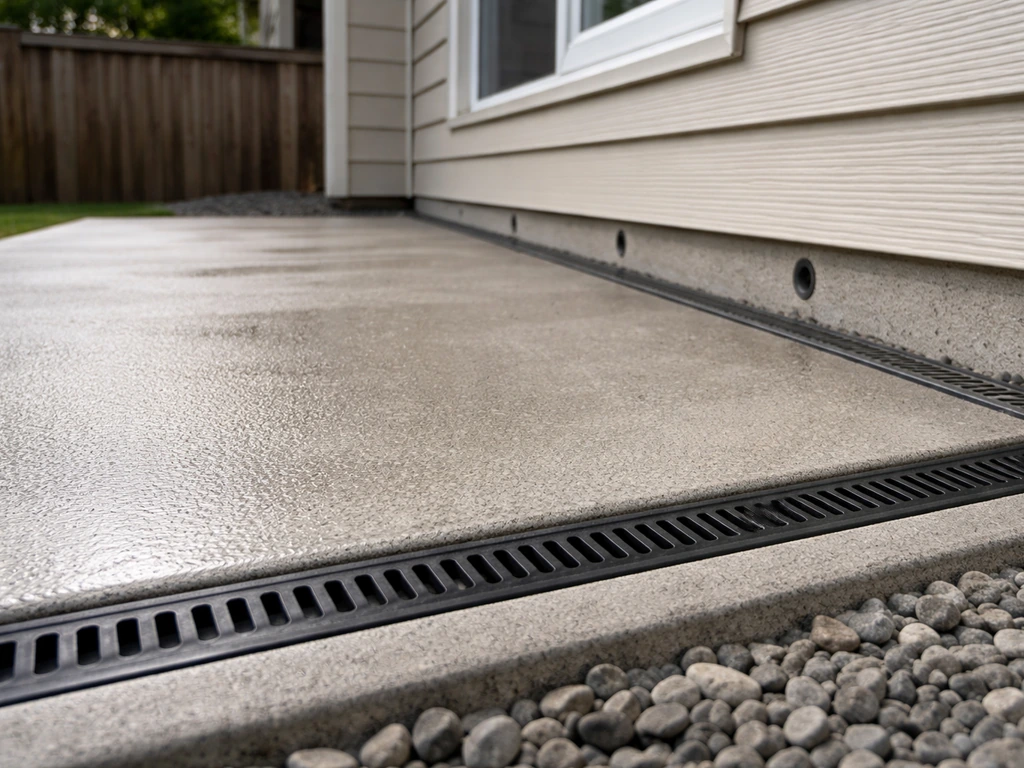
For any surface, slope matters. Patios should slope away from the house at about 1/8 to 1/4 inch per foot. Decks with boards have natural drainage through gaps, but the framing underneath still needs airflow and protection. Use joist tape or a liquid membrane on the top edges of joists to prevent water from sitting in fastener holes. In freeze-thaw climates (Midwest, Mountain West, Northeast), make sure paver or concrete bases are set below the frost line or you'll get heaving and cracking within a few winters.
A practical maintenance plan by climate
Maintenance needs vary a lot by where you live. Hot, dry climates (Southwest, West Texas) cause UV fading and material expansion issues but less rot. Humid climates (Southeast, Gulf Coast, Pacific Northwest) accelerate rot and mold on wood surfaces. Cold climates bring freeze-thaw stress on any surface. Here's a simplified annual maintenance framework:
- Spring: Clean the entire surface, inspect all fasteners and connectors for corrosion or looseness, check the ledger connection and flashing for any gaps or water staining, look for soft spots on wood decking that indicate rot.
- Summer: Clear debris from gaps and drains regularly. In hot climates, check expansion gaps on composite boards haven't closed.
- Fall: Apply sealer or stain to wood decking if needed (every 1–2 years). Blow out any misting systems before first freeze. Check that drainage is clear before the wet season.
- As needed: Replace any cracked or heaved pavers, re-sand paver joints, touch up caulk at wall and ledger connections, tighten any railing hardware that's worked loose.
The homeowners who get 20 to 30 years out of a deck or patio are the ones who spend two or three hours on it each spring catching small issues before they become expensive ones. It's not glamorous, but it's what separates a top notch outdoor space from one that's embarrassing in ten years. If you're aiming for a better bird deck porch patio, this same idea applies: catch small problems early so the space stays comfortable and safe top notch outdoor space. Choosing the best bird feeders for patios is another way to keep birds visiting while you focus on small maintenance details.
FAQ
Can I upgrade a deck surface (like swapping boards) without fixing the structure first?
Most deck problems start with fasteners and water control. If you’re upgrading the surface on an older deck, check for staining around joists, loose stair/rail connections, and any signs of rot at ledger flashing or post bases before installing new boards. Replacing boards without correcting those points usually leads to the same failure showing up again, just later.
If I choose composite decking, do I still need to worry about framing and hardware?
No, and it’s a common budgeting trap. Even if your deck boards are composite, the supporting framing, ledger, flashing, and guard rails still need to match the moisture and climate demands. In wet or coastal areas, prioritize corrosion-resistant hardware, proper ventilation under the deck, and correct flashing at the house connection.
Will adding a pergola or patio cover eliminate drainage issues?
Yes, but do it by planning for drainage and ventilation from the start. The “clean” way is to slope the walking surface and manage water runoff at the base, then ensure joists have airflow (or use approved membranes/joist tape where appropriate). Adding a cover without reworking drainage can trap water and accelerate underside deterioration.
Can I use a standard deck spacing rule for all composite boards?
In many cases, yes, but it depends on the exact products and installation system. Some composite and cap-stock boards are designed for specific board spacing and subframe conditions, and “DIY corrections” often cause buckling or premature gaps. Always follow the manufacturer’s spacing and temperature-installation guidance instead of relying on a generic rule of thumb.
How do I tell whether grading or drainage is actually working on my deck or patio?
Your goal is to keep water moving away from the house and preventing trapped moisture at connection points. If you can see water staining, mold smell, or dampness under stairs, that’s a sign the grading, flashing, or ventilation needs attention. After rain, walk the perimeter and look for pooling and wet fastener areas, not just surface puddles.
What are the highest-risk mistakes to watch for during a deck build?
Yes, particularly with ledger attachments and stairs. If a contractor proposes to “reuse” existing structural members, ask whether they will inspect for rot, confirm framing integrity, and verify flashing details. For DIY, treat ledger flashing, post bases, and stair connections as non-negotiable parts, because failures there are both unsafe and expensive to correct later.
Do I always need a permit if I’m expanding my outdoor space?
The safe approach is to assume you’ll need a permit for anything attached to the house, elevated above about 30 inches, or over about 200 square feet. However, thresholds and exemptions vary widely by city and county, so the only accurate answer comes from your local building department or website checklist. If you’re unsure, call before demolition so you don’t get forced into costly redesign.
What should I ask contractors to include so I can compare bids fairly?
Look at how the bid handles the “hidden” line items. Ask whether it includes permit fees, debris removal, all flashing, electrical rough-in scope, and the full hardware list, and get that spelled out in writing. A low bid often signals thinner materials, fewer fasteners, or omitted steps that affect lifespan and safety.
Why can two projects with the same square footage cost very different amounts?
You can plan for it, but don’t assume the surface choice drives the total cost alone. Labor intensity changes with complexity (multi-level, odd shapes, stairs), excavation, base prep (especially for pavers), and electrical add-ons. A deck that needs guardrails, stairs, and ledger work can cost more than you expect even if the deck boards are similar price per square foot.
What comfort features matter most if my space already looks good?
Yes, if the area is truly built for comfort and usability. The biggest “missing comfort” items are often shade strategy (morning sun vs afternoon heat), a clear traffic route from door to yard, and lighting that supports safety after dark (step/path lights). Start by mapping where people walk and where you’ll dine during the hours you actually use the space.
If I’m choosing between pavers, poured concrete, and stamped concrete, what should I optimize for?
That choice often depends on how much heat management you need and how much maintenance you’re willing to do. Pavers tend to be easier to replace individually, while poured concrete can be cheaper upfront but may crack without good jointing and reinforcement. Stamped concrete gives a premium look but repairs can be noticeable, and natural stone usually has the longest-term aesthetic appeal if budget allows.
Should I plan electrical for lighting now, or can I add it later?
For lighting, aim for three layers (ambient, task, and accent), then build circuits so you can control zones. If you expect to add outlets for a fan, misting components, or seasonal decor later, ask your electrician for extra outdoor-rated circuits while walls or fascia are open. That small planning step is usually cheaper than retrofitting afterward.
Are outdoor curtains a good long-term privacy solution in all climates?
Generally, yes, but only if they’re compatible with your climate and the fabric or posts are rated for outdoor exposure. In very wet regions, curtains can stay damp longer, and in hot dry areas they can fade quickly. For privacy that you want all year, rigid screens or panels attached to the frame usually perform better than temporary solutions.
Can I resurface or overlay an existing patio instead of rebuilding it?
It depends on what you’re building and what’s already there. If your existing patio base is solid, drainage is right, and the surface is failing, you may be able to overlay. But if there’s movement, settling, or water pooling, overlays can lock in the problem. For concrete, look for cracking patterns, movement, and adequate base preparation before deciding whether replacement is the smarter move.
Next Articles
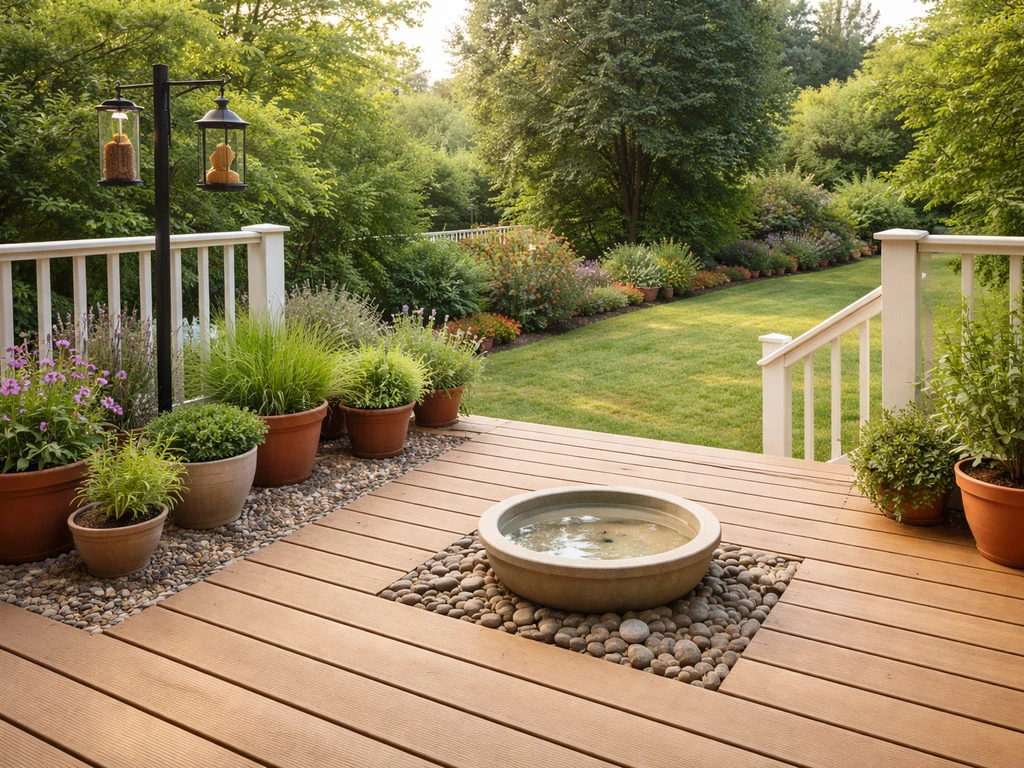
Better Bird Deck Porch Patio: Step-by-Step Upgrade Guide
Step-by-step upgrade for a better bird-friendly deck porch patio, with safe layout, feeders, plants, drainage, and clean
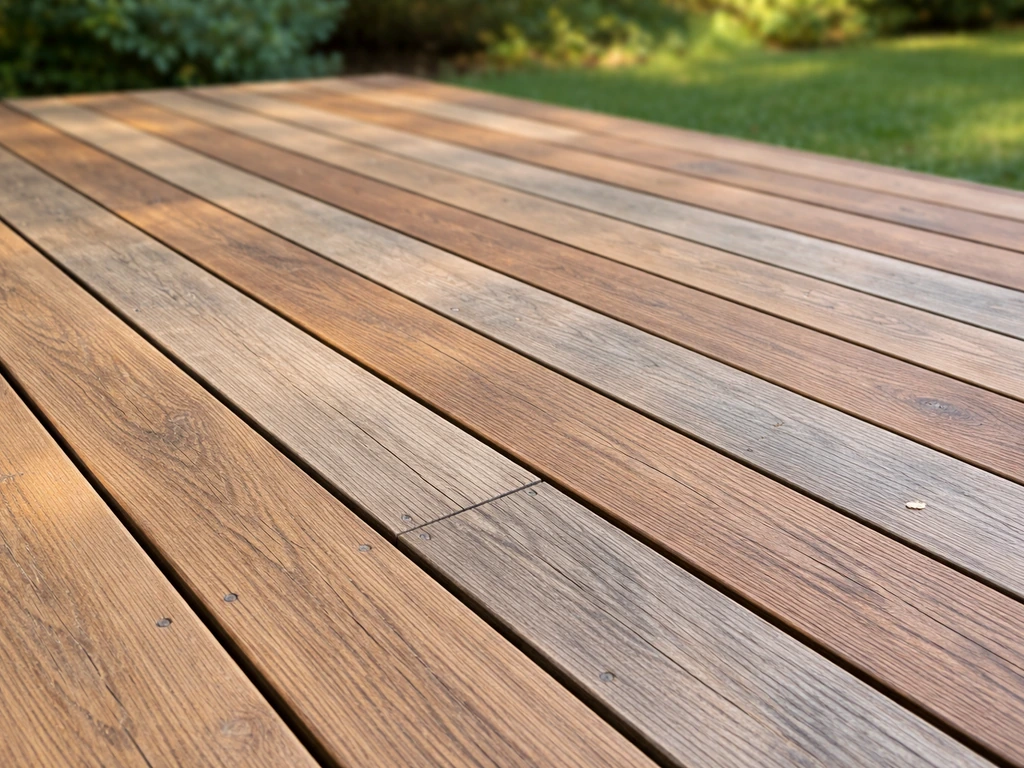
Best Patio Decking: Compare Materials, Costs, and Lifespan
Best patio decking guide: compare materials by cost, lifespan, maintenance, slip and weather resistance, plus installati
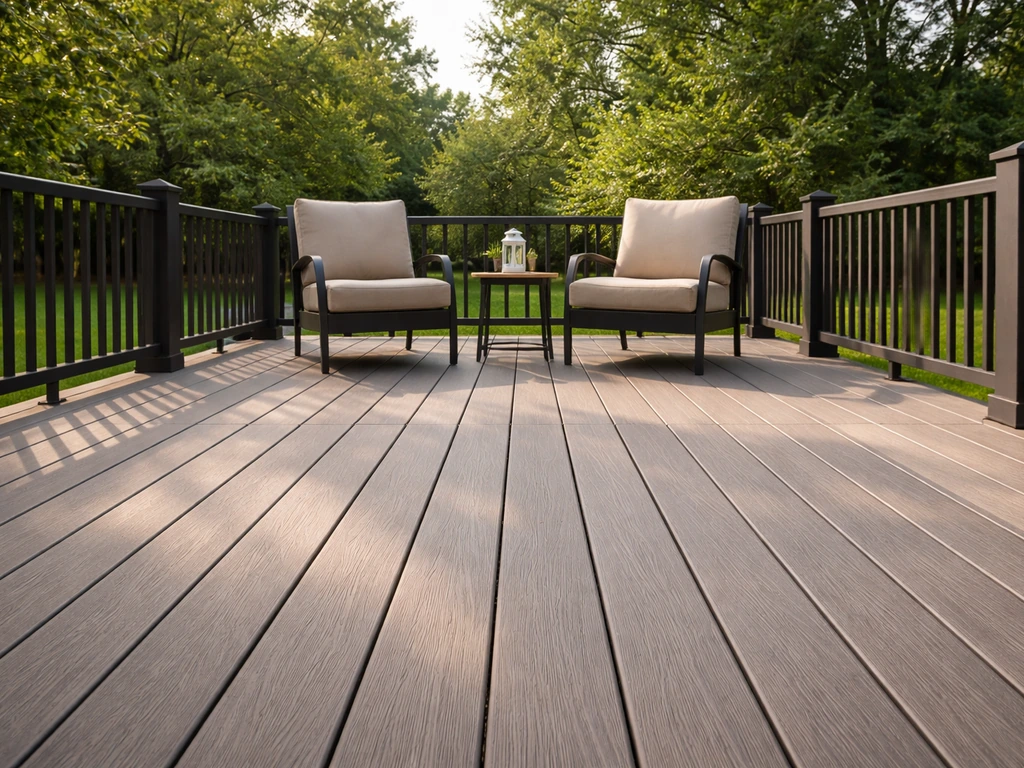
Best Patio Decks: How to Choose by Cost, Climate, and Needs
Choose the best patio deck by cost, climate, and needs with wood vs composite comparisons, hidden costs, DIY tips, and u