
For most homeowners, capped composite decking is the best patio decking material you can buy right now. It hits the sweet spot of realistic cost, low maintenance, good looks, and long-term durability. Brands like Trex, TimberTech, and similar capped composites come with 25-year fade and stain warranties, hold up in most climates, and don't need annual sanding or sealing. If you're in an extremely wet or coastal environment, capped PVC edges ahead. If budget is the primary driver and you're handy, pressure-treated wood is still a workable choice, but go in knowing the maintenance commitment. That's the short version. The rest of this guide walks you through how to choose the right material for your specific situation.
Best Patio Decking: Compare Materials, Costs, and Lifespan

Phoebe Foster
29 Apr 2026
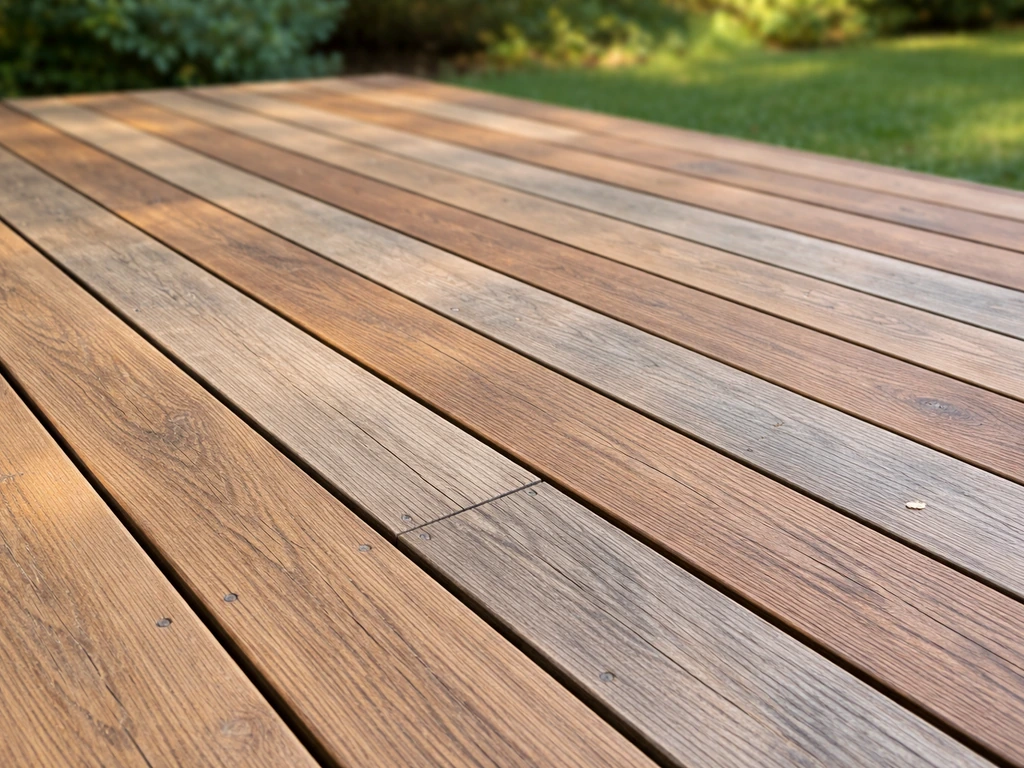
Material showdown: wood vs composite vs PVC vs other options
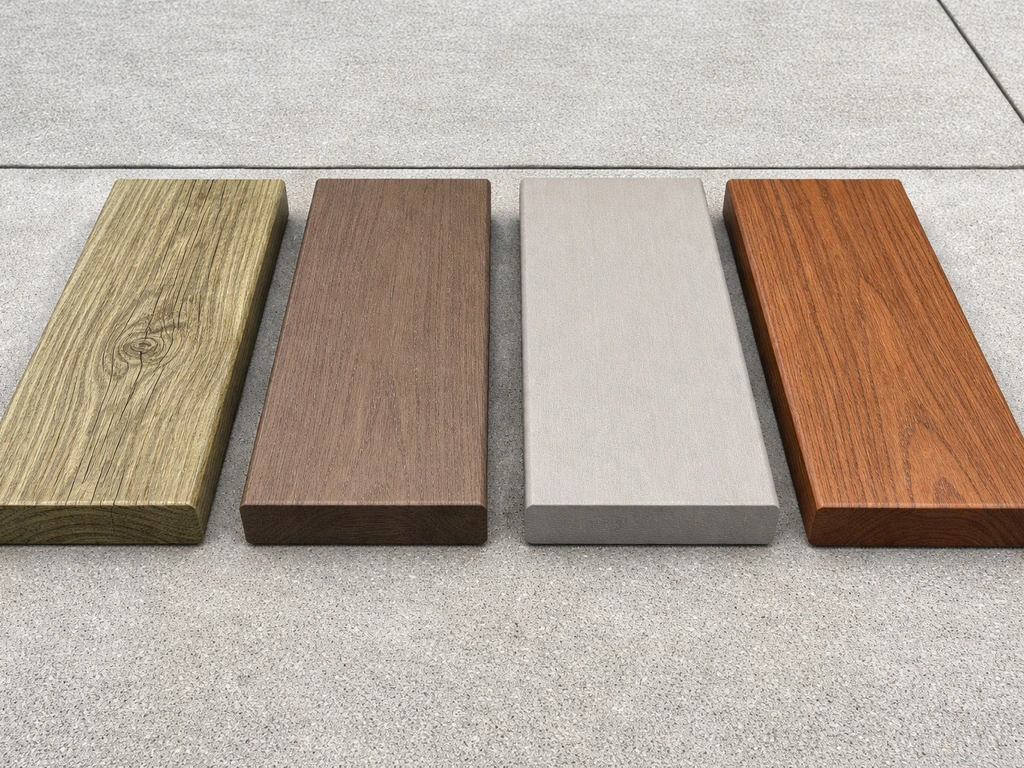
There are really four main contenders worth talking about: pressure-treated wood, natural hardwood (like ipe or cedar), capped composite, and capped PVC. Each has a real use case, and none of them is universally wrong. Here's how they actually stack up.
Pressure-treated wood
Pressure-treated (PT) pine is the entry-level choice, and it's not a bad one if you're budget-constrained and willing to do annual maintenance. It's widely available, easy to cut and fasten, and cheap upfront. The catch is that it warps, splinters over time, and needs to be cleaned, stained, and sealed every one to two years to stay looking decent and to protect against rot. In wet climates or areas with freeze-thaw cycles, it degrades faster. It's a solid DIY material, but the long-term ownership cost adds up.
Natural hardwood (ipe, cedar, redwood)
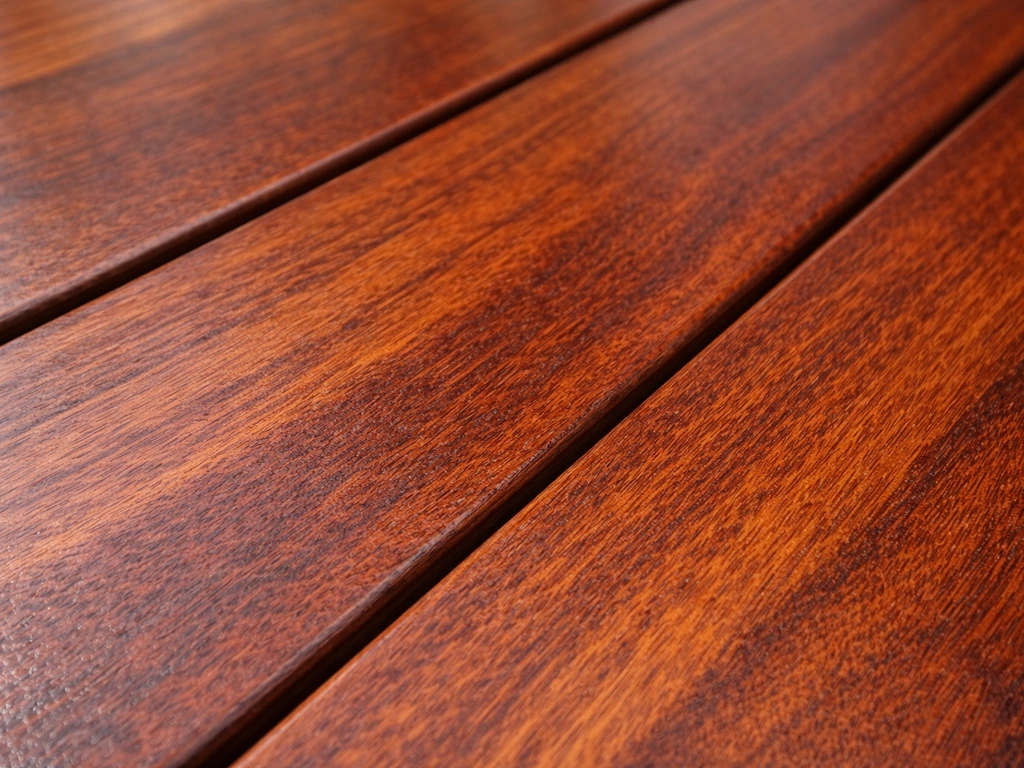
Ipe and similar tropical hardwoods are genuinely beautiful and can last 25 or more years with proper care. Cedar and redwood are softer but naturally rot-resistant and easier to work with. The downsides: hardwoods are expensive upfront, ipe specifically requires a specialized oil finish to prevent graying and cracking, and availability can be inconsistent. They're a great fit for someone who wants the look of real wood and doesn't mind the maintenance, but they're a hard sell when capped composite performs comparably at a similar or lower installed cost.
Capped composite decking
Capped composite is wood fiber mixed with plastic, wrapped in a protective polymer shell. That shell is the key difference from older-generation composites, which were notorious for fading, staining, and growing surface mold. Modern capped composite from brands like Trex and TimberTech resists all of that much better. Trex backs many of its lines with a 25-year limited fade and stain warranty. TimberTech offers similar 25-to-30-year coverage depending on the product line. Maintenance is light: a twice-yearly rinse and an annual scrub. It feels warmer underfoot than PVC and looks more like real wood. This is the material I'd recommend to most homeowners.
Capped PVC decking
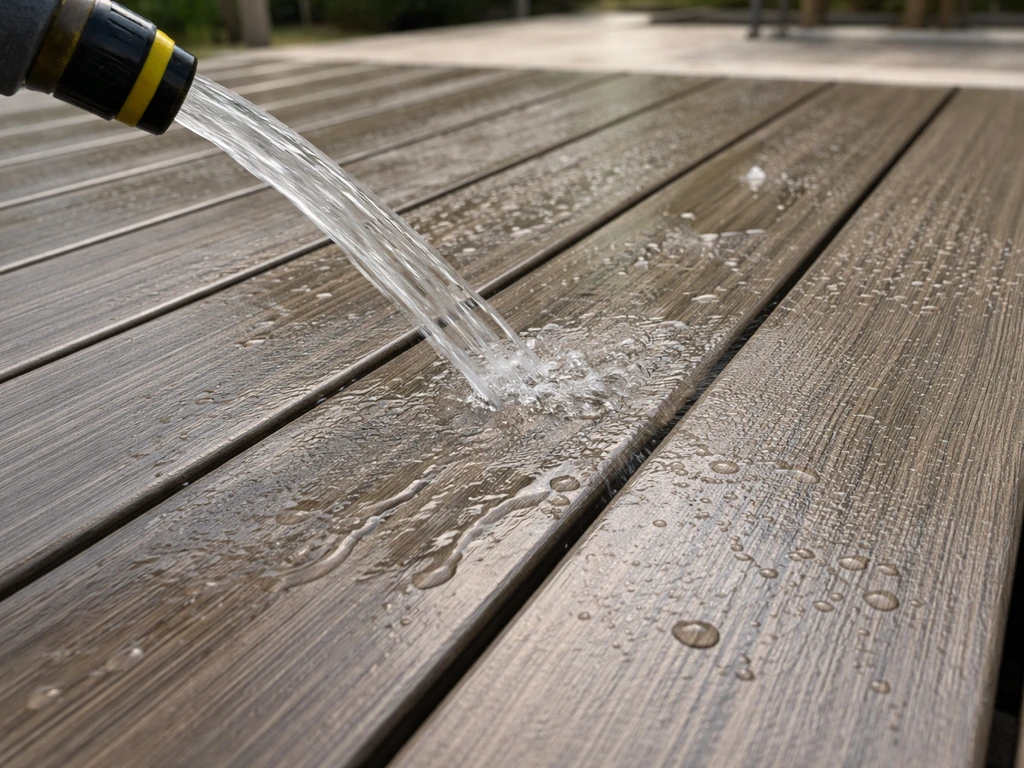
Capped PVC contains no wood fiber at all, it's 100% polymer. That means it's essentially impervious to moisture, rot, and insects, making it the top choice for docks, pool decks, coastal homes, or anywhere that sees constant water exposure. AZEK (which shares a parent company with TimberTech) is one of the most recognized names in this space and advertises a 50-year residential fade and stain limited warranty on certain lines. The tradeoffs: PVC can feel slightly hollow underfoot, it expands and contracts more with temperature swings than composite, and it's typically the most expensive option per square foot. It's worth the premium in the right environment.
| Material | Avg Installed Cost (per sq ft) | Expected Lifespan | Maintenance Level | Best For |
|---|---|---|---|---|
| Pressure-treated wood | $15–$35 | 10–15 years | High (annual staining/sealing) | Tight budgets, DIY builds |
| Cedar / Redwood | $25–$45 | 15–20 years | Moderate (biennial sealing) | Natural look, moderate climates |
| Ipe / Hardwood | $35–$60+ | 25+ years | Moderate (annual oiling) | Premium wood look, dry climates |
| Capped composite | $40–$80+ | 25–30 years | Low (biannual cleaning) | Most homeowners, most climates |
| Capped PVC | $50–$100+ | 30–50 years | Very low (rinse as needed) | Wet climates, coastal, pool areas |
Cost comparison: upfront price vs long-term value
The sticker shock on composite and PVC is real. Installed composite decking typically runs $40 to $100 or more per square foot when you factor in framing, fasteners, hardware, and labor. Wood decking installed can run $40 to $80 per square foot depending on species and complexity, so the gap isn't always as wide as people expect. Where wood really loses ground is in the 10-to-15-year window. By then you've spent real money on stain, sealant, and possibly board replacements, and the deck still looks older. A capped composite deck from year five to year twenty-five basically needs cleaning and nothing else.
For a 300 square foot patio deck, expect to budget roughly $12,000 to $24,000 for professionally installed composite, or $6,000 to $12,000 for a wood build. For top quality patios, composite is often a smart middle ground because it delivers long-term durability with much less upkeep than wood. Choosing quality decks and patios can help you balance upfront costs with easier maintenance and longer durability. DIY installation can cut labor costs significantly, especially for wood, which is more forgiving to work with. If you're comparing bids, make sure contractors are quoting the same scope: substructure, fasteners, and finishing details like fascia and stairs add up fast and are sometimes excluded from initial quotes.
When you're planning budget, also think about what happens at the end of the deck's life. Wood decks typically need full replacement earlier, and disposal of treated lumber has environmental considerations. Composite and PVC boards often last long enough that you may never replace them while living in the home.
Climate and location fit: matching your material to your weather
Climate is one of the most underrated factors in this decision. The material that's perfect in Phoenix can be a headache in Minneapolis or Miami. Here's how to think through it by region.
Hot, sunny climates (Southwest, Texas, Southeast)
Intense UV and heat are composite's biggest enemy. Lighter-colored boards absorb less heat and stay cooler underfoot, so pick your color carefully. Capped composite from major brands holds up well to UV with proper color selection, and the fade warranties exist for a reason. Dark composite boards in a Phoenix summer can get uncomfortably hot for barefoot use, similar to any dark surface. PVC boards tend to run slightly cooler than dark composite but still get warm. Wood, especially unsealed, can crack and splinter badly in constant dry heat.
Cold climates with freeze-thaw cycles (Midwest, Northeast, Mountain West)
Freeze-thaw is brutal on wood. Water gets into grain, freezes, expands, and over time you get cracking and rot. Capped composite and PVC handle freeze-thaw much better because there's no grain to absorb water. The key is proper installation: boards need correct gapping so they can expand and contract without buckling. Trex recommends 3/16 inch side-to-side gaps for drainage and movement. End-to-end gaps are temperature-dependent during installation, with different guidance for installs above vs below 40°F. Trex’s 2020 installation guide lists end-to-end gap guidance that is temperature dependent, showing a 3/16 inch (5 mm) end-to-end gap for installations below 40°F end-to-end gaps are temperature-dependent during installation. Follow the manufacturer's specs here or the boards can cup or buckle over time.
Wet climates and coastal areas
If you're near salt air, a pool, or in a high-humidity region like the Pacific Northwest or Gulf Coast, capped PVC is the clear winner. The absence of wood fiber means there's nothing to absorb moisture or rot. Capped composite is still solid in these environments, but if your deck will see standing water regularly or is directly adjacent to the ocean, the extra investment in PVC makes sense. For coastal decks, also pay attention to fastener material. Stainless steel fasteners are non-negotiable near salt air. TimberTech's installation guidelines specifically call for stainless steel and minimum #7 screw sizing for good reason.
Moderate climates
If you're in a relatively mild four-season climate without extreme humidity or brutal winters, you have the most flexibility. Capped composite is still the best value, but cedar or redwood become more competitive here because they hold up better and require less intensive maintenance than in harsher climates.
Comfort and performance: slip resistance, barefoot heat, and durability
How a deck feels matters, especially if you have kids, pets, or plan to use it barefoot. These factors don't always show up on spec sheets, but they affect how much you actually enjoy the space.
Slip resistance
Slip resistance is measured using coefficient of friction (COF) testing, typically following standards like ASTM E303. For a patio or deck surface, you want a textured finish that provides grip when wet. Most capped composite and PVC boards have embossed or brushed surface textures that perform well when wet, better than smooth-finished wood that hasn't been treated or painted. Ipe and other hardwoods can be slippery when wet and smooth. If slip resistance matters to you (and it should, especially around pools or in rainy climates), look for product spec sheets that cite wet COF ratings, and avoid ultra-smooth finishes.
Barefoot heat
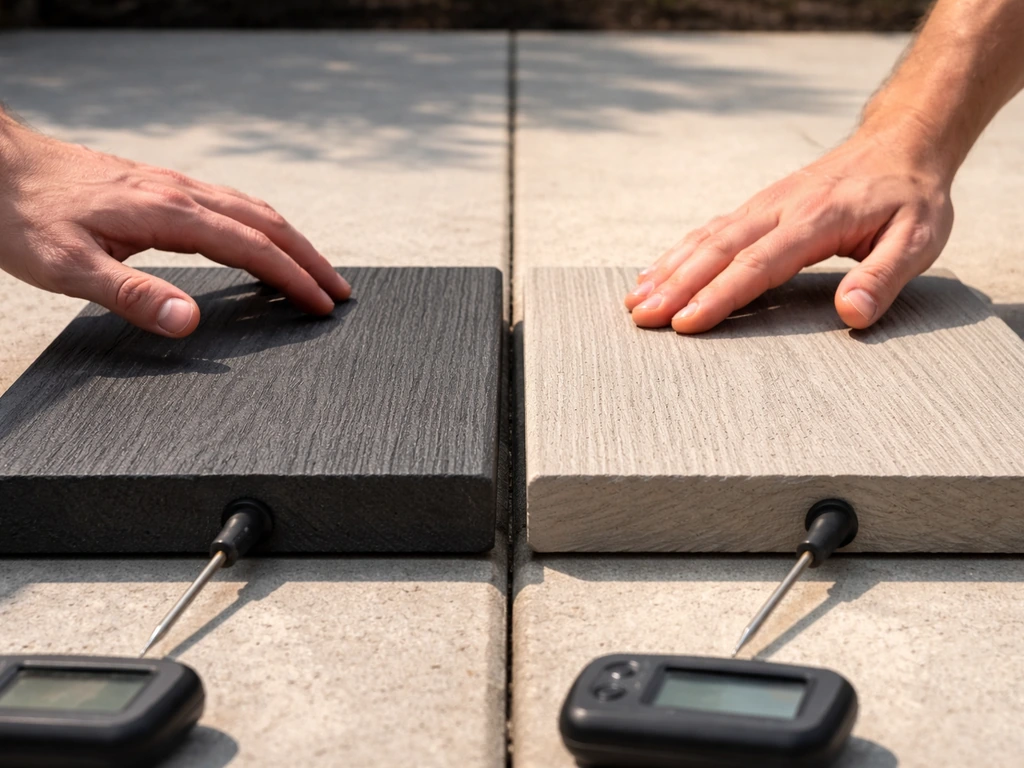
Dark surfaces absorb more heat, regardless of material. A dark gray composite board in direct afternoon sun can reach temperatures that are uncomfortable or even painful to walk on barefoot. If your patio gets strong afternoon sun and you'll be walking on it without shoes, choose a lighter color board and consider shade structures. PVC tends to run slightly cooler than dark composite due to reflectivity differences, but it's the color choice, not just the material, that matters most here.
Scratch and dent resistance
Capped composite and PVC are both more scratch-resistant than wood, which shows wear from furniture and pet claws fairly quickly. The protective shell on modern capped composite specifically addresses the early-generation composite problem of surface scratching and gouging. Wood can be sanded and refinished, but composite and PVC cannot be sanded without affecting appearance and potentially voiding warranties. Use furniture pads, and you'll be fine with any material.
Durability with heavy use
For high-traffic patios used for entertaining, grilling, or with kids and dogs running around, capped composite and PVC are more forgiving long-term. Wood patios take on more visible wear over time and need refinishing to stay presentable. If you grill on the deck, be cautious with any material: grease stains on composite and PVC should be cleaned promptly, and direct heat from a grill can damage any decking surface.
Installation considerations and what actually affects longevity
The material itself is only part of the equation. A good-quality deck board installed on a poorly built substructure will cause problems in a few years regardless of what you paid for the boards. These are the installation details that matter most.
Joist spacing and substructure
Both Trex and TimberTech call for joists spaced no more than 16 inches on center for standard residential decking. TimberTech notes that 12-inch spacing gives a more rigid underfoot feel, which some homeowners prefer. If you're installing boards at a 45-degree angle (diagonal), you'll typically need tighter joist spacing to prevent board flex and bounce. Make sure your contractor accounts for this in the framing plan. TimberTech's installation guides also call for solid blocking between joists to control movement and twisting of the substructure over time.
Board gapping and drainage
Gapping isn't optional, it's structural. Composite and PVC boards expand and contract with temperature, and without proper gaps the boards can buckle. Trex recommends 3/16 inch gaps between board sides in all weather, with end-to-end gaps that vary by installation temperature: typically 1/8 inch when installing above 40°F. Different rules apply in colder installs. Debris and leaves blocking gaps are also a maintenance issue, as trapped organic material can support mold and mildew growth even on composite. Keep gaps clear.
Fasteners
Using the wrong fastener can void your warranty and lead to real problems. Both Trex and TimberTech are explicit: use manufacturer-recommended fasteners, and in coastal or high-moisture environments, stainless steel is required. TimberTech specifies at minimum #7 screws and recommends their Cortex hidden fastener system for a cleaner look. Hidden fastener systems also reduce the number of surface penetrations, which matters for moisture management. Don't let a contractor substitute cheaper hardware to save a few dollars on a $15,000 project.
Temperature during installation
Composite and PVC boards should ideally be installed in moderate temperatures. TimberTech's guides specifically note keeping decking as cool as possible during attachment to manage expansion behavior. Installing on a hot summer afternoon can cause issues with boards that are already expanded, leaving insufficient gap for contraction in cooler months. Schedule installs for morning or mild weather days when you can.
DIY vs hiring a contractor
Wood decking is genuinely more DIY-friendly: it's easier to cut, fasten, and adjust. Composite and PVC installation is doable as a DIY project but has a steeper learning curve, especially around gapping, hidden fasteners, and temperature considerations. If you're going to DIY composite, download and read the full installation guide from the manufacturer before you buy a single board. Trex and TimberTech both publish detailed installation PDFs. If you're hiring, ask contractors for references on composite projects specifically, not just general deck work. Improper installation can void the warranty and lead to headaches the manufacturer won't cover.
Maintenance plan: what to do and when to reseal or replace
One of the biggest selling points of composite and PVC is the maintenance profile compared to wood. Here's what a realistic maintenance schedule actually looks like for each material.
Capped composite maintenance
Trex recommends cleaning twice a year, typically spring and fall, to clear pollen, debris, and organic buildup that can support mold if left in place. The cleaning method is simple: soap and water or a gentle pressure wash for most high-performance lines. Trex also has a deck brightener product for tougher stains. TimberTech recommends annual inspection and cleaning as a baseline, with attention to keeping nearby landscaping trimmed back to prevent debris accumulation. The key thing to avoid: using cleaners that aren't approved by the manufacturer. TimberTech specifically notes that cleaners designed for composite should not be used on capped polymer/PVC products and vice versa.
Capped PVC maintenance
PVC is even lower effort. Rinse it off when it looks dirty. For surface mold or mildew, a diluted bleach-and-water mix or manufacturer-approved cleaner handles it. There's no sealing, staining, or refinishing. Ever. That's the appeal.
Wood maintenance
Wood decks need annual cleaning and inspection, and staining or sealing every one to two years depending on your climate and the level of sun and moisture exposure. Pressure-treated wood should be allowed to dry out for several months after installation before applying any sealer. Hardwoods like ipe need annual oiling to prevent graying and surface cracking. Budget both the time and cost of this into your ownership plan. Skip two or three years of maintenance on a wood deck and you'll be doing board replacements or full refinishing projects.
When to replace vs refresh
Composite and PVC boards don't get refinished, but they also rarely need it within their warranty periods. If boards are structurally sound but look dull, cleaning and a brightener is usually all that's needed. Replacement typically becomes a conversation after 25 to 30 years on quality composite, or when physical damage (impact cracks, warping from improper installation) requires individual board swaps. Wood decks often reach replacement territory at the 10-to-15-year mark if maintained, or sooner if neglected. If you're buying a home with an existing wood deck, get it inspected: check for rot at the ledger board and post bases, those are the spots that fail first.
How to plan your patio deck before buying anything
Before you pull the trigger on materials, spend an hour doing basic planning. Measure your patio area in square feet (length times width, with adjustments for irregular shapes or cutouts around posts). Add 10% for waste and cuts. Decide on board direction and whether you want a picture frame border, because those details affect how much material you need and what the substructure needs to look like.
Look at where the sun hits the deck at different times of day. If it bakes in afternoon sun, color selection becomes more important. Think about traffic patterns: where will furniture go, where's the grill, where do people walk in from the house? These affect where you want seamless runs of boards versus where cuts and transitions land. Sketch it out even roughly before talking to a contractor or visiting a lumberyard. You'll have a much more productive conversation and you're less likely to get oversold.
Get at least three quotes if you're hiring out. Ask each contractor to specify the exact product, fastener type, joist spacing, and warranty they're providing. Comparing quotes that use different product tiers or substructure designs is comparing apples to oranges. The lowest bid isn't always the worst choice, but understand what it includes before signing anything.
If you're interested in how patio decking decisions connect to broader outdoor space quality, it's worth thinking about the full picture: the decking material is the foundation, but the overall design and quality of the space matters too. Choosing top quality patios starts with picking the right decking material and matching it to your climate, maintenance expectations, and intended use. Related considerations like deck and patio integration can also help if you're shopping for the best bird feeders for patios and want a safe, convenient placement. Related considerations like deck and patio integration, the quality of surrounding structures, and how all the elements work together are worth factoring into your planning from the start. If you care about how everything fits together, think about deck and patio integration alongside top notch decks and patios so your layout and materials feel cohesive.
FAQ
Is capped composite really the best patio decking if I’m mostly using the patio for parties and barefoot time?
It often is, but prioritize surface texture and color. Look for a product with a wet COF or explicitly textured finish, and avoid very dark board colors if you get strong afternoon sun, because heat buildup can make barefoot use uncomfortable even when the material is otherwise durable.
What’s the biggest mistake homeowners make when installing capped composite or PVC?
Skipping or mis-sizing expansion gaps, and letting debris block them. Even if you buy the right boards, improper gapping can cause buckling and cupping, and trapped leaves and organic debris can create mold and mildew spots around the board edges.
Can I install composite or PVC tight to the wall or house ledger to avoid gaps?
Usually no. You need clearance for temperature movement at every boundary, including against the house. If you don’t leave the required edge spacing and drainage space, boards can restrict expansion, which increases the risk of buckling and water retention at the wall line.
Do I need hidden fasteners for composite, or can I use standard screws?
You can use other approved fastening methods, but it must be manufacturer-approved for warranty and performance. Hidden systems are commonly recommended because fewer surface penetrations help moisture management and reduce the chance of visible hardware issues over time.
Is pressure-treated wood still a good choice if I’m on a tight budget and want DIY installation?
Yes, as long as you commit to the maintenance cycle. Plan for annual cleaning and every one to two years of staining and sealing, plus the reality that warping and splintering are likely sooner in freeze-thaw areas or when boards stay wet often.
How do I choose board color for hot climates without making the patio too hot to walk on?
Start with lighter shades and treat color selection as a performance decision. Darker boards absorb more heat regardless of material, and you may need shade structures or more frequent barefoot breaks to stay comfortable in summer.
Are PVC boards always cooler than composite?
Often they run slightly cooler, but the dominant factor is color and sun exposure. A dark composite board can become uncomfortable, while a lighter composite or PVC shade can feel much better, even though PVC is generally more forgiving in heat and moisture terms.
What fasteners should I use if my patio is near the ocean or a pool?
Use stainless steel fasteners, and match the screw size requirements from the decking brand. This matters because salt air accelerates corrosion, and using the wrong hardware can also create warranty disputes when fasteners fail prematurely.
How long should I expect before replacing parts of a capped composite or PVC deck?
Many homeowners won’t replace boards during their time in the home, but physical damage can change the timeline. Plan for possible individual board swaps after impacts like dropping heavy grills or patio furniture, while the overall deck frame is still usually the long-term limiting factor.
Should I worry about mold on capped composite if it’s “mold resistant”?
Mold resistance is real, but not immunity. You still need twice-year cleaning and you must keep expansion gaps clear so trapped organic debris does not support mildew growth at the board edges.
Is it safe to use a power washer on composite or PVC?
It can be, but be careful with pressure level and nozzle distance. Use gentle settings and avoid aggressive blasting near edges and joints, because overly harsh cleaning can damage surface finish or push debris into gaps.
Can I refinish composite or PVC like I can with wood?
No. You generally cannot sand or refinish capped composite or PVC without affecting appearance and potentially invalidating warranties. If the deck looks dull, the realistic path is cleaning and, when recommended, using an approved brightener.
What should I check when buying a house with an existing wood deck?
Inspect the ledger board and post bases first, those are common failure points for rot. Also look for soft spots and signs of repeated moisture intrusion, because early structural issues often require more than board-level fixes.
When getting deck quotes, what exact items should I demand to avoid apples-to-oranges comparisons?
Request the specific board brand and line, framing material and joist spacing, the exact fastener type and screw size, the gap and installation-temperature assumptions, and what’s included for fascia, stairs, and edging transitions. Also confirm which warranty is being offered for boards versus railing or labor.
Next Articles
Best Patio Decks: How to Choose by Cost, Climate, and Needs
Choose the best patio deck by cost, climate, and needs with wood vs composite comparisons, hidden costs, DIY tips, and u
Top Quality Patios: Materials, Build Tips, Costs, Maintenance
Compare top-quality patio materials, build methods, costs, climate fit, maintenance, and contractor checks for long-last
Best Bird Feeders for Patios: Types, Placement, and Buying Guide
Choose the best patio bird feeders with placement, weatherproofing, capacity, and easy cleaning tips for your space.