The best things to do on a patio come down to one honest question: what do you actually want to use it for? Relaxing alone with a coffee, hosting a crowd for dinner, grilling on weekends, giving the kids a space to play, or sneaking in some focused work outside, each of those goals calls for a different setup. Pick your primary purpose first, then layer in the upgrades that make it work for your size, climate, and budget. Everything below is organized so you can grab 3 to 5 actions you can start on today, not someday.
Things to Do on a Patio: 35 Ideas and DIY Setups

Phoebe Foster
15 Jun 2026
Pick your patio purpose and match it to the right setup
Before you buy a single piece of furniture or plant a single planter, decide which of these five modes your patio is mainly serving. Most patios end up doing two or three of them, but one should lead the design.
| Primary Use | What You Need Most | Space Minimum |
|---|---|---|
| Relaxing / lounging | Deep seating, shade, soft lighting | 100–150 sq ft |
| Dining and entertaining | Table + chairs, clear traffic lanes, lighting | 150–200 sq ft |
| Cooking / grilling | Grill station, prep surface, 10-ft clearance from house | 200+ sq ft |
| Family / kids | Open floor space, durable surfaces, simple furniture | 150–200 sq ft |
| Work from home outside | Shade, stable surface, power access, quiet corner | 80–120 sq ft |
Once you have a primary use in mind, you can layer a secondary one. A dining patio can share space with a lounge corner if you keep a clear 36-inch main walkway between zones. Tighter than that and people start bumping into chairs every time someone stands up, a small annoyance that kills the vibe at a gathering fast. If you are still searching for broader design direction, there is a lot of useful overlap with good patio ideas and backyard patio setup concepts covered elsewhere on this site.
Immediate low-cost wins you can do this weekend
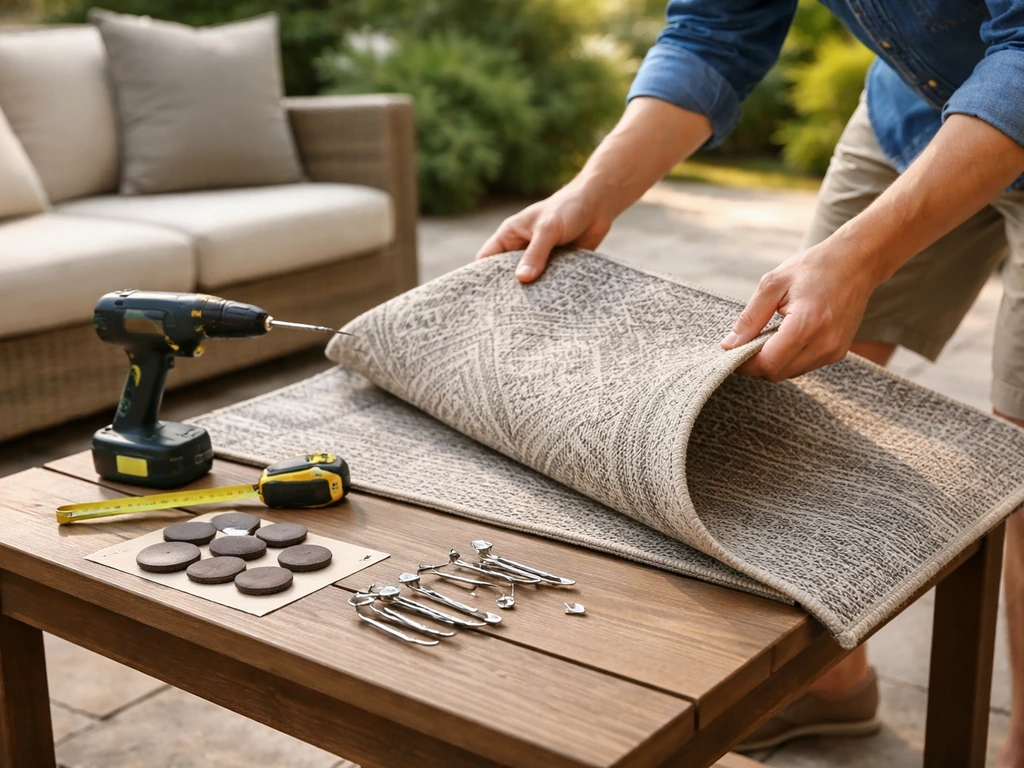
You do not need a renovation to transform how a patio feels. A few targeted low-cost changes make a bigger difference than most people expect, and most of them take an afternoon or less.
Layout and furniture arrangement
Pull furniture away from the walls and create a conversation grouping in the center or off to one corner. Floating furniture makes the space feel intentional instead of staged. Keep your main walkway at least 36 inches wide, bump that to 48 inches if people will be passing behind seated guests regularly. Rearranging costs nothing and is often the highest-impact change you can make in under an hour.
Outdoor rugs
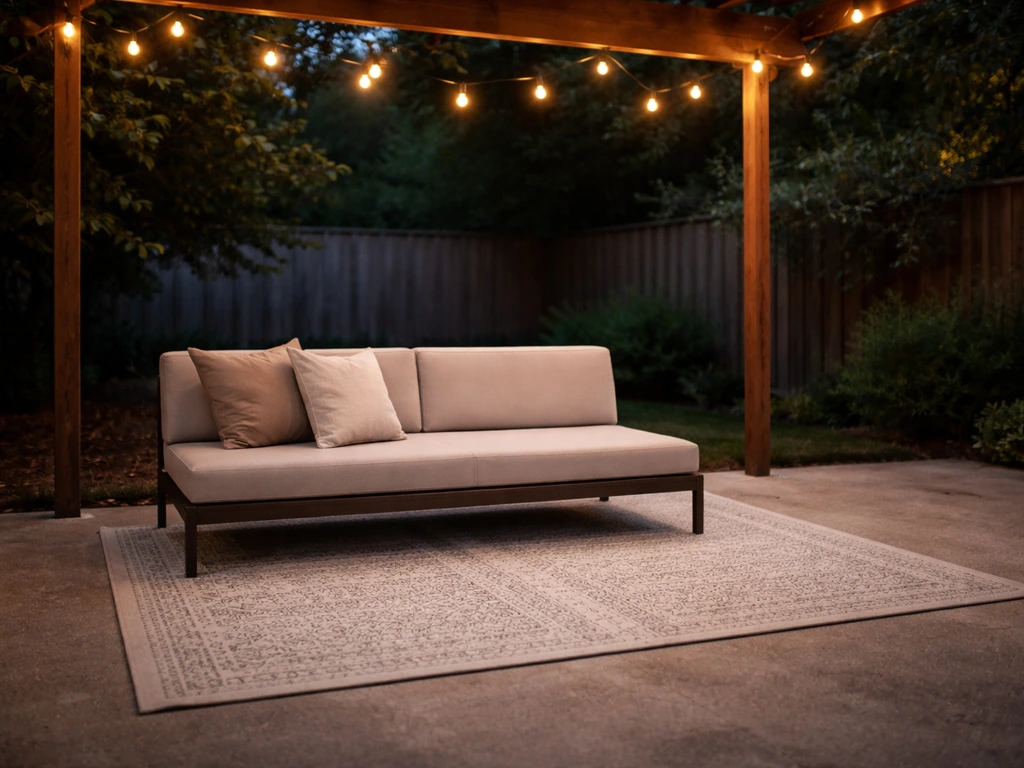
An outdoor rug anchors a seating zone and makes bare concrete or plain pavers feel like an actual room. Look for polypropylene rugs with UV-treated fibers, they resist fading and handle moisture without molding. A UV- and mold-resistant polypropylene rug in the 8x10 range typically runs $80 to $150 at home improvement stores and makes an immediate visual difference.
String lights and layered lighting
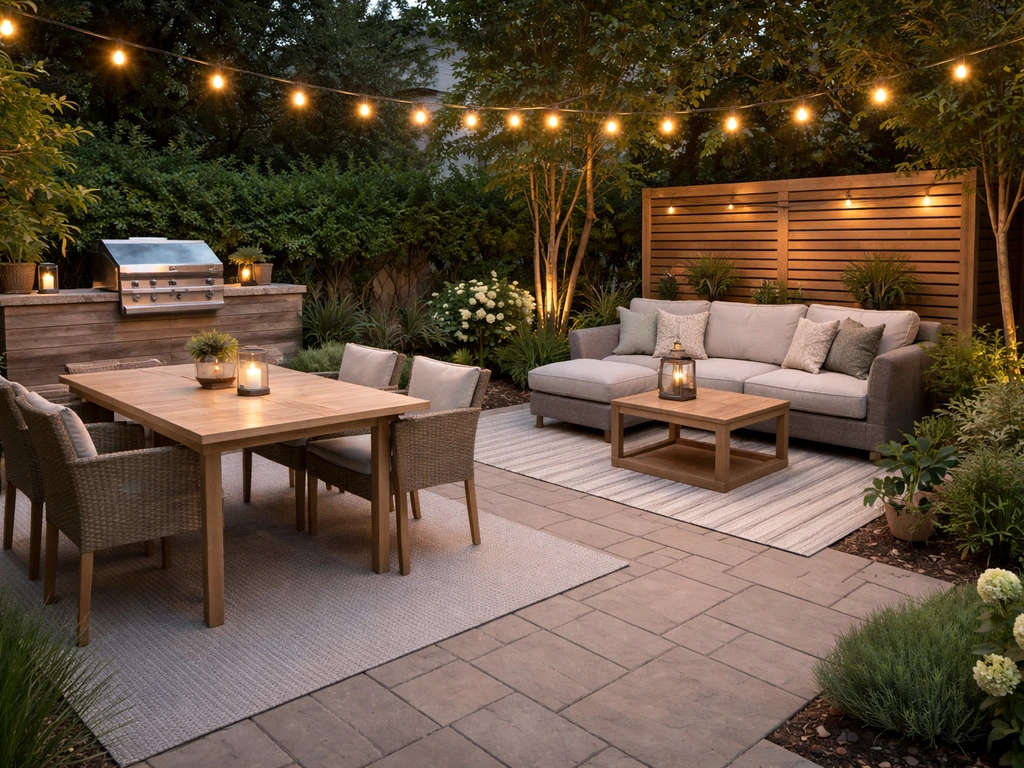
String lights hung overhead (from hooks, a pergola, or poles in planters) cost $20 to $60 and completely change the feel of the space after dark. Pair them with a low lantern or two on side tables for layered warmth. Solar path lights along the edges add safety and depth without any wiring.
Privacy screens
If you feel exposed to neighbors, a simple privacy screen panel makes the patio feel like a retreat instead of a fishbowl. Budget-friendly fabric panels use UV solvent-ink printing for fade resistance and are typically rated for 3 to 5 years of outdoor use. You can mount them on a fence, hang them from a pergola beam, or set them in a freestanding frame. Bamboo roll shades and trellises with climbing plants are slower but cheaper long-term alternatives.
Planters and greenery
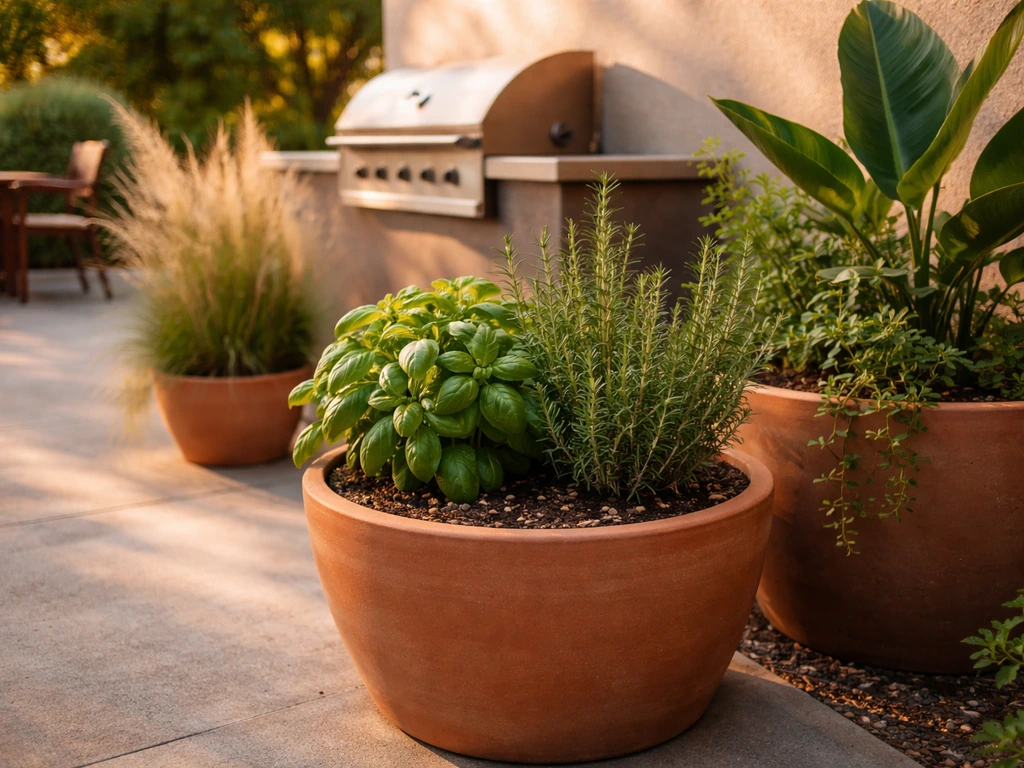
A few large planters with tropical plants, ornamental grasses, or herbs define the edges of a space, add privacy, and soften hard surfaces. Herbs near a grill or dining area double as both decor and cooking ingredients, a win for any budget-focused setup.
Entertaining and dining: how to set it up so it actually works
Outdoor dining is one of the most enjoyable things you can do on a patio, but it falls apart fast if the furniture sizing or spacing is off. Here are the numbers that actually matter when you are planning or buying.
Table sizing
Budget about 24 inches of table-edge space per person for a comfortable place setting. For six people, that puts you at a table roughly 72 to 84 inches long and 36 to 40 inches wide. Round tables work well for smaller groups (4 and under) and create better conversation flow. Whatever shape you choose, blank" rel="noopener noreferrer">leave at least 36 inches between the table edge and any wall, planter, or railing so chairs can pull out cleanly. If you are planning a best backyard patio for hosting, use these same table spacing and walkway clearances to keep chairs from getting cramped. For a walkway that stays open while guests are seated, push that clearance to 48 to 60 inches.
Chair-to-table height
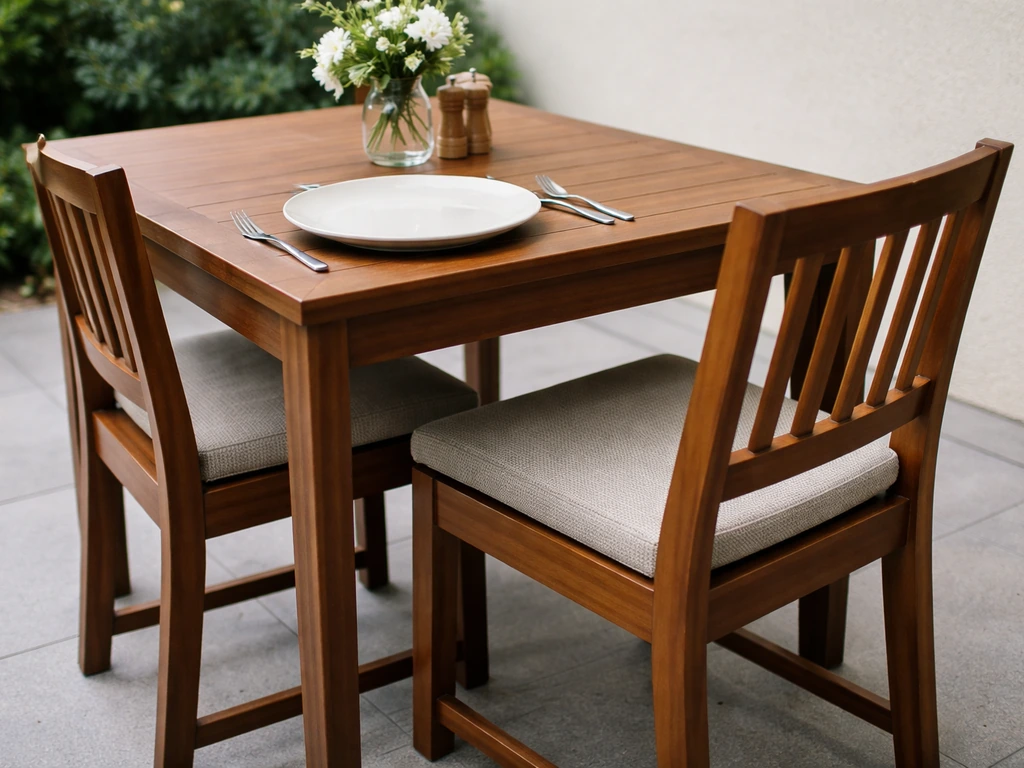
Aim for 10 to 12 inches between the seat top and the underside of the table. Most standard outdoor dining chairs and tables are designed around this, but if you are mixing pieces from different sources, measure before you buy. An awkward height mismatch is one of those things that annoys every single guest without them being able to name why.
Conversation zones alongside a dining setup
If you have the space, create a secondary lounge zone 6 to 10 feet from the dining table so guests naturally drift between areas. Two chairs and a small table in a corner with a lantern is enough. This prevents the awkward post-dinner moment where everyone crowds around the table with nowhere comfortable to move.
Lighting and ambience for entertaining
Overhead string lights set to a warm temperature (2700K) plus a couple of table lanterns is the reliable formula. If you want to step it up, add a smart plug to the string lights so you can dim or turn them on remotely. A Bluetooth speaker tucked in a planter handles sound without cluttering the table.
Cooking, grilling, and outdoor kitchen add-ons
Getting a grill or outdoor cooking setup right is mostly about placement and safety, then about workflow. The aesthetics come last.
Grill placement and clearances
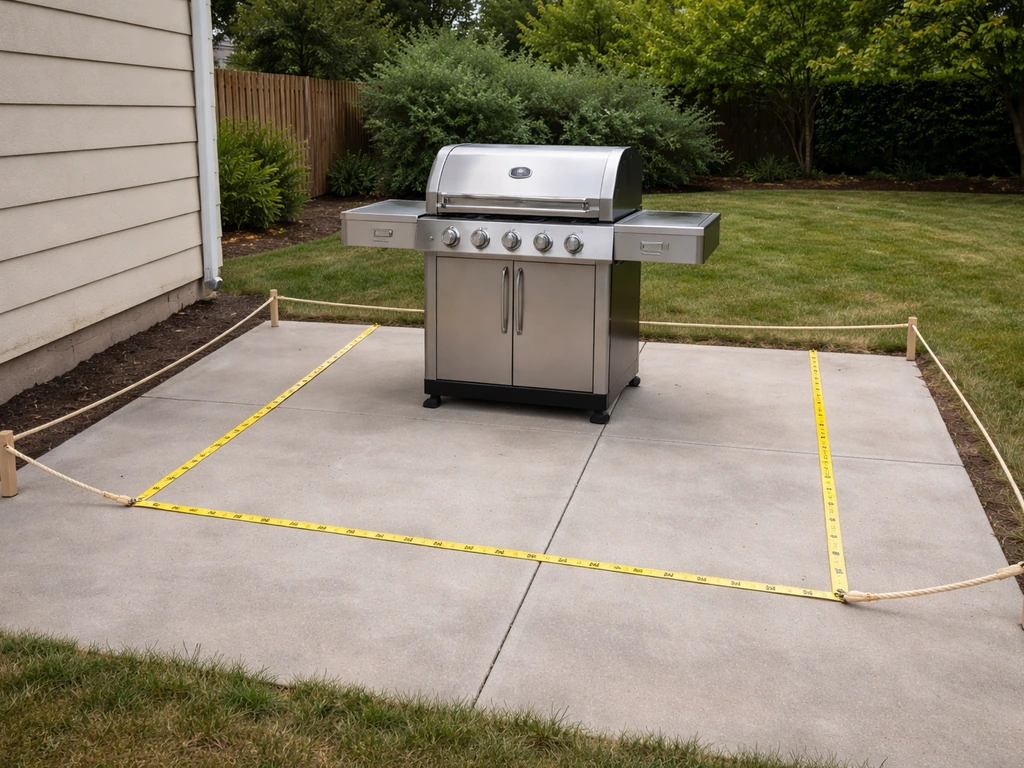
Place your grill at least 10 feet from the house. That is not a guideline that gets softened for a smaller patio, it is the minimum recommended by fire departments and major insurers, and for good reason. Keep at least 5 feet of horizontal clearance from any combustibles (wooden planters, patio furniture, railings) and 10 feet of vertical clearance from overhead structures or overhangs. If your covered patio cannot accommodate those clearances, the grill needs to move to an uncovered area of the yard.
Traffic flow around the grill
Plan for 36 to 48 inches of unobstructed path around the cooking area, and 48 inches from the cook's workstation to where plates need to be cleared past chair backs. When people crowd around the grill, this buffer zone is what prevents burns and collisions.
Outdoor kitchen upgrades worth doing
- A side burner next to the grill for sauces or sides — most freestanding grills support this as an add-on
- A prep counter (even a rolling stainless cart) positioned 36 inches from the grill so you have workspace without reaching over heat
- An outdoor mini fridge keeps drinks and marinades cold without trips inside, and most are designed to live in outdoor environments
- A built-in storage drawer or cabinet below the grill keeps tongs, spatulas, and lighter fluid off the ground and organized
Fire safety at the grill
Keep a Class K fire extinguisher near any cooking area, this type is specifically rated for cooking-oil fires, which are the most likely scenario at an outdoor kitchen. Mount it within easy reach but not directly next to the grill where a flare-up could block access to it.
Weather comfort upgrades: shade, cooling, and heat
This is the section that varies most by where you live. If you are in Texas or Arizona, shade and cooling are not optional extras, they determine whether you use the patio at all. In the Midwest or Pacific Northwest, a heater extends the season by weeks. Match your investments to your actual climate.
Shade options compared
| Option | Best For | Approximate Cost | DIY-Friendly? |
|---|---|---|---|
| Patio umbrella | Small tables, flexible positioning | $60–$300 | Yes |
| Shade sail | Wide coverage, modern look | $80–$400 | Yes (with posts) |
| Pergola with shade cloth | Permanent zones, climbing plants | $500–$3,000+ | Partial |
| Retractable awning | Adjustable coverage, attached to house | $800–$3,500+ | Usually hire |
| Covered patio addition | Full protection, most durable | $5,000–$20,000+ | Hire |
For umbrellas in windy areas, the base is more important than the umbrella itself. A heavy, fillable base (50 lbs or more when filled with sand or water) is the difference between a stable setup and a patio hazard. Look for umbrella-specific wind-handling features rather than just buying the biggest one you can find.
Cooling: fans and misters
Outdoor ceiling fans for covered patios should be UL wet-location rated, not just damp-location rated. The difference matters if rain can hit the fan directly. For open patios or hot climates, a misting fan can drop the perceived temperature by 10 to 20 degrees. Any misting fan with electrical components needs inline GFCI protection, some come with it built in, and some do not, so check the spec before you buy. All outdoor outlets should be GFCI protected per NEC requirements anyway, so if yours are not, that is a priority fix before adding any water-adjacent cooling equipment.
Heating for cooler evenings
Freestanding propane heaters are the most flexible option and work well in most climates. If you go electric, choose a model with tip-over protection (required under UL guidance, but worth confirming it is present). For gas-fired wall-mounted or overhead heaters, follow the manufacturer's published clearances to combustibles, especially important if you are placing one near a pergola beam or fabric shade panel. For gas-fired patio heaters, the manufacturer’s design guide includes blank" rel="noopener noreferrer">published clearances to combustibles, which helps you plan safe heater and shade placement. Fire pits are popular but require the same 10-foot clearance from combustibles as a grill and need a spark screen if used under any overhead structure.
DIY vs. hiring: what to tackle now and what to leave to a pro
Most patio upgrades fall cleanly into one camp or the other. The honest breakdown:
Confidently DIY
- Furniture arrangement and zone planning
- String lights, solar lights, and lanterns (no hardwiring required)
- Outdoor rugs, privacy screen panels, and shade sails on existing structures
- Planters, potted greenery, and small raised herb gardens
- Freestanding grills and propane heaters (placement and setup, not gas line work)
- Outdoor fans on existing covered patios (if an outlet is already in place)
- Painting or staining existing concrete, wood decking, or furniture
Worth hiring out
- Any new electrical work outdoors — adding outlets, hardwired lighting, or ceiling fan wiring all require GFCI-protected circuits and typically a permit
- Paver installation or new concrete: improper base preparation is the most common DIY failure, and standing water after installation is a red flag that something went wrong below the surface
- Built-in outdoor kitchens with gas lines — clearances must follow manufacturer instructions plus current local codes, and permits are usually required
- Pergola or covered structure installation if you need footings or want it attached to the house
- Retractable awning installation when it involves lag-bolting into a fascia or wall
When you are comparing contractors for any of the hire-it-done projects, ask specifically for their experience with outdoor projects, whether they pull permits, and how they handle manufacturer clearance requirements. A contractor who cannot answer those questions confidently is a skip. Get at least two or three quotes and ask each one to walk you through how they approach base preparation for pavers or gas-line routing for an outdoor kitchen, the quality of that answer tells you a lot.
A quick decision checklist for your first 3 to 5 projects
- Name your primary patio purpose (one answer) and your secondary one if space allows
- Walk your patio and measure your main walkway — is it at least 36 inches clear? Fix it if not
- Pick one shade upgrade based on your climate and budget (umbrella, shade sail, or pergola cloth)
- Add one comfort layer: an outdoor rug for the main zone plus string lights overhead
- Identify any hire-it-done item on your list (electrical, pavers, gas line) and get two quotes this week
Maintenance and safety for everything you add
The activities you add to a patio create specific maintenance needs. Getting ahead of them keeps the space usable and your investments lasting longer.
Cushions and fabric
Sunbrella and similar 100% solution-dyed acrylic fabrics are your best bet for cushions that stay colorful outdoors, the pigment runs through the fiber rather than just sitting on the surface, so UV fade is dramatically slower. Even with high-quality fabric, bring cushions inside or store them in a waterproof bin during prolonged rain or off-season. Moisture sitting in cushion foam is the primary cause of mildew, and once it sets, it is hard to fully remove. For cleaning, a simple mild soap solution handles most dirt; for hard-water spots or early mildew, a diluted vinegar solution works without damaging the fabric.
Flooring and slip safety
If you have a smooth concrete or tile patio, wet conditions make it genuinely slippery. An outdoor rug in the main dining or seating zone adds grip and comfort. For uncovered areas, look for rugs with a non-slip backing or add rug pads rated for outdoor use. If the surface itself is the problem, anti-slip concrete coating or textured pavers are longer-term solutions worth considering, especially around grill and dining areas where spills are frequent.
Pest prevention
Standing water is the fastest way to invite mosquitoes to your patio. Empty planters, pet bowls, and any container that collects water after rain. Keep the area around the grill clean, grease residue attracts wasps and rodents quickly. Citronella candles and plug-in mosquito repellers give moderate relief for occasional outdoor dining, but a consistent cleaning routine does more than any single product.
Electrical and fire safety checks
Before every season, check that all outdoor outlets have weatherproof in-use covers and are working on GFCI circuits. Inspect any extension cords for cracking or weathering, outdoor-rated cords are not a permanent solution, and any cord showing wear is a replacement, not a patch-and-continue situation. Check propane connections at the start of each season with a soapy water test (bubbles indicate a leak). Keep the Class K extinguisher near the grill area inspected annually and within easy reach.
End-of-season weatherproofing
Cover or store all cushions and fabric pieces. Drain and store misters and hoses if temps drop below freezing. Cover the grill with a weatherproof cover rated for your climate. If you have a pergola or wood structure, inspect it for soft spots or rot each spring, catching it early is the difference between a coat of stain and a structural repair. For decorating inspiration that ties your year-round maintenance into a cohesive design, the how to decorate backyard patio topic covers that angle in more detail.
FAQ
What should I check first if my patio feels too small for hosting?
It helps to do a “traffic test” before you buy anything. Measure your main route from door to yard (and the route to the grill), then place tape on the ground to represent chair pull-out and how far people will walk while seated. If you cannot keep at least a 36-inch clear path, skip adding another zone and instead upgrade what you already have (lighting, rug, planters).
How do I avoid buying furniture that makes my patio look crowded?
Choose one “anchor” item and design around it. For example, if outdoor dining is the primary use, pick the table size first, then ensure the 36-inch (or more) clearance to walls and planters, and only then add the lounge area. Mixing oversized furniture across zones is the most common reason patios look cramped even when measurements seem fine.
Can I use patio furniture year-round, and what should I plan for season changes?
For multi-season patios, prioritize weather handling by category. Cushions should be removable and either stored dry or placed in a waterproof bin during prolonged rain, heaters should be rated for your patio type (covered vs open), and textiles like rugs should be UV-capable and have a non-slip solution if the surface is slick when wet. If you cannot store items, plan for fewer textiles and more hardscape or permanent shade.
What changes if my patio gets a lot of wind or nearby vehicle splash?
If your patio is near a driveway or parking area, wind and debris will affect safety and wear. Use heavier bases for umbrellas, consider wind-handling features, and keep string lights secured with proper hooks or mounts designed for outdoor load. Also avoid placing rugs in spots that get constant vehicle splash, it accelerates grime and reduces grip.
What’s the best way to add privacy if I can’t fully screen the patio?
When neighbors feel close, the most effective approach depends on line of sight. Privacy screens work best at eye level, but for stronger coverage you may need trellis planting or a combination of planters plus a mounted panel. Before you commit, measure the exact visibility range from seating height so you do not end up with a panel that only blocks a narrow strip.
What are my options if I want dining, but my walkway clearance is tight?
If you cannot achieve the recommended dining clearance, adjust the format instead of squeezing chairs. Consider a smaller table, a narrower aisle, or shifting to a round table for 4 or fewer, then rely on a nearby side ledge or storage cart for serving. The goal is to keep chair pull-out space so guests are not forced to climb past seats.
How do I confirm dining chair and table heights before buying?
Measure chair height with a quick test: sit in the chair on the patio surface, then measure from the seat top to the underside of your prospective tabletop. This catches mismatches that are hard to spot in store displays, especially when mixing brands. If the gap is off, swap chairs or table style rather than living with an awkward reach.
Do I need special electrical protection for misting fans or outdoor ceiling fans?
For covered patios, you should treat ceiling fans and any water exposure as a safety requirement, not a preference. Pick wet-location rated fans (especially if rain can reach the housing), and add GFCI protection for any circuits feeding outlets used near misting or water-adjacent cooling. If you are unsure whether your wiring is protected, have it tested before installing water-related accessories.
My patio is covered, can I still place a grill under the roof?
It is safer to follow the “minimum works everywhere” approach for grills even on smaller patios: place the grill far enough from the house and combustibles, keep horizontal and vertical clearance, and plan a buffer path around the workstation. If your covered patio cannot meet clearances, move the grill to an uncovered yard location instead of trying to “make it fit” under the overhang.
How do I make a patio safer and more child-friendly without losing style?
If kids use the patio, add two practical layers: a dedicated play area with fewer trip hazards and a maintenance plan that keeps floors dry and grippy. Choose rugs with outdoor grip or add rug pads, and schedule quick checks after rain for pooling water in planters or containers that can attract mosquitoes. Also consider where cords and power strips will be placed, keep them out of reach and off wet ground.
What maintenance tasks prevent the biggest problems like mildew, pests, and slips?
Do a short maintenance triage based on what collects moisture and what gets UV. Store cushions and fabric pieces during off-season or prolonged rain, clean grease residue around the grill promptly, and keep planters drained so standing water does not collect. For slip risks, address the surface or add an appropriate outdoor rug or non-slip pad in the high-traffic dining area.
What should I ask contractors so I do not get surprised by safety or compliance issues?
If you are hiring out patio upgrades, clarify constraints that affect cost and timeline. Ask how they handle base preparation (for pavers), any permit needs, and whether they follow clearance rules for gas-line routes and installed appliances. Request that they show you what they will do to ensure proper routing and safety compliance, then compare at least two or three bids.
Next Articles
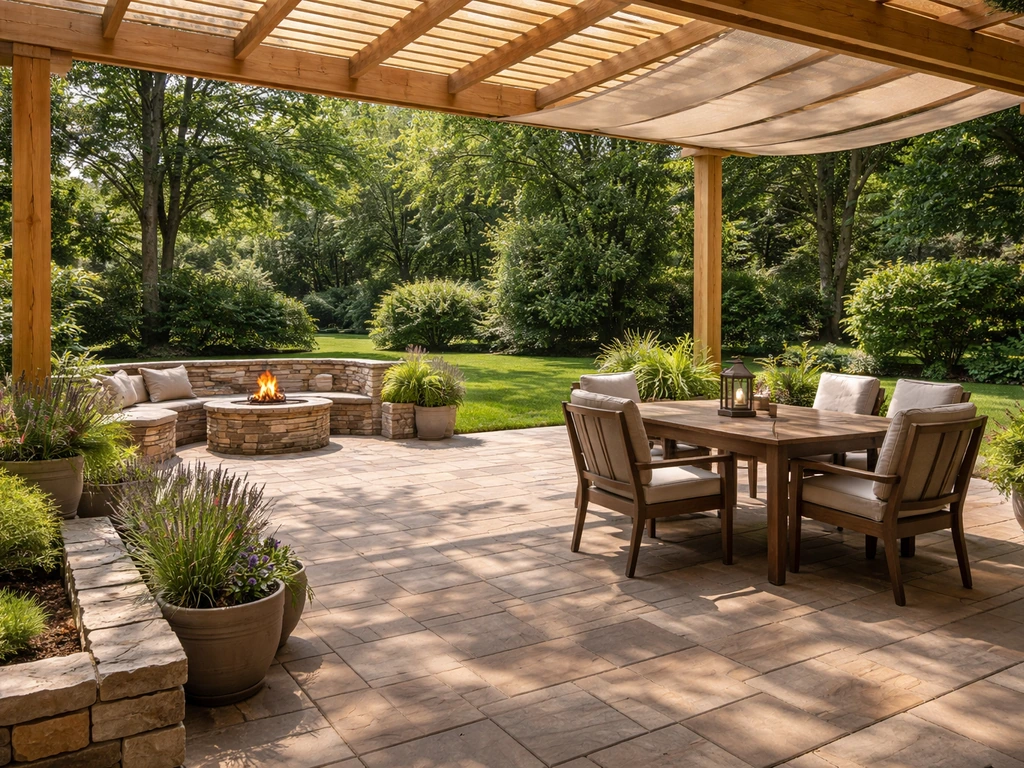
Best Outdoor Patio Ideas: Designs, Layouts, Materials
Top outdoor patio ideas with layout, material, shade upgrades, and DIY or contractor steps for a durable, budget plan.
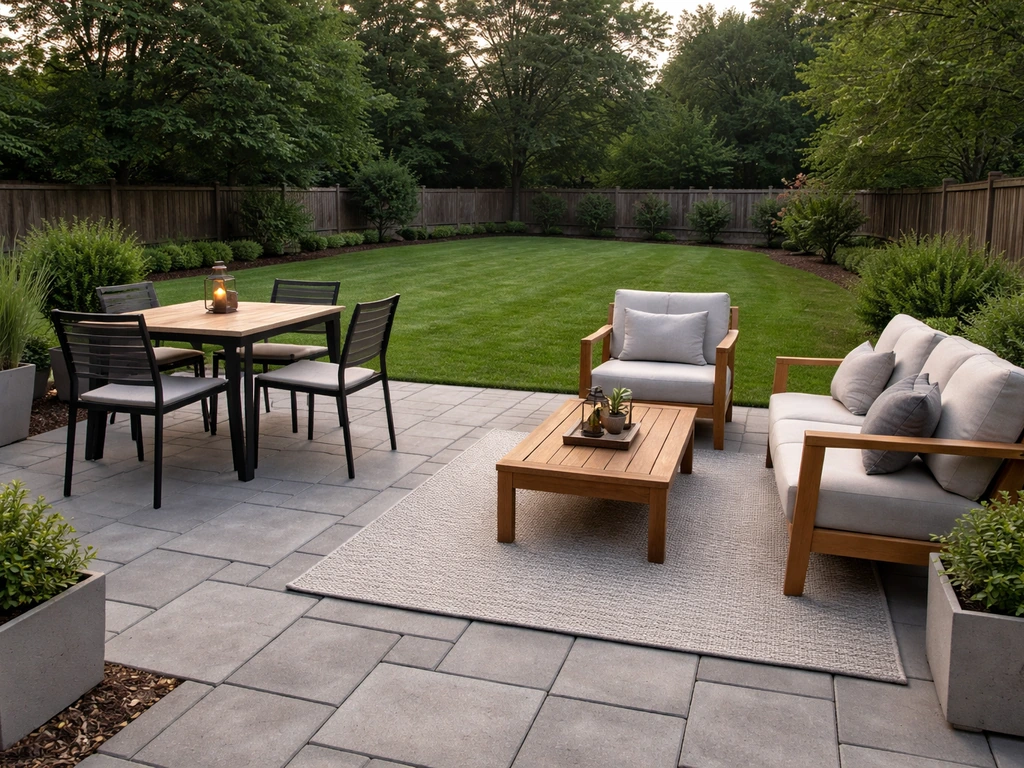
Best Backyard Patio Ideas and Designs for Any Budget
Best backyard patio ideas with layouts, materials, and budget options for your space, sun, privacy, and maintenance need
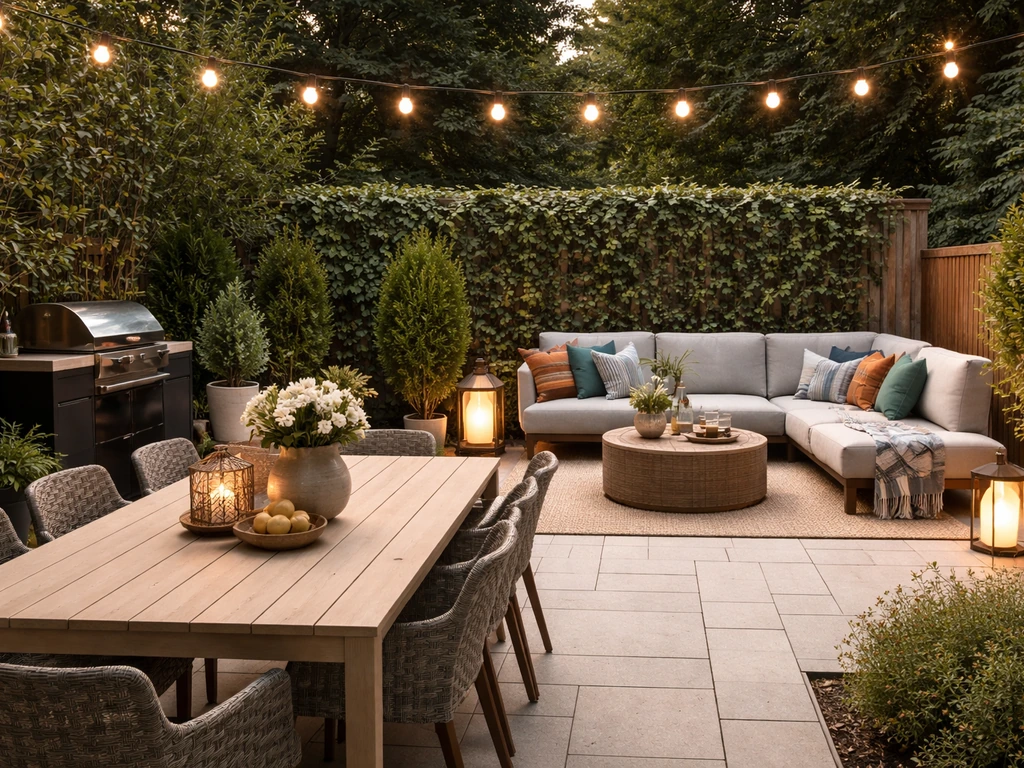
How to Decorate Backyard Patio: Step-by-Step Guide
Step-by-step how to decorate a backyard patio: zones, furniture layout, weatherproof decor, lighting, privacy, and budge