The best outdoor patio for your home comes down to three things: how you actually use it, what your yard allows, and what you can maintain over time. A best backyard patio plan balances layout, materials, shade, and maintenance so it stays comfortable and practical for years. If you’re looking for good patio ideas, focus first on how the space will be used day to day, then choose materials and layout that match your climate.
Best Outdoor Patio Ideas: Designs, Layouts, Materials

Phoebe Foster
31 May 2026
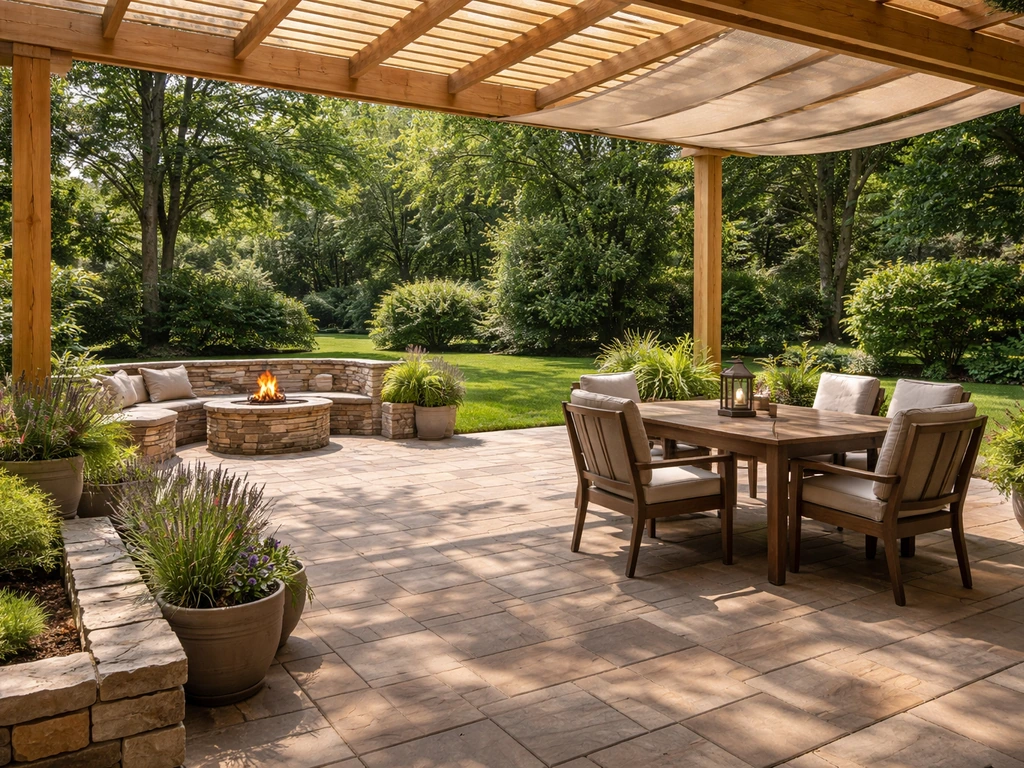
Whether you're working with a small concrete slab in a tight suburban backyard or a sprawling lot that could host a full outdoor room, the ideas that hold up best are the ones designed around your real habits, your local climate, and a realistic budget. This guide walks through every decision you need to make, from layout and materials to shade, decor, and whether to hire someone or do it yourself.
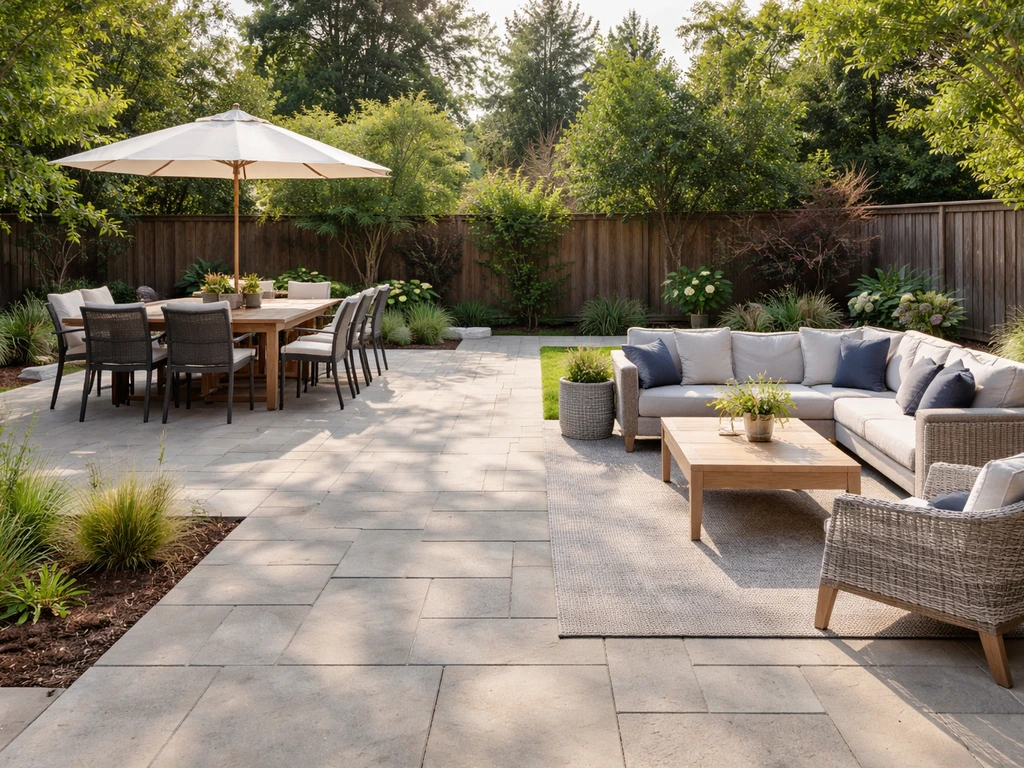
Once you have the layout and materials chosen, focus on a backyard patio setup that matches your daily routine and maintenance comfort level.
Start with your goals and your space, not Pinterest
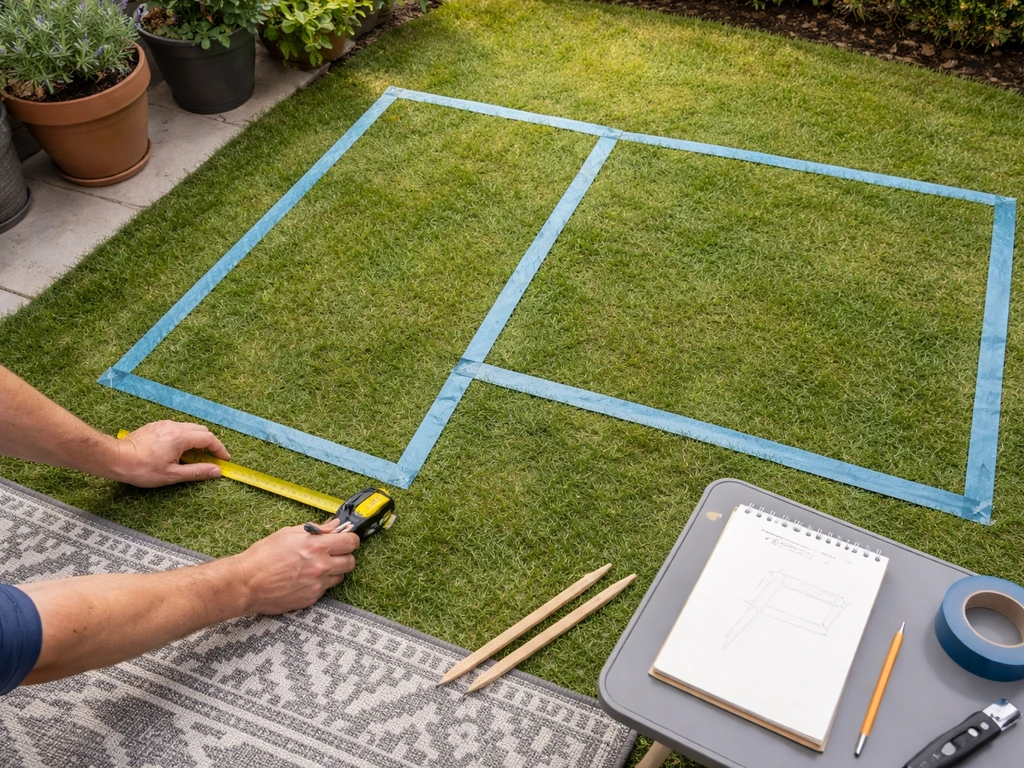
Before you fall in love with a design, figure out what you actually need the patio to do. Once you know what your patio needs to do, you can start picking out the best things to do on a patio that match your lifestyle. Are you mainly grilling on weekends? Hosting dinner parties? Wanting a quiet lounge spot for morning coffee? Most patios serve multiple purposes, and that's fine, but knowing your priority use helps you decide how to size and arrange the space.
The single most useful planning move is to think in zones. A practical patio breaks into two or three areas, each with a clear purpose: a cooking and prep zone (grill, counter, maybe a mini fridge), a dining zone (table and chairs close enough to the kitchen to make serving easy), and a lounge zone (sofas, chairs, a fire pit or focal point). You don't need a huge yard to do this. Even a 12x20-foot patio can handle a dining area and a small seating nook if you plan the furniture placement first.
Start by drawing your house's footprint on paper and marking where the back door, any existing features, and the property edges are. Then figure out your usable rectangle or L-shape. This tells you what patio plan is actually realistic before you spend a dollar. For small or narrow yards, a corner layout with a single well-sized patio almost always works better than splitting the space into multiple tiny patios. Anchoring a focal point, like a fire table or a planted container, at the far corner draws the eye across the longest diagonal and makes the space feel bigger.
One thing experienced patio designers get right that first-timers often miss: keep high-traffic pathways clear. If guests have to squeeze past dining chairs to get from the house to the grill, the layout will feel awkward no matter how nice the materials look. Think of it like a driveway flow. Zones should run in a logical sequence so people can move between the house, cooking area, and seating without crossing through anyone's personal space.
Patio design styles and layouts that actually work in real homes
There's no shortage of patio inspiration online, but a lot of it doesn't translate well to real yards. Here are the design directions that consistently work across different home types and budgets.
The three-zone grill and dining setup
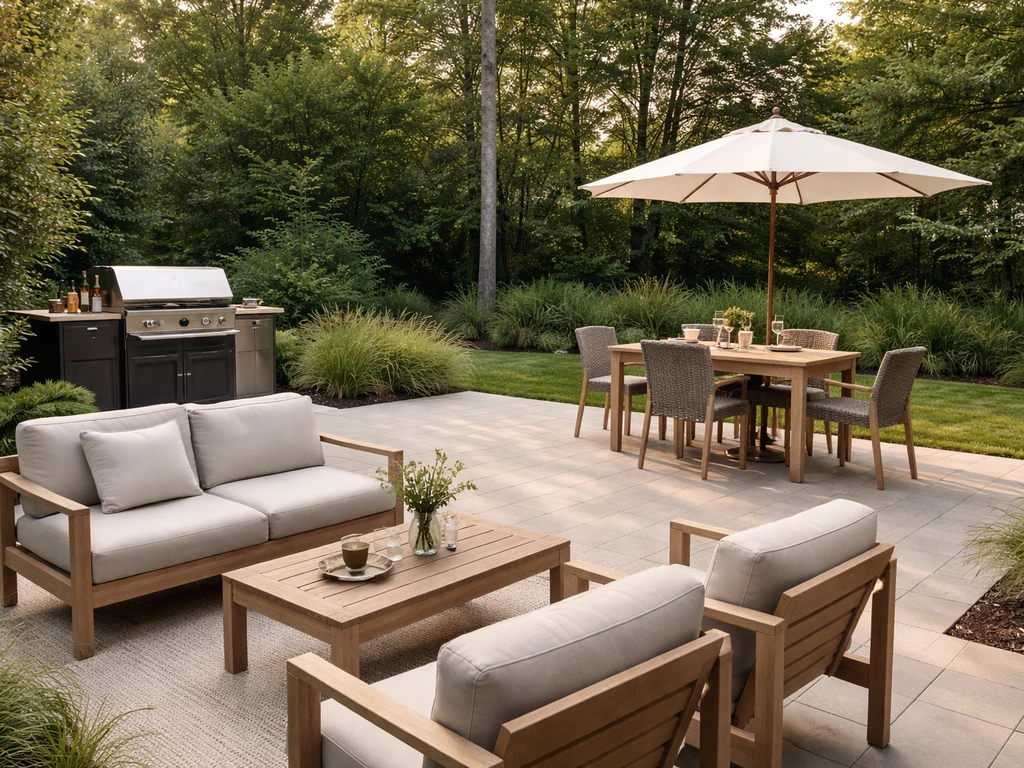
This is the workhorse layout for anyone who entertains regularly. The grill sits at the most open edge of the patio, ideally away from the main seating area so smoke doesn't blow into guests' faces. Prep space (a side table, a built-in counter, or even a sturdy cart) lives within a few steps of the grill.
For a grill, prep, and dining setup, the source recommends a practical three-zone pattern: keep the grill on the most open edge, place prep close to cooking, and set dining outside the direct heat and smoke path three-zone grill and dining setup. The dining table sits just outside the heat path, usually at a 90-degree angle to the cooking zone rather than directly in front of it.
This layout handles casual dinners and larger gatherings equally well because the cooking and eating zones don't compete for space.
The lounge-forward patio
If entertaining means drinks and conversation more than formal dinners, a lounge-first design works better. A large sectional or L-shaped sofa anchors the space, facing a fire pit, TV wall, or water feature. A smaller bistro table or bar cart covers the light dining and snacking needs. This style works especially well for covered patios and screened enclosures where you want the space to feel like an outdoor living room.
The compact corner patio for small backyards
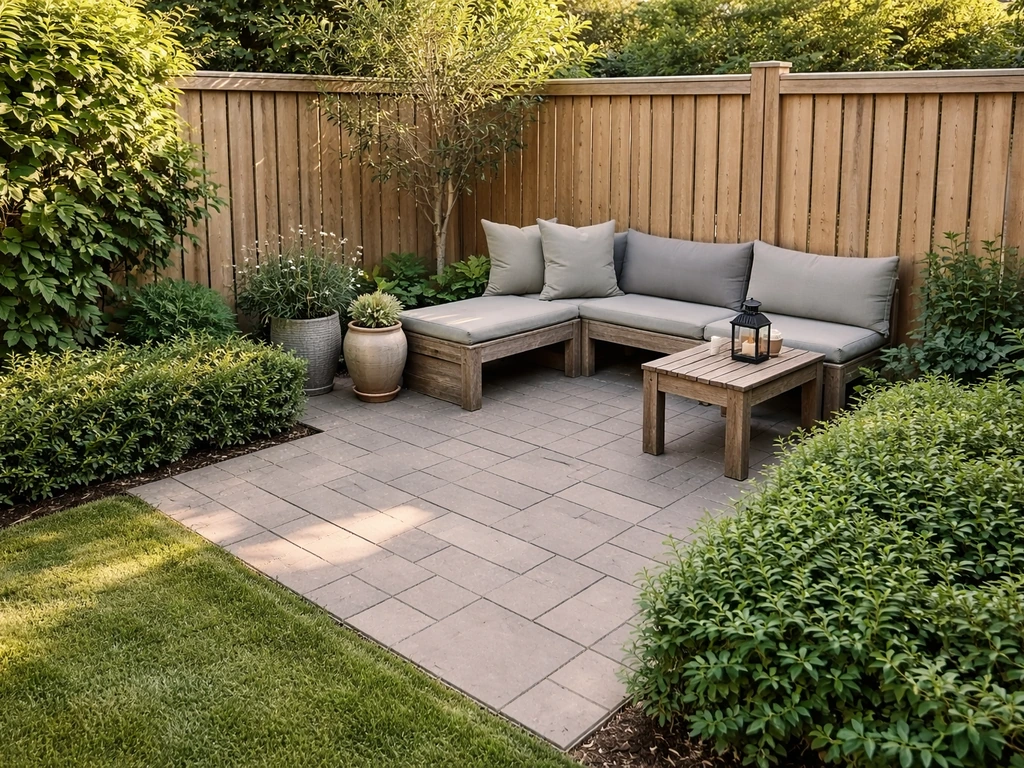
For tight yards, fighting the size is usually a mistake. Instead, embrace the corner. A square or slightly rectangular patio tucked into one back corner, edged with plants or a low raised bed on two sides, creates a defined outdoor room without trying to fill the whole yard. Use one or two pieces of well-scaled furniture rather than squeezing in a full dining set. A small round table seats four and takes up far less visual weight than a rectangular six-seater.
The long narrow side patio
Side yards and narrow backyards have one main enemy: bottlenecks. Furniture placed too close to the edges forces people to turn sideways to get through. The fix is to keep at least 36 inches of clear walking space on one side of any furniture arrangement, and use narrow pieces like benches or stools instead of chairs with armrests where space is tightest. A long runner rug and a few string lights overhead reinforce the length instead of fighting it.
The multi-level deck and patio combo
If your yard slopes or you have a raised back door, a split-level design where a deck connects the house to a lower patio creates a natural zone separation. Dining near the house at deck level, lounge and fire pit at ground level. This design tends to feel intentional and polished even when the materials are simple, because the elevation change does a lot of the visual work.
Patio materials and surfaces: what holds up and what doesn't
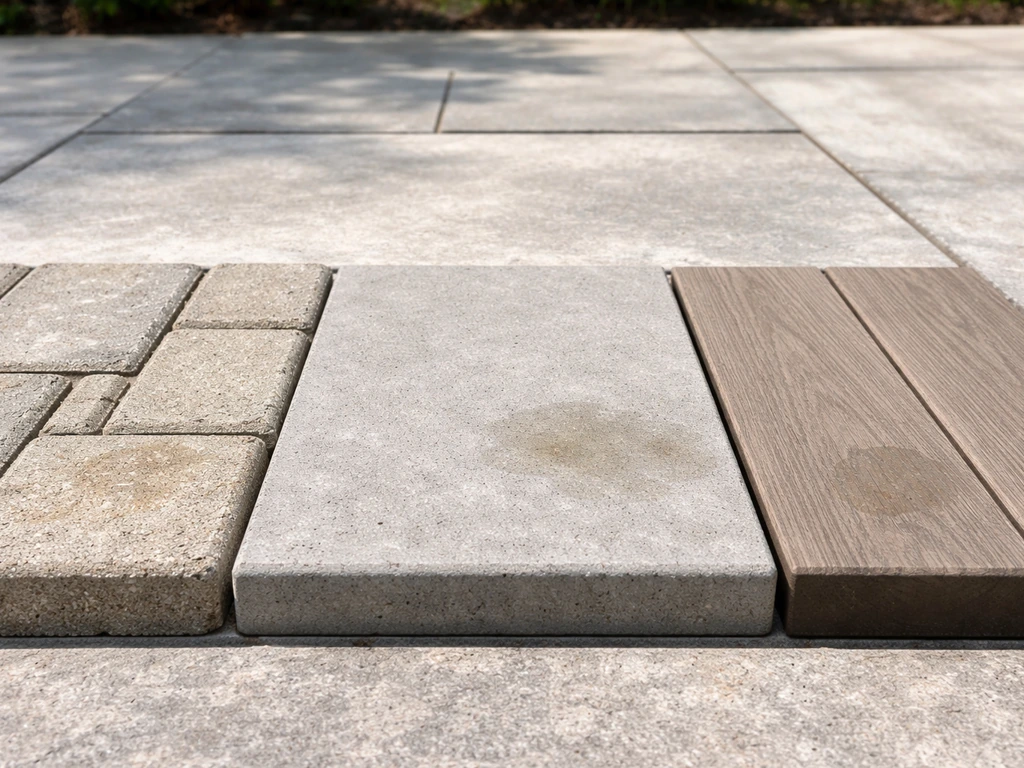
Material choice drives long-term satisfaction more than almost anything else. The prettiest patio becomes a headache fast if the surface cracks, stains constantly, or needs resealing every spring. Here's how the main options compare.
| Material | Typical Cost (installed) | Durability | Maintenance | Best For |
|---|---|---|---|---|
| Concrete (brushed/stamped) | $8–$20/sq ft | Very high if sealed | Reseal every 2–3 years | Budget-friendly large areas, custom shapes |
| Pavers (concrete or brick) | $15–$30/sq ft | High, individual pieces can be replaced | Occasional joint sand refill, weed control | Classic look, DIY-friendly, easy repairs |
| Natural stone (flagstone, bluestone) | $25–$50/sq ft | Excellent | Reseal periodically, watch for staining | Upscale look, shaded or humid climates |
| Porcelain tile | $20–$40/sq ft | High if rated for outdoor use | Low, clean with water | Modern style, hot climates |
| Composite/wood decking | $30–$60/sq ft | High (composite) / moderate (wood) | Low (composite) / High (wood) | Raised decks, areas adjacent to the house |
| Decomposed granite/gravel | $3–$8/sq ft | Moderate | Raking, edging, occasional top-off | Budget patios, drought-tolerant landscaping |
Concrete pavers are the most popular choice for a reason: they're affordable, durable, DIY-installable if you're willing to put in the work, and individual pavers can be replaced if one cracks or a tree root shifts the ground. Stamped concrete gives a similar look for less money but if it cracks, the repair is more visible. Natural stone looks incredible but costs more and can become slippery in wet climates if not properly textured. Porcelain tile is growing fast in popularity, especially in warmer regions, because it resists heat, stains, and fading very well.
One practical rule: always check the slip rating on any tile or smooth stone before buying. Outdoor surfaces get wet, and a beautiful tile that's a slip hazard around a dining table or near a pool is a liability. Look for a coefficient of friction (COF) rating of 0.6 or higher for outdoor use.
Shade, fans, misters, and weather protection that make a real difference
A patio without any shade solution is barely usable for much of the year in most of the country. This is the comfort upgrade that pays off every single day, not just on special occasions. The right choice depends heavily on your climate and how much you want to spend.
Shade structures
Pergolas are the most versatile option. An open-roof pergola reduces direct sun exposure and provides a structure to hang lights, plants, or a retractable canopy. A louvered pergola (where the roof slats open and close) gives you full sun control and costs $3,000 to $10,000 or more depending on size and whether it's motorized. A solid patio cover, either aluminum or wood, is the next step up: it blocks all rain and sun but also makes the space feel more enclosed. Shade sails are the budget move, starting around $100 to $300, and they work well for lounge or dining zones that don't need full coverage.
Fans and misters
If you're in a humid Southern climate like Houston or Atlanta, a ceiling fan under a covered patio is non-negotiable. A good outdoor-rated fan (look for the UL damp or wet rating) makes a covered space genuinely comfortable even in summer heat. In dry climates like Arizona, New Mexico, or inland California, a misting system is the move.
High-pressure misters cool the ambient temperature by 15 to 25 degrees Fahrenheit and don't make you feel wet because the water evaporates before it hits you. Low-pressure misters (garden hose attachments) are cheaper but leave you damp and work best only in very dry air. If you're in a humid area, misters mostly just make everything feel wetter, so fans are the better answer there.
Rain and wind protection
For areas with afternoon thunderstorms (Florida, Texas, much of the Southeast), a solid roof cover with gutters makes the patio usable year-round. Outdoor curtains add wind and privacy protection on open sides and cost very little relative to the comfort upgrade they provide. For colder climates, a propane or natural gas patio heater extends the usable season by two to three months. Infrared electric heaters are another option, especially under covered patios where they can be ceiling-mounted and don't require propane tanks.
Decor and finishing touches that pull it all together
The materials and structure get the space functional. The decor makes it feel like somewhere you actually want to be. With the layout and materials chosen, you can focus on the fun part: how to decorate backyard patio spaces with furniture, lighting, and textiles that match your style. A few principles that hold up across every style and budget:
- Outdoor rugs define zones and add warmth. Choose one large enough that all four legs of a dining table or all furniture legs in a seating group sit on it, not just the front legs.
- String lights are the single highest-return decor investment for evening use. Warm white (2700K) bulbs work with almost every style. Run them overhead on a pergola, fence, or pole kit for the best effect.
- Cushions and throw pillows do more for comfort than almost any furniture upgrade. Use outdoor-rated Sunbrella or solution-dyed acrylic fabrics that resist fading and mildew.
- Planters and greenery soften hard surfaces and add privacy without building a fence. Tall grasses, boxwoods, or dwarf banana plants in large pots work well for creating a sense of enclosure.
- A focal point, whether a fire pit, water feature, outdoor artwork, or statement planter, gives the eye somewhere to land and makes the design feel intentional rather than assembled.
- Outdoor lighting beyond string lights (step lights, up-lights in planters, path lights) adds safety and extends usability into the evening without much cost.
When decorating, keep the number of materials and colors in check. Two or three main materials (say, concrete pavers, wood accents, and black metal) and two to three colors read as cohesive. More than that starts to feel cluttered. If you want more depth, vary textures within the same color family rather than adding new colors.
DIY vs hiring a contractor: what to do yourself and what to outsource
Not every part of a patio project needs a contractor, and not every part should be DIY'd. Knowing the difference saves money and prevents costly redos.
Good DIY candidates
- Paver installation on a level, well-draining site (labor-intensive but very learnable with proper base prep)
- Decomposed granite or gravel patio installation
- Shade sail installation using existing anchor points
- Furniture assembly and arrangement
- Planter and landscaping installation
- Outdoor lighting (string lights, low-voltage path lights)
- Painting or staining an existing concrete slab
Worth hiring out
- Concrete pours and stamped concrete (requires proper mix ratios, forms, and finishing timing)
- Pergola or patio cover installation involving structural posts and footings
- Natural gas line extensions for built-in grills or heaters
- Electrical work for ceiling fans, outlets, or hardwired lighting
- Drainage solutions if your yard has water flow issues
- Retaining walls over 2–3 feet tall (structural and often permit-required)
When getting contractor quotes, ask for at least three bids and make sure each bid is itemized so you can compare labor versus materials. Ask for references from completed patio projects specifically, not just general landscaping work. Check that the contractor pulls permits when required (covered structures almost always need one) because unpermitted work can create problems at resale. For complex projects, a landscape designer's consultation fee ($150 to $500) often pays for itself by helping you avoid expensive layout or material mistakes before any ground is broken.
How to pick what's actually best for your climate, region, and long-term upkeep
"Best" is genuinely different depending on where you live, and what works beautifully in San Diego can be a maintenance headache in Chicago or a mildew magnet in Miami. Here's how to calibrate your choices by climate.
| Climate Type | Best Surface Materials | Priority Comfort Upgrade | Watch Out For |
|---|---|---|---|
| Hot and dry (Southwest, inland CA) | Porcelain tile, concrete pavers, flagstone | High-pressure misting system, shade structure | Surface heat retention, glare from light-colored stone |
| Hot and humid (Southeast, Gulf Coast) | Textured pavers, composite decking | Ceiling fans, solid patio cover with gutters | Mildew on wood and cushions, afternoon storms |
| Mild and coastal (Pacific Northwest, coastal CA) | Flagstone, brick pavers, composite | Patio heater for evenings, wind screening | Moss and algae on stone, winter rain keeping space unused |
| Cold and snowy (Midwest, Northeast) | Concrete pavers, natural stone (freeze-thaw rated) | Propane heater, enclosed pergola | Freeze-thaw cracking on non-rated materials, drainage from snowmelt |
| Mixed/variable (Central US, mid-Atlantic) | Concrete pavers, stamped concrete | Retractable shade, portable heater | Wide temperature swings stressing materials over time |
Beyond climate, think about your realistic maintenance commitment. A beautiful natural wood deck in a rainy climate needs sanding and resealing every one to two years or it will gray and crack. Composite decking in the same situation needs almost nothing beyond an occasional wash. Flagstone with mortar joints looks formal and stays put, but dry-laid flagstone with ground cover in the joints needs weeding. Be honest with yourself: the best patio is the one that fits your life, not the one that looks best in photos.
Longevity also comes down to the base prep work that nobody sees. No matter how good your surface material is, it will shift, crack, and drain poorly if it's laid on an inadequate base. For pavers and stone, a properly compacted gravel base of 4 to 6 inches and a 1-inch bedding sand layer is the minimum. For concrete, proper thickness (4 inches minimum for a foot-traffic patio, 6 inches if vehicles will cross it) and control joints every 8 to 10 feet prevent random cracking. Cutting corners on base prep to save money is the single most common reason patio projects fail within five years.
If you're still nailing down the specifics of how to decorate and style the space once the bones are in place, there's a lot more to explore around finishing touches and ambiance. And if you're at the stage of comparing overall backyard setups or evaluating what makes a patio genuinely great before you commit to a direction, it's worth thinking through those broader questions alongside the design and material decisions covered here. The planning phase is where the biggest wins happen, so take the time to get it right before anything gets built.
FAQ
How can I make sure my outdoor patio layout works for grilling and hosting during bad weather?
Plan for a weather-ready cooking setup by keeping your grill, prep surface, and trash/recycling storage under the most sheltered part of the patio or under a roof overhang. Also use a heat-safe pad and leave clearance behind/around the grill so you do not bake nearby seating cushions or painted surfaces.
What should I do if my yard has tree roots or shifting soil that could affect patio materials?
If you have a garden or tree roots nearby, prefer pavers over single-piece surfaces, and install edging that can flex slightly with movement. Before installing, ask whether any roots need pruning and plan for future settlement by using a compacted base and consistent bedding sand.
How do I choose patio furniture that will not get ruined by humidity or afternoon storms?
Use outdoor-rated furniture legs and bases, and build shade and airflow into the seating zone. In humid areas, choose breathable cushions (quick-dry foam, fabric made for outdoors) and consider a covered storage box, so cushions do not sit wet overnight.
What drainage mistakes cause standing water on outdoor patios?
Target drainage before aesthetics. Pitch the patio away from the house (typical goal is about a quarter inch per foot), keep weep paths clear if you have a retaining wall, and avoid low spots where puddles form.
How do I verify that a patio tile or stone is actually safe in wet conditions and freezing winters?
Before buying tile or smooth stone, confirm both slip resistance and durability for outdoor cycles. Look for an outdoor COF rating and check freeze-thaw suitability in cold climates, since some stones and mortars can fail when water expands.
What is the best way to avoid “pinch points” when the patio runs between the house and a gate?
When the patio is near your main door, treat it like a traffic corridor. Keep a clear route from the entry to the grill and seating, and avoid high clutter items (tall planters, storage carts) in that walkway zone.
What are the best outdoor patio ideas for small spaces that still feel comfortable?
For small patios, choose fewer, larger pieces instead of many tiny ones. A single round table, a compact sectional, or a bench plus one side chair can work better visually and in circulation than a full dining set.
When should I DIY my patio versus hire a contractor?
If you are deciding between DIY and hiring help, DIY is usually best for level, straightforward areas like pavers on a prepared base. Hire a pro for complicated grading, retaining walls, utilities, or any covered structure that will require engineering or permits.
What questions should I ask in contractor bids to make sure I am comparing apples to apples?
Ask contractors about base depth, compaction method, and who is responsible for drainage and settling repairs. Get written scope details for excavation, base layers, bedding sand, edge restraints, and cleanup, so “similar” quotes do not hide missing work.
What is the most practical way to extend patio use in spring and fall without making it feel drafty?
If you want to extend use in shoulder seasons, combine one strategy with another: a heater plus targeted wind blocking (solid panels, curtains on the windward side). Place heaters so warm air reaches seating, not just the center of the patio.
How can I choose the right type of shade if I am unsure about sun and heat exposure?
Do a short “daylight test” by observing the patio at noon and again at late afternoon for several days. Then match shade choice to sun hours, so you do not install something that only helps for a short window.
What parts of a patio budget should I prioritize to prevent early failure?
Budget for the base and edges, not only the surface. Edge restraints, proper bedding sand, and correct thickness often determine long-term performance, while decorative upgrades can be deferred until the patio is stable.
Next Articles
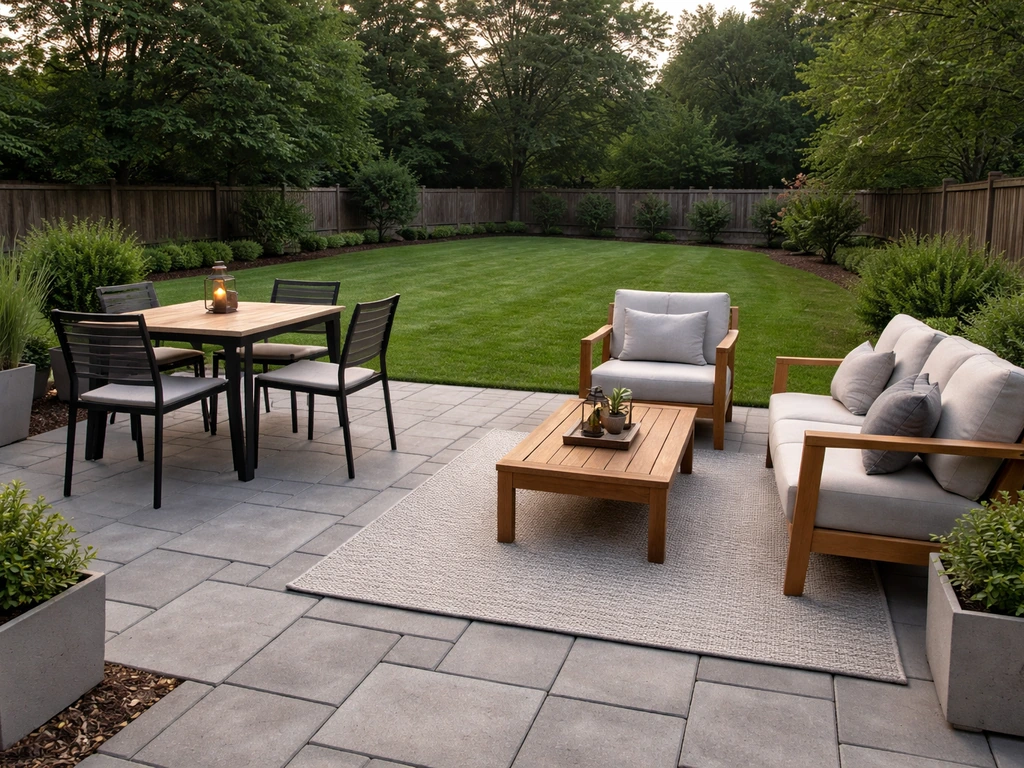
Best Backyard Patio Ideas and Designs for Any Budget
Best backyard patio ideas with layouts, materials, and budget options for your space, sun, privacy, and maintenance need
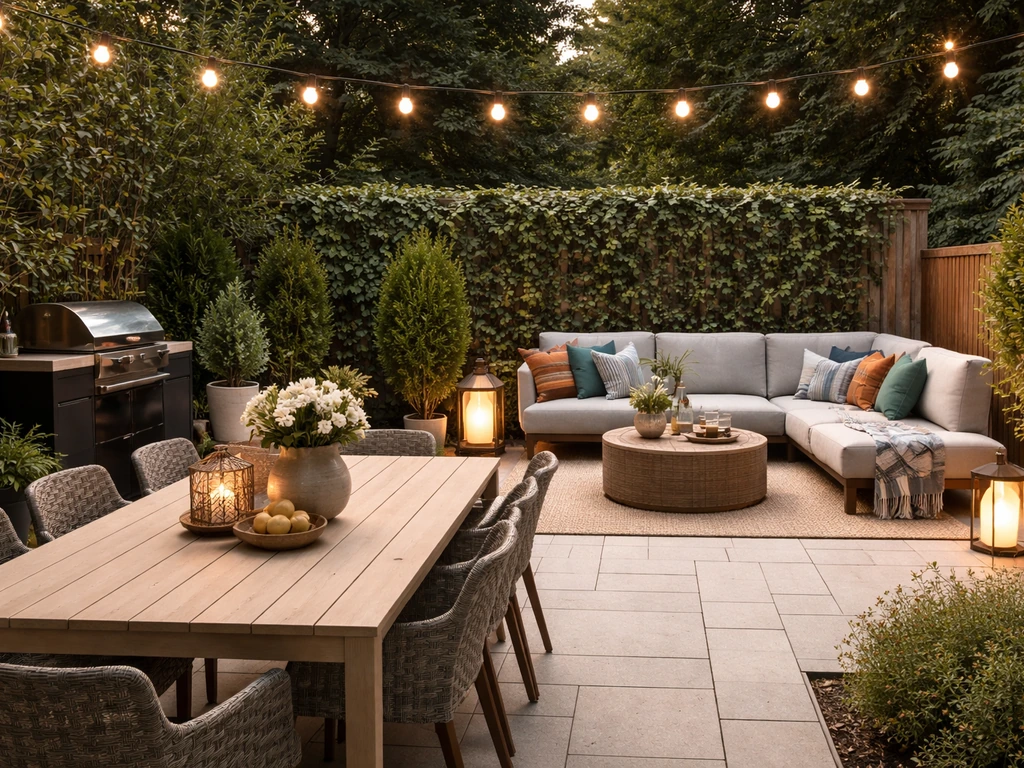
How to Decorate Backyard Patio: Step-by-Step Guide
Step-by-step how to decorate a backyard patio: zones, furniture layout, weatherproof decor, lighting, privacy, and budge
Backyard Patio Setup Ideas: Layout, Sizing, and Materials
Backyard patio setup ideas with layouts, sizing, traffic paths, and surface materials plus shade and hiring tips.