
If you're searching 'roof top patio Toronto,' you're probably doing one of two things: looking for a great rooftop patio bar or restaurant to visit this weekend, or trying to figure out whether you can actually build a rooftop patio on your own home or condo. Both are very real possibilities in Toronto, and the answer to each one is more doable than most people expect. This guide covers both angles so you can figure out exactly where you stand and what to do next.
Roof Top Patio Toronto Guide: Best Options and How to Choose

Phoebe Foster
2 Jun 2026
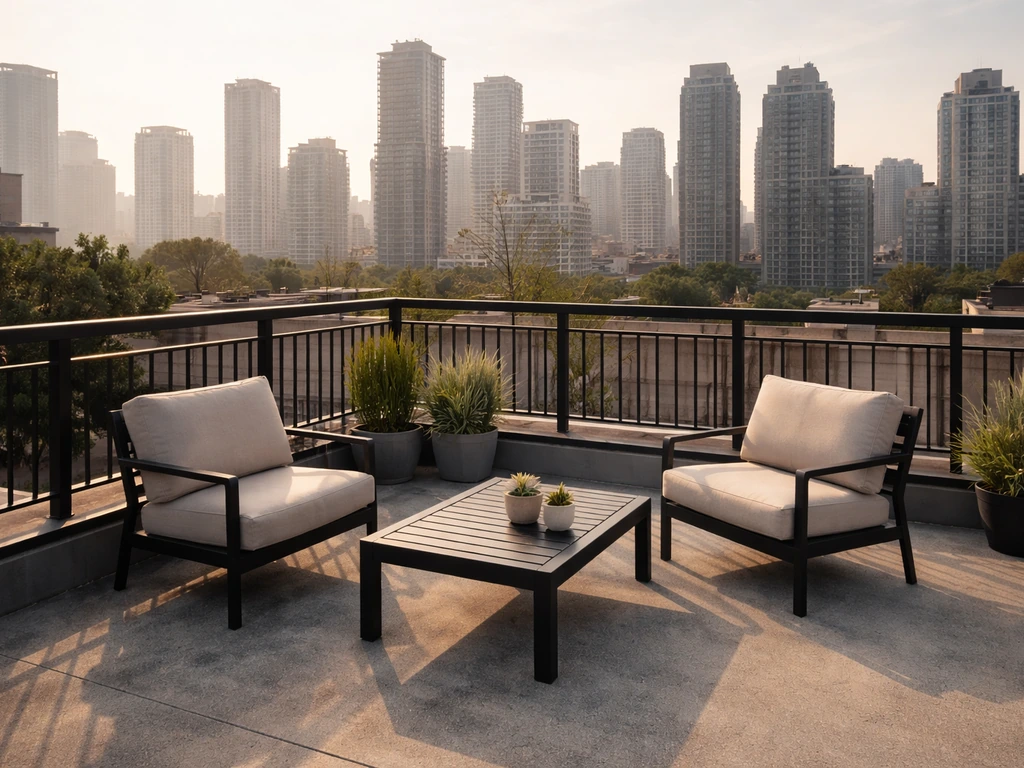
What 'rooftop patio' actually means in Toronto
Toronto uses 'rooftop patio' to describe two very different things, and it's worth being clear about which one you're dealing with before you go any further.
Private rooftop patios (homes, condos, and low-rise buildings)
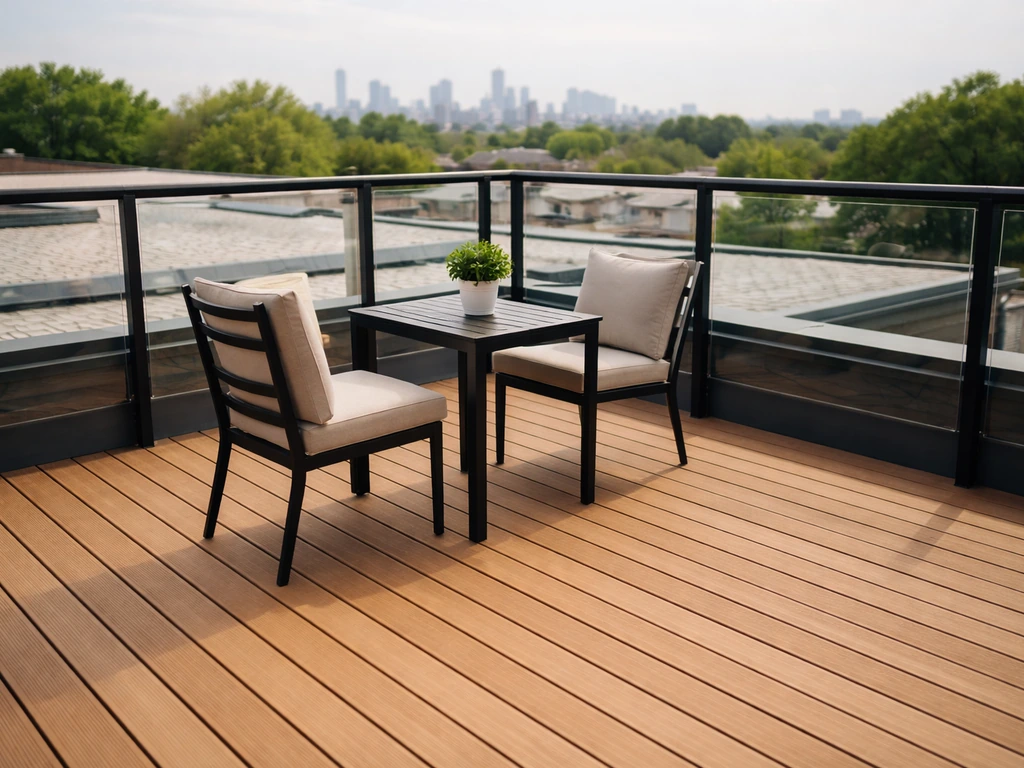
These are outdoor spaces built on top of a flat or low-slope roof, typically on a house, townhouse, or low-rise building. They're popular in Toronto's older neighbourhoods where flat-roofed row houses are common. The City of Toronto regulates these under Zoning By-law 569-2013, and whether you need a permit depends on three things: whether the patio is on private property, whether it complies with zoning, and whether it includes structures that require a building permit. If your design stays simple (no permanent structures, no enclosures), you may not need City permission at all. But the moment you add a roof, pergola, or anything attached to the building, you're in building permit territory.
Restaurant and bar rooftop patios
Rooftop restaurant patios in Toronto fall under the City's CaféTO program and are treated as a specific regulatory category. The 2023 CaféTO Patios on Private Property Guide has a dedicated section for rooftop patios, which tells you these aren't just an afterthought in city planning. One key rule: if a restaurant patio sits above the first storey (which a rooftop always does), the required separation distance jumps to 40 metres. Patio size is also capped at 50% of the interior floor area or 50 square metres, whichever is greater. If you're visiting rooftop bars and want to know why some feel cramped, that's often the reason.
How to choose the best rooftop patio in Toronto for your needs
Whether you're scoping out a place to eat and drink or planning your own build, the same criteria matter: views, layout, comfort, and how well the space handles Toronto's unpredictable weather. Here's what to actually evaluate.
| Factor | What to Look For (Visiting) | What to Plan For (Your Own Build) |
|---|---|---|
| Views | Unobstructed sightlines, city skyline or neighbourhood roofscape | Roofline height, neighbouring buildings, sight angles from your lot |
| Layout | Logical flow, separate bar and seating zones, no bottlenecks | Zones for dining, lounging, and a clear path to the door/hatch |
| Wind & Shade | Windscreens, pergolas, umbrella coverage, east or west orientation | Prevailing wind direction (usually SW in Toronto), shade coverage from 11am–3pm |
| Privacy | Enough screening from neighbours or other diners | Planters, lattice panels, or screen walls at parapet height |
| Heating & Cooling | Propane or electric heaters in spring/fall, misters or fans in summer | Plan for both: a heater hookup and at least one ceiling or pedestal fan |
| Lighting | Ambient string lights, accent lighting on railings or steps | Weatherproof LED fixtures, dimmer switches, solar backup |
| Accessibility | Stair width, elevator access for restaurants | Hatch vs. interior stair, railing compliance, load-bearing confirmation |
| Noise | Music level, street noise, neighbouring rooftops | HVAC units on your roof or neighbours, screening options |
For visiting: the best rooftop patios in Toronto tend to face south or southwest, have actual wind mitigation (not just a railing), and offer some kind of overhead cover for rainy evenings. If you want an option that feels more elevated, a high top patio can be a good comparison point when you evaluate overhead cover and wind mitigation on a rooftop. If a spot has none of those things, you're at the mercy of the weather from May through October. For building: the wind and shade questions are non-negotiable. Toronto gets real southwest wind, especially on elevated surfaces, and a rooftop without any wind mitigation is uncomfortable for at least half the season.
Feasibility checklist before you build or upgrade a rooftop patio

This is the part most people skip, and it's where projects stall or go over budget. Go through this list before you spend a dollar on design or materials.
- Confirm structural load capacity: A typical residential flat roof is designed for snow load, not foot traffic and furniture. Get a structural engineer to sign off on the live load before anything else. This usually costs $500–$1,500 and is absolutely worth it.
- Check your waterproofing membrane: If the existing membrane is older than 10 years or showing cracks or blistering, replace it before building the patio on top. Access for repairs once the patio is built is expensive.
- Assess drainage: Rooftop patios need clear paths to existing drains. Blocking drainage is a fast way to create interior leaks and void your roof warranty.
- Confirm access: A hatch access is the minimum. An interior stair to the roof is far better for usability. If you have a condo, check building rules about roof access.
- Review zoning rules: Under Toronto's Zoning By-law 569-2013, patios above the first storey are in their own category. Check setbacks from the parapet edge and any height restrictions on structures (pergolas, screens, shade sails).
- Ask about permits: Contact Toronto Building directly if you plan any attached structures, electrical work, or gas lines for heaters. Small, freestanding furniture patios on a compliant roof often don't require a permit, but anything structural does.
- If you own a condo, check the declaration and rules: Most Toronto condo buildings require board approval for any rooftop modifications, and some prohibit them entirely.
- Verify fire egress: Your roof access point cannot block a required fire escape route. This comes up more often than people expect on older Toronto row houses.
- Budget for waterproofing inspection as a line item: Even if the membrane looks fine, budget $300–$500 for a professional inspection. It's cheap insurance.
- Photograph and document the existing roof condition: Before any work begins, document everything. If a contractor causes a leak later, you'll want a clear baseline.
Climate-proofing your Toronto rooftop patio
Toronto has a real four-season climate. Rooftop patios are exposed to more wind, more sun, and more temperature swings than ground-level spaces. If you don't plan for the climate, you'll use the space about four weeks a year. Here's how to extend that season significantly.
Shade and covers
A pergola with a retractable canopy is the most flexible option for Toronto rooftops. You get full shade on hot July afternoons and can open it up on beautiful September days. Shade sails are cheaper and work well if your parapet or structural posts give you solid anchor points. Fixed roofs (polycarbonate panels, metal) offer the most protection but need a building permit and need to meet the city's open-sides rule if you're a business: at least two full sides must remain open to the outdoors. For a private home, a fully covered pergola is allowed, but verify with your specific zoning.
Wind and privacy screens
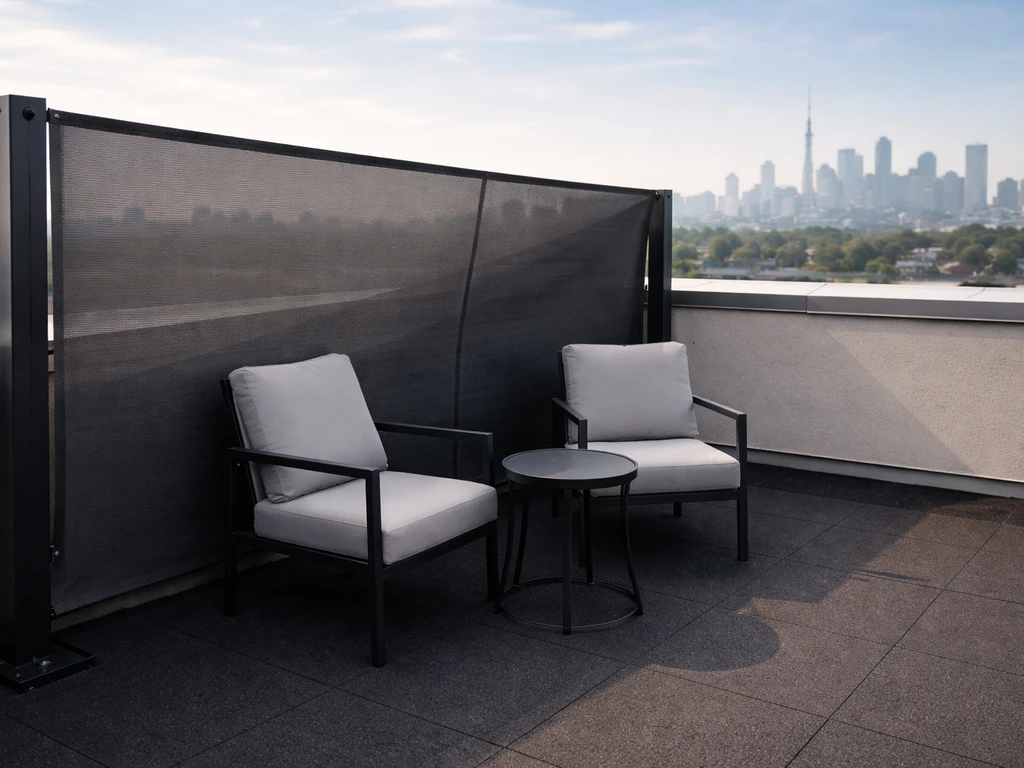
Wind is the biggest comfort problem on Toronto rooftops. The prevailing wind comes from the southwest. A solid or semi-solid screen on the southwest and west sides makes a dramatic difference. Good options include tempered glass panels (expensive but beautiful), horizontal cedar or composite slat screens, or planters with tall ornamental grasses. Avoid fully solid walls on all sides since that creates a wind tunnel effect and looks like a box. Leave at least one open or semi-open side for airflow.
Heaters for shoulder seasons
Toronto's rooftop season realistically runs from late April through October if you heat it. Propane patio heaters are the easiest to add with no installation, but you're dealing with tank swaps. Natural gas heaters need a licensed gas line run to the roof, which is a real cost (often $800–$2,000 depending on distance) but removes the tank hassle. Electric infrared heaters are the cleanest option and are increasingly popular, but you need an outdoor-rated circuit on the roof. The city's sidewalk café guidelines define patio heaters specifically as outdoor heating appliances that generate thermal radiation, which means any permanently mounted heater on a restaurant rooftop goes through the permit process.
Fans and misters for summer
July and August can be genuinely hot on a Toronto rooftop, especially with dark flooring absorbing heat. A ceiling fan under a pergola makes a huge difference in comfort. For real heat, a misting system (low-pressure systems start around $100 DIY, high-pressure systems run $500–$2,000 installed) can drop the perceived temperature by 10–15 degrees Fahrenheit. On a breezy rooftop, misters work best when combined with a windscreen so the mist doesn't just blow away.
Materials, flooring, and waterproofing that hold up in Toronto
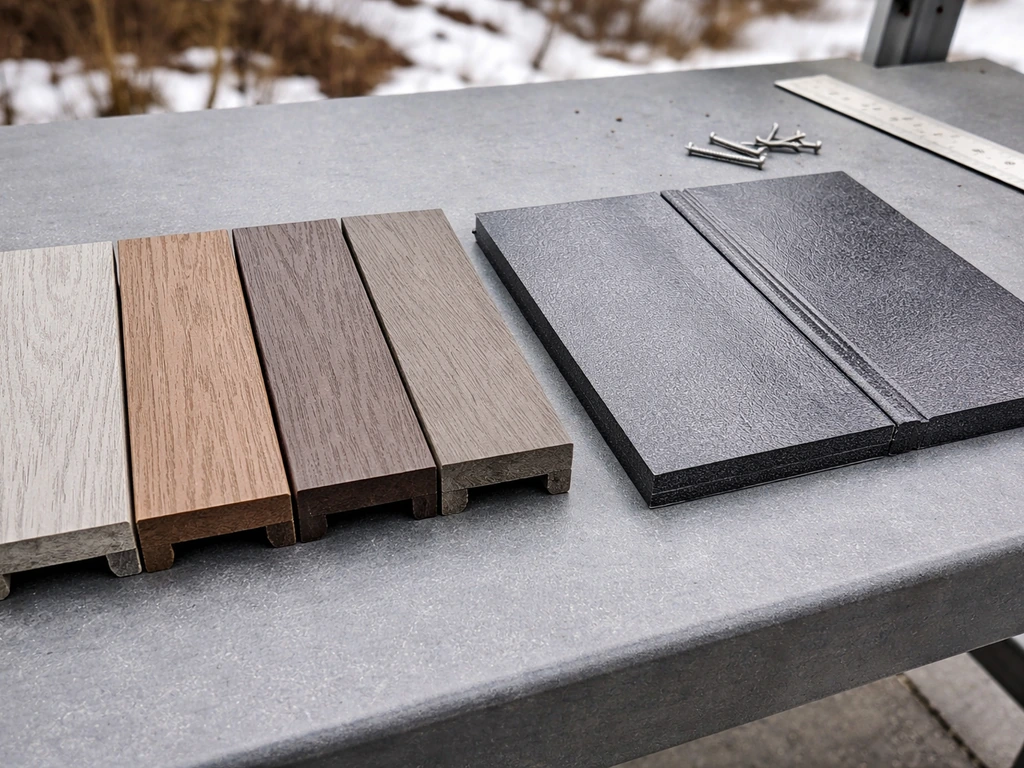
Toronto gets freeze-thaw cycles every winter, sometimes dozens per season. Materials that look great in a showroom can crack, heave, or delaminate after two winters on a rooftop. Here's what actually works.
| Material | Pros | Cons | Best For |
|---|---|---|---|
| Composite decking (PVC or capped) | Freeze-thaw resistant, low maintenance, doesn't rot | Higher upfront cost ($15–$30/sq ft installed), can get hot underfoot | Most residential rooftops in Toronto |
| Porcelain pavers on pedestals | Extremely durable, elegant look, easy membrane access via removable tiles | Heavy (need engineer sign-off), slippery when wet without grip finish | High-end builds where aesthetics matter most |
| Ipe or hardwood decking | Beautiful, very durable if maintained | Needs annual oiling, can warp if moisture gets underneath, expensive | Projects with dedicated maintenance budgets |
| Rubber pavers/tiles | Lightweight, slip-resistant, cheap and DIY-friendly | Less attractive, can shift over time | Budget builds or temporary setups |
| Concrete pavers (standard) | Affordable, many styles | Can crack in freeze-thaw, heavy, not always rooftop-appropriate without engineer review | Ground-level or well-supported rooftops only |
On waterproofing: the single most important material decision you make is the roof membrane beneath the patio. TPO and EPDM are the most common flat-roof membranes in Toronto. If you're building over an existing membrane, use a pedestal system that keeps decking elevated and allows water to drain freely underneath. Never glue or nail anything directly into the membrane. For any penetrations (gas lines, electrical conduit, drain improvements), use a licensed roofing contractor and get the work warranted in writing.
Budgeting, DIY vs contractor, and how to compare quotes
What does a Toronto rooftop patio actually cost?
Costs vary enormously depending on your starting point. A simple DIY setup with rubber tiles, freestanding furniture, a market umbrella, and a propane heater can come in under $3,000. A fully built-out rooftop with structural work, new waterproofing, composite decking on pedestals, a pergola with retractable canopy, glass wind screens, and outdoor lighting runs $30,000–$80,000 or more in Toronto, depending on complexity and contractor pricing. Most mid-range residential rooftop patio projects land in the $10,000–$30,000 range when you include decking, some wind screening, basic lighting, and a heater setup.
What you can realistically DIY
- Floating deck tiles or rubber pavers (no attachment to roof required)
- Freestanding furniture, planters, and privacy screens (no structural anchoring)
- String lights and solar-powered fixtures
- Freestanding propane heaters and pedestal fans
- Low-pressure misting systems
- Shade sails anchored to freestanding weighted posts
What needs a licensed professional
- Structural assessment and any load-bearing modifications
- Waterproofing membrane work or replacement
- Any gas line runs for natural gas heaters
- Electrical circuit installation for fans, lights, or electric heaters
- Permanent structures requiring a building permit (pergolas, screens attached to building)
- Drainage modifications
How to compare contractor quotes in Toronto
Get at least three written quotes. Ask each contractor to break costs into line items: structural/engineering, waterproofing, decking, structures (pergola/screens), electrical, and finishing. A quote that lumps everything into one number is a red flag. Ask specifically who handles the waterproofing, whether they sub it out, and who warranties it. Roofing and decking contractors are different trades, and the best rooftop patio builds use a general contractor who coordinates both. Ask for two or three recent rooftop-specific references in Toronto, not just general deck references, since rooftop work has different challenges. Verify WSIB clearance and liability insurance before signing anything.
Finding and comparing rooftop patio restaurants in Toronto
Toronto has a genuinely strong rooftop dining and bar scene, concentrated downtown but spreading into Midtown and the east end. When you're comparing options, use the same comfort checklist you'd apply to a personal build: wind screening, shade, heaters for shoulder seasons, and whether the layout actually works for the group size you're bringing.
A few practical tips for finding the right spot: Search specifically for 'rooftop patio' plus the neighbourhood (King West, Ossington, Distillery, Yorkville) since city-wide lists are long and generic. If you want the most reliable choice, start with a last best patio shortlist and compare it using the same comfort checklist. Check whether the rooftop is first-come or reservation-only because many of Toronto's best rooftop spots fill up by 6pm Thursday through Saturday from June to September. Look for photos taken in the actual space, not just renders or daytime shots. If you want a standout place to relax, focus on the top patio features that balance shade, wind protection, and comfort year-round. A rooftop that looks romantic in a photo might be a wind tunnel or surrounded by HVAC equipment. Read reviews specifically mentioning comfort, noise, and weather, since those tell you more than food reviews do about whether the rooftop itself is worth the trip.
Remember the regulatory context: Toronto's CaféTO rules mean that rooftop restaurant patios are capped in size and must meet specific open-sides requirements if covered. That's why rooftop bars sometimes feel smaller than you'd expect and why some covers get removed or stay partially open even on cool nights. It's not bad management, it's a compliance requirement.
Your next steps, whether you're visiting or building
If you're looking for a rooftop patio experience in Toronto right now: narrow your list by neighbourhood, check for covered or heated options since Toronto evenings cool off fast even in July, and book ahead for any weekend visit between June and September. If you're planning a personal rooftop patio build: start with a structural engineer and a waterproofing inspection before you look at any decking or furniture. Those two steps cost under $2,000 combined and tell you everything about what's possible. From there, decide what you want to DIY versus hire out, get itemized quotes from at least three contractors, and match your design to Toronto's climate with wind screening and a heater as non-negotiables. The rooftop patio design side of the project (layout, zones, materials, decor) is genuinely fun once the structural and waterproofing questions are settled, and Toronto's flat-roof housing stock means more homes here are candidates for a rooftop patio than most homeowners realize.
FAQ
Can I build a roof top patio toronto rooftop patio if I’m in a condo or renting?
If you’re a tenant, zoning approval and a building permit are not the only hurdles, you also need written permission from the building owner or condo board (and often a review by the management because rooftop decks can affect waterproofing risk and common-area access). Ask for the condo’s rooftop policy and whether the membrane is guaranteed or already under warranty before spending on decking or screens.
Do I really need a permit for a roof top patio toronto if I keep it simple and freestanding?
Even if you avoid permanent structures, any modification that changes the roof surface, adds new attachments, or alters drainage typically triggers trade sign-off and may require a permit for compliance reasons. A practical approach is to keep everything freestanding on pedestal decking or rubberized tiles, avoid anchoring into the membrane, and get the roof contractor to confirm what can be done without penetrating the waterproofing.
How do CaféTO rules affect roof top patio toronto spaces with pergolas or partial enclosures?
For rooftop restaurants under CaféTO, cover and enclosure details matter. If a structure creates a more enclosed space than intended, the city may treat it more like a structure that must meet separation and open-sides conditions. For planning your own build near a business, confirm how the “two full sides open” requirement is interpreted for semi-open screens and retractable elements.
How can I tell if a roof top patio toronto will be windy once I’m there?
Photos can be misleading because Toronto rooftops often look calm in daytime but feel rough in evening gusts. When evaluating a candidate spot, stand at the same height as the seating, watch how wind shifts near HVAC units and parapet edges, and check whether the windscreen only protects one corner or actually covers the main seating zone.
What should I check on a roof top patio toronto for HVAC equipment and noise?
If there’s HVAC equipment on the roof, plan around noise, exhaust locations, and access pathways. A rooftop patio that blocks service routes can be rejected later during inspections, and exhaust can create odor issues even when the view is great. Ask the venue or contractor whether vents, intakes, or maintenance paths will remain unobstructed.
What heating setup works best for a roof top patio toronto, propane, natural gas, or electric?
For heating, choose based on how you use the space. Portable propane heaters are easiest for short visits but require tank handling and secure placement; roof-mounted natural gas and permanently mounted electric heaters require professional setup and typically ongoing inspection considerations. Also consider that radiant heat helps comfort, but it does not stop wind, so pair heaters with a southwest and west windscreen.
Do rooftop heaters require permits or special approvals for a roof top patio toronto build?
Yes, rooftop heaters can change your permit situation if they’re permanently mounted or tied into building systems. A safe decision aid is to classify the equipment as portable versus hardwired, then ask your contractor whether the installation will require a rooftop electrical or gas permit, and get warranties in writing that include the roof penetrations if any are made.
How can I reduce leak risk when building a roof top patio toronto on an existing roof?
Don’t rely on “it drains fine” during a first site visit. Freeze-thaw and settlement can create ponding, and ponding accelerates membrane failure and can lead to hidden leaks into units below. Ask your waterproofing contractor how they will verify slope, drainage points, and membrane protection around any added penetrations.
What decking approach is safest for a roof top patio toronto in winter?
Decking choices affect both waterproofing and long-term maintenance. Pedestal systems keep the deck above the membrane so water can move and dry, while direct attachment into the roof surface increases failure risk. If you’re buying materials, confirm they’re designed for freeze-thaw cycles and outdoor use, and ask how they handle snow loading and ice formation.
What’s the correct order to plan a roof top patio toronto so costs don’t balloon?
Budget surprises often come from structural and waterproofing coordination. If you start with furniture and screens, you can still end up paying more later when engineers require additional reinforcement or when waterproofing details change due to attachments. A safer sequence is structural engineer review first, then waterproofing inspection, then decking and only afterward the “nice to have” elements like glass screens and lighting.
Next Articles
High Top Patio Dining: Plan, Build, and Upgrade Guide
Step-by-step high top patio dining guide: plan layout, choose surfaces, ensure comfort and drainage, add shade and upgra
Do It Yourself Outdoor Patio Ideas: Build, Upgrade, Maintain
DIY outdoor patio ideas for planning, building, upgrading, and maintaining floors, shade, privacy, lighting, and decor.
Quick Fix Patio Ideas for Instant Comfort and Style
Quick fix patio ideas for fast comfort and style: cleanups, repairs, shade, flooring tweaks, and safe upgrades on any bu