The best patio privacy screen for most homeowners is a fence-mounted or freestanding HDPE mesh panel, roughly 6 feet tall, installed along the sightline between your patio and the neighbor's yard. It blocks views effectively, lets air through, holds up in most climates, and costs far less than a permanent wood or metal structure. That said, the right pick really depends on what you're blocking, where it's coming from, and how permanent you want to go, so here's a practical breakdown to help you land on the right solution today.
Best Patio Privacy Screens: Buyer’s Guide and Selection

Phoebe Foster
9 Jun 2026
First, define your actual privacy problem
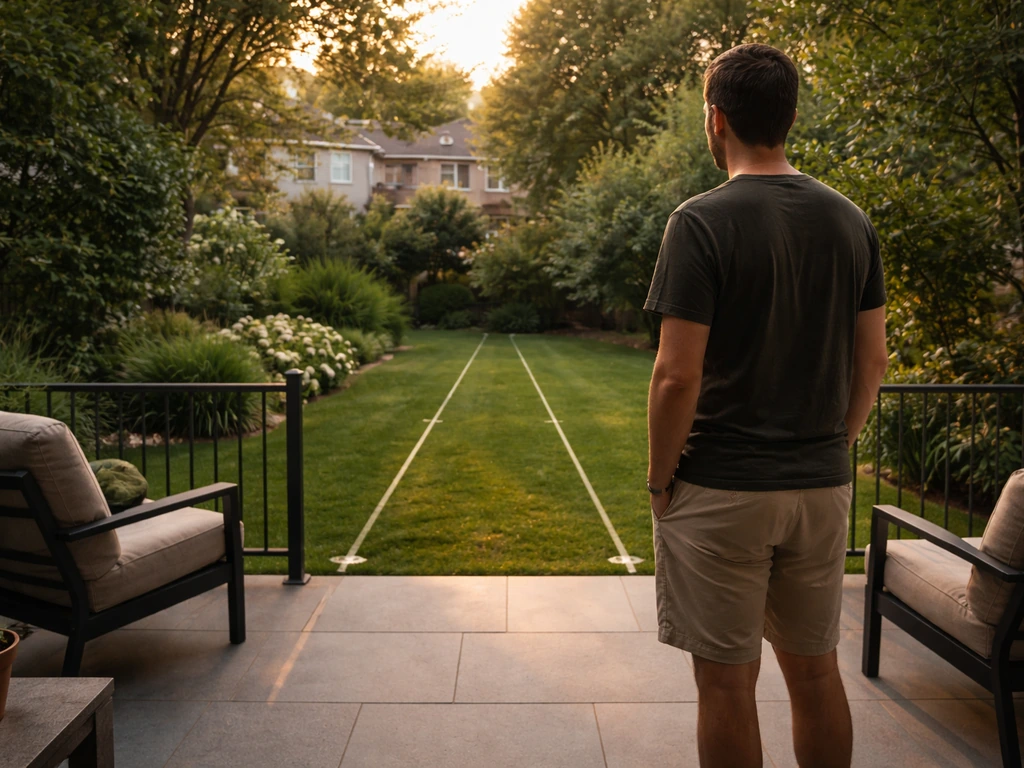
Before you buy anything, spend five minutes standing on your patio at different times of day and figure out exactly where the exposure is coming from. A neighbor's second-story deck looking down requires a very different solution than a neighbor at ground level 15 feet away. The angle matters, the distance matters, and the time of day matters because sightlines shift with the sun.
Ask yourself these questions: Is the exposure from one side or multiple sides? Is it from ground level or above? Is it from a street or a neighboring window? Do you need a seasonal or year-round solution? Are you also trying to block wind, or just views? Answering these honestly will save you from buying something that looks right but doesn't actually solve the problem. A 6-foot fence panel won't help you if your neighbor's deck overlooks yours from 10 feet up.
Also check your HOA rules now, not after you've ordered materials. Multiple HOA governing documents cap privacy screens and walls at exactly 6 feet above ground level, and some require photo documentation and a landscaping plan as part of the approval process. Local building codes often mirror this 6-foot baseline too, so it's a good default to plan around while still checking your specific rules. TUDS notes that privacy-screen height guidance frames most industry standards and local codes around about 6 feet as a baseline, while still advising you to measure and check your local rules Local building codes often mirror this 6-foot baseline too, so it's a good default to plan around while still checking your specific rules..
Privacy screen types: what works and when
There are six main categories of patio privacy screens, and each has a sweet spot. Here's what they're actually like to live with:
Fence-mounted mesh or fabric screens
These are the most popular option for a reason. You attach a knitted HDPE screen to an existing fence, chain-link structure, or railing, and you're done. They block sightlines well, allow airflow, and install in an afternoon. The tradeoff is that you need an existing fence or structure to attach to. They're ideal for side-yard screening, pool enclosures, and perimeter coverage where you already have posts or rails. Privacy effectiveness is high, typically 85–95% opacity depending on weave density.
Freestanding privacy panels
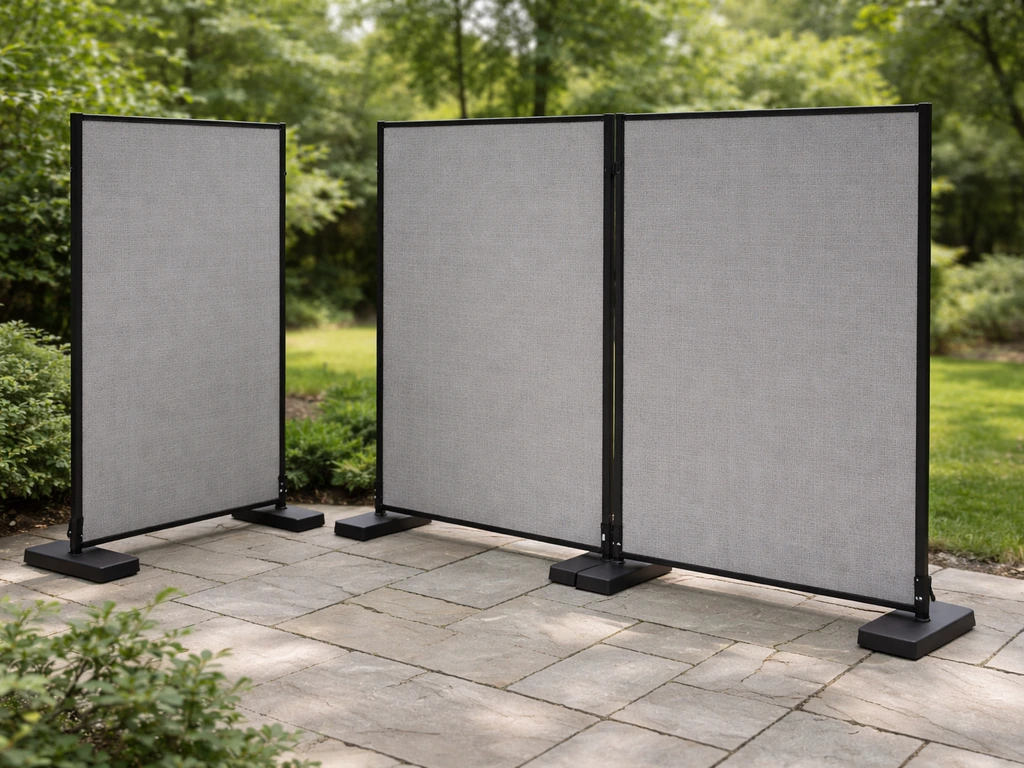
Freestanding panels are modular and don't require drilling into your home or an existing fence. They sit on weighted bases or stake into the ground and can be repositioned as needed. Wood, aluminum, vinyl, and composite panels all come in freestanding configurations. They're great for renters, people who want flexibility, or anyone with a single exposed corner. The downside is that freestanding panels can wobble or tip in wind if not properly weighted or staked, so they're better for sheltered patios than fully exposed ones. If wind is a big issue for your patio, use properly weighted or anchored freestanding panels so they act as a practical wind blocker, not just a privacy screen.
Wall-mounted or pergola-attached screens
If your patio is attached to your house or has a pergola structure, you can mount screens directly to those surfaces. These are more permanent and look more intentional than fence-mounted options. Fabric panels, slatted wood screens, metal privacy panels, or even motorized retractable screens all work in this configuration. The installation is more involved and you may need to hire someone, but the result is cleaner and more durable. Motorized screen systems especially shine here for all-weather use.
Trellis-style screens
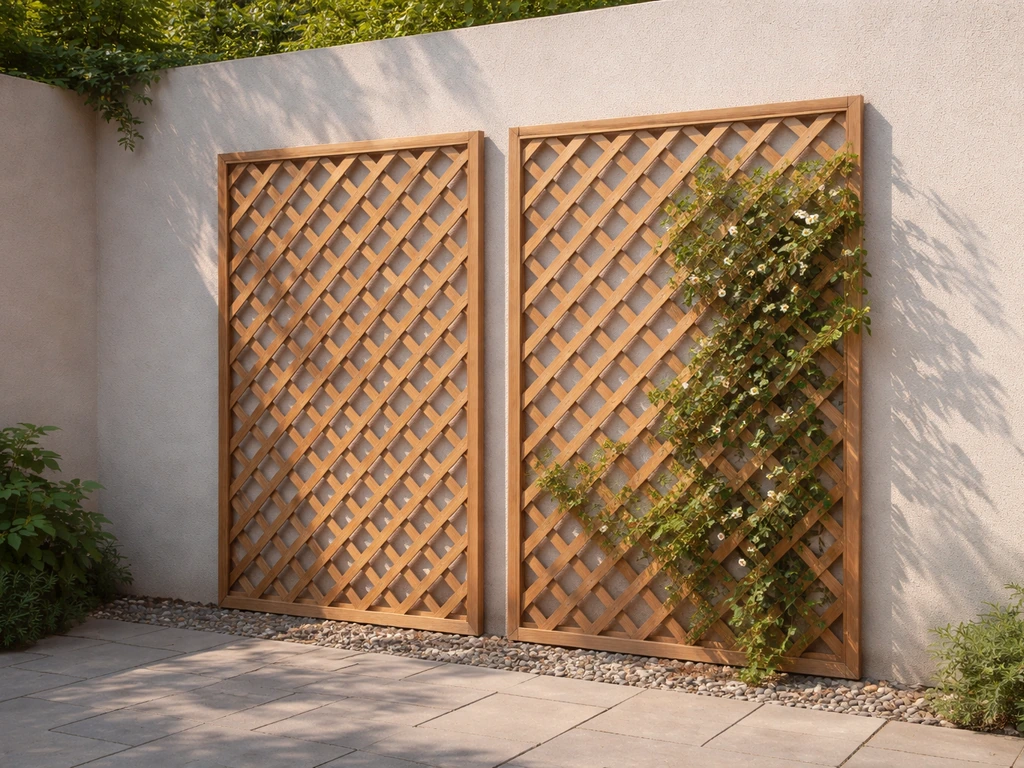
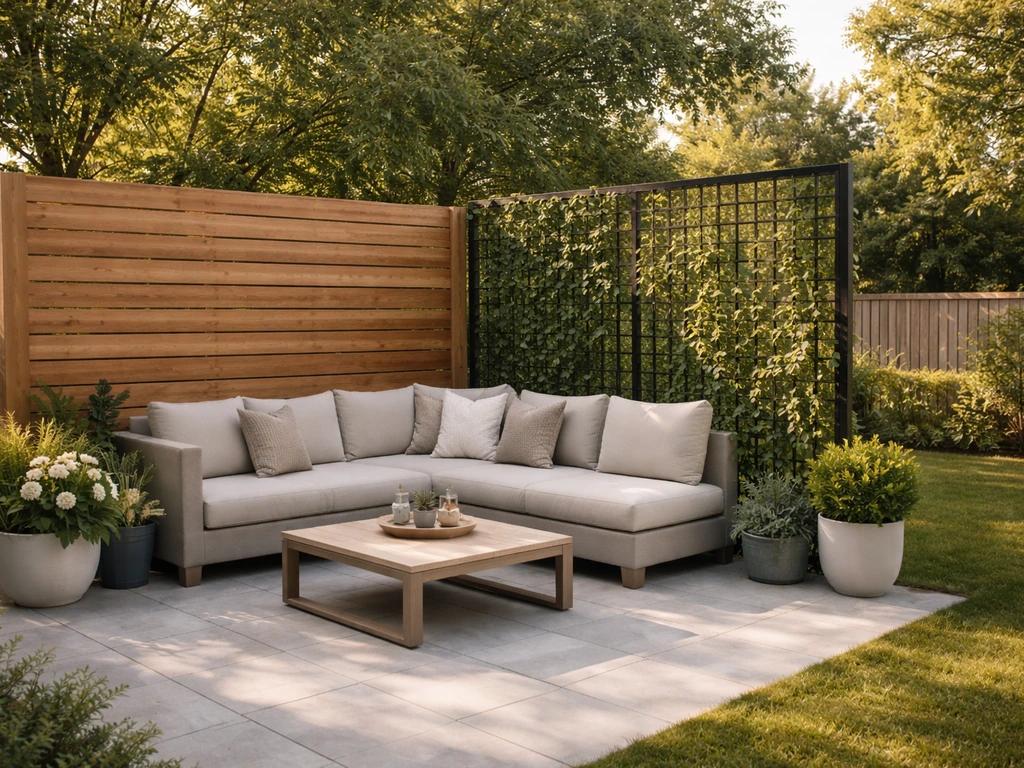
A trellis gives you a semi-private lattice structure you can cover with climbing plants over time, or leave as a light visual barrier on its own. Upfront privacy is low because the open lattice doesn't block much, but over two to three growing seasons with the right plants, it can become a dense green wall. Trellis panels work well as a design element when you want something that blends into the landscape rather than looking like a barrier. They're not a good choice if you need privacy now.
Living screens (hedges and plants)
Living screens are attractive, natural-looking, and can add real property value. Dense evergreens, bamboo (clumping varieties only unless you want a containment nightmare), and tall ornamental grasses all work well. The major caveat is time: a living screen that actually blocks sightlines takes multiple growing seasons to establish. If you're in a warm climate like Florida or Texas and you pick the right species, you can get there faster, but it's still not a same-year solution. HOA compliance for living screens usually covers species, finished height, and placement near street frontage.
Shade sails and pergola curtains
Shade sails and outdoor curtains offer a softer, more decorative privacy solution. They work best for overhead coverage or as side panels on a pergola, and they're easy to swap out seasonally. Privacy coverage is often partial rather than complete, and they're more vulnerable to wind than rigid panels. If you've already looked into patio blinds or patio curtains as options, these fall into the same category and make sense when aesthetics matter as much as function.
Materials breakdown: what lasts, what doesn't
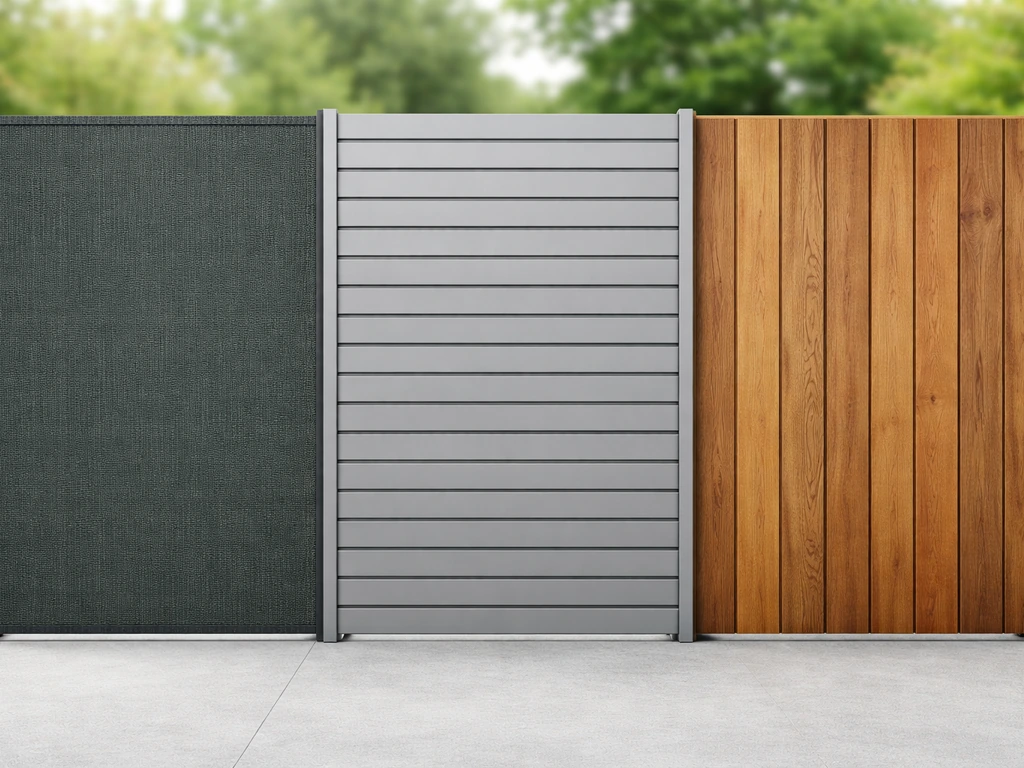
| Material | Typical Lifespan | Maintenance | Best Climate | Privacy Level |
|---|---|---|---|---|
| HDPE mesh/fabric | 5–10 years (UV-stabilized grades) | Minimal — rinse and inspect annually | All climates; fades in extreme sun | High (85–95% opacity) |
| Cedar/redwood wood | 15–30 years untreated; 40+ with staining | Stain or seal every 2–3 years | Most climates; avoid wet/humid without treatment | Complete (solid panels) |
| Pressure-treated pine | Varies; paint or stain every 2 years | More frequent than cedar | Humid or wet climates | Complete (solid panels) |
| Aluminum | Decades; some lifetime warranty products available | Nearly none — won't rust, rot, or peel | All climates including coastal salt air | High to complete depending on slat spacing |
| Vinyl/PVC | 20–30 years typical | Low — wash occasionally | Works well; can warp in extreme heat | Complete (solid panels) |
| Fabric/curtains | 2–5 years outdoors | Remove seasonally; wash and store | Sheltered patios; poor in wind | Moderate (sheer to opaque options) |
| Living screens (plants) | Indefinite with care | Watering, trimming, seasonal care | Climate-dependent by species | High once established (2–4 years) |
For pure longevity with minimal upkeep, aluminum wins. For natural aesthetics at a mid-range cost, cedar is hard to beat if you're willing to restain every couple of years. HDPE mesh is the value champion, UV-stabilized versions carry 5-year warranties from reputable manufacturers, with premium grades rated 8–10 years. Budget mesh products with no UV stabilization often last only 2–3 years before fading and degrading, so don't just grab the cheapest roll on the shelf. Check for UV-stabilized, 100% virgin HDPE in the spec sheet.
How to size and place your screen for full coverage
Sizing is where most people make mistakes. The most important rule: measure your height in multiple spots and use the lowest measurement when ordering. Fence lines and ground levels are rarely perfectly uniform, and if you order based on the tallest point, you'll end up with gaps at the low points. This is especially true along sloped ground or uneven terrain.
For height, most industry practice and local codes converge around 5.5–6.5 feet as the functional range for patio privacy. At 6 feet you block seated and standing sightlines from ground-level neighbors effectively. If you need to block an elevated vantage point (a second-story window or deck), you either need a taller structure where codes allow it, or you need to combine a screen with overhead coverage like a pergola canopy.
For placement, position the screen along the specific sightline that creates your exposure problem, not just wherever is easiest to install. Walk the patio and have someone stand on the neighbor's side to confirm where the actual view corridor is. Screens placed even two or three feet off from the real sightline can leave a frustrating gap. Also account for gates in your measurement plan; gates require special consideration for how the screen terminates and attaches around the frame.
If you're covering multiple sides of the patio, measure each run separately. Don't assume they're the same length or height. A patio that reads as 'roughly 20 feet wide' often has inconsistencies when you tape it out.
Installation: DIY vs hiring a pro
DIY-friendly options
Fence-mounted mesh screens are very DIY-friendly. The professional install workflow is straightforward: hang the top edge of a 10-foot section first, pull the screen taut horizontally, then secure the bottom edge before moving to the next section. Secure at every grommet using UV-resistant zip ties, with stronger UV-rated ties on the top row where wind stress is highest. A loose or baggy installation invites wind whipping, which causes mechanical fatigue at the attachment points and shortens the screen's life significantly.
BigSigns warns that incorrect windscreen or privacy screen installation can create excessive wind stress and lead to premature product failure, including cases where the screen folds or tears if attachment or tensioning is wrong. Start slightly shorter rather than longer to avoid bagginess.
Freestanding panel systems with pre-drilled posts or weighted bases are also easy weekend projects. The critical thing with freestanding panels is getting the base right for your wind exposure. A panel that tips over in the first summer storm isn't a privacy screen, it's a liability. For exposed patios in windy regions, stake or anchor freestanding panels into the ground rather than relying on weighted bases alone. Wind installation guides from fence manufacturers rate properly installed panel systems to handle sustained winds and gusts up to around 130 mph when posts and footings are done correctly.
When to hire a pro
Hire a professional for anything that involves setting posts in concrete, attaching to your home's structure, working around a gate or existing fence system, or for a motorized retractable screen. Wall-mounted systems that bolt into the house framing especially benefit from a pro because improper mounting can cause water infiltration or structural issues. If you're in a high-wind region (coastal areas, Texas Hill Country, the Midwest corridor), having a professional install and tension a screen system correctly is worth the cost versus replacing a failed DIY install a year later.
As a general rule: if the screen requires no post-setting and attaches to an existing fence or railing, do it yourself. If it requires new posts, concrete, or attachment to your home's framing, get at least one contractor quote.
Maintenance, weatherproofing, and how long things actually last
HDPE mesh screens need almost no maintenance beyond an annual rinse and a quick check of your zip ties or cable ties. UV degradation is the main enemy, color fading is your early warning sign that the material is nearing end of life. Replace worn ties proactively rather than waiting for sections to detach in a windstorm.
Wood screens need the most active upkeep. Cedar and redwood should be restained or resealed every 2–3 years. Pressure-treated pine needs attention every 1–2 years depending on your climate and exposure. Skip this and you'll see checking, cracking, and grey weathering that shortens the panel's life significantly. In humid climates, look for signs of rot at post bases and rail joints, those are the first points of failure.
Aluminum and vinyl panels are the low-maintenance champions. Aluminum won't rust, rot, crack, or peel, and good aluminum systems carry lifetime limited warranties. Vinyl holds up well in most climates but can soften or warp under sustained extreme heat, so if you're in the desert Southwest, verify the product's temperature rating before buying.
Fabric and curtain-style screens should be taken down and stored over winter in cold climates, or at minimum removed during major storms. Leaving them up year-round dramatically shortens their lifespan. Even in mild climates, clean fabric panels once a season to prevent mold and mildew growth, especially on shaded north-facing patios.
Living screens need ongoing attention while establishing: regular watering the first two seasons, appropriate trimming once mature, and replacement of any plants that die off and create gaps. They're low-effort once established but high-effort up front.
How to pick the right patio privacy screen for your budget and climate
Here's a practical shortlist approach. Answer these five questions and you'll have a clear path to the right solution:
- Do you have an existing fence, railing, or pergola to attach to? If yes, fence-mounted HDPE mesh is your fastest and cheapest option. If no, budget for freestanding panels or post installation.
- What's your climate like? High wind (coastal, Midwest, open plains): go with rigid aluminum or vinyl panels, or properly tensioned and anchored mesh. Extreme heat (desert Southwest): avoid vinyl or fabric in full sun. Cold winters: avoid fabric left up year-round.
- Do you need privacy now or can you wait? If now, mesh, solid panels, or curtains. If you can wait 2–4 years and want a natural look, start a living screen this season.
- What's your budget? Under $200 for a basic run: HDPE mesh screen DIY. $500–$1,500: freestanding composite or vinyl panels. $2,000+: aluminum, cedar, or motorized systems with professional installation.
- Have you checked your HOA rules? Do this before you order anything. Most HOAs cap privacy screens at 6 feet and may require approval documentation. Some also restrict materials and colors.
If you're still on the fence (no pun intended) between options, here's the honest summary: HDPE mesh on an existing fence is the best value per dollar of privacy. Cedar or composite freestanding panels are the best option for aesthetics and flexibility without permanent installation. Aluminum panels are the best long-term investment if you want zero maintenance and maximum durability. Living screens are the best choice for natural beauty if you're patient and consistent with care.
And if you're looking for something more design-forward or retractable, exploring motorized screen systems or patio blinds and curtains opens up options that blend privacy with sun and wind control in one system. For many homeowners, the best motorized screens for patio are worth it when you want retractable privacy that automatically adjusts to sun, wind, and changing conditions motorized screen systems.
Your next steps today: grab a tape measure and note the height and length of the area you need to cover, check your HOA rules, identify whether you have an existing structure to mount to, and then narrow your material choice based on your climate and maintenance tolerance. That combination will cut the decision down to two or three real options instead of a wall of products, and you'll know exactly what to order.
FAQ
Will a 6-foot best patio privacy screen block views for neighbors with a second-story window or deck?
Only if their line of sight is low enough. For elevated vantage points, a standard height often leaves a visible gap, so you may need to combine a taller approved structure (only where codes and HOA allow) with overhead coverage like a pergola canopy or add screens that extend above the deck line.
How do I know if my screen placement is off by a couple feet, and what should I do about it?
Do a quick “view corridor” check by standing on the neighbor’s side at the times you care about (morning, afternoon, sunset) and have someone mark the exact spot where you can see through. If your screen is even 2 to 3 feet away from that corridor, you can still catch openings at the edges, so adjust the run before ordering.
What’s the correct way to measure height for patio privacy screens if the ground is uneven?
Measure in several spots along the full length, then order using the lowest measurement. That prevents bottom gaps at low points. If you have a slope, plan staggered alignment by marking post heights or base locations so the screen top stays consistent where possible.
Can I install a screen on a gate, and will it be stable at that edge?
Yes, but you need to plan the termination. Gates change movement and load points, so the screen needs a defined attachment method and enough slack for swing or sliding clearance. If you leave the fabric or mesh loosely wrapped around the gate frame, wind can fatigue tie points quickly.
Do I need to worry about wind and tip-over with freestanding panels even in sheltered patios?
Yes, but the risk drops if the patio is sheltered and you anchor correctly. For exposed patios or areas with frequent gusts, stake or anchor into the ground rather than relying on weighted bases alone. Check that the base is rated for your panel size and local wind conditions.
How can I prevent HDPE mesh screens from becoming loose or baggy over time?
Install with consistent tension across the run. Secure at every grommet using UV-resistant zip ties, and use stronger UV-rated ties on the top row where wind stress is highest. After the first windy season, do a quick re-check and replace any ties showing fading or brittleness.
What UV rating should I look for on HDPE mesh if I want it to last several years?
Look for UV-stabilized, 100 percent virgin HDPE and verify the warranty period. Budget non-stabilized mesh is the fastest path to fading, so checking whether the spec sheet mentions UV stabilization and expected lifespan is more important than the sticker price.
How often should I recheck fasteners or ties on my patio privacy screen?
Do a seasonal inspection, with extra attention after storms. Replace zip ties or cable ties that show color change, brittleness, or slack. Small failures at attachment points become bigger in wind because flapping increases mechanical stress.
Is living screening like bamboo or tall grasses considered a privacy screen immediately?
Most are not. Even dense species typically take multiple growing seasons to block sightlines. If you need privacy now, plan a temporary rigid option (mesh on fence or a freestanding panel) and transition to the plants once they fill in.
Can curtains or shade sails work as a true privacy solution, or are they mostly decorative?
They are usually partial privacy. Rigid panels block views more effectively, while curtains and shade sails depend on tension and wind. If wind is common, they may need frequent adjustment and should be removed or taken down during major storms and stored in cold weather.
Next Articles
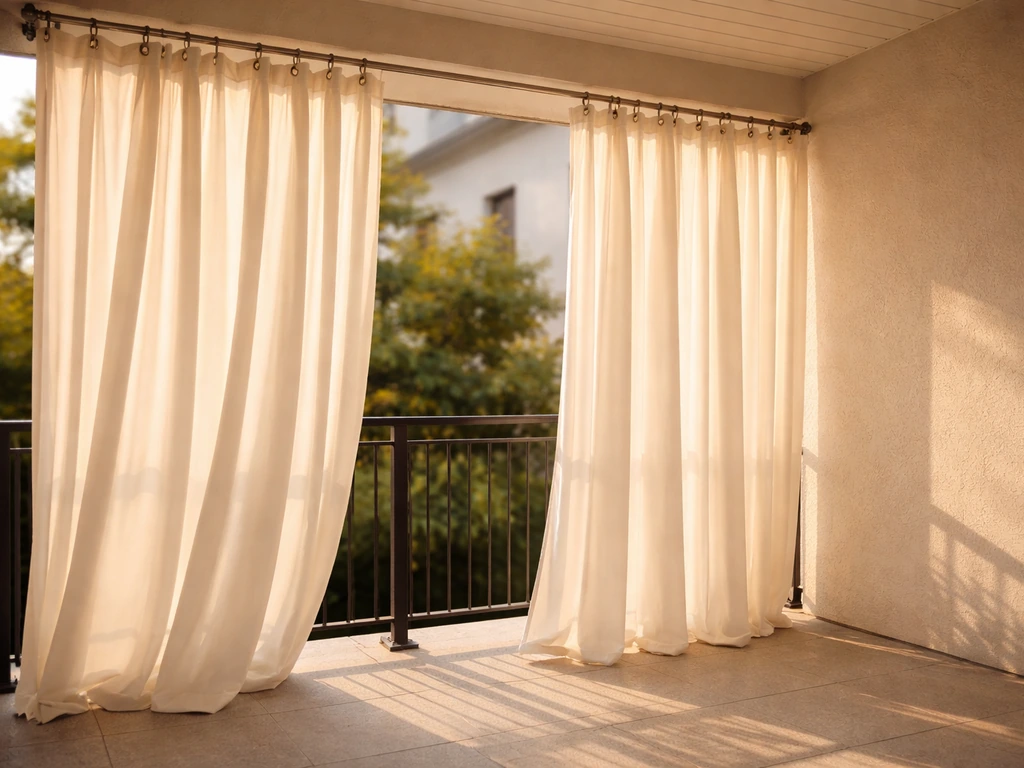
Best Patio Curtains Buying Guide by Fabric, Size, and Wind
Choose the best patio curtains by fabric, size, wind stability, UV fade resistance, and mounting for your climate and go
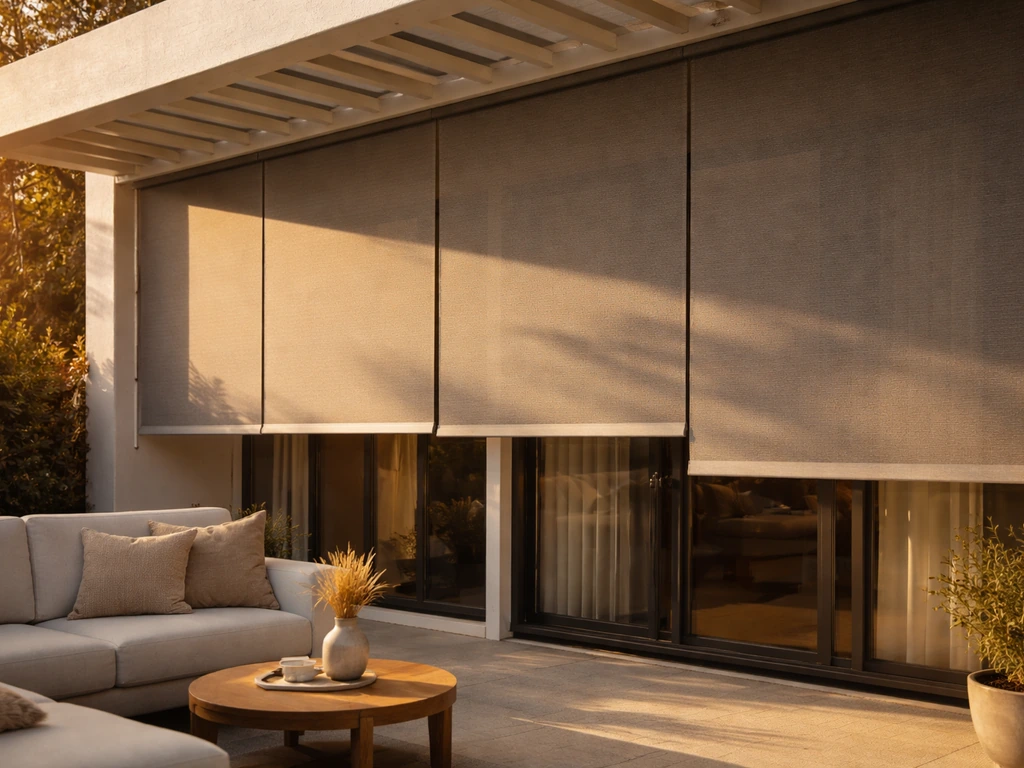
Best Patio Blinds: Types, Fit, Materials, and Buying Guide
Compare the best patio blinds by type, fit, materials, and motor options with measuring and installation tips for sun, p
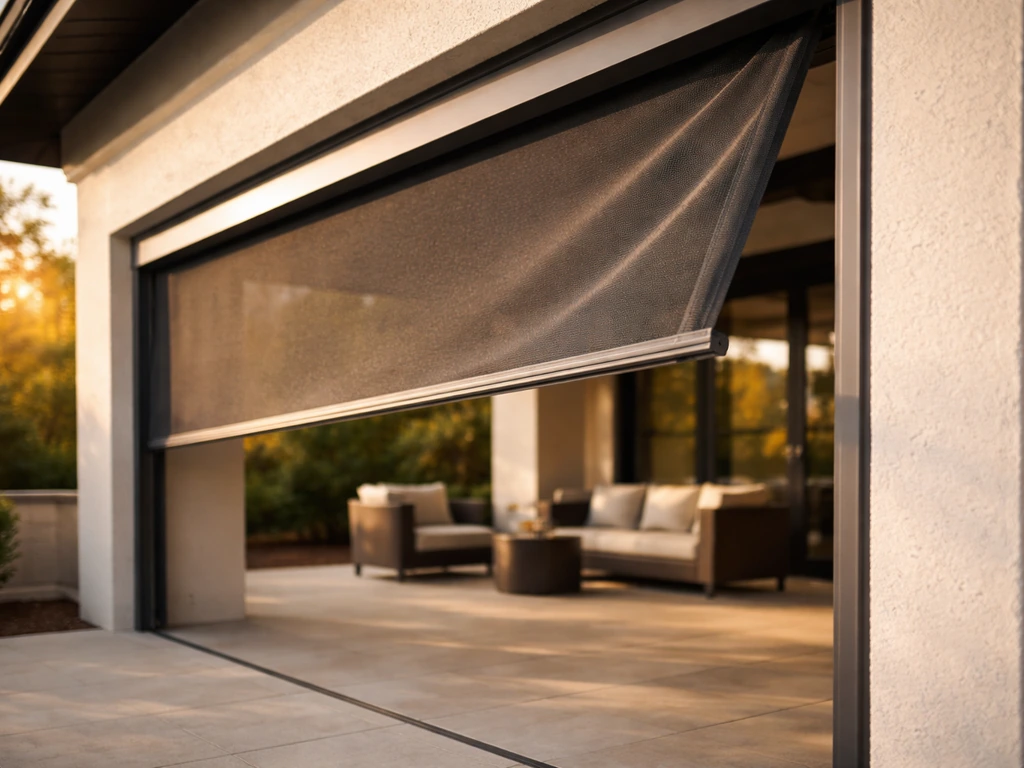
Best Motorized Screens for Patio: Choose, Measure, and Buy
Guide to choosing the best motorized patio screens: measure, compare motors and mesh, pick privacy, bugs, or shade, then