The best patio curtains for most homeowners are outdoor-rated fabric panels in a solution-dyed acrylic like Sunbrella or Outdura, mounted on a stainless steel rod or cable system with a weighted hem and tie-backs. That combo handles sun, light rain, and moderate wind while looking great and lasting years without fading or growing mold. But the right answer for your patio depends on what you actually need: shade, privacy, wind protection, or all three. This guide walks you through exactly how to pick, size, mount, and maintain them so you stop second-guessing and start ordering.
Best Patio Curtains Buying Guide by Fabric, Size, and Wind

Phoebe Foster
4 Jun 2026
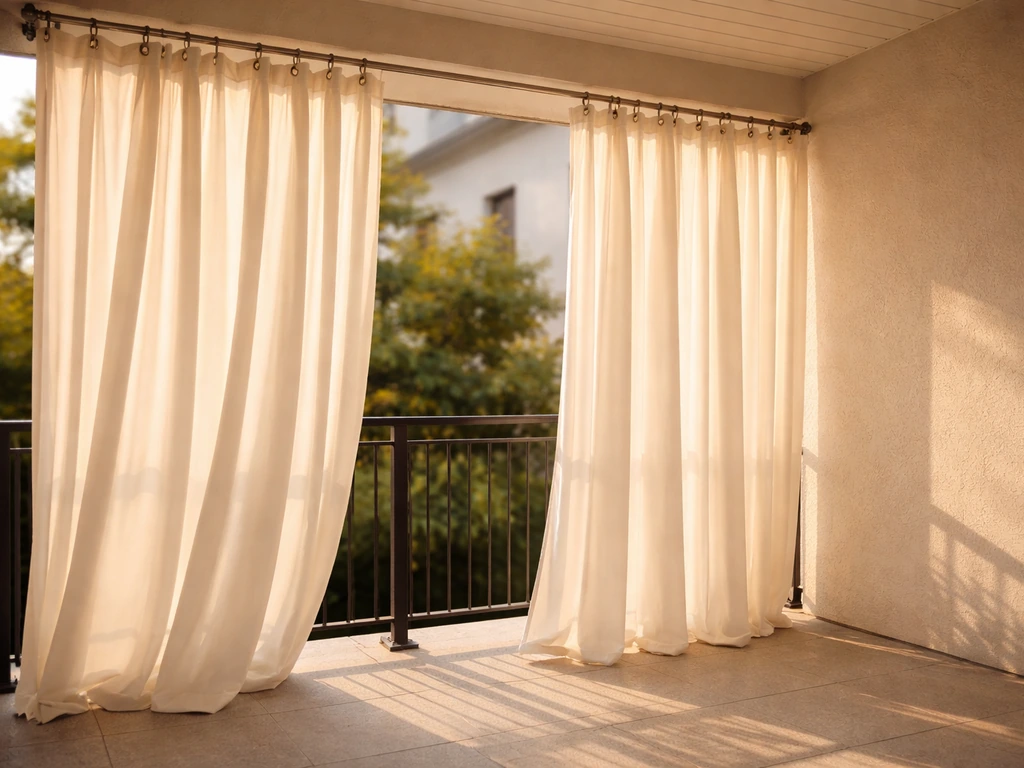
What does "best" even mean for your patio?
Before you browse a single product, be honest about what problem you're solving. Patio curtains serve four main purposes, and the best pick changes dramatically depending on which one you prioritize.
| Your Main Goal | What to Prioritize | What to Skip |
|---|---|---|
| Privacy | Full-length opaque panels, tight overlap between panels | Sheer or mesh fabrics that allow visibility |
| Sun/heat shade | Tight-woven mesh or heavy acrylic, UV blockage rating | Light sheers with low UV protection |
| Wind/rain protection | Enclosed zip-track or retractable systems, weighted hems | Standard rod-hung panels in open/coastal patios |
| Aesthetic upgrade | Decorative fabric panels with grommets or tabs, coordinated tie-backs | Purely functional vinyl or mesh materials |
| Bug/heat mitigation | Mosquito screen inserts or enclosed systems with mesh options | Open-weave fabrics with large gaps |
If you live somewhere like coastal Texas or the Florida panhandle, wind and rain protection should be your first filter, not color. In dryer climates like Arizona or New Mexico, UV resistance and heat reduction matter most. In the Midwest where you might get all four seasons on a patio, look for versatility and easy seasonal storage. Getting this priority straight before you buy saves you from ordering something that looks great in photos but flaps like a ship's sail the first breezy afternoon.
Curtain types and outdoor-ready materials
The three main curtain categories
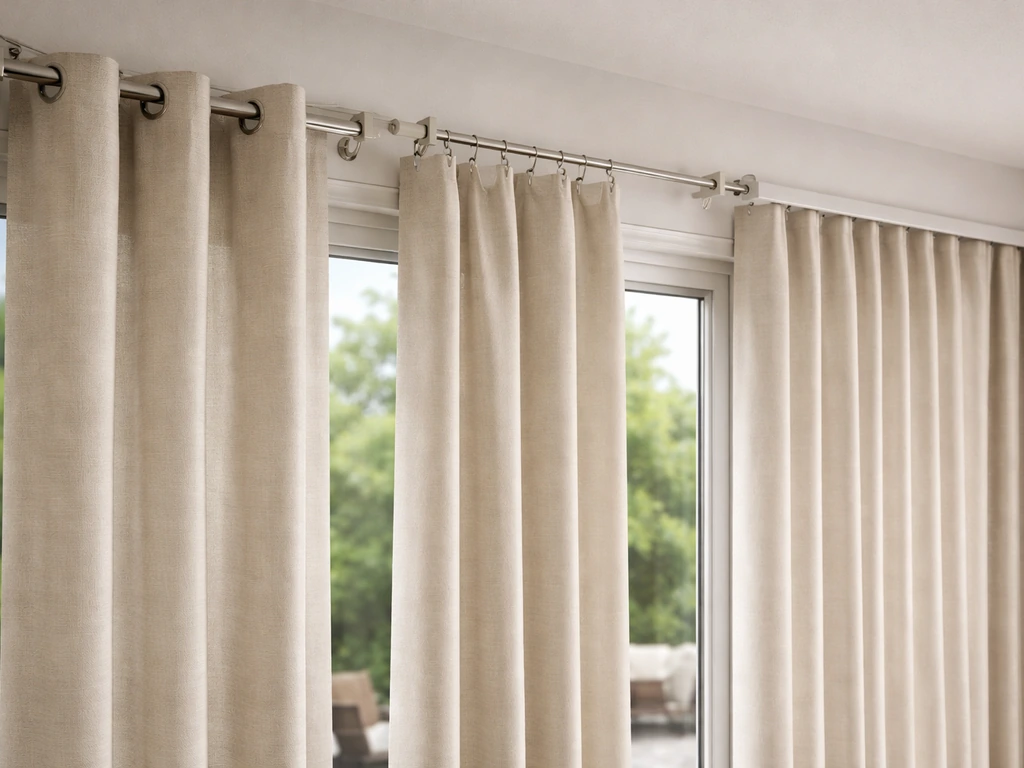
Most patio curtains fall into one of three categories. Standard fabric panels are the most common: individual curtain panels hung from a rod, cable, or track. They're flexible, affordable, and available in tons of fabrics and colors. Retractable or enclosed systems use a housing unit and side tracks (sometimes with a zipper retention mechanism like Alutex's Zip-Roll) to create a sealed barrier against rain, wind, and insects.
These are closer to motorized screens than traditional curtains, and they cost significantly more but perform much better in tough weather. The third category is privacy screen panels that function like curtains, often made from Textilene or similar mesh, which can be hung on standard hardware but provide more structure and durability than fabric alone.
The fabrics that actually hold up outside
Fabric choice is where most people go wrong. Regular indoor curtain fabric will fade, mildew, and fall apart within one season outdoors. Here are the outdoor-specific materials worth knowing:
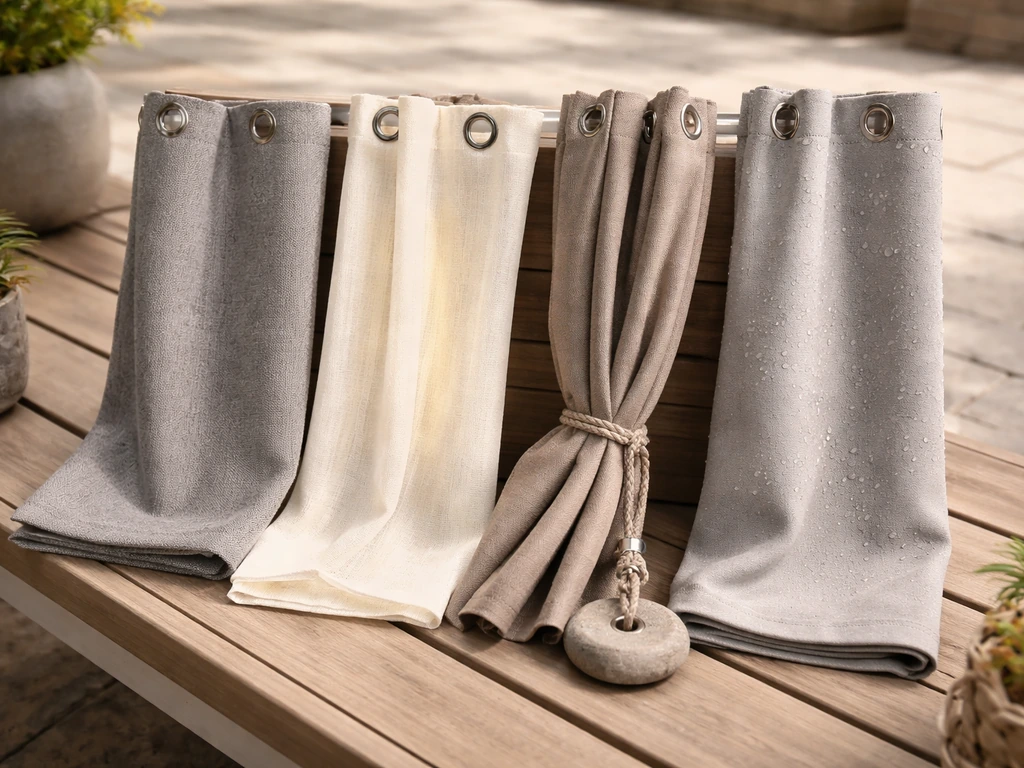
- Solution-dyed acrylic (Sunbrella, Outdura/Sattler): The gold standard for outdoor fabric panels. Color is baked into the fiber at the manufacturing stage, so UV fading is minimal. Sunbrella carries a 10-year limited warranty covering color loss and sun damage. Outdura claims 2,000+ hours of UV colorfastness and is mold/mildew resistant and bleach cleanable. These fabrics feel soft and look like indoor curtains but are built for the outdoors.
- Textilene mesh: A tight-woven PVC-coated polyester that blocks up to 90% of UV rays while still allowing airflow and some visibility. It's marketed specifically for harsh outdoor environments and works well in roller curtain or panel setups. Great for sun and glare control, less ideal if you want complete privacy or a decorative fabric look.
- Phifertex: A UV/fade-resistant, water-resistant woven vinyl mesh that includes Microban to inhibit mold and mildew. More commonly found in commercial applications but available for residential setups. Durable and easy to clean.
- Clear vinyl/PVC: Usually paired with enclosed or retractable systems for full weather protection. Transparent, so it preserves views. Best for enclosing a porch against wind and rain rather than for aesthetics. Can yellow and crack over time in intense UV exposure.
- Polyester with DWR coating: Budget-friendly option. Works for light sun and rain in mild climates but fades faster than solution-dyed acrylic and may need replacing every couple of years.
For most residential patios, solution-dyed acrylic panels are the best all-around choice. They look good, last a decade with basic care, and are available from multiple brands at multiple price points. Textilene is worth considering if heat and glare reduction is the primary goal and you don't mind the more industrial look.
Sizing and measuring so it actually looks right
Poor sizing is the most common mistake with patio curtains, and it's completely avoidable. A curtain that's too narrow looks cheap and lets in light gaps. One that's too short looks awkward and doesn't block what it needs to. Here's how to measure correctly.
Width: plan for fullness and overlap
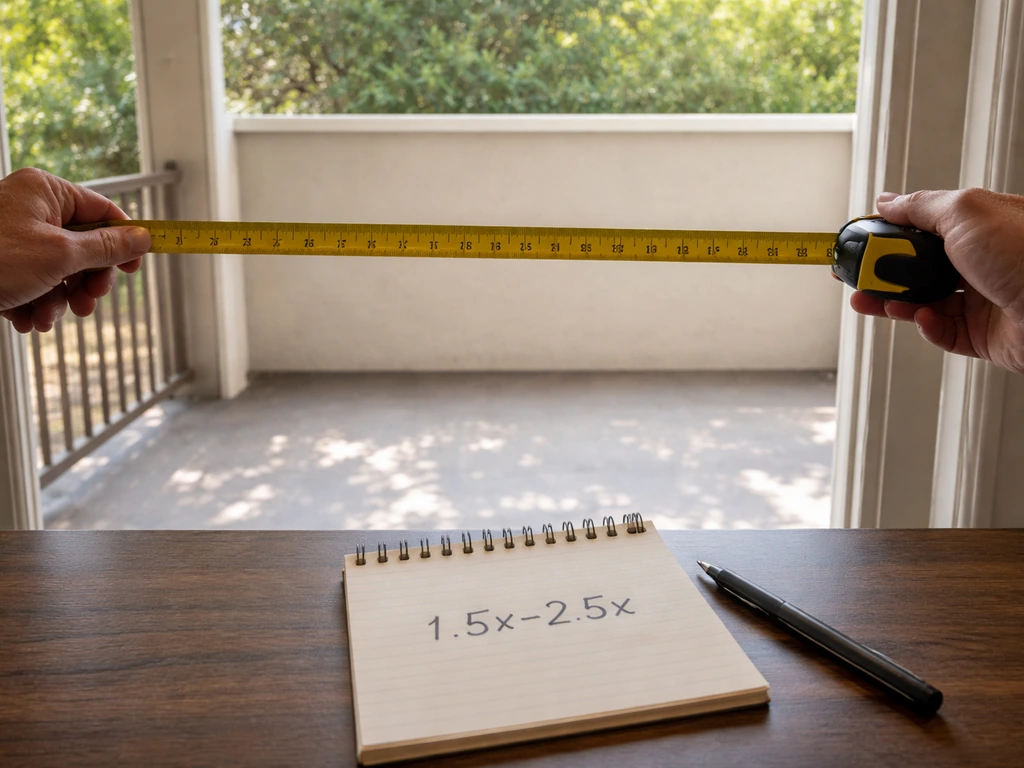
For a proper draped look rather than flat panels, you need more fabric width than the opening you're covering. A good rule is to buy panels with a combined width of 1.5x to 2.5x the opening width. For example, if your patio opening is 10 feet wide and you're using two panels, each panel should be at least 7.5 to 12.5 feet wide before gathering. For privacy curtains that need to meet in the middle, plan for 4 to 6 inches of overlap between panels when closed so there are no light gaps.
Length: floor-length almost always looks best
Measure from where the rod or cable will sit down to the ground or the surface you want the curtain to reach. If you're using grommet-top panels, subtract 1 to 2 inches because the grommet ring sits on the rod and the panel hangs slightly shorter than the measured length. Aim for panels that just graze the ground or land within an inch of it. Panels that stop 6 inches short look unfinished outdoors and won't block low light or wind near the floor.
Account for wind movement in your sizing
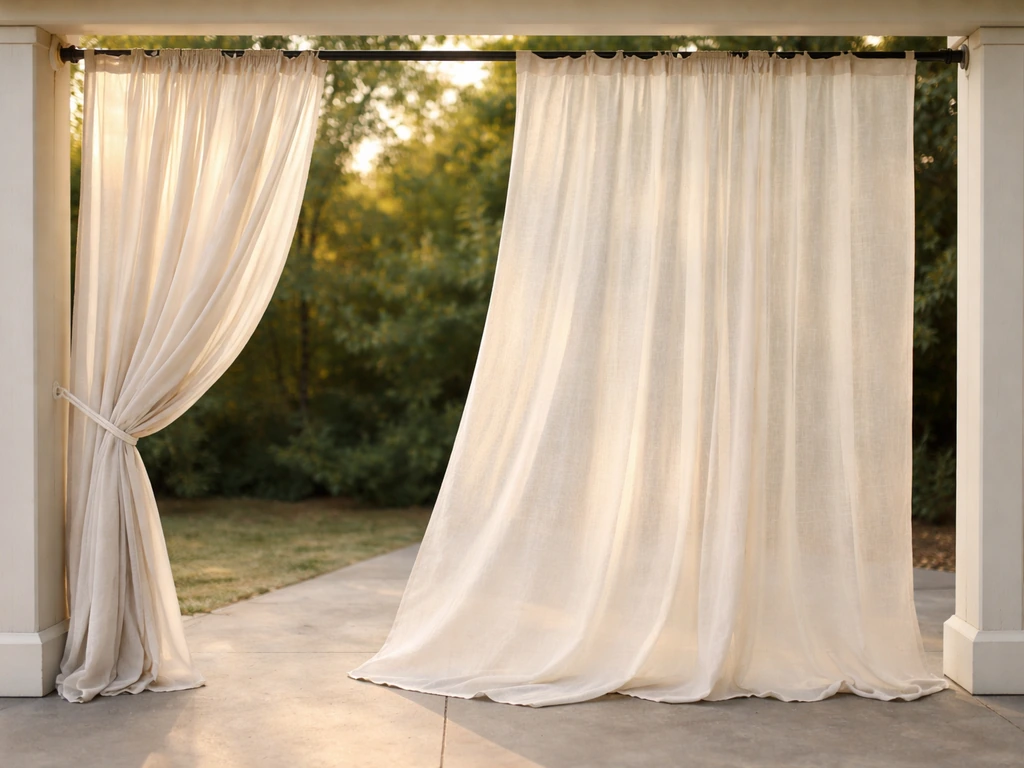
On a windy patio, a curtain that's exactly the right size when hanging straight can billow out several inches and create problems. Leave a little extra width in your planning so panels can move without pulling free from tie-backs or hardware. This is especially important in coastal areas, elevated decks, or any patio that regularly sees winds above 15 mph.
Mounting and hardware options
How you hang the curtains matters as much as the curtains themselves. The wrong hardware will rust, sag, or come loose in the first rainstorm.
Rod systems
Standard curtain rods work for covered patios and pergolas where the rod itself won't be exposed to heavy rain. Look for powder-coated aluminum or stainless steel rods, not chrome-plated steel, which will rust outdoors. Stainless steel clip rings or grommet-compatible rings are the best way to attach panels to outdoor rods because they handle wind movement cleanly without tearing the fabric. Avoid plastic rings in hot climates since UV exposure can make them brittle within a season.
Cable and wire systems
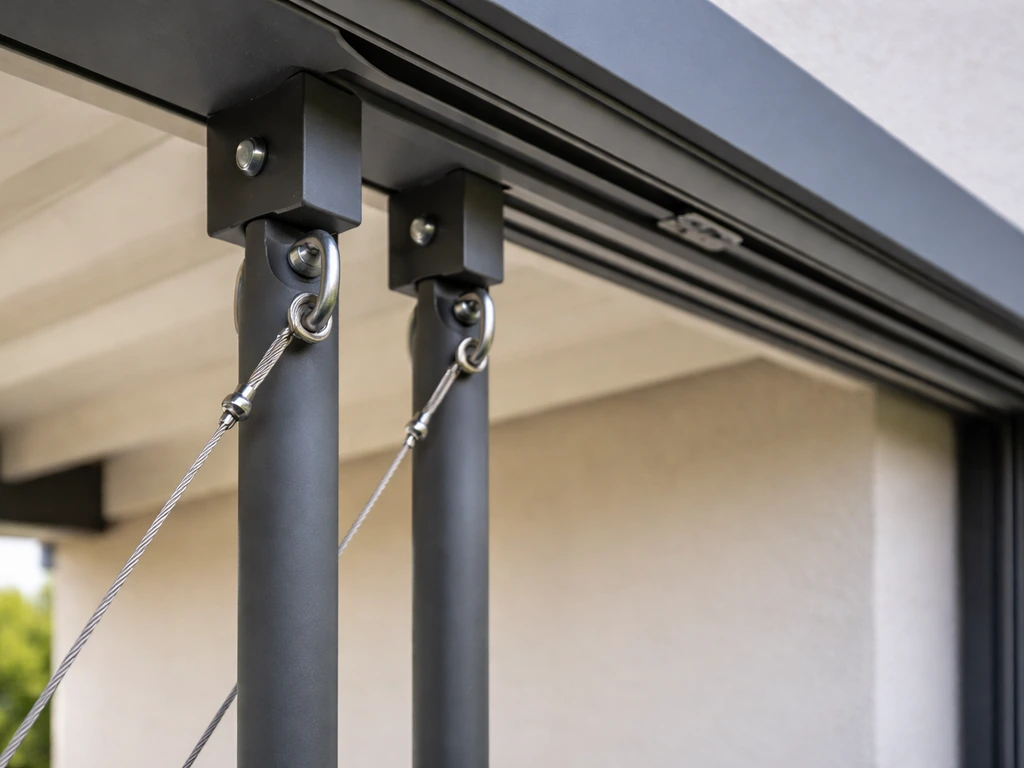
Stainless steel cable strung between posts or wall anchors is a cleaner, more modern look that also handles wind better than a rigid rod. Cables flex rather than snap, and the panels can slide more freely. This setup is especially good for pergola curtains spanning longer distances. Use marine-grade stainless hardware at the anchor points to prevent rust.
Track systems
Ceiling-mounted or overhead tracks let panels slide smoothly and stay aligned even in wind. These work well when you want to open and close curtains frequently or when you need to divide a patio into sections. Aluminum tracks with nylon gliders are low-maintenance and won't corrode. This is a step up in cost and installation effort but delivers a much more polished, functional result.
Enclosed and retractable systems
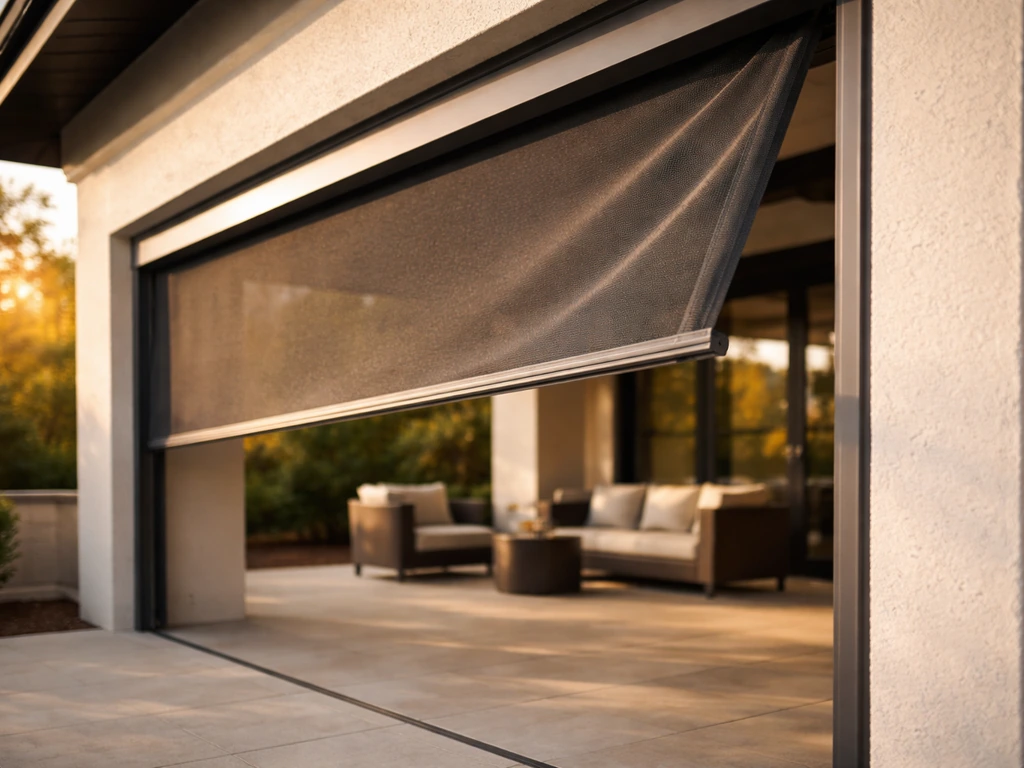
If you need serious weather protection, look at enclosed roller systems with side-channel zippers. Systems like Alutex's Zip-Roll use a zipper retention track along side rails to seal the curtain edge and prevent wind from getting behind the panel. These can use transparent vinyl for clear views, sunscreen mesh for shade, or mosquito screen for bug control. They roll up into a housing when not in use, which extends fabric life dramatically. These systems cost several times more than basic panels, but they're the closest thing to a true weatherproof outdoor room. They're worth comparing to motorized screen systems if you're in this price range.
Tie-backs and bottom anchoring
Tie-backs are more than decorative. Pulling panels back with a tie-back or hook when they're not in use dramatically reduces UV exposure and wind stress on the fabric, which extends the life of your curtains. For the bottom edge in windy spots, don't skip anchoring. A weighted hem (metal weights sewn into the bottom hem) combined with a bottom cable or ground stake is the most effective setup for keeping curtains from turning into sails. Without this on a breezy patio, even premium fabric panels will billow, wrap around posts, and degrade faster from the constant stress.
Wind, sun, and rain performance: what actually matters
Not all performance claims on curtain product pages mean the same thing. Here's how to think about each weather factor.
Wind
Standard fabric panels are not wind barriers on their own. If you want the best patio wind blocker, prioritize anchored, wind-aware curtains or an enclosed zip-track system that seals out strong gusts Standard fabric panels are not wind barriers. They soften airflow but will billow and flap in anything above a gentle breeze unless the bottom is anchored.
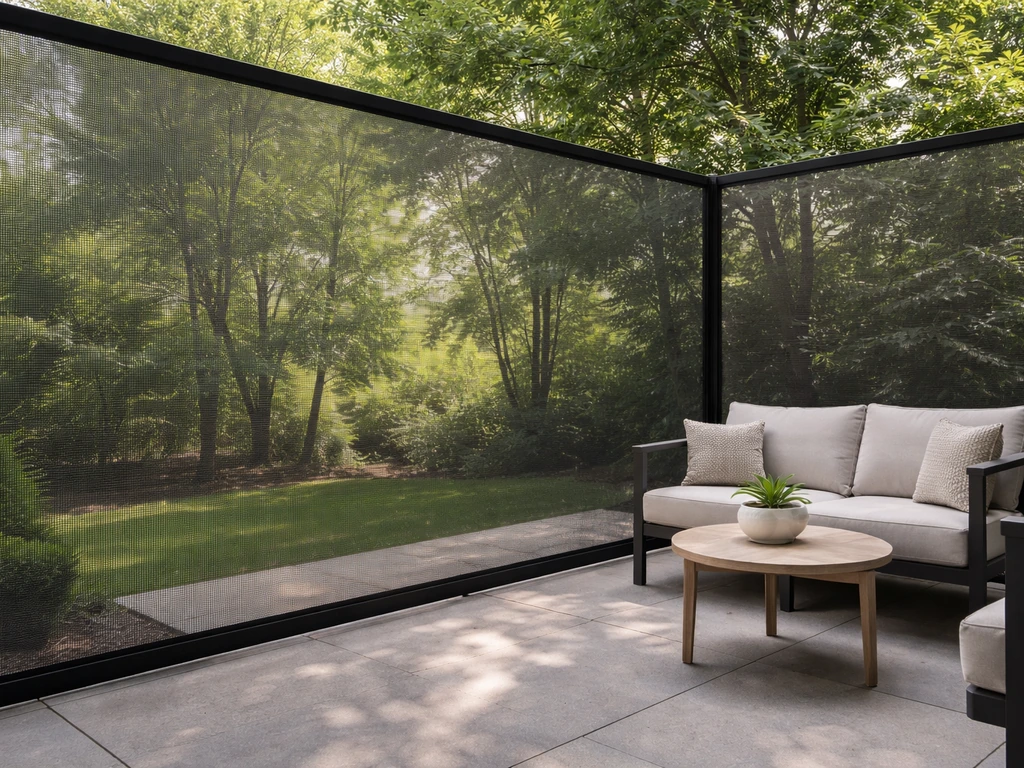
If wind is a serious concern, look at mesh fabrics like Textilene that allow some airflow through the weave, which reduces the sail effect. For full wind protection, you need an enclosed zip-track system or a solid screen setup. Open-weave mesh curtains strike a middle ground: they filter wind rather than block it completely, which is actually better for pergolas and open patios that need ventilation.
Sun and UV
Solution-dyed acrylic fabrics are the top choice for UV resistance because the dye is part of the fiber, not applied on the surface. Outdura rates its fabrics at 2,000+ hours of UV colorfastness. Sattler Outdura is solution-dyed acrylic and lists UV colorfastness of 2,000+ hours, along with claims of being mold and mildew resistant and bleach cleanable [Sattler Outdura® lists UV colorfastness of 2,000+ hours, and claims of being mold and mildew resistant and bleach cleanable](https://usa. sattler.
com/fileadmin/userupload/OutduraCoastToCoast_CollectionOverview. pdf). [Textilene mesh blocks up to 90% of UV rays and reduces heat and glare effectively. ](https://www.
outdoortextiles. com/products/textilene-90-white-t18dcs028-shade-and-awning-fabric) Look for a UPF or UV blockage percentage if sun protection is a priority. Even the best fabric will degrade faster if left fully extended in direct afternoon sun year-round, so using tie-backs when the curtains aren't needed adds years to their life.
Rain
Most outdoor fabric panels are water resistant rather than waterproof. They'll handle a light shower and dry quickly, but heavy rain will soak through most woven fabrics. If your patio doesn't have overhead coverage, a standard fabric panel won't keep you dry in a downpour. For rain protection, you need clear vinyl or a sealed enclosed system. If the patio has a roof or pergola cover, fabric panels work well because they block wind-driven rain from the sides without needing to be completely waterproof. Always make sure water can drain away from pooling on any horizontal surfaces near the curtain mounting.
Mold and mildew
Good outdoor fabrics don't promote mildew growth themselves, but mildew can still grow on dirt, pollen, or organic debris that accumulates on the surface. Sunbrella specifically notes that the fabric resists mildew but that mildew can grow on foreign substances left on the fabric. The fix is consistent cleaning: hose panels off monthly with clean water and do a deeper clean with a bleach solution (roughly 1 cup bleach and 1/4 cup mild soap per gallon of water) for tougher spots. Phifertex fabrics include Microban as a built-in inhibitor for an extra layer of protection.
Installation plan and keeping them in good shape
Installation step by step
- Determine your mounting points: posts, beam, wall, or ceiling. Make sure they can support the hardware weight plus wind load on full fabric panels.
- Install rod brackets, cable anchors, or track at the correct height. Double-check that your rod or cable is level before securing.
- Hang panels and check length. Adjust if needed before committing to final hardware positions.
- Add bottom anchoring: weighted hem if the panels don't already have one, plus a bottom cable or hook anchors for windy patios.
- Install tie-backs at the correct height for your panels so you can pull them open cleanly.
- Test in light wind before calling it done. Watch for panels catching air at the sides or bottom and adjust anchoring accordingly.
Maintenance that actually extends curtain life
- Hose panels down monthly with plain water to remove dust, pollen, and debris before it builds up and becomes a mildew food source.
- Do a full cleaning with a mild soap and water solution at the start and end of each outdoor season.
- For stubborn mildew or stains on solution-dyed acrylic (Sunbrella, Outdura), use a diluted bleach solution: about 1 cup bleach plus 1/4 cup mild soap per gallon of water. Do not machine wash shade-category fabrics.
- Use tie-backs whenever the curtains are open to reduce UV exposure and wind stress.
- In regions with harsh winters, take panels down and store them in a breathable bag or box in a dry space. Even the best outdoor fabrics last longer when they're not sitting outside through a frozen winter with snow loading.
- Check hardware annually for rust spots, especially on any steel components. Replace anything showing rust before it stains the fabric.
Budget choices, DIY alternatives, and when to go premium
Patio curtains range from about $20 per panel for basic polyester to several hundred dollars per panel for premium solution-dyed acrylic, and enclosed retractable systems can run $1,000 to $5,000 or more installed depending on size. Here's how to think about where to spend and where to save.
Budget-friendly options
If you're working with a tight budget, basic outdoor-rated polyester panels with a water-resistant coating are a reasonable starting point for a covered patio in a mild climate. Plan to replace them every two or three years. You can extend their life by adding DIY touches: sew or clip metal fishing weights (stainless or lead-free options) into the bottom hem to reduce billowing, use marine-grade bungee cords or small carabiner clips to anchor the bottom edge to a post or railing, and always use tie-backs to reduce UV exposure when the curtains are open. These small additions make cheap panels perform noticeably better in wind.
Mid-range ready-made panels
There are plenty of ready-made solution-dyed acrylic panels available from outdoor fabric brands that land in the $60 to $150 per panel range. These are a solid value for most patios. Look for panels that specify solution-dyed acrylic construction, include grommets rather than a sewn rod pocket (grommets allow better air movement and are easier on the fabric), and come in the correct length for your mounting height without requiring major alterations.
Custom and premium options
Custom-cut fabric panels from Sunbrella or Outdura yardage are worth it when you have an unusual opening size or want a specific color that isn't available ready-made. You can order fabric by the yard and sew panels yourself (or have a local upholstery shop do it) with a weighted hem and grommets. This is genuinely not a complicated sewing project if you're comfortable with a straight stitch. The result is a panel that fits perfectly and uses commercial-grade fabric for roughly the same price as a ready-made premium panel.
When enclosed systems are worth the money
If you're in a consistently windy or rainy climate, have a significant investment in patio furniture, or want to use your patio year-round, an enclosed retractable or zip-track system pays for itself faster than you'd expect. These systems protect furniture, extend the patio season by weeks or months, and last far longer than exposed fabric panels. If you're already considering motorized screens or patio privacy screens at a comparable price point, it's worth comparing the enclosed curtain systems side by side with those options, since they serve very similar functions. You can also compare these enclosed curtain setups to the best patio privacy screens if your main goal is blocking sightlines without sacrificing airflow.
Quick decision guide: match your patio to the right curtain
Use this as your shortcut. Find your situation and you'll know exactly what to look for.
| Your Patio Situation | Best Curtain Approach | Key Features to Require |
|---|---|---|
| Covered pergola, mild climate, mostly aesthetic | Ready-made solution-dyed acrylic panels on rod or cable | Grommets, UV-rated fabric, tie-backs |
| Open patio, hot/sunny climate (SW or SE US) | Textilene or acrylic panels with high UV blockage | 90%+ UV block, weighted hem, bottom anchor |
| Coastal or consistently windy patio | Enclosed zip-track system or mesh panels with full bottom anchoring | Side channels or zipper tracks, weighted hem, ground anchors |
| Privacy from neighbors is the top priority | Opaque full-length acrylic panels with 4-6 inch overlap between panels | Opacity, proper fullness ratio (1.5-2x), overlap at center |
| Bug and weather control combined | Enclosed system with mosquito screen option | Sealed side tracks, retractable housing, removable screen inserts |
| Tight budget, covered patio, mild weather | Polyester panels with DWR coating plus DIY weighted hem | Water-resistant rating, grommet top, DIY bottom anchor |
Your next steps right now
You don't need to have everything figured out before you start moving. Here's a practical sequence to go through today. If you want the most convenient option, compare outdoor blinds designed specifically for patios to get better control of shade and privacy.
- Measure your opening width and height, including where the rod or cable will mount. Write down the actual numbers, not an approximation.
- Decide your mounting approach: rod, cable, track, or enclosed system. This narrows your product search immediately.
- Pick your priority: sun, privacy, wind, or aesthetics. Use the decision table above to confirm which fabric type fits.
- Calculate total panel width needed at 1.5x to 2x the opening width for proper fullness, and verify panel length accounting for the 1 to 2 inch grommet drop if using grommet-top panels.
- Confirm your hardware is outdoor-rated: stainless steel or powder-coated aluminum at minimum. Budget for a weighted hem or DIY weights if your patio is exposed to wind.
- Plan a monthly hose-down and note whether you'll store panels seasonally. This one habit alone dramatically extends how long outdoor curtains last.
FAQ
Are patio curtains worth it if my patio already has a pergola roof?
Yes, but prioritize side wind-driven rain and glare control rather than “waterproofing.” With overhead coverage, solution-dyed acrylic or mesh fabrics work well, and you should still anchor the bottom edge (weighted hem plus stake or bottom cable) to prevent billowing in gusts under the pergola.
What size should I buy if I want curtains that fully close for privacy?
For a two-panel meet-in-the-middle look, plan for overlap, not just total width. Use the 4 to 6 inch overlap target when closed, and choose panel widths that still provide 1.5x to 2.5x total gather for a draped appearance without creating tight gaps at the center seam.
Do patio curtains need to be perfectly off the ground to look right?
Not exactly. Aim for curtains to just graze the ground or be within about 1 inch, because stopping much higher usually leaves a light and airflow gap near the floor, which weakens privacy and wind protection. If you can’t reach the ground due to furniture clearance, use a stronger anchoring method like a bottom cable plus tie-down straps.
Will grommet-top curtains slide better than rod-pocket styles outdoors?
Usually, yes. Grommets tend to handle airflow and movement better around the rod and are easier to install on outdoor hardware setups like rings. Rod pockets can bind or wear faster if the rod is slightly out of level, especially when curtains are opened and closed frequently.
How much wind can patio curtains handle before they start failing?
Standard fabric panels should be treated as “softening airflow” rather than true wind barriers. If your patio regularly sees gusts above about 15 mph, plan for a mesh fabric (for reduced sail effect) plus bottom anchoring, or consider an enclosed zip-track system for dependable wind performance.
Is Textilene a good choice if I want privacy at night?
Textilene mesh can reduce glare and allow airflow, but it may not fully block sightlines, especially when lights are on inside at night or from elevated viewpoints. If night privacy is a priority, consider a denser solution-dyed acrylic fabric or an enclosed system, or use layered panels (mesh outside, more opaque liner inside the same track).
What’s the best way to anchor the bottom of patio curtains on a deck or balcony?
Use the method that won’t damage your surface. For decks, a bottom cable anchored to railing posts or ground stakes used in adjacent landscaping tends to work better than heavy weights alone. Pair a weighted hem with tie-downs so the curtain edge cannot lift under gusts.
Can I install patio curtains on vinyl siding or is it risky?
It can be risky, because many siding mounts are not designed to handle dynamic wind loads. Use proper wall anchors into structural framing where possible, or choose a ceiling-mounted track if you have safe overhead structure. If you’re unsure, a cable system tied between posts is often easier to anchor reliably.
How often should I clean outdoor patio curtains to prevent mildew and staining?
Rinse monthly with clean water to remove pollen, dirt, and organic debris that mildew can grow on. For tougher spots, do a deeper clean with a diluted bleach and mild soap solution (about 1 cup bleach plus 1/4 cup mild soap per gallon), then fully rinse and air dry. Spot-cleaning isn’t enough if debris accumulates repeatedly.
What should I do if the curtains start billowing even though they are weighted?
Check three common causes: insufficient overlap or gather that leaves excess fabric movement, tie-backs not pulling panels close when open, and bottom anchoring that is too loose or not secured at both edges. Tighten anchors, verify the hem weights are sewn into the bottom correctly, and ensure the curtain is aligned so it doesn’t act like a sail across one side.
Do I need to remove curtains during storms or can they stay up year-round?
If you have solution-dyed acrylic or mesh panels with proper anchoring, they can typically stay up longer, but you should still tie them back when not needed to reduce UV exposure and wind stress. In severe weather areas, retractable or enclosed systems extend the life more reliably than exposed panels left fully extended.
Are there signs I should replace patio curtains rather than keep repairing them?
Yes. Replace when stitching at grommets or hems loosens, weights shift or tear through fabric, fabric develops persistent discoloration or rough texture after cleaning, or rings/hardware corrode and start scraping the panel. If the curtain no longer holds its shape when anchored, the fabric and construction are usually at the end of their usable life.
Next Articles
Best Patio Blinds: Types, Fit, Materials, and Buying Guide
Compare the best patio blinds by type, fit, materials, and motor options with measuring and installation tips for sun, p
Best Motorized Screens for Patio: Choose, Measure, and Buy
Guide to choosing the best motorized patio screens: measure, compare motors and mesh, pick privacy, bugs, or shade, then
Best Patio Screen: How to Choose the Right One
Choose the best patio screen by type, material, bug barrier and privacy coverage, with sizing, installation and cost tip