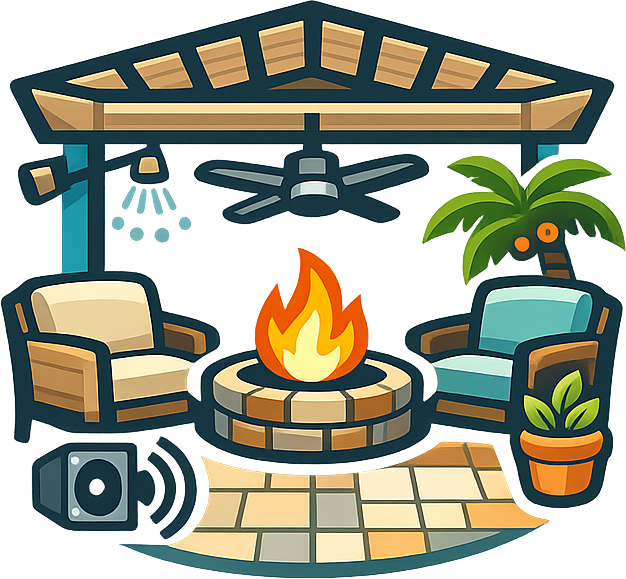
The best backyard patio alternative depends on your budget, climate, and how you actually use the space, but for most homeowners, the top contenders are a wood or composite deck, a paver patio, a gravel pad, artificial or natural turf, or a defined outdoor living zone built around a pergola or fire pit. If you are weighing different options, compare alternative patio materials like pavers, gravel pads, turf, or composite decks against your climate, budget, and how you want the space to function wood or composite deck. Each one solves a different problem, and none of them is the right answer for everyone. This guide walks you through how to pick the one that fits your yard today.
Backyard Patio Alternatives: Best Options by Budget and Use

Phoebe Foster
23 Jun 2026
What counts as a 'patio alternative' anyway?
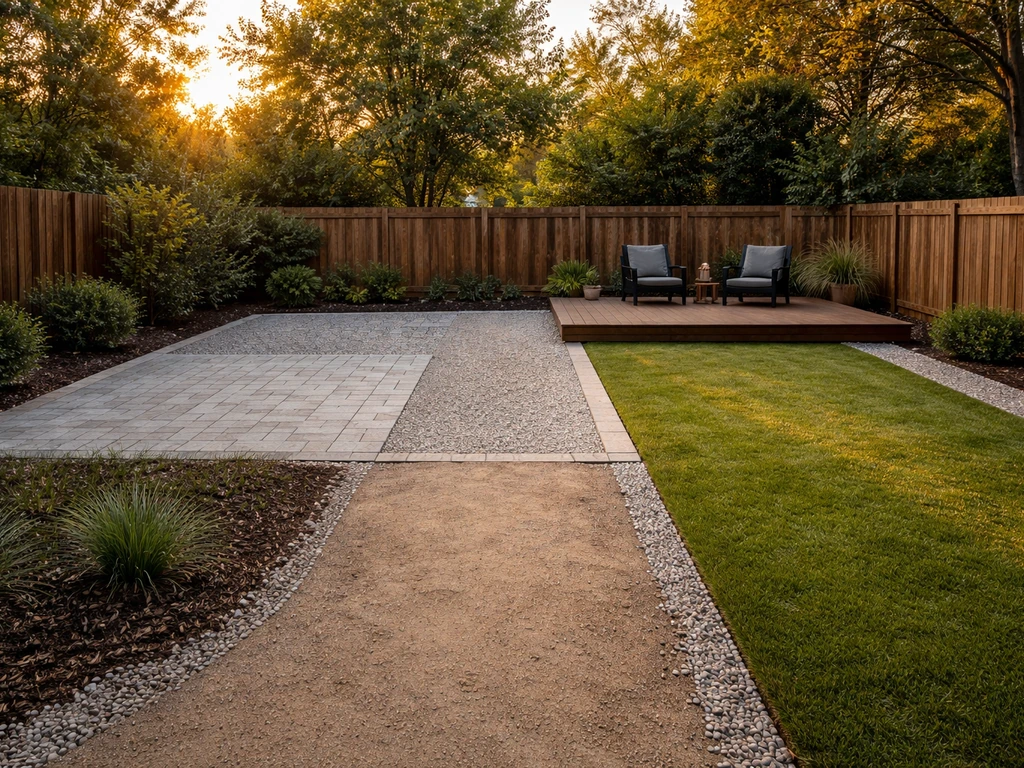
When most people say they want a patio alternative, they mean one of a few things: they don't want to pour a concrete slab, they want something cheaper, they want something that looks less builder-basic, or their yard has conditions (slopes, clay soil, tree roots, poor drainage) that make a traditional slab a bad idea. Sometimes it's all of the above.
For this guide, 'alternatives' covers the full range of surfaces and structures that give you functional outdoor living space without a standard poured-concrete patio. That includes decks (framed structures on footings), paver systems (brick, concrete, or natural stone), gravel and pea-stone pads, artificial turf or sod, grass pavers (a hybrid of hardscape and lawn), paver-gravel hybrids, terraced or raised-bed garden layouts that incorporate seating, and outdoor 'zones' built around a focal point like a pergola, fire pit, or lounge set rather than a single hard surface. Each of these has a different cost profile, install difficulty, and maintenance load, which is exactly what the comparison below is designed to sort out.
Side-by-side comparison of the top alternatives
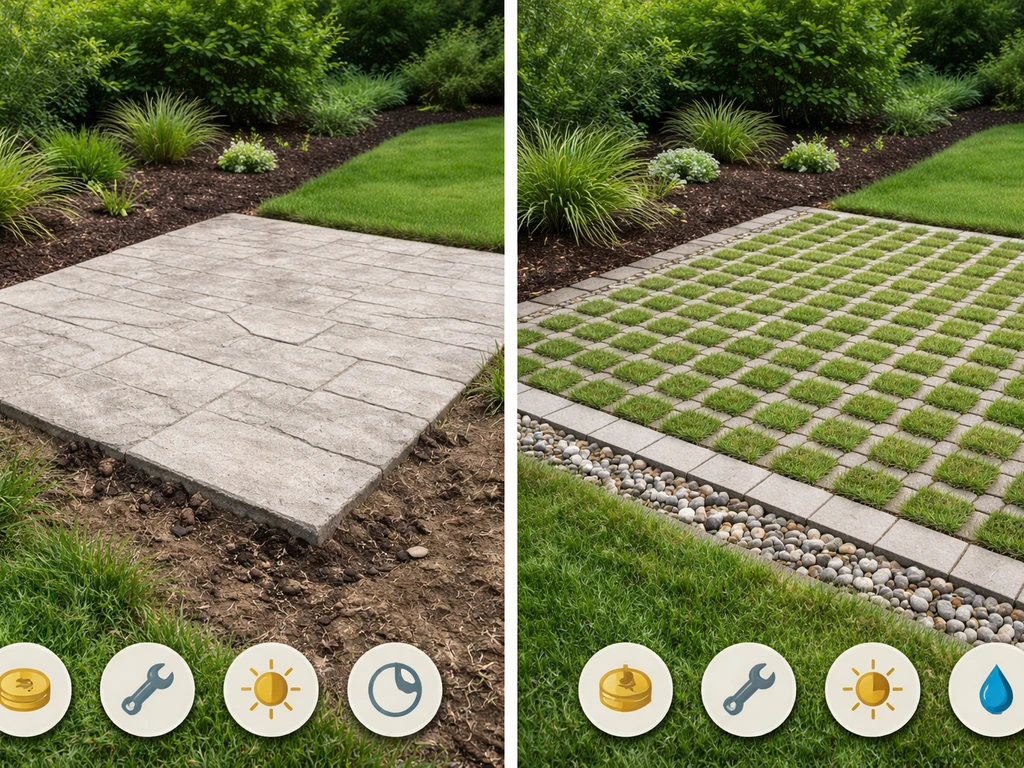
Here's how the main options stack up on the factors that actually matter for a backyard project. Costs reflect a typical 200–300 sq ft project in 2026, including materials and base preparation but not professional labor unless noted.
| Option | Installed Cost (DIY) | Maintenance Level | Comfort / Heat | Lifespan | Drainage |
|---|---|---|---|---|---|
| Concrete paver patio | $8–$18/sq ft | Low (seal every 2–3 yrs) | Moderate (heats up in sun) | 25–50+ years | Good with proper base |
| Pressure-treated wood deck | $15–$25/sq ft | High (stain/seal yearly) | Comfortable, shaded feel | 15–20 years | Excellent (elevated) |
| Composite deck | $25–$45/sq ft | Low (wash occasionally) | Comfortable | 25–30+ years | Excellent (elevated) |
| Gravel / pea-stone pad | $2–$6/sq ft | Low-moderate (rake, top up) | Hot in direct sun | Indefinite (top up as needed) | Excellent |
| Artificial turf | $8–$14/sq ft installed | Low (brush, rinse) | Very hot in summer sun | 10–15 years | Good with infill base |
| Natural sod / lawn area | $1–$3/sq ft | High (mow, water, fertilize) | Cool underfoot | Ongoing | Variable |
| Grass pavers | $5–$12/sq ft | Moderate (lawn care + hardscape) | Comfortable | 20+ years | Excellent (permeable) |
| Paver-gravel hybrid | $6–$14/sq ft | Low | Moderate | 20–30 years | Very good |
| Pergola + zone layout | $1,500–$6,000 total | Low-moderate | Shaded and comfortable | 10–25 years (frame) | Depends on ground surface |
A few things worth calling out from that table. Artificial turf looks great in photos but gets genuinely hot in summer sun, surface temps can exceed 150°F in places like Texas or Arizona. Gravel is one of the cheapest and most drainage-friendly options, but it shifts underfoot and furniture legs sink into it unless you use a compacted base with larger aggregate underneath.
If you're comparing outdoor patio alternatives, gravel is often attractive for budget and drainage, but planning the base and stability is key. Grass pavers are a niche but smart pick if you want something that looks like a lawn but handles vehicle or foot traffic: they're designed so turf grows up through the paver units, and maintenance is more like mowing a lawn than caring for hardscape.
Composite decks cost more upfront than pressure-treated wood but save you significant maintenance effort over 10+ years.
Site prep and drainage: the part most people skip
No matter which surface you choose, what's underneath it determines whether it lasts five years or thirty. This is the part that separates a project that holds up from one you're pulling out in three years because it heaved, sank, or turned into a weed farm.
Grading and base layers
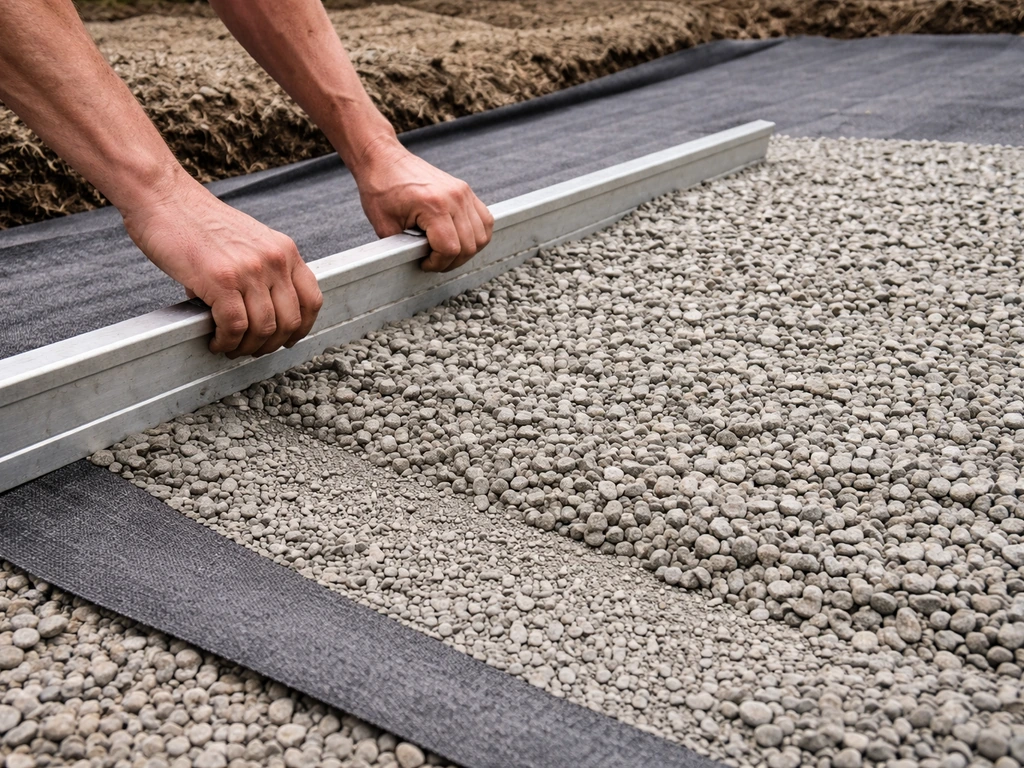
Start by grading the area so water flows away from your house, a minimum 1-inch drop per 8 feet of run is the standard recommendation. For any hardscape surface (pavers, gravel, grass pavers), you'll excavate 4–8 inches of native soil and replace it with a compacted aggregate base. For pavers specifically, the standard layered system goes: compacted subgrade, 4–6 inches of crushed stone base, 1 inch of bedding sand, pavers, and then joint sand or polymeric sand on top. That layered build is what determines whether the surface stays level, drains properly, and resists weeds. The visible pavers are almost the last thing to worry about, the base is where most installation mistakes happen.
Weed control
For gravel pads and paver systems, install landscape fabric or geotextile fabric between the native soil and your aggregate base to block weed germination from below. For paver joints specifically, polymeric sand is your best tool: it hardens slightly when wet and locks the joint, which inhibits weeds from taking root in the gaps.
Unilock notes that polymeric sand helps inhibit weed growth by locking/strengthening paver joints as part of weed prevention starting during installation polymeric sand is your best tool.
It's not a permanent solution, you'll likely need to reapply it after 5–7 years, but it dramatically reduces the amount of weeding a paver patio requires. For gravel pads, plan on raking and topping up gravel every year or two, especially in high-traffic areas.
Drainage solutions by surface type
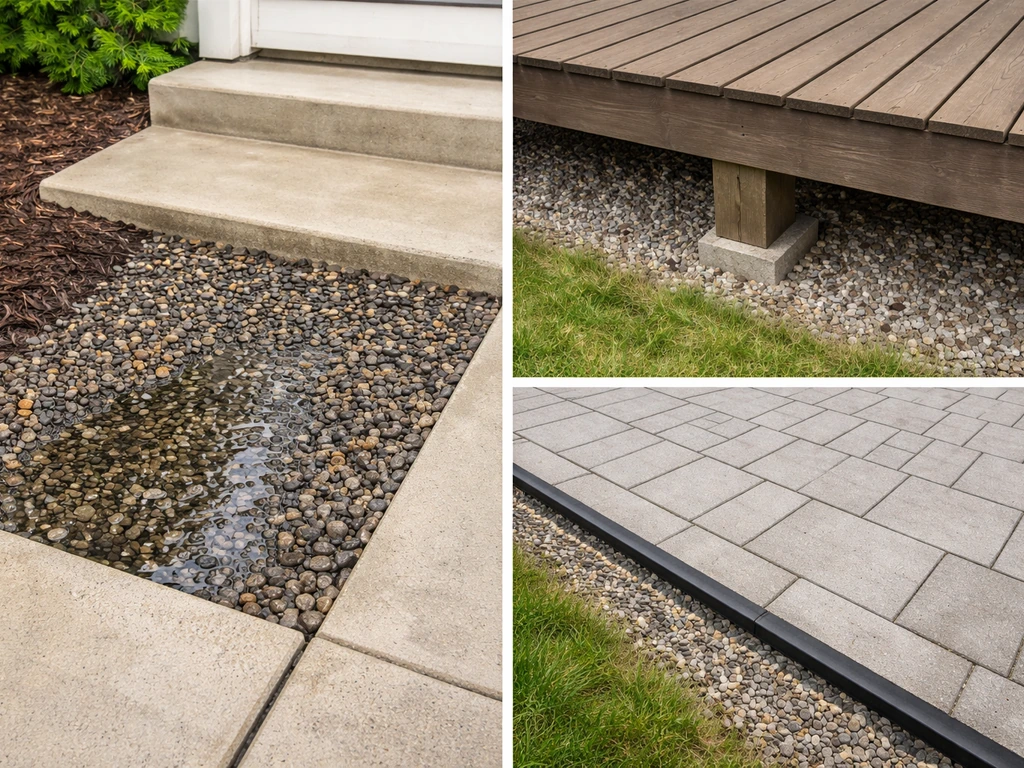
Elevated decks handle drainage naturally since water falls through the gaps between boards. Gravel is one of the most permeable surfaces you can install. Paver systems can be built as permeable systems (with open-graded base and permeable joint material) specifically designed to allow water infiltration through the surface, this is actually regulated by standards like ASTM C1781, which tests infiltration rate for permeable unit pavement systems, and is increasingly popular in areas with stormwater runoff restrictions. If you're in a low-lying yard or have heavy clay soil, a French drain running along the edge of your project area is worth the extra $200–$500 it costs to install.
Regional considerations
Freeze-thaw cycles are brutal on improperly built paver systems and gravel pads. In climates like the Midwest or Northeast, pavers need a deeper aggregate base (minimum 6 inches, ideally 8) so frost heave doesn't push individual units out of alignment. In hot, dry climates, artificial turf and dark-colored pavers absorb and radiate heat, making the space uncomfortable by midday in summer, lighter-colored materials and shade structures make a real difference. In the South and Pacific Northwest where heavy rain is common, drainage becomes the top design priority rather than an afterthought.
DIY vs hiring a pro: know which is which before you start
The honest answer here is that some of these projects are very doable on a weekend, and some are genuinely not worth attempting without professional help, not because they're technically complicated but because the equipment required makes DIY impractical.
What you can realistically DIY
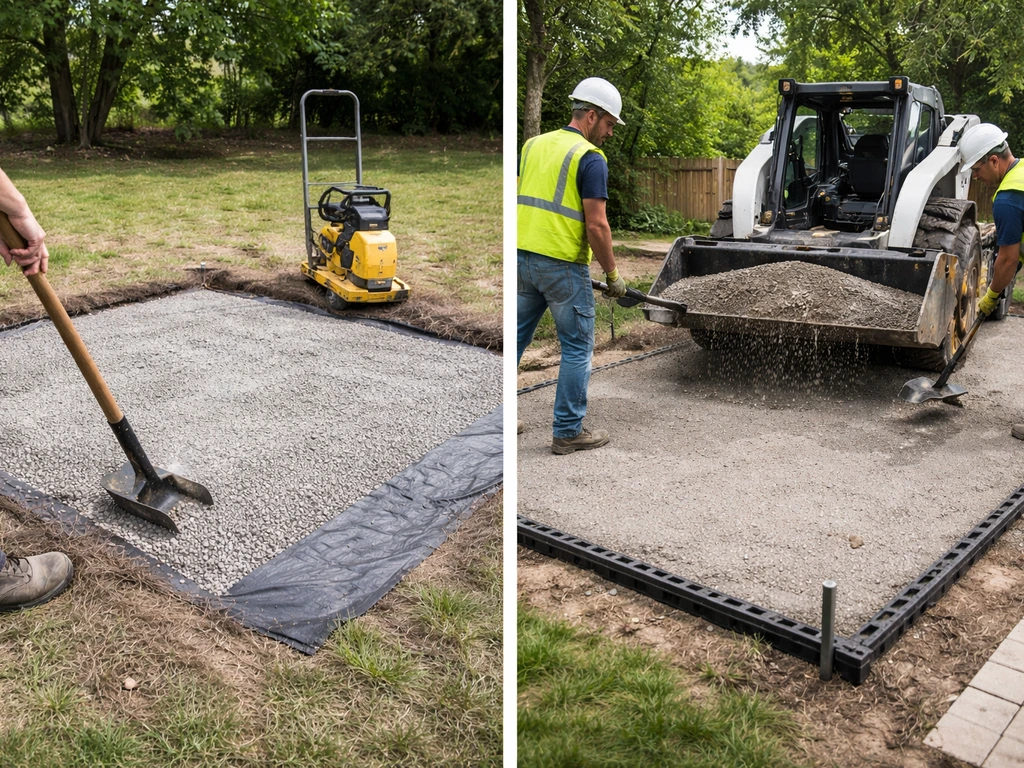
- Gravel pad installation: excavate, lay landscape fabric, add compacted base, top with gravel. Rent a plate compactor for $60–$100/day. This is a solid weekend project for a 200 sq ft area.
- Small paver patio (under 150 sq ft): manageable for a confident DIYer with the right base prep. The work is physical but not technically complex. Budget an extra day for the base.
- Artificial turf installation: cut to size, lay infill base, staple or glue edges. Many homeowners do this successfully. The main issue is getting the seams right on larger areas.
- Pergola kit assembly: freestanding pergola kits are designed for DIY installation. Most take 1–2 days for two people.
- Outdoor zone layout: arranging furniture, lighting, and accessories around a fire pit or pergola requires no special skills or equipment.
What's better left to a pro
- Any deck with footings and framing: post holes, footing depths, and structural connections typically need to meet local building codes and may require a permit. Mistakes here are expensive to fix.
- Large paver patios (200+ sq ft): the base work alone requires significant grading, compaction equipment, and experience keeping things level over a large area.
- Terraced or multi-level layouts: retaining walls and grading changes involve soil engineering. A poorly built retaining wall is a safety issue.
- Projects near utility lines, tree roots, or existing drainage infrastructure: any excavation in these areas needs professional assessment first.
If you're going to hire out, get at least three quotes and ask specifically about base preparation and drainage, that's where contractors cut corners. A low bid that skips proper base depth will cost you more in repairs than you saved upfront.
Choosing the right option for your yard and lifestyle
The comparison table tells you a lot, but the real decision comes down to matching an option to your specific conditions. If you want the best patio options, start by matching surface types to how your yard handles drainage, slope, and maintenance needs. Here's the clearest way to think through it.
Go with pavers if...
You want a permanent, polished look that adds resale value and you're willing to invest in proper base prep. Pavers handle moderate climates well, tolerate freeze-thaw with a deep enough base, and give you a lot of design flexibility with patterns and materials. They're also repairable: if one unit cracks or sinks, you pull it up and reset it without touching the rest.
Go with a composite deck if...
Your yard slopes significantly, you want to create a level outdoor room above-grade, or you simply prefer the feel of a wood structure. Composite is more expensive than pressure-treated wood upfront, but pressure-treated decks require yearly staining and sealing to look good and last. If you're building something you want to stay low-maintenance for 20+ years, composite justifies the cost difference.
Go with gravel if...
Budget is your main constraint or you want something you can install this weekend. Gravel is also the right pick if drainage is a challenge and you don't want to invest in a full permeable paver system. It works especially well as a base surface in a pergola or fire-pit zone, where you pair it with a few stepping stones or pavers under furniture legs to solve the 'furniture sinking' problem. If budget is a key driver, it's worth looking at what other inexpensive surface options make sense alongside gravel. If you want to keep costs down, focus on cheap patio alternatives like gravel pads, pavers, or grass pavers that match your drainage needs.
Go with turf if...
You want a green look without lawn maintenance, watering, mowing, fertilizing. Artificial turf is popular in drought-prone areas and in yards where grass simply won't grow well. Know going in that it gets hot in full sun exposure, and budget for infill material (crumb rubber or sand) and occasional brushing to keep it from matting. Natural sod costs less upfront but is a permanent maintenance commitment. For something in between, grass pavers give you real turf that handles traffic far better than plain lawn.
Go with an outdoor zone layout if...
You want flexibility or you're not ready to commit to a permanent hardscape. A zone built around a pergola, fire pit, or lounge area uses whatever ground surface is already there (or a simple gravel base) and creates defined outdoor rooms with structure, shade, and furniture. This approach is also the most reconfigurable: nothing is permanent. If you're renting, working with an oddly shaped yard, or want to test a layout before committing to hardscape, this is where to start. Shade is one of the biggest comfort factors in outdoor spaces regardless of surface, it's worth thinking through separately.
Budgeting and timeline: what to expect
For a 200–250 sq ft backyard space in 2026, here's a realistic breakdown of total project costs for the most common options, including materials, base prep supplies, and a rough estimate of professional labor where DIY isn't typical.
| Option | DIY Total (materials + base) | Pro-Installed Total | Typical Timeline |
|---|---|---|---|
| Gravel pad | $400–$1,000 | $1,000–$2,000 | 1–2 days DIY |
| Concrete paver patio | $2,000–$4,500 | $4,500–$9,000 | 2–4 days DIY; 1–2 days pro |
| Pressure-treated deck (simple) | $3,500–$6,000 | $7,000–$12,000 | 3–5 days DIY; 2–3 days pro |
| Composite deck | $6,000–$10,000 | $12,000–$18,000 | Same as above |
| Artificial turf | $2,000–$3,500 | $3,500–$5,500 | 1–2 days |
| Grass pavers | $1,500–$3,000 | $3,000–$6,000 | 1–3 days |
| Pergola + gravel zone | $2,000–$5,500 | $4,000–$10,000 | 2–4 days DIY |
These numbers can shift significantly based on your region (labor is 30–50% more expensive on the coasts than in the Midwest), your site conditions (sloped or rocky yards cost more to prep), and material quality. Paver costs alone range from about $2/sq ft for basic concrete pavers to $15+/sq ft for natural bluestone or travertine. When estimating, always add 10–15% for waste, unexpected base issues, and material overages, it's rare for a project to come in exactly at the initial estimate.
Timeline-wise, the base prep almost always takes longer than people expect. A simple gravel pad can genuinely be done in a weekend. A full paver patio with proper excavation, base compaction, and setting takes most DIYers 3–4 days even for a modest-sized area. Decks almost always run longer than expected due to footings, framing inspections, and the sheer number of fasteners involved.
How to plan your project: measurements, layout, and contractor questions
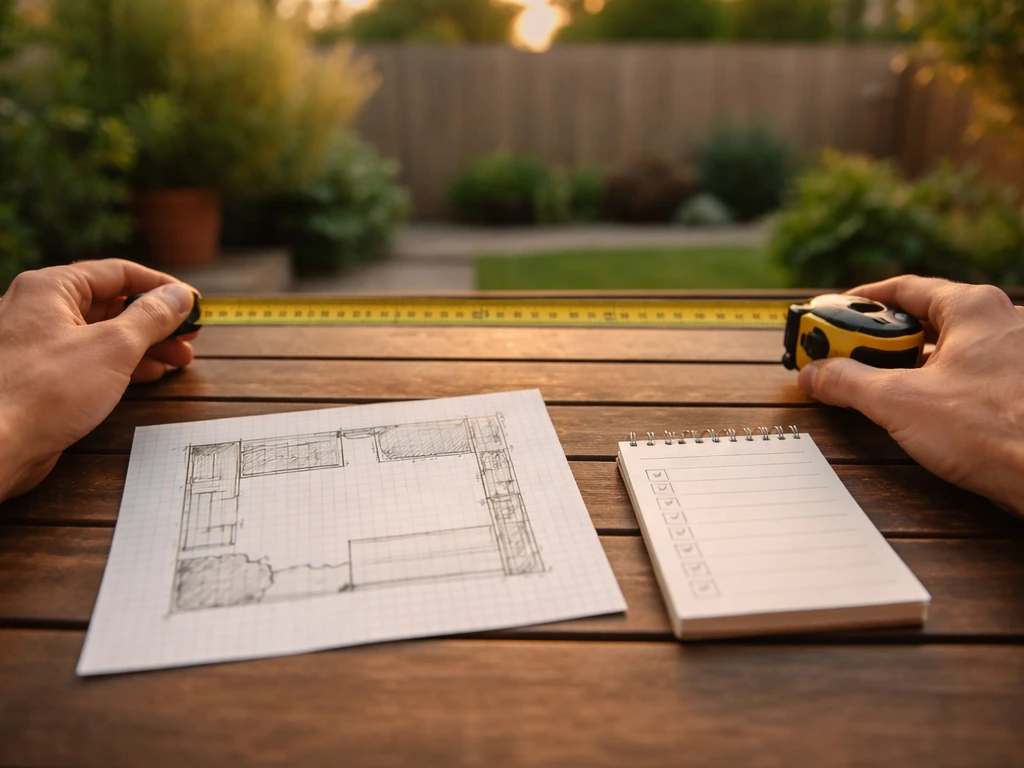
Before you buy a single bag of gravel or call a contractor, spend 30 minutes doing these basics. They'll save you money and prevent the most common mistakes.
Measure and map your space
- Measure the total area in square feet (length x width for a rectangle; break irregular shapes into sections and add them up).
- Note any grade changes across the area — even a 6-inch drop across 20 feet affects which options work and what base prep you need.
- Mark any obstacles: trees, roots, downspouts, utility covers, or existing structures within 10 feet of the project area.
- Observe where water pools after heavy rain — this tells you where drainage is a problem before you build on top of it.
- Decide on your primary use: dining, lounging, kids' play area, or entertaining. This affects the surface material choice and furniture clearances.
Sketch a layout before committing
You don't need design software. Draw the space to scale on graph paper (1 square = 1 foot works well), then sketch in your furniture with actual dimensions. A 6-person dining set needs roughly 12x14 feet of clearance. A fire-pit seating area with four chairs needs about 12x12 feet minimum. Most homeowners underestimate how much space furniture actually takes up, and how much clearance you need to move around it comfortably. Having this sketch also makes contractor conversations much more productive, you're talking about something specific rather than a vague idea.
Questions to ask any contractor before hiring
- How deep will you excavate and what base materials will you use? (If they can't answer this specifically, that's a red flag.)
- Do you use polymeric sand or standard jointing sand for paver installations?
- Will this project require a permit, and who pulls it — you or me?
- What's your drainage plan if the area currently has standing water issues?
- Can you provide references for a project of similar scope completed in the last two years?
- What does your warranty cover, and for how long?
- What's the payment schedule, and do you require a deposit before materials are ordered?
Once you have your measurements, a clear sense of how you'll use the space, and at least two or three contractor quotes (or a firm DIY material list), you're in a strong position to move forward. The alternatives covered here range from a single-weekend gravel project under $1,000 to a multi-day paver or deck build in the $5,000–$15,000+ range, and knowing which one fits your budget, climate, and yard conditions is the whole point of starting here. Pick the option that solves your actual problem, build the base right, and the surface on top will take care of itself. If you are trying to stick to the lower end of the budget, focus on inexpensive patio alternatives like gravel pads and grass pavers that reduce base prep and material costs.
FAQ
What’s the fastest backyard patio alternative if I want it done in a weekend?
A compacted gravel pad is usually the quickest, as long as you already have clear, level access. Choose larger aggregate (often 3/4 in) and excavate enough to create a stable sub-base, then use a plate compactor. If you skip compaction, the surface will rut quickly once furniture is moved onto it.
Can I install pavers over existing concrete or old patio slabs?
Usually no. Even if you think you can “reset” on top, trapped moisture and shifting slabs can cause pavers to heave, crack, or become uneven. In most cases you need to remove the old concrete, excavate to the proper depth, and rebuild the base layers.
How do I prevent weeds under pavers or gravel without making maintenance impossible?
Use geotextile between native soil and the aggregate base, but also focus on the surface joints. For paver patios, polymeric sand needs periodic reapplication, typically every few years, especially if you pressure-wash. For gravel pads, weed control is mostly top-down (raking and topping up), because weeds that start in the base area are hard to eliminate.
Are permeable paver systems worth it if I’m not in a stormwater-restriction area?
They can still be beneficial on clay or low-lying yards, because they reduce surface pooling and slow runoff. The tradeoff is a more specific build (open-graded base and permeable joint material), so if you’re not comfortable controlling the base, standard pavers with excellent grading and drainage may be simpler.
What should I do about standing water near the house or foundation?
Before choosing a surface, confirm your drainage route. You want water to move away from the foundation at the recommended slope, and you may need a French drain or added catch basin if downspouts discharge toward the area. A patio surface cannot fully fix poor yard grading.
How deep does the base need to be for freeze-thaw climates if I choose gravel or pavers?
Plan for deeper base than you would in mild climates. The guideline in the article is a minimum of about 6 inches (ideally 8) for paver systems to reduce frost heave. For gravel, deeper, compacted base with larger aggregate helps prevent shifting, especially where temperatures swing around freezing.
Will artificial turf drainage be a problem in heavy rain?
It depends on the base. Turf should sit on a properly prepared base that allows water to pass through, often with a slight slope and an appropriate underlayment to avoid puddling. Without that, water can collect under the turf and create an unpleasant, uneven surface.
How do I keep gravel from ruining furniture legs or looking uneven over time?
Use a compacted base, then create “landing spots” for furniture with flat stepping stones or small paver pads under chair legs. Also rake and top up at least once or twice a year, because gravel migrates and loses fines over time. If you use lighter, finer gravel, it tends to compact and unevenly shift faster.
What’s a good way to decide between a deck, pavers, and gravel for a sloped yard?
If you need a truly level outdoor room on a slope, a deck or terraced design is often more practical than a single-surface solution. Pavers can work on slopes with the right retaining approach and base design, but if the grade is significant, the prep and edging complexity may erase the cost advantage.
Can I make a “zone” patio alternative without spending on excavation or a full hardscape?
Yes. A zone approach can use existing ground plus a minimal gravel base around the focal area (like a fire pit) and then place modular elements such as planters, stepping stones, and furniture pads. This works well when you want flexibility or you are still deciding on a long-term surface.
What are the most common contractor mistakes to watch for on paver or gravel installs?
Watch for inadequate excavation depth, skipping proper base compaction, and poor edge restraint (without solid borders, materials spread and shift). Also ask how they handle drainage grading and where runoff will go, because correcting drainage after the surface is installed is costly.
When should I avoid DIY and hire out for backyard patio alternatives?
If the project requires renting or using heavy equipment (excavation, hauling, compaction tools) or your site has complicated obstacles (tree roots, major slope changes, poor access for materials), hiring can be cheaper than redoing a failed base. Decks also tend to run longer due to footings and framing steps that often involve inspection requirements.
Next Articles
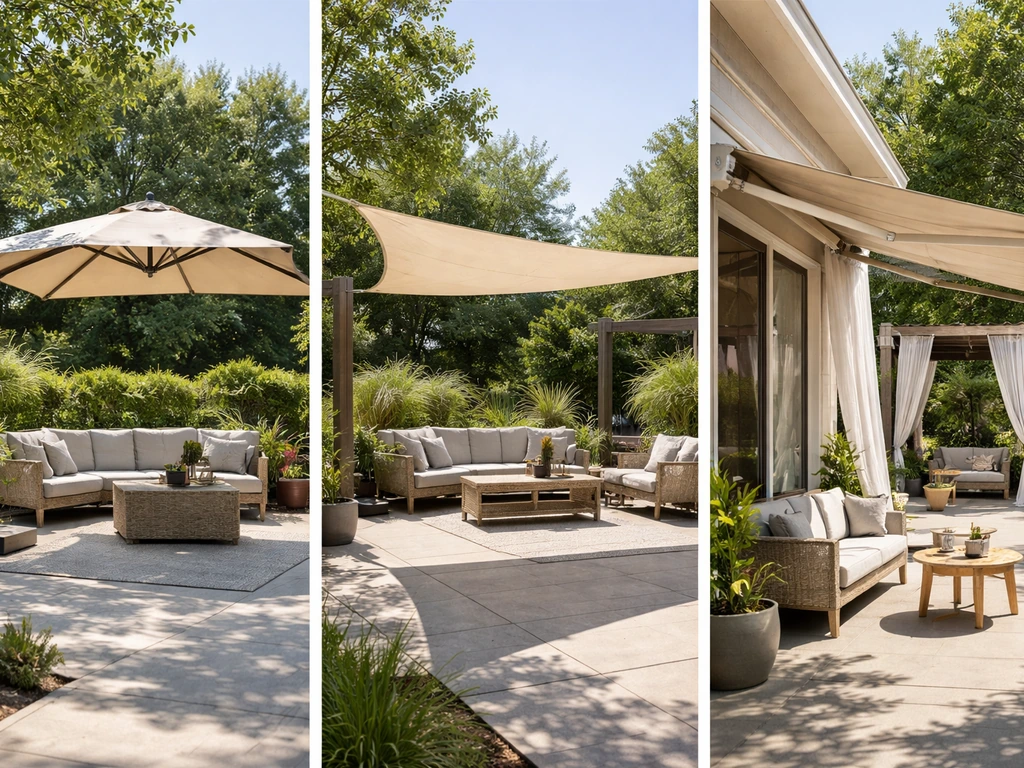
Patio Shade Alternatives: Best Options by Sun, Privacy, Budget
Compare patio shade alternatives by sun, privacy, wind and budget, with costs, DIY tips, and how to measure and mount sa
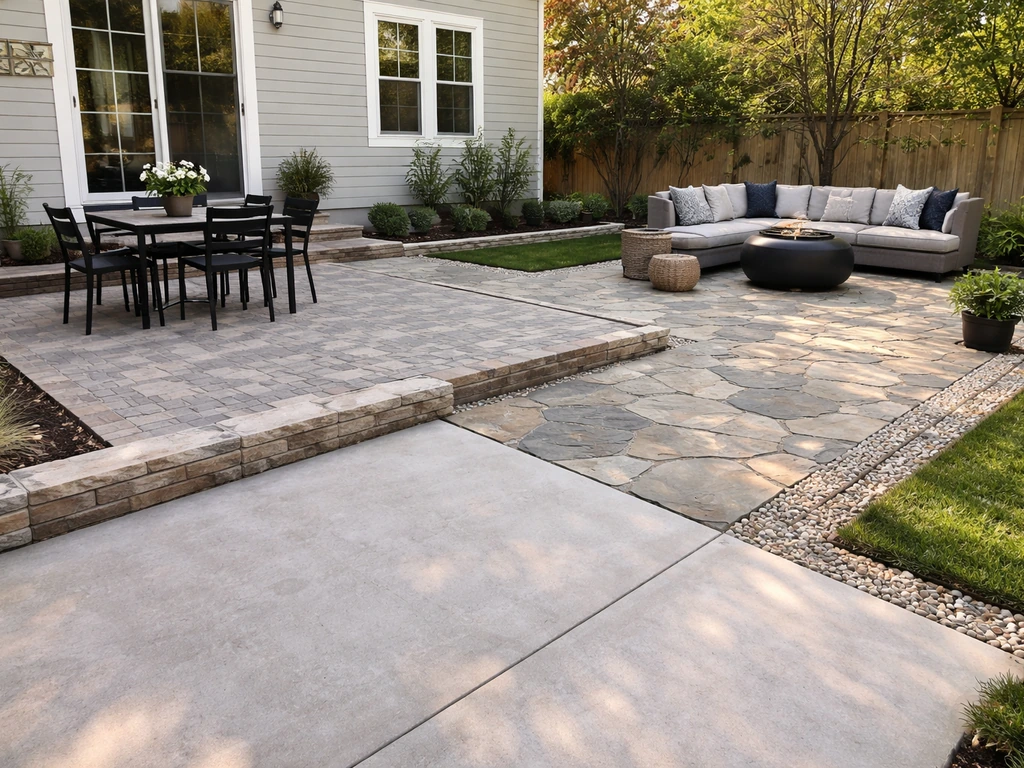
Best Patio Options: Compare Surfaces, Layouts, Costs and Setup
Compare patio surfaces, layouts, costs and setup for your budget, climate and DIY or pro install choices.
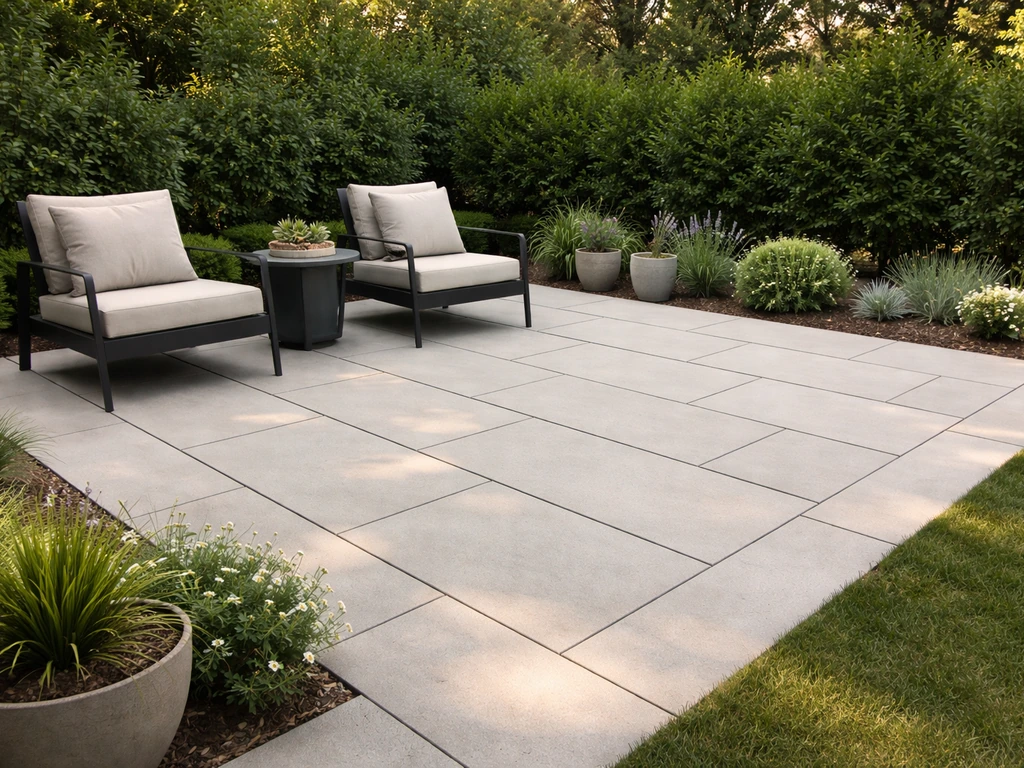
Alternative Patio Materials Guide: Durability, Cost, Fit
Compare alternative patio materials for durability, maintenance, weather performance, costs, comfort, and installation t