A patio canopy top typically needs replacing every 8 to 15 years, depending on the material and your climate. If yours is faded, sagging, leaking, or tearing at the seams, you can often keep the existing frame and just swap the top, which brings the cost down considerably. The right replacement depends on three things: what your frame is compatible with, what weather you're dealing with, and how much hands-on work you want to do yourself.
Patio Replacement Canopy Top Guide: Materials, Costs & DIY

Phoebe Foster
15 Jul 2026
Why (and When) to Replace a Patio Canopy Top
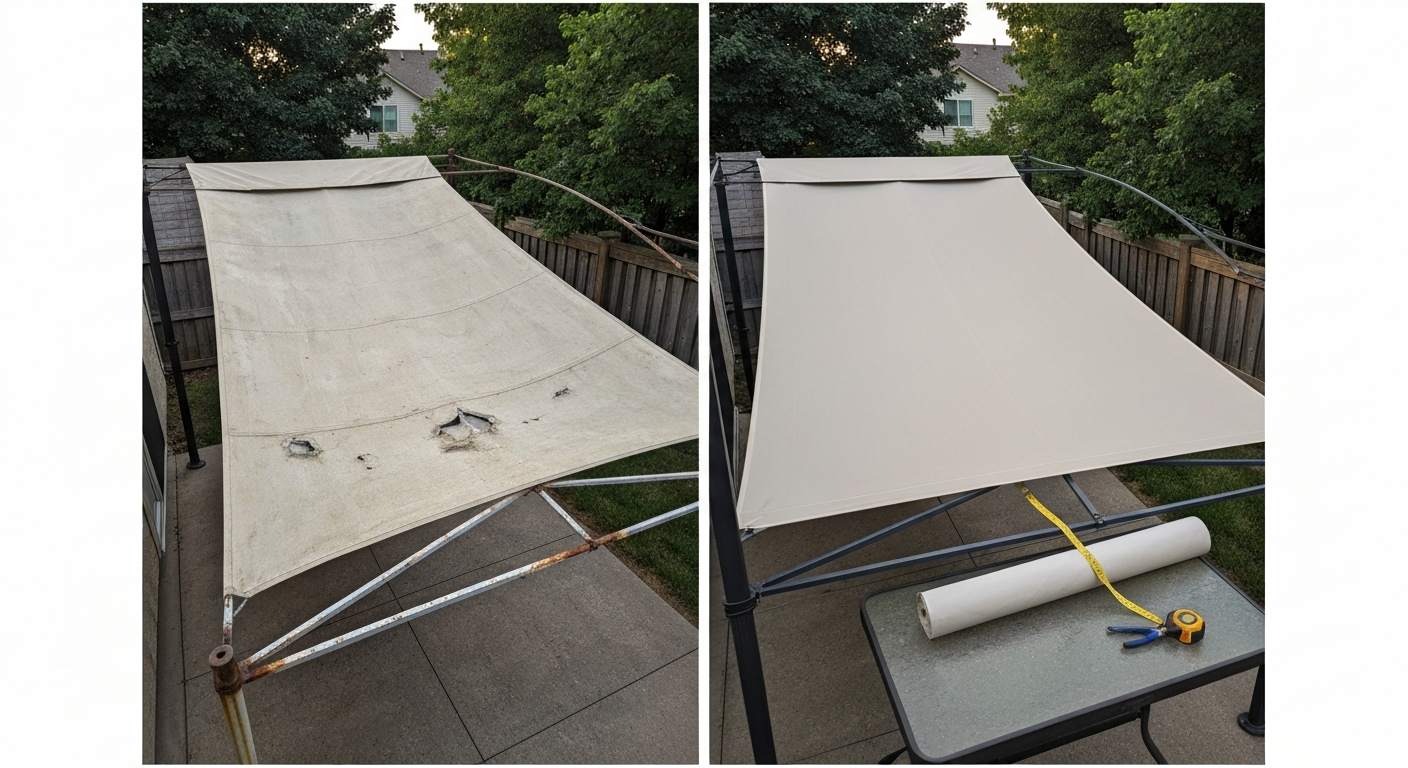
Most homeowners put off replacing a canopy top until it fails visibly, but waiting too long can mean water damage to the frame, deck surface, or furniture underneath. The most common reasons to replace are UV degradation (fabric becomes brittle and chalky), persistent leaks after heavy rain, mold or mildew that won't scrub out, and seam separation that keeps coming back no matter how many times you patch it. Fading alone isn't a structural issue, but if the coating that provides UV and water resistance has broken down, the fabric is done even if it looks mostly intact.
Climate matters a lot here. In high-UV regions like the Southwest, a budget polyester top can degrade in as little as three to five years. In coastal areas, salt air accelerates frame corrosion alongside fabric breakdown. In the Midwest and Northeast, freeze-thaw cycles and heavy snow loads stress both the fabric and the frame hardware. Knowing your climate helps you set a realistic replacement timeline and choose a material that will actually last.
Repair or Replace? A Quick Assessment Checklist
Before you spend money on a full replacement, it's worth spending ten minutes assessing what you actually have. Small, localized damage almost always makes sense to patch. Widespread or structural damage almost always points to a full fabric or system replacement. The frame condition is the deciding factor: a good frame with a bad top is worth saving; a corroded, bent, or wobbling frame usually isn't.
- Single tear under 6 inches with no seam involvement: patch with a fabric repair kit ($10–25), monitor for spread
- Mildew spots that scrub out with a diluted bleach solution and don't return: clean only, no replacement needed
- Mildew embedded in the weave that returns within one season: replace the top, the fabric's protective finish is gone
- Seam separation at one corner: re-stitch or re-bond with seam sealer if caught early
- Seam separation at multiple points or running more than 12 inches: replace the top, recurring seam failure means the fabric has stretched beyond tolerance
- Persistent water pooling or leaking through the fabric (not at seams): the waterproof coating has failed, replace the top
- Fading with visible chalking or a rough, papery texture: UV stabilizers are depleted, replacement is overdue
- Frame is bent, cracked at welds, or has significant rust: address the frame before or alongside the new top
- Canopy is 10+ years old with any of the above symptoms: replace rather than repair, you'll likely repair again within a year
On cost: according to contractor data from Angi and regional awning shops, a fabric repair call typically runs $75 to $250 depending on labor and materials. A full fabric replacement on an existing frame runs $200 to $800 for most residential sizes. If repair quotes are running more than 40 to 50 percent of a full replacement cost, the math almost always favors a new top.
The Two Categories: Soft-Top vs. Hard-Top Replacements
Replacement canopy tops fall into two broad categories. Soft tops are fabric or mesh panels that attach to an existing frame using channels, spline tracks, snap clips, or tension systems. They're lighter, less expensive, easier to DIY, and available in a wide range of materials and colors. Hard tops are rigid panels, typically aluminum or polycarbonate, that replace or supplement a fabric top with a permanent or semi-permanent structure. Hard tops cost more upfront but last significantly longer and handle rain and snow loads in ways that no fabric can. If you're replacing a soft top on an existing frame, you'll almost certainly stay in the soft-top category. If you're looking at a full upgrade, hard-top options are worth comparing. For more on rigid options, see our guide to hard top patio cover.
Soft-Top Materials: What They Are and How They Perform
Not all fabric tops are created equal. The material affects everything from how long the top lasts to whether your patio feels hot and stuffy or cool and breezy. Here's a breakdown of the most common options you'll actually find when shopping for a replacement.
Mesh
Open-weave mesh tops are made from PVC-coated polyester yarns with a visible open structure. They don't block rain, but they cut direct sun by 70 to 95 percent depending on density, and they allow airflow, which keeps the space underneath noticeably cooler than solid-panel options. Mesh is a great choice in hot, dry climates where sun is the primary concern and rain is infrequent. It's also a popular choice for pergola canopies where some filtered light is preferred. Mesh doesn't mildew as easily as solid fabrics because there's no trapped moisture, and it's typically easier to hose down.
Vinyl and Canvas (PVC-Coated)
Vinyl-coated and traditional canvas tops are solid, waterproof, and the most affordable entry point in the soft-top category. PVC-backed fabrics regularly report hydrostatic head values above 1,000 mm on manufacturer datasheets, meaning they're genuinely waterproof rather than just water-repellent. The trade-off is airflow: vinyl traps heat underneath, which can make a south-facing patio uncomfortable on hot afternoons. Canvas (natural or synthetic) is breathable but requires more maintenance to prevent mold. Vinyl is easier to wipe clean and handles heavy rain well, making it popular in the Pacific Northwest and Gulf Coast regions. Expect a service life of 5 to 10 years with reasonable care.
Polyester
Budget-grade replacement canopy tops are usually coated polyester. The base fabric is strong, but the UV and water resistance depends entirely on the coating quality. In a mild climate with moderate sun, a good polyester top can last 5 to 8 years. In a high-UV environment like Arizona or central Texas, I've seen coated polyester tops start fading and cracking in three years. Polyester is fine if you want an affordable seasonal replacement and you're willing to swap it out again down the road. Just don't count on it lasting a decade in intense sun.
Solution-Dyed Acrylic
Solution-dyed acrylic is the gold standard for residential awning and canopy fabric. Brands like Sunbrella (Glen Raven), Recacril, and Sattler are the most recognized. The 'solution-dyed' process means the color is baked into the fiber before weaving, not printed on top, so it won't fade or chalk the way surface-coated fabrics do. Sunbrella's awning fabrics carry a 10-year limited warranty, and field service life in normal conditions is typically 10 to 15 years. On the waterproofing side, solution-dyed acrylics are water-repellent, not fully waterproof: typical hydrostatic head values run around 400 to 500 mm (tested per AATCC TM 127), so water beads off under normal rain but can penetrate under sustained pressure or pooling. The fabric breathes, which keeps the space underneath cooler. It costs more than polyester, usually 2 to 3 times as much per panel, but the lifespan more than makes up for it.
PVC Architectural Membrane
High-performance PVC membranes from companies like Serge Ferrari (Flexlight, Xtrem lines) are engineered products used in commercial shade structures, tensile architecture, and premium residential pergola covers. These aren't catalog replacement fabrics. They're specified to project geometry with documented breaking-strength data and projected design lives of 25 to 30-plus years. If you're building a custom shade structure or working with an architect on a tensile canopy, these are worth knowing about. For a standard patio frame replacement, they're overkill and typically out of reach cost-wise, but they represent the ceiling of what soft-top technology can do.
Hard-Top Options: Aluminum, Polycarbonate, and Rigid Panels
If you're ready to move beyond fabric entirely, hard-top covers offer a permanent, low-maintenance solution. They're not universal replacements for existing fabric-frame systems, they usually require either a compatible hard-top frame or a full frame replacement, but the payoff is a cover that handles rain, snow, and UV without periodic fabric replacement.
Aluminum Panels
Solid aluminum patio cover panels are fully opaque, waterproof, and essentially maintenance-free. They're the material of choice in regions with heavy rain or where you want a completely dry patio space. Aluminum panels are powder-coated for corrosion resistance and come in standard colors. They block all light, which some homeowners appreciate and others find too dark. For coastal installations, specify aluminum hardware with A4/316-grade stainless steel fasteners, as plain carbon steel fasteners corrode quickly in salt air. Aluminum patio covers are generally the most durable hard-top option for residential use, with realistic service lives of 20 to 30 years.
Polycarbonate Panels
Polycarbonate panels are the translucent alternative to aluminum. They let filtered light into the space while still being fully waterproof and substantially more impact-resistant than glass. Products like Palram's Canopia line use snap-in or clip (Click N' Lock) panel systems that make installation relatively approachable for a confident DIYer. Palram publishes installation guides, ASTM/UL flammability test reports, and explicit maintenance notes including annual fastener inspection and snow removal advisories. Polycarbonate comes in clear, opal (diffused white), and tinted options. In high-UV climates, look for panels with a UV-blocking coating on the outer face: without it, the panels yellow over time and the space underneath gets uncomfortably hot. Quality polycarbonate panels carry 10 to 15-year warranties and can last 20-plus years with proper maintenance.
Other Rigid Options
Tempered glass is used in some premium patio cover systems and offers the cleanest look with full clarity, but it's heavy, expensive, and requires professional installation. Fiberglass-reinforced panels are a less common middle ground between polycarbonate and aluminum: they're translucent like polycarbonate but slightly heavier and more rigid. Steel roofing panels are used in some pergola-style covers in agricultural or rustic settings. For most homeowners, aluminum and polycarbonate cover the practical range.
Material Comparison at a Glance
| Material | Waterproof? | UV Resistance | Typical Lifespan | Relative Cost | DIY-Friendly? | Best Climate Fit |
|---|---|---|---|---|---|---|
| Mesh (PVC polyester) | No (sun shade only) | Good to Very Good | 5–10 years | $ | Yes | Hot, dry (Southwest) |
| Vinyl / PVC canvas | Yes (>1,000 mm HH) | Moderate | 5–10 years | $ | Yes | Rainy (PNW, Gulf Coast) |
| Coated polyester | Water-repellent | Low to Moderate | 3–8 years | $ | Yes | Mild, low-UV climates |
| Solution-dyed acrylic | Water-repellent (~450 mm HH) | Excellent (10-yr warranty) | 10–15 years | $$ | Moderate | Most climates, all regions |
| PVC architectural membrane | Yes | Excellent (25–30 yr design life) | 25–30+ years | $$$$ | No (pro spec) | Commercial / custom builds |
| Polycarbonate panels | Yes | Excellent (UV coating req.) | 15–25 years | $$$ | Moderate | Rain, snow, mixed climates |
| Aluminum panels | Yes | Excellent | 20–30+ years | $$$ | Moderate to No | Rain, coastal, all climates |
Pros, Cons, and the Real-World Trade-Offs
Every material involves a trade-off, and the right choice depends on your priorities. Here's the honest breakdown.
Soft Tops: General Trade-offs
- Pro: Lower cost to replace, often $100–$400 for the fabric alone on a standard 10x12 patio cover
- Pro: Lighter frame requirements, compatible with more existing structures
- Pro: Wide range of colors, patterns, and translucency levels
- Pro: Easier DIY replacement on most spline-track or snap-clip systems
- Con: Periodic replacement needed, no fabric top is truly permanent
- Con: Quality varies dramatically, budget polyester and premium acrylic perform very differently
- Con: Most fabrics are water-repellent rather than waterproof, though PVC options bridge this gap
- Con: Mesh provides no rain protection, solid fabrics restrict airflow
Hard Tops: General Trade-offs
- Pro: Decades of service life with minimal upkeep
- Pro: True waterproof performance, no pooling or seam leaks
- Pro: Polycarbonate options allow natural light while blocking rain
- Pro: Better snow-load performance when properly engineered
- Con: Higher upfront cost, typically $1,500–$6,000+ installed depending on system and size
- Con: Most require compatible frame systems, not a drop-in replacement for fabric frames
- Con: Aluminum blocks all light, polycarbonate can trap heat without ventilation
- Con: Requires annual fastener inspection and prompt snow removal per manufacturer guidelines
- Con: May require a building permit depending on size and jurisdiction
Measuring and Compatibility: Getting the Fit Right
This is where most DIY replacement projects go wrong. The biggest mistake is measuring the old fabric rather than the frame. Old fabric stretches, shrinks, and distorts over years of exposure, so you'll get an inaccurate measurement. Instead, measure the metal framing directly: arm-to-arm distance and the depth from the front rail to the back rail. Carefree of Colorado's installation manuals, which are the standard reference for many awning systems, explicitly state to measure the frame hardware rather than the removed fabric for this reason.
For spline-track systems (the most common residential mounting style), you also need to identify the polycord size in the existing channel. Standard sizes are 3/16-inch and 1/4-inch, with 5/32-inch available on older systems. If the new fabric's hem polycord doesn't match the channel, it won't seat correctly. When in doubt, bring the old fabric to the supplier and ask them to measure the polycord before ordering.
For bolt-on or clip-in hard-top systems, you'll need to match the panel module width to the rafter spacing of your existing or new frame. Most residential aluminum and polycarbonate systems use 12-inch or 24-inch panel modules. If you're replacing a fabric top on an existing pergola frame, measure the rafter-to-rafter span before ordering panels and check whether your existing rafters are rated for the added weight of rigid panels.
- Remove the old canopy top and set it aside (do not measure it for ordering)
- Measure the front rail (or leadrail) width inside the track, arm-to-arm
- Measure the depth from the front rail center to the back mounting point
- Identify the spline/polycord size in the frame channel using calipers or by test-fitting a cord
- Check the model or serial number of the frame if available, use the manufacturer's part lookup first
- For hard-top replacements, measure rafter spacing center-to-center and confirm load capacity with the frame manufacturer
Climate and Regional Considerations
Where you live should drive your material choice as much as your budget does. A few regional factors worth knowing before you buy.
High-UV climates (Southwest, South Texas, Florida): Solution-dyed acrylic or high-quality mesh are your best soft-top bets. Coated polyester will degrade fast. For hard tops, insulated polycarbonate or aluminum with a reflective finish helps manage heat gain. Avoid dark-colored solid tops on south-facing patios in these areas if comfort is a priority.
Heavy rain regions (Pacific Northwest, Gulf Coast): Waterproof is non-negotiable. PVC-coated fabrics with hydrostatic head above 1,000 mm, aluminum panels, or polycarbonate panels are the appropriate choices. Make sure your drainage slope is at least 5 percent (roughly 1/2-inch drop per foot) to prevent pooling.
Snow-load regions (Midwest, Northeast, Mountain states): Both fabric and hard-top canopies need to be designed for snow loads. ASCE 7 is the standard reference engineers and building departments use to establish required design snow loads for a given location, and this matters even for residential canopies. ASCE, SnowLoad (MapServer) provides a map service engineers use to look up location-specific design snow loads consistent with ASCE 7 ASCE — SnowLoad (MapServer). Palram's installation manuals explicitly advise removing heavy snow accumulation from polycarbonate panels. For fabric tops in snow climates, the frame must be rated for the load, and a looser fabric tensioned to shed snow is safer than a tight-drum installation. If you're unsure, consult a contractor familiar with your local requirements.
Coastal and salt-air environments: The fabric itself is often fine with regular rinsing, but the hardware is the weak link. Use A4 or 316-grade stainless steel fasteners and hardware throughout. Plain carbon steel will rust through in one to two seasons near the coast. Anodized aluminum frames hold up well; galvanized steel is a second choice. Inspect and retighten all fasteners annually.
Permits and Code Requirements
Many homeowners skip this step and get away with it, but it's worth knowing when a permit is actually required. The International Building Code classifies awnings and canopies as 'special construction' under IBC sections 3105.2 through 3105.4, and most municipalities require a permit when a canopy covers more than 120 square feet or involves structural modifications. Some jurisdictions require engineered calculations for any canopy that will carry snow or wind loads, particularly for hard-top systems. If you're in an HOA, check your CC&Rs before ordering anything. A fabric-only replacement on an existing permitted structure typically doesn't require a new permit, but adding a hard-top system or enlarging the coverage area usually does. When in doubt, a quick call to your local building department is faster than dealing with a stop-work order.
DIY Installation: Tools, Steps, and What to Watch Out For
Replacing a fabric canopy top on a standard spline-track frame is a realistic DIY project for most homeowners. It typically takes two to four hours for a 10x12 frame with a helper. Here's the process.
Tools You'll Need
- Flat-blade screwdriver or spline roller (for seating the polycord)
- Needle-nose pliers
- Tape measure
- Step ladder (two people strongly recommended for canopies over 8 feet wide)
- Scissors or a utility knife
- Mild soap and water for cleaning the track before re-installation
- Optional: heat gun to soften the track slightly if the channel is stiff
Step-by-Step Fabric Replacement
- With a helper, fold and remove the old fabric from the frame, noting which hem seated in which channel
- Clean the spline channels with soap and water, remove any old spline material or debris
- Dry the channels fully before installing new fabric
- Lay the new fabric out flat near the frame and orient it correctly (most canopy fabrics have a right and wrong side, and a front and back hem)
- Starting at the back rail, seat the polycord hem into the channel using the flat screwdriver or spline roller, working from one end to the other without bunching
- Move to the front rail, gently tension the fabric, and seat the front hem into the front track, working from the center outward
- For side channels, seat the remaining hems working from back to front, maintaining even tension
- Check for wrinkles or sagging and adjust tension before fully seating all splines
- Trim any excess polycord and cap the channel ends if required by your frame
Safety notes: never work on a canopy frame alone if it's above head height. Work with a helper and use a stable ladder rated for your weight plus the weight of the fabric. If the frame feels wobbly or has any corroded joints, stop and address that before installing a new top.
Hard-Top DIY: Polycarbonate Panel Systems
Polycarbonate panel systems like Palram's Canopia line use click-in or clip-panel installation that a skilled DIYer can handle. The key steps are seating the panel clips onto the rafters according to the module spacing, sliding panels into the clips from one end, and securing end caps and seals. Palram's installation guides walk through this in detail and are available as free downloads. The main cautions: don't overtighten fasteners (polycarbonate expands and contracts with temperature, fastener holes should be slightly oversized), and leave the manufacturer-specified expansion gaps between panels. Annual maintenance means inspecting and re-tightening any loose fasteners and clearing any debris from the channel gaps.
Hiring a Pro: When It Makes Sense and What to Look For
For a fabric-only replacement on a simple frame, a pro isn't necessary unless you're uncomfortable with ladders or measuring. For hard-top installations, structural modifications, or any project requiring a permit, hiring a qualified installer is the right call. A licensed contractor handles the permit paperwork, brings scaffolding or lift equipment if needed, and carries liability insurance for anything that goes wrong.
When evaluating contractors, ask for a copy of their contractor's license and insurance certificate before signing anything. Get at least three written quotes and make sure each quote specifies the same material (fabric type, brand, and weight) so you're comparing apples to apples. Ask whether they handle permit applications and whether the permit cost is included in the quote. For fabric replacements, a reputable awning company should be able to install a standard residential canopy in half a day. For hard-top systems, allow one to two full days for a typical residential patio.
Timeline from order to install: custom-cut replacement fabrics typically have a 2 to 4-week lead time from awning specialty shops. Hard-top kit systems ordered from distributors can arrive in 1 to 3 weeks. Factor this in if you're trying to have the patio ready for a specific date.
Cost Breakdown: What to Expect to Pay
| Scope | DIY Cost (materials only) | Pro-Installed Cost (labor + materials) | Notes |
|---|---|---|---|
| Coated polyester fabric replacement | $50–$150 | $200–$400 | Budget option, shorter lifespan |
| Solution-dyed acrylic fabric replacement | $150–$400 | $400–$800 | Best value long-term for soft tops |
| PVC/vinyl fabric replacement | $80–$200 | $250–$500 | Fully waterproof, less breathable |
| Polycarbonate panel cover (new or replacement) | $600–$2,000 (kit) | $1,500–$4,000 installed | Frame compatibility must be verified |
| Aluminum panel patio cover (new system) | $1,000–$2,500 (kit) | $2,500–$6,000+ installed | Most durable, full replacement system |
| Permit fees (if required) | N/A | $100–$500 | Varies significantly by municipality |
These ranges reflect a typical 10x12 to 12x16 patio. Larger patios, custom shapes, or multi-section covers will push costs higher. Labor rates vary significantly by region: a contractor in the Northeast or California will typically charge 30 to 50 percent more than one in the Midwest or South for the same scope of work.
Maintenance and Cleaning to Maximize Lifespan
The difference between a canopy top that lasts 8 years and one that lasts 15 is almost always maintenance. Dirt and organic debris (bird droppings, tree sap, pollen) hold moisture against the fabric and accelerate degradation. A simple routine keeps most tops in good shape.
- Monthly: brush off loose debris with a soft broom, rinse with a garden hose
- Seasonally (spring and fall): wash with a mild soap solution (1 oz mild dish soap or fabric cleaner per gallon of water), scrub gently with a soft brush, rinse thoroughly
- Avoid pressure washers on fabric tops: the high pressure damages the weave and coating
- For solution-dyed acrylic: Sunbrella recommends a diluted bleach solution (1 cup bleach + 1/4 cup mild soap per gallon of water) for mildew, rinsed well and air-dried
- For polycarbonate panels: clean with a mild soap solution and a soft cloth, avoid abrasive cleaners that scratch the UV coating
- Annually: inspect all frame hardware, retighten loose fasteners, check spline channels for cracking or lifting
- Before winter (snow regions): confirm the frame and fabric are rated for expected snow loads, consider a protective winter cover or partial removal of fabric tops in extremely heavy-snow areas
Troubleshooting Common Problems
Even well-maintained canopy tops run into problems. Here's how to diagnose and address the most common ones.
| Problem | Likely Cause | Fix |
|---|---|---|
| Fabric sagging in the center | Insufficient tension, stretched fabric, or frame deflection | Re-tension fabric in spline tracks; if frame is sagging, check rafter or arm hardware |
| Water pooling on top | Insufficient pitch or over-tensioned flat span | Adjust frame pitch to minimum 5% slope; re-tension fabric taut enough to shed water |
| Leaking at seams | Seam sealant failed or seam separated | Apply awning seam sealer; if seam is fully separated, replace the top |
| Mildew on fabric surface | Trapped moisture, organic debris, poor airflow | Clean with bleach-soap solution; improve drainage and airflow; consider replacing if recurring |
| Tears near grommets or corners | Stress concentration at hardware points | Reinforce with adhesive patch for small tears; replace if tearing is progressive |
| Polycarbonate panels yellowing | UV degradation of uncoated or low-quality panels | No fix once yellowed; replace with UV-coated panels |
| Rattling or creaking in wind | Loose fasteners or panels, insufficient clip engagement | Inspect and tighten all fasteners; re-seat any loose panel clips |
| Frame corrosion at fasteners (coastal) | Salt air attacking unprotected steel fasteners | Replace with A4/316 stainless steel hardware; apply corrosion inhibitor to frame joints |
Design Ideas for Patio Top Covers and Shades
A replacement canopy top is also an opportunity to update how your outdoor space looks and feels. The design choices you make here have a real impact on comfort, ambiance, and how the space integrates with your home's exterior. For more patio top cover ideas, see our gallery of design options and shade combinations.
Color and Translucency
Lighter colors (white, ivory, pale grey) reflect more solar radiation and keep the space underneath cooler. Darker colors (charcoal, navy, forest green) absorb more heat but tend to show dirt less and create a more dramatic aesthetic. If your patio faces south or west and gets intense afternoon sun, a light-colored or white acrylic top can make a noticeable temperature difference. Opal polycarbonate panels are a popular choice for creating a bright, diffused-light effect without the full heat gain of clear panels.
Layering and Depth
A single canopy top doesn't have to be the only shade element. Adding a roller shade or drop curtain at the front or sides of the canopy extends shade coverage during low-sun angles in the morning and evening. Shade sail panels used at an angle alongside a solid canopy top can block secondary sun paths without cluttering the overhead structure. This layered approach is common in warm climates where a single overhead cover isn't enough. Patio top shades that combine overhead panels with side or front drop shades are especially effective in hot, west-facing outdoor rooms.
Integrated Lighting
LED strip lighting recessed into the frame or run along the underside of the canopy structure creates ambiance after dark without additional overhead fixtures. Some aluminum patio cover systems have integrated channel routing for electrical wiring, making this a clean, built-in option. For fabric tops, battery-powered or solar LED string lights draped under the canopy are an easy add-on that transforms the space at night without any wiring.
Complementary Shade Solutions to Consider Alongside Your New Top
A replacement canopy top is often just the starting point for a complete outdoor shade setup. Depending on your sun exposure and patio layout, you might benefit from combining your main canopy with one or more of the following options.
Retractable Awnings
A motorized or manual retractable awning provides adjustable coverage and can extend shade further out from the house than a fixed canopy. They're ideal on patios where sun angle varies through the day, since you can extend or retract based on conditions rather than being stuck with fixed coverage. They're also a good option if you want to preserve the view on overcast or cooler days.
Pergola Canopy Tops
If your patio has a pergola structure, the canopy top options expand considerably. Retractable pergola canopies, tensioned fabric inserts, and adjustable louvered systems are all compatible with many pergola frame types. Comparing hard top canopy for patio systems against fabric pergola inserts comes down to how much natural light you want to preserve and how much rain protection you need. A louvered aluminum pergola cover offers the best of both: open the louvers for filtered light and airflow, close them for rain protection.
Shade Sails
Shade sails are tensioned fabric triangles or rectangles mounted between anchor points. They're one of the most cost-effective ways to add flexible shade coverage to an area that doesn't have an existing frame structure. They're not waterproof (most are mesh), but in a dry climate they're an excellent and visually interesting alternative or supplement to a traditional canopy. They also work well as a secondary shade layer angled to catch the low morning or afternoon sun that a straight overhead canopy misses.
Screens and Side Panels
Adding drop screens or fixed side panels to a canopy system converts an open patio into a more enclosed outdoor room. Solar screen fabric (typically PVC-coated polyester at 80 to 90 percent openness factor) blocks sun and insects while maintaining outward visibility. Full privacy screens are opaque and work well on sides facing neighbors or traffic. Screen systems can be attached directly to canopy frame posts in most residential setups.
Gutters, Misters, and Fans
If you're installing a waterproof hard-top cover, adding a gutter along the low edge directs rainwater away from the patio surface rather than letting it sheet off. This is a relatively inexpensive addition (typically $100 to $300 for materials) that makes a hard-top cover substantially more functional in rainy climates. Misting systems and outdoor ceiling fans are natural complements in hot climates, and many aluminum patio cover kits include mounting points for both. Evaluating patio top cover ideas as a system, rather than just the top panel in isolation, gives you a much more comfortable and functional outdoor space.
Your Buyer's Checklist and Decision Guide
Before you order anything, work through this checklist. It takes about 20 minutes and will prevent the most common mistakes.
- Assess the frame: is it structurally sound, free of significant corrosion or deformation? (If not, address the frame first)
- Measure the frame (not the old fabric): record front rail width, depth, and note spline channel size
- Identify your primary concern: rain, sun, both, or appearance
- Match that concern to the right material category: mesh for sun-only, PVC/acrylic for rain + sun, hard top for long-term waterproof coverage
- Check compatibility: soft-top replacement stays on existing frame; hard-top may require a new or compatible frame
- Confirm your climate requirements: snow load, UV intensity, salt air, or wind exposure should guide material selection
- Check local permit requirements: call your building department if the scope involves structural changes or coverage over 120 sq ft
- Get quotes: at least two or three for any pro installation, with material specifications in writing
- Set a budget range and use the cost table above to set realistic expectations
- Order with a lead-time buffer: 2 to 4 weeks for custom fabric, 1 to 3 weeks for panel kits
- Plan for complementary upgrades at the same time: gutters, screens, lighting, and fans are easiest to add during initial installation
The right patio replacement canopy top doesn't have to be the most expensive one. It's the one that matches your frame, handles your climate, fits your budget, and that you'll actually maintain. Start with the frame assessment and the measurement, and the material decision tends to follow naturally from there.
FAQ
How do I decide whether to repair my existing patio canopy top or replace it?
Repair small localized damage: patch small tears, re‑sew detached hems, replace grommets, or spot‑treat mildew. Replace the top when damage is widespread (multiple seams or large tears), the fabric is near or past its expected service life, the canopy leaks persistently, the frame is creaky, or repeated repairs cost more than a new top. Also replace if the fabric no longer meets new performance needs (UV/weatherproofing) or local code/HOA requires upgraded materials.
What are the common replacement materials and their pros/cons?
Solution‑dyed acrylic (e.g., Sunbrella): excellent UV/fade resistance, breathable, good aesthetics, ~10–15 year life; water‑repellency (hydrostatic ≈400–500 mm) but not fully waterproof. PVC‑coated polyester / vinyl: waterproof (high hydrostatic head >1000 mm), easy to clean, less breathable, can be stiffer/faster to fade depending on quality. Polyester (standard coated polyester): lower cost, variable UV life and water resistance. Acrylic/canvas blends: good look and mid‑life. Hard tops — polycarbonate panels: lightweight, impact resistant, transparent options, good for snow/wind if framed correctly; typically require panel clip or snap systems. Hard tops — aluminum/metal: very durable, long life, excellent snow/wind capacity when engineered, heavier and usually higher cost. Architectural membranes (PTFE/polyester or ETFE/technical membranes): very long service life (20+ years), engineered solutions for large spans, high cost and usually for custom projects.
How do I measure for a replacement canopy top to fit an existing frame?
Measure the frame, not the old stretched fabric. Key dimensions: inner-to-inner (or center‑to‑center) width between lead rails/arms, projection (front to back), and height at mounting points. Note mounting details (spline size, hem width, polycord thickness, grommet locations, valance length). For roller awnings measure arm‑to‑arm or use manufacturer model/serial lookup. Record any frame irregularities and take photos.
What mounting systems should I know and how do they affect replacement selection?
Common mounting systems: snap‑in/Click‑N‑Lock panels (hard panels), bolt‑on/through‑bolted frames, tensioned fabrics (spring‑loaded roller or cable‑tensioned), taped seams and sewn hems (fabric replacements), and spline/polycord entry for awnings. Compatibility depends on hem/spline size, clip spacing, and frame geometry. Hard panels often require matching clip profile; fabric replacements require the correct polycord diameter and hem allowance; roller systems need the correct cassette/roller width and arm fittings.
What climate and regional factors should influence my material choice?
Consider sun/UV (solution‑dyed acrylic excels), heavy rain/waterproofing (PVC/vinyl or sealed hard panels), wind (choose stiffer materials and stronger anchors; consult ASCE wind maps), snow load (engineer or choose hard top/aluminum rated to local snow loads; ASCE 7 guidance applies), coastal salt air (use 316 stainless fasteners and corrosion‑resistant frames), and temperature swings (some plastics embrittle in cold; allow panel expansion). Local code/HOA and prevailing weather patterns should guide the choice.
Do I need a permit or engineered design for a patio canopy replacement?
Check local code: many jurisdictions follow IBC/ICC rules. Permits are often required for canopies above area thresholds (commonly ~120 sq ft), if structural changes or anchoring to the building occur, or if attachments/signage affect egress. For significant wind/snow load expectations or new structural work, engineered calculations (ASCE 7 load basis) and sealed drawings may be required. Always check your local building department first.
Next Articles
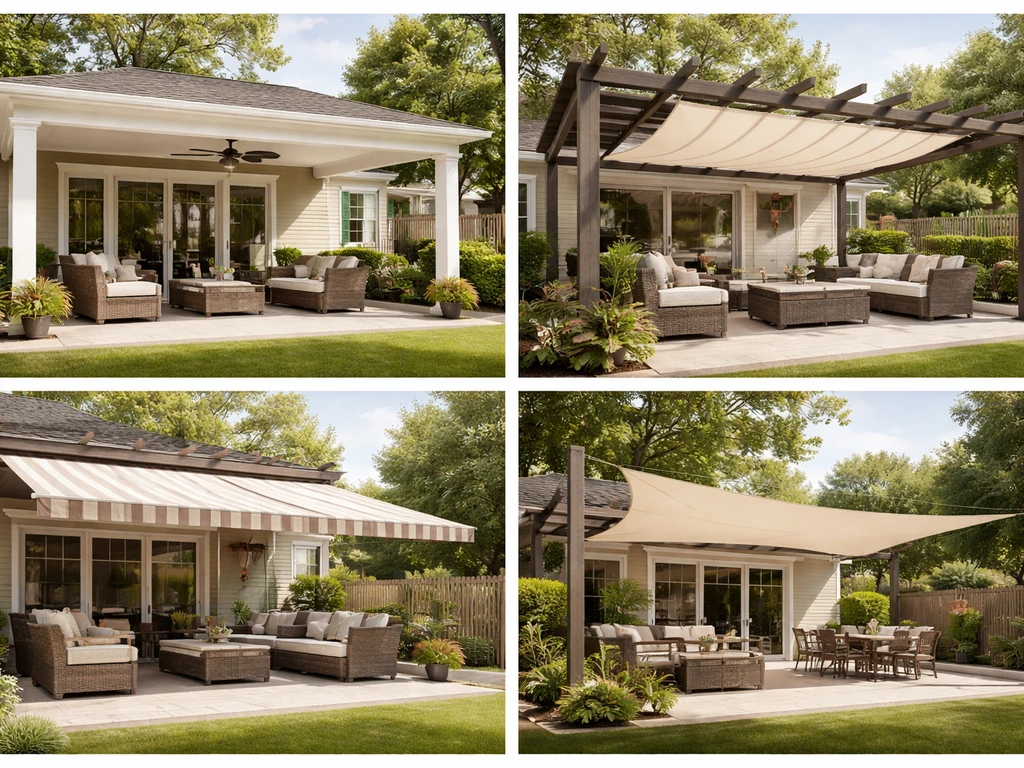
Patio Top Cover Ideas: Compare Styles, Materials, Costs
Compare patio top cover ideas by style, materials, costs, and climate fit, with planning steps and add-on upgrades.
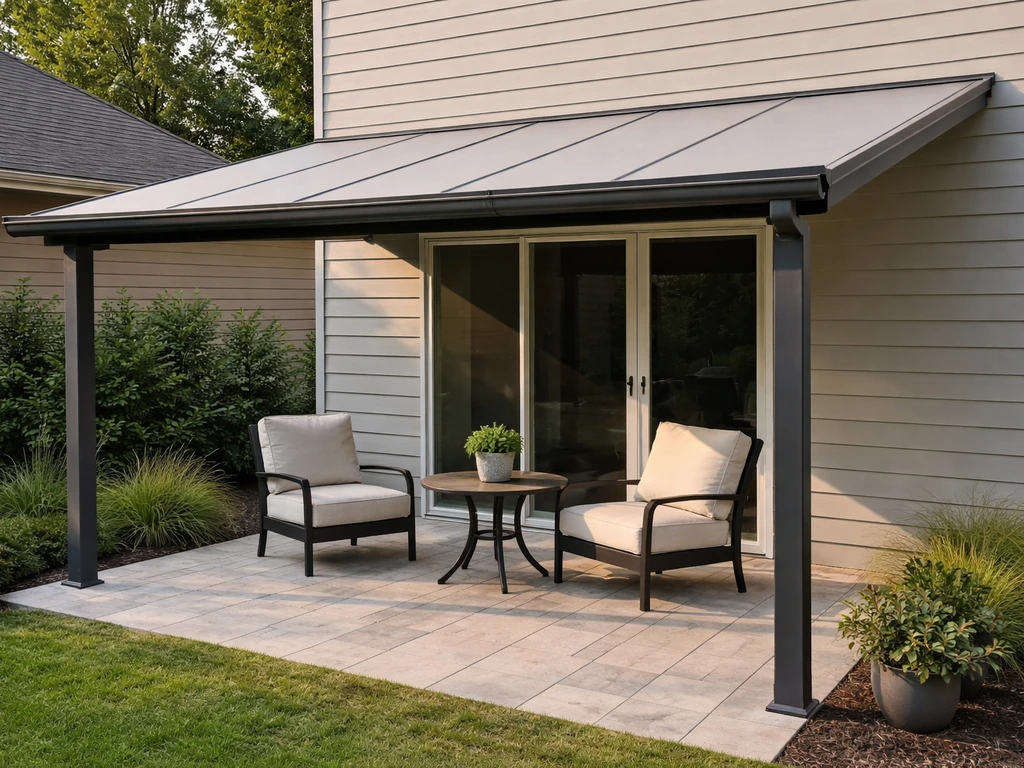
Hard Top Canopy for Patio: Selection, Fit, and Install Guide
Choose, size, and install a hard top canopy for patio. Compare materials, weatherproofing, DIY vs pro, costs and mainten
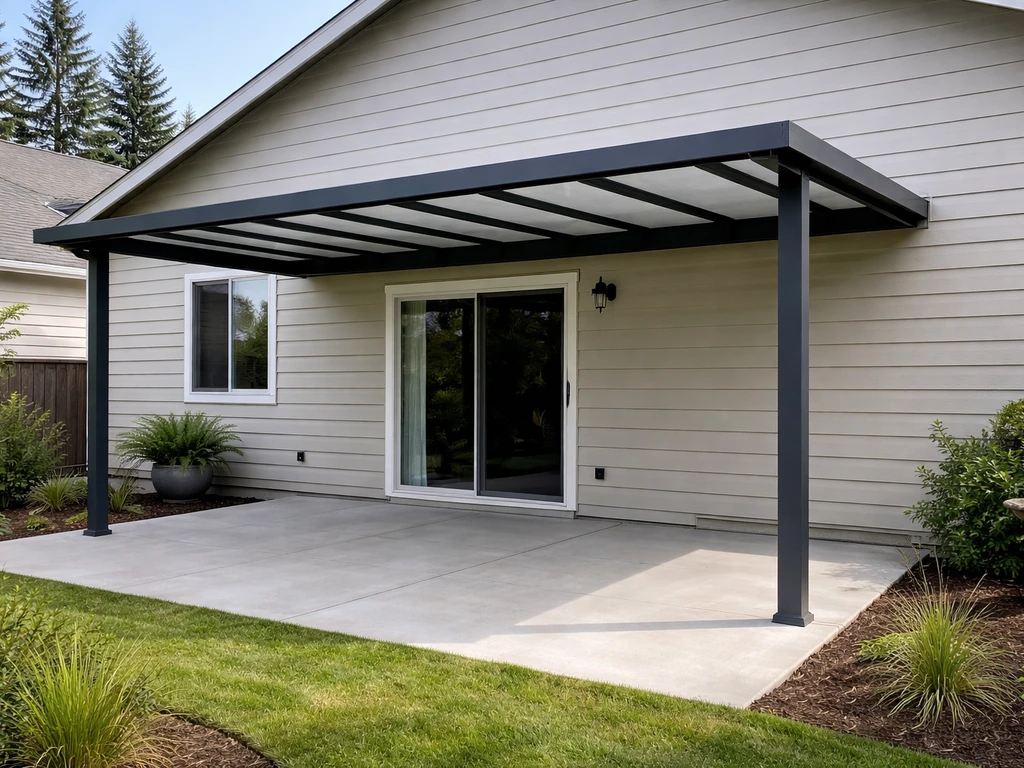
Hard Top Patio Cover Guide: Materials, Sizing, Cost, Install
Choose and install a hard top patio cover with material pros/cons, sizing, costs, code tips, and maintenance.