For most Fort Worth homeowners, a solid aluminum patio cover is the best all-around choice: it handles the brutal summer heat and UV, sheds heavy rain without warping, resists hail better than wood, and runs $20 to $50 per square foot installed for a standard attached cover. Adding the right fence alongside your patio cover helps define the space and boosts privacy while keeping the look cohesive patio and fence. If you want something that looks more like natural wood and you're willing to pay a bit more, composite and steel options are worth a look. Wood is the budget entry point but demands the most upkeep in North Texas's climate. Whatever material you land on, expect a typical 12x16 covered patio in the Fort Worth area to run somewhere between $35 and $65 per square foot all-in, with the range depending on the roof style, add-ons, and contractor you choose.
Fort Worth Patio Covers: Types, Costs, Materials, and Setup Guide

What type of patio cover actually fits your Fort Worth home
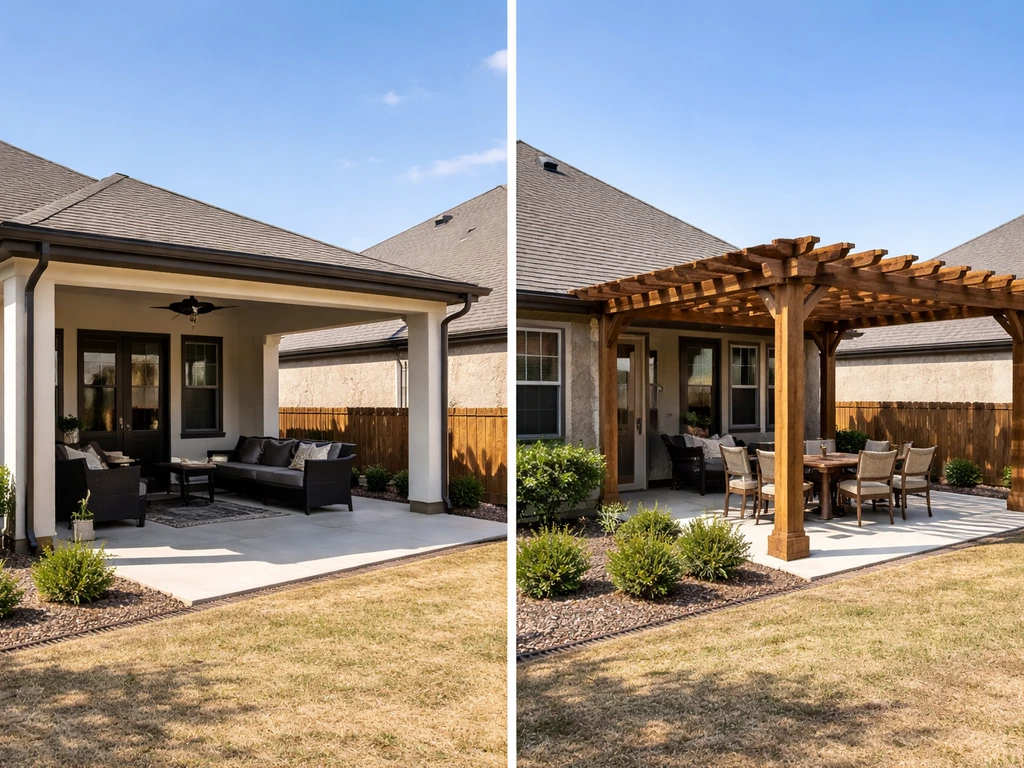
There are really four categories to choose from, and the right one depends on your budget, how you use your backyard, and how much sun and rain exposure your specific lot gets.
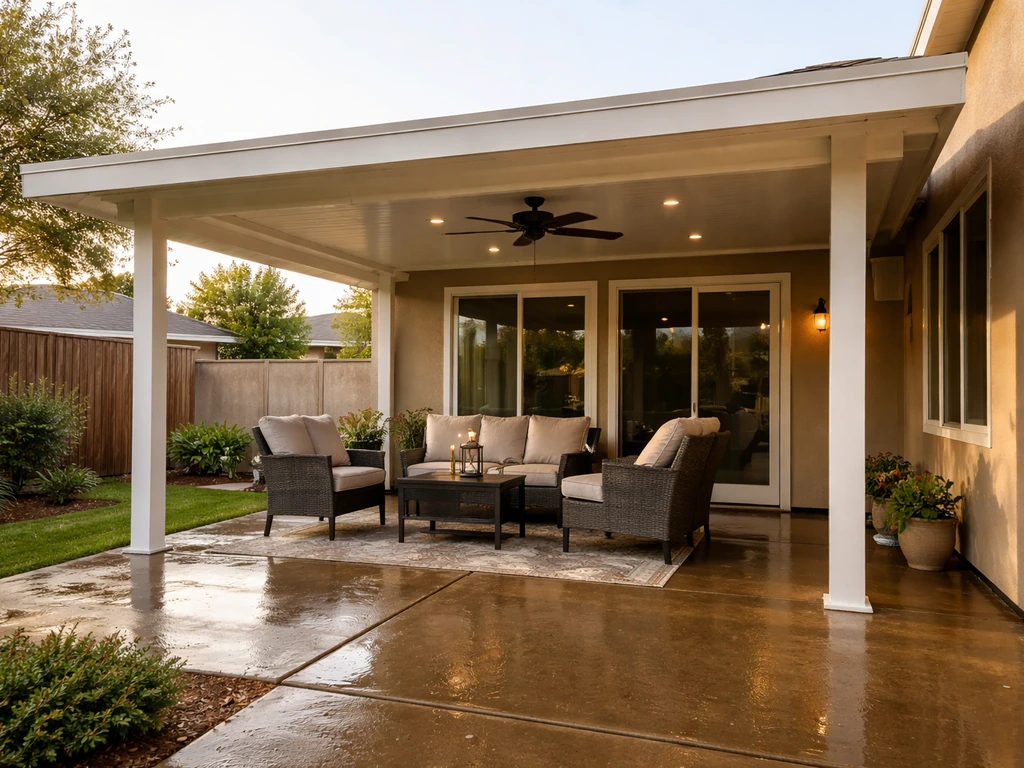
- Attached solid-roof cover: This is the most popular choice in Fort Worth. It connects directly to your house, provides full rain and sun protection, and can support fans, lighting, and screens. It feels like an outdoor room extension and adds the most usable space year-round.
- Freestanding solid-roof cover: Same protection as an attached cover but sits independently in the yard. Good if your home's roofline or HOA setback rules make an attachment tricky. Costs slightly more because it needs its own support structure.
- Pergola (open-lattice or louvered): Provides partial shade and visual appeal but won't block rain. Louvered pergolas with adjustable slats are a middle-ground option and have become popular locally, but they're at the higher end of the price range. A standard open pergola is the most budget-friendly structure but the least practical for Fort Worth summers.
- Retractable awning or shade sail: Low upfront cost and easy to adjust, but not built for Fort Worth's wind events or hail. Best as a supplemental option or for renters who can't do permanent structures.
If year-round comfort is the goal and you're doing this once and doing it right, go with an attached solid-roof cover with at least one ceiling fan rough-in. It's the structure you'll actually use and the one that adds the most resale value in this market.
What Fort Worth's weather will do to your patio cover
Fort Worth's climate is genuinely tough on outdoor structures, and it's worth understanding what you're dealing with before you pick a material or design.
Heat and UV
Summers here are relentless. UV index peaks around 7 or higher during peak months, which is classified as a high-risk level without protection. That sustained UV exposure degrades untreated wood, fades cheap powder coatings on aluminum, and breaks down low-quality vinyl over a few seasons. Any material you choose needs to either reflect UV or be specifically rated for long-term sun exposure. Good powder-coated aluminum handles this well. Cheap vinyl does not.
Rain and drainage
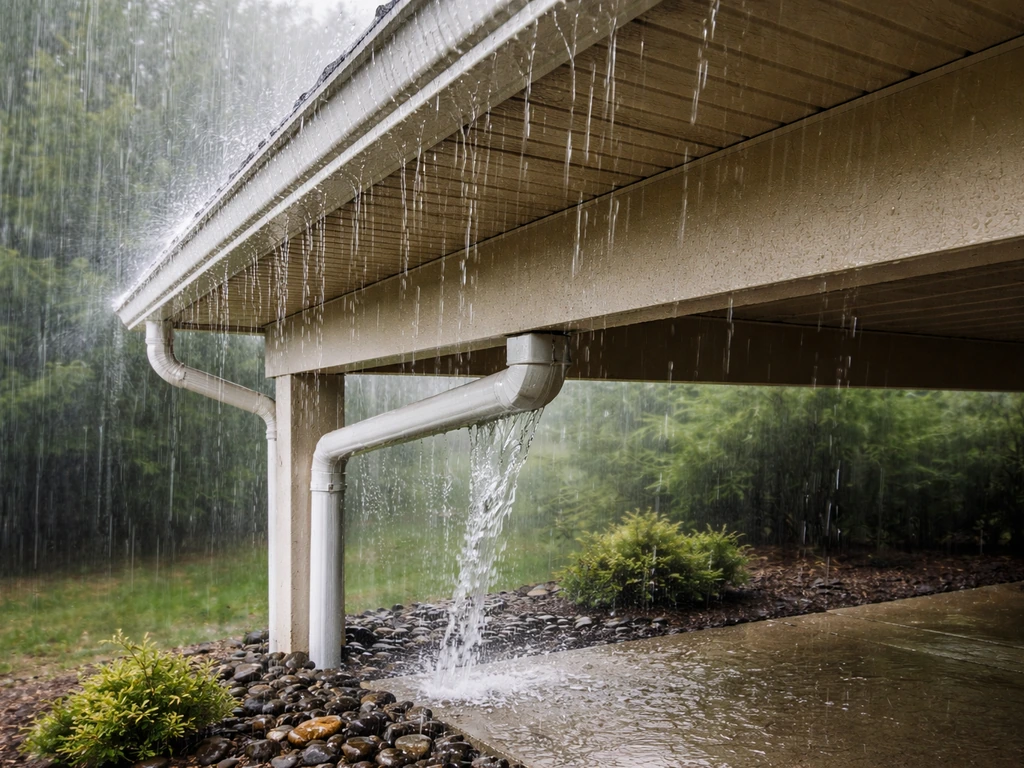
Fort Worth averages about 37 inches of rain per year, and the rainiest stretch falls in summer, with roughly a 29% chance of rain on any given summer day. The drier stretch is fall. What that means practically is your cover needs proper slope and drainage built in from day one. A flat roof with no pitch will pond water and cause problems fast. Aim for at least a 1:12 pitch minimum, and make sure downspout placement is part of the design conversation with your contractor. If you are getting new patio cover work done around Lafayette, LA, it’s smart to also plan gutters so rain is directed away from your home plan downspout placement.
Hail
The Dallas-Fort Worth area sits in a well-documented Texas hail corridor. March through May sees the highest hail frequency, and the region typically experiences hail on roughly two to three days per year, though severe years can deliver more. Hail is the reason thin aluminum panels (under 0.030 inches) are a gamble in this area. Thicker-gauge aluminum, steel, or polycarbonate panels rated for impact resist hail much better than wood shakes or thin vinyl. Ask your contractor specifically what gauge material they're using and whether it's been tested for hail impact.
Wind
North Texas regularly sees severe thunderstorm wind gusts, and the building code reflects it. Fort Worth has adopted the 2021 ICC codes (effective April 1, 2022), and structural design must follow ASCE 7 wind-speed maps based on the building's risk category. Any contractor pulling a permit in Fort Worth has to engineer the structure to local design wind speed requirements. This is one of the main reasons you want a permitted structure: an unpermitted cover with undersized footings or posts can fail in a bad spring storm, creating both a safety hazard and an insurance headache.
Materials compared: wood, aluminum, vinyl, steel, and composite
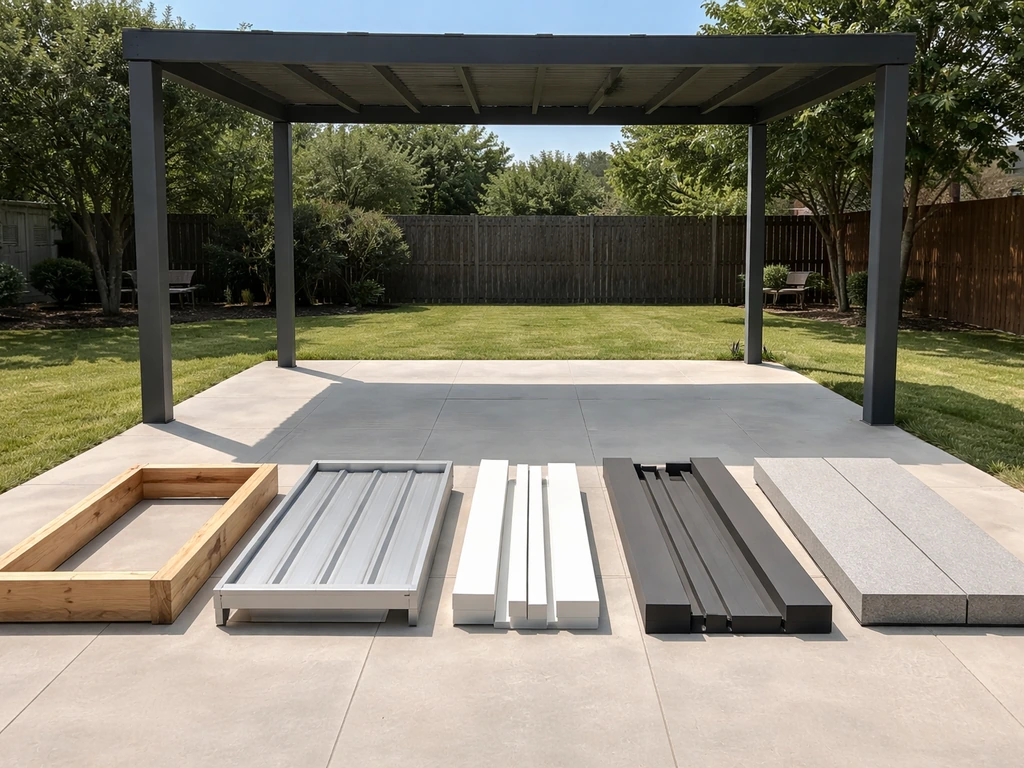
Each material has a real use case in Fort Worth, but the climate narrows the practical field pretty quickly. Here's how they stack up honestly.
| Material | Typical Installed Cost ($/sq ft) | Durability in DFW Climate | Maintenance Level | Best For |
|---|---|---|---|---|
| Wood (cedar/pine) | $15–$35 | Moderate – warps, cracks, fades without upkeep | High – stain/seal every 1–3 years | Budget builds, custom aesthetics, DIY-friendly |
| Aluminum (powder-coated) | $20–$50 | Excellent – resists UV, rust, and most hail gauges | Low – occasional wash, inspect powder coat | Most homeowners; best value long-term |
| Vinyl (PVC) | $15–$40 | Fair – can fade/warp in intense heat | Low – wipe clean | Low-humidity climates; less ideal for peak DFW summers |
| Steel (galvanized/coated) | $25–$60 | Very good – strong, hail-resistant, heavy | Low-medium – watch for rust at cut edges | Large spans, high-wind zones, commercial-grade builds |
| Composite | $30–$65 | Very good – stable, UV-resistant, low warp | Very low – clean occasionally | Homeowners wanting wood look without wood upkeep |
My honest recommendation for Fort Worth: powder-coated aluminum is the sweet spot for most homeowners. It handles the UV and rain well, the maintenance is minimal, and quality aluminum from a reputable brand can carry a limited lifetime warranty on the structure. If you hate the industrial look of aluminum and want something warmer, composite decking-style framing and fascia boards can give you the aesthetic without the rot risk. Save wood for accent details, not the structural frame or primary roof surface.
One thing worth knowing about aluminum: the powder coat warranty varies a lot by manufacturer. Some budget products only offer 1 to 3 years on the coating, while better brands carry lifetime structural warranties. Ask specifically what the warranty covers and for how long before you commit. CFR Patio’s Residential Warranty Information page states its powder coatings are warranted for 3 years from the order completion date Ask specifically what the warranty covers and for how long.
Roof styles, add-ons, and design upgrades worth considering
Roof styles
- Flat or low-slope: Most affordable, clean look, easy to attach to most home styles. Needs proper drainage engineered in.
- Gable (peaked): Sheds water in two directions, more visual height, better airflow underneath. Costs more but looks more architectural and integrates better with pitched rooflines.
- Hip roof: Water runs off all four sides, good wind resistance. Often the best structural choice for exposed lots.
- Skillion (single slope/shed roof): Slants away from the house, simple and cost-effective, good for lower-profile additions.
- Louvered/adjustable: Premium option, lets you control sun and ventilation. Adds significant cost but extends the usable season.
Ceiling fans
A ceiling fan is almost mandatory in Fort Worth if you want to actually use the space during summer. Budget roughly $300 to $600 per fan for pre-wire and installation by a licensed electrician, depending on ceiling height and whether the electrical panel needs a new circuit. If you're doing a new cover build, have the electrician rough in the wiring before the ceiling goes up. Adding it after is significantly more expensive and messier.
Lighting
Recessed LED cans or flush-mount outdoor fixtures integrated into the cover are the cleanest look. String lights are a popular DIY add-on if you're working with a completed structure. Either way, run conduit during the build so you have flexibility later. Fort Worth's electrical permits reference the NEC as the governing safety standard, and any hardwired lighting on a new structure will need to be inspected.
Screens and privacy panels
Solar screens or motorized roll-down screens reduce afternoon glare dramatically and can knock 10 to 15 degrees off the perceived temperature underneath. Fixed privacy screens or lattice panels on the sides add seclusion without fully enclosing the space. If you're in an HOA, check screen color and material requirements before ordering: some HOAs (like the Sun City Texas example) specifically list approved colors for porch and patio enclosure screens, and picking the wrong color can mean a mandatory do-over.
Misting systems
High-pressure misting systems can drop ambient temperature by 20 to 30 degrees in dry heat, but Fort Worth's summer humidity limits their effectiveness during the muggiest stretches. Low-pressure systems are cheaper but produce larger droplets that leave you damp. If you're considering a mister, pair it with a fan for best results and plan the water line during the structure build so you're not running surface-mounted tubing after the fact.
What a patio cover actually costs in Fort Worth
According to DFW-specific data, most homeowners in the Dallas-Fort Worth area pay about $35 to $65 per square foot for a covered patio installation, with the spread depending on roof complexity, material choice, and how many add-ons are included. Nationally, the average patio cover project runs around $8,500, with most projects falling between $4,500 and $12,000. Fort Worth tends to land on or above the national midpoint given material and labor costs in the current market.
| Scenario | Approximate Installed Cost |
|---|---|
| 12x16 attached aluminum cover, basic gable, no add-ons | $6,700–$12,200 |
| 12x20 attached aluminum cover with one fan, LED lighting | $9,500–$16,500 |
| 16x20 solid aluminum cover with fans, screens, misting rough-in | $14,000–$22,000 |
| Custom wood or composite cover with pergola elements, premium finish | $18,000–$35,000+ |
| Freestanding prefab aluminum kit (DIY supply only, no labor) | $1,500–$5,000 |
The biggest cost drivers are size (obviously), roof style complexity (gable or hip adds 20 to 30% over a flat or skillion), add-ons like fans and screens, and whether you need electrical work. Permit fees in Fort Worth are an additional line item: electrical permits include tiered amp-based fees (for example, one Fort Worth fee schedule shows electrical permit components starting around $26.88 plus per-square-foot charges). Budget $300 to $800 for permits on a standard residential patio cover project, though this varies by scope.
Contractor vs. DIY: being honest about what each takes
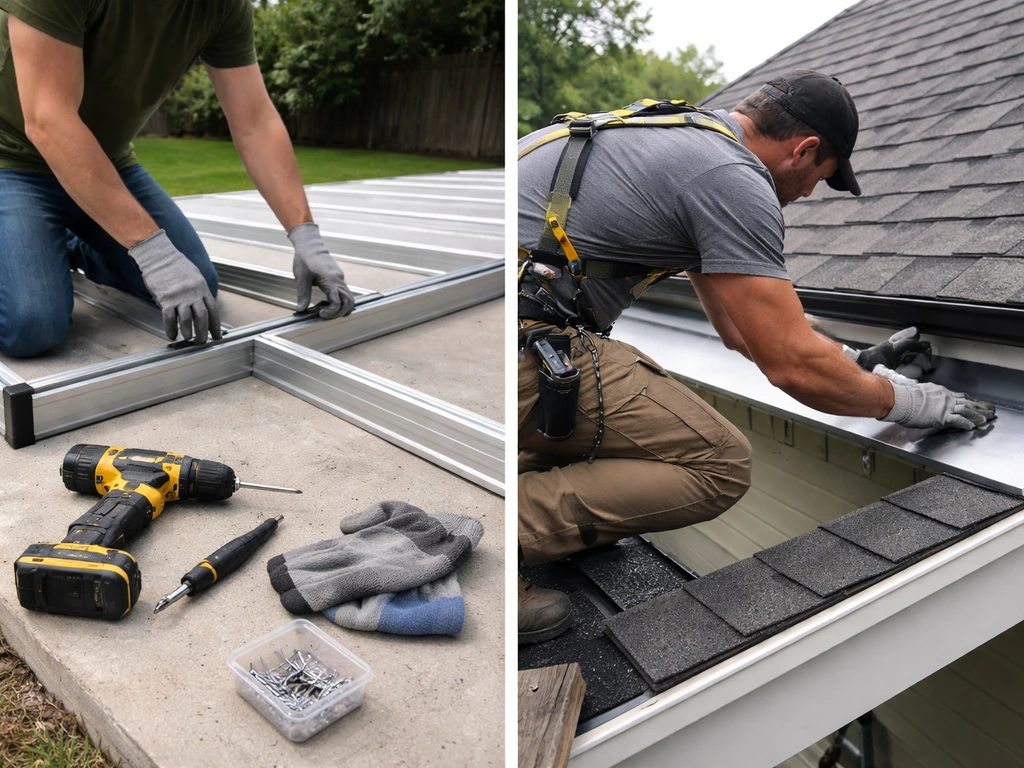
DIY is realistic for some parts of this project, but not all of it. Here's where the line usually falls in practice.
Where DIY makes sense
- Prefab aluminum kit installation on a flat, straightforward lot with an existing concrete slab: Manufacturers design these for homeowner assembly, and the instructions are usually reasonable if you're comfortable with basic construction tools.
- Staining or painting a wood structure after a contractor frames it.
- Installing string lights, simple shade sails, or surface-mounted accessories.
- Misting system installation if you're handy with plumbing and have an existing water source nearby.
Where you need a contractor
- Any structure that attaches to your home's existing roof or ledger board: getting the flashing and waterproofing wrong here causes expensive leaks.
- Concrete footings and post-setting for freestanding structures: undersized footings in Fort Worth's expansive clay soil are a common failure point.
- All hardwired electrical: Fort Worth's permitting requires licensed work, and the NEC governs safety standards for anything connected to the panel.
- Custom gable or hip roof framing: this involves load calculations and proper connection hardware that most DIYers aren't equipped to engineer correctly.
Fort Worth's permitting rules are worth understanding here: the city states that permit applicants must be either a registered building contractor or a homeowner meeting homestead-permit requirements, meaning you must own and occupy the home as your primary residence to pull a permit yourself. If you're going the homeowner-permit route, you're taking on personal liability for the work meeting code. That's fine for experienced DIYers, but it's a real responsibility.
When hiring a contractor, Texas has a licensing framework administered by the Texas Department of Licensing and Regulation (TDLR). Under the Texas Administrative Code contractor licensing framework, applicants must submit an application and meet qualifying experience and related requirements for a Texas contractor license blank" rel="noopener noreferrer">Texas has a licensing framework administered by the Texas Department of Licensing and Regulation (TDLR).. Ask any contractor you're considering to confirm their registration status and insurance coverage before signing anything. Companies like Texas Best Fence & Patio operate in this DFW market and give you a sense of what established local contractors offer, and there are regional specialists worth comparing that focus specifically on covers and complementary work like gutters and drainage.
Permits, HOA rules, and the questions to ask before you hire
Permits in Fort Worth
Patio covers in Fort Worth require a building permit. This is true whether the structure is attached or freestanding, and the city's local amendments specifically reference patio cover construction within its adopted ICC code framework. Other DFW municipalities like Garland explicitly state that a permit is required for any patio or porch cover, and Fort Worth operates the same way. Skipping the permit is not worth it: unpermitted structures can complicate your homeowner's insurance claim after a storm, create issues at resale, and may need to be removed or rebuilt to get a certificate of occupancy.
When your contractor pulls a permit, the approved plans and permit card must be on-site during inspections. Make sure your contractor is handling this and not asking you to figure it out yourself. If they're vague about the permit process, that's a red flag.
HOA rules
Many Fort Worth neighborhoods have HOAs with Architectural Control Committees (ACC) that require approval before you build any exterior structure. Typical HOA submissions require construction plans showing the size, materials, paint or stain color, and location (often with a site map). Some HOAs have specific rules about which screen colors or enclosure materials are approved. Pull your CC&Rs and submit your ACC request before you sign a contract with a contractor. HOA approval and city permits are separate processes and both have to happen.
Questions to ask every contractor before you hire
- Are you a registered building contractor in Fort Worth, and will you pull the permit?
- What gauge aluminum (or what species/grade of wood) are you using, and why?
- What is the warranty on materials and on your labor/installation separately?
- How do you handle the ledger board flashing and waterproofing where the cover meets the house?
- What wind-load design are you building to, and will the structure be engineered to Fort Worth's code requirements?
- What is your timeline from permit approval to project completion?
- Do you carry general liability insurance and workers' comp, and can I see the certificates?
- Have you done HOA ACC submissions in my neighborhood or nearby ones?
- What does the post-installation inspection process look like, and do you handle scheduling it?
Your pre-hire checklist: what to measure and compare before you move forward
Before you call a single contractor or click buy on a kit, spend 30 minutes gathering this information. It will make every conversation faster and help you catch bad quotes immediately.
- Measure your patio slab or planned cover footprint (length x width in feet). Note any angles, obstructions, or existing features.
- Identify your home's roofline style and where a ledger board attachment would land, or confirm you want a freestanding structure.
- Check your HOA CC&Rs for any restrictions on covers, screen colors, materials, or setback requirements. Submit your ACC request early.
- Contact Fort Worth's Building & Energy Codes office or use their online permit portal to confirm current requirements for your specific project scope.
- Get at least three contractor quotes with itemized breakdowns: material cost, labor, permit fees, and electrical work listed separately.
- Ask each contractor for the specific material gauge, warranty terms, and proof of insurance.
- Decide on your must-have add-ons (fan rough-in, lighting circuit, screen track mounting) before quoting so all bids are apples-to-apples.
- Confirm your budget range against the $35 to $65 per square foot DFW installed benchmark to quickly identify bids that are suspiciously low or high.
- If considering DIY for any portion, confirm whether a homestead permit pathway is available for your situation and what inspections you'll need to schedule.
The Fort Worth patio cover market has a lot of options, from local fence-and-patio specialists to companies focused specifically on covers and gutters as a combined drainage solution. Getting multiple quotes with consistent scope is the single best thing you can do to avoid overpaying or ending up with a structure that fails in the first big spring storm. Take the checklist above, spend a weekend making calls, and you'll have a clear picture of what your project should cost and who can actually deliver it.
FAQ
How do I confirm my patio cover will drain correctly, not just “have a pitch”?
Ask your contractor to describe the water path end to end, where roof water goes, and what collects it at the low edge (beam gutter, box gutter, or channel). Also request the downspout locations shown on the approved plan, and verify they discharge away from the house foundation rather than toward side yards or walkways.
What’s the right roof pitch for a Fort Worth attached patio cover?
If you are not given a specific number on the plan, ask for the minimum pitch they design to meet, commonly around 1:12 for flat-looking cover systems. Confirm how they handle low-slope intersections and whether they include a drip edge to prevent water from migrating under panel seams.
How thick should the aluminum panels be for hail resistance in the DFW hail corridor?
Don’t rely on “aluminum” alone, ask for gauge and the manufacturer’s impact rating. Thinner panels can be a gamble, so request thicker-gauge material and whether their system has been tested for hail impact (and what size hail it is rated for).
Do I need gutters if I already have a patio cover and the roof slopes away from the house?
Often yes, especially if runoff would otherwise dump onto siding, landscaping, or near the foundation line. Ask whether they integrate gutters or a collection system at the low edge, and clarify where the water discharges so you avoid erosion and siding staining.
Can I add a ceiling fan to an existing patio cover later?
You might, but it is usually more disruptive than rough-in during the build because wiring, electrical access, and fixture mounting need safe structural attachment. Ask whether the existing frame has wiring pathways and rated blocking, and whether they will permit and inspect the added circuit.
What should I ask about electrical work, outlets, and lighting for a permitted patio cover?
Confirm who supplies and installs the exterior-rated fixtures, whether they will add a dedicated circuit, and how conduit will be routed inside the cover structure. For outdoor lights, ask about weatherproof ratings and whether the project will be inspected before the ceiling closes.
Will solar screens or roll-down shades be approved by my HOA?
HOAs may restrict not just the type of screen, but also color, fabric, and mounting height. Before ordering, request the HOA’s approved material or color list and confirm whether roll-down motors or exposed hardware are allowed on exterior elevations.
Are misting systems worth it in Fort Worth if it is humid part of the summer?
They can still help in drier afternoons, but humidity can reduce the “feel” of evaporative cooling. If you consider a mister, plan on pairing it with fans for circulation, using a properly sized pump and filtration, and routing the water line during the structure build to avoid unsightly surface tubing.
What warranty details should I look for in powder-coated aluminum patio covers?
Ask for the coating warranty term and what it actually covers (for example, peeling, fading, chalking, or rust at fasteners), plus whether the warranty is transferable if you sell. Also confirm the structural warranty length and coverage, because the coating and structure warranties are often different.
If I’m choosing between attached and freestanding, what affects the permitting and engineering needs most?
Attached covers usually tie into the existing home structure and may require evaluation of attachment points, ledger details, and load paths. Freestanding covers depend on their own footing design. In both cases, ask whether they will engineer to Fort Worth’s current wind code requirements and show the design wind speed category on the permit plan.
What are common reasons patio cover bids come in with big price differences even when the patio size is the same?
The biggest drivers are roof complexity (gable or hip vs flat), material grade, panel thickness, and whether add-ons are included (fans, screening, gutters, recessed lighting, conduit). Also verify whether the quote includes permits, electrical work, debris haul-off, and site prep, because those items can be separated in lower-cost bids.
Can I obtain a homeowner permit in Fort Worth, and what’s the risk if I do the work myself?
If you qualify under the homeowner or homestead permitting rules, you may be allowed to pull the permit yourself, but you take responsibility for code compliance and inspection readiness. Confirm your eligibility with the city, and ensure you can meet structural and electrical requirements, because failed inspections can be expensive to correct.
How should I verify a contractor is properly licensed and insured for a patio cover project?
Ask for their registration status and provide proof of liability insurance and workers’ compensation coverage (if applicable). Also request a copy of their permit-handling approach, and confirm who is responsible for structural engineering documents if the project requires them.
What should be on-site during inspections, and how do I know my contractor is actually managing the process?
When the permit is issued, the approved plans and the permit card must be available for inspections. Ask your contractor who schedules inspections, how they document corrections, and whether they will coordinate with the inspector for electrical and structural sign-offs.
Will an HOA approval automatically cover my city permit requirements?
No, HOA approval and city permits are separate approvals with different review criteria. You should secure HOA ACC approval for exterior form, materials, colors, and placement before starting construction, while still ensuring the city permit is pulled and inspected for structural and electrical code compliance.
What mistakes should I avoid when comparing quotes?
Avoid comparing bids that do not include the same scope, such as different roof panels, different gauge aluminum, no gutter inclusion, or missing electrical rough-in for fans and lights. Make sure each quote specifies pitch, drainage method, panel material grade, and the status of permits, so you are comparing like for like.
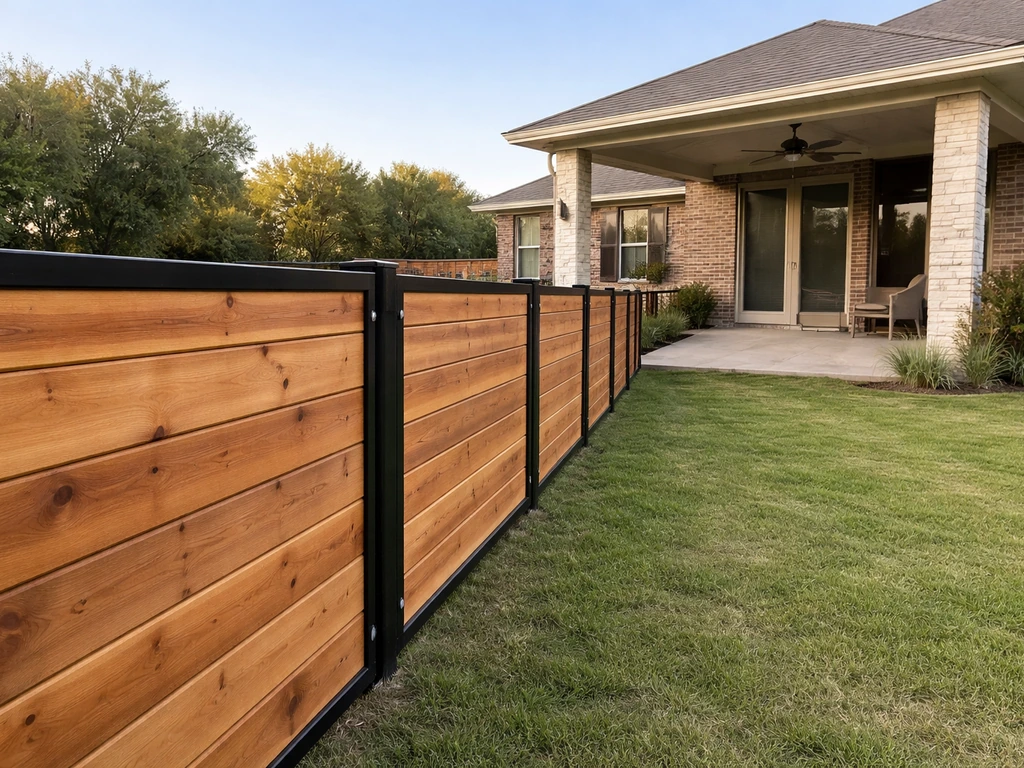
Use reviews and photo checklist to vet Texas Best Fence & Patio, compare quotes, confirm permits, and choose patio and f
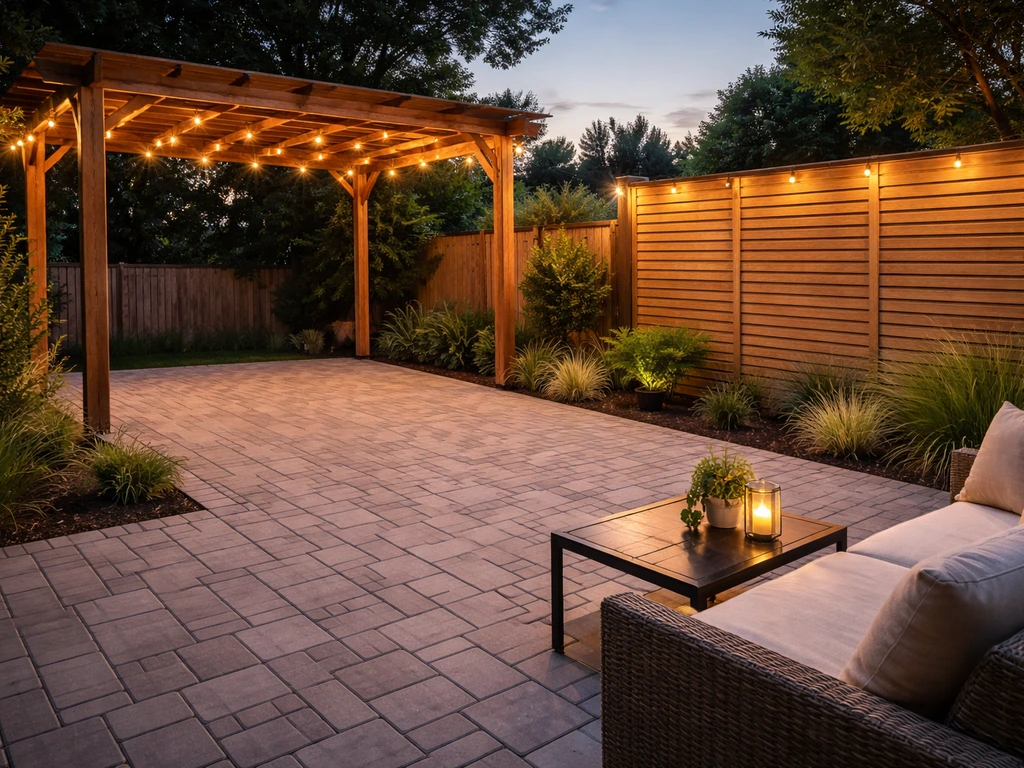
DIY outdoor patio ideas for planning, building, upgrading, and maintaining floors, shade, privacy, lighting, and decor.
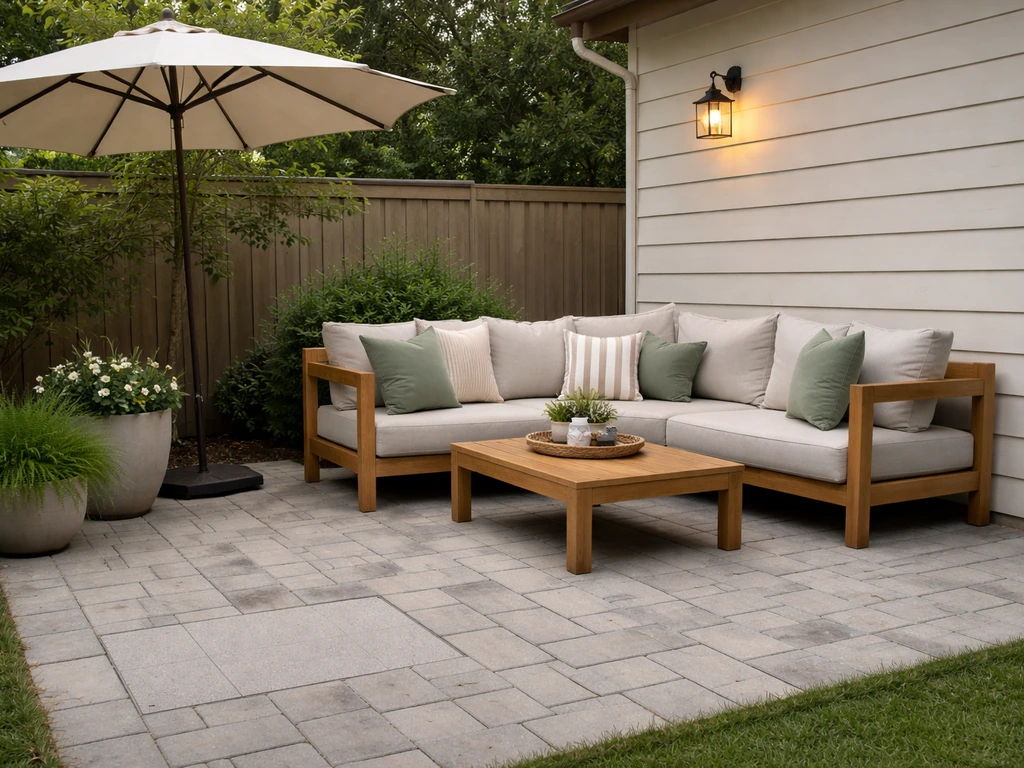
Quick fix patio ideas for fast comfort and style: cleanups, repairs, shade, flooring tweaks, and safe upgrades on any bu