Texas Best Fence & Patio is a DFW-based outdoor living contractor that handles fences, patio covers, pergolas, automatic gates, hardscaping, decks, and outdoor kitchens. If you searched for them because you need a fence, a covered patio, or both, they are a legitimate option worth getting a quote from. But like any contractor, they deserve a careful look at reviews, portfolio photos, licensing, and the bid itself before you sign anything. This guide walks you through exactly how to do that.
Texas Best Fence & Patio Reviews and Photo Checklist

Phoebe Foster
1 May 2026
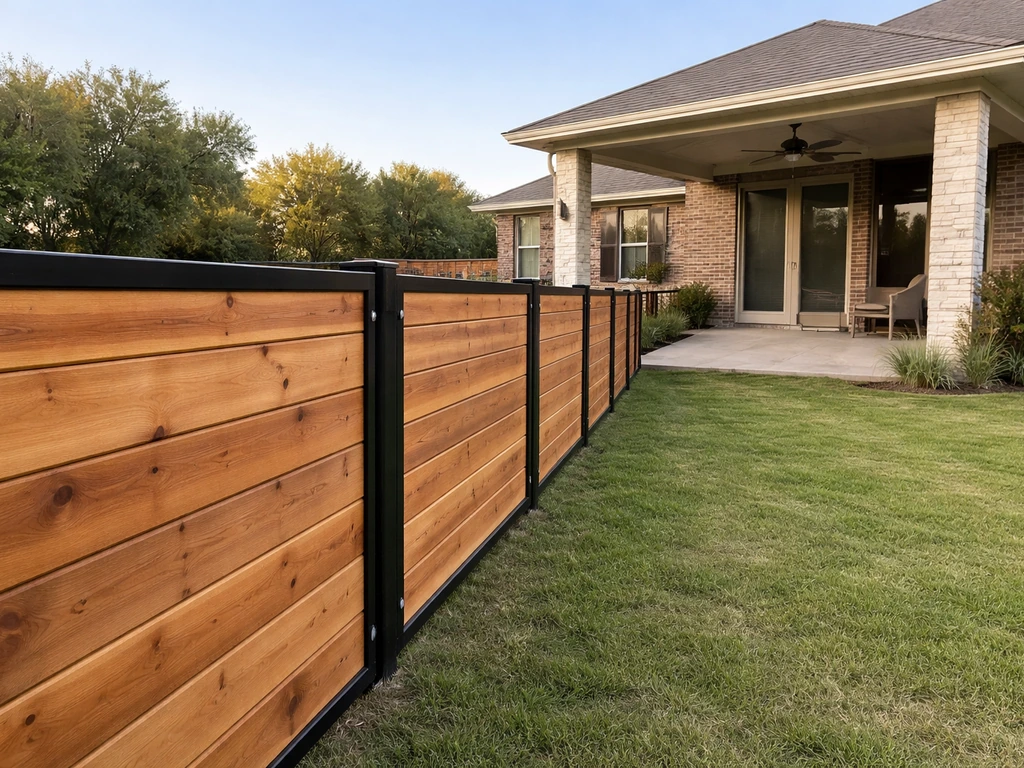
What Texas Best Fence & Patio actually does
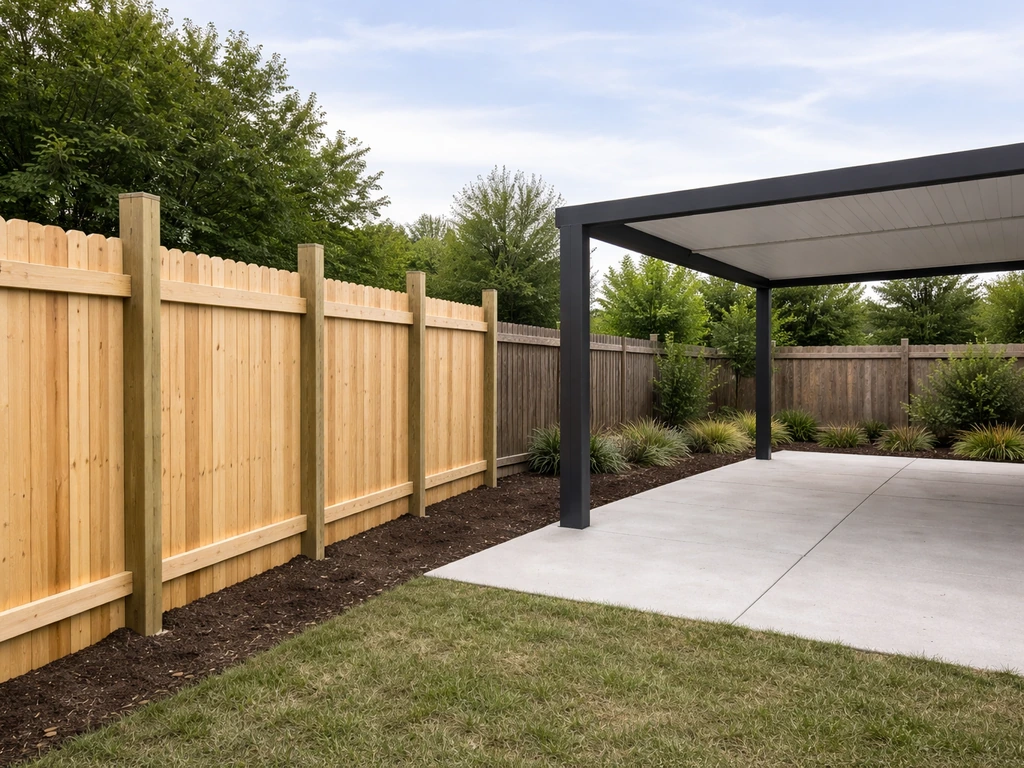
They position themselves as a full outdoor living contractor, not just a fence company. Their service list covers wood, vinyl, and aluminum fencing; patio covers in wood, aluminum, and vinyl; pergolas and arbors; automatic gates; hardscaping; decks; and outdoor kitchens. They serve the broader Dallas-Fort Worth area, with city-specific review pages for locations ranging from Dallas and Fort Worth to McKinney, The Colony, Lewisville, and Grapevine. On Houzz they describe building, customizing, and repairing thousands of wood fences across the DFW area, and their most-requested product is a cedar wood fence with galvanized steel posts. The Texas Fence Association lists them as a member, which adds a layer of trade accountability.
That wide service range is worth noting because it changes how you should scope your project. If you are shopping for the best patio and fence options in DFW, use this checklist to compare proposals and avoid common pitfalls. If you need a fence and a patio cover done at the same time, a contractor like this can handle it in one contract and one mobilization, which often saves money and coordination headaches compared to hiring two separate specialists. Just make sure the quote breaks out each scope item clearly so you can compare it against other bids.
How to read reviews the right way
Texas Best Fence & Patio has their own reviews landing page and publishes city-specific feedback organized by DFW neighborhood. That is useful for seeing volume and geographic concentration, but do not stop there. Any contractor can curate what appears on their own site. Cross-check against BBB, Google, and Houzz to see if the themes hold up across platforms you do not control.
When you read reviews, do not just count stars. Look for these specific signals:
- Communication quality: Did the contractor respond quickly to questions? Did they call before showing up? One BBB reviewer specifically credited their responsiveness, which is a meaningful positive data point.
- Timeline accuracy: Was the project completed in the window promised? Reviews that mention specific start and finish dates are more reliable than vague praise.
- Change-order transparency: A published review from The Colony described an unexpected charge of an extra $40 per hole mid-installation, followed by a correction from the contractor. That kind of pricing surprise during the job is worth flagging when you ask for your quote.
- Permit handling: A separate BBB complaint cited permit-related problems mid-project and a dispute over damage to buried electric lines under a fence post. This is a serious theme. You want to know upfront who pulls the permit and who is liable for utility strikes.
- Cleanup and site condition: Did they haul away debris? Did the yard look reasonable after the crew left? Reviews that mention cleanup (or the lack of it) are telling.
- Warranty follow-through: Look for any reviewer who had a problem after installation and see how the contractor responded.
The goal is pattern recognition. One bad review about a permit dispute could be an outlier. Two or three reviews that mention the same issue, like surprise charges or slow communication, are a pattern worth asking about directly before you hire.
Evaluating their photos and portfolio
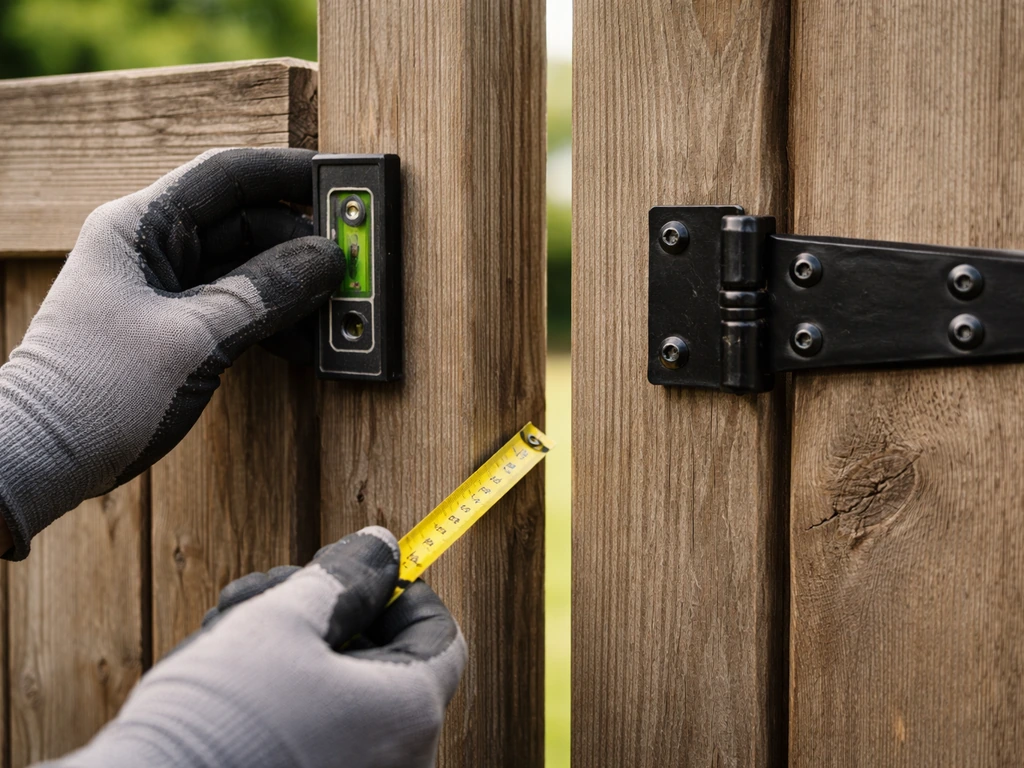
Portfolio photos are the fastest way to judge real workmanship, but you have to look past the pretty angles. Here is what to actually examine:
- Post consistency: On wood fences, are the posts plumb and evenly spaced? Leaning or inconsistent posts are a structural problem, not just cosmetic.
- Material match: Their Houzz listing confirms cedar with galvanized steel posts as their go-to. Look for that combination in photos and check whether the finish looks uniform or rushed.
- Gate alignment: Gates are the hardest part of a fence to get right. Look closely at gate photos. Is the gap even around the frame? Does the latch look solid?
- Patio cover fit and scale: A cover that looks too small or too large for the house it is attached to usually reflects poor planning. Look for photos where the structure feels proportional to the yard.
- Before-and-after sets: These are the most honest photos. Anyone can shoot a finished project in good light. A before-and-after shows you what they actually transformed.
- Texas-specific yard conditions: Look for photos taken in yards that look like yours, flat slabs, grade changes, tight side yards, HOA-style neighborhoods. DFW yards vary a lot and some constraints require extra skill.
- Pergola and cover material quality: Aluminum covers should show clean mitered corners and consistent paint finish. Wood pergolas should show tight joinery without visible gaps or filler.
If their online portfolio is thin, ask for project addresses or references from completed jobs in your city. A contractor who has done thousands of fences in the DFW area should have no trouble showing you recent local examples.
Planning your project before you call anyone
The clearer you are about what you want, the more accurate your quotes will be and the harder it is for a contractor to add charges mid-job. Work through this checklist before you pick up the phone.
Scope and materials
- Fence: Linear footage, height (standard is 6 ft in most DFW neighborhoods), number of gates, and gate hardware (manual vs. automatic).
- Fence material: Cedar is the most popular in DFW for a reason. It handles Texas heat well and looks good stained or natural. Vinyl requires less maintenance but costs more upfront and can warp in extreme heat if the grade is low. Aluminum is best for decorative applications like front-yard accent fencing, not privacy.
- Patio cover: Attached to the house or freestanding? Flat pan aluminum, wood rafter, or vinyl? Size in square feet. Open-air pergola or solid cover? Sun exposure and wind direction matter here. A solid aluminum cover on the west side of a Texas house makes a dramatic comfort difference in the afternoon heat.
- Add-ons: Ceiling fans, misters, string lights, outdoor speakers, recessed lighting. These are easier and cheaper to rough in during construction than to add later.
- Flooring: Existing concrete slab, new concrete, pavers, or composite decking? Pavers and decorative concrete add cost but also add resale value and livability.
- Outdoor kitchen or bar area: If you think you might want this later, at minimum rough in the gas and electrical now.
- HOA requirements: Get your HOA guidelines before calling contractors. Many DFW HOAs specify fence material, color, height, and even cap style.
Texas climate considerations
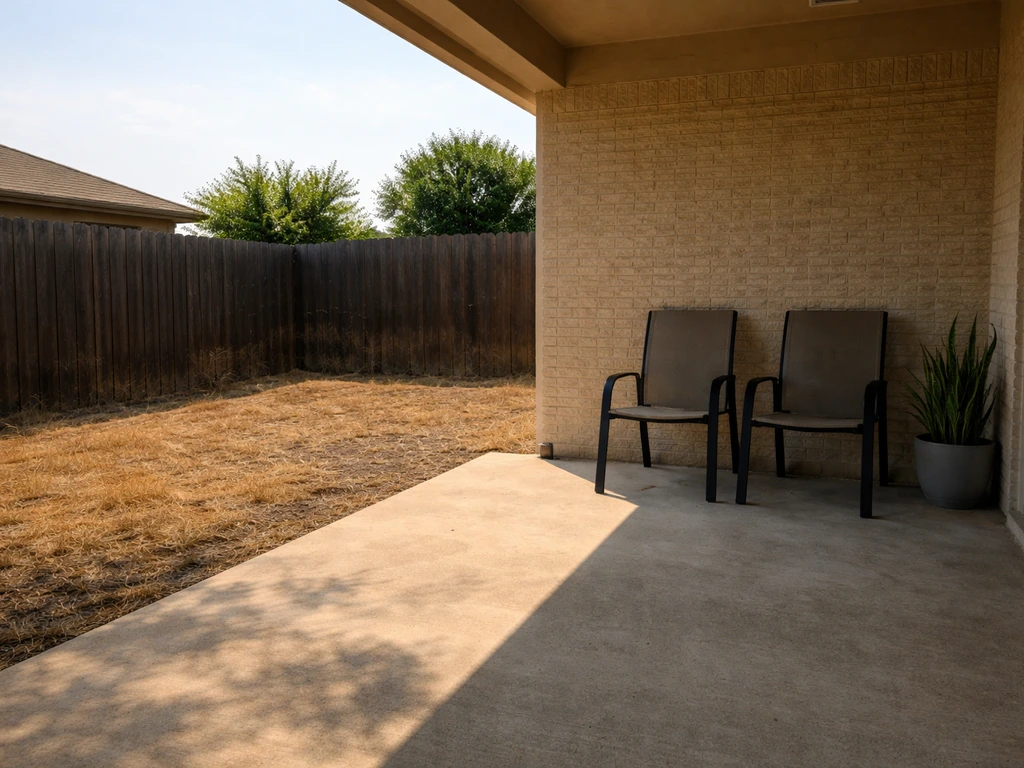
DFW summers are brutal. A west-facing patio with no cover is unusable from May through September. When you plan your cover, think about the angle of afternoon sun, not just square footage. A deeper overhang on the west side does more work than a wider cover that does not extend far enough. For fences, cedar holds up well in Texas heat and drought cycles, but it needs staining every two to three years. Vinyl claims low maintenance, but Texas sun and heat can cause cheaper grades to fade and warp, so ask for the specific product spec sheet before agreeing to it. Whatever material you choose, know what the long-term upkeep looks like before you commit.
Getting and comparing quotes
Get at least three quotes for any project over a few thousand dollars. With a combined fence-and-patio job, you are likely looking at a significant investment, and a 15 to 20 percent spread between bids is common. Here is how to make those quotes comparable:
- Ask for an itemized bid. Line items for materials, labor, permits, and any subcontracted work should be listed separately. A lump-sum number tells you nothing useful.
- Confirm the material grade. 'Cedar fence' is not specific enough. Ask for the board thickness, grade (1 or 2), and whether the posts are pressure-treated or galvanized steel.
- Ask who pulls the permit. The contractor should pull it, not you. If they ask you to pull your own permit, that is a red flag.
- Ask about the payment schedule. Under Texas law, contracts should specify when each payment is due and what triggers it. A reasonable structure is a deposit, a progress payment at a defined milestone, and a final payment after your walkthrough and approval. Be cautious of any contractor asking for more than 30 to 40 percent upfront.
- Confirm cleanup and haul-away. Is debris removal included or billed separately?
- Get the warranty in writing. What is covered, for how long, and what is the process to make a claim?
- Ask about timeline and crew. Will they use their own crew or subcontract? When can they start, and what is the projected completion date?
Texas Best Fence & Patio publishes planning guidance that recommends starting the process earlier in the year to lock in a timeline, which is genuinely good advice. Spring and summer are their busiest seasons in DFW, and crews book up fast. If you are reading this in spring and want work done before summer peaks, get quotes now.
Rough cost ranges for DFW
| Project | Typical DFW Range | Notes |
|---|---|---|
| Cedar wood fence (per linear foot) | $20 – $45 | Higher end includes galvanized steel posts and premium boards |
| Vinyl fence (per linear foot) | $30 – $60 | Wide range based on grade and style |
| Aluminum patio cover (attached, 12x16) | $4,000 – $9,000 | Varies by brand, gauge, and finish options |
| Wood pergola (12x16) | $5,000 – $12,000 | Custom vs. kit-based affects cost significantly |
| Automatic gate (single) | $2,500 – $6,000 | Includes opener; more for double or custom iron |
| Paver patio (200 sq ft) | $3,000 – $8,000 | Depends on paver type and base prep needed |
| Outdoor kitchen rough-in | $3,000 – $10,000+ | Big range based on appliances and layout |
Permits, licensing, and insurance in Texas

This section matters more than most homeowners realize, and the permit issue that showed up in one BBB complaint is exactly why. In Texas, most cities require a permit for patio cover installation, and some require it for fence installation too, especially if it exceeds a certain height or is located near a property line, easement, or utility corridor. Dallas also publishes guidance under its development code on standard fence height in side and rear yards (7 feet) and explains permit requirements based on fence height and type blank" rel="noopener noreferrer">especially if it exceeds a certain height or is located near a property line, easement, or utility corridor.. The City of College Station, for example, explicitly requires a permit before construction begins on any patio cover or arbor. Grapevine publishes specific residential patio cover permit submittal requirements. Your city has similar rules. Dallas includes blank" rel="noopener noreferrer">fence permit and pool barrier permit checklist requirements that request project details such as fence height(s), grade level, and panel materials as part of permit submittal. Do not assume a contractor who says 'we handle permits' has actually pulled one until you see the permit number.
- Verify licensing: Texas does not have a single statewide license for general fence and patio contractors, but some cities require a local contractor registration. Ask for their registration or license number and verify it with your city's building department.
- Verify insurance: Ask for a certificate of insurance showing general liability (at least $1 million per occurrence) and workers' compensation. Have the certificate name you as an additional insured for the duration of the project.
- Confirm permit responsibility: The contractor should pull the permit in their name. That puts them on the hook for code compliance, not you.
- Utility locating: Before any post is dug, the contractor should have called 811 (Texas One Call) to locate underground utilities. The buried electric line dispute in the BBB complaint is a reminder that this step is non-negotiable.
- HOA approval: If you are in an HOA, many require written approval before construction starts. Get it in writing before the crew shows up.
- Contract formalities: Texas law requires that contracts for certain home improvement projects over $5,000 on a homestead include specific notices about your rights. Make sure your contract includes a payment schedule and clearly identifies who selects any materials or allowances.
Red flags to watch for and how to decide with confidence
Most fence and patio jobs go fine. But when they go wrong, they go wrong in predictable ways. These are the warning signs that should make you pause or walk away:
- Verbal-only quotes or pricing that changes mid-job without a written change order. The 'extra $40 per hole' story from The Colony is a classic example of what happens without a signed scope document.
- Asking you to pull your own permit or suggesting the job does not need one when your city clearly requires it.
- Refusing to provide a certificate of insurance or giving you one that has already expired.
- Large upfront deposits with no clear milestone-based payment schedule. Paying 50 percent or more before work starts is a significant risk.
- No written warranty or a warranty that is vague about what it covers and how you make a claim.
- Threatening legal action early in a dispute rather than trying to resolve it. One BBB complaint noted the contractor's response to a damage claim was essentially 'see you in court.' That is not a contractor who values long-term customer relationships.
- No physical address or consistent local presence. A DFW contractor should be able to show you completed projects in your area.
Here is how to make your final call with confidence. Once you have three itemized quotes, verified insurance and permits, read third-party reviews across BBB, Google, and Houzz, and done a walkthrough of portfolio photos, ask each contractor two final questions: Can you show me a completed project similar to mine within the last six months? And what happens if there is a problem after the job is done? How those questions are answered tells you more than any brochure or star rating.
If you are comparing this kind of contractor against doing part of the job yourself to save money, the honest answer is that fence installation is one of the more DIY-accessible outdoor projects if you have the tools and time. A basic cedar privacy fence on flat ground is doable for an experienced DIYer. A patio cover attached to your house, an automatic gate, or any hardscaping with drainage considerations is genuinely better left to a contractor, especially in Texas where summer heat makes concrete curing and post-setting more complicated than it looks. If you are searching for Fort Worth patio covers, focus on contractors that clearly break out scope items, materials, and permit handling in your quote. The combination project, fence plus patio cover plus optional add-ons, is almost always worth hiring out when you factor in the permit coordination, utility locating, and structural attachment to the house.
If you are also evaluating options in other parts of the region, the dynamics around patio covers, gutters, and local permitting requirements shift by city, so it is worth doing the same kind of review and quote comparison process locally wherever you are in North Texas or beyond. When it comes to quality patio covers, seamless rain gutters matter just as much for long-term drainage and protection quality patio covers & seamless rain gutters.
FAQ
How can I make two fence and patio cover bids truly comparable?
Ask for a written itemization that includes line-by-line quantities (posts count, rails, gate width, cover square footage) and the exact material grade (for cedar, the board thickness and whether posts are galvanized). If a quote only lists totals, it is harder to verify what you are actually paying for and easier for scope creep to slip in.
What should I ask about utilities and excavation before the contractor starts?
Confirm who is responsible for utility locating (for example, a third-party locate service or the city process) and ask when it will be done relative to digging. A contractor should be able to tell you the sequence, including post holes or footings, before any concrete or excavation starts.
If they say they handle permits, what exactly should I verify in writing?
Do not rely on “permit handled” wording. Ask for the permit numbers (or permit application confirmation) before work begins, and verify whether any HOA review is required for your neighborhood. If an HOA applies, permits alone may not be enough to avoid delays.
What if my yard boundary is unclear or there is a survey mismatch?
For fences, ask how they handle line-of-property disputes, survey stakes, and setbacks (especially if you have corner lots or shared access). A good contractor will tell you whether they use a survey, how they document measurements, and what happens if the fence location changes after stake-out.
What should I confirm about structural engineering and attachment for a patio cover?
Ask whether the patio cover is engineered for the local wind and load requirements, and request the structural design details (like beam/rafter spacing and fastener type). You want to see that the design is specific to your span and roof attachment method, not a one-size template.
How do I avoid surprise delays during a fence and patio cover project in DFW?
Get a clear timeline for lead times on materials (cedar, aluminum, vinyl, automatic gate components) and specify the “start” and “substantial completion” dates. Also ask what triggers delays, like weather, inspections, or backordered gate motors, and whether they provide an update cadence.
What warranty details should I ask for besides the length of time?
Before signing, ask for the warranty terms in plain language, including what is covered (materials vs. labor), the duration, and how issues are handled (service call process, turnaround time, and whether coverage excludes “normal weathering”). If it is not specific, you may end up with a warranty that is hard to use.
Which insurance documents should I request and what should I double-check?
Ask for the insurance certificates and confirm coverage types that matter for your project, like general liability and workers’ compensation. Also request the contractor’s company name on the certificate to match the bid paperwork, so you do not get stuck with a mismatch if a claim is needed.
What should I ask about cleanup, protection of my yard, and damage during construction?
Ask how they protect your existing landscaping, driveways, and adjacent structures during installation. A practical sign of professionalism is a plan for debris haul-off, concrete cleanup, and whether they will repair or replace damaged irrigation lines and sod.
What long-term maintenance should I realistically plan for based on the material they propose?
For cedar, ask about the stain or sealer system they will use (brand and product line if available), and confirm the maintenance schedule they recommend in Texas conditions. Also ask whether aluminum/vinyl use a specific thickness or profile that resists bending and fading, not just “low maintenance.”
If I do part of the work myself, what can I still safely outsource to the contractor?
If you are considering partial DIY, ask the contractor what parts they will still take responsibility for if you prep or build anything yourself. Many contractors will only warranty their work if their scope includes footings, attachment, and final set, especially for patio covers and automatic gates.
Next Articles
Do It Yourself Outdoor Patio Ideas: Build, Upgrade, Maintain
DIY outdoor patio ideas for planning, building, upgrading, and maintaining floors, shade, privacy, lighting, and decor.
Quick Fix Patio Ideas for Instant Comfort and Style
Quick fix patio ideas for fast comfort and style: cleanups, repairs, shade, flooring tweaks, and safe upgrades on any bu
Cheap Do It Yourself Patio Ideas: Budget Build Guide
Budget DIY patio ideas with step-by-step flooring, prep tips, cost ranges, upgrades, and safety mistakes to avoid.