The best patio wind blocker for most homeowners is a high-opacity fabric wind screen (80–90% blockage) mounted on a sturdy frame, because it cuts wind speed dramatically, handles most weather, costs far less than a structural solution, and goes up in a weekend. That said, the "best" one for your patio depends on three things: which direction your wind comes from, how enclosed you want the space to feel, and what your local weather actually throws at you. A screened fabric panel works great in a mild Kansas backyard; it's not the right call for a Gulf Coast patio that sees 80 mph gusts every hurricane season.
Best Patio Wind Blocker: Choose, Size, and Install Fast

Phoebe Foster
15 May 2026
Why Wind on Your Patio Is a Real Problem Worth Solving
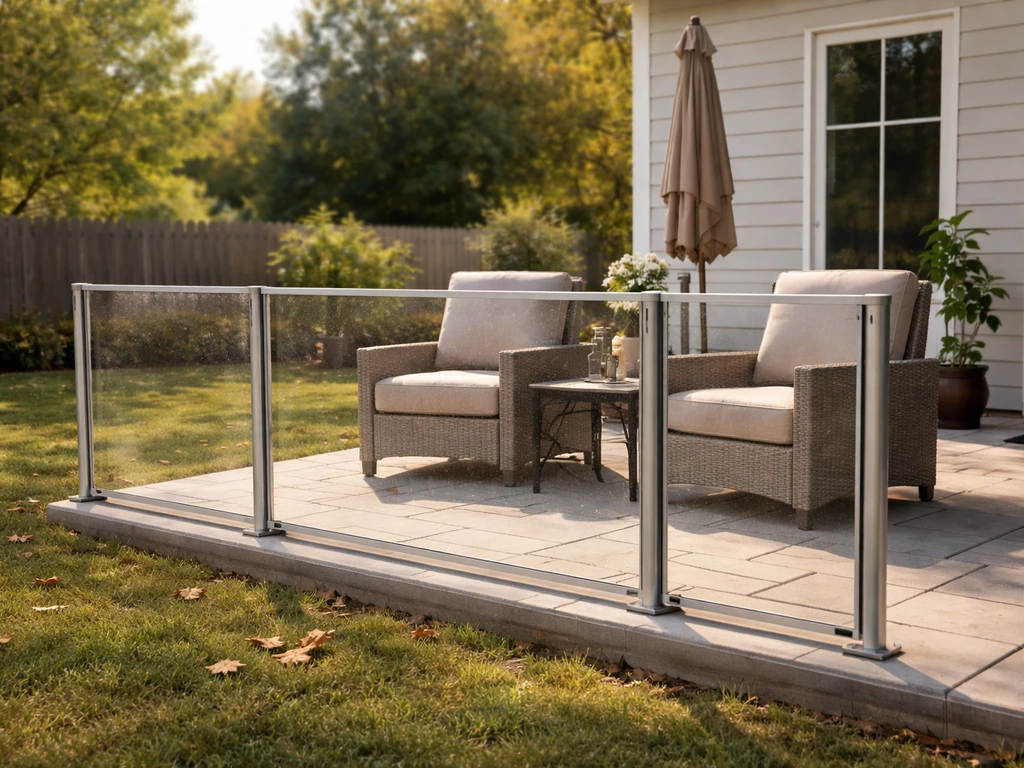
Consistent wind on a patio does more damage to your comfort than most people realize. Even a 15 mph breeze makes conversation uncomfortable, sends napkins flying, and drops the felt temperature by several degrees. But it's not just comfort. Wind knocks over planters, tangles umbrella ribs, and sends lightweight furniture skidding across the deck. On patios where you're cooking or using a propane heater, a sustained crosswind is a genuine safety concern.
Wind blockers also add a layer of privacy without requiring a full fence, and many solutions do double duty by reducing noise from nearby roads or neighbors. If your patio faces a street, a well-placed wind screen does three jobs at once: it cuts the wind, shields the view, and takes some of the edge off ambient noise. That's a lot of value from one installation.
One thing worth knowing before you buy: a wind screen changes airflow patterns rather than simply eliminating wind. Research out of UCF and the Florida Solar Energy Center confirms that screens create zones of reduced wind speed behind them, but they can also create eddies and areas of increased airflow at the edges or corners. You're not building a calm bubble; you're redirecting and diffusing air to make the space livable. Understanding that helps you place your blocker correctly and set realistic expectations.
Solid vs. Semi-Open: The Most Important Decision You'll Make
Before you look at a single product, you need to settle this question: do you want to stop wind almost entirely, or do you want to reduce it while keeping some airflow? Your answer changes everything about what you buy.
Solid wind blockers
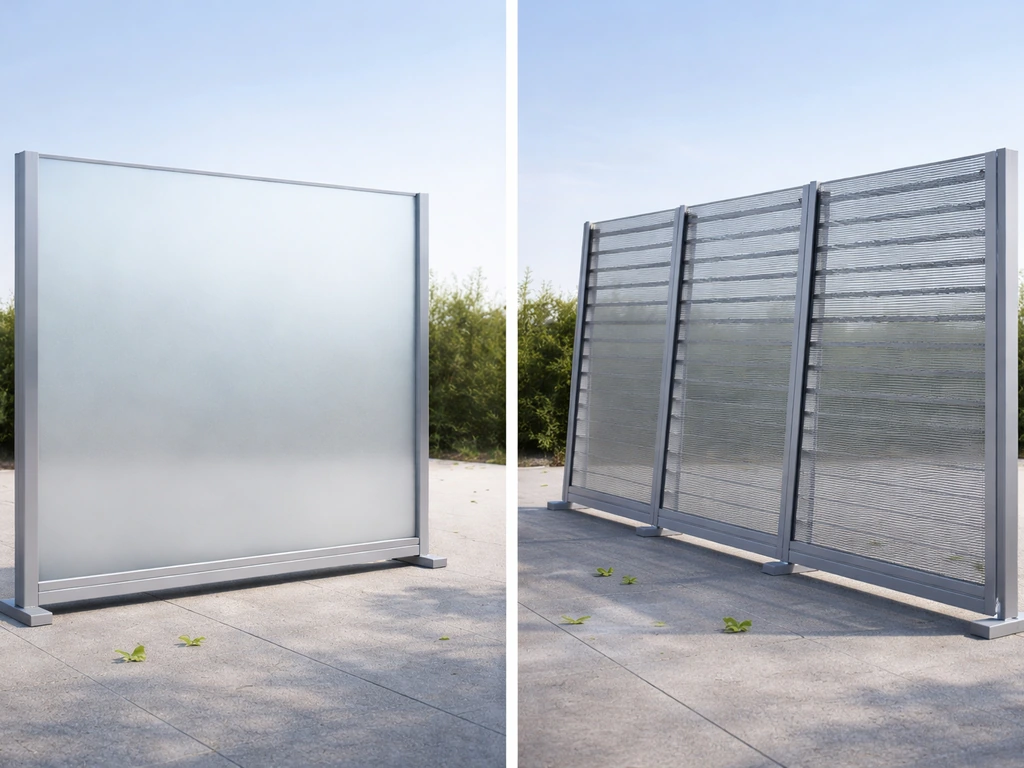
Solid panels (polycarbonate, solid wood boards, metal, full canvas) block the most wind immediately behind them. They're ideal when wind comes from one consistent direction and you want maximum comfort. The tradeoff is that they push more load onto their frame and anchors, can create a more closed-in feeling, and can generate stronger eddies at the edges. A solid 6-foot panel on a breezy day isn't just catching wind, it's acting like a sail, so anchoring matters enormously.
Semi-open wind blockers
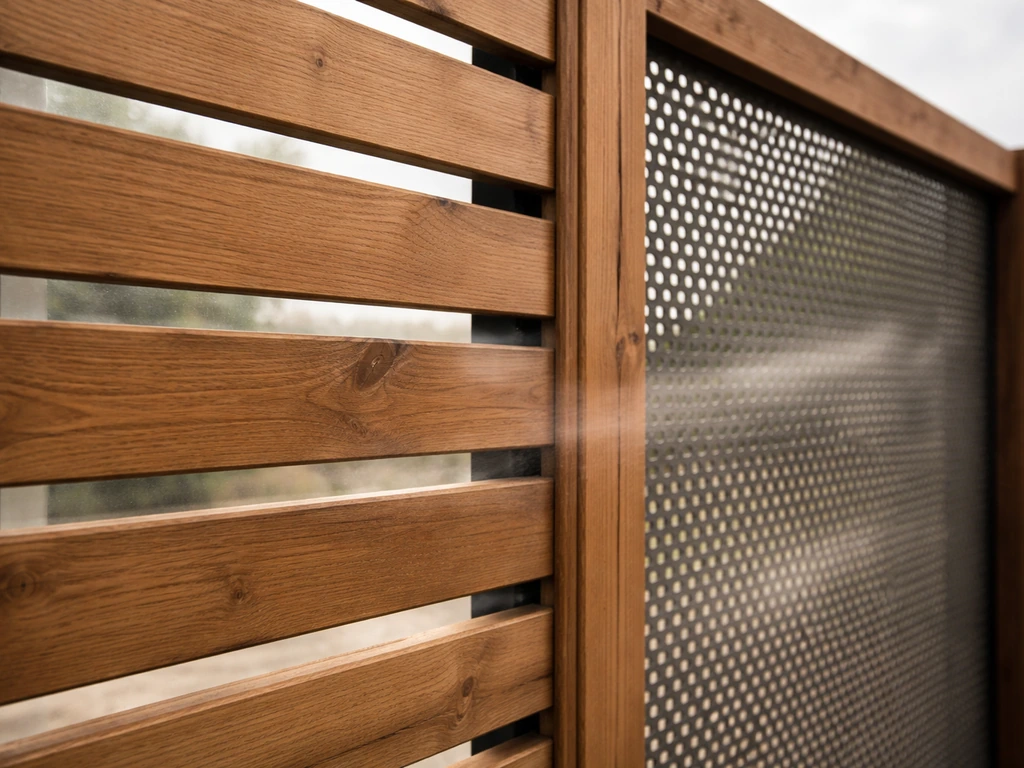
Semi-open screens (mesh fabric, slatted wood, lattice, perforated metal) let some air pass through, which serves two purposes. First, they reduce wind speed over a broader area behind the screen rather than creating a sharp calm zone that turns turbulent at the edges. Second, because air can pass through, they carry significantly less structural load than a solid wall. FenceTrac's semi-privacy design research confirms this tradeoff: you get less peak wind reduction directly behind the screen, but a more consistent, comfortable zone across a wider area. For a dining patio or lounging space, semi-open is often the smarter choice.
A quick way to compare products: look for the opacity or blockage percentage in the spec sheet. A screen rated at 89% blockage (like many open-mesh windscreens) is nearly solid in practice, while a 50–60% screen lets noticeably more air through. The ExtremeScreen 80, for example, uses a honeycomb lattice design that diffuses airflow and is tested to ASTM D-737 for air permeability, letting you compare fabric products on an apples-to-apples basis.
Best Materials for Patio Wind Blockers
Material choice drives durability, maintenance, appearance, and cost. Here's how the main options stack up.
| Material | Wind Performance | Durability / Lifespan | Maintenance | Visibility / Feel | Approximate Cost |
|---|---|---|---|---|---|
| High-density fabric / mesh screen | Good to excellent (80–95% blockage) | 5–10 years with care | Rinse seasonally; follow maker's laundering guide | Semi-open; airy feel | $1–$5/sq ft for fabric |
| Polycarbonate / acrylic panels | Excellent (solid) | 10–20 years (UV-protected) | Wipe clean; avoid abrasives | Clear or tinted; open sight lines | $15–$40/sq ft installed |
| Wood (cedar, redwood, composite) | Good to excellent (depends on slat spacing) | 10–20 years with sealing | Annual sealing or staining | Warm, natural; can be slatted or solid | $20–$50/sq ft installed |
| Aluminum / powder-coated metal | Good to excellent | 20+ years | Low; occasional cleaning | Modern, sleek | $25–$60/sq ft installed |
| Canvas / outdoor fabric curtains | Moderate (better when weighted/anchored) | 3–7 years depending on sun exposure | Machine wash or spot clean per maker's guide | Soft, warm; can be drawn back | $50–$200 per panel |
| Lattice / slatted panels | Moderate (semi-open by design) | Varies by material; 5–15 years | Low to moderate | Open, decorative | $10–$30/sq ft |
Polycarbonate deserves a specific note. It stays clear and resists impact well, but UV-degraded polycarbonate turns yellow and brittle over time. Only buy panels with co-extruded UV inhibitors in the protective layer, not just a surface coating. Quality UV-protected polycarbonate is rated for 10–20 years; budget sheeting without it can start yellowing in 3–5 years.
For fabric screens and canvas curtains, routine care is the biggest factor in longevity. Fabric manufacturers consistently emphasize that cleaning schedules (rinsing off salt, pollen, and mildew regularly) extend service life dramatically. If you're in a coastal area with salt air, plan to rinse fabric screens at least monthly.
Sizing, Placement, and Coverage: Getting the Numbers Right
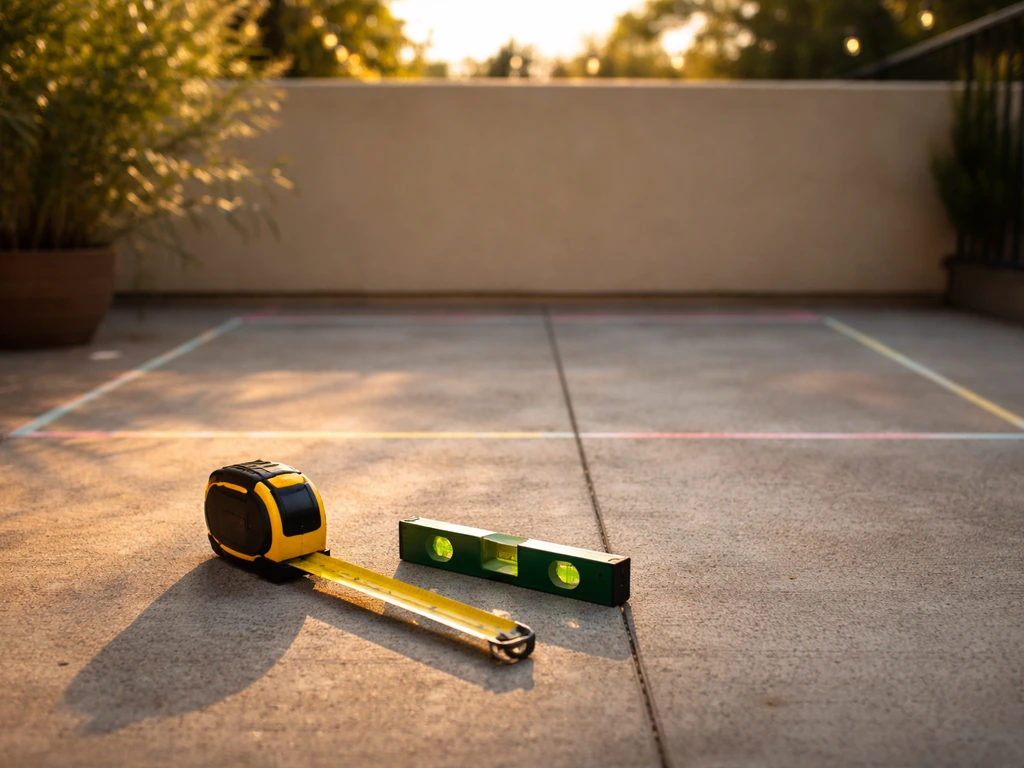
Poor placement is the single biggest reason wind blockers underperform. Even a great product won't help much if you put it in the wrong spot.
Figure out your wind direction first
Spend time on your patio on a breezy day and notice where the wind consistently comes from. Check prevailing wind data for your region online (the NOAA wind rose tool is free and specific to your nearest weather station). In most of the central and southern U.S., prevailing winds come from the south or southwest in summer. In coastal areas, sea breezes are directional and predictable. Once you know your primary wind direction, place your blocker perpendicular to it, on the upwind side of your seating area.
Height and length recommendations
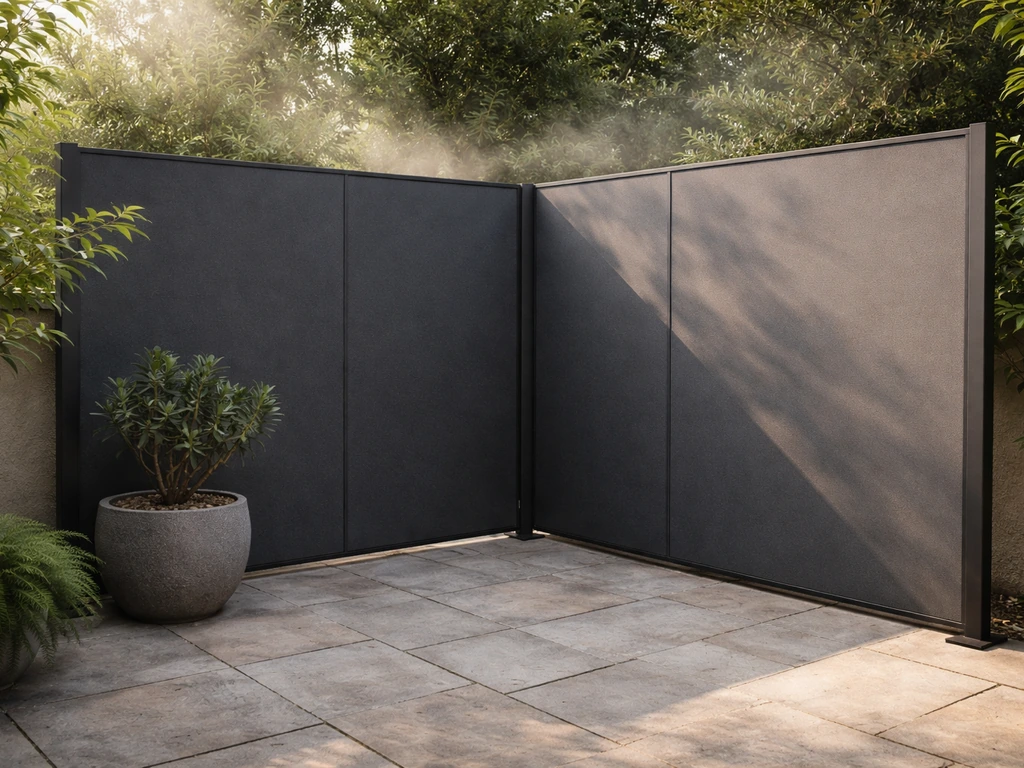
A general rule: a wind screen's protected zone extends roughly 7 to 10 times its height on the downwind side. So a 6-foot screen gives you meaningful wind reduction for 40–60 feet behind it, though most of the real calm zone is in the first 15–20 feet. For a patio, 6 feet is usually the minimum height worth using. If your seating area has taller umbrellas or you're dealing with a raised deck, go to 7 or 8 feet. Width should cover your seating area plus 2–3 feet on each side, because wind wraps around the edges and will work its way into any exposed flank.
Corner and angle placement
An L-shaped configuration, with panels on two sides meeting at a corner, is significantly more effective than a single straight run because it blocks wind that shifts direction and eliminates the flank exposure issue. If your patio is in a corner of the yard against two walls or fences, you're already benefiting from this naturally. When building a freestanding L, make sure the corner post is exceptionally well-anchored since it carries load from two directions. Angling the screen slightly (5–10 degrees off perpendicular) can help redirect rather than fully stop airflow, reducing structural load and eddy turbulence at the edges.
Anchoring basics
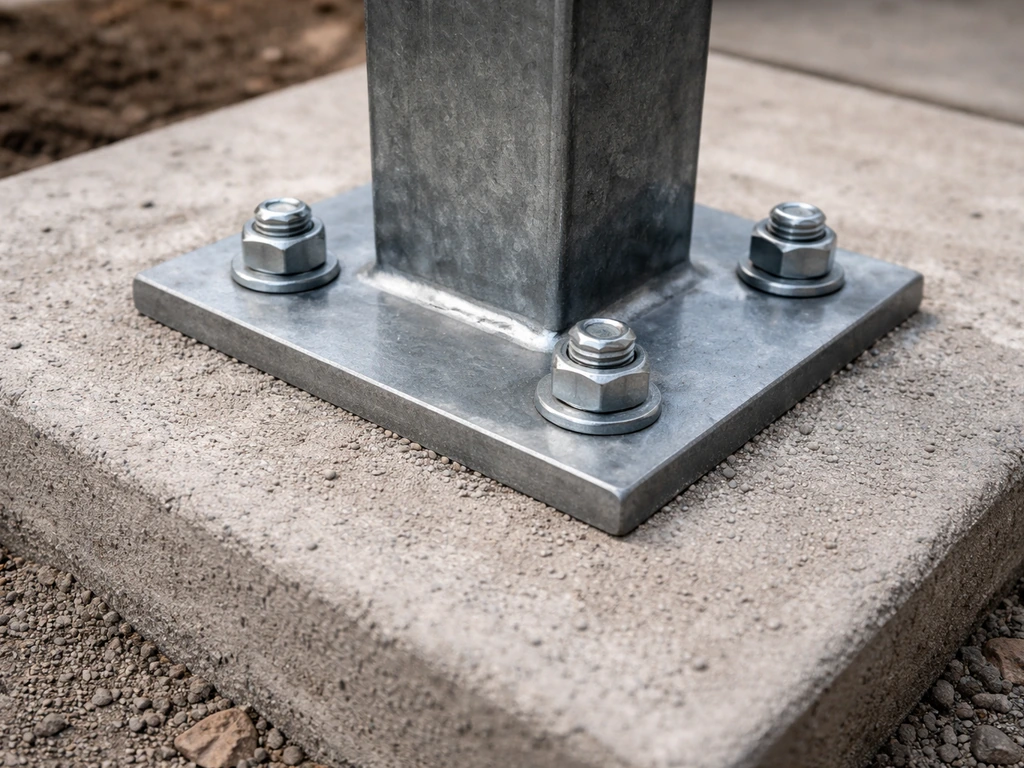
Any freestanding wind blocker needs to be anchored like it will actually get hit by wind, because it will. Steel mounting posts set into concrete with wedge anchors are the reliable standard for permanent freestanding installations. For installations on an existing concrete patio, concrete anchor hardware driven into the slab works well. If you're on a wood deck, posts must be bolted through the decking into the framing below, not just surface-screwed. Never rely on a weighted base alone for anything over 4 feet tall in an area that sees real gusts.
Comparing Your Main Options Side by Side
Here's a practical look at the six most common patio wind blocker categories, so you can match options to your actual situation.
Fabric wind screens
These are the most popular DIY-friendly option: mesh or woven fabric panels attached to posts or an existing fence. They're inexpensive, available in standard sizes, and go up in a few hours. Opacity ranges from around 60% to 95%. Look for UV-stabilized HDPE fabric for durability. The main weakness is longevity (plan to replace the fabric every 5–8 years) and appearance (they look functional, not beautiful). Best for: renters, budget buyers, or anyone who wants to test placement before committing to a permanent solution.
Outdoor curtains and canvas panels
Patio curtains offer a softer, more living-room aesthetic and can be drawn back during calm days. They work better as wind blockers when they're weighted at the hem and secured at the sides (free-flapping curtains in wind are more decorative than functional). For a detailed look at patio curtains specifically, that topic gets its own full treatment elsewhere on this site. If you want a specific recommendation, the best patio curtains are usually the ones that stay put in real wind. If you want an even more tailored look for shade and privacy, the best patio blinds can be a great next option to compare. Wind performance improves significantly with a track system that keeps the curtain taut. Best for: patios where appearance matters as much as wind performance, and winds are moderate rather than severe.
Polycarbonate or acrylic panels
Solid clear panels give you wind protection without blocking your view or light, which makes them popular on decks and balconies with a view worth preserving. They're a significant step up in cost and installation complexity compared to fabric screens, but they're also more permanent and more attractive. Glass-look polycarbonate panels framed in aluminum are a common choice. They need proper framing and anchoring because they act as a solid wall in wind. Best for: elevated decks, view lots, or any homeowner willing to spend more for a cleaner look.
Wood and metal privacy panels
Slatted cedar, composite wood panels, corten steel, powder-coated aluminum: these are the premium end of freestanding wind blockers. They're durable, attractive, and can be designed to complement your home's architecture. Slatted designs let you control the balance between wind reduction and airflow by adjusting slat spacing. These typically require professional installation or at minimum significant DIY skill. Best for: permanent installs where aesthetics matter and budget isn't the primary constraint. This category overlaps with patio privacy screens, which is a closely related topic worth exploring if you need both wind reduction and visual privacy.
Pergolas with wind-blocking additions
A pergola by itself does almost nothing for wind. But a pergola combined with retractable screens, fabric panels, or polycarbonate side panels becomes a serious wind management system. The structure provides the frame and the anchoring; the panels or screens do the wind work. Retractable motorized screen systems (some rated to Miami-Dade hurricane standards) can turn a pergola into a storm-capable enclosure. Systems like these can block up to 95% UV and deploy in seconds, but they're expensive, often $5,000–$15,000+ for a full enclosure. Best for: homeowners who already have a pergola or are building one and want a multi-season outdoor room. Motorized patio screen options are explored in more depth in a related guide on this site. If you're comparing the best motorized screens for patio enclosures, look at hurricane ratings, speed of deployment, and how they handle wind loads Motorized patio screen options.
Landscaping and planter strategies
Dense hedges, tall ornamental grasses, and large planters filled with columnar evergreens work as living wind blockers. They're beautiful and add to property value, but they take years to reach effective height unless you buy large specimens. A row of 6-foot arborvitae costs $50–$150 per tree and needs 3–5 feet of spacing for density. For immediate wind relief, combine a fabric screen with planters to fill gaps while the plants mature. Landscaping is also the only wind-blocking approach that actually improves as time goes on. Best for: homeowners thinking long-term who don't need immediate results.
DIY vs. Professional Installation
This is where a lot of homeowners overthink it. The decision is simpler than it seems once you break it down by type.
What you can realistically DIY
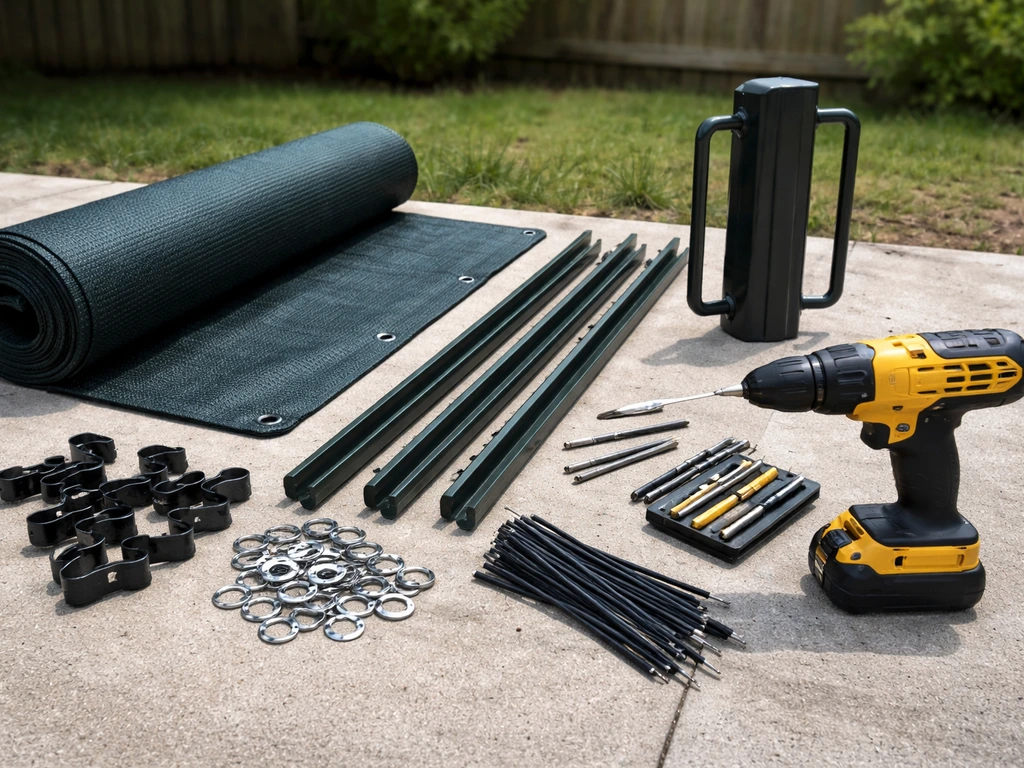
- Fabric wind screens attached to existing fence posts or freestanding T-posts: a genuine weekend project with basic tools (drill, zip ties or grommets, a post driver)
- Patio curtain rods and panels hung from a pergola or existing overhead structure: a few hours, no special skills
- Lightweight freestanding panel systems with surface-mount hardware on concrete: manageable for a confident DIYer following manufacturer instructions
- Small lattice or reed panels on a deck railing: straightforward with a drill and basic hardware
When to hire a pro
- Any installation that requires setting posts in concrete, especially for panels over 6 feet tall
- Polycarbonate or glass panel systems with aluminum framing (precise cuts, proper sealing, and anchoring are critical)
- Motorized retractable screen systems with electrical components
- Pergola additions or structural attachments to your home (these may require permits and proper attachment to framing)
- Any project in a high-wind or hurricane zone where the installation needs to resist design wind pressure, not just look good
Cost ranges to budget
DIY fabric screen installs typically run $200–$800 in materials for a standard 10x6-foot section, depending on fabric quality and post hardware. Professional porch screening installations range from roughly $3–$5 per square foot for materials alone, with total project costs varying widely by region and scope. A professionally installed wood or metal privacy panel system runs $2,000–$8,000 for a typical patio perimeter. Motorized hurricane screen enclosures sit at the top end, often $8,000–$20,000 or more for a full patio. Screen Tight and SCREENEZE systems are among the porch-screening options popular with advanced DIYers, though both manufacturers are clear that installation instructions must be followed precisely, including accounting for temperature changes during installation that affect fit and tension.
Weather, Climate, and Code: What You Need to Know Before You Build
This section matters more than most people expect, especially if you live somewhere with actual weather.
Know your local wind loads
Building codes use design wind pressure (expressed in pounds per square foot) rather than just wind speed to determine what structures must withstand. The IRC and IBC both require that exterior components and attachments resist the design wind pressure for your area. In low-wind interior regions, this is less critical for a simple fabric screen. In coastal Florida, Texas Gulf Coast, the Carolinas, or anywhere in a hurricane or tornado-prone zone, any permanent wind-blocking structure that attaches to your home or sits on a foundation should be properly engineered and anchored. The ASCE 7 standard is the reference framework for wind load analysis; your local building department can tell you the design wind speed for your area.
Permits: do you need one?
For a simple freestanding fabric screen or curtain, probably not. For anything that attaches to the house, gets set in a permanent concrete foundation, or is taller than 6 feet, check with your local building department first. Many municipalities require permits for structures over a certain square footage or height, and exterior awnings and attached screens are commonly required to meet snow and wind load standards per local code. Getting caught with an unpermitted structure isn't worth the headache, especially if you ever sell the home.
Hurricane and high-wind zones
If you're in a hurricane-prone region and want a wind blocker that actually stays in place during a storm, you need a product specifically rated for high-wind conditions. Miami-Dade-approved roll-down hurricane screen systems (from manufacturers like MaxForce) are tested and certified to meet Florida Building Code requirements. These systems are designed to lock in their tracks at high wind speeds and resist projectile impact, not just reduce everyday patio breezes. Comparing specs matters here: a standard patio curtain claiming "wind resistance" is not the same thing as a system that has passed TAS 201 impact testing. In a high-wind zone, the difference is enormous.
Climate-specific advice by region
- Gulf Coast and Southeast: prioritize hurricane-rated systems if you want a permanent solution; use removable fabric screens for seasonal comfort that you can take down before storms
- Midwest and Great Plains: focus on solid, well-anchored solutions since wind can come from multiple directions; L-shaped or three-sided configurations work better than a single panel
- Pacific Coast: prevailing winds are often from the northwest; a single well-placed screen works well; salt air makes aluminum frames and UV-stabilized fabric the smart material choice
- Mountain West: afternoon thermal winds are directional and predictable, but they can be intense; semi-open screens handle these well without the structural concerns of a fully solid wall
- Texas and Southwest: UV degradation is a real issue; invest in materials with proven UV resistance ratings, and avoid fabric screens without UV inhibitors
Your Practical Next Steps
Before you buy anything, run through this quick checklist. It takes 20 minutes and will save you from buying the wrong thing.
- Stand on your patio on a windy day and identify the primary wind direction (or look up your local wind rose data online)
- Measure the width and height of the area you want to cover, adding 2–3 feet of extra width on each exposed side
- Decide: solid or semi-open? If you want to be able to see through your screen or maintain some airflow, go semi-open with 70–85% blockage; if you want maximum wind reduction, go solid or 90%+ blockage
- Assess your anchoring situation: existing fence posts, concrete slab, wood deck, or bare ground each have different hardware requirements
- Check local code for permits, especially if you plan to attach anything to the house or set posts in concrete
- Get at least two quotes from local installers if you're going beyond a simple fabric screen, and ask specifically about wind load ratings and anchoring methods
- Match your material choice to your climate: coastal areas need UV-stable and corrosion-resistant materials; high-wind zones need certified systems, not just heavy fabric
For most homeowners dealing with everyday wind on a residential patio, a high-density fabric wind screen on well-set posts is the right starting point. It's affordable, effective, and easy to adjust or relocate if your needs change. If you're building something more permanent or need both wind blocking and visual privacy, explore slatted wood or aluminum panel systems. And if you're in a hurricane zone or want a full outdoor room, motorized retractable screen systems are worth the investment. Whatever you choose, proper sizing and anchoring matter more than brand name. Get those two things right and your patio wind blocker will actually do its job.
FAQ
Will a wind blocker make my patio completely wind-free?
Yes, but with an important caveat. Patio wind blockers reduce wind speed by creating a slower zone behind them, they do not remove turbulence. If you notice persistent “swirl” along the edges, switch to a semi-open design (mesh, slats, perforated panels) and avoid a tall solid panel with minimal side coverage, because solid walls tend to create stronger edge eddies.
Do I need to worry about umbrellas and furniture acting like sails?
Treat umbrellas as part of the system. With many patio layouts, the wind comes from the side of the seating rather than straight at the screen, so your umbrella acts like a sail. Lower the umbrella in high wind, and if you rely on a wind screen for comfort near cooking, position the screen so the umbrella is also inside the protected zone (roughly the first 15 to 20 feet behind a typical screen).
How much wider should my wind blocker be than my seating area?
Measure the protected width including how far wind wraps. If your screen only covers the center seating area, wind will still enter from the exposed flanks. A practical rule is cover your seating width plus 2 to 3 feet on each side, and if the patio has open corners, use an L-shaped run or add a second panel section to eliminate the “corner gap” where airflow slips in.
What’s the most common placement mistake, and how do I avoid it?
Yes, placement errors matter even more than material choice. Put the screen perpendicular to the prevailing wind on the upwind side of where people sit. If you mount it on the downwind side, you may reduce load but you can also place the most comfortable calm zone in the wrong area (for many setups, the strongest reduction is close behind the screen).
Should I choose a solid or semi-open wind blocker for my patio?
Start by deciding your airflow preference. If you want maximum immediate comfort and you get wind from one consistent direction, a more solid panel can help. If you have wind shifting, multiple directions, or you want steadier comfort across a larger zone, semi-open designs generally perform better because they diffuse air instead of creating a sharp calm pocket with turbulent edges.
How can I tell if polycarbonate panels will last without yellowing?
Check UV protection claims before buying polycarbonate. Look specifically for co-extruded UV inhibitors in the protective layer, not just a surface coating. If the panel is budget polycarbonate without that layer, yellowing and brittleness can show up in a few years instead of a decade-plus.
What routine cleaning schedule actually affects longevity for fabric screens?
For fabric, maintenance is the performance multiplier. If you are near salt air, rinse screens at least monthly to prevent salt buildup and mildew-driven degradation. In inland humid areas, plan a seasonal rinse plus spot cleaning of mildew, because grime makes the fabric less effective and shortens service life.
Can I use a weighted base instead of anchoring posts into concrete?
Yes, but it must match the load and mounting method. A weighted base alone is risky for anything over about 4 feet tall in real gusts. Use posts anchored into concrete with wedge anchors for permanent freestanding installs, and if you are on a wood deck, bolt through to the framing instead of relying on surface-screws into decking.
Do patio wind blockers require a permit?
In many cases, you can place a wind screen without permits if it is a simple, low-impact installation, but you should not assume. Permanent or house-attached exterior components, larger freestanding structures, and taller installations are often subject to local building requirements and wind load design rules. When in doubt, confirm with your local building department before you build.
What should I buy if I live somewhere with hurricanes or tornadoes?
For hurricane-prone regions, only “rated for high-wind” systems are the right match. Look for hurricane-tested roll-down systems with impact testing and track-locking behavior, not generic patio curtains that merely advertise wind resistance. Also confirm deployment speed and how the system handles projectile debris.
How do wind blockers affect safety and comfort when cooking or using a propane heater?
If you want to keep airflow for cooking, you need strategy, not just coverage. Place the screen so it shields the cooking area from the prevailing crosswind, and prioritize semi-open panels if eddies are an issue. Also avoid fully closing the space if you use propane heaters, because you still need safe ventilation and proper clearance from heat sources.
Does angling the wind screen help, or does it just waste coverage?
Yes, you can reduce eddy turbulence by slightly angling the panel and controlling side exposure. Angling the screen about 5 to 10 degrees off perpendicular can redirect airflow rather than fully stopping it. However, if you angle too much or leave flank gaps, the protected zone can drift off your seating.
How often will I likely need to replace a fabric wind blocker?
Replaceability and cost vary widely, especially for fabric. Many DIY mesh or woven fabric panels can last 5 to 8 years, depending on sun exposure and coastal conditions. If you expect harsh weather or want a long maintenance-free stretch, consider higher-grade UV-stabilized materials or a more durable panel type.
Citations
UCF/FSEC explains that wind screens change the airflow pattern around a patio area; they can create strong eddies/areas of increased airflow in some locations even as they reduce wind speed elsewhere (i.e., not a uniform “calm zone” everywhere behind the screen).
https://publications.energyresearch.ucf.edu/wp-content/uploads/2018/06/FSEC-IN-23-83.pdf
UCF/FSEC notes (in its wind-screen discussion and figures) that wind screens should be treated as airflow reducers/diffusers rather than storm-proof walls; placement and the resulting local airflow effects matter for comfort behind the screen.
https://publications.energyresearch.ucf.edu/wp-content/uploads/2018/06/FSEC-IN-23-83.pdf
ExtremeScreen®80 claims it “diffuses airflow” using a honeycomb lattice design and that it “cuts wind load by 50%” versus competitors, supported by ASTM D-737 (air permeability) testing.
https://ballfabrics.com/products/extremescreen-80/
Ball Fabrics documents air permeability performance testing for windscreen fabrics using ASTM D-737 (Frazier/Gurley style air permeability testing), which ties fabric permeability to how much air (and thus wind load) passes through.
https://ballfabrics.com/wp-content/uploads/2024/07/Construction-Catalog-New.pdf
A general engineering explanation describes that redirecting/deflecting airflow can reduce interior turbulence (comfort effects), but it is not equivalent to stopping all gust energy—supporting the idea that screens modify wind flow rather than eliminate storm gusts.
https://engineerfix.com/do-wind-deflectors-work-the-science-explained/
MaxForce positions its retractable “hurricane screen” system as meeting/exceeding Miami-Dade and Florida Building Code requirements for roll-down hurricane screens (i.e., purpose-built for high winds rather than just patio comfort).
https://maxforcescreens.com/
MaxForce claims fabric performance including up to 95% UV blocking and describes the system as quickly deployable so openings are protected in seconds—useful when evaluating openness/venting vs storm readiness.
https://maxforcescreens.com/
SCREENEZE states that installation and usability matter for long-term performance and replacement; it also emphasizes referencing installation instructions/requirements to ensure correct fit, drape, and tension (important because wind loads act on the installed screen surface).
https://www.screeneze.com/faqs
SCREENEZE points buyers to installation instruction review to confirm comfort with steps, and discusses cut/fit considerations tied to temperature changes (a practical “system installation” factor that affects how screens behave in wind).
https://www.screeneze.com/faqs
SCREENEZE’s installation resources page links to official installation instructions and includes guidance on installation details (e.g., tool guidance and system fit approach).
https://www.screeneze.com/installation-resources
FenceTrac explains a tradeoff: semi-open/semi-privacy designs can reduce wind speed over a broader area while still letting air pass through, but the area immediately behind a semi-open screen typically sees less wind reduction than behind a solid fence.
https://www.fencetrac.com/fence-guide/can-semi-privacy-fencing-reduce-wind/
FenceScreen lists an example openness/blockage metric for an open-mesh windscreen, including “Screen Opacity: 89% Blockage,” illustrating how manufacturers often publish opacity/blockage percentages for semi-open products.
https://www.fencescreen.com/Sports-and-Events/Facilities/Baseball-Softball/Baseball-Open-Mesh-Windscreen.aspx
SunCircle describes wind “stability” benefits for a type of roll/zip/wind-resistant screen design that limits side leakage/air entry compared with standard screens with free sides—an openness vs wind-performance decision factor.
https://www.suncircle.nl/de-voordelen-van-windvaste-screens/
FabricAir documents properties for outdoor permeable fabric used in systems including permeability tested to EN ISO 9237 (also referenced to ASTM D737 air permeability methods), connecting fabric choice to how much wind/air passes through.
https://www.fabricair.com/us/wp-content/uploads/sites/18/downloads/fabric/combi-80-us.pdf
FabricAir provides maintenance/laundering guidance for the Combi 80 fabric, illustrating that manufacturer care instructions exist for outdoor fabric systems to preserve performance.
https://www.fabricair.com/wp-content/uploads/downloads/fabric/4170-121-LaunderingMaintenance-Combi-80-US.pdf
TriVantage’s awning fabric care document emphasizes that fabric lifespan depends on use and care and provides general exterior fabric cleaning guidance (routine care reduces premature degradation).
https://trivantage.com/itemfiles/pdfs/cleaning/General_Care_and_Cleaning.pdf
Da Vinci Plastics discusses UV protection and polycarbonate behavior under sunlight, supporting the material-selection issue that UV protection quality affects long-term clarity and appearance.
https://davinci-plastics.com/blog/does-polycarbonate-turn-yellow
Plastics Canada states UV-protected polycarbonate typically has a “10–20 years” lifespan range (with durability depending on UV protection quality and maintenance).
https://www.plasticscanada.ca/blog/how-long-do-polycarbonate-sheets-last
GOODLIFE/polcarbonate-panels.com claims polycarbonate roofing relies on UV protection integrated via co-extrusion (UV inhibitors in the protective layer) and also mentions high UV-blocking performance as part of durability discussion.
https://polycarbonate-panels.com/en/polycarbonate-roofing-maintenance-tips-for-longevity-2/
DK Hardware provides an example installation approach for patio wind/privacy posts, including the use of steel mounting posts set into concrete (wedge anchors/placement details), showing anchoring method specificity for freestanding systems.
https://www.dkhardware.com/datasheets/pdfs/AVD3806%20Patio%20Post2.pdf
A Home Depot-hosted assembly instructions PDF includes anchoring guidance for outdoor installation on hard ground (patio/deck) and references using anchors/screws for stabilizing the system.
https://images.thdstatic.com/catalog/pdfImages/3d/3de3c6fb-758e-40e1-b80d-b16d1f9c1868.pdf
Portland’s code guidance for exterior awnings states exterior awnings must comply with building code requirements for snow and wind loads and that methods to attach/anchor awnings must be designed and constructed per the building code provisions.
https://www.portland.gov/code/32/52/010
Building America/PNNL guidance states the IRC requires exterior building components and attachments be capable of resisting design wind pressures and emphasizes anchoring exterior structures connected to the foundation/ground.
https://basc.pnnl.gov/resource-guides/porches-carports-and-deck-attachments
WBDG explains that non-load-bearing exterior walls/wall coverings/soffits must have sufficient strength to resist design wind pressure per IBC, and that glazing/curtain-wall assemblies must resist positive and negative wind pressure (useful as an authority for treating some exterior “screen-like” elements as wind-load assemblies).
https://www.wbdg.org/resources/wind-safety-building-envelope
Intertek’s standards overview provides examples of relevant wind/hurricane testing frameworks (and how testing is tied to compliance with regional hurricane/code requirements).
https://www.intertek.com/building/standards/
Intertek documents TAS 201 hurricane impact testing procedures, including the 2x4 wood missile impact test concept and specified projectile speeds; this is relevant for interpreting “storm/hurricane rated” claims and what they actually test.
https://www.intertek.com/building/standards/tas-201/
JLCOnline explains that code compliance in high-wind contexts uses wind-load analysis frameworks (e.g., ASCE 7 references and IBC/IRC distinctions), giving homeowners a way to think about “design wind pressure,” not just general windiness.
https://www.jlconline.com/how-to/exteriors/speccing-windows-in-high-wind-zones_o
Screen Tight’s patio enclosure page includes specific anchoring methods and hardware examples (e.g., concrete anchor hardware and steps securing upright posts into the foundation/wall framing approach).
https://www.screentight.com/screen-patio-enclosure/
Screen Tight’s installation sheet lists required tools and provides stepwise installation guidance for its screen system (useful for DIY difficulty assessment: what tools and workflow are needed).
https://www.screentight.com/pdf/ST-installation-sheet.pdf
SCREENEZE’s FAQs repeatedly direct installers to their installation instructions to determine whether the steps are manageable—an indicator that installation correctness affects both fit and wind performance.
https://www.screeneze.com/faqs
Inch Calculator provides a 2026 price estimate range stating material costs around $3–$5 per square foot for existing porch screening and higher installed ranges (and notes labor cost factors).
https://www.inchcalculator.com/screen-porch-cost-guide/
A screening-in cost guide provides ranges for professional installation pricing per square foot and typical project total costs, supporting budgeting and DIY-vs-pro comparison.
https://www.laffertyfl.com/blog/cost-to-screen-in-porch-complete-guide
SunCircle’s wind-resistant screen discussion highlights that designs limiting wind penetration at edges/sides can improve wind stability compared to standard screens with more leakage paths.
https://www.suncircle.nl/de-voordelen-van-windvaste-screens/
FenceScreen provides an opacity/blockage percentage for an open-mesh windscreen (example spec), showing how opacity can be used by buyers to estimate openness vs wind load reduction.
https://www.fencescreen.com/Sports-and-Events/Facilities/Baseball-Softball/Baseball-Open-Mesh-Windscreen.aspx
SCREENEZE describes installation considerations such as planning for temperature change during installation, which helps ensure proper fit/tension—important because slack/wrinkles can increase flutter and wind stress.
https://www.screeneze.com/faqs
MaxForce indicates its retractable hurricane screen system is designed to stay locked in the track even in high winds (a usability + safety distinction versus many manually handled patio screens).
https://maxforcescreens.com/
The PNNL/BASC guide emphasizes that covered structures are commonly supported by beams on vertical columns connected to the foundation/ground—this directly informs how patio wind blockers should be anchored if they’re meant to behave like a permanent wind-load resisting system.
https://www.basc.pnnl.gov/resource-guides/porches-carports-and-deck-attachments
FEMA’s compilation includes guidance that stabilizing systems may be designed/installed by professionals/engineers and discusses anchoring equipment design requirements aimed at preventing failure conditions (helpful context for when engineering is needed).
https://www.fema.gov/sites/default/files/documents/fema_international-residential-building-code_10152021.pdf
Next Articles
Do It Yourself Outdoor Patio Ideas: Build, Upgrade, Maintain
DIY outdoor patio ideas for planning, building, upgrading, and maintaining floors, shade, privacy, lighting, and decor.
Quick Fix Patio Ideas for Instant Comfort and Style
Quick fix patio ideas for fast comfort and style: cleanups, repairs, shade, flooring tweaks, and safe upgrades on any bu
Cheap Do It Yourself Patio Ideas: Budget Build Guide
Budget DIY patio ideas with step-by-step flooring, prep tips, cost ranges, upgrades, and safety mistakes to avoid.