The best patio roof idea for you depends on three things: how much weather protection you actually need, how much you want to spend, and whether you want a permanent structure or something more flexible. A north-facing garden patio also affects how much light and heat you get, so your roof choice should be tailored to shade needs and seasonal comfort north-facing garden patios. If you get heavy rain and want year-round use, a solid aluminum or insulated patio cover is hard to beat. If you mostly need shade with good airflow and a smaller budget, a pergola with a retractable canopy or shade sail gets you there for a lot less money. The good news is there are solid options at every price point, and this guide walks you through all of them so you can make a confident decision today.
Best Patio Roof Ideas: Choose, Compare, and Install Right

Start with your goal: shade, rain, privacy, or all three
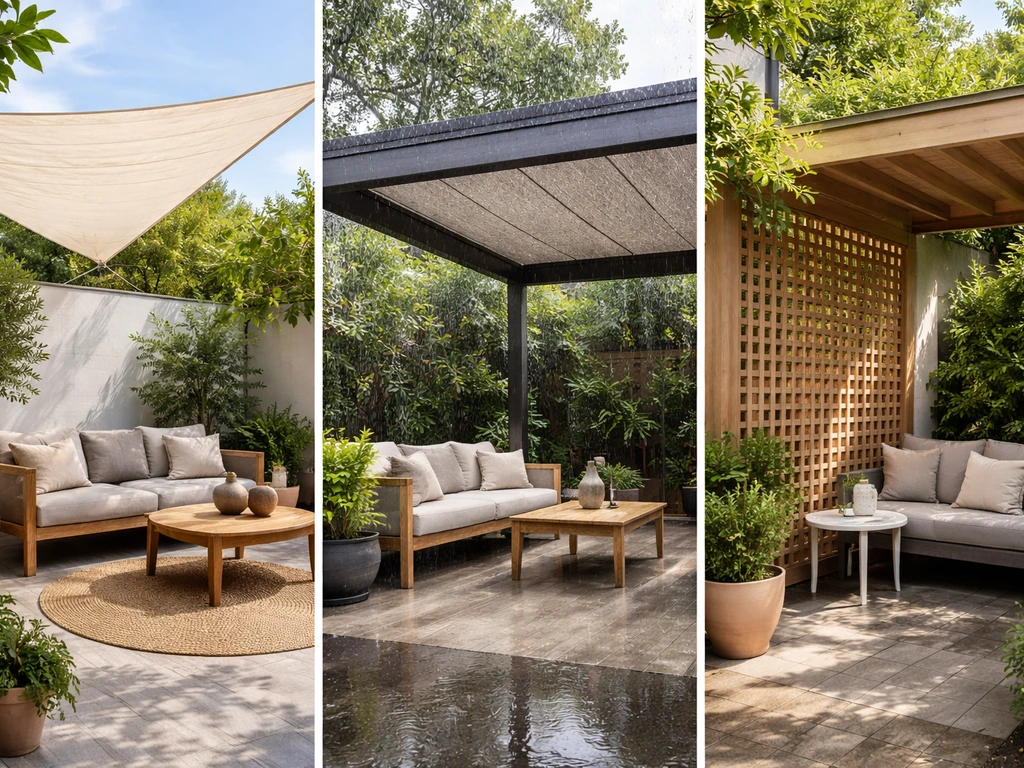
Before you browse any product pages or call a contractor, get clear on what problem you're actually solving. Most homeowners want one or more of these four things: shade from intense sun, protection from rain so the patio is usable on wet days, privacy from neighbors or the street, and better airflow so the space doesn't feel like an oven. Each of those priorities points you toward a different roof type, and trying to optimize all four with the wrong structure leads to overspending or disappointment.
- Shade only, hot/dry climate: Shade sail, open lattice pergola, or fabric canopy work great and cost less.
- Rain protection is critical: You need a solid roof panel, insulated cover, or a bioclimatic pergola with sealed louvres.
- Privacy from neighbors: Solid roofs help, but privacy screens or side panels attached to any roof structure do the real work.
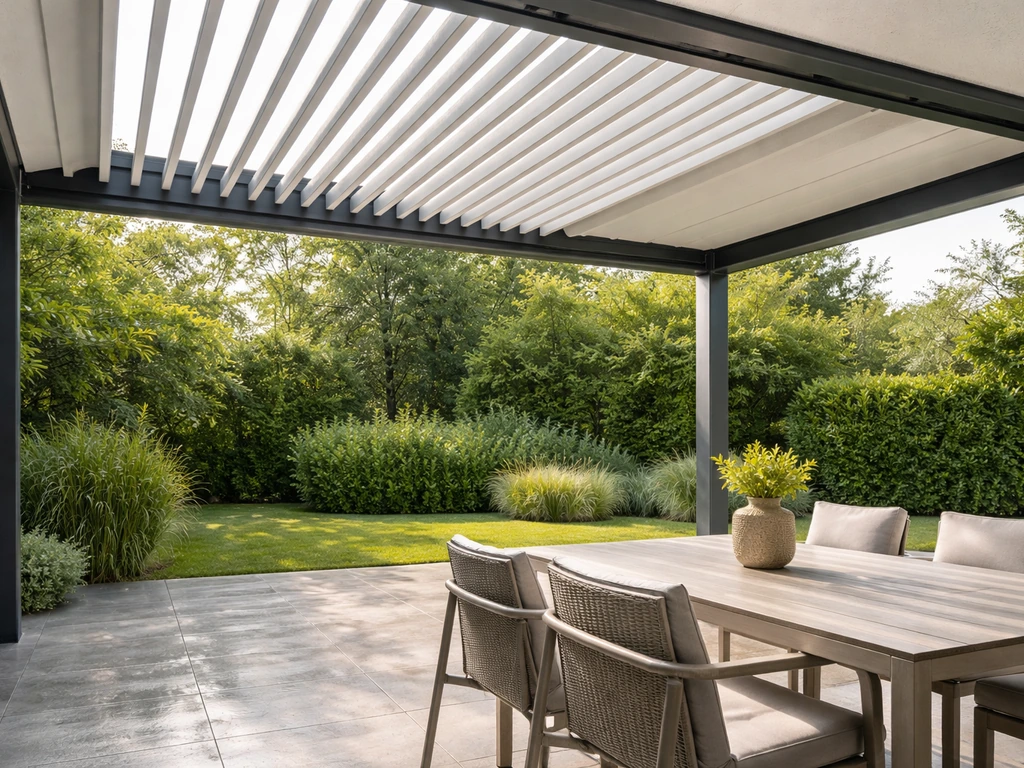
- Airflow matters most: Open pergolas, louvred bioclimatic pergolas, and retractable options all let you control ventilation better than a fixed solid roof.
- All-season use: Insulated solid covers or motorized louvre pergolas are your best bet, especially if you plan to add heaters or lighting.
If you're still not sure, ask yourself: how many months per year do you want to use the patio, and what's the one weather condition that currently shuts it down? That answer narrows your options fast.
Top patio roof ideas by type
Solid patio covers
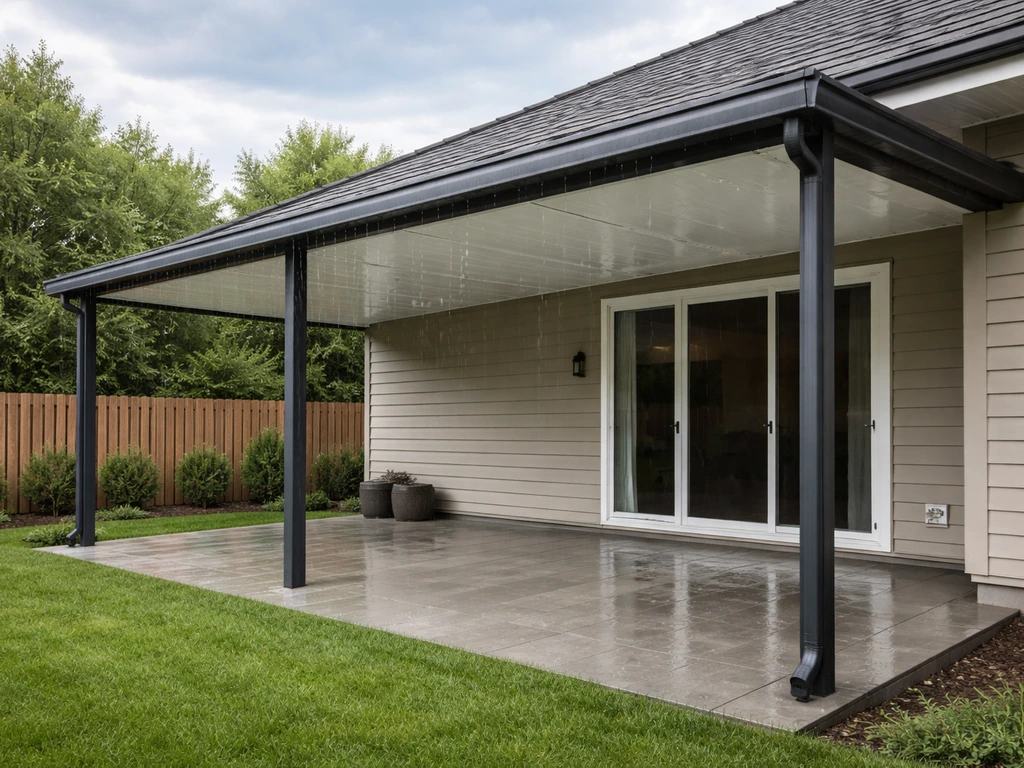
A solid patio cover is a fully enclosed roof panel system, usually aluminum or insulated aluminum, attached to your home and supported by posts. This is the most weather-proof option short of building a full room addition. Insulated aluminum panels (sometimes called solid lattice or insulated roof systems) block sun, shed rain completely, and can be fitted with integrated gutters and downspouts to route water away from the slab. Brands like Alumawood build these panels with a finish that won't split, chip, peel, or blister under normal conditions, and the gutter system can be configured with leaf guards. If you want even more inspiration, check out these top 60 patio roof ideas for different cover styles and setups. If you live somewhere with real rain seasons, this is the structure that lets you actually use your patio on a wet afternoon.
Pergolas (traditional and louvred)
A traditional pergola is an open-beam structure that gives partial shade and a great aesthetic, but it won't stop rain. It's one of the most popular patio roof ideas because it works beautifully with climbing plants, string lights, and outdoor decor, and it adds a lot of visual structure to a backyard. The upgrade version is a bioclimatic or louvred pergola, where motorized aluminum blades rotate up to about 115 degrees. When the blades are fully closed and interlocked, they form a watertight roof with drainage channels running through the structural columns. That means you get full shade, full rain protection, and variable airflow all from one structure. The tradeoff is cost: louvred pergolas are a premium product, usually installed by specialists.
Awnings and canopies
Awnings mount directly to your home's exterior wall and extend out over the patio on a frame. They're the fastest and most affordable permanent-ish option for sun and light rain. Fixed awnings are cheaper but obviously can't adjust. Retractable awnings let you open up the sky when you want it and close for coverage when you don't. When installing against the house, you need 12 to 14 inches of clearance above windows, and the attachment must go into structural framing, not just fascia, to hold up under wind. Canopies are freestanding versions, often made with a fabric top over a metal frame, and they work well when you can't attach to the house or want something you can take down seasonally.
Retractable and semi-retractable systems
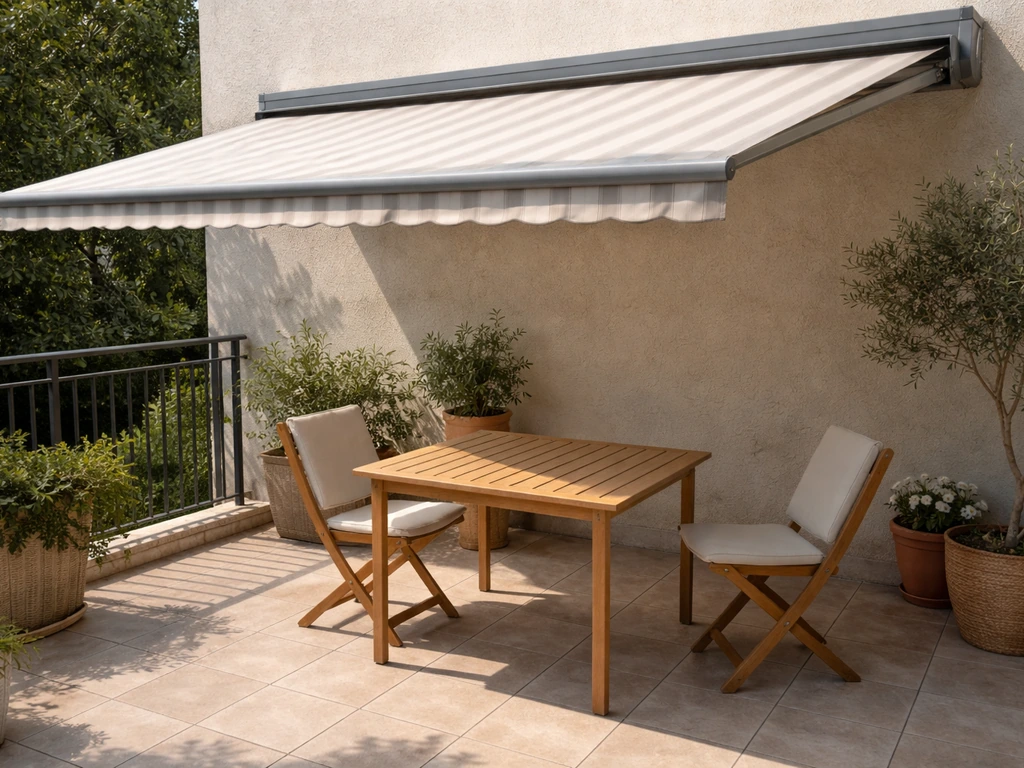
Retractable systems include motorized awnings, retractable pergola canopies, and rolling shade systems. The main appeal is flexibility: full sun when you want it, full coverage when you don't. Motorized versions can be set on timers or sensors. The downside is fabric wear over time (most awning fabrics last 5 to 15 years depending on climate and care), and they need to be retracted or secured before serious wind events. Semi-retractable options, like louvred pergola systems with partial coverage, split the difference well.
Shade sails
Shade sails are tensioned fabric panels anchored between posts, walls, or other fixed points. They're the most affordable option and can look sharp in modern, minimalist, or tropical-style yards. The catch is that installation quality really matters. The sail must be mounted at a slope so water drains off rather than pooling in the middle, it must be properly tensioned (tight enough to reduce flapping in wind), and the anchor points need to be strong enough to handle both tension and wind gusts simultaneously. Gravel or good drainage at ground level under the sail also helps manage runoff. Done right, a single sail installed over a small to medium patio is a solid budget solution. Done poorly, you get a floppy, pooling, anchor-pulling mess.
Hybrid approaches
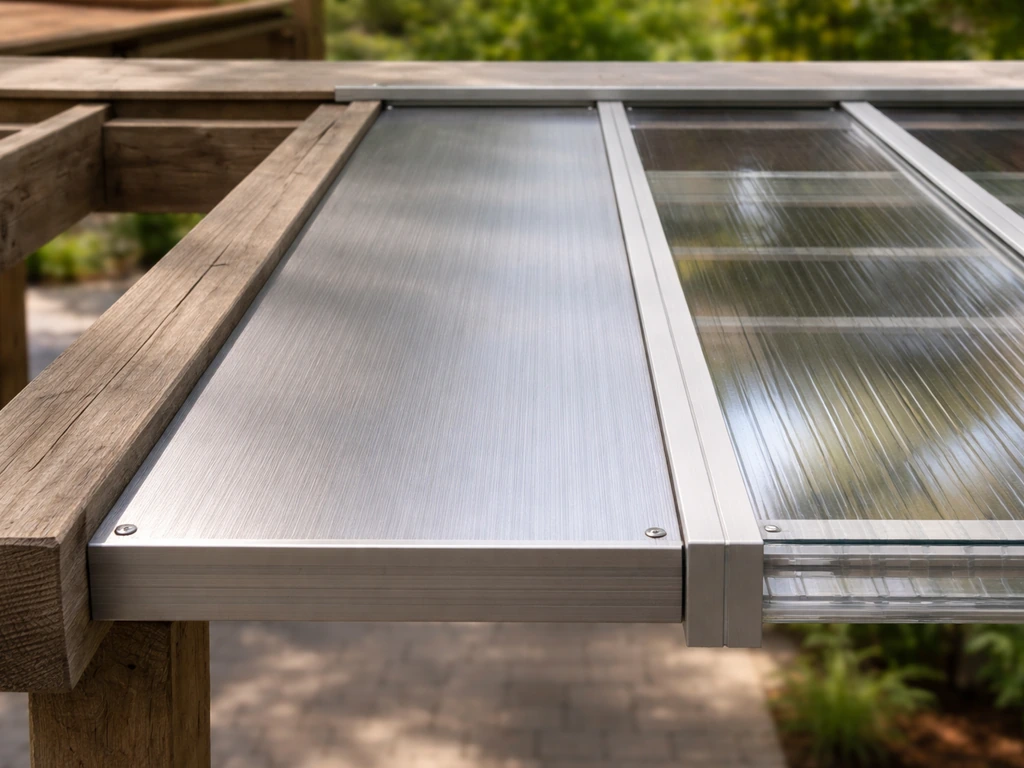
Hybrids combine a structural pergola or solid frame with a mix of shade elements: polycarbonate panels for some zones, a fabric insert for others, retractable shade on top of a wood pergola, or a solid roof section near the house with an open lattice section further out. These work well for large patios where you want different zones for dining (protected) and lounging (open air). Polycarbonate roofing panels, for example, let light through while blocking rain, and with proper UV stabilization they typically last 10 to 20 years. Mixing materials requires planning for drainage between sections, and permit requirements usually increase with structural complexity.
Materials and durability: what actually holds up
| Material | Durability | Maintenance | Best For | Watch Out For |
|---|---|---|---|---|
| Wood | 10–25+ years with upkeep | High: seal/stain every 1–3 years | Traditional/rustic aesthetic, pergolas | Rot, warping, insect damage in humid climates |
| Aluminum (standard) | 25–40+ years | Very low: rinse occasionally | Solid covers, louvred pergolas, awning frames | Can dent; cheaper grades may fade |
| Insulated aluminum | 25–40+ years | Very low | Full rain protection, insulated solid roofs | Higher upfront cost than open systems |
| Steel | 20–40 years | Low-medium: watch for rust in coastal areas | Heavy-duty freestanding pergolas, commercial | Weight; rust risk if coating fails |
| Vinyl/PVC | 15–30 years | Low: rinse with water | Budget solid covers, lattice panels | Can discolor in UV over time; less rigid |
| Fabric (solution-dyed acrylic) | 5–15 years | Medium: clean regularly, retract in storms | Awnings, canopies, shade sails | Fading, mildew if not maintained; replace eventually |
| Polycarbonate panels | 10–20 years | Low: clean panels periodically | Hybrid translucent roofs, patio enclosures | Can yellow without UV stabilization; thermal expansion |
For most homeowners who want a low-maintenance, long-lasting structure, aluminum in some form wins. It doesn't rot, it handles most climates, and the finish on quality products holds up for decades. Wood wins on looks and is easier to DIY, but you're signing up for ongoing maintenance. Fabric is the budget entry point but it's a consumable, not a permanent solution.
Weather, wind, and drainage: what your climate actually demands
This part matters more than most people realize, especially if you're in a coastal area, a high-wind corridor, or a region with real snow load. Patio covers are structural elements, and the building codes treat them that way. blank" rel="noopener noreferrer">ICC-ES evaluation reports also specify minimum live-load requirements for patio covers, including a 10 psf minimum live load for ESR-2676P. Under widely adopted building standards, blank" rel="noopener noreferrer">patio covers must be designed for a minimum vertical live load of 10 pounds per square foot, but if your area has snow loads that exceed that, the snow load governs the design. Wind load requirements are additional and depend on your local exposure category and wind speed zone.
The most common failure point in high-wind events isn't the roof panels themselves, it's the connections. Specifically, post-to-foundation connections and the attachment to the house. If a patio cover is attached to fascia instead of structural framing, and the load path isn't continuous from the roof down to the foundation, wind can rip off large sections all at once. This is why engineering review and proper permitting exist, and it's worth taking seriously whether you're DIYing or hiring a contractor.
- High wind zones (coastal, Midwest tornado corridor, mountain gaps): Prioritize solid structures with engineered connections, anchor posts in concrete footings, and avoid large freestanding canopies without wind ratings.
- Heavy rain climates (Pacific Northwest, Southeast, Gulf Coast): Solid roof or sealed louvred pergola; shade sails and open pergolas won't cut it for year-round use.
- Snow-load regions (Mountain West, upper Midwest, Northeast): Must account for snow load in structural design; many standard pergola kits are not rated for significant snow accumulation.
- Hot/dry climates (Southwest, Texas, Southern California): Shade is the priority; shade sails, open pergolas, and louvred systems all work well; drainage is less critical but UV durability matters enormously.
- Humid subtropical (Florida, Gulf states): Mold and mildew resistance is critical for fabric elements; aluminum over wood; ensure good airflow to prevent trapped moisture.
On drainage specifically: any solid roof needs a planned drainage path. Integrated gutters with downspouts routed off the slab are the standard for solid aluminum covers. Shade sails need to be angled so water runs to an edge, not pools in the center. Bioclimatic pergolas with sealed louvres typically drain through channels inside the structural columns. If you're doing a hybrid with polycarbonate panels, make sure the panels are lapped correctly and have a gutter at the low end.
Cost, DIY vs. pro install, and maintenance
Here's the honest range for each option. These numbers reflect 2025-2026 installed costs and will vary by region, size, and complexity.
| Roof Type | Installed Cost Range | DIY Feasibility | Typical Maintenance |
|---|---|---|---|
| Shade sail | $600–$2,000 per sail installed; ~$1.50–$6.50/sq ft | High (hardware-focused; needs care on tensioning and anchors) | Low: retension seasonally, remove in storms |
| Retractable awning | $1,000–$6,000 installed; ~$12.50–$27.50/sq ft | Moderate (motorized versions need pro) | Medium: clean fabric, lubricate mechanism yearly |
| Traditional pergola | $30–$65/sq ft installed | Moderate to high for wood kits; hire for custom | Medium (wood) to low (aluminum/vinyl) |
| Bioclimatic/louvred pergola | $150–$400+/sq ft installed (premium product) | Low: hire a specialist | Low: motor servicing every few years |
| Solid aluminum cover (standard) | $20–$50/sq ft installed; avg project ~$4,500–$12,000 | Moderate with a kit; complex installs need pro | Very low: rinse, check gutters annually |
| Insulated solid cover | $50–$150/sq ft installed | Low to moderate; usually professional install | Very low |
| Hybrid/custom structures | $50–$200+/sq ft depending on scope | Low: typically requires contractor | Varies by materials used |
DIY is genuinely viable for shade sails, simple wood pergola kits, and some aluminum patio cover kits. If you're handy with basic carpentry and concrete work, a wood pergola kit in the $1,500 to $4,000 material range is a weekend project. Shade sails are even more accessible. The line to call a pro: anything attached to the house structure, anything requiring footings deeper than a basic post anchor, anything with electrical (ceiling fans, lighting), and anything in a jurisdiction where permits require engineered drawings.
On permits: almost every city and county requires a permit for attached patio covers because they're considered structural additions. Some jurisdictions have exemptions for small freestanding structures under a certain square footage (200 sq ft is a common threshold in some areas), but you can't assume that applies to yours. Structural engineering review is often required before the permit is issued, because the building department needs to verify the design handles local wind, snow, and uplift forces. Budget an extra $500 to $1,500 for permit fees and any required engineering stamps depending on your location.
Matching style to your home and patio layout
The right roof does more than provide shelter: it visually connects your outdoor space to your home. A few principles that consistently work well in practice:
- Match your roofline pitch: if your home has a steep gabled roof, a flat patio cover can look disconnected. Sloped attached covers that echo the roof pitch tend to look intentional and built-in.
- Repeat your home's materials: a brick house looks great with a cedar or dark-stained wood pergola. A stucco contemporary pairs cleanly with white or gray aluminum. Trying to fight your home's palette usually doesn't work.
- Scale the structure to the space: a tiny pergola on a large patio looks like an afterthought. Size the covered zone to at least your dining or seating area, and leave open space intentionally rather than accidentally.
- Plan for airflow: solid roofs trap heat if you don't add a ceiling fan. Most solid cover systems have junction boxes pre-installed or can have them added. A fan drops the perceived temperature significantly and makes the space usable in summer heat.
- Think about lighting early: string lights on an open pergola, recessed LED strips on a solid cover, or pendant lighting on a louvred system all transform how the space feels at night. Run conduit or plan the electrical rough-in before the roof goes on.
- Side privacy panels: if privacy from neighbors is a goal, any roof type can accommodate lattice side panels, pergola curtains, or planted screens. Adding these later is easy, but planning for mounting points during installation saves work.
If you're dealing with a north-facing patio, the lighting and shade strategy changes a bit since you're working with less direct sun and more diffuse light. Similarly, the best roof for an outdoor patio in a compact urban setting often prioritizes vertical clearance and how the structure reads from inside the house through glass doors. Think about what you see from your kitchen or living room when you look outside: that view matters as much as the view from a chair on the patio itself.
Your step-by-step decision checklist
Use this to get from "I want a patio roof" to a concrete plan in a single afternoon of focused thinking and measuring.
- Define your priorities: write down your top two goals (shade, rain, privacy, airflow, aesthetics, budget). This drives every downstream decision.
- Measure your patio: get the exact length and width in feet. Note where the house wall is, where the sun hits hardest at the time you use the patio most, and where any existing posts, trees, or obstacles are.
- Check your local permit requirements: call or check your city/county building department website. Ask specifically: does an attached patio cover require a permit here? Does a freestanding structure under X sq ft require one? Do I need engineered drawings?
- Assess your attachment point: if attaching to the house, find out whether your home's fascia or exterior wall can support a ledger board into structural framing. This determines whether you need a contractor for that step.
- Set a realistic budget range: use the cost table above to estimate your range. Add 15% contingency for surprises (permits, demo of existing concrete edging, electrical rough-in, etc.).
- Narrow to two or three roof types that match your climate, goals, and budget, then get two to three quotes for each approach from licensed contractors.
- When vetting contractors, ask these questions: Are you licensed and insured in this state? Have you pulled permits for patio covers in this county before? Can you provide the engineered drawings or will I need to hire an engineer separately? Do you handle drainage and gutter connection? Can I see two or three local completed projects I can visit or call references on? What's the warranty on materials and labor?
- Before signing, confirm the quote includes permit fees, footings/concrete work, electrical rough-in if needed, drainage/gutters, and cleanup. Scope creep almost always happens in one of those areas.
- Plan your finishes and accessories now: ceiling fan location, lighting type, any side panels, and flooring compatibility (if you're adding pavers or composite decking, the post footings need to account for the finished floor height).
- Once installation is complete, document everything: save your permit records, warranty paperwork, and any engineering drawings. You'll need them if you sell the house or want to add to the structure later.
Measurements you need before any contractor call
- Patio dimensions: length x width in feet
- Height of the attachment point on the house wall (bottom of existing eave or soffit)
- Distance from the house wall to the outer edge of where you want coverage
- Existing post locations and footing depth if you have any
- Distance to the nearest electrical panel or outdoor outlet
- Slope of your existing concrete or paver slab (matters for drainage)
Once you've got your roof structure sorted, the next natural steps are thinking through what goes under and around it: flooring material compatibility with your post footings, cooling options like ceiling fans or misting systems, and decor choices that pull the whole space together. Each of those has its own set of tradeoffs worth working through before you start buying, but the roof decision is the foundation, and getting that right first makes everything else easier.
FAQ
How do I choose between a solid aluminum cover and a louvered (bioclimatic) pergola if I want privacy too?
Decide where privacy is needed most, then match the roof’s openness level. Solid aluminum gives full enclosure, so it reduces visibility from neighbors and street even when curtains or screens are not used. Louvers can be very private when closed, but when you open the blades for airflow you will lose screening, so plan privacy with side panels (clear or tinted) or add adjustable privacy shades on the open sides.
What should I do about water runoff if my patio is already sloped toward the house or toward a walkway?
Before picking a roof style, map where water currently flows during a heavy rain. For solid covers, confirm downspouts route water to a safe discharge point (drain line, drywell, or away from foundations) and do not empty toward doorways. For shade sails, verify the sail slope sends runoff to an edge that you can control with gutters or splash protection, because pooling or redirected runoff can damage slabs and footings over time.
Can I install a patio roof near windows without creating ventilation or condensation problems?
Yes, but you need to plan clearance and air movement, especially with insulated or louvered systems. Keep required clearance above windows as noted for awnings, and if the roof is close to an exterior wall, consider how warm moist air escapes (vented soffits, gaps at the eaves, or specified ventilation details). For louvered roofs, ensure the blades can fully close and still drain properly, since condensation tends to occur at low points.
Do I need gutters for a pergola with polycarbonate panels, and how do I prevent leaks at the joins?
In many designs, yes, you need gutters or at least a controlled drainage channel at the low ends. The key is the lap and sequencing of panels so water travels toward the drain instead of backing up at seams. Use flashing where the polycarbonate meets vertical surfaces, and plan a drip edge or gutter on the lowest side so water does not run behind posts or into wall gaps.
How do I know if my patio roof is safe in snow country if the design was estimated for light rain use?
Ask for the snow load design criteria used in your local permit, and do not rely on a generic estimate. The governing load may require stronger framing spacing, larger beams, and specific anchorage for uplift. Also confirm your roof pitch and drainage details, because flatter configurations can accumulate snow, increasing both weight and meltwater runoff where it may refreeze.
What wind-related checks should I make beyond “is it anchored” ?
Ask specifically how the load path is handled from roof to posts to foundation. Verify post-to-foundation anchors, connection hardware rated for uplift, and whether attachments to the house go into structural framing. If you are buying a kit, confirm the engineering documentation matches your exposure category, otherwise the kit might be rated for a different wind zone than yours.
Are retractable awnings enough for year-round use, or do they fail when you forget to retract?
Retractable awnings work best for seasonal or controlled conditions where you can retract quickly. Fabrics wear faster in sun and weather cycling, and in strong wind you must secure or retract before gusts. If you need dependable rain coverage during storms or periods when you might not be home, consider a semi-permanent solution like insulated solid panels or a louvered system that can remain closed and watertight.
What’s the most common mistake people make with shade sails that causes flapping or anchor failure?
Under-tensioning and incorrect slope. A sail that is not tight enough will flap, which dramatically increases fatigue loads on anchors and posts. Also, flat installation causes water to pool and adds weight, so ensure the sail is angled so water drains to edges, and confirm ground and anchor details can handle tension plus gusts at the same time.
How do I plan for lighting and electrical if my patio roof is still undecided?
Decide electrical locations early because it affects structure, especially when wiring needs to be routed through posts, beams, or roof panels. If you want ceiling fans or recessed lighting, treat it as a pro-install scope and check whether your chosen roof system supports those penetrations without voiding water seals. Planning now also helps you place outlets so cords are not visible or exposed to rain.
Can I mix materials in a hybrid design without creating drainage or maintenance issues?
You can, but only with a drainage plan at every transition. Confirm lapped panel order between polycarbonate and solid sections, add gutters where water would otherwise cross from one material to another, and design flashing at boundaries. Expect more maintenance where seams are concentrated, and budget time for periodic checks of fasteners, sealants, and drains.
What roof choice is best if I care most about low maintenance over the next 10 years?
For most climates, aluminum systems in some form tend to be the lowest maintenance, especially insulated solid panels with integrated gutters. Wood requires periodic sealing or staining, and fabric solutions are inherently consumable due to UV and weather cycling. If you want to minimize upkeep, avoid designs with lots of fabric surface area or frequent manual retraction requirements.
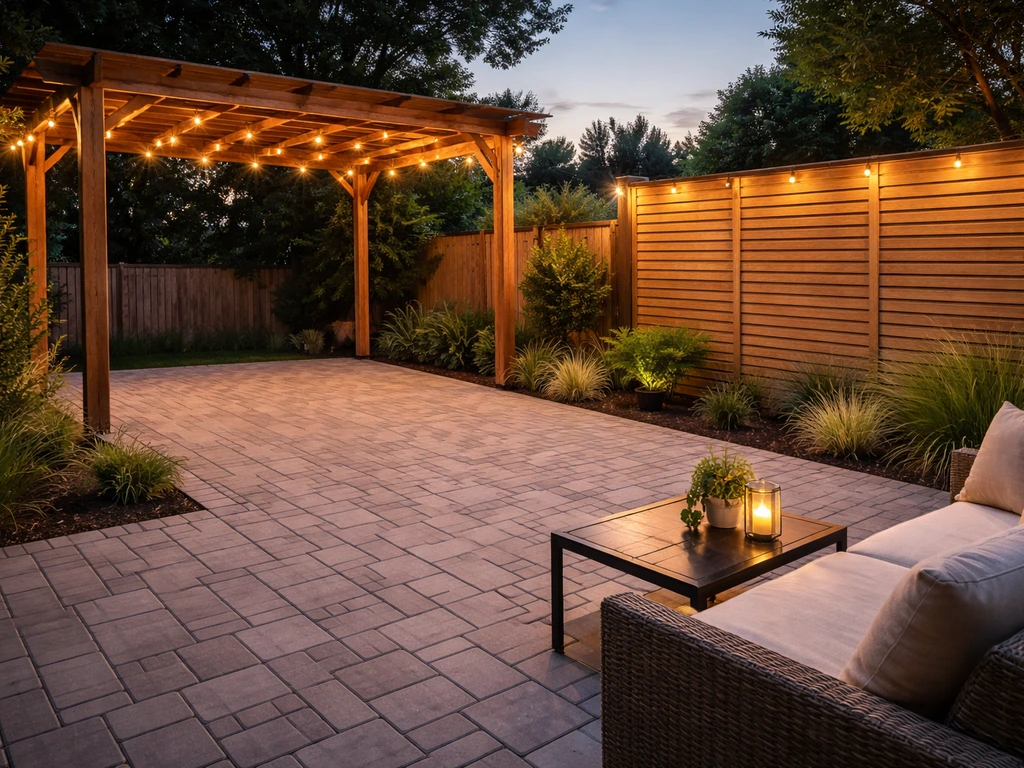
DIY outdoor patio ideas for planning, building, upgrading, and maintaining floors, shade, privacy, lighting, and decor.
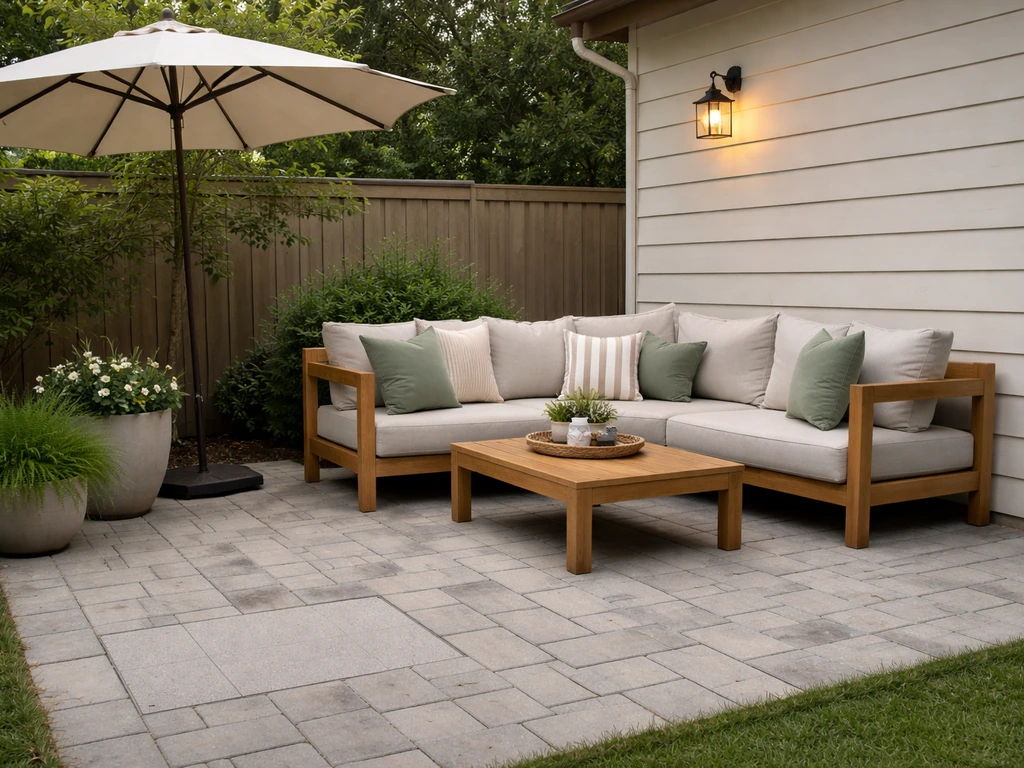
Quick fix patio ideas for fast comfort and style: cleanups, repairs, shade, flooring tweaks, and safe upgrades on any bu
Budget DIY patio ideas with step-by-step flooring, prep tips, cost ranges, upgrades, and safety mistakes to avoid.